
In a significant move during the 2025/2026 budget presentation on October 13, Trinidad and Tobago’s Finance Minister Davendranath Tancoo announced an immediate reduction of $1 per litre in the price of super gasoline. This decision, mandated by Prime Minister Kamla Persad-Bissessar, aims to provide financial relief to citizens by reversing part of the previous administration’s phased removal of fuel subsidies, which had led to consistent price hikes over the past decade. Drivers expressed their delight at the news, with one stating, ‘Yuh can’t go wrong. Is ah ease up; ah dollar could help a lot.’ Another driver highlighted the potential savings, saying, ‘That supposed to help we. That’s a plus. More gas, less money.’ However, not all reactions were positive. Some drivers were disappointed that the price reduction did not take immediate effect at the pumps, as promised. ‘If they say immediately, they supposed to remove it immediately,’ one driver remarked. Additionally, users of premium gasoline and diesel expressed frustration that the price cut was limited to super gasoline, with one driver noting, ‘It’s only for super, it doesn’t do anything for people using premium.’ A diesel user added, ‘If the consideration was made for one type of fuel, it should have been made across the board.’ While the announcement was generally welcomed, many drivers remain cautious, hoping for broader economic improvements in the budget.
分类: business
-
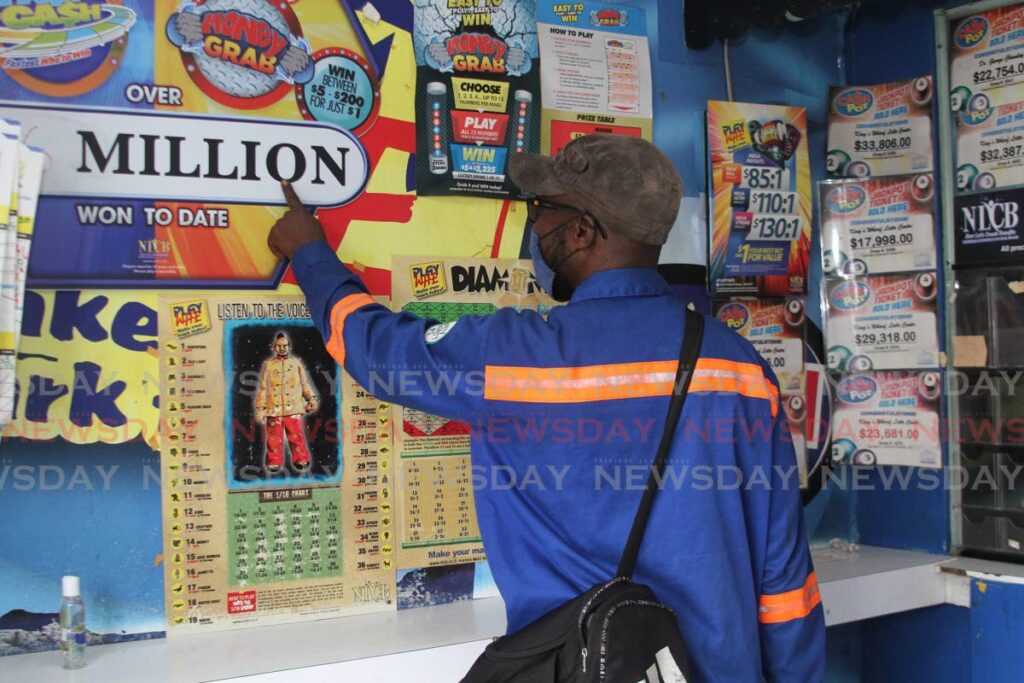
Gambling commission: Crackdown on illegal operators will level playing field
In a significant move to combat illegal gambling and strengthen regulatory oversight, the Gambling (Gaming and Betting) Control Commission has proposed amendments to the Gambling and Betting Act. Corporate Communications Manager Shahad Ali emphasized that these changes, which include harsher penalties for illegal operators, aim to create a fairer playing field for licensed businesses and foster sustainable industry growth. Ali highlighted that the reforms prioritize responsible gaming practices and the protection of vulnerable groups, aligning with public expectations and regulatory mandates. Finance Minister Davendranath Tancoo, during his 2025/2026 budget presentation, underscored the financial toll of illegal gambling, estimating a $9 billion illegal market that deprives the state of significant tax revenue and fuels criminal activities like money laundering and human trafficking. To address this, the amendments introduce penalties of up to $3 million and seven years’ imprisonment for illegal operators. Additionally, the National Lotteries Control Board (NLCB) will now make quarterly payments into the Consolidated Fund to enhance revenue oversight. These measures are part of a broader fiscal strategy to improve compliance and boost state revenue collection.
-
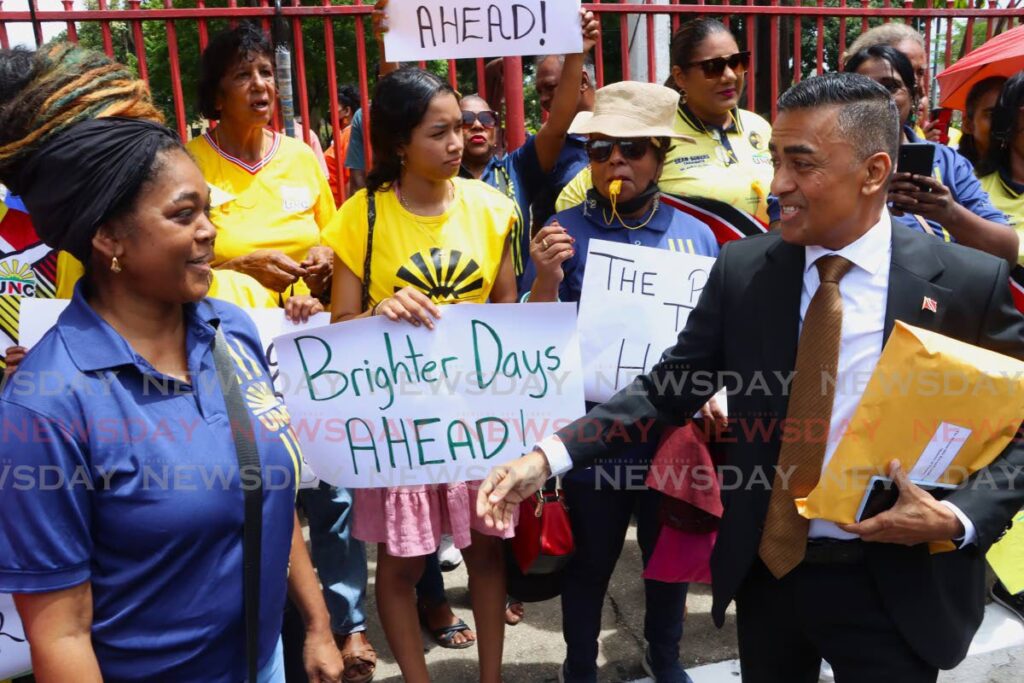
Real estate trust to unlock ‘national wealth’ to ordinary citizens
In a groundbreaking move to democratize state-owned assets and enhance public participation in national wealth creation, Finance Minister Davendranath Tancoo announced the establishment of a Real Estate Investment Trust (REIT) and a $1 billion bond under the National Investment Fund (NIF). The announcement was made during the presentation of the $59 billion budget on October 13, marking a significant step toward innovative financing in Trinidad and Tobago. The REIT, described as a ‘landmark initiative,’ will include high-value income-generating properties such as land, office buildings, and commercial infrastructure. These assets will be transferred to the REIT and listed on the local stock exchange, enabling both individual and institutional investors to earn dividends from real estate investments. Minister Tancoo emphasized that the state will retain a strategic stake in these assets, ensuring transparency and accountability through a high-level technical committee. Additionally, the NIF will launch a $1 billion bond in the 2026 fiscal year, offering citizens and small businesses a safe, tax-free investment opportunity. The bond will be backed by 21% of the shareholding of First Citizens Group Financial Holdings Ltd (FCGFH), valued at approximately $2 billion. The government retains a 60.11% majority ownership in First Citizens Group, ensuring indirect control over these assets. Both initiatives aim to strengthen the capital market, diversify investment opportunities, and contribute significantly to government revenue.
-
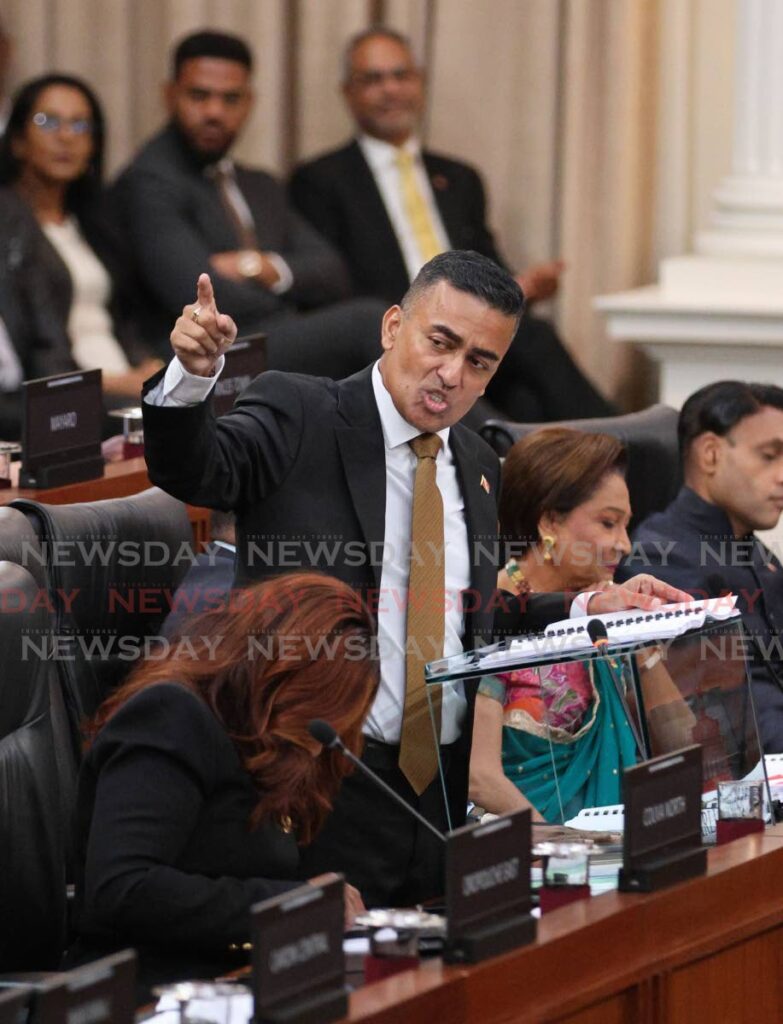
Tancoo’s tightrope bets on growth
In a landmark parliamentary session on October 13, Finance Minister Davendranath Tancoo presented the 2025-2026 budget, marking the first budget under the UNC administration in a decade. The fiscal plan, described as bold and ambitious, hinges on sustained public investment, institutional reforms, and the preservation of social safety nets. Key highlights include an anticipated boost in staffing at the Board of Inland Revenue by February, a projected GDP growth by 2026, and a promised 10% salary increase for civil servants. Despite these optimistic measures, the budget reflects cautious optimism rather than radical economic transformation. Energy revenues, though declining, still account for 20% of total income, while diversification efforts remain modest, with token mentions of agriculture, university business labs, and renewable energy. The budget deficit stands at $3.89 billion, the lowest in years, though concerns linger over optimistic oil and gas price assumptions. Tancoo’s three-hour speech, marked by directness and enthusiasm, avoided excessive criticism of the previous PNM administration while acknowledging structural economic challenges. The budget balances short-term gains, such as increased education spending and VAT reductions on select items, with potential drawbacks like higher duties on cigars and alcohol, increased NIS rates, and new levies on private enterprises. The absence of clarity on the Petrotrin refinery’s future suggests the budget is part of a broader, long-term strategy.
-

Canadian trade mission arrives in Guyana
A high-profile Canadian business delegation has arrived in Georgetown, Guyana, for a four-day visit aimed at bolstering trade and investment ties between the two nations. The delegation, comprising representatives from Bionetix International, Sprig Learning Inc., 4Pay Inc., FreeBalance Inc., and E-Magic Solutions, spans diverse sectors including financial technology (FinTech), information and communications technology (ICT), infrastructure, education, and sanitation. Organized by the High Commission of Canada, the visit is part of a broader strategy to enhance commercial cooperation with Guyana and the wider Caribbean region. The delegation’s agenda includes market knowledge sessions, high-level meetings with government officials, and a business-to-business (B2B) program designed to connect Canadian firms with local enterprises. A key feature of the visit will be on-the-ground site tours, offering participants firsthand insights into Guyana’s rapidly evolving infrastructure and investment landscape. These visits aim to bridge the gap between theoretical discussions and practical understanding of opportunities and challenges across various sectors. Canada’s High Commissioner to Guyana, Sebastien Sigouin, emphasized the initiative’s focus on aligning Canadian innovation with Guyanese opportunities. He highlighted the long-standing relationship between the two countries, rooted in trust, cooperation, and mutual respect. The visit underscores Canada’s commitment to supporting Guyana’s development priorities through partnerships that promote innovation, knowledge transfer, and sustainable growth. The High Commission also noted that the mission is not solely about advancing Canadian business interests but also about fostering inclusive, long-term benefits for both nations. The delegation’s presence reflects Canada’s confidence in Guyana’s economic trajectory and the value of building transparent, sustainable, and mutually prosperous partnerships. This visit marks a significant step in strengthening Canada-Guyana commercial relations and unlocking shared opportunities for a resilient and innovative future.
-

Tunapuna Chamber welcomes ‘economic fairness’ budget
The Greater Tunapuna Chamber of Industry and Commerce (GTCIC) has expressed its support for the government’s emphasis on ‘economic fairness’ and fiscal accountability in the 2026 national budget. However, the business lobby group has raised concerns about the persistent liquidity and competitiveness challenges faced by small and medium-sized enterprises (SMEs), calling for immediate and practical solutions. In a statement following Finance Minister Davendranath Tancoo’s budget presentation, GTCIC President Ramon Gregorio acknowledged the budget’s focus on tax modernization, institutional renewal, and digital transformation as steps toward reform. Yet, he emphasized the need for ‘concrete, time-bound measures’ to address foreign exchange shortages, improve SME financing, and bolster business confidence. Gregorio stated, ‘The business community seeks accountability matched by delivery – a Trinidad and Tobago where entrepreneurship thrives, forex flows freely, and SMEs drive inclusive growth.’ The chamber welcomed the reduction in super gasoline prices as a relief measure for transport and manufacturing sectors, potentially lowering logistics costs and inflation. It also praised initiatives in the energy sector, such as the Dragon Gas project and expanded exploration, as crucial for stabilizing foreign exchange inflows. Additionally, the GTCIC commended the creation of an employment fund and the replacement of CEPEP and URP with formal, productivity-driven jobs, viewing these as steps toward long-term economic restructuring. Gregorio highlighted the government’s digitization efforts, including the National Payment and Innovation Company of TT’s online payment system and the ‘Anansi’ virtual assistant, as tools to reduce bureaucracy and corruption. However, the chamber urged the government to ensure transparent and equitable forex distribution, especially for manufacturers reliant on imported raw materials. It also called for direct SME funding and credit guarantees, beyond recent reforms to the Export Academy and Eximbank. On tax reform, the GTCIC stressed the need for detailed consultation with small businesses to avoid disruptions in pricing and compliance systems. It also emphasized the importance of sustained crime reduction for investor and business confidence. The GTCIC expressed its willingness to collaborate with the Ministry of Finance, the Ministry of Trade and Industry, and the newly established Private Sector Organisation of TT (PSOTT) to translate policy intentions into measurable outcomes. ‘We stand ready to collaborate to ensure that policies translate into tangible results for business owners, workers, and consumers alike,’ the statement concluded.
-

EU hits Gucci, Chloe, Loewe with 157-mn-euro fines for price fixing
In a significant move to uphold fair competition, the European Union has levied fines totaling over €157 million ($182 million) against luxury fashion giants Gucci, Chloe, and Loewe for engaging in resale price-fixing practices. The European Commission, following surprise raids in April 2023 and a formal antitrust investigation launched in July 2024, found that the brands had restricted independent retailers from setting their own prices both online and in physical stores. This anticompetitive behavior, according to the EU, not only inflated prices but also limited consumer choice.
-

Budget shifts gear on auto sector
The 2025/2026 national budget of Trinidad and Tobago has been hailed as ‘for the people’ by Visham Babwah, president of the TT Automotive Dealers Association (TTADA). The budget introduces significant policy shifts aimed at making vehicle ownership more affordable while addressing loopholes that have allegedly drained foreign exchange reserves. Finance Minister Davendranath Tancoo announced a series of tax reforms in the automotive sector, balancing environmental responsibility, economic prudence, and public accessibility. One of the most notable changes is the introduction of new taxes on luxury electric vehicles (EVs), effective January 1, 2026. Tancoo emphasized the government’s support for EV adoption to reduce carbon emissions but highlighted the misuse of tax exemptions for high-end models. Under the new regime, EVs with a cost, insurance, and freight (CIF) value exceeding $400,000 will attract a ten per cent customs duty, a 12.5 per cent VAT, and a tiered motor vehicle tax, expected to raise $40 million annually. Mid- and lower-priced EVs will continue to benefit from tax relief, promoting clean energy alternatives for the average citizen. Additionally, tax concessions for returning nationals, including exemptions from motor vehicle tax, VAT, and customs duty, will be removed, aligning them with other vehicle importers. The government also revised the age limit on used car imports, increasing the permissible age for private vehicles from three to six years and for light commercial vehicles from seven to ten years. Babwah welcomed these changes, noting they followed detailed consultations with TTADA. The budget also introduced increased fines for road safety and environmental protection, including higher penalties for careless driving and driving under the influence. While no new investments were made in compressed natural gas (CNG), Babwah cautioned against revisiting past initiatives that failed to yield long-term benefits. He also welcomed the government’s $1 reduction in the price of super gasoline, highlighting past unfulfilled promises to reverse fuel price hikes. Babwah described TTADA’s engagement with the government as collaborative, emphasizing their commitment to policies supporting the automotive industry, consumer protection, and environmental sustainability.
-

Business chambers welcome budget presentation
In the wake of the 2025/2026 budget presentation, Dianne Joseph, President of the TT Coalition of Services Industries (TTCSI), emphasized the need for the government to prioritize implementation over mere promises. While applauding initiatives such as the removal of VAT on basic food items and the establishment of a $1 billion National Investment Fund Holding Company Ltd, Joseph cautioned that past governments have struggled with execution. She stressed that without the right teams and strategies in place, the budget’s ambitious goals may remain unfulfilled. Joseph highlighted ongoing issues with online business registration, noting that despite promises, many members still face bureaucratic hurdles. She called for accountability and strategic planning to ensure the budget’s success. The American Chamber of Commerce of TT (Amcham TT) and other business associations welcomed aspects of the budget, particularly enhancements to the Customs and Excise Division and potential reforms to the VAT system. However, they emphasized the importance of inter-agency coordination and the establishment of oversight mechanisms to ensure lasting impact. Kiran Singh, President of the San Fernando Chamber of Commerce, praised the reduction in super gas prices, which he said would benefit the MSME sector by reducing transportation costs. However, concerns were raised about proposed rental taxes and electrical surcharges, which could increase costs for landlords and tenants. The TT Chamber of Industry and Commerce also highlighted measures to boost non-energy exports, including investment in agriculture and the establishment of an Export Academy. Overall, while the budget has been well-received, business leaders are calling for effective implementation to translate promises into tangible benefits.
-

OPINION: What cannabis legislation can teach us about foreign direct investment (Part 2)
In the competitive landscape of foreign direct investment (FDI), Saint Lucia and other Caribbean nations offer substantial tax concessions to attract investors. These incentives include VAT relief on building materials, income tax exemptions, property tax waivers, and customs duty exemptions on imports. Such measures are part of a broader strategy to stimulate economic growth and job creation. However, the International Monetary Fund (IMF) has raised concerns about the sustainability of these incentives, noting that the cost per job in the formal sector can be as high as $2,500. Research also indicates that some countries forfeit up to 16% of their annual GDP through tax incentives, with limited tangible benefits. Despite these criticisms, proponents argue that without such incentives, investment and job creation would stagnate. To address these challenges, the Regulated Substance Authority (RSA) and other stakeholders are focusing on sector-specific incentives that prioritize corporate social responsibility, environmental protection, and compliance with national and international laws. Additionally, efforts are underway to improve the ease of doing business in Saint Lucia, addressing issues such as limited access to financing, weak insolvency mechanisms, and high energy costs. The RSA is also working to integrate traditional communities, such as the Rastafari, into the burgeoning cannabis industry, ensuring that development does not displace local stakeholders. The consultative process undertaken by the RSA serves as a model for broader legislative and policy initiatives, emphasizing public engagement and transparency. As Saint Lucia navigates the complexities of FDI, balancing economic growth with sustainable development remains a critical challenge.