
Antigua’s most visited news platform is now offering businesses an opportunity to elevate their digital presence through fully customizable and flexible marketing packages. Designed to cater to diverse advertising needs, these packages provide a unique chance for brands to connect with a wide audience in the region. The platform emphasizes its ability to adapt to specific marketing goals, ensuring maximum visibility and engagement for advertisers. Interested parties are encouraged to reach out via email at [email protected] to explore the available options and take advantage of this innovative advertising opportunity. This initiative highlights the platform’s commitment to supporting local and international businesses in achieving their marketing objectives.
分类: business
-

Bank accounts important for “next phase” of wealth transfer- Ali
The Guyana government, under the leadership of President Irfaan Ali, is intensifying efforts to encourage citizens to open bank accounts as a critical step in the nation’s wealth transfer strategy. Speaking at a reception hosted by the Canada Guyana Chamber of Commerce, President Ali emphasized the importance of integrating bank accounts with the new Electronic Identification Card (eID) system. This initiative aims to streamline government services, reduce bureaucratic inefficiencies, and enhance transparency. President Ali clarified that the rollout of the eID card is not directly tied to the disbursement of upcoming cash grants, which he had previously hinted at during the 2025 election campaign. Vice President Bharrat Jagdeo reaffirmed the President’s commitment to fulfilling these promises. To facilitate this transition, the government and banking sector have simplified the criteria for opening personal, small business, and corporate accounts, eliminating previously burdensome requirements. The overarching goal is to ensure every Guyanese citizen has access to a bank account, paving the way for a more efficient and transparent financial system.
-

Sagicor increases fee for ABM withdrawal from other banks
KINGSTON, Jamaica — Sagicor Bank has announced a significant change in its fee structure for automated banking machine (ABM) withdrawals, effective Monday, October 20. The fee for withdrawals from other local banks will rise from $59.23 to $61.53. This adjustment impacts Sagicor customers who utilize ABMs at other local banking institutions through the multilink network. The bank attributes this increase to recent adjustments made by JETS Limited, the operator of the Multilink network. Additionally, earlier in October, Sagicor reduced the maximum cash retrieval limit per transaction from $100,000 to $50,000. However, the daily withdrawal cap remains unchanged at $100,000. These changes are expected to influence customer behavior and banking practices in the region.
-

Renters brace for higher rates, landlords hope to keep it managable
A new tax on rental income, set to take effect on January 1, 2026, has stirred significant debate among renters and property owners in Trinidad and Tobago. The tax, ranging from 2.5% to 3.5%, will apply to rental incomes of $20,000 or more, accompanied by a one-time $2,500 registration fee. The measure, announced by Finance Minister Davendranath Tancoo during the 2026 national budget presentation on October 13, is projected to generate $70 million in government revenue. However, its implementation has raised concerns about its potential impact on housing affordability and tenant-landlord dynamics. Many renters fear that landlords will pass the additional costs onto them, further straining their finances. A Cumuto renter expressed frustration, stating, ‘It will fall on the renter because the landlord will claim it cuts into their profits. They’ll say they need to survive and maintain the property, even though they don’t maintain the properties well. It’s going to make the quality of life for renters poorer.’ Similarly, San Juan renter Avi-Mae Shaw anticipated conflicts over the surcharge, saying, ‘I can already hear people quarrelling about how they’re supposed to make their money with this surcharge.’ Landlords, on the other hand, are grappling with the challenge of balancing their own financial needs with the affordability of their properties. While some landlords acknowledged that rent increases are inevitable, they pledged to keep hikes reasonable. For instance, a San Juan landlord stated that the price of a one-bedroom apartment, currently advertised at $1,700, should not increase by more than $150. Another landlord emphasized the need for moderation, saying, ‘We still have a responsibility to keep it manageable.’ However, not all landlords are in favor of the tax. A Belmont landlord in her late 30s criticized the measure, noting its potential to disproportionately affect low-income rentals. ‘As a young landlord who tries very hard to keep my rent rates affordable, this makes it more difficult to balance the books,’ she said. In contrast, a retired couple vowed not to raise their rent, citing empathy for tenants’ financial struggles. Finance Minister Tancoo defended the tax as a necessary step to ensure equitable contributions to national development. ‘Development costs must be shared across every aspect of society,’ he stated. While acknowledging the risk of costs being passed onto consumers, Tancoo urged renters to explore alternative housing options if landlords increase prices. He also highlighted plans to establish a rent board to address tenant concerns about exploitative practices. ‘We will have to go back to a similar type of organization to ensure a harmonious relationship between landlords and tenants,’ he said. The new tax has ignited a broader conversation about housing affordability, tenant rights, and the responsibilities of property owners in Trinidad and Tobago.
-

Air Peace to Begin Nigeria–Antigua Charter Service on December 21
LAGOS, Nigeria — Air Peace, the largest airline in West and Central Africa, is set to introduce a groundbreaking monthly charter service connecting Lagos and Accra to Antigua and Barbados, with additional extensions to Trinidad and Tobago and Jamaica. The service, scheduled to commence on December 21, 2025, marks a significant milestone in intercontinental travel, as Air Peace becomes the sole carrier offering direct flights from West and Central Africa to the Caribbean. This initiative is expected to foster enhanced tourism, trade, and cultural exchange between the two regions. The new route builds on Air Peace’s previous Caribbean operations, including the Lagos–Montego Bay charter in 2020 and the Abuja–St. Kitts and Nevis service in 2025. The airline’s strategic vision emphasizes bridging continents and expanding interregional travel opportunities. To cater to travelers, Air Peace has collaborated with Tour Brokers International of Nigeria, Sun Seekers Tours of Ghana, and Adansi Travels of Ghana to offer exclusive tour packages. Flight fares for Antigua, Barbados, Jamaica, and Trinidad & Tobago are now accessible on the airline’s website and through accredited travel agents. This development underscores Air Peace’s commitment to innovation and its role as a key player in global aviation.
-
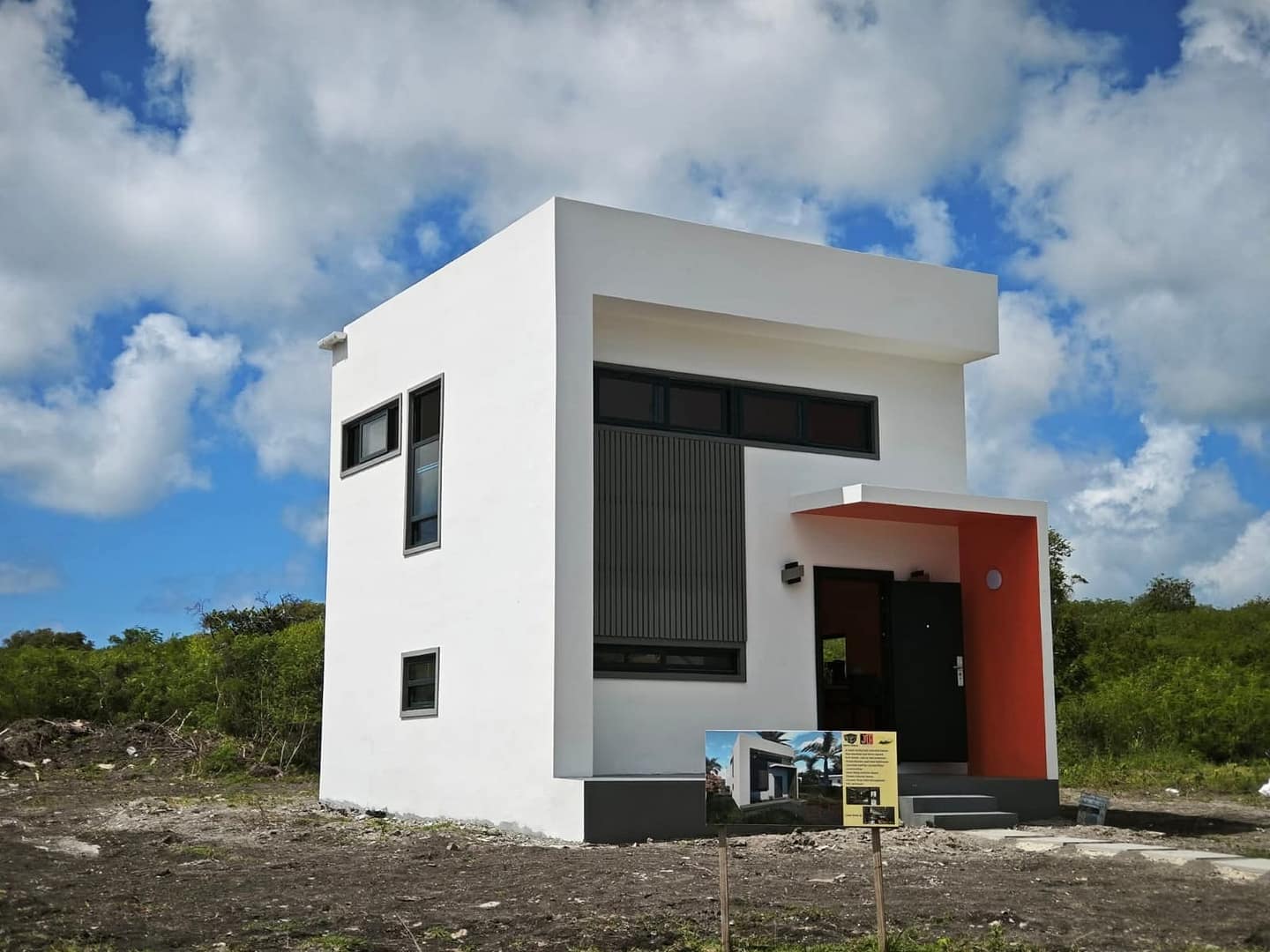
Guizhou Antigua Manufacturing Clarifies Role in Construction Projects, Denies Involvement in Land Sales
Guizhou Antigua Manufacturing Ltd. (GAM) has released a public statement to clarify its involvement in local construction projects, explicitly distancing itself from land sales and related transactions. The company emphasized that all its architectural structures and buildings are constructed in strict compliance with the requirements set by the Central Housing and Planning Authority (CHAPA). GAM reiterated that it has no role in land transactions and will not assume responsibility for any redesigns, modifications, or planning changes made without its prior consultation or formal engagement. The company stated, ‘Should any redesign, modification, or planning related to the aforementioned properties occur without prior consultation and formal engagement with GAM, the company shall not be held liable for any direct or indirect consequences arising therefrom.’ Furthermore, GAM highlighted that all future design, construction, and consultation fees will be processed exclusively through its appointed law firm or CHAPA, ensuring transparency and preventing any misunderstandings regarding its operations and financial procedures. The statement, dated October 17, 2025, underscores GAM’s commitment to maintaining clear and ethical business practices.
-

‘Only licensed taxis’: Government, Uber move to calm backlash
The imminent launch of Uber in Barbados has ignited a heated debate, prompting swift responses from both the government and the ride-hailing giant. Scheduled to go live on October 22, Uber has clarified that its platform will exclusively cater to licensed taxi drivers, adhering to rates regulated by the Transport Authority. This announcement follows protests by local taxi operators, who gathered outside the Bridgetown Port to voice concerns over potential job losses, economic strain, and the perceived threat to their industry. Uber emphasized that its app will only feature the Uber Taxi product, ensuring that drivers receive the full regulated fare despite initial testing discrepancies caused by automatic discounts. Transport Minister Santia Bradshaw reiterated that Uber must operate within Barbados’ legal framework, allowing only registered taxis with proper permits to provide services. However, veteran taxi operators like Colvin Yarde expressed deep reservations, arguing that the government granted Uber’s license without adequate consultation. Yarde warned of a ripple effect on the economy, citing potential losses in tax revenue, insurance, and fuel sales. Kenneth Knight of the Bridgetown Port Taxi Co-operative questioned Uber’s suitability for Barbados, advocating for locally developed ride-hailing solutions instead. As tensions rise, stakeholders are calling for direct dialogue with Prime Minister Mia Amor Mottley before Uber’s official rollout.
-

Suriname-Guyana handelsrelaties gaan nieuwe fase in
Andrew Baasaron, Suriname’s Minister of Economic Affairs, Entrepreneurship, and Technological Innovation, recently concluded a series of field visits in Guyana as part of a working trip aimed at fostering bilateral economic collaboration. Accompanied by Guyana’s Minister of Tourism, Industry, and Commerce, Susan Rodrigues, Baasaron toured key facilities, including the Guyana Marketing Corporation (GMC), a processing plant, and an industrial site. The visit followed high-level discussions between the two ministers on joint initiatives in tourism, trade, and industrial development. At the Guyana Shop, a hub for promoting local products for both domestic and export markets, Baasaron praised Guyana’s organized agricultural and agro-processing sectors, calling it an inspiring model of government-private sector collaboration. Discussions at the processing facility explored the potential for establishing a similar structure in Suriname to support small and medium-sized enterprises (SMEs) in product development and export. Baasaron emphasized that such efforts align with Suriname’s goals of strengthening its non-oil sector, enhancing regional food security, and diversifying exports. The delegation also engaged with local entrepreneurs and officials at the industrial site to gain insights into Guyana’s approach to industrial projects, which could inform the development of industrial zones in Suriname.
-

The eyes of the world are on the Dominican Republic: Why?
Francisco “Paco” Pérez, President of the Official Chamber of Commerce of Spain in the Dominican Republic (CAMACOESRD), highlighted on Wednesday that the Dominican Republic has become a focal point for global attention. Pérez attributed this growing interest to the nation’s remarkable economic, social, and political stability, which stands out in an era of global polarization. He emphasized that these attributes provide investors with a sense of security, ensuring that their investments are well-protected. Additionally, the country’s robust legal framework and attractive profitability further distinguish it as a prime destination for foreign investment. Pérez remarked, “These are the greatest attributes this country has for investment.”
Despite its strengths, Pérez acknowledged areas for improvement, particularly in infrastructure development. He stressed the importance of enhancing road networks, water supply systems, and transportation to sustain the country’s growth trajectory. “The government shares this vision, and progress is underway,” he added.
Iban Campo Urriza, Secretary of the Official Spanish Chamber of Commerce in the Dominican Republic and Director of Llorente y Cuenca (LLYC), emphasized the critical role of education in fostering innovation and entrepreneurship. Campo Urriza highlighted the need for skills development in STEM (science, technology, engineering, and mathematics) and closer alignment with technological advancements. He noted that while the Dominican Republic has made strides, there is still work to be done in equipping its workforce with the necessary technical expertise. “Innovation and entrepreneurship demand specific skills and technological proficiency, which the country must continue to address,” he said.
Campo Urriza also pointed to initiatives aimed at training local talent, including collaborations with international experts. He expressed confidence that strengthening these efforts would solidify the Dominican Republic’s position as a regional leader in Central America and the Caribbean. “Investing in talent development and specialized qualifications will make a significant difference in maintaining our competitive edge,” he concluded.
-

Spanish businessmen highlight the advantages and challenges of investing in the Dominican Republic.
The Dominican Republic has solidified its position as a global investment hub, attracting significant Spanish investment totaling $1.126 billion, second only to the United States. This surge is attributed to the nation’s robust legal security, macroeconomic stability, and attractive incentives, as highlighted by executives from the Official Spanish Chamber of Commerce in the Dominican Republic (CAMACOESRD) and the Dominican Week in Spain (SEDE) platform during a recent luncheon hosted by the Corripio Communications Group. Francisco (Paco) Pérez, president of CAMACOESRD, emphasized the country’s exceptional economic, social, and political stability, which stands out in an era of global polarization. He noted that Spanish investment has diversified beyond tourism into strategic sectors like renewable energy, infrastructure, and communications. José Maldonado, vice president of SEDE, underscored the role of the Renewable Energy Law and the double taxation treaty between the two nations in driving investment. However, challenges remain, particularly in improving service infrastructure and education to meet the demands of new investments. Pérez and other leaders stressed the importance of maintaining tax incentives to sustain the Dominican Republic’s regional leadership, citing competition from countries like Jamaica and Costa Rica. In a bid to further promote the country, Spanish business leaders announced the upcoming SEDE event, scheduled for March 27-31 in Madrid and Asturias, which will showcase the Dominican Republic’s banking system, digital advancements, and creative industries.