分类: business

  • HRMAB: Barbadian workers should benefit from Bill

    HRMAB: Barbadian workers should benefit from Bill

    Amid parliamentary deliberations on Barbados’ Economic Diversification and Growth Fund Bill, the Human Resource Management Association of Barbados (HRMAB) has emphasized the critical need for equitable distribution of high-level management positions for local professionals. HRMAB President Tisha Peters, while acknowledging her organization’s ongoing review of the proposed legislation, articulated concerns that workforce implications risk being overshadowed by broader economic and political debates.

    The proposed legislation, which allocates $225 million from the Consolidated Fund over three years, aims to attract qualifying international companies that commit to creating substantial employment opportunities domestically. To qualify, enterprises must demonstrate significant offshore presence while pledging to generate at least 100 sustainable jobs for Barbadians maintained over seven years, alongside compliance with national tax obligations.

    Peters specifically highlighted the association’s focused interest on ensuring that forthcoming hotel developments and investment projects incorporate balanced representation of local and expatriate talent across all organizational tiers. “The focus should prioritize an equitable mix of domestic and international expertise at every employment level,” Peters stated. “We must see Barbadian managers advancing into leadership roles—without these opportunities, we cannot achieve genuine equitable distribution.”

    This position emerges against a backdrop of scholarly and professional skepticism. Notable critics including economist Jeremy Stephen, Professor Troy Lorde, Professor Don Marshall, and attorney Tricia Watson have questioned the bill’s capacity to drive meaningful economic diversification. Watson particularly warned against potential inequities stemming from insufficient oversight mechanisms for local workforce inclusion.

    Prime Minister Mia Mottley has addressed transparency concerns by committing to regulatory requirements mandating ministerial accountability to Parliament when deviating from advisory committee recommendations. This amendment seeks to strengthen governance frameworks while maintaining the bill’s core objective of stimulating foreign exchange earnings and sustainable economic growth through monitored private sector investments.

    The ongoing discourse reflects deeper tensions between foreign investment attraction and domestic capacity building, positioning workforce equity as a pivotal component in Barbados’ economic development strategy.

  • Cuba works on recovering the National Power Grid

    Cuba works on recovering the National Power Grid

    Cuba’s national energy authority has reported a significant yet insufficient recovery in its power generation capacity. Recent efforts have successfully restored 422 megawatts (MW) to the distributed generation network, elevating its total operational capacity beyond the 1,000 MW threshold. Concurrently, an additional 228 MW has been brought back online within the centralized generation system.

    A major stride in renewable integration has been achieved with the synchronization of 778 MW of new capacity from 41 photovoltaic solar parks. These installations are now playing a pivotal role in the national grid, contributing more than 30% of Cuba’s total electricity generation during peak sunlight hours.

    Despite these advancements, government officials acknowledge the persistence of a severe energy crisis. The national power system continues to operate under extreme duress, grappling with an average daily generation deficit ranging between 1,500 and 1,700 MW. The situation has deteriorated further in recent days, with the shortfall exceeding 2,000 MW.

    This critical power deficit has resulted in service disruptions occurring throughout the day and night, creating widespread public dissatisfaction and inflicting substantial damage to economic activity. Authorities attribute the ongoing crisis primarily to generation instability and a critical shortage of fuel supplies for distributed generation units. Approximately 1,000 MW of potential generation capacity remains unavailable due to these fuel constraints, highlighting the deep-rooted challenges facing Cuba’s energy infrastructure.

  • NAGICO Insurances upgraded to A- (Excellent) by AM Best

    NAGICO Insurances upgraded to A- (Excellent) by AM Best

    In a significant development for the Caribbean insurance sector, NAGICO Insurances has received a substantial credit rating upgrade from globally recognized agency AM Best. The Group’s Financial Strength Rating has been elevated from BBB+ to A- (Excellent), positioning the company among the top-tier insurance providers in the region.

    The upgraded rating reflects AM Best’s comprehensive evaluation of NAGICO’s reinforced balance sheet, consistently enhanced operational performance, rigorous risk management protocols, and successful implementation of its strategic vision across diverse Caribbean markets. This assessment acknowledges the insurer’s strengthened financial resilience and disciplined business approach.

    For policyholders, business partners, and regulatory authorities, the A- designation serves as an independent validation of NAGICO’s capacity to honor its commitments, particularly crucial in a geographic area susceptible to natural disasters and economic fluctuations.

    Kyria Ali, Chief Executive Officer of NAGICO Insurances, expressed considerable pride in this achievement, stating: “This AM Best rating upgrade represents an independent endorsement of our financial robustness and strategic management. For our clients throughout the Caribbean and France, it confirms the trust they have placed in our ability to support their families and businesses during critical moments.”

    The A- (Excellent) rating from AM Best, a specialized insurance industry rating agency, signifies exceptional capital strength, sustained financial improvement, prudent underwriting standards, and a viable long-term business strategy. This classification establishes NAGICO as a premier insurance group with demonstrated stability and reliability.

    Operating effectively in the Caribbean demands exceptional resilience and forward-thinking risk management. NAGICO has established its credibility through billions of US dollars in claims payments following natural catastrophes, including hurricanes and volcanic eruptions. Recent strategic investments in reinsurance protection, governance frameworks, and talent acquisition have further strengthened its operational foundation.

    Imran McSood Amjad, Executive Chairman of NAGICO Insurances, emphasized: “Our region faces distinctive challenges from climate vulnerabilities to economic instability. This rating enhancement mirrors the deliberate actions taken by our leadership to fortify the Group’s financial position, governance structures, and risk mitigation capabilities.”

    The rating improvement represents a collective accomplishment involving NAGICO’s employees, partners, and stakeholders throughout its operational network. It highlights the Group’s dedication to sustainable expansion, robust governance, and consistent value delivery to clients and partners.

    Looking forward, NAGICO remains committed to leveraging technological advancements to enhance customer experiences, introducing innovative insurance products, and contributing to regional development initiatives.

    Established in 1982, the NAGICO Group delivers comprehensive property, casualty, life, and health insurance solutions across 32 locations in the Caribbean and Metropolitan France.

  • Six-part finance literacy book series for children launched by Dominican finance company

    Six-part finance literacy book series for children launched by Dominican finance company

    In a significant advancement for early childhood education, Finance Focus Inc. has introduced an innovative financial literacy book series specifically designed for young learners in Dominica and the Eastern Caribbean region. The six-part collection, titled “Making Sense of Dollars – Money Lessons for Little Learners,” represents a pioneering approach to teaching fundamental money management skills through culturally relevant content and engaging storytelling.

    The series made its official debut on December 6, marking what educators are calling a transformative moment in financial education for Caribbean youth. The curriculum addresses the critical need for early financial literacy, positioning money management as an essential life skill comparable in importance to reading and mathematics.

    Currently available are the first two installments: “Earn It – Work, Earn and Play” introduces children to the concept that money is earned through effort, creativity, and responsibility, while “Save It – The Power to Plan” emphasizes the importance of saving, patience, and goal-setting. Both books feature vibrant illustrations, Caribbean-inspired characters, and incorporate actual Eastern Caribbean currency to create practical, familiar learning experiences.

    The comprehensive series will expand with four additional titles releasing progressively: “Spend It” will focus on thoughtful spending choices, “Share It” will teach generosity and community values, “Grow It” will introduce basic investment concepts, and “Borrow It” will cover responsible borrowing practices.

    Created by financial educator Luana Laurent, the series emerged from recognizing that money habits typically form by age seven. Laurent emphasizes proactive financial education, stating: “Financial literacy should not begin after mistakes are made, it should begin before they are possible. These books exist to interrupt that cycle and give our children the clarity, confidence, and calm we wish we had earlier.

    The books are accessible through multiple channels including Amazon Store, Kindle platforms, and locally through ShopDM & Jay’s Bookstore, with availability beginning December 22. Laurent envisions the series becoming an educational staple throughout Dominica and the Eastern Caribbean, ultimately contributing to building a more financially resilient and empowered society.

  • Digicel first Caribbean company to be accredited under CIPS Corporate Ethical Procurement & Supply Kitemark

    Digicel first Caribbean company to be accredited under CIPS Corporate Ethical Procurement & Supply Kitemark

    In a landmark achievement for Caribbean corporate governance, Digicel Group has been honored with the prestigious Chartered Institute of Procurement & Supply (CIPS) Corporate Ethical Procurement & Supply Kitemark—becoming the first Caribbean organization to receive this globally recognized accreditation. The distinction was formally presented during the inaugural CIPS Caribbean Conference and Awards ceremony at Trinidad’s Hyatt Regency last week, where Digicel’s procurement team accepted the award.

    The CIPS Kitemark represents the gold standard in ethical procurement, serving as an international benchmark for organizations demonstrating exemplary supply chain integrity and ethical sourcing practices. This accreditation follows rigorous independent auditing that verified Digicel’s compliance with global best practices in procurement ethics and transparency.

    Arshad Ali, Digicel’s Director of Group Procurement, Supply Chain & Real Estate, commented on this milestone: ‘This accreditation fundamentally reflects our business ethos. It signifies the substantial advancements we’ve made in institutionalizing ethical, transparent, and accountable procurement processes across the Group. Moreover, it reinforces our dedication to elevating standards for responsible sourcing and supply chain governance throughout the Caribbean region.’

    For customers and business partners, the Kitemark provides tangible assurance of Digicel’s commitment to ethical operations throughout its supply network. The company’s procurement decisions incorporate both commercial viability and ethical considerations, ensuring every business interaction maintains rigorous standards of integrity and accountability.

    Michael Watson, Chief Compliance and Cyber Security Officer at Digicel Group, emphasized the broader implications: ‘This recognition underscores Digicel’s unwavering dedication to ethical business practices and the continuous improvement of our ethics and compliance programs. It assures our customers, suppliers, and partners that Digicel adheres to the highest ethical standards in all operations.’

    The achievement positions Digicel among an elite group of organizations worldwide that have demonstrated excellence in ethical procurement practices, potentially setting new industry standards for corporate responsibility and supply chain management in the Caribbean business landscape.

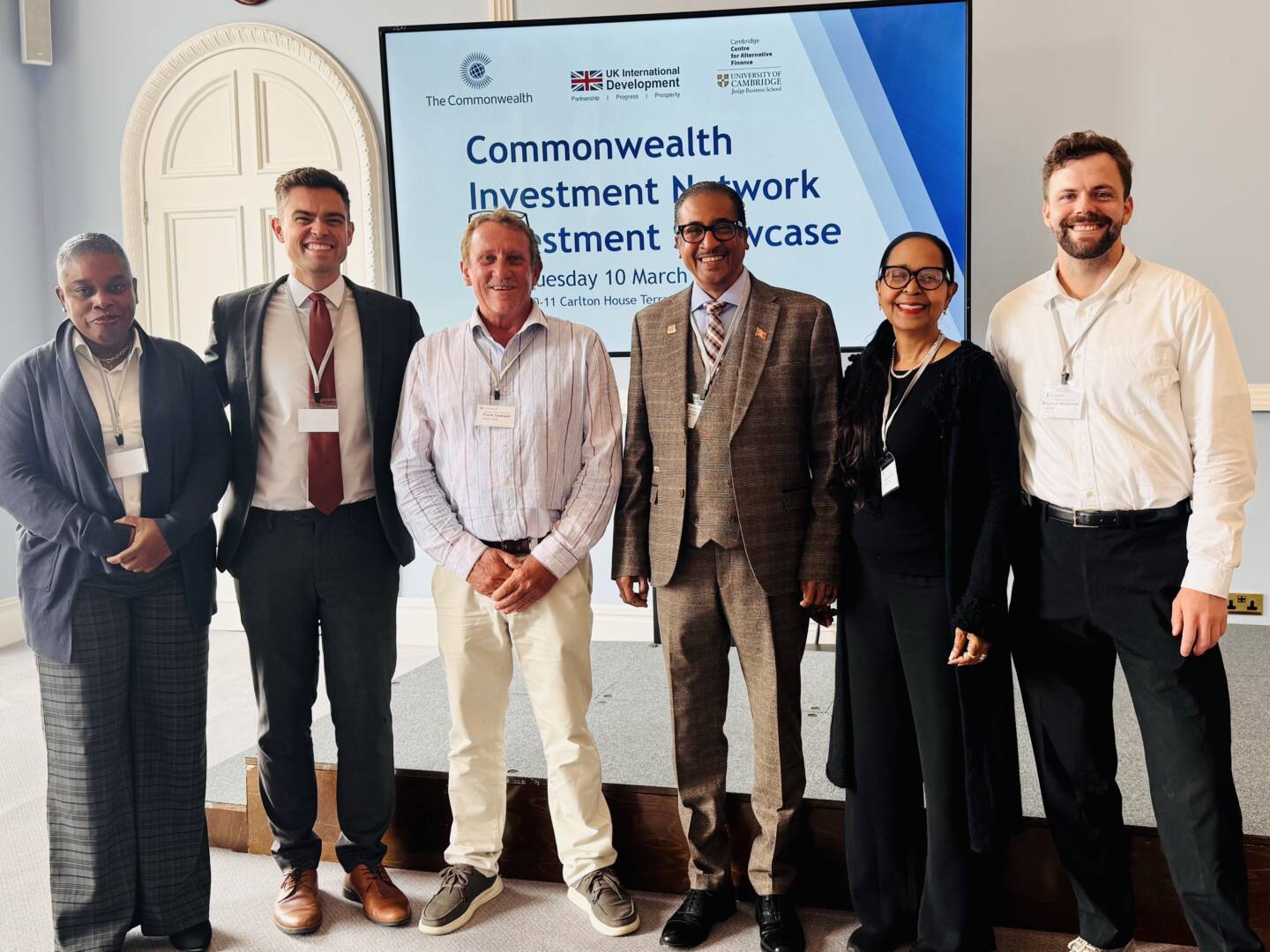
  • Miami conference spotlights Bahamas investment opportunities

    Miami conference spotlights Bahamas investment opportunities

    The Bahamas has been prominently showcased as a prime investment destination for real estate, tourism, and sustainable development during a major Caribbean-focused investment conference held in Miami this month. The Agency Bahamas organized its annual ‘Exploring the Caribbean Conference’ under the theme ‘Gateway to Growth: Investing in the Future of the Caribbean,’ attracting over 100 developers, investors, and industry professionals from across the region.

    The conference served as a strategic platform to expand development pipelines and investment opportunities specifically within The Bahamas. Key discussion areas included real estate development, tourism infrastructure, financial services, digital transformation, and sustainable investment practices.

    Danny Lowe, Founder and Managing Partner of The Agency Bahamas, noted the growing international interest in Caribbean real estate, particularly within stable jurisdictions. ‘This highly successful conference enabled participants to reimagine existing opportunities and identify new pathways for growth,’ Lowe stated, emphasizing The Bahamas’ continuing appeal for lifestyle-oriented and long-term investments.

    Public sector representatives detailed the nation’s investment framework during the event. Phylicia Woods-Hanna, Director of Investments, highlighted The Bahamas’ investor-friendly environment, supported by robust institutions and clear policy directives. ‘Through the Bahamas Investment Authority, we function as a one-stop-shop to simplify investment processes, evaluate major tourism and commercial projects, and assist both Bahamian and international investors in streamlining business operations,’ Woods-Hanna explained.

    Jonathan Lord, Regional Manager of Yachting and Sports at the Ministry of Tourism, Investments and Aviation, identified yachting and sports tourism as emerging growth sectors with significant potential. ‘These represent powerful verticals where The Bahamas possesses natural advantages and considerable untapped potential,’ Lord noted.

    The event also featured contributions from regional officials and private-sector leaders, including ministers from Turks and Caicos and executives from The Agency’s Caribbean operations. Organizers confirmed the conference reinforced The Bahamas’ status as a leading investment destination and supports ongoing initiatives to promote Bahamian real estate and development opportunities in global markets.

  • KFC Black River reopens seven weeks after Melissa

    KFC Black River reopens seven weeks after Melissa

    In a significant step toward recovery, the KFC outlet in Black River, Jamaica, has fully resumed commercial operations seven weeks after Hurricane Melissa devastated the island’s southwestern region. Operated by Restaurants of Jamaica (ROJ), the location had been functioning exclusively as a emergency meal production center in the immediate aftermath of the late October storm, distributing thousands of free meals to affected residents.

    Despite returning to normal customer service, the restaurant continues its humanitarian mission by donating an additional 1,000 meals daily to support families, emergency shelters, and essential workers throughout the ongoing recovery period. This effort is part of ROJ’s broader national feeding initiative, which has provided over 75,000 meals across multiple parishes since the hurricane made landfall on October 28.

    The Black River facility has emerged as a critical distribution hub for St. Elizabeth, one of the hardest-hit areas. Floyd Green, Minister of Agriculture and Fisheries and local Member of Parliament, praised the operation during a recent site visit, noting that most meals are prepared by team members who themselves suffered hurricane-related losses. “Having this level of support coming directly from within St. Elizabeth makes a real difference on the ground,” Green observed, highlighting the program’s community-based approach.

    ROJ Marketing Director Tina Matalon described the reopening as symbolizing both recovery and ongoing commitment, with the location now serving a dual purpose of commercial operations and sustained relief efforts. Restaurant Manager Gaylen Skervin expressed profound pride in her team’s resilience, noting that many staff members experienced severe trauma and property loss yet consistently reported to work. For these employees, the restaurant has become a sanctuary—a place of purpose and stability amid widespread devastation.

  • Hawkish hold

    Hawkish hold

    In a decisive move reflecting heightened economic uncertainty, the Bank of Jamaica (BOJ) maintained its key policy rate at 5.75 percent during its December monetary policy meetings. This decision comes as the Caribbean nation grapples with severe economic disruptions following the catastrophic impact of Hurricane Melissa, which made landfall on October 28.

    The central bank’s Monetary Policy Committee unanimously agreed to retain the rate offered to deposit-taking institutions, signaling what financial analysts characterize as a ‘hawkish hold’ – maintaining current rates while explicitly preparing markets for potential future tightening. This approach underscores the delicate balancing act facing policymakers: supporting an economy devastated by natural disaster while containing mounting inflationary pressures.

    Revised damage assessments reveal the hurricane’s economic impact has exceeded initial projections, with infrastructure losses now estimated at over 40 percent of GDP, substantially higher than the previously estimated 30 percent. The agricultural sector suffered particularly severe damage, losing approximately half of its projected 2024 output value.

    These physical devastations have triggered immediate price escalations, with annual headline inflation accelerating to 4.4 percent in November 2025 from October’s 2.9 percent. The BOJ anticipates further sharp increases in coming months, expecting inflation to exceed its target range of 4-6 percent by early 2026.

    More concerning to policymakers is the upward trajectory of core inflation, which excludes volatile food and energy prices, reaching 4.3 percent in November. This indicates broadening price pressures beyond temporary hurricane-related disruptions. The central bank specifically warned of ‘second-round effects’ where initial price increases in essentials could propagate across the broader economy through heightened inflation expectations.

    The BOJ’s stance appears particularly assertive given the context of expansionary fiscal measures, with Parliament suspending fiscal rules to facilitate increased recovery spending. This fiscal stimulus, while necessary for reconstruction, potentially exacerbates inflationary risks by boosting aggregate demand.

    Economic projections remain grim, with real GDP expected to contract by 4-6 percent in the 2025/26 fiscal year due to extensive damage to productive capacity. A modest recovery is anticipated thereafter, with growth forecasts ranging between -1 percent and 1 percent for the following year.

    The MPC committed to vigilant monitoring of incoming data, particularly regarding core inflation dynamics, and pledged readiness to implement necessary policy actions should inflation risks threaten the return to target ranges. The next policy decision announcement is scheduled for February 23, 2026.

  • COMPANIES TIGHTEN BELTS

    COMPANIES TIGHTEN BELTS

    A comprehensive sector-wide assessment conducted by the Jamaica Observer reveals a significant contraction in corporate bonus distributions for 2024, marking a departure from traditional year-end compensation practices as businesses grapple with Hurricane Melissa’s economic aftermath.

    Economic analysis indicates that discretionary payments have become increasingly selective, with benefits concentrated within a limited segment of corporate Jamaica. While not entirely eliminated, bonus allocations have been substantially reduced or maintained at previous levels, reflecting heightened fiscal conservatism across industries.

    Multiple enterprises have implemented formal communication strategies to manage employee expectations. One marketing organization formally notified staff that their customary Christmas gratuity payment would be deferred pending “cashflow availability,” while a Kingston manufacturing enterprise advised workers that any potential bonus would likely match or fall below previous allocations.

    Public sector employees faced similar constraints, with most receiving no monetary bonuses though some institutional leaders attempted symbolic seasonal gestures. This trend emerges against a backdrop of persistent economic challenges, including elevated inflation metrics, restrictive credit conditions, and ongoing global market uncertainties.

    Prominent economist Keenan Falconer contextualized these developments, noting: “The convergence of multiple economic shocks has fundamentally altered corporate approaches to discretionary compensation. Organizations are prioritizing liquidity preservation as they brace for potentially exacerbated challenges through 2026.”

    The bonus reduction carries significant socioeconomic implications, as December traditionally represents the most critical compensation period for Jamaican households. These payments typically facilitate holiday expenses, educational costs, and debt servicing, with their absence potentially dampening consumer confidence and expenditure patterns.

    One affected employee expressed disappointment: “Anticipating even modest recognition would have enabled familial celebrations during this challenging period. This decision fundamentally alters our holiday dynamics and financial planning.”

    Falconer highlighted the macroeconomic paradox presented by this trend: “Bonus restraint occurs during precisely the period when economic stimulus is most needed for post-hurricane recovery. These payments traditionally provide crucial household income supplementation during first-quarter economic contractions.”

    Not all enterprises adopted restrictive approaches. The tourism sector demonstrated notable resilience, with at least one major hotel group distributing bonuses despite ongoing operational disruptions at several properties. One grateful employee noted: “Our employer’s commitment during this difficult period has been exceptionally reassuring.”

    Even among companies maintaining bonus traditions, many delayed communication until compensation processing, reflecting heightened strategic caution in financial management. Falconer observed that maintained bonus distributions might signal organizational stability and commitment to employee welfare amid broader economic challenges.

    This evolving compensation landscape suggests fundamental recalibration of employer-employee expectations as Jamaica navigates complex post-disaster economic recovery.

  • Island Village welcomes visitors amid hotel disruptions

    Island Village welcomes visitors amid hotel disruptions

    In the wake of Hurricane Melissa’s disruptive path through Jamaica, Island Village Plaza in Ocho Rios, St. Ann has emerged as a resilient tourism alternative, actively reassuring visitors of its uninterrupted operations and complimentary entry. While numerous area hotels have suspended day-pass offerings due to storm-related complications, the commercial complex emphasizes its comprehensive suite of amenities designed for extended visitor engagement.

    The multifaceted destination promotes itself as an integrated experience center, featuring a cinema theater, adjacent beach facilities connected to Margaritaville, diverse culinary establishments, and retail outlets offering both duty-free merchandise and local souvenirs. Additional facilities include an on-site health clinic and specialized children’s play zone, collectively providing what operations management describes as ‘exceptional value for money’ for family-oriented travelers.

    Andrew Reid, Operations Manager at Island Village, articulated the complex’s value proposition: ‘We’ve architecturally designed this space to deliver a complete day-out experience—encompassing dining, shopping, entertainment, and recreational activities within a secure, accessible environment. Our model eliminates concerns regarding hotel-imposed restrictions during periods of operational uncertainty.’

    Local government officials have endorsed the plaza’s strategic role in regional tourism continuity. St. Ann’s Bay Mayor Michael Belnavis characterized Island Village as a critical infrastructure component during seasonal celebrations, noting that ‘while traditional hospitality providers may temporarily withdraw services, this establishment maintains festive accessibility for both international visitors and community residents.’

    The complex has garnered substantial support from commercial stakeholders and service providers across St. Ann. Todd Fletcher, a prominent business leader, identified the plaza as an economic stabilizer that ensures continuous access to tourism services despite hotel disruptions. Transportation specialists like Bobby McKenzie observe increasing visitor preference for the consolidated destination due to its multimodal accessibility and age-inclusive programming.

    Complementing this perspective, fishing community representative Allan Thompson highlighted the plaza’s synergistic relationship with local industries, particularly through its promotion of fresh seafood consumption beyond conventional hotel confines.

    In response to current challenges, Island Village has implemented enhanced sanitation protocols and staff training initiatives to assist visitors navigating evolving hotel policies. Management maintains that their objective remains supplementary to traditional lodging providers, offering reliable alternatives for day excursions and family activities when partner facilities face operational constraints.