
Amid escalating operational costs and tightening cash flows, the Jamaica Business Development Corporation (JBDC) has issued a critical warning to micro, small, and medium-sized enterprises (MSMEs) in Jamaica. The agency emphasized the importance of recognizing and addressing early signs of financial distress to avert bankruptcy. This advice was highlighted during the JBDC’s recent Virtual Biz Zone webinar, titled ‘Debt Alarm: Identifying the Signs of Financial Distress,’ which was conducted in partnership with the Office of the Government Trustee (OGT). The session aimed to equip entrepreneurs with actionable strategies to detect and mitigate financial vulnerabilities before they escalate into business collapse.
分类: business
-

Reflections on the national budget
As the budget debate in Trinidad and Tobago’s Parliament concludes, the fiscal measures announced by Finance Minister Davendranath Tancoo have come under scrutiny. While initially perceived as fair to the average citizen, the budget has revealed itself to be largely a continuation of past policies, lacking the bold reforms needed to steer the nation toward economic stability and growth. The government’s revenue projections remain heavily reliant on optimistic assumptions about oil and gas prices, the country’s primary income sources. This approach has drawn criticism for its failure to address systemic issues and its reliance on short-term fixes. Key concerns include rising tax burdens on consumers, ineffective tax collection mechanisms, and the absence of a clear strategy to diversify the economy beyond energy. The proposed reforms to the National Insurance Scheme also face skepticism, given the challenges posed by an ageing population and declining workforce participation. Critics argue that the budget lacks strategic direction, offering little insight into plans for critical sectors such as housing, education, agriculture, and national security. The financial burden, as in previous years, will likely fall on consumers, while escalating public debt threatens to burden future generations. Amid these challenges, the author advocates for the implementation of site value taxation, a system that could distribute the tax burden more equitably, promote economic diversification, and stimulate broad-based prosperity. This approach, phased in over several years, could correct imbalances in land, labor, and capital values, fostering a more inclusive and sustainable economy. While the current budget represents a missed opportunity for transformative change, the adoption of innovative fiscal policies could pave the way for a brighter economic future for Trinidad and Tobago.
-
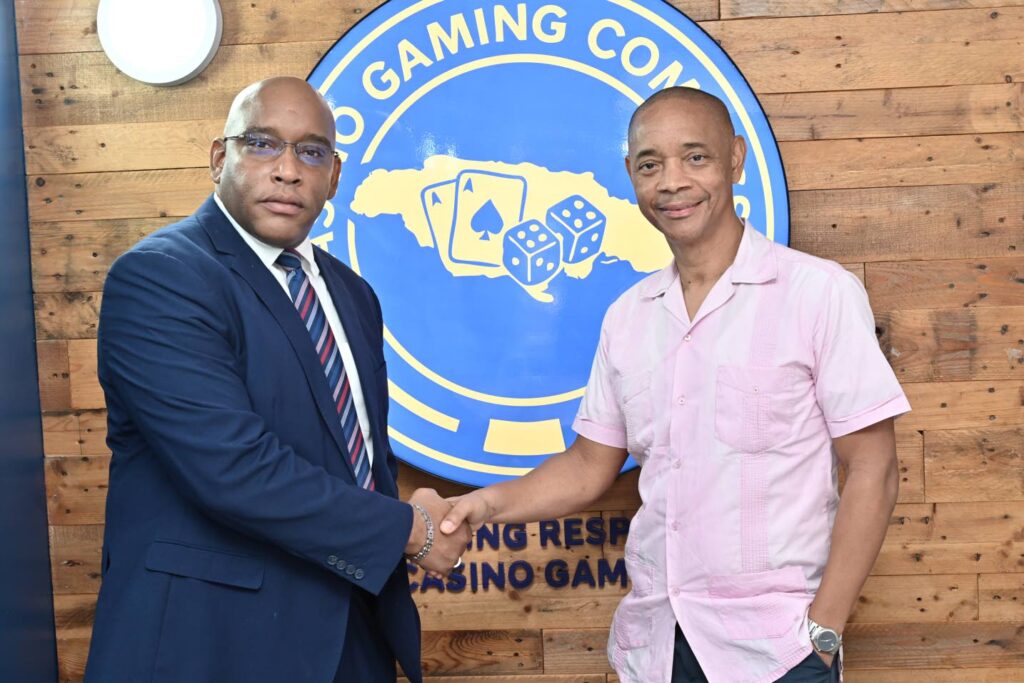
CGC tightens oversight as Jamaica prepares to open first casino
Jamaica is gearing up to inaugurate its first casino, located at the Princess Grand Jamaica Hotel in Hanover, marking a significant milestone in the nation’s economic transformation. The Casino Gaming Commission (CGC) is spearheading efforts to establish Jamaica as a regional leader in integrity, transparency, and investor confidence through a robust regulatory framework. This initiative aligns with international best practices and aims to ensure the sustainable growth of the casino gaming industry.
Cleveland Allen, CEO of the CGC, emphasized the commission’s commitment to building a foundation rooted in accountability and respect for the law. ‘Our primary responsibility is to create systems that protect investors, operators, employees, and the public while ensuring transparent and fair financial management,’ he stated.
In recent months, the CGC has accelerated its regulatory evolution by modernizing licensing, monitoring, and compliance systems. Advanced digital tools have been adopted to enhance due diligence and operational transparency. A pivotal aspect of this effort is the strategic partnership with the Financial Investigations Division (FID), formalized through a Memorandum of Understanding (MOU). This collaboration aims to detect and disrupt illicit financial activities, particularly money laundering risks associated with casino operations.
Dennis Chung, chief technical director at the FID, highlighted the significance of the MOU, stating, ‘This agreement strengthens our ability to identify and disrupt illicit financial flows, safeguarding the integrity of Jamaica’s financial system.’
The CGC’s initiatives are closely aligned with Jamaica’s broader tourism investment strategy, which focuses on attracting high-value visitors and promoting luxury resort developments with strong local linkages. Minister of Tourism Edmund Bartlett underscored the role of casino gaming as a new frontier in Jamaica’s tourism development, emphasizing the importance of responsible expansion and sustainable growth.
In addition to regulatory oversight, the CGC is placing a strong emphasis on responsible gaming and public education. Allen reiterated the commission’s commitment to fostering an informed public that understands the opportunities and responsibilities associated with casino gaming. ‘We aim to ensure that the industry grows safely and inclusively, benefiting all stakeholders,’ he added.
The Princess Grande Jamaica resort in Green Island, Hanover, will host the country’s first casino, setting the stage for a new era in Jamaica’s economic and tourism landscape.
-
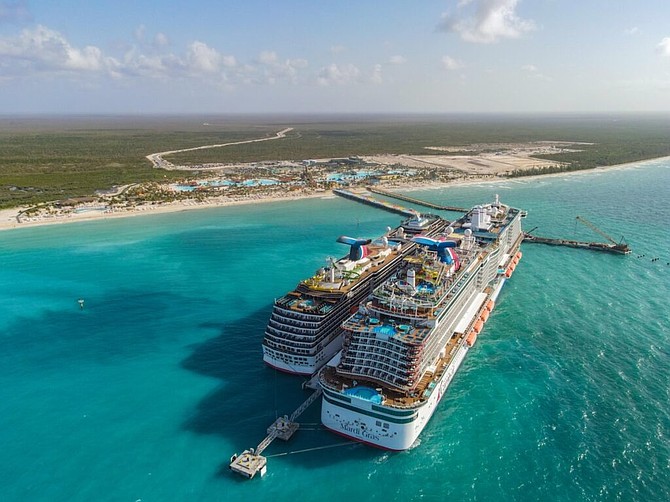
GB businesses claim decline since Celebration Key opened
The unveiling of Carnival’s $600 million Celebration Key cruise port in East Grand Bahama has triggered a dramatic downturn for local businesses and tour operators, with some reporting visitor declines of up to 90 percent. This sharp reduction in foot traffic and bookings has left many enterprises grappling to remain viable, prompting urgent discussions with tourism stakeholders and government officials, including Deputy Prime Minister and Minister of Tourism, Investment, and Aviation Chester Cooper.
David Wallace, owner of Pirate’s Cove Zipline and Water Park, acknowledged the long-term potential of Celebration Key for Grand Bahama but emphasized the unforeseen economic strain on independent operators. He revealed that visitor numbers at his attraction have plummeted in the past two months. Previously, Carnival’s ships docking at Freeport Harbour brought hundreds of tourists daily, but now, only a fraction of that number arrives from Celebration Key. Wallace stressed that while the current influx is better than nothing, it is insufficient to sustain operations.
Before Celebration Key’s opening, Carnival’s ships visited Freeport Harbour approximately 15 times monthly, delivering around 350,000 passengers annually. The new port, however, will host Carnival ships 40 times weekly, with over 2,000 annual calls and an estimated 2.5 million passengers. Many local businesses expanded in anticipation of this growth but have instead faced significant declines.
In response, a coalition of business owners, tour operators, transportation providers, and straw vendors convened to strategize on attracting more visitors and addressing the challenges posed by Celebration Key. Wallace highlighted the group’s investments and their desire to coexist with the new port. Meetings were held with Grand Bahama Port Authority president Ian Rolle, Grand Bahama Chamber of Commerce president Dillon Knowles, and government officials, including Deputy Prime Minister Chester Cooper and Minister Ginger Moxey.
Among the proposals raised was the suggestion for Carnival to continue docking some ships at Freeport Harbour to boost local business activity. Additionally, efforts are underway to collaborate with the government, Promotion Board, and cruise line to promote attractions like Port Lucaya Marketplace, the Straw Market, and Garden of the Groves.
Knowles noted that while Carnival is bringing millions of passengers to Grand Bahama, most are choosing to remain within Celebration Key, leaving external businesses with drastically reduced foot traffic. He emphasized the need for immediate action to encourage passengers to explore the wider island. Recommendations included improving marketing efforts, making transportation from Celebration Key more accessible, and ensuring tour operators have better access to the port.
Despite the challenges, Knowles expressed optimism that the situation would improve as the novelty of Celebration Key wanes. However, he stressed the urgency of addressing the current struggles faced by local businesses, stating that even a small portion of Carnival’s passengers could significantly benefit the island’s economy.
-
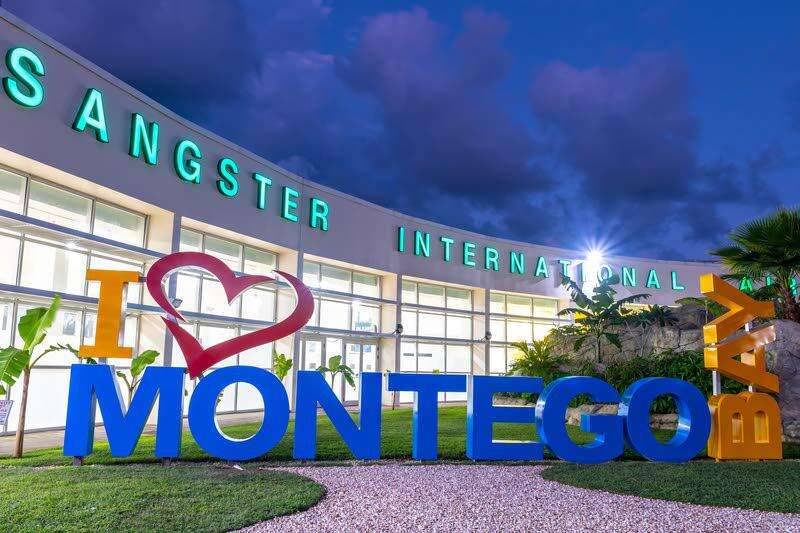
Jamaican airports generate over $9 billion in revenue
Jamaica’s two major international airports, operated by Grupo Aeroportuario del Pacífico (GAP), reported an estimated $60.64 million in revenue during the third quarter of 2025. This financial performance was driven by the processing of 1.77 million passengers across both facilities. Sangster International Airport (SIA), managed by MBJ Airports Limited, saw a 9% revenue increase to $41.46 million, largely attributed to higher aeronautical service fees, including passenger, landing, and bridge fees, which rose 9% to $26.25 million. Passenger traffic at SIA grew by 7.7% to 1.24 million, recovering from the impact of Hurricane Beryl in the previous period, though it remained below the 1.31 million passengers recorded in Q3 2024. Operating expenses for both airports surged by 22% ($10.24 million) due to increased concession fees, improvement costs, and depreciation charges. Despite this, SIA’s operating profit improved by 1.7% to $13.17 million, with EBITDA rising 2.5% to $17.64 million. GAP’s quarterly report highlighted a 200-basis-point decline in the operating income margin for Jamaican airports to 43.3%, or 52.5% excluding concession asset improvement costs. Operating profit increased by $23.04 million (11.5%) compared to Q3 2024, while net profit rose by $38.25 million (36%). However, comprehensive income fell by $8.73 million (6.2%) due to foreign currency translation losses. Over the first nine months of 2025, Jamaican airports generated $178.14 million in revenue, with MBJ Airports reporting a 14.6% increase to $126.25 million. Operating profit surged by $118.52 billion (19.7%) despite a 17.9% rise in expenses. GAP plans $203.30 million in investments to enhance both airports between 2026 and 2030, supported by newly approved aeronautical rate increases. SIA’s rates will rise from $17.38 in 2026 to $19.07 in 2030, while Kingston’s rates will increase from $38.18 to $60.10. GAP remains optimistic about Jamaica’s long-term tourism growth, citing planned hotel expansions and increased tourist arrivals.
-

Jamaica Customs secures court resolution supporting modernisation and efficiency in trade
KINGSTON, Jamaica – The Jamaica Customs Agency (JCA) has achieved a significant legal milestone with the resolution of court proceedings before Chief Justice Bryan Sykes, affirming the ongoing implementation of the Customs Contactless Clearance Process (CCCP). The previously imposed injunction against the agency has been fully lifted, enabling the JCA to proceed with its modernization agenda.
-
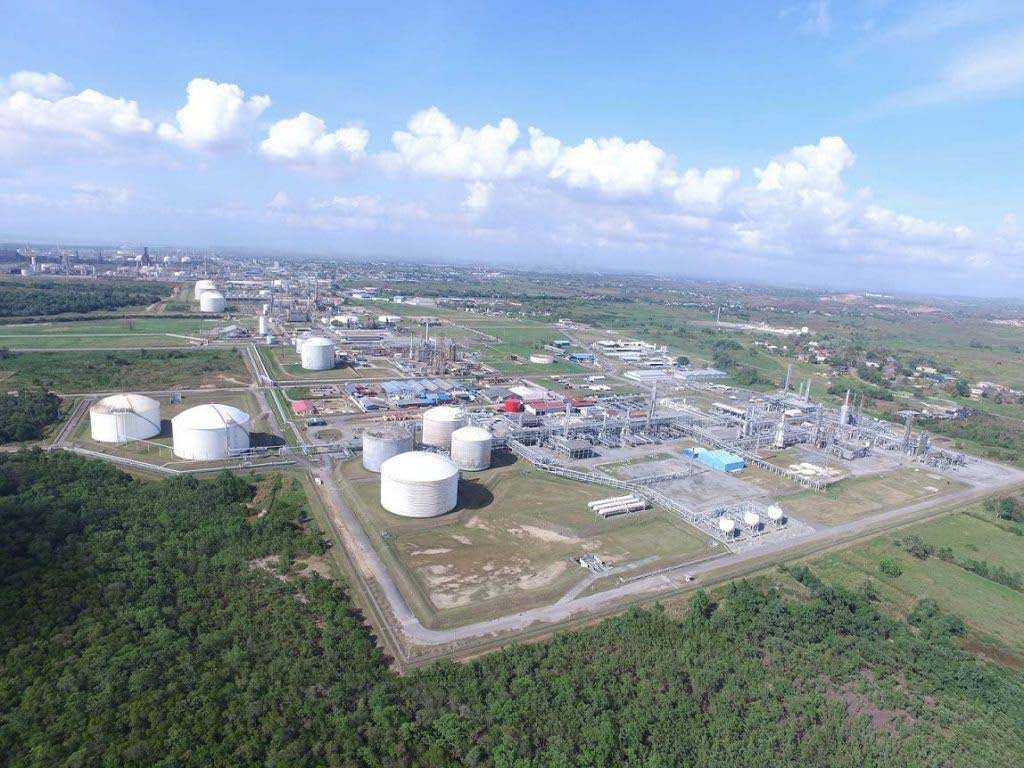
Nutrien shutdown puts 1,600 jobs at risk
The impending controlled shutdown of Nutrien Trinidad, a global leader in crop inputs and services, has raised concerns over the potential loss of more than 1,600 jobs. The shutdown, effective October 23, stems from limited port access and challenges in securing affordable natural gas supplies. Nutrien’s Point Lisas facility, operational since 1998, is a critical hub for its global fertilizer supply chain, exporting ammonia and urea to markets in North and South America, Europe, and Africa. The closure could significantly impact Trinidad and Tobago’s economy, as Nutrien contributes substantial foreign exchange earnings.
The National Energy Corporation (NEC), a subsidiary of the National Gas Company (NGC), issued formal notices to companies with significant arrears, including Nutrien, warning of suspended port access if balances exceeding $610 million were not settled within 14 days. Edmond Thompson, Nutrien’s Vice President and Managing Director, stated that the company disputes NEC’s claims of retroactive port service fees and has been engaged in constructive dialogue to resolve the matter. However, NEC’s decision to restrict port access has left Nutrien with no choice but to initiate a temporary shutdown.
Thompson acknowledged the potential need for temporary workforce adjustments, including short-term layoffs, while maintaining essential services and safeguarding assets. He emphasized the company’s commitment to supporting employees through the Employee Assistance Programme. The shutdown has sparked political tensions, with Energy Minister Roodal Moonilal attributing the crisis to the previous administration’s failure to negotiate new contractual arrangements with downstream operators. Former Energy Minister Stuart Young criticized the current government, warning that the energy sector is collapsing under its management.
The American Chamber of Commerce (Amcham) and the Energy Chamber of Trinidad and Tobago have called for continued collaboration among stakeholders to address operational and infrastructural challenges. Both chambers emphasized the importance of maintaining investor confidence and ensuring Trinidad and Tobago remains an attractive destination for energy investment. The government’s efforts to resolve gas supply and infrastructure issues are seen as critical to safeguarding jobs and the future of Point Lisas.
-

A budget masterstroke
In a landmark presentation at the Red House in Port of Spain on October 13, Trinidad and Tobago’s Finance Minister Davendranath Tancoo unveiled a meticulously crafted budget that has been hailed as a masterstroke of economic ingenuity. The budget focuses on policies directly impacting citizens, distinguishing between long-term debt financing and short-term needs, and addressing critical financial challenges with precision. A key highlight is the resolution of the longstanding Cepep-URP contract deadlock, paving the way for more effective and fulfilling employment models. Additionally, the government has abolished the Value Added Tax (VAT), replacing it with a more adaptable sales tax system that minimizes economic disruption. The budget also addresses the contentious Property Tax proposals, restoring normalcy to landlord taxation arrangements. Furthermore, the government has taken a firm stance against unfair practices by banks and insurers, introducing measures to protect consumers from financial exploitation. A five-point plan for the energy industry underscores the government’s commitment to transparency and sustainability. This budget not only rectifies past inefficiencies but also sets a robust foundation for future economic stability and growth.
-
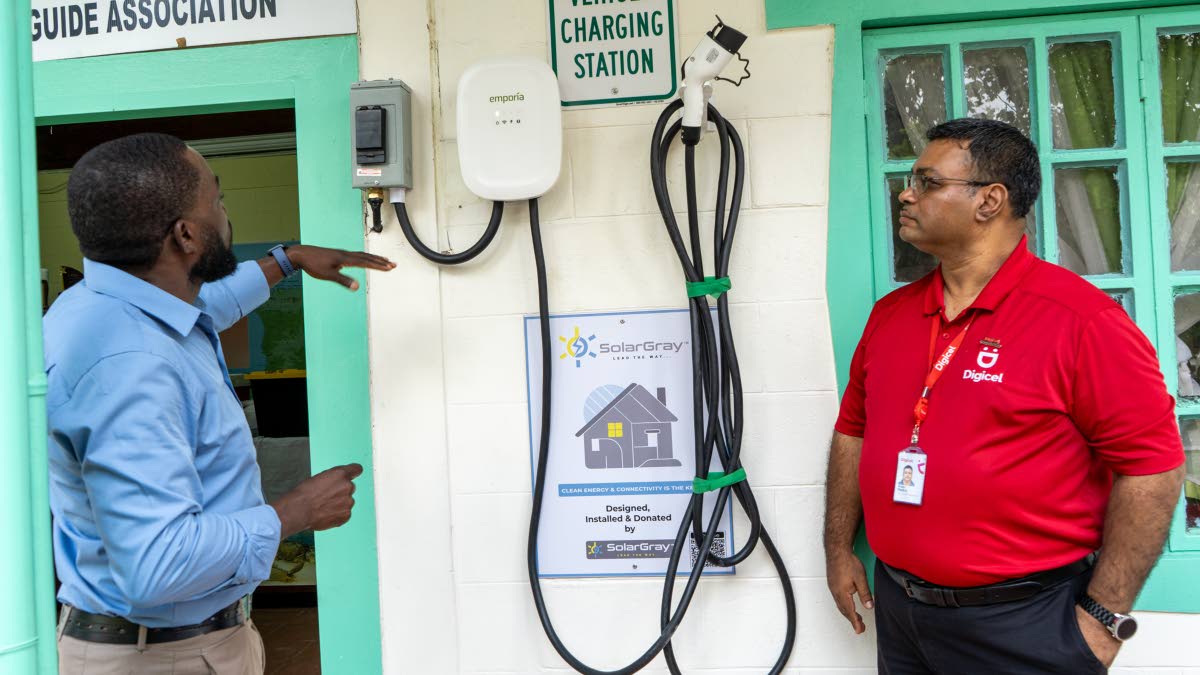
Grande Riviere centre now solar powered
The Grande Riviere Visitor Centre, a cornerstone of the eco-tourism village in Trinidad and Tobago, has achieved a significant milestone in sustainability. Known for its chocolate factory, guided tours, and turtle hatchery, the centre has transitioned into a self-sustaining hub powered by renewable energy. This transformation was made possible through the Extraordinary Projects Impacting Communities (EPIC) grant programme, which provided $150,000 in funding for the installation of a Mango Power solar system. Completed in July, the system has drastically reduced the centre’s electricity costs, which previously averaged $4,000 per bill. Len Peters, president of the Grande Riviere Tourism Development Organisation (GRTDO), highlighted the initiative’s transformative impact on the remote north coast village. ‘We can now better withstand power outages and reduce the costs and disruptions that come with blackouts,’ Peters stated. ‘The future of our community-driven sustainable projects has been given a boost with the installation of the Mango Power solar system.’ The project, titled ‘Solar Solutions for Tomorrow,’ was one of ten EPIC initiatives funded in 2024 by the Digicel Foundation and Shell TT, reflecting their joint commitment to clean energy and community resilience. Cindyann Currency, head of operations at Digicel Foundation, praised the initiative for its forward-thinking approach. ‘This ‘up-river project’ tackles key challenges in a sustainable, climate-friendly way, empowering residents to continue shaping their community into the change they want to see,’ she said. Since its launch in 2016, the EPIC programme has funded 160 projects nationwide, totaling an $8.8 million investment in community empowerment. Shell TT, which became a co-funding partner in 2023, recently extended its support for another three years with a $1.9 million investment, reaffirming its dedication to environmental sustainability across Trinidad and Tobago.
-
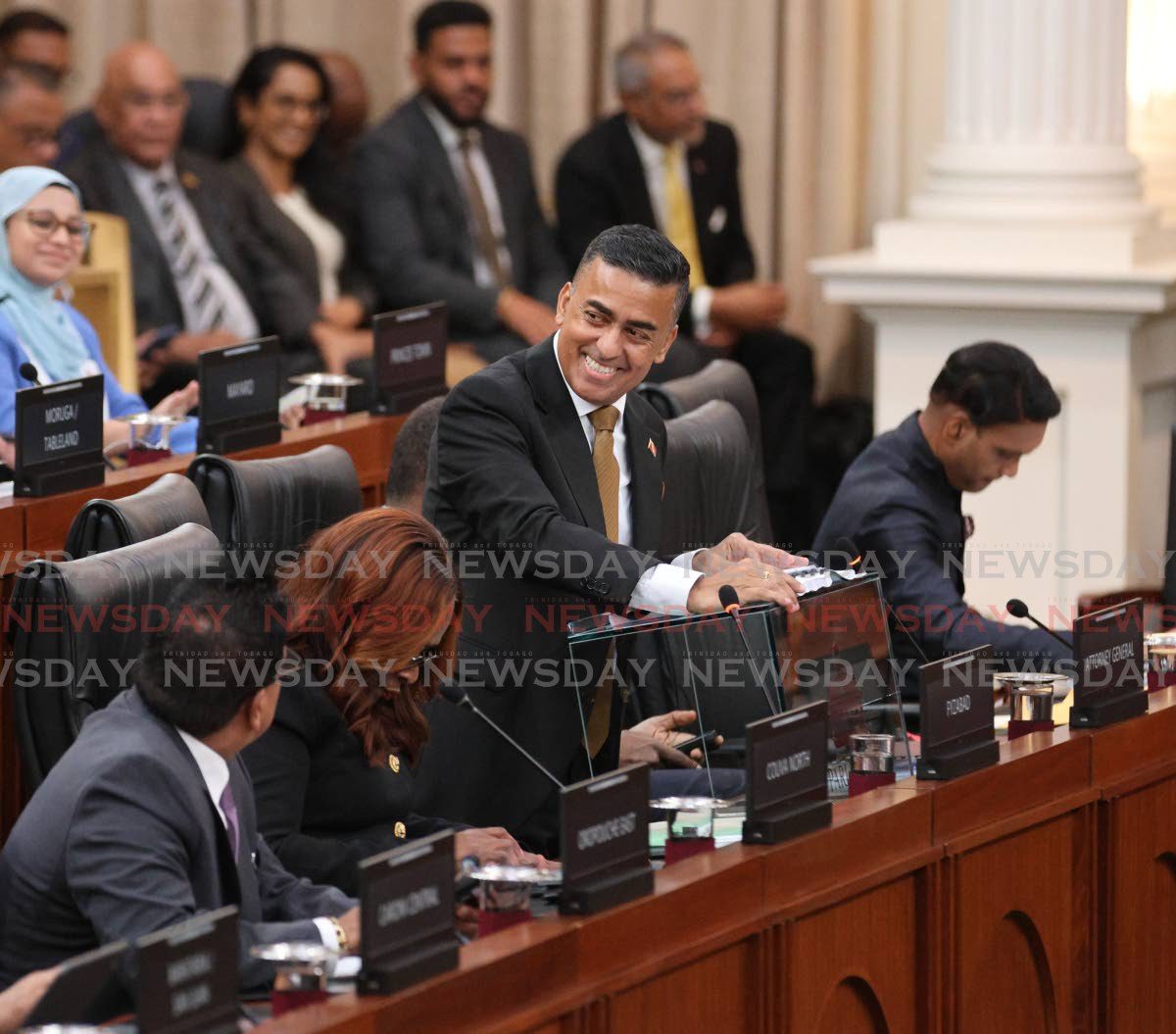
Tancoo’s masterful presentation
Finance Minister Dave Tancoo’s inaugural budget presentation has been widely praised as one of the most disciplined and impactful in decades. Delivered with remarkable eloquence and clarity, the budget has been described as visionary, ambitious, and transformative, earning the admiration of both the public and critics alike. Tancoo, though not formally trained as an economist, demonstrated a masterful understanding of fiscal policy, presenting a well-structured plan aimed at rescuing a stagnant economy. The budget focuses on prudent fiscal responsibility, growth, and targeted interventions to reduce unemployment, while also promising tax relief and fostering private sector partnerships in housing and industrialization. Despite its ambitious nature, the budget has been lauded for its creativity and responsibility, with even the opposition largely silent in its critique. Tancoo’s presentation also included a thorough critique of past administrations, highlighting their failures and contrasting them with the current government’s achievements. The budget is expected to drive meaningful, long-term economic reform and stabilize prices, marking a potential turning point for the nation’s economic recovery.