
Michelle Baptiste, a 48-year-old entrepreneur from Chaguanas, Trinidad, is redefining the future of women through her Caribbean shapewear brand, Selecfit. Her journey is one of resilience, independence, and self-belief, inspiring women across the region. Baptiste’s early life was marked by instability and hardship. Growing up in a single-parent household, she faced numerous challenges, including frequent relocations and emotional scars from abuse. Despite these struggles, she found solace in books, which nurtured her creativity and entrepreneurial spirit. Baptiste’s family background in tailoring and her early ventures into entrepreneurship laid the foundation for her future success. After years of selling internationally made shapewear, she identified a gap in the market for products tailored to Caribbean women’s unique body types. This realization led to the creation of Selecfit in 2009. Despite financial constraints and personal losses, Baptiste persevered, expanding her brand to multiple locations and introducing complementary products like Slim Tea and Apple Cider Vinegar Gummies. Her commitment to quality and authenticity has earned her a loyal customer base, and she now aims to manufacture locally and expand regionally. Baptiste also uses her platform to promote body positivity and mentor aspiring female entrepreneurs, encouraging them to embrace their potential and take bold steps toward their dreams.
分类: business
-
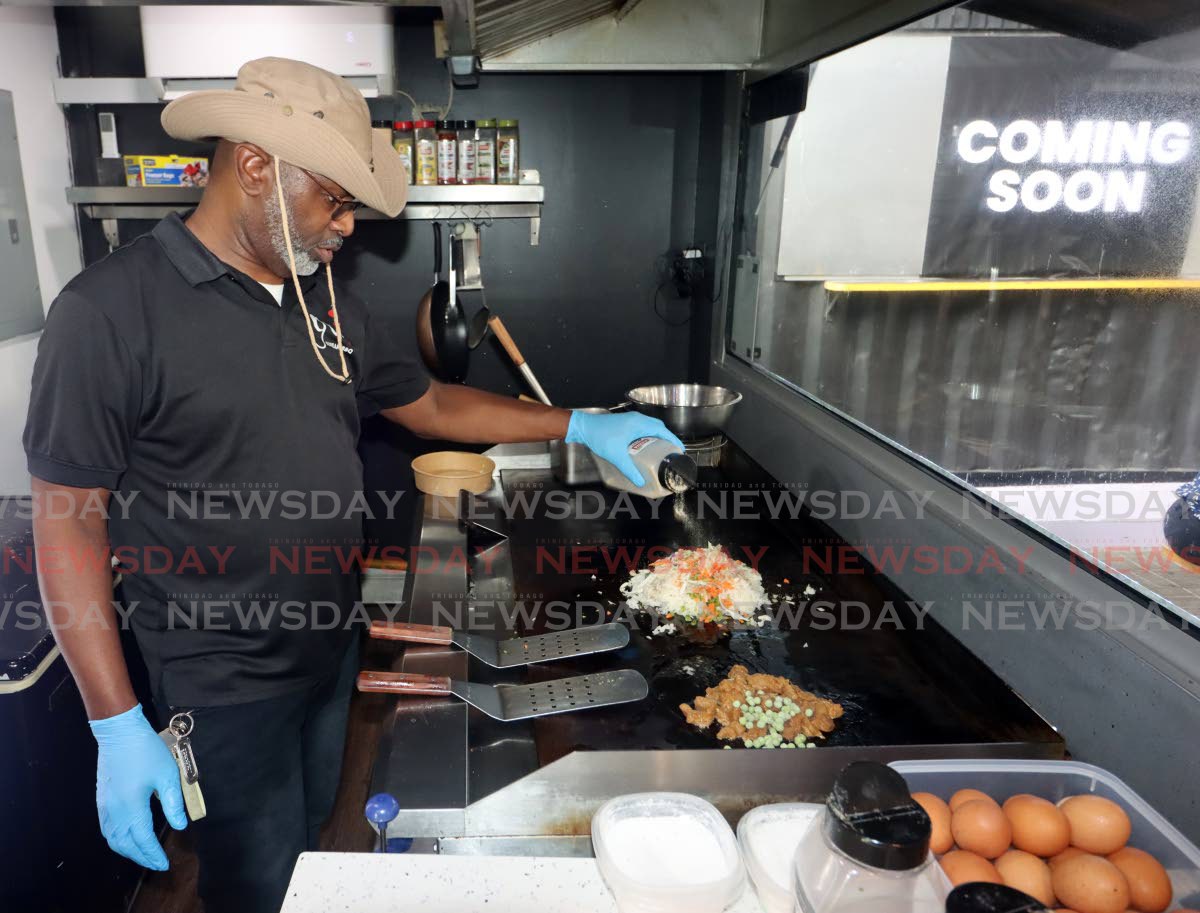
Gui’s Garvin Cadogan celebrates first anniversary – Trinis get a taste for Korean food
Garvin Cadogan, a 61-year-old entrepreneur with a diverse career spanning stock trading in New York to owning one of Trinidad’s most popular Korean BBQ restaurants, exemplifies the art of seizing opportunities. His journey began in Brooklyn, where he taught a Korean student how to trade stocks. Grateful for his mentorship, she encouraged him to open a Korean BBQ restaurant in his homeland, Trinidad. With her support, including menu development and staff training, Cadogan launched Gui Korean BBQ in November 2024 at Ariapita Avenue’s Food Square. The restaurant quickly gained popularity, offering authentic Korean dishes like BBQ meats, rice bowls, and dumplings. Despite initial resistance, Cadogan introduced fried rice to cater to local tastes, leading to the creation of the Gui Fried Rice Factory. The open-concept kitchen allows customers to interact with chefs, customizing their meals. Cadogan’s success has spurred expansion plans, with a new branch in Valpark set to open in December and future locations in Chaguanas, South Trinidad, Arima, and Tobago. His philosophy of seizing opportunities and adapting to customer demands has been key to his thriving business. Cadogan’s daughter, Leah, plays a pivotal role in managing and marketing the restaurant, with plans to diversify into retailing frozen dumplings and wontons. Despite challenges, their commitment to consistency and innovation ensures Gui Korean BBQ remains a beloved culinary destination in Trinidad.
-

Hadco offers Pasture Fresh lamb, prime cuts for Trinidad and Tobago market
Hadco, a leading food company, unveiled its new Pasture Fresh lamb range at a high-profile event held at The Forge in El Socorro on November 7. The launch aimed to highlight the superior quality of grass-fed lamb, sourced from New Zealand, and its potential to elevate culinary experiences. The event was attended by Hadco officials, restaurateurs, culinary partners, and media representatives. Marc Clarke, Hadco’s marketing manager, emphasized the company’s commitment to delivering not just food but culture, joy, and quality. He described the Pasture Fresh lambs as pasture-raised, free-roaming, and naturally fed, ensuring tenderness and exceptional flavor. Brandon Harry, the brand manager for Pasture Fresh, likened the product to the ‘Wagyu of lamb,’ promising unmatched quality. Chef Khalid Mohammed, one of nine global brand ambassadors for Pasture Fresh, prepared six innovative lamb dishes for the event, showcasing the versatility of the product. The dishes included spicy lamb chorizo tacos, Persian grilled lamb burgers, and Trinitario cacao-crusted rack of lamb. The Forge’s state-of-the-art kitchen allowed guests to witness the culinary process firsthand. Hadco’s new lamb range will soon be available in various cuts, including lamb chops, sausages, and patties, catering to both professional chefs and home cooks. The launch reflects Hadco’s dedication to raising industry standards and providing consumers with responsibly sourced, high-quality products.
-

Economist: Contractors must be paid billions owed
Economist Indera Sagewan has urged the Trinidad and Tobago government to address the billions of dollars reportedly owed to contractors, emphasizing that delayed payments have severely undermined confidence, crippled businesses, and weakened one of the nation’s most vital economic sectors. Speaking at the Trinidad and Tobago Contractors Association’s (TTCA) annual awards dinner on November 15 in Port of Spain, Sagewan highlighted the construction industry’s resilience in weathering financial and logistical shocks, while stressing the need for immediate action to restore its health. She clarified that her remarks were made in her personal capacity as an economist, not as a representative of the Central Bank, where she serves as a director. Sagewan described the sector as being at a critical juncture, with immense opportunities ahead but also deep-rooted structural issues that must be resolved. She pointed to the post-pandemic era, where contractors faced skyrocketing costs for materials and shipping, prolonged supply chain disruptions, and significant payment delays from the government. “The billions owed to contractors are not just numbers on a ledger. They represent deferred livelihoods, stalled projects, and broken confidence,” she asserted. Her comments resonated with long-standing industry grievances, as contractors have struggled with months-long delays in receiving materials and government payments, leading to downsizing and project closures. Sagewan called for a reset in the relationship between the State and the construction industry, particularly as the new administration implements its Revitalisation and Economic Transformation Blueprint and the projects outlined in the 2026 national budget. She described the blueprint as a “long-awaited injection of big vision,” positioning the construction sector at the forefront of a decade-long development agenda. However, she cautioned that credibility would hinge on execution, not just policy declarations. Sagewan urged contractors to uphold high standards of delivery, transparency, and workmanship, while also expressing frustration with past failures, such as poorly constructed roads and homes. Housing Minister David Lee echoed Sagewan’s concerns, acknowledging the government’s commitment to reversing years of stagnation and unreliable payment cycles. He emphasized the construction industry’s pivotal role in national revitalization, noting that the Revitalisation Blueprint includes 129 major projects expected to generate 50,000 jobs. Lee also pledged to address past housing delivery failures, with plans to build 20,000 affordable homes using innovative construction methods. While he did not specify the exact amount owed to contractors, Lee signaled the government’s intent to improve payment reliability and strengthen partnerships with the industry.
-

What to buy when everything feels ‘expensive’
In today’s economic climate, the perception of high prices pervades various sectors, from stocks and bonds to everyday essentials. This sentiment is particularly prevalent among investors. However, the notion of ‘expensive’ is inherently relative. Grasping its true meaning and adopting strategies to navigate this environment of elevated prices and cautious optimism can significantly impact long-term financial health.
-
Sugar output ‘set to fall’ due to poor rainfall – growers’ rep
The Barbados sugar industry is bracing for a significant decline in production next year, with prolonged dry weather during the summer months cited as the primary cause. Mark Sealy, Chairman of the Barbados Sugar Industry Limited (BSIL), issued the warning on Friday, emphasizing the urgent need for strategic adjustments in crop timing and farm efficiency to mitigate the impact.
-
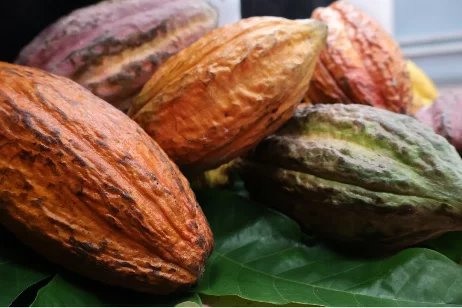
Regionale dialoog moet cacao-industrie nieuw leven inblazen
The United Nations Food and Agriculture Organization (FAO), in collaboration with the Cocoa Research Centre (CRC) at the University of the West Indies (UWI), recently hosted a two-day regional dialogue on the future of the cocoa industry. Held from November 13 to 14, 2025, at the UWI School of Education in St. Augustine, Trinidad and Tobago, the event brought together government representatives, academic institutions, producer organizations, private sector stakeholders, and regional development partners. The primary focus was to create a roadmap for revitalizing the Caribbean cocoa industry, particularly emphasizing fine-flavor cocoa. Anne Desrochers, FAO specialist in plant production and protection, opened the workshop on behalf of FAO subregional coordinator Renata Clarke. She highlighted the Caribbean’s comparative advantage in producing some of the world’s most distinctive cocoa varieties but stressed the need for coordinated action to address productivity and sustainability challenges. ‘The Caribbean has a proud cocoa heritage, but we must strengthen collaboration to modernize the sector,’ Desrochers stated. She emphasized that science, innovation, and regional cooperation could transform the industry into a model for sustainable agricultural development. The FAO has supported the cocoa sector in the Eastern Caribbean for several years, providing training and capacity-building for over 300 stakeholders in Dominica, Grenada, Saint Lucia, and Saint Vincent and the Grenadines. Trinidad and Tobago is one of five global demonstration countries under the FAO’s One Country One Priority Product (OCOP) initiative, with cocoa as the priority commodity. The program aims to enhance the competitiveness and sustainability of key agricultural value chains. Karen Lee Lum of the CRC provided an update on the OCOP initiative, which began in Trinidad and Tobago in 2022 and is now entering its second phase with support from China’s South-South Cooperation. ‘Trinidad and Tobago’s fine-flavor cocoa is unique—it is one of only seven countries worldwide exporting 100% of its production as fine-flavor cocoa,’ Lee Lum noted. The new phase, valued at $5 million, will expand to 15 countries, focusing on research, farmer engagement, market access, and green technologies. The workshop facilitated discussions on country-specific progress, innovation exchange, and consensus-building for a regional strategy to further develop the cocoa industry. The roadmap aims to promote sustainable production, added value, and improved market opportunities for Caribbean cocoa.
-
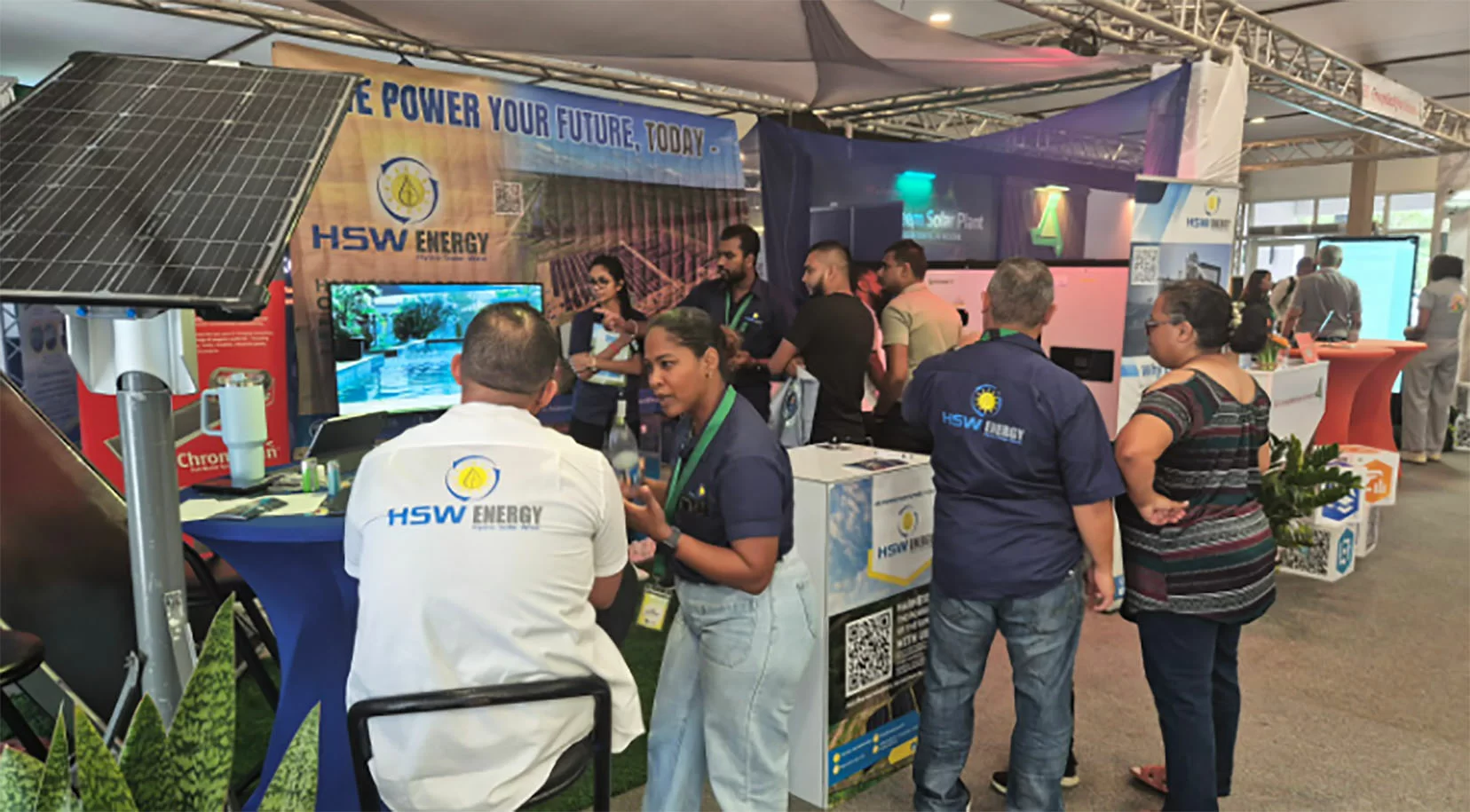
Groeiende behoefte betaalbare en duurzame stroomoplossingen
The inaugural edition of the Energy Fair, organized by the Ministry of Natural Resources (NH), has concluded on a high note, marking a significant milestone in the region’s push toward sustainable energy solutions. Claudine Saaki, the event’s project lead, highlighted the rapid growth in electricity consumption among both households and businesses. “Many are actively seeking ways to meet their increasing energy demands while simultaneously reducing costs. The fair addressed numerous queries and provided practical solutions,” she stated. The event was held as part of Caricom Energy Month, which this year adopted the theme “Invest, Innovate, Sustain. Leading the Charge in Energy Frontiers.” Held at Utopia Heritage, the fair featured 13 exhibitors from Suriname, France, and China, showcasing a diverse range of energy innovations. These included solar panels for electricity generation, household batteries, and large-scale energy storage systems for businesses and commercial buildings. With the rise of e-bikes and fully electric vehicles, the demand for charging solutions has surged. Visitors explored various options tailored to this rapidly growing user base. Additionally, powerful power banks for charging laptops and other devices on the go were also a focal point. Saaki emphasized the clear need for a repeat of the event, preferably on a larger scale. “We are very pleased with the turnout. The curiosity about alternative energy sources was immense. People are eager to manage their energy consumption more consciously and are looking for energy-efficient devices or cost-saving methods. The fair aimed to inform visitors about the latest innovations in the sector, particularly in clean and sustainable energy,” she added.
-
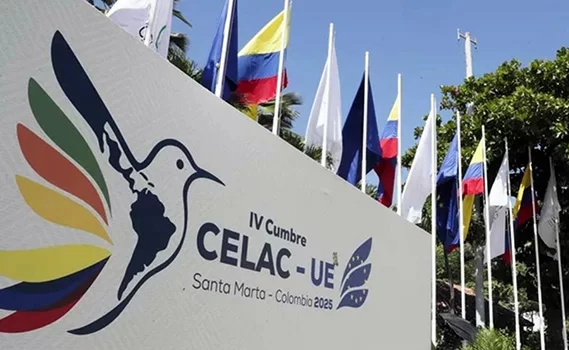
Suriname verkent lidmaatschap Ontwikkelingsbank CAF
In a significant diplomatic engagement, Suriname’s Minister of Foreign Affairs, International Trade, and Cooperation, Melvin Bouva, held a productive meeting with Sergio Díaz-Granados, Executive President of the Development Bank of Latin America and the Caribbean (CAF). The discussions took place during the 4th CELAC-EU Summit in Santa Marta, Colombia, earlier this week. The talks focused on strengthening bilateral cooperation, particularly in areas of sustainable development, economic resilience, and regional integration. CAF, which recently secured an AA+ credit rating, is renowned for providing tailored financial and technical support to its member countries. The Surinamese delegation was briefed on the potential benefits of joining CAF, including access to development financing for critical sectors such as education, infrastructure, and healthcare. Both parties agreed that CAF would soon dispatch a technical mission to Suriname to develop a comprehensive business case for potential membership. Minister Bouva expressed gratitude for CAF’s open and collaborative approach, emphasizing the importance of strategic partnerships in fostering sustainable growth and inclusive development. CAF’s regional reputation as a financial institution that prioritizes the socio-economic realities of its member states further underscores the significance of this potential collaboration.
-
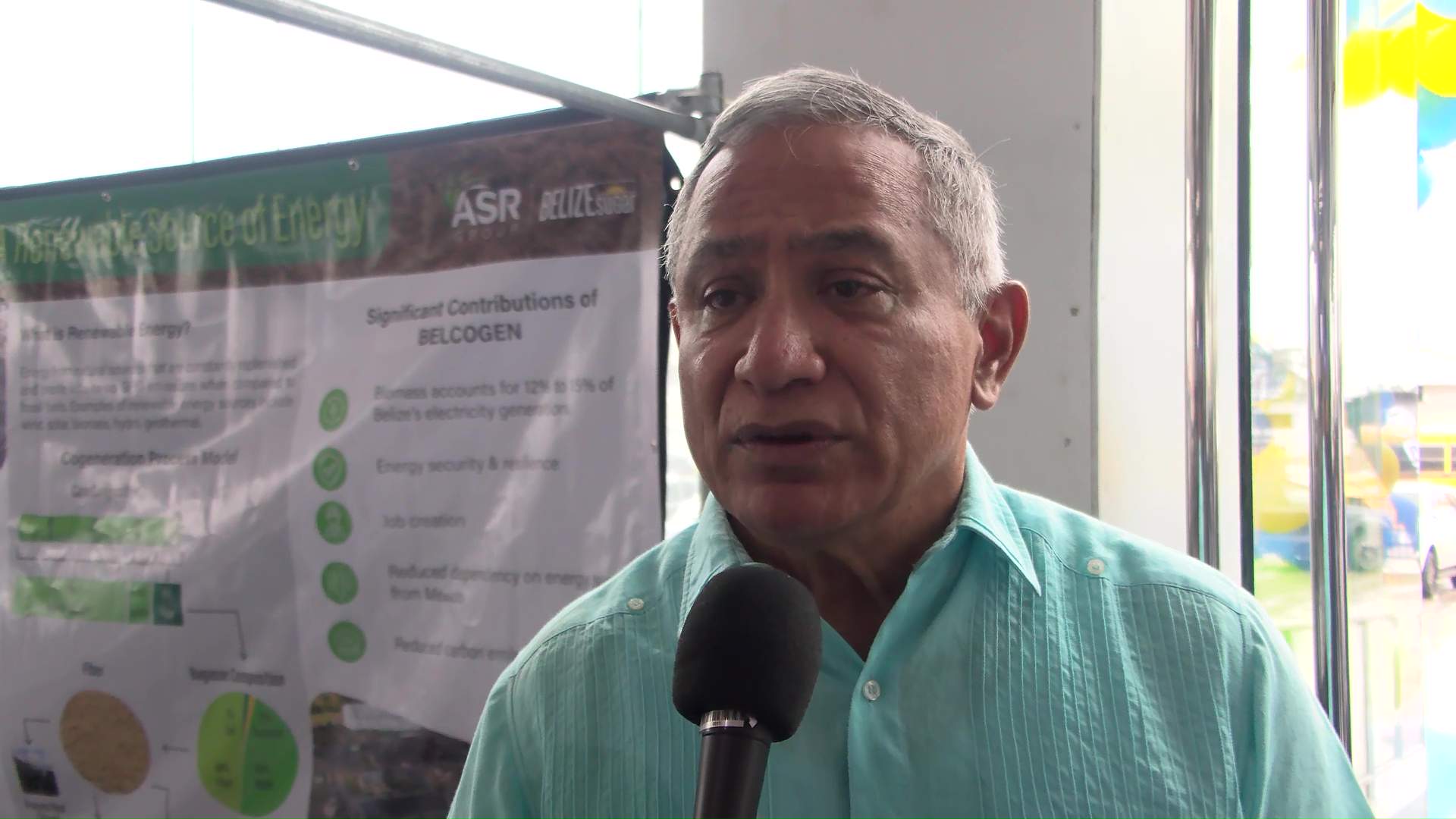
Belize and Mexico Deepen Trade Talks at Corozal Free Zone
In a significant move to bolster economic collaboration, Belize and Mexico convened high-level trade discussions at the Corozal Free Zone this week. Belize’s Prime Minister John Briceño met with officials from Quintana Roo, Mexico, to explore avenues for enhancing bilateral trade and investment. The talks focused on fostering synergy between businesses in Quintana Roo and Belize, with an emphasis on producing goods for the broader CARICOM market. Prime Minister Briceño described the meeting as highly successful, highlighting the shared commitment to deepening economic ties. However, he also addressed ongoing security concerns in the Free Zone, emphasizing the need for enhanced measures to ensure a stable business environment. The Prime Minister revealed that the Ministry of Home Affairs would oversee enterprise activities in the region, enabling the police to play a more active role in maintaining security. This meeting marks a pivotal step in regional economic integration, with both nations expressing optimism about future collaborations.