
Finance Minister Davendranath Tancoo has reassured the public that the newly introduced 0.25% asset levy on commercial banks and insurance companies, effective January 1, 2026, will not adversely affect customers. Speaking at the ICATT conference held at the Hyatt Regency in Port of Spain, Tancoo emphasized the importance of the Central Bank’s role in ensuring that financial institutions absorb the levy without passing additional costs onto consumers. He highlighted that the combined asset base of commercial banks and insurance companies exceeds $230 billion, and the levy is expected to generate approximately $5 billion annually from banks and $75 million from insurance companies. Tancoo also addressed concerns raised by critics regarding the lack of safeguards to prevent cost transfer to customers, stating that the Central Bank would maintain strict oversight. Additionally, he outlined the government’s strategy to reduce the budget deficit by enhancing the efficiency of the Board of Inland Revenue (BIR) and Customs and Excise, aiming to curb tax evasion and improve revenue streams.
分类: business
-
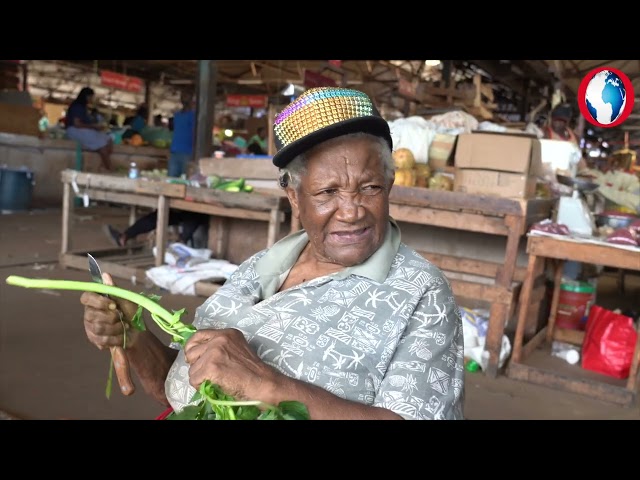
Market Bag: Escallion buyers get slight reprieve as price falls to $800, but…
KINGSTON, Jamaica — Shoppers at Coronation Market are experiencing another week of unpredictable price fluctuations, with hot pepper prices soaring to as much as $1,500 per pound. Meanwhile, escallion has seen a modest decline, now priced at $800 per pound by most vendors. This ongoing volatility has left both vendors and consumers grappling with the economic impact of these shifts.
In a recent episode of ‘Market Bag,’ host Brittania Witter revisited the bustling downtown Kingston market to speak with ‘Mama,’ a seasoned vendor who has been a fixture at the market for decades. Her insights shed light on the challenges faced by vendors amid these turbulent times.
Vendors attribute the sharp rise in hot pepper prices, which had already surged in previous weeks, to a combination of adverse weather conditions and reduced supply from key farming regions. These disruptions have led to significant shortages, driving prices to unprecedented levels. Currently, hot pepper is being sold at $1,200 to $1,500 per pound, depending on quality and availability.
Many vendors are warning that unless there is a swift improvement in supply conditions, consumers should brace for continued price instability in the coming weeks. This could result in a particularly costly holiday season, with Christmas shopping likely to be affected by these rising costs.
-
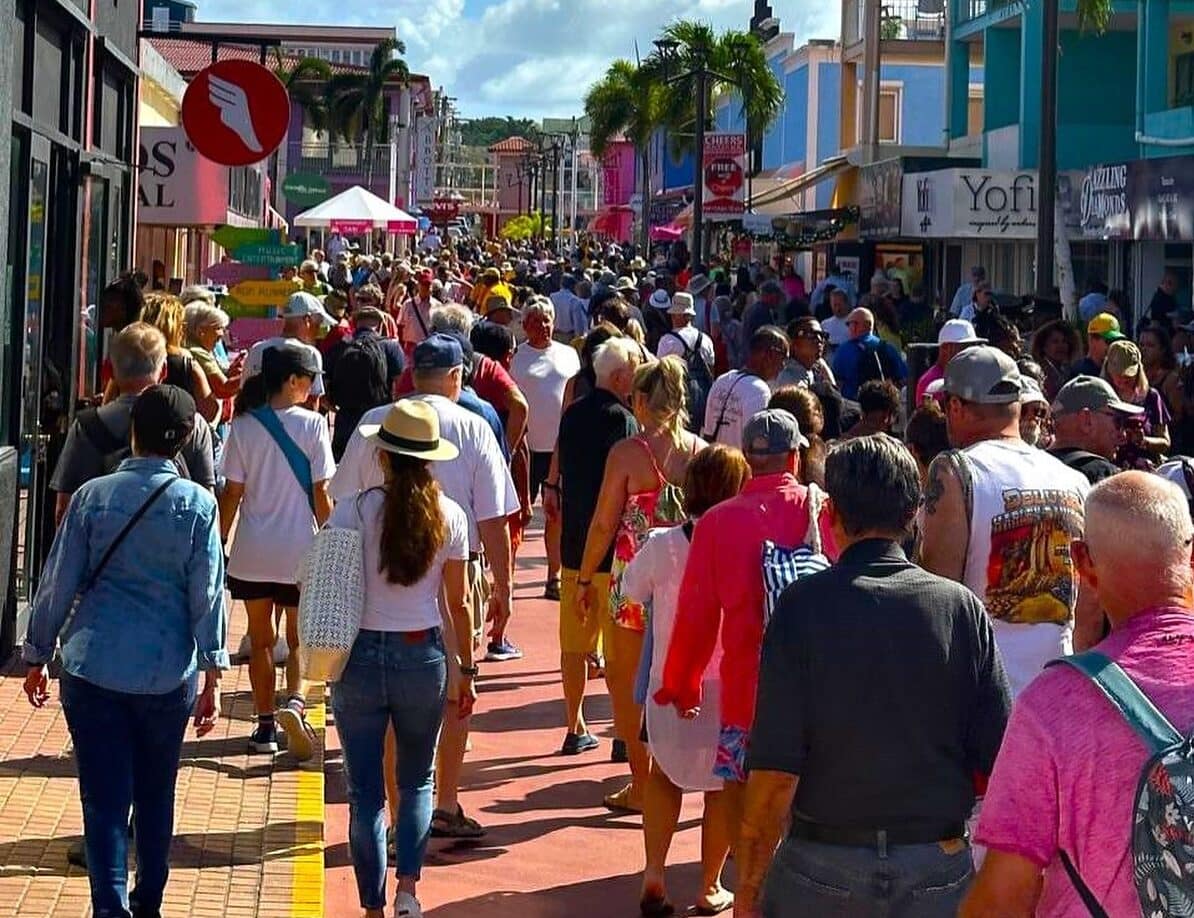
Antigua Predicts Record Tourism Season With 450,000 Stayovers and 1 Million Cruise Arrivals
Antigua and Barbuda is poised to experience its most robust tourism season in history, with projections of 450,000 stayover visitors and nearly one million cruise passengers anticipated for the 2025–2026 period. This optimistic forecast was unveiled by Governor General Sir Rodney Williams during the Throne Speech on Thursday. The surge in tourism is attributed to significant investments in luxury resorts and the ongoing diversification of the nation’s tourism offerings. Sir Rodney emphasized that the projected increase in arrivals underscores the country’s strategic focus on high-end development while retaining its appeal to a broader audience. Major projects currently underway include the construction of a Rosewood Hotel on Barbuda’s southern coast, a Nobu Resort adjacent to the existing restaurant, and the expansion of the PLH development, which now boasts 350 rooms. Additionally, boutique projects led by Barbudan entrepreneurs are being planned through new investment partnerships. On Antigua, notable developments include the Nikki Beach project by Calvin Ayre and a new Marriott-branded property nearing completion at Yeptons Beach. The government is also enhancing the food and beverage sector by attracting high-end restaurants to the tourism landscape. Simultaneously, efforts are being made to cater to economy-class travelers, who constitute the majority of arrivals. Plans include a significant government stake in the rehabilitation and expansion of the Jolly Beach Hotel. The Throne Speech highlighted tourism as the cornerstone of Antigua and Barbuda’s economy, emphasizing the long-term benefits of diversification, upgraded offerings, and sustained investment across both islands.
-

Government Credits Foreign Direct Investment for Antigua and Barbuda’s Rapid Economic Expansion
Foreign direct investment (FDI) has been the cornerstone of Antigua and Barbuda’s remarkable economic growth over the past 25 years, according to Governor General Sir Rodney Williams. In his Throne Speech delivered on Thursday, Sir Rodney highlighted how sustained inflows of overseas capital have propelled the nation’s economy from US$802 million in 2000 to over US$2 billion today. He emphasized that FDI has been instrumental in driving development across key sectors, including construction, hospitality, banking, housing, and public infrastructure, laying the foundation for the country’s “solid, stable, and soaring” progress.
-

Antigua and Barbuda Marks 300% GDP Growth as First Quarter of Century Closes
Antigua and Barbuda has achieved an extraordinary economic milestone, with its national output surging by over 300% in the past 25 years. The country’s economic performance has climbed from US$802 million in 2000 to an anticipated US$2 billion by 2025. Governor General Sir Rodney Williams emphasized this remarkable achievement during his Throne Speech at the opening of Parliament, describing it as a testament to the nation’s resilience and strategic planning. Despite facing significant challenges, including hurricanes, droughts, flooding, the global financial crisis, and the COVID-19 pandemic, Antigua and Barbuda has emerged stronger, thanks to the collective efforts of its workers, entrepreneurs, and successive governments. Sir Rodney attributed this success to a combination of factors, including robust foreign direct investment, a thriving construction and hospitality sector, enhanced educational opportunities, and a stable socio-political environment characterized by low crime rates. The country’s per capita income now exceeds EC$60,000, and it ranks 53rd on the United Nations Human Development Index—the highest among Caribbean nations. Looking ahead, the government is optimistic about sustaining this growth trajectory, with plans to invest in infrastructure, tourism, and education to drive further economic expansion in the coming decades.
-
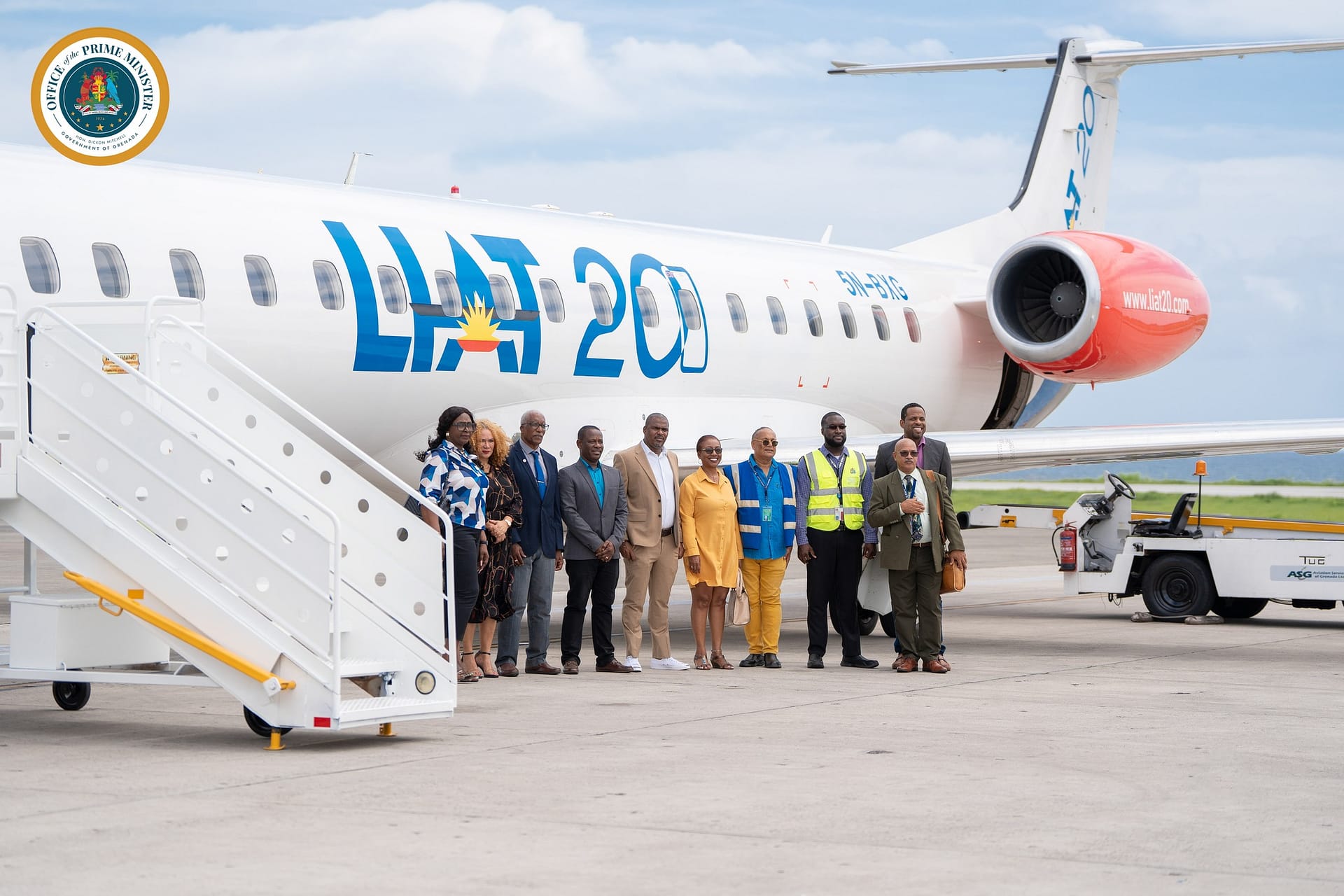
LIAT’s Comeback Will Support Africa–Caribbean Air Link Through Air Peace, GG says
The Governor General of Antigua and Barbuda, Sir Rodney Williams, announced during the Throne Speech on Thursday that the revival of LIAT will play a pivotal role in enhancing regional connectivity as Air Peace prepares to launch direct flights between Africa and Antigua. Sir Rodney emphasized that LIAT’s resurgence symbolizes the sustainability of an airline once deemed a “dead horse,” positioning it as a crucial link for passengers arriving from the African continent. The expanded operations of LIAT are expected to transform Antigua and Barbuda into a regional hub, facilitating the movement of African tourists and business travelers to neighboring islands—a development seen as a significant economic opportunity for the Eastern Caribbean. Sir Rodney highlighted that LIAT’s expansion beyond the Eastern Caribbean reflects a broader recovery in the aviation sector, reinforcing Antigua’s strategic role in interregional travel and tourism growth. The Throne Speech also underscored the government’s infrastructure investments, including runway resurfacing at V.C. Bird International Airport and upgrades to roads and utilities, which are essential for accommodating increased passenger traffic. With Air Peace set to commence regular flights to Antigua, LIAT’s network will be instrumental in efficiently distributing incoming visitors across the Caribbean. Sir Rodney likened LIAT’s renewed mission to a “phoenix,” rising to meet the next phase of regional air connectivity.
-

‘Helen’s best’: Lucian trade mission brings island’s finest here
Saint Lucian exporters made a significant impact at a high-profile exhibition in Barbados, showcasing a wide array of premium products to bolster bilateral trade and explore new market opportunities. The event, organized by Export Saint Lucia, took place on Wednesday at Bagnalls Gallery, Pelican Centre, as part of a three-day trade mission aimed at deepening economic ties between the two nations. The exhibition featured a diverse range of locally manufactured goods, including coffee, cocoa, skincare products, rum, and tissue items, all proudly made in Saint Lucia. Among the standout participants was Noble Tree Coffee and Cocoa Saint Lucia, whose founders, Candy Philpott-Malpass and Keith Malpass, highlighted their efforts to revive the island’s once-thriving coffee industry. Through partnerships with local farmers and innovative product development, the company has seen a remarkable increase in harvests, from 250 kilograms in 2017 to six tonnes in 2024. Tolyn Manufacturers Ltd., a family-run tissue producer since 1982, also showcased its range of bathroom and kitchen products, aiming to penetrate the Barbadian market. Other exhibitors included Saint Lucia Distillers, Cacoa Sainte Lucie, Natmed Ltd., and Auera, representing the island’s thriving rum, cocoa, skincare, and wellness sectors. Sunita Daniel, CEO of Export Saint Lucia, emphasized the expo’s goal of providing Barbadian distributors with direct access to Saint Lucia’s high-quality, internationally compliant products. She noted the positive reception from Barbadian consumers and highlighted ongoing discussions between Export Saint Lucia and Export Barbados to enhance regional trade collaboration. The trade mission, which concludes on Friday, includes a series of business engagements aimed at increasing Saint Lucian exports to Barbados.
-

Agriculture begins table grape harvest in San Juan
The Dominican Republic has launched its national grape harvest with remarkable success, achieving yields of approximately 4,000 boxes per hectare—twice the global average. This agricultural milestone, spearheaded by the Ministry of Agriculture in collaboration with local producers, began in Montecristi and has since expanded to Pedro Corto in San Juan. Efforts are now underway to identify additional cultivation zones across the southern region and other parts of the country. Agriculture Minister Limber Cruz highlighted the exceptional quality of Dominican grapes, which has drawn significant interest from international companies in France, Spain, Italy, and beyond. These firms are exploring opportunities to produce wines, ciders, and other grape-derived products within the Dominican Republic. The San Juan project, spanning 18 hectares, focuses on cultivating Timpson and Sweet Celebration seedless grape varieties, catering to both domestic markets and export demands. Producer Alberto Ramírez confirmed that their grapes are already being supplied to national supermarkets and various U.S. cities, marking a significant step in the country’s agricultural export growth.
-

Biz shielded from new tax, compliance burden as law repealed — minister
Barbados has assured its business community that the repeal of the Companies (Economic Substance) Act will not impose new taxes or additional compliance burdens on domestic firms. Senator Lisa Cummins, Minister of Energy and Business Development, emphasized that the global minimum tax regime and economic substance rules apply only to large multinational corporations earning approximately €750 million annually. Since the majority of Barbadian companies fall below this threshold, they are exempt from these requirements. Senator Cummins clarified that businesses will continue to pay the existing corporate tax rate of 9 to 9.5 percent, and the reform aims to simplify administration by consolidating reporting under the Barbados Revenue Authority (BRA). Transitional rules remain in effect for the 2024 fiscal period, with full implementation of the consolidated regime starting in 2025. Only shipping, insurance, and intellectual property sectors face heightened compliance requirements. The government is also advancing transparency reforms, including the introduction of a Beneficial Ownership Register and negotiating updated double taxation agreements to strengthen Barbados’ global business credibility.
-
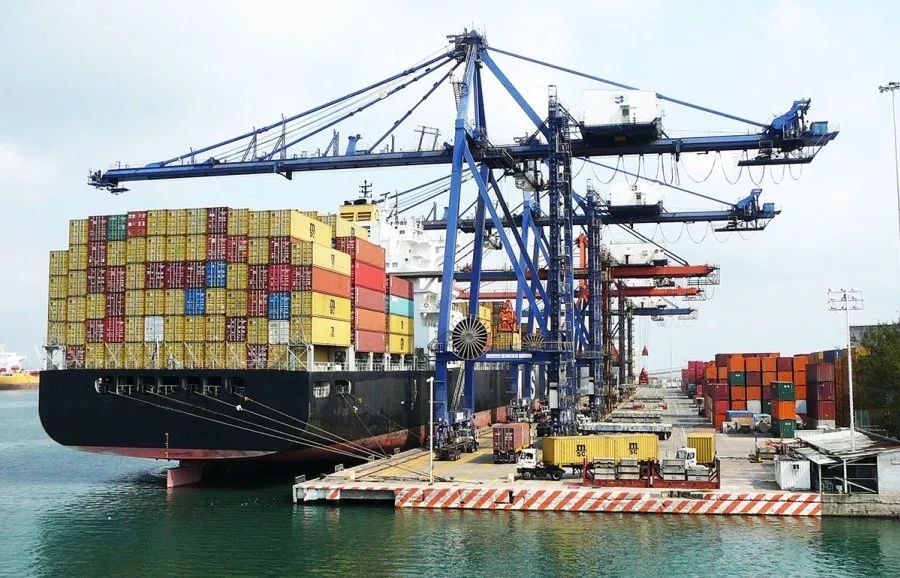
Dominican exports total US$11.954 billion through October
SANTO DOMINGO – The Dominican Republic has demonstrated robust economic performance with exports reaching US$11.954 billion during the first ten months of the year, representing a significant 10% year-on-year increase. Industry, Commerce, and MSMEs Minister Víctor Bisonó announced these figures, characterizing the growth as evidence of a nation that “dares, innovates, and transforms perseverance into tangible progress.”
A particularly notable achievement was recorded in October, which witnessed the highest export volume for that month in over a decade, exceeding US$1.25 billion in overseas sales. Beyond traditional goods, the country is emerging as a powerful exporter of modern services. This sector has experienced explosive growth, with exports soaring to US$2.289 billion. This marks a 29% surge compared to the previous year and a staggering 175% expansion since 2019, underscoring a strategic shift towards a knowledge-based economy.
Minister Bisonó credited this success to the government’s strategic, long-term economic policy focused on global integration and sustainable development. This approach has positioned the country as a premier investment destination, capturing 30% of all foreign direct investment flowing into the Caribbean and Central American region. Bolstered by this momentum, the government confidently projects that foreign investment will hit an unprecedented US$5 billion by the close of the current fiscal year.