分类: business

  • Gas prices up $4.50, diesel up $4.50

    Gas prices up $4.50, diesel up $4.50

    KINGSTON, Jamaica — Jamaican motorists are bracing for higher fuel costs starting this Thursday, April 30, after state-owned refinery Petrojam announced widespread increases to ex-refinery fuel prices across all product grades.

    The most impactful change for everyday drivers is a $4.50 per litre jump for both standard gasoline blends. Following the adjustment, 90-octane gasoline will be priced at $193.07 per litre, while the more widely used 87-octane blend will retail at an adjusted $185.63 per litre before retail mark-ups.

    The $4.50 per litre increase extends to other core fuel products as well. Regular automotive diesel will now cost $193.25 per litre, and the cleaner ultra-low sulphur diesel variant will hit $200.09 per litre after the adjustment. Kerosene, a product widely used for cooking and heating in many Jamaican households, will also see a matching $4.50 per litre rise, bringing its ex-refinery price to $182.64 per litre.

    Smaller but still notable increases are applied to liquefied petroleum gas (LPG) products, which are commonly used for residential cooking. Propane will rise by $1.94 per litre to $80.82, while butane will see a $2.43 per litre increase, settling at $89.23 per litre at the ex-refinery level.

    It is important to note that these published ex-refinery prices do not represent the final cost consumers will pay at retail outlets. Local fuel marketing companies and independent retailers will add their own standard operating margins and mark-ups to these base rates before the fuel reaches consumers at the pump.

  • Forex: $158.12 to one US dollar

    Forex: $158.12 to one US dollar

    KINGSTON, Jamaica — Fresh data released by the Bank of Jamaica’s daily foreign exchange trading roundup shows that the United States dollar closed out its Wednesday, April 29 trading session with a moderate uptick against the Jamaican dollar. By the end of the trading day, one US dollar was pegged at 158.12 Jamaican dollars, representing a 16 cent increase compared to previous trading levels.

    Shifts were also recorded across other major global currencies on the same trading day. The Canadian dollar, for example, softened slightly against the Jamaican dollar, finishing the day at 115.15 Jamaican dollars per unit, down from its prior close of 115.36 Jamaican dollars. In contrast, the British pound extended its gains, ending the session at 213.88 Jamaican dollars per pound, an increase from its previous trading close of 212.99 Jamaican dollars.

  • Eppley bets on regional property, credit growth with leadership shake-up

    Eppley bets on regional property, credit growth with leadership shake-up

    KINGSTON, JAMAICA — As Caribbean-based investment firm Eppley Limited accelerates its plan to scale up cross-regional investment holdings, the company has announced two high-profile leadership changes: hiring former PROVEN Properties CEO Aisha Campbell to helm its real estate and infrastructure division as president, and promoting long-time team member Samantha Summerbell to the post of vice-president for credit. Campbell stepped into her new role following the departure of Denise Gallimore, who departed Eppley after more than eight years of service to take a new leadership position at Stanley Motta Limited / Felton Properties Limited.

    In her new role, Campbell will oversee all of Eppley’s core real estate and infrastructure assets, including the Eppley Caribbean Property Fund, the firm’s direct real estate holdings, and its fast-growing infrastructure investment portfolio. Summerbell, meanwhile, will take charge of all the company’s on- and off-balance-sheet private credit operations, which includes the prominent Caribbean Mezzanine Fund. These leadership moves come as Eppley works to deepen its footprint in private markets across the Caribbean region, capitalizing on growing demand for alternative investments in the area.

    Campbell brings nearly two decades of proven real estate leadership experience to Eppley. During her tenure as CEO at PROVEN Properties, she led an aggressive expansion that grew the firm’s total real estate portfolio from a modest US$20 million to a substantial US$140 million. She also oversaw the development of more than US$250 million in commercial and residential projects spanning three major Caribbean markets: Jamaica, the Cayman Islands, and Barbados, giving her deep on-the-ground expertise that aligns with Eppley’s regional growth goals.

    Gallimore, Campbell’s predecessor, leaves behind a significantly expanded real estate platform at Eppley. During her more than eight years with the firm, Eppley’s commercial tenanted footprint grew to 1.1 million square feet across three key markets: Jamaica, Barbados, and Trinidad, laying the groundwork for the company’s next phase of growth.

    In an official statement announcing the leadership changes, Eppley Vice-chairman Nicholas Scott praised Gallimore’s foundational contributions to the firm. “Denise has played a critical role in building and formalizing Eppley’s real estate and infrastructure business from the ground up,” Scott said. “We are deeply grateful for her years of commitment to our growth, and we are proud to see an Eppley alumnus step into a leadership role at another outstanding regional real estate firm.”

    Summerbell’s promotion to vice-president of credit comes after she led several of the company’s most high-impact and successful transactions in recent years. Her expanded leadership of Eppley’s private credit business comes as this segment has emerged as a core and increasingly vital component of the firm’s overall long-term investment strategy, as private credit has grown in popularity among regional investors seeking consistent, uncorrelated returns.

    Eppley CEO Raymond Donaldson emphasized that the leadership changes come at a pivotal moment of growth for the firm. “This is a moment of real momentum for Eppley as we push forward with our regional expansion plans,” Donaldson noted. “Aisha stands out as one of the most accomplished and respected real estate executives across the entire Caribbean, and her track record of scaling portfolios speaks for itself. Sam has long shared our core investment philosophy, and she has consistently delivered strong results for our shareholders over her years with the firm.”

    Headquartered in Kingston, Eppley Limited focuses primarily on private market investments across the Caribbean, with core focus areas in credit, real estate, and infrastructure. The firm manages multiple regional investment vehicles, and has steadily expanded its portfolio of direct property and infrastructure assets in recent years as it works to deliver strong, consistent risk-adjusted returns for its shareholders.

  • United Arab Emirates to quit oil cartel Opec

    United Arab Emirates to quit oil cartel Opec

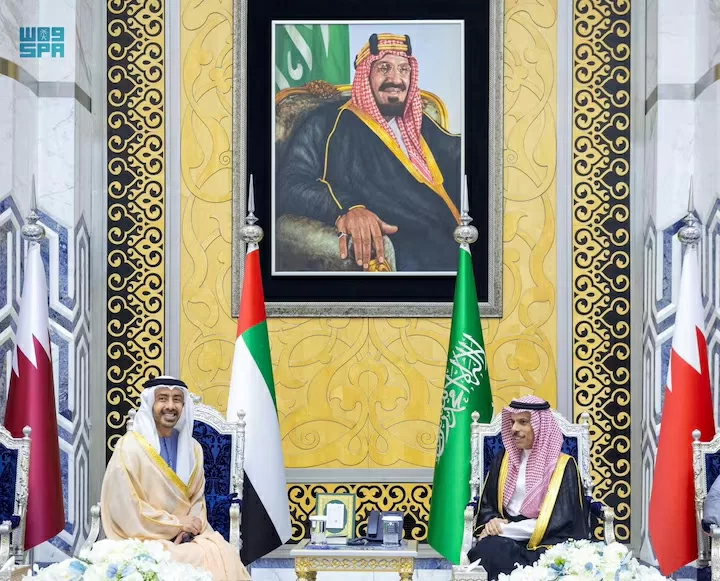
    After nearly six decades as a core member of the Organization of the Petroleum Exporting Countries (OPEC) and its expanded OPEC+ alliance, the United Arab Emirates (UAE) has announced its formal withdrawal from both groups, a move that industry analysts warn could trigger far-reaching shifts in global energy markets and redefine geopolitical power dynamics across the Middle East.

    In an official statement, the UAE framed the departure as a deliberate alignment with its long-term strategic and economic priorities, noting that the decision reflects the rapid evolution of the country’s energy portfolio as it pursues diversification and expanded global market influence. UAE’s energy minister emphasized that exiting the production quota agreements bound to OPEC membership will unlock greater operational flexibility for the country’s energy sector, allowing it to adapt more nimbly to shifting global demand and its own development goals.

    The UAE first joined OPEC in 1967, just seven years after the cartel was founded in 1960 by five original members: Iran, Iraq, Kuwait, Saudi Arabia, and Venezuela. Its exit reduces OPEC’s current membership to 11 remaining nations, stripping the group of roughly 15% of its total oil production capacity. Current data from OPEC places the UAE’s annual output at 2.9 million barrels of crude oil, making it the cartel’s second-largest producer behind de facto OPEC leader Saudi Arabia, which pumps roughly nine million barrels annually. Industry observers also note the UAE has long been one of the alliance’s most compliant members, consistently adhering to agreed production cuts to stabilize global prices.

    Saul Kavonic, head of energy research at Australia-based MST Financial, called the exit “the beginning of the end of OPEC.” He argued that Saudi Arabia will now face an unprecedented challenge holding the remaining alliance together, as the kingdom will be forced to shoulder nearly all the responsibility for enforcing internal production compliance and managing global oil market dynamics on its own. Kavonic added that the departure could open the door for other dissatisfied OPEC members to follow the UAE’s lead in exiting the group.

    Beyond energy markets, Kavonic emphasized that the withdrawal marks the start of a fundamental geopolitical reshaping of both the Middle East and the global oil ecosystem. OPEC was established to coordinate national oil production policies among member states, with the core mission of delivering stable, predictable revenue for producing nations while balancing global supply and demand. Over the decades, the cartel’s membership has fluctuated, with nations joining and exiting at various points; today, beyond the five founding nations, remaining members include Algeria, Equatorial Guinea, Gabon, Libya, Nigeria, and the Republic of the Congo.

  • VAE stapt uit OPEC en OPEC+ in zware klap voor oliegroep en mondiale energiemarkt

    VAE stapt uit OPEC en OPEC+ in zware klap voor oliegroep en mondiale energiemarkt

    On Tuesday, one of the longest-standing members of the Organization of the Petroleum Exporting Countries (OPEC), the United Arab Emirates (UAE), announced an immediate withdrawal from both OPEC and the broader OPEC+ alliance, delivering a severe blow to the oil cartel and its de facto leader Saudi Arabia. The landmark decision comes at an already volatile moment, as the ongoing conflict between Iran and the United States has triggered a historic global energy crisis that has disrupted core supply chains and thrown the already fragile world economy into further disarray.\n\nFor decades, OPEC has worked to present a unified front to global markets, coordinating production quotas to stabilize global oil prices even as internal disagreements over geopolitical alignment and output targets have simmered beneath the surface. The exit of the UAE, a major Gulf oil producer, puts this carefully cultivated unity under unprecedented strain, with analysts warning it could trigger broader fragmentation and erode the cartel’s collective influence over global energy markets.\n\nGulf OPEC members already face persistent critical challenges to their core export infrastructure: around 20% of the world’s total crude oil and liquefied natural gas supplies pass through the Strait of Hormuz, the narrow waterway separating Iran and Oman. Ongoing threats and targeted attacks on commercial shipping from Iran have severely disrupted this key energy chokepoint, already raising insurance and transit costs for global energy shipments.\n\nThe UAE’s departure is widely viewed as a major diplomatic victory for former U.S. President Donald Trump, who has repeatedly attacked OPEC for artificially inflating global oil prices, accusing the cartel of “cheating the rest of the world.” Trump has long tied U.S. military security guarantees for Gulf states to oil pricing policy, publicly criticizing Arab producers for benefiting from American military protection while maintaining high prices that burden global consumers.\n\nAs a key regional business hub and one of Washington’s closest Arab allies, the UAE has openly criticized fellow Arab and Gulf states for what it calls inadequate responses to repeated Iranian attacks amid the ongoing regional conflict. Anwar Gargash, diplomatic advisor to the UAE president, slammed the response of the Arab League and the Gulf Cooperation Council (GCC) to Iranian aggression as “historically weak, both politically and militarily” during a recent appearance at the Gulf Influencers Forum.\n\”While GCC member states have offered each other logistical support, their political and military posture has remained consistently weak,\” Gargash stated. \”I expected this weak stance from the Arab League, but I did not expect it from the GCC. That is what has come as a real surprise.\”\n\nLooking ahead, the UAE’s exit is expected to accelerate fragmentation within both OPEC and OPEC+, making it far more difficult for the bloc to reach binding collective production agreements and maintain stability in global oil markets. This increased disunity will almost certainly amplify volatility in global energy exchanges and add further upward pressure to already soaring global inflation, which has been pushed higher by persistent energy price shocks over the past months.\n\nBeyond energy markets, the move is likely to escalate existing geopolitical tensions across the Middle East. The UAE has signaled it will pursue closer bilateral energy and security ties with Western nations outside of OPEC’s collective framework, leaving Saudi Arabia facing its most significant challenge in decades: preserving the cohesion and relevance of the oil cartel it has led for more than half a century.\n\nAs the global economy continues to grapple with widespread energy shortages and the cascading economic fallout from the Middle East conflict, governments and market participants around the world are now waiting with high anticipation to see how OPEC, Saudi Arabia, and the broader international community will respond to this unprecedented shift in global energy governance.

  • Antigua Cruise Port Advances Day Club and Retail Buildout as Parking Expansion Nears

    Antigua Cruise Port Advances Day Club and Retail Buildout as Parking Expansion Nears

    A major waterfront transformation project at Antigua Cruise Port has advanced to a critical new phase, with developers announcing that the first concrete foundation for the site’s planned Day Club pool has been successfully poured, as construction activity speeds up across the entire upland development zone.

    In a recent official project update from Antigua Cruise Port, progress is also visible across multiple new structures being built as part of the redevelopment. Exterior work is moving forward quickly, with vivid, eye-catching facades being added to the growing skyline of the facility. The entire design is rooted in vibrant Caribbean cultural and natural motifs, most notably the signature blue rooftops installed across buildings, which draw direct inspiration from the turquoise waters surrounding the island.

    Work is also progressing apace in planned retail areas, where contractors are currently fitting windows and entry doors. These upgrades are a core part of preparations to launch new immersive onshore experiences for cruise visitors once the project is completed.

    Backed by Global Ports Holding, one of the world’s leading port operators, the Antigua Cruise Port overhaul forms the centerpiece of a broader revitalization effort for St. John’s entire waterfront. The overarching goal of the initiative is to strengthen and modernize Antigua and Barbuda’s cruise tourism offering, attracting more vessels and higher visitor spending to the island nation.

    In a secondary announcement, project leaders confirmed that local construction firm LICCOM will soon break ground on an expanded public parking facility. The new large-scale lot is designed to connect Lower Church Street and Newgate Street, a change that is projected to cut through traffic congestion and improve overall accessibility in downtown St. John’s, the capital of Antigua and Barbuda.

    This wave of construction marks the official start of the next development phase for the port, according to project stakeholders, with a steady stream of new visitor amenities and critical infrastructure continuing to take shape in the coming months.

  • SVG ready to welcome global streaming sensation IShowSpeed

    SVG ready to welcome global streaming sensation IShowSpeed

    One of the world’s most high-profile digital content creators, Darren Watkins Jr., known professionally as IShowSpeed, is set to arrive in the Caribbean island nation of St. Vincent and the Grenadines this Tuesday for a landmark promotional visit, government officials have confirmed.

    In an official press statement issued by the country’s Ministry of Tourism, Civil Aviation and Sustainable Development, the visit is framed as a transformative strategic opening that will allow St. Vincent and the Grenadines to carve out a leading position in the fast-growing global digital tourism and livestream economy. Unlike traditional print or broadcast advertising campaigns, this collaboration leverages IShowSpeed’s massive existing audience, which counts tens of millions of engaged followers across global social and streaming platforms. Through his signature unscripted, real-time broadcasts, the creator will bring the Caribbean nation’s vivid local culture, stunning unspoiled natural landscapes, and energetic community to an audience that would have been unreachable through conventional marketing efforts.

    This initiative forms a core part of the Vincentian government’s broader push to modernize its tourism promotion framework. Moving away from outdated, one-directional advertising models, the country is embracing immersive, live digital storytelling that shares authentic, unfiltered experiences of life on the islands with international audiences. Officials note that this approach allows global viewers to connect directly with the one-of-a-kind energy, creativity and cultural identity that sets St. Vincent and the Grenadines apart from other Caribbean travel destinations.

    Following public input to shape the national showcase, the livestream content will center on key pillars of Vincentian identity: dynamic local cultural expression, emerging youth talent, growing local entrepreneurship, and the dramatic, untouched landscapes that make the country one of the Caribbean’s most underrated and compelling travel destinations. For local residents, particularly young creatives and industry professionals, the visit offers a rare chance to participate in a global-scale media production, building skills and connections that extend beyond the event itself.

    Kishore Shallow, Minister of Tourism, Civil Aviation and Sustainable Development, shared that extensive cross-ministerial preparations have already been completed in close partnership with the Ministry of Youth, Sports, Culture and Creative Industries to support the visit. “We are eager to showcase Saint Vincent and the Grenadines to his millions of viewers worldwide,” Shallow said, adding that the collaboration is designed to demonstrate the country’s ability to deliver innovative, high-profile international projects and foster meaningful global partnerships.

    Kaschaka Cupid, Minister of Youth, Sports, Culture and Creative Industries, added that the Carnival Development Corporation has worked hand-in-hand with a coalition of public and private sector stakeholders to ensure the visit runs smoothly, and that all content shared reflects authentic local culture and experiences. Cupid has also called on all Vincentian citizens to extend their signature warm hospitality to IShowSpeed and the visiting production team, and to lend their support to the initiative as it progresses.

    In closing, the Ministry of Tourism expressed confidence that this groundbreaking collaboration will generate durable, long-term advantages for St. Vincent and the Grenadines’ tourism sector and broader national economy, while cementing the country’s reputation as a forward-thinking travel destination on the global map.

  • Bestuurslid ASRA: Wij willen juist een verhoging commissie KLM

    Bestuurslid ASRA: Wij willen juist een verhoging commissie KLM

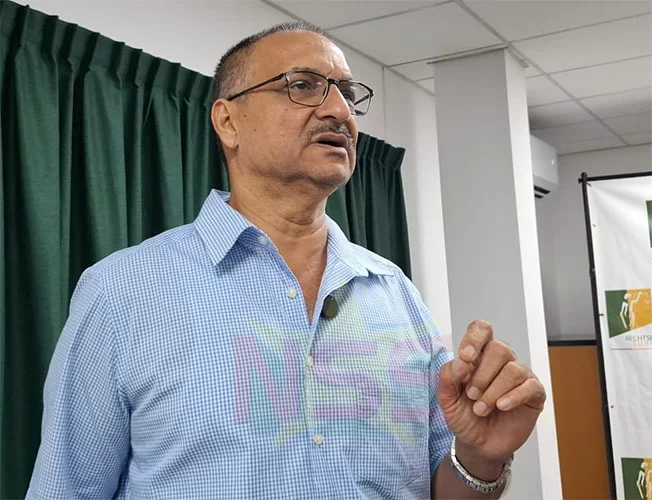
    A long-simmering dispute between Suriname’s travel agent community and Dutch airline giant KLM has entered a critical new phase, after a Surinamese court handed down a binding timeline for negotiations over long-disputed agent commission rates. The dispute centers on demands from the Association of Surinamese Travel Agents (ASRA), which represents 17 industry members, for a meaningful increase to the commission KLM pays to agents for ticket sales. Currently set at a base 6%, ASRA board member Bhagwan Gangaram Panday told local outlet Starnieuws that this rate is no longer sufficient to cover agents’ rising operational costs. Worse, he added, in many cases actual payouts fall far lower, landing between just 2% and 3% of a given ticket’s total price.

    The conflict moved into the legal system after KLM filed a summary proceedings lawsuit against the State of Suriname over the commission issue. On Monday, canton judge Suzanne Chu issued her ruling on the case, partially rejecting KLM’s claims and ordering all involved parties including ASRA to complete a full evaluation of the current commission policy within a 14-day window. Should the parties fail to meet this deadline, a daily fine of 50,000 Surinamese dollars will be imposed, capped at a total maximum of 2 million Surinamese dollars.

    Gangaram Panday has made clear that ASRA intends to stand firm in its demands, and called on the Surinamese government to do the same, arguing that the state itself stands to gain directly from a stronger travel agent sector. “We will not back down on this demand, and we believe the government should stand with us,” he stated. “The State of Suriname collects tax revenue from travel industry operators and already provides regulatory and infrastructure support to the sector. The harder travel agents work to promote travel packages and draw international tourists to Suriname, the more revenue both the private sector and the state will earn.”

    Gangaram Panday further emphasized that a viable, fairly compensated travel agent sector ripples benefits across the entire Surinamese tourism ecosystem. Every link of the tourism supply chain, from baggage handlers and taxi drivers to owners of rental apartments, eco-lodges and local restaurants, generates income from the tourist arrivals that travel agents help bring in. For this reason, he said, adjusting the commission rate upward to match current economic realities is not just a win for agents—it is a critical investment in the stability and growth of Suriname’s entire tourism industry.

  • Barbados urged to deepen platform economy, trade readiness

    Barbados urged to deepen platform economy, trade readiness

    At a closing ceremony for the European Union’s landmark Economic Partnership Agreement (EPA) held at Bridgetown’s Courtyard by Marriott on Monday, a senior Barbadian trade official delivered a stark warning: small island developing economies like Barbados will fail to convert preferential market access into tangible economic growth without immediate action to address deep structural weaknesses and upgrade competitiveness to meet rising global trade standards.

    Paula Byer, Director of Foreign Trade at Barbados’ Ministry of Foreign Affairs and Foreign Trade, emphasized that while regional and international trade pacts — including the CARIFORUM-EU EPA and the Caribbean Single Market and Economy (CSME) — open new commercial doors, access alone does not guarantee shared prosperity. For small, trade-reliant Caribbean nations, the ability to capitalize on these opportunities hinges entirely on three core pillars: expanded productive capacity, robust institutional preparedness, and sustained improvements to global competitiveness, she argued.

    The 11th European Development Fund (EDF) EPA Programme, an EU-funded regional initiative launched to help CARIFORUM states — a bloc comprising the EU’s former Caribbean colonies — implement and benefit from the CARIFORUM-EU trade deal, concluded its core funding cycle this week, though supporting activities will continue through the mid-2020s. Originally launched under the 2014–2020 EDF cycle, the program replaced decades-old Lome and Cotonou trade and aid agreements between the EU and African, Caribbean and Pacific nations, with a core mission to boost trade competitiveness across the Caribbean. It has focused on advancing customs and border management reform, upgrading quality testing and certification infrastructure, strengthening regional value chains for agriculture and agro-processing, and supporting micro, small and medium-sized enterprises (MSMEs) that form the economic backbone of most Caribbean economies.

    Byer highlighted that international development partnerships are not a discretionary bonus for small vulnerable economies like Barbados — they are a fundamental necessity for survival and growth. She outlined the persistent structural barriers that hold Caribbean MSMEs back from global trade: limited production scales that prevent businesses from competing on price, exorbitant logistics costs for island nations that rely almost entirely on maritime shipping, small domestic markets that limit growth potential, gaps in export readiness training and infrastructure, and cutthroat competition from large multinational firms and low-cost imported goods.

    Beyond these long-standing challenges, Byer noted that global trade is rapidly evolving, with increasingly strict requirements for product testing, certification, and accreditation becoming non-negotiable for access to premium export markets. “Without meeting those requirements, our products simply cannot compete,” she stressed. She added that even for compliant producers, many small Caribbean firms lack the resources to invest in product development, attractive packaging, brand building, and export marketing — key differentiators that help products stand out in crowded global markets.

    Port efficiency, Byer argued, is another make-or-break issue for island economies. Even minor delays and operational inefficiencies at port facilities directly raise business costs and erode competitiveness, making it harder for local producers to get their goods to market on time and at competitive price points. She noted that the 11th EDF EPA Programme was specifically designed to tackle many of these systemic barriers. It has delivered funding and technical support for modern border management systems, trade facilitation regulatory reforms, and digital trade solutions that cut operational costs and speed up processing times.

    In Barbados, Byer highlighted one tangible early win: the rollout of a new port community system that has already improved inter-stakeholder coordination, boosted operational transparency, and cut cargo processing times — a critical upgrade that will directly strengthen the country’s overall trade performance. Across the wider Caribbean, the program has also upgraded regional quality infrastructure, supported small agricultural and agro-processing producers by improving certification access, strengthened regional value chains, and expanded export readiness training for small producers.

    “These efforts recognise a fundamental truth — our MSMEs are the backbone of Caribbean economies, yet they face the greatest barriers in international trade,” Byer said. Tying the regional program to Barbados’ long-term national development goals, she reiterated that deeper regional integration is non-negotiable for unlocking growth. A more integrated regional economic platform allows Caribbean nations to pool limited resources, expand cross-border production networks, and compete far more effectively on the global stage, while strategic external partnerships like the CARIFORUM-EU EPA remain critical to driving export diversification and inclusive, sustainable growth, she explained.

    As global trade continues to shift, driven by digital transformation, stricter sustainability standards, and rapidly changing consumer preferences, Byer concluded that Barbados must maintain consistent investment in modern trade infrastructure, strong, adaptive regulatory frameworks, and private sector innovation to keep pace and secure long-term economic gains from international trade.


  • PM Briceño Addresses Fuel Shock as Prices Rise

    PM Briceño Addresses Fuel Shock as Prices Rise

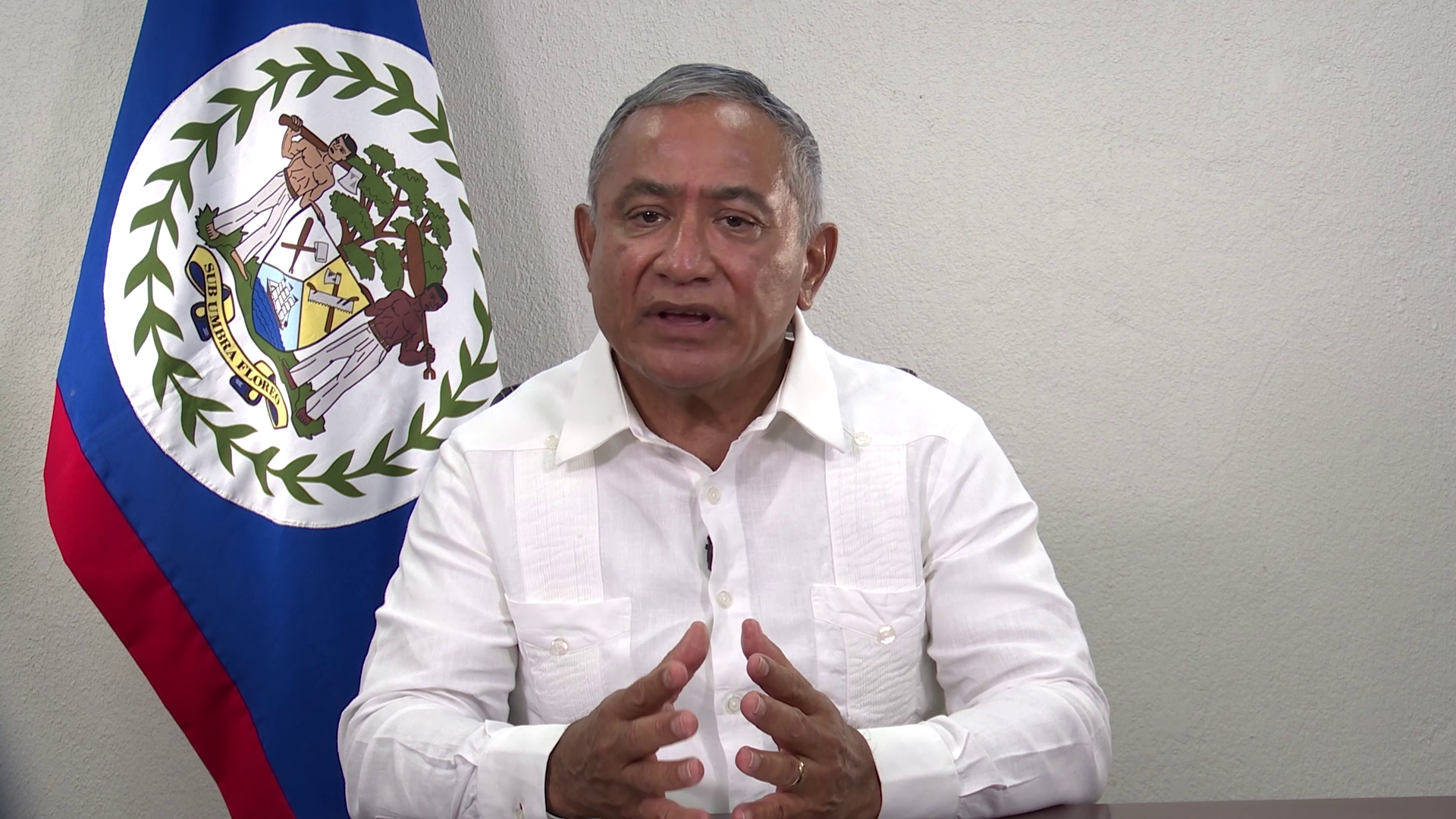
    As skyrocketing global crude oil prices send pump costs soaring and squeeze household budgets across Belize, Prime Minister John Briceño has delivered a nationally televised video address outlining his administration’s full response to what he calls an unprecedented external economic shock, just hours before local evening news broadcasts on April 27, 2026.

    Briceño opened his address by contextualizing the crisis: over the past two months, international benchmark oil prices have jumped 76%, climbing from roughly $60 per barrel to $105 per barrel. Despite the volatile global market, the prime minister moved quickly to reassure the public that there is no immediate threat to Belize’s domestic fuel supply, noting that the country’s current monthly fuel import volume, valued at approximately $5 million, remains fully secured. He did acknowledge, however, that further retail price adjustments at the pump, as well as corresponding cost increases for fuel-linked goods and services across the economy, are unavoidable as global acquisition costs rise.

    To offset the burden for consumers, Briceño highlighted that Belize’s fuel excise tax is structured as a fixed per-unit levy, not an ad valorem tax that would increase alongside acquisition costs. Already since the onset of the price crisis, his administration has cut excise taxes sharply: 68 cents per gallon for regular gasoline, and $1.55 per gallon for diesel. Combined, these tax cuts will cost the national budget an estimated $4.7 million per month, totaling $60 million for the full 2026 fiscal year. Briceño confirmed that if crude prices continue their upward trajectory, the Cabinet stands ready to approve additional tax adjustments to soften the blow for motorists and households.

    Turning to the domestic transportation sector, which has been hit particularly hard by rising fuel costs, Briceño addressed ongoing tense negotiations with the Belize Bus Association. The newly formed National Bus Company will freeze current fares for the immediate future, the prime minister confirmed. For private bus operators that have pushed for fare hikes to offset fuel expenses, the government has approved a targeted three-month subsidy that will cover 100% of the incremental fuel cost increases. Private operators will receive a $3 per gallon fuel subsidy over the next quarter, a measure designed to prevent any sudden large fare increases for commuters traveling across districts.

    Beyond fuel-specific relief, Briceño announced sweeping government austerity measures to free up budget space for consumer relief and protect core social safety net spending, emphasizing that the government must bear its fair share of sacrifice amid the economic strain. The three-pronged austerity plan includes a $30 million deferral of planned capital expenditure projects scheduled for the current budget year, a $25 million cut to goods and services spending across all government ministries and departments, and sharp reductions in international travel, with all non-essential international meetings shifted to virtual formats to cut down on fuel, transportation and accommodation costs. The government will also cut its own internal fuel bill by restricting non-essential use of government vehicles.

    Briceño stressed that despite these tough cost-saving adjustments, all spending on Belize’s social safety net programs will remain fully intact and uninterrupted. He added that the Cabinet will conduct a full review of the government’s fiscal position and the effectiveness of current measures at the end of the first quarter of 2026, to determine whether additional policy adjustments are needed to support the Belizean public if economic pressures persist. If global oil prices continue to climb, Briceño noted that the government may need to implement even more substantial cost-saving measures to maintain fiscal stability while protecting households.