
Since the announcement of Davendranath Tancoo’s October 13 budget, the focus has shifted from whether the government will honor its promise of a 10% pay increase for Public Services Association (PSA) workers to the specifics of how and when this commitment will be fulfilled. The ongoing negotiations between PSA President Felisha Thomas and officials from the Office of the Chief Personnel Officer (CPO) have been marked by tension and uncertainty. On November 10, Thomas expressed frustration, accusing the CPO of delaying the process and issuing an ultimatum: ‘Ten per cent and nothing else.’ CPO’s Dr. Daryl Dindial defended the need for a comprehensive understanding of the economic challenges, emphasizing the importance of due process. By November 21, the PSA received a formal letter outlining a 10% offer for specific periods, but details remain undisclosed. Acting CPO Wendy Barton reiterated the significance of economic context in public service negotiations. Meanwhile, Tancoo hinted at a multifaceted approach to addressing pay arrears, estimated at $730 million, with additional annual costs of $214 million. The prolonged negotiations may provide fiscal flexibility amid a projected $3.9 billion deficit, highlighting the delicate balance between fulfilling promises and managing economic constraints.
分类: business
-
IDB: Trinidad and Tobago had lowest remittances in Caribbean in 2025
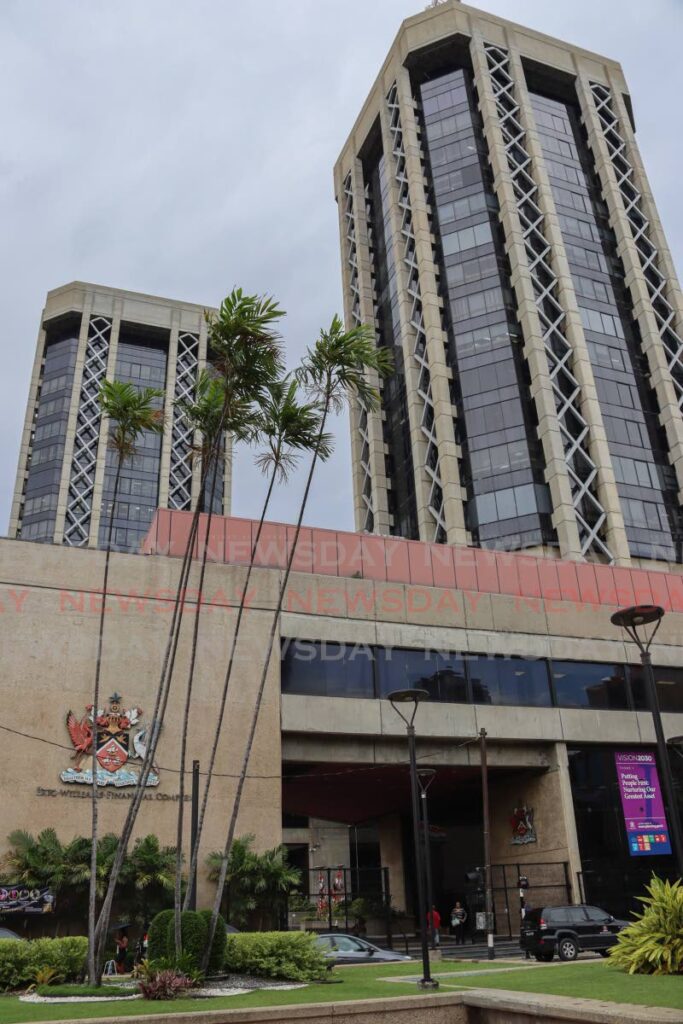
A recent analytical report by the Inter-American Development Bank (IDB) has revealed that Trinidad and Tobago (TT) experienced the slowest remittance growth in the Caribbean in 2025, lagging significantly behind its regional counterparts. Remittances, which refer to funds sent by individuals working or living abroad to their families back home, serve as a crucial financial lifeline for households across the region. These transfers are particularly vital in low- and middle-income countries, helping families manage living expenses and providing economic stability during challenging times. According to the IDB’s ‘Remittances to Latin America and the Caribbean in 2025’ report, TT saw a mere 1.3% increase in remittance inflows, the lowest among all Caribbean nations analyzed. In contrast, the broader Caribbean region recorded a 9.2% growth, driven by strong inflows to the Dominican Republic, Haiti, and Jamaica. TT’s minimal improvement starkly contrasts with the region’s overall momentum. The Caribbean collectively received $20.883 billion in remittances in 2025, accounting for 12% of all transfers to Latin America and the Caribbean. While the report did not provide a specific figure for TT, it identified the country as one of the smaller recipients in the subregion. The study highlighted general factors influencing Caribbean remittance trends, such as labor market participation in the U.S. and the financial strategies of migrant households, but did not pinpoint specific reasons for TT’s weak performance. Instead, TT was grouped with economies where remittance inflows remain modest and have shown limited growth in recent years. The IDB emphasized that remittances continue to play a stabilizing role in household income across the region, particularly in countries with growing diaspora communities that maintain strong financial ties with their families. For many households, these transfers represent essential monthly contributions from relatives working abroad, quietly but significantly impacting daily expenses. The report is part of the IDB’s ongoing efforts to monitor cross-border family transfers, which are essential for understanding consumption patterns, vulnerability, and the financial behavior of migrant populations.
-
NMIA to temporarily close runway for RESA and electrical upgrade work
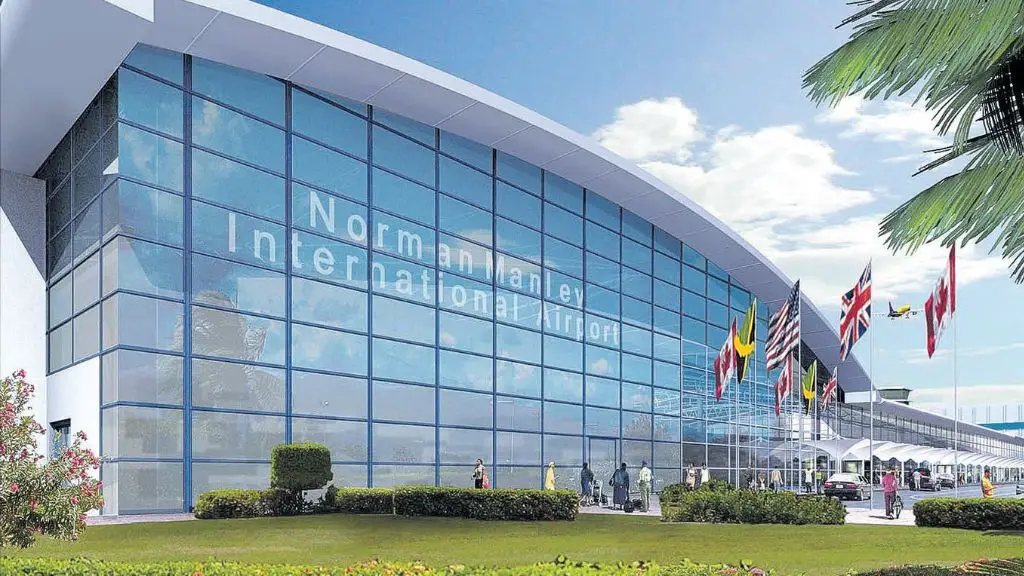
KINGSTON, Jamaica — Norman Manley International Airport (NMIA) will implement a precisely timed runway closure this Thursday evening to advance its landmark $11.5 billion (US$72 million) infrastructure modernization initiative. The temporary shutdown, scheduled from 7:00 pm on November 27, 2025, through 4:00 am the following morning, enables critical safety enhancements including runway threshold relocation and electrical system upgrades.
Airport operator PAC Kingston Airport Limited (PACKAL) confirmed the maintenance window was strategically selected following coordination with aviation stakeholders, with no passenger flights affected during the nine-hour closure. The airport will suspend operations after the last scheduled flight and resume normal service upon work completion.
The nighttime work constitutes a pivotal phase in the Runway End Safety Area (RESA) Implementation Project, which will ultimately extend the runway by 300 meters to meet international safety standards. While increased ground activity may be visible to nearby communities, PACKAL emphasizes the project remains on schedule for July 2027 completion.
This infrastructure investment represents the most significant safety enhancement in NMIA’s history, aligning with Jamaica’s Civil Aviation Act of 2012 and International Civil Aviation Organization (ICAO) regulations. The expanded safety areas will provide additional buffer zones for aircraft operations and emergency scenarios, substantially elevating the airport’s safety protocols.
-

The hidden dangers of routine: a warning on workplace safety gaps
At the American Chamber of Commerce of TT’s HSSE Conference and Exhibition 2025, held at the Hyatt Regency Trinidad in Port of Spain on November 12, American safety speaker Lee Shelby delivered a compelling presentation on workplace safety. Shelby, a survivor of a life-altering electrical accident, emphasized the dangers of complacency and overconfidence in the workplace. He shared his personal story of losing both arms in a 1991 accident, which he attributed to a series of small, avoidable mistakes and a mindset that dismissed risk. Shelby warned that most serious incidents stem from ordinary tasks and the normalization of unsafe behaviors, such as rushing, distraction, and procedural shortcuts. He urged business leaders and safety professionals to foster a culture of intervention, respectful communication, and vigilance. Shelby’s message was clear: safety is a personal responsibility that impacts not only the individual but also their colleagues, family, and community. His presentation underscored the importance of behavioral safety, leadership accountability, and proactive measures to prevent workplace accidents.
-

Black Friday sales, from novelty event to local business anchor
Black Friday, a hallmark of pre-Christmas shopping in Trinidad and Tobago, continues to draw massive crowds and fuel retail activity. Known for its deep discounts and bustling storefronts, the event has evolved from a novelty to a critical driver of fourth-quarter retail performance, according to Vashti Guyadeen, CEO of the Trinidad and Tobago Chamber of Commerce. Speaking to Business Day on November 26, 2025, Guyadeen highlighted the significance of Black Friday and Cyber Monday in boosting year-end sales, despite ongoing economic challenges. She shared insights from the forthcoming Q4 2025 Business Outlook Index by the Arthur Lok Jack GSB, revealing that while over half of surveyed executives reported weaker financial performance in the past six months, most remain cautiously optimistic about future improvements. Guyadeen emphasized that businesses are leveraging the ‘big discount mindset’ to stimulate consumer demand, particularly small and medium-sized enterprises (SMEs) offering locally made goods. Kiran Singh, President of the San Fernando Chamber of Commerce, echoed this sentiment, noting that Black Friday sales provide a crucial momentum boost heading into the Christmas season and even early Carnival-related purchases. Singh highlighted the growing trend of competitive pricing, improved digital marketing, and hybrid shopping strategies, which have enhanced consumer engagement. Angie Jairam, President of the Fyzabad Chamber of Commerce, observed a yearly increase in participation across businesses of all sizes, underscoring the event’s role in energizing the retail landscape amidst economic pressures. Despite challenges such as higher operating costs and foreign exchange issues, the Chamber encourages retailers to strategically leverage the season while maintaining responsible pricing and high service standards.
-
What’s making First Citizens’ share price go down, and up
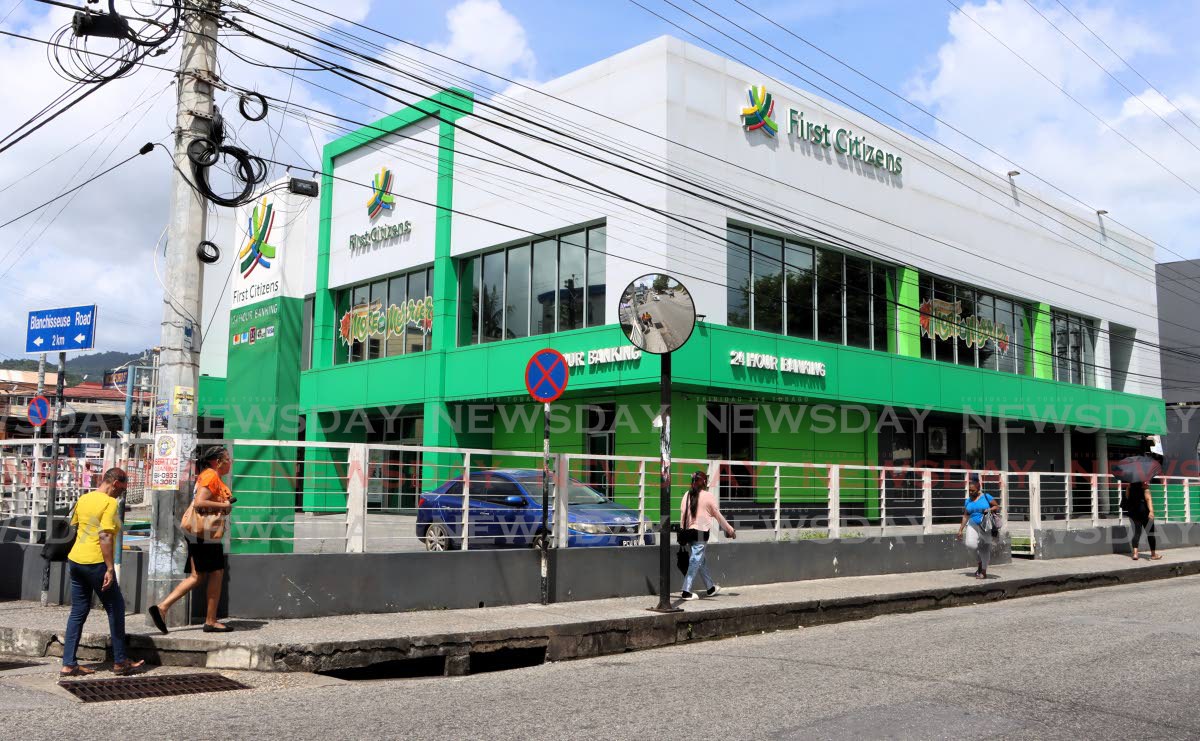
The First Citizens Group (FCGFH) has recently experienced significant volatility in its share prices, sparking debates among stakeholders and former government officials. Over the past months, the bank’s shares have seen a sharp decline, with former Finance Minister Colm Imbert describing the situation as ‘frightening.’ He noted a 26% drop from $42 in April to $31 in November, raising concerns about potential market manipulation. Former Prime Minister Dr. Keith Rowley also expressed alarm, suggesting that the leadership changes at FCGFH might have contributed to the decline. Despite these concerns, current Finance Minister Davendranath Tancoo remained optimistic, stating that share price fluctuations are a natural part of the market. His confidence seemed justified as FCGFH shares rebounded by 4% in late November, closing at $34. The bank’s strong financial performance, including a $1.27 billion pre-tax profit in 2024, further underscores its stability. However, investor sentiment remains a critical factor, with some attributing the volatility to the controversial departure of former CEO Karen Darbasie and subsequent board changes. While the long-term outlook remains uncertain, the recent recovery suggests that FCGFH may be regaining investor confidence.
-

San Fernando chamber seizes new opportunities for wealth creation
The Greater San Fernando Area Chamber of Commerce has unveiled a groundbreaking initiative poised to reshape the economic landscape of southern Trinidad. The Southern Investment and Marketing Co-operative Credit Union Society (SIMCO-OP), set to launch early next year, aims to provide tailored financial solutions for micro, small, and medium-sized enterprises (MSMEs). This initiative is expected to unlock new opportunities for financing, wealth creation, and business growth in the region.
Kiran Singh, president of the chamber, announced the initiative during the annual Christmas charity event, ‘Mix and Mistletoe,’ held on November 15 at Achievors Banquet Hall in La Romaine. Singh emphasized that SIMCO-OP will not only facilitate business development but also foster job creation and wealth generation. The cooperative plans to host pop-up markets and workshops to support entrepreneurs and the broader community.
In addition to SIMCO-OP, the chamber is rolling out a comprehensive health plan for its 153 members and introducing a multi-faceted discount card to reduce operational costs. These efforts underscore the chamber’s commitment to enhancing its role in the national financial system and bolstering the economic resilience of its members.
The chamber is also expanding its international presence, with members participating in global trade events such as the Consumer Electronics Show in the US, a pharmaceutical expo in India, and trade forums in China. A recent seminar on ‘doing business with India,’ hosted in collaboration with the Indian High Commissioner, further broadened international trade opportunities.
Regionally, the chamber has forged ties with the Georgetown Chamber of Commerce in Guyana, with a trade mission planned for the new year. Exploratory engagements with the Jamaican market are also on the horizon for 2026. These partnerships aim to provide southern businesses with access to shared information networks and new markets.
The chamber is collaborating with the San Fernando City Corporation to upgrade public spaces like Harris Promenade and enhance security measures. Two televisions were donated to the TT Police Service for improved monitoring in downtown San Fernando, with local businesses contributing CCTV cameras.
Singh highlighted the chamber’s efforts to restore San Fernando’s status as Trinidad and Tobago’s industrial capital. He encouraged members to explore opportunities in the global services sector, a trillion-dollar industry with significant potential for export diversification and foreign-exchange earnings.
Neil Gosine, parliamentary secretary at the Ministry of Trade, Investment and Tourism, commended the chamber for its dual focus on economic leadership and social responsibility. He outlined several government projects under the TT Revitalisation Blueprint, including a waterfront redevelopment in San Fernando, a new highway, and the transformation of a legacy hospital into a modern health city. These initiatives aim to create over 50,000 jobs and position Trinidad and Tobago as a global investment and tourism hub.
Gosine also announced the upcoming launch of the Private Sector Organisation of TT (PSOTT) and a ‘Buy Local, Build Trinbago’ campaign to reduce import dependency and boost domestic production. He reaffirmed the government’s commitment to supporting private-sector growth as a cornerstone of national development.
-
Forged in innovation, driven by purpose
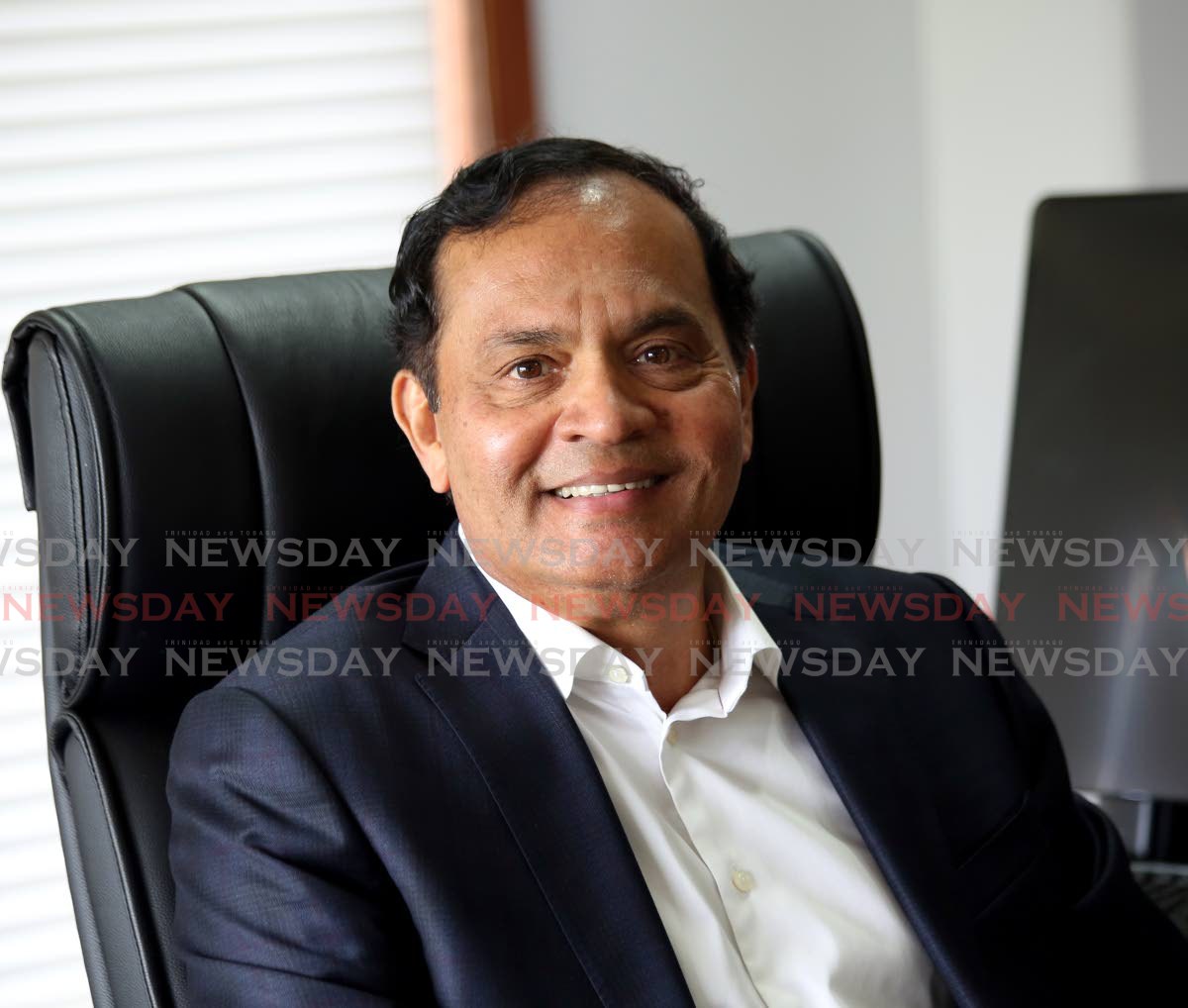
In a powerful address to the 2025 graduating class of the University of Trinidad and Tobago (UTT), Sieunarine Persad Coosal, Executive Chairman of the Coosal’s Group of Companies and honorary doctor of entrepreneurship and innovation, urged graduates to embrace their role as change-makers in an era of unprecedented transformation. Coosal emphasized that the world is evolving rapidly, driven by advancements in technology, artificial intelligence, climate change, economic uncertainty, and social inequality. He challenged the graduates not to passively adapt to these changes but to lead them with purpose and innovation. Coosal highlighted the importance of resilience, creativity, and a mindset focused on solutions rather than problems. Drawing inspiration from historical figures like Thomas Edison and Malala Yousafzai, he reminded the audience that failure is a stepping stone to progress and that true success lies in uplifting others. Coosal called on the graduates to use their education to make a meaningful impact on their families, communities, and nation, urging them to dream boldly and act with purpose. He concluded by celebrating their achievements and potential, describing them as the architects of a resilient and prosperous future.
-

Priorities and Prospects: Driving Tobago’s economic development
The Tobago Division of the TT Chamber of Industry and Commerce is gearing up for a revitalized economy in 2026, driven by a combination of strategic policies and collaborative efforts. As the primary advocate for sustainable business growth on the island, the division is actively promoting projects that stimulate economic activity and bolster investor confidence. Key initiatives include addressing public infrastructure needs, enhancing government service efficiency, and fostering closer collaboration with the central government. These efforts aim to position Tobago to seize emerging opportunities in a rapidly evolving economic landscape. Tourism remains the cornerstone of Tobago’s economy, contributing nearly 14% of the island’s GDP and employing around 16,000 people. The sector’s potential is further amplified by the completion of the airport expansion project, which triples passenger capacity and opens up new investment opportunities in high-end accommodations and logistics. Additionally, the development of a modern commercial port, including a cruise ship terminal and marina, is expected to boost international trade, tourism, and marine activities while creating long-term employment and attracting foreign exchange. The chamber emphasizes the importance of aligning these projects with Tobago’s sustainable tourism strategy and environmental goals. Beyond tourism, the division is exploring diversification in export markets, particularly through the Caricom Single Market and Economy (CSME), which offers new avenues for local businesses to expand their reach. Challenges such as foreign exchange shortages persist, but the chamber remains committed to finding solutions in collaboration with relevant stakeholders. Opportunities abound in agriculture, renewable energy, manufacturing, and the digital economy, positioning Tobago as a hub for innovation and investment. The chamber’s optimism for the island’s economic future is unwavering, as it continues to foster an environment that supports both local and international enterprises, ensuring inclusive growth for all stakeholders.
-

How Canada helped BWIA to take flight
In the 1960s, Air Canada and the Canadian government played a pivotal role in bolstering British West Indian Airways (BWIA) to become the Caribbean’s regional carrier. By 1967, the Trinidad and Tobago (TT) government had advanced $15,255,816 to sustain BWIA’s operations, recognizing the urgent need for fleet expansion and financial restructuring. However, BWIA faced more than just financial challenges. A 1966 memorandum from BWIA’s chairman highlighted critical deficiencies in top management, engineering, planning, and accounting expertise, as well as a severe shortage of experienced pilots. The chairman concluded that BWIA needed a financially strong partner with the ability to provide managerial and staffing support. Acting on this advice, the TT government sought suitable partners, leading to a proposal from Canada on May 23, 1967. The Canadian government, after reviewing BWIA’s situation, proposed a comprehensive corporate association between Air Canada and BWIA. Key elements of the proposal included designating BWIA as the regional carrier for the Commonwealth Caribbean, allowing Canada to acquire up to 49% of BWIA shares, appointing a majority of BWIA’s board of directors, and negotiating multilateral air agreements. The TT government, optimistic about BWIA’s potential, had envisioned it as a regional carrier since 1961, when it salvaged the airline. Despite initial efforts to persuade other West Indian territories to join BWIA, the airline’s transformation into a regional carrier was a complex and collaborative endeavor involving multiple governments and stakeholders.