分类: business

  • Dominica and the CDB agree on joint action plan for sustainable growth

    Dominica and the CDB agree on joint action plan for sustainable growth

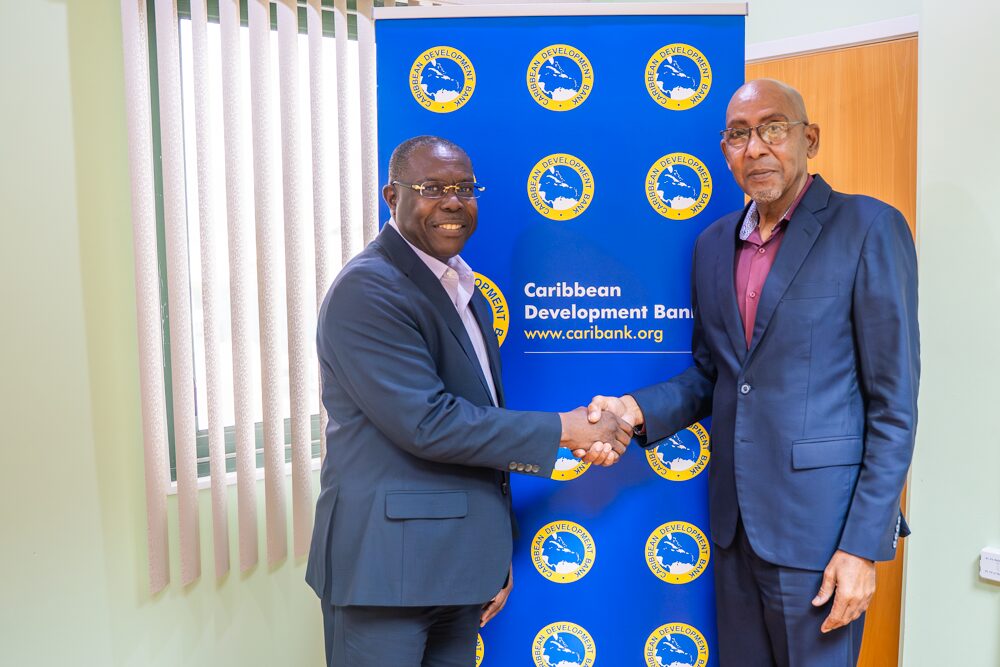
    The Caribbean Development Bank (CDB) and the Government of the Commonwealth of Dominica have solidified a comprehensive partnership through a newly established multi-year Action Plan. This strategic framework emerged from intensive deliberations during a recent Country Portfolio Performance Review and Country Engagement Strategy mission conducted in Roseau.

    High-level discussions brought together senior Dominican officials, CDB representatives, and national stakeholders to evaluate ongoing initiatives, tackle implementation hurdles, and pinpoint emerging opportunities. The collaborative assessment encompassed critical development sectors including infrastructure modernization, water resource management, agricultural innovation, climate resilience, renewable energy expansion, and educational advancement.

    Notable projects under examination included the groundbreaking Dominica Geothermal Project, the transformative Basic Needs Trust Fund, and the UK Caribbean Infrastructure Fund initiatives. These evaluations informed the creation of the Action Plan, which aligns with Dominica’s aspiration to construct a robust, inclusive, and sustainable economic future.

    Dr. Isaac Solomon, CDB’s Vice-President of Operations, characterized the agreement as a pivotal achievement in the institution’s partnership with Dominica. He emphasized that the plan embodies a shared vision for delivering concrete, enduring outcomes that enhance living standards while strengthening national resilience. The framework represents not merely operational guidance but a mutual dedication to innovative approaches, accountability mechanisms, and sustainable economic transformation.

    The strategic blueprint will direct CDB’s financing allocations through the next triennium, prioritizing youth empowerment programs, micro-small-medium enterprise development, water and sewage system enhancements, and expanded geothermal energy utilization. Incorporated within the plan are robust measures to fortify project execution capabilities and institutional capacities.

    Finance Minister Dr. Irving McIntyre highlighted the essential role of collaborative efforts in realizing Dominica’s Sustainable Development Objectives. He acknowledged CDB’s consistent partnership and expressed confidence in the joint development agenda focused on institutional strengthening, capacity enhancement, and citizen welfare improvement.

    As part of the engagement process, CDB delegates and government representatives conducted site visits to pivotal projects, including the Grand Bay/Dubique Multipurpose Facility and the Loubiere to Grand Bay Road Reconstruction Project. These inspections provided tangible evidence of CDB-supported investments generating transformative impacts on communities and infrastructure nationwide.

    The Action Plan signifies a reinvigorated commitment from both entities to ensure each investment yields substantial, lasting benefits for Dominican citizens. With concentrated focus on resilience building, inclusive growth, and sustainable development, this partnership aims to forge a more prosperous future for the nation.
  • Finance Minister McIntyre announces VAT exemptions on 26 items

    Finance Minister McIntyre announces VAT exemptions on 26 items

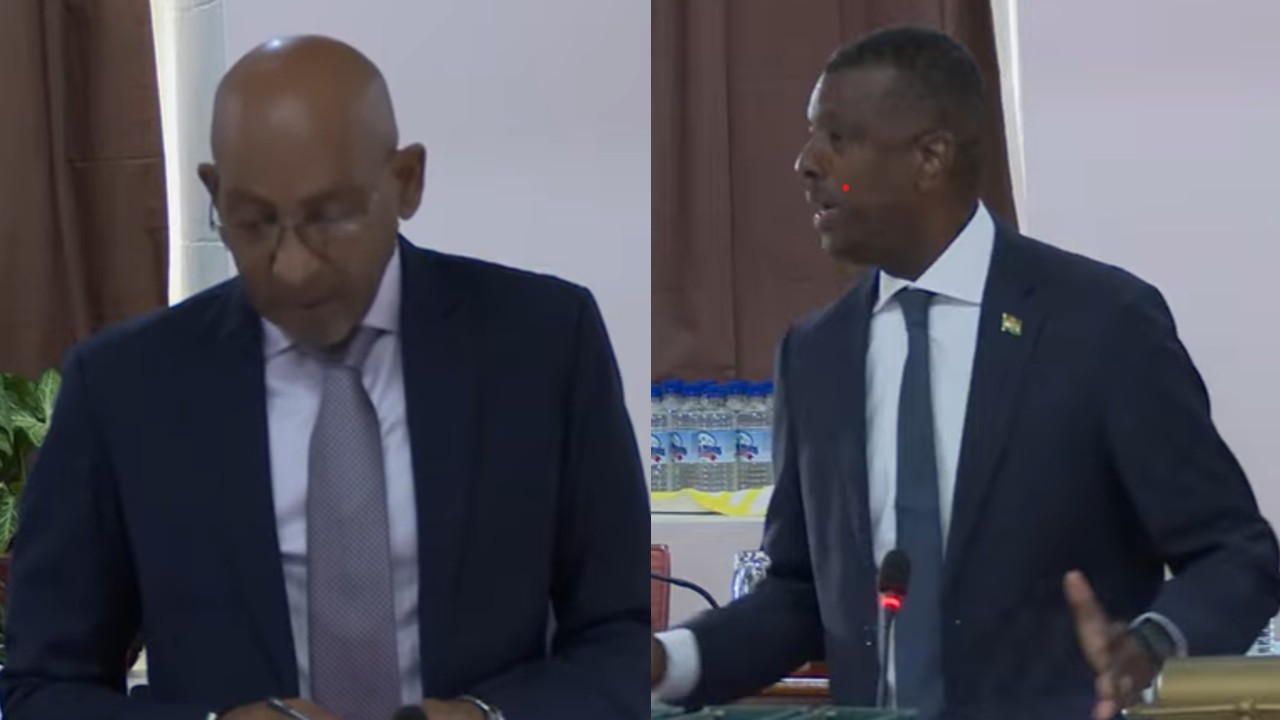
    In a significant move to alleviate economic pressure on citizens, the Dominican government has enacted sweeping tax reforms targeting essential consumer goods. Finance Minister Dr. Irving McIntyre presented the legislative amendment to Parliament, officially removing Value Added Tax (VAT) from 26 critical items in the national basket of goods.

    The comprehensive exemption list encompasses fundamental food staples and household products, including salted herrings, codfish, various legumes (split peas, red kidney beans, black-eyed peas, lentils, pigeon peas), cereals (cream of wheat, cornmeal, oats, wheat bran), canned protein sources (luncheon meat, corned beef, herring, sardines, tuna, mackerel), along with orange juice, tomato ketchup, unsweetened biscuits, toothpaste, laundry detergents, toilet paper, and sanitary napkins. Minister McIntyre emphasized that these items already benefit from zero import duties, creating a compounded reduction in consumer prices.

    Dr. McIntyre articulated the government’s fiscal philosophy, stating, ‘To prevent undue hardship on our population, we are developing alternative revenue generation methods rather than relying solely on taxation, while providing necessary relief when circumstances demand.’ The policy implementation requires formal amendments to Schedule II of the Value Added Tax Act (Chapter 67-8 of the 2017 revised laws).

    Concurrently, Dr. Vince Henderson, Minister for Foreign Affairs, International Business, Trade and Energy, highlighted the regional economic dimension of this policy. He revealed that the Caribbean Community (CARICOM) had approved the Dominican Republic’s request to zero-rate these goods under the Common External Tariff framework. Minister Henderson urged domestic importers and supermarkets to prioritize sourcing from CARICOM producers, noting that over 75% of the exempted items are adequately produced within the trade bloc and already enter duty-free. ‘Only eight items on the list require sourcing outside CARICOM,’ Henderson clarified, emphasizing the dual benefit of consumer relief and regional economic protectionism.

    Both ministers explicitly called upon supply chain stakeholders—particularly retailers and distributors—to ensure the full benefit of these tax exemptions reaches consumers through corresponding price reductions, rather than being absorbed as additional profit margins.

  • After a Dip in Arrivals, Belize Tourism Banks on Holiday Surge

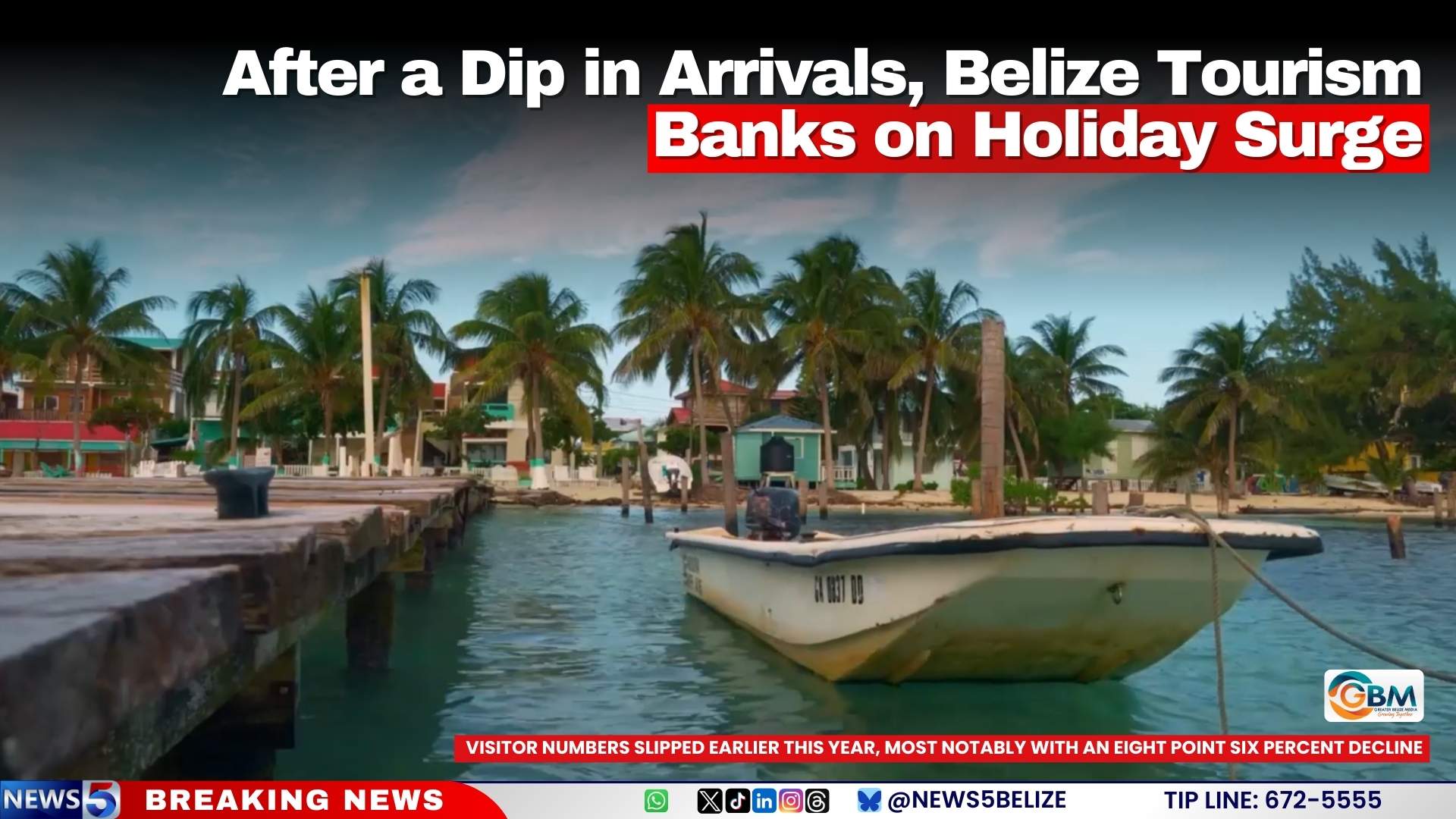
    After a Dip in Arrivals, Belize Tourism Banks on Holiday Surge

    Belize’s tourism industry is demonstrating remarkable resilience as it approaches the peak holiday season, with industry leaders expressing renewed optimism following a period of significant volatility in visitor numbers. The recent conclusion of the U.S. federal government shutdown has provided an additional boost to the sector’s recovery prospects.

    According to data from the Belize Tourism Board, 2025 has been characterized by dramatic fluctuations rather than consistent decline. While September witnessed an 8.6% decrease in overnight arrivals, several months including January, February, April, July, and August achieved record-breaking arrival numbers, establishing new benchmarks for monthly tourism performance.

    Evan Tillett, Director of the Belize Tourism Board, characterized the year as “very volatile” during a recent press briefing, acknowledging the challenges while highlighting the sector’s underlying strength. This volatility is being counterbalanced by emerging regional trends that are working in Belize’s favor. The devastating impact of Hurricane Melissa in Jamaica and escalating cartel violence in certain Mexican destinations have prompted both tourists and travel agencies to seek safer Caribbean alternatives.

    The Belize Hotel Association reports exceptionally strong booking patterns for the December through March high season, with numerous properties approaching full capacity. Reynaldo Malik, President of the Association, emphasized the critical importance of the current three-week booking window, noting that approximately 60% of next year’s revenue typically materializes during this period.

    Despite a 1.7% decline in visitors from the United States—Belize’s primary tourism market—the country’s strategic diversification efforts are yielding positive results. Nicole Usher, CEO of the Ministry of Tourism, highlighted successful initiatives in secondary and regional markets, including recent collaborative agreements with El Salvador and enhanced engagement with the Mundo Maya organization to stimulate increased regional travel within Central America.

    With robust regional marketing campaigns, promising occupancy forecasts, and restored travel confidence among American tourists receiving back pay after the government shutdown, Belize’s tourism sector appears well-positioned for a substantial rebound in the coming months.

  • ECCO closes 2025 with $1.3m royalty payout

    ECCO closes 2025 with $1.3m royalty payout

    The Eastern Caribbean Collective Organisation for Music Rights (ECCO) has announced a substantial royalty distribution of EC$1.3 million to rights holders, marking its second major payout in 2025 and signaling robust growth in the regional music economy. This December 4th disbursement represents a significant increase from the approximately EC$1 million distributed in June 2023, demonstrating a consistent upward trajectory in music collections throughout the Caribbean region.

    A notable 52% of the total distribution will be allocated directly to ECCO members within the Organisation of Eastern Caribbean States (OECS), while the remaining 48% will be channeled to international rights holders through ECCO’s affiliated societies. This distribution model reflects the organization’s strategic shift toward prioritizing local creators while maintaining global connections.

    ECCO CEO Martin A. James attributed the increased local share to enhanced data collection methodologies and a refined operational strategy, particularly regarding live event monitoring. “The fact that over half of this payout stays with creators in our region demonstrates the vitality of our local music industry,” James stated, emphasizing the importance of sustained financial support for creators despite regional challenges.

    Despite these positive developments, ECCO continues to face significant obstacles including widespread non-compliance with copyright regulations, insufficient enforcement mechanisms, and limited operational resources. A persistent issue remains the substantial number of musical works used throughout the region that remain unregistered in ECCO’s database, preventing proper royalty distribution to rightful creators. Unmatched funds are held in trust for up to three years before being reallocated to registered members.

    Revenue for this distribution was generated through licensing agreements with broadcasters, live concerts, festivals, and hospitality venues across ECCO’s six territories: Antigua & Barbuda, Dominica, Grenada, St. Kitts & Nevis, Saint Lucia, and St. Vincent & the Grenadines.

    Chairman Bruno Leonce highlighted the organization’s progress as evidence of the untapped potential within the Caribbean’s ‘orange economy’ (creative industries). “Both distributions in 2025 show what can happen when we support the rights of creators, even in a challenging environment of widespread non-compliance,” Leonce remarked. “Imagine the possibilities if every broadcaster, venue and business honored copyright laws. Our creators deserve a comprehensive system where their work is consistently and fairly compensated.”

    Established in 2009, ECCO serves as a critical bridge connecting Eastern Caribbean music creators to the global rights management network. With both collections and distributions showing steady growth, the organization reaffirms its commitment to ensuring that Caribbean musical heritage is properly valued, protected, and monetarily rewarded.

  • Republic Bank (Grenada) Limited: Notice to Shareholders for Annual Report

    Republic Bank (Grenada) Limited: Notice to Shareholders for Annual Report

    Republic Bank (Grenada) Limited has officially published its comprehensive Annual Report for the fiscal year concluding on September 30, 2025. The document, which includes the company’s fully audited financial statements, is now accessible to shareholders and the general public through the bank’s official digital portal.

    Interested parties can obtain the report directly from the company’s publications section at https://www.republicgrenada.com/publications/annual-reports. This release represents a significant transparency milestone for the financial institution, providing stakeholders with detailed insights into the bank’s financial performance, strategic direction, and corporate governance practices throughout the 2025 fiscal period.

    The publication of audited financial documentation underscores the bank’s commitment to regulatory compliance and ethical financial reporting standards. NOW Grenada, a local media outlet, has explicitly stated it bears no editorial responsibility for the content or opinions presented within the report, noting that contributor content falls outside their editorial oversight.

  • Bondholders issue Lee-Chin US$94-m ultimatum

    Bondholders issue Lee-Chin US$94-m ultimatum

    Jamaican billionaire Michael Lee-Chin confronts a definitive December 31, 2025 deadline to settle a $94 million payment to bondholders or risk forfeiting his crown jewel—a controlling 1.024-billion share stake in NCB Financial Group (NCBFG) that secures his corporate debts. This ultimatum forms the cornerstone of a rigorously negotiated forbearance agreement brokered by a unified committee of Jamaica’s financial elite.

    The payment comprises $19.1 million in overdue interest and a $75 million principal installment. A special committee chaired by Sagicor Group CEO Christopher Zacca engineered the agreement after investors overwhelmingly rejected Lee-Chin’s previous workout proposals. The pact features an automatic enforcement mechanism absent from prior negotiations—a response to what Zacca described as unfulfilled promises. “In the past, the promises to pay have not been honoured. I don’t want to be kicking the can down the road,” Zacca stated.

    The agreement’s most critical provision mandates that should Lee-Chin’s companies—AIC (Barbados), Portland (Barbados) Limited, and Specialty Coffee Investment Company Limited—fail to meet the December deadline, trustee JCSD Trustee Services must immediately initiate share seizure procedures within 45 days. “This does not give the trustee any flexibility or discretion,” Zacca emphasized. “After a total of 45 days, if the money not paid, boom.”

    The potential enforcement presents market stability concerns, as dumping 1.024 billion NCBFG shares—representing 40% of the financial giant—could crater the stock price. Zacca acknowledged the committee would devise a sophisticated disposal strategy rather than trigger a fire sale. Alternatives include distributing shares directly to noteholders, though this would require navigating legal complexities.

    Despite the high stakes, Zacca revealed Lee-Chin has personally “assured us that he has the funds.” The agreement further stipulates that NCBFG dividends will cover interest payments through 2027, with the full debt balance due by December 31, 2027.

    The resolution faces its next critical test during 14 separate noteholder meetings scheduled December 2-10, requiring a 75% super-majority approval for each note series. While Jamaica’s five major brokerages advocate approval, they collectively hold 50-75% of debt, making smaller noteholders decisive. The trustee and brokerages are proactively mobilizing voters to ensure quorum.

  • Bank of Jamaica wins 2025 Best Central Bank award

    Bank of Jamaica wins 2025 Best Central Bank award

    KINGSTON, Jamaica — The Bank of Jamaica (BOJ) has been distinguished with the prestigious Best Bank Award 2025 by the renowned international financial publication Global Finance. This accolade was formally presented to BOJ Governor Richard Byles during an awards ceremony in Washington DC, conducted alongside the annual gatherings of the International Monetary Fund and the World Bank.

    In a parallel recognition of exemplary leadership, Governor Byles was awarded an ‘A’ grade in Global Finance’s 2025 Central Banker Report Card. This annual evaluation scrutinizes the performance of nearly 100 central bank governors across the globe. The top-tier grade solidifies the BOJ’s position at the apex of central banking leadership within the Caribbean and Latin American regions, marking a notable improvement from the ‘A-‘ rating received in 2024.

    Governor Byles, in an official statement, attributed this success to the dedicated efforts of the bank’s entire staff. He emphasized that the award acknowledges their unwavering commitment to fulfilling the BOJ’s core mandates, which encompass stringent inflation control, ensuring the stability of the financial system, and the effective supervision of deposit-taking institutions.

    The recognition arrives at a critical juncture as the central bank intensifies its efforts to facilitate national recovery in the aftermath of Hurricane Melissa, which inflicted substantial damage to Jamaica’s economic and social infrastructure. Byles underscored that the bank’s primary focus on maintaining price stability is a fundamental pillar in supporting the country’s broader rehabilitation efforts.

    Global Finance’s rankings are derived from a meticulous analysis incorporating insights from the financial industry and a set of rigorous metrics. These criteria include the effectiveness of monetary policy, the rigor of financial system supervision, operational transparency, and the degree of independence from political influence.

    The publication specifically commended the BOJ for its consistent and strategic monetary policy actions aimed at curbing inflation, particularly following the hurricane disasters experienced in 2024. It highlighted that despite the severe economic disruptions caused by Hurricanes Beryl and Rafael, the bank, in concert with the government, successfully maintained a steady macroeconomic trajectory. Demonstrating this adaptability, the BOJ held its policy rate steady at 7% until August 2024, subsequently implementing a series of reductions to lower it to 5.75% by September 2025 as inflationary pressures subsided.

  • Rajiv Coosal takes TT Contractors Association helm unopposed

    Rajiv Coosal takes TT Contractors Association helm unopposed

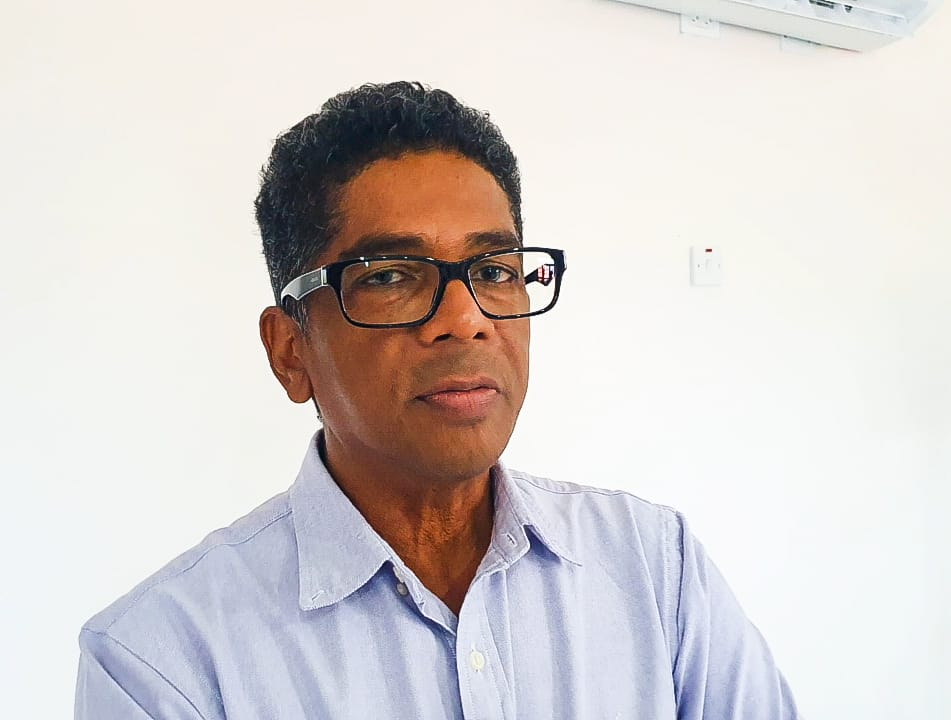
    Rajiv Coosal, Operations Director at Coosal’s Group of Companies, has ascended to the presidency of the Trinidad and Tobago Contractors Association (TTCA) with a resolute commitment to address systemic challenges plaguing the construction sector. His uncontested election during the November 27 annual general meeting coincided with a constitutional amendment extending leadership terms from one to two years.

    Assuming leadership with what he described as “humility, enthusiasm and a sense of duty,” Coosal immediately identified delayed state payments as the most destabilizing factor confronting contractors. He emphasized that outstanding government debts represent more than accounting entries—they directly impact livelihoods, project continuity, and industry trust.

    The newly inaugurated president outlined an ambitious agenda focused on strengthening partnerships with government ministries and agencies, particularly as Trinidad and Tobago advances its development transformation agenda. Coosal specifically referenced the Housing Ministry’s 20,000-unit affordable housing initiative and 12 proposed development hubs as critical opportunities requiring local contractor readiness.

    Despite these opportunities, former TTCA president Mikey Joseph sounded a cautionary note during open proceedings, highlighting persistent financial pressures from delayed state payments and contractual breaches. Joseph advocated for more vigorous public advocacy, warning that excessive diplomacy had historically yielded disappointing results. He further cautioned about increasing foreign competition potentially marginalizing local contractors without stronger industry protections.

    In response, Coosal acknowledged the validity of these concerns while emphasizing balanced advocacy. “We are here to represent all TTCA members,” he stated, affirming that public communication would be employed when necessary while maintaining diplomatic engagement with government entities.

    The newly ratified executive team for 2025-2027 includes Vice-President Deborah Costelloe of Lifetime Roofing and eight directors representing major construction firms. Coosal concluded the assembly by urging collective action, emphasizing that “the true power of construction extends far beyond its direct economic contribution,” stimulating manufacturing, quarrying, logistics, engineering, and small business services throughout the national economy.

  • Hoteliers in Negril call for Hurricane Melissa relief assistance for small hotels

    Hoteliers in Negril call for Hurricane Melissa relief assistance for small hotels

    NEGRIL, Westmoreland — Jamaica’s tourism industry is navigating a complex recovery path following the extensive damage inflicted by Hurricane Melissa approximately one month ago. Key stakeholders in Negril, renowned for its high concentration of small hospitality businesses, are advocating for targeted government assistance to accelerate rehabilitation efforts.

    Daniel Grizzle, operator of Charela Inn Hotel and former president of the Negril Chamber of Commerce, emphasized the unique challenges facing smaller establishments. He proposed concrete financial solutions including low-interest loans capped at 2.5% for USD financing and 5% for Jamaican dollar facilities, alongside direct grants specifically for West End properties. “This recovery presents an opportunity to enhance our tourism product fundamentally,” Grizzle stated in discussions with Observer Online. “Supporting smaller properties to upgrade their facilities will ultimately elevate Negril’s overall market competitiveness.”

    The call for intervention found resonance with Richard Wallace, Managing Director of Boardwalk Village and Chairman of the Negril Destination Assurance Council. Wallace drew parallels to pandemic-era support mechanisms, noting: “As during COVID-19, there’s reasonable expectation for government assistance when sectors face devastating circumstances. While acknowledging national recovery complexities involving public infrastructure, prioritizing tourism revival remains crucial for economic stabilization.”

    Responding to these concerns, Tourism Enhancement Fund (TEF) Executive Director Dr. Carey Wallace outlined multifaceted recovery initiatives. Beyond enterprise-focused financial instruments, TEF is implementing worker-centered support programs recognizing the distinct nature of this disaster. “Unlike the pandemic where workers retained assets, many now face personal property damage,” Dr. Wallace explained. “We’re developing rebuilding kits for tourism workers and expanding existing loan facilities through EXIM Bank and Jamaica National to ensure comprehensive sector rehabilitation.”

    Despite current challenges, market indicators show promising resilience with room bookings and attraction visits gradually resuming. Industry observers suggest smaller operators might leverage temporary closures of larger hotels for renovations, potentially capturing market share during the interim recovery period.

  • Hamilton highlights western corridor’s role in Jamaica’s tourism future

    Hamilton highlights western corridor’s role in Jamaica’s tourism future

    HANOVER, Jamaica — Jamaica’s western tourism corridor has been officially designated as the cornerstone of the island’s long-term tourism strategy and competitive positioning in the global market. The declaration came from Tova Hamilton, State Minister in the Ministry of Tourism, during a comprehensive working tour of the region led by Tourism Minister Edmund Bartlett.

    Minister Hamilton’s site inspections at Chukka Ocean Outpost in Sandy Bay and the Grand Palladium Resort & Spa on Friday reinforced the government’s conviction that sustainable development practices must guide the sector’s expansion. “Our responsibility as a Government is to ensure this growth remains balanced, sustainable and inclusive,” Hamilton emphasized.

    The government’s framework for responsible tourism development includes implementing stringent standards, enhancing destination assurance programs, and improving infrastructural and environmental management systems. A critical component involves strengthening economic linkages to ensure greater retention of tourism revenues within local communities through Jamaican workers and suppliers.

    Hamilton highlighted Chukka Ocean Outpost as an exemplary model of environmental stewardship and employment generation within the adventure and nature-based tourism segment. “Attractions like this introduce dynamic new energy to our tourism product while emphasizing our collective responsibility to protect coastal ecosystems, coral reefs, and local communities,” she noted.

    The tour also recognized the substantial economic impact of major hotel investments, with properties like Grand Palladium generating confidence and creating opportunities across Hanover, Westmoreland, and St. James parishes. Hamilton emphasized that expansion and innovation by hotel partners stimulate broader value chain benefits for agricultural producers, manufacturers, transportation services, and professional service providers.

    As the ministerial delegation proceeded to Negril, attention turned to cultural preservation and infrastructure verification following Hurricane Melissa. The assessment aims to confirm operational readiness regarding staffing, room capacity, and guest activities, reinforcing market confidence that Negril remains fully operational, secure, and welcoming ahead of the winter tourist season.

    Hamilton concluded by commending tourism workers for their resilience and professionalism, aligning the tour with the ministry’s broader initiative toward a responsible, people-centered recovery strategy.