分类: business

  • Princess Hotel Says It remains ‘Open and Fully Operational’

    Princess Hotel Says It remains ‘Open and Fully Operational’

    In a recent development, the Princess Casino Belize City has issued a statement affirming its operational status following confusion caused by the Belize Tourism Board’s (BTB) announcement of the closure of the Ramada Belize City Princess Hotel. The casino management emphasized that it remains open and fully operational, continuing to provide a safe and enjoyable experience for its patrons. This clarification comes in response to the BTB’s decision to close the hotel under Section 28(2)(b) of the Hotel and Tourist Accommodation Act, which allows for the cancellation of a license or closure of a hotel due to the proprietor’s failure to obtain or renew a license. The BTB’s notice was published on October 17, 2025, leading to public uncertainty. The casino’s statement aims to reassure customers and the general public of its uninterrupted services and commitment to excellence in entertainment.

  • DIGITAL BOOM, FINANCING BUST

    DIGITAL BOOM, FINANCING BUST

    Jamaica’s push for financial inclusion has spurred a remarkable rise in digital payments and mortgage activity, yet the nation’s small businesses face a crippling credit crunch, jeopardizing sustainable economic recovery. According to the Bank of Jamaica’s National Financial Inclusion Strategy (NFIS) impact report for the first half of 2025, digital transactions surged by 10.9% year-over-year, reaching 71.1 million, with utility bill payments leading the charge at 73.3% digital adoption—a figure more than double that of 2015. Simultaneously, new mortgage values climbed 13.5% to $44.4 billion, reflecting robust consumer confidence in the housing market. However, credit growth to micro, small, and medium-sized enterprises (MSMEs) plummeted to 5.8% from 27.4%, with micro-enterprises seeing a mere 0.1% increase. This stark divergence underscores a critical challenge: while consumer finance thrives, the backbone of Jamaica’s economy—small businesses—struggles to access vital capital. Dr. Norman Grant, first vice-president of the Small Business Association of Jamaica, highlighted collateral requirements as the primary barrier, urging the introduction of developmental loans and policy reforms to support MSMEs. The Bank of Jamaica, led by Senior Deputy Governor Dr. Wayne Robinson, is addressing these issues through initiatives like the rollout of a Central Bank Digital Currency (CBDC) and efforts to improve financial literacy and MSME digitization. Yet, the paradox remains: while digital payments generate valuable data on cash flow and financial behavior, mechanisms to translate this data into affordable credit for small businesses remain underdeveloped. As Jamaica’s financial inclusion strategy advances, bridging the gap between digital consumers and collateral-poor entrepreneurs will be essential to ensuring broad-based economic growth.

  • Shelf appeal — designing packaging that competes

    Shelf appeal — designing packaging that competes

    Jamaican manufacturers are being encouraged to enhance their packaging design to better compete with imported products, but the lack of local innovative packaging designers remains a significant hurdle. Tara Kisco, Country Manager at PriceSmart Jamaica, emphasized this during a Young Entrepreneurship Fireside Chat hosted by the Young Women and Men of Purpose (YWOP/YMOP) Foundation. She highlighted that packaging is often the first point of contact with consumers, serving as a crucial sales tool. PriceSmart, a membership-based retail warehouse club, has been working closely with suppliers to improve packaging so that local products are indistinguishable from imported ones. Kisco noted that proper labeling is equally important, with retailers like PriceSmart refusing to stock products that lack essential details such as origin, usage instructions, and manufacturer information. The Jamaica Bureau of Standards is also developing new labeling rules to help local goods meet export standards and strengthen their presence in overseas markets. While packaging design can be costly, Kisco stressed its critical role in consumer perception. She advised manufacturers to align packaging with the product’s intended price point, using bottled water as an example to illustrate how packaging can signal a product’s market position. Despite ongoing investments in local packaging, Kisco observed that imported packaging remains dominant, particularly for more creative and innovative solutions. In November 2023, Jamaica Packaging Industries Limited (JPI) completed a $2-billion investment in a new facility, significantly boosting its production capacity. This expansion aims to reduce Jamaica’s reliance on imported packaging, which currently accounts for over 60% of corrugated boxes used in the country. According to TradeEconomy.com, Jamaica’s total paper packaging imports reached US$49 million in 2023, with corrugated and non-corrugated cartons and boxes making up the majority. These figures underscore the strong demand for packaging, yet the creative and technical aspects of packaging design remain underdeveloped, limiting local manufacturers’ ability to compete effectively.

  • SmartHomes by CEAC brings green living to Portmore

    SmartHomes by CEAC brings green living to Portmore

    Once a hub for starter homes and middle-income neighborhoods, Portmore, Jamaica, is now emerging as a hotspot for high-end developers and diaspora buyers seeking lifestyle upgrades and long-term investments. The latest addition to this transformation is Tessera by SmartHomes Jamaica, a groundbreaking development that underscores the city’s shift toward sustainable, tech-driven living. Located in Bernard Lodge, Tessera will feature 418 units across four neighborhoods, each equipped with solar panels, lithium battery storage, and EV-charging outlets. The community will also boast a clubhouse, recreational spaces, and jogging trails, amenities previously reserved for upscale areas in Kingston. With prices starting at $36.95 million, Tessera positions Portmore in Jamaica’s mid-to-upper housing segment, offering enhanced features like built-in energy and water systems that significantly reduce utility costs. Each unit includes six solar panels, a hybrid inverter, and a lithium battery, ensuring uninterrupted power during outages. A solar water heater, a 400-gallon roof-mounted tank, and a rainwater harvesting system further enhance sustainability. SmartHomes estimates these features can slash electricity bills by 50-80%. Lancedale Farquharson, operations director at SmartHomes, emphasized the affordability of these eco-friendly homes, stating, ‘We treat smart and green as standard, not luxury.’ The development targets young professionals and returning residents, offering a $1 million discount for early applications and a 5% deposit requirement. Portmore’s evolution from a suburban spillover to a thriving residential hub has been fueled by new highways, expanding commercial centers, and a growing population of professionals. Tessera builds on this momentum, introducing advanced technology and environmental consciousness to the area. Despite rising construction costs driven by inflation and global supply chain pressures, SmartHomes remains committed to making sustainable living accessible. The first phase of Tessera, comprising 136 units, is underway, with completion slated for early 2027. This development sets a new standard for modern, energy-efficient housing in Jamaica, signaling a promising future for Portmore’s real estate market.

  • Trincity Mall sale officially off, bidders to get deposit back

    Trincity Mall sale officially off, bidders to get deposit back

    The highly anticipated sale of Trincity Mall has been officially terminated following a series of legal and criminal complications. The government is set to approve a proposal from the consortium of buyers to refund their deposit and associated costs, marking the end of a contentious transaction. The deal, valued at $505 million, was halted in October due to a High Court injunction and an ongoing criminal investigation into the sale of CL Financial (CLF) assets. The consortium, led by prominent businessmen John Aboud and Anthony Rahael, expressed their intent to withdraw from the agreement, citing concerns over the legality and validity of the sale. In a letter dated October 15, attorney Melissa Inglefield, representing the buyers, outlined the reasons for the withdrawal, including reputational risks and operational disruptions. The government, as CLF’s principal creditor, intervened through the Attorney General, seeking to halt the sale amid allegations of irregularities. The injunction was granted just hours before the deal was set to be finalized, raising questions about the transparency of the liquidation process. The liquidators, Grant Thornton, had approved the sale in April, but the transaction faced mounting scrutiny from stakeholders, including CLF shareholders and creditors. The fallout from the failed sale underscores the complexities of liquidating high-value assets and the challenges of maintaining trust in such transactions.

  • JBDC sensitises MSMEs about financial red flags to prevent bankruptcy

    JBDC sensitises MSMEs about financial red flags to prevent bankruptcy

    Amid escalating operational costs and tightening cash flows, the Jamaica Business Development Corporation (JBDC) has issued a critical warning to micro, small, and medium-sized enterprises (MSMEs) in Jamaica. The agency emphasized the importance of recognizing and addressing early signs of financial distress to avert bankruptcy. This advice was highlighted during the JBDC’s recent Virtual Biz Zone webinar, titled ‘Debt Alarm: Identifying the Signs of Financial Distress,’ which was conducted in partnership with the Office of the Government Trustee (OGT). The session aimed to equip entrepreneurs with actionable strategies to detect and mitigate financial vulnerabilities before they escalate into business collapse.

  • Reflections on the national budget

    Reflections on the national budget

    As the budget debate in Trinidad and Tobago’s Parliament concludes, the fiscal measures announced by Finance Minister Davendranath Tancoo have come under scrutiny. While initially perceived as fair to the average citizen, the budget has revealed itself to be largely a continuation of past policies, lacking the bold reforms needed to steer the nation toward economic stability and growth. The government’s revenue projections remain heavily reliant on optimistic assumptions about oil and gas prices, the country’s primary income sources. This approach has drawn criticism for its failure to address systemic issues and its reliance on short-term fixes. Key concerns include rising tax burdens on consumers, ineffective tax collection mechanisms, and the absence of a clear strategy to diversify the economy beyond energy. The proposed reforms to the National Insurance Scheme also face skepticism, given the challenges posed by an ageing population and declining workforce participation. Critics argue that the budget lacks strategic direction, offering little insight into plans for critical sectors such as housing, education, agriculture, and national security. The financial burden, as in previous years, will likely fall on consumers, while escalating public debt threatens to burden future generations. Amid these challenges, the author advocates for the implementation of site value taxation, a system that could distribute the tax burden more equitably, promote economic diversification, and stimulate broad-based prosperity. This approach, phased in over several years, could correct imbalances in land, labor, and capital values, fostering a more inclusive and sustainable economy. While the current budget represents a missed opportunity for transformative change, the adoption of innovative fiscal policies could pave the way for a brighter economic future for Trinidad and Tobago.

  • CGC tightens oversight as Jamaica prepares to open first casino

    CGC tightens oversight as Jamaica prepares to open first casino

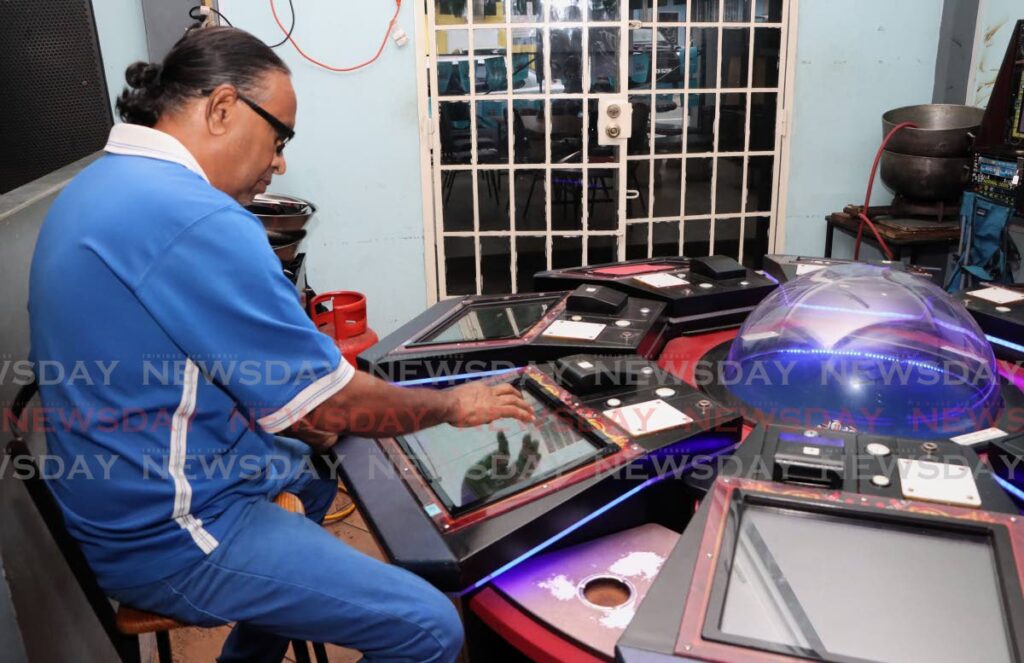
    Jamaica is gearing up to inaugurate its first casino, located at the Princess Grand Jamaica Hotel in Hanover, marking a significant milestone in the nation’s economic transformation. The Casino Gaming Commission (CGC) is spearheading efforts to establish Jamaica as a regional leader in integrity, transparency, and investor confidence through a robust regulatory framework. This initiative aligns with international best practices and aims to ensure the sustainable growth of the casino gaming industry.

    Cleveland Allen, CEO of the CGC, emphasized the commission’s commitment to building a foundation rooted in accountability and respect for the law. ‘Our primary responsibility is to create systems that protect investors, operators, employees, and the public while ensuring transparent and fair financial management,’ he stated.

    In recent months, the CGC has accelerated its regulatory evolution by modernizing licensing, monitoring, and compliance systems. Advanced digital tools have been adopted to enhance due diligence and operational transparency. A pivotal aspect of this effort is the strategic partnership with the Financial Investigations Division (FID), formalized through a Memorandum of Understanding (MOU). This collaboration aims to detect and disrupt illicit financial activities, particularly money laundering risks associated with casino operations.

    Dennis Chung, chief technical director at the FID, highlighted the significance of the MOU, stating, ‘This agreement strengthens our ability to identify and disrupt illicit financial flows, safeguarding the integrity of Jamaica’s financial system.’

    The CGC’s initiatives are closely aligned with Jamaica’s broader tourism investment strategy, which focuses on attracting high-value visitors and promoting luxury resort developments with strong local linkages. Minister of Tourism Edmund Bartlett underscored the role of casino gaming as a new frontier in Jamaica’s tourism development, emphasizing the importance of responsible expansion and sustainable growth.

    In addition to regulatory oversight, the CGC is placing a strong emphasis on responsible gaming and public education. Allen reiterated the commission’s commitment to fostering an informed public that understands the opportunities and responsibilities associated with casino gaming. ‘We aim to ensure that the industry grows safely and inclusively, benefiting all stakeholders,’ he added.

    The Princess Grande Jamaica resort in Green Island, Hanover, will host the country’s first casino, setting the stage for a new era in Jamaica’s economic and tourism landscape.

  • GB businesses claim decline since Celebration Key opened

    GB businesses claim decline since Celebration Key opened

    The unveiling of Carnival’s $600 million Celebration Key cruise port in East Grand Bahama has triggered a dramatic downturn for local businesses and tour operators, with some reporting visitor declines of up to 90 percent. This sharp reduction in foot traffic and bookings has left many enterprises grappling to remain viable, prompting urgent discussions with tourism stakeholders and government officials, including Deputy Prime Minister and Minister of Tourism, Investment, and Aviation Chester Cooper.

    David Wallace, owner of Pirate’s Cove Zipline and Water Park, acknowledged the long-term potential of Celebration Key for Grand Bahama but emphasized the unforeseen economic strain on independent operators. He revealed that visitor numbers at his attraction have plummeted in the past two months. Previously, Carnival’s ships docking at Freeport Harbour brought hundreds of tourists daily, but now, only a fraction of that number arrives from Celebration Key. Wallace stressed that while the current influx is better than nothing, it is insufficient to sustain operations.

    Before Celebration Key’s opening, Carnival’s ships visited Freeport Harbour approximately 15 times monthly, delivering around 350,000 passengers annually. The new port, however, will host Carnival ships 40 times weekly, with over 2,000 annual calls and an estimated 2.5 million passengers. Many local businesses expanded in anticipation of this growth but have instead faced significant declines.

    In response, a coalition of business owners, tour operators, transportation providers, and straw vendors convened to strategize on attracting more visitors and addressing the challenges posed by Celebration Key. Wallace highlighted the group’s investments and their desire to coexist with the new port. Meetings were held with Grand Bahama Port Authority president Ian Rolle, Grand Bahama Chamber of Commerce president Dillon Knowles, and government officials, including Deputy Prime Minister Chester Cooper and Minister Ginger Moxey.

    Among the proposals raised was the suggestion for Carnival to continue docking some ships at Freeport Harbour to boost local business activity. Additionally, efforts are underway to collaborate with the government, Promotion Board, and cruise line to promote attractions like Port Lucaya Marketplace, the Straw Market, and Garden of the Groves.

    Knowles noted that while Carnival is bringing millions of passengers to Grand Bahama, most are choosing to remain within Celebration Key, leaving external businesses with drastically reduced foot traffic. He emphasized the need for immediate action to encourage passengers to explore the wider island. Recommendations included improving marketing efforts, making transportation from Celebration Key more accessible, and ensuring tour operators have better access to the port.

    Despite the challenges, Knowles expressed optimism that the situation would improve as the novelty of Celebration Key wanes. However, he stressed the urgency of addressing the current struggles faced by local businesses, stating that even a small portion of Carnival’s passengers could significantly benefit the island’s economy.

  • Jamaican airports generate over $9 billion in revenue

    Jamaican airports generate over $9 billion in revenue

    Jamaica’s two major international airports, operated by Grupo Aeroportuario del Pacífico (GAP), reported an estimated $60.64 million in revenue during the third quarter of 2025. This financial performance was driven by the processing of 1.77 million passengers across both facilities. Sangster International Airport (SIA), managed by MBJ Airports Limited, saw a 9% revenue increase to $41.46 million, largely attributed to higher aeronautical service fees, including passenger, landing, and bridge fees, which rose 9% to $26.25 million. Passenger traffic at SIA grew by 7.7% to 1.24 million, recovering from the impact of Hurricane Beryl in the previous period, though it remained below the 1.31 million passengers recorded in Q3 2024. Operating expenses for both airports surged by 22% ($10.24 million) due to increased concession fees, improvement costs, and depreciation charges. Despite this, SIA’s operating profit improved by 1.7% to $13.17 million, with EBITDA rising 2.5% to $17.64 million. GAP’s quarterly report highlighted a 200-basis-point decline in the operating income margin for Jamaican airports to 43.3%, or 52.5% excluding concession asset improvement costs. Operating profit increased by $23.04 million (11.5%) compared to Q3 2024, while net profit rose by $38.25 million (36%). However, comprehensive income fell by $8.73 million (6.2%) due to foreign currency translation losses. Over the first nine months of 2025, Jamaican airports generated $178.14 million in revenue, with MBJ Airports reporting a 14.6% increase to $126.25 million. Operating profit surged by $118.52 billion (19.7%) despite a 17.9% rise in expenses. GAP plans $203.30 million in investments to enhance both airports between 2026 and 2030, supported by newly approved aeronautical rate increases. SIA’s rates will rise from $17.38 in 2026 to $19.07 in 2030, while Kingston’s rates will increase from $38.18 to $60.10. GAP remains optimistic about Jamaica’s long-term tourism growth, citing planned hotel expansions and increased tourist arrivals.