分类: business

  • Pharmacy lobby backs PM to break drugs monopoly

    Pharmacy lobby backs PM to break drugs monopoly

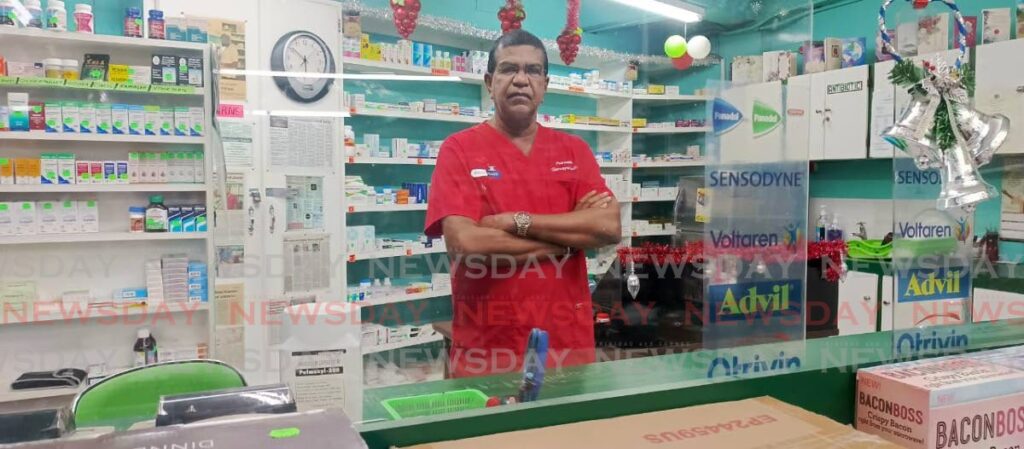
    Trinidad and Tobago’s pharmaceutical sector faces mounting scrutiny as market consolidation allegations prompt official parliamentary investigation. Glenwayne Suchit, President of the Private Pharmacy Retail Business Association (PPRBA), has expressed cautious optimism following Prime Minister’s commitments to address what he describes as a rapidly consolidating monopoly threatening both industry competition and consumer affordability.

    Suchit’s concerns center on market dominance by major players, particularly Aventa and its parent company Agostini Ltd, which he claims control approximately 74% of private wholesale markets and dominate public-sector procurement. The association’s comprehensive 80-page report, prepared by legal counsel Ted Roopnarine, details acquisition patterns that have substantially reduced competition through takeovers of competitors including M-Pharm and Oscar Francois.

    The Parliamentary Public Administration and Appropriations Committee (PAAC) has initiated an inquiry into pharmaceutical acquisitions, issuing subpoenas to multiple government agencies including the Ministry of Finance, Chemistry Food and Drugs Division, Customs and Excise, and the Pharmacy Board. The hearing has been adjourned until January 26 pending further evidence collection.

    Agostini Ltd responded to allegations with a December 5 press release acknowledging regulatory reviews while maintaining the distribution sector remains “regulated and competitive” with over 70 registered distributors. The company disclosed Aventa secured 34.3% of tender awards by value in the 2023-2025 procurement cycle, with combined retail operations representing 18% market share.

    Suchit contends these figures actually validate his concerns, noting that when combined with Bryden’s market share, the two entities control approximately 54% of government tender awards. He further highlighted systemic issues including $80 million in expired pharmaceuticals discovered at Nipdec’s central storage facilities, which he had previously warned about in August 2023.

    Additional challenges include malfunctioning CDAP program infrastructure leaving pharmacies unpaid since March, with over 200 establishments essentially “working for free” according to Suchit. Registration delays at the CFDD have also drawn criticism, with routine products reportedly taking up to a decade for approval.

    The Fair Trading Commission faces particular scrutiny for its handling of competition complaints, with Suchit alleging the agency misunderstood its investigative powers and procedural requirements. Despite these challenges, the PPRBA maintains constructive relations with the Ministry of Health and believes the PAAC inquiry will catalyze necessary institutional reforms to restore market balance.

  • Small biz owners warn of barriers to growth

    Small biz owners warn of barriers to growth

    Entrepreneurs in Barbados are expressing significant concerns about systemic barriers preventing business expansion, identifying limited capital access and insufficient administrative support as primary obstacles. These revelations emerged during the Innovation Growth Market (IGM) 200 event at Hilton Resort Barbados, where business owners detailed their struggles with financial institutions and operational challenges.

    Sasha Archer, Creative Director of digital marketing firm On Brand Global, emphasized the critical need for capital to secure talent and facilitate scaling. “Banking in Barbados is horrible,” Archer stated bluntly, noting that financial constraints are hindering both domestic operations and international business connections. She identified a need for approximately $2.5 million Barbados dollars in capital injection to properly scale operations, particularly for her newly launched content studio, The Space by On Brand Global, which aims to produce regional and international marketing content.

    Rhea Corbin Hart, owner of EDbR Collective and EDbR Party Box, highlighted a different but equally critical challenge: administrative overload. Hart explained that managing multiple roles—from accounting to creative direction—consumes time that should be dedicated to strategic growth. “Even if I got the money right away, I still wouldn’t be able to scale without proper administrative support,” she noted, identifying an administrative assistant as her immediate priority.

    Fitness entrepreneur Thorn Wood of Vibe Lifestyle and Fitness raised concerns about the narrow lending criteria of financial institutions, particularly for service-based businesses. With over 15 years of experience, Wood argued that lending institutions favor traditional sectors like manufacturing and exports while overlooking service businesses. Despite these challenges, Wood is preparing to open his first recreational facility in January at Hayman’s Market with ambitions to expand throughout the Caribbean region.

    All three entrepreneurs are participating in the two-day IGM 200 Workshop with hopes of finding solutions to these persistent barriers to growth.

  • Visitor Spending Up 48% Over a Decade

    Visitor Spending Up 48% Over a Decade

    Antigua and Barbuda’s tourism sector has achieved unprecedented financial success, with Prime Minister Gaston Browne revealing a remarkable 48% surge in visitor expenditure over the past decade. The announcement came during Thursday’s parliamentary presentation of the 2026 national budget, where Browne disclosed that tourism receipts skyrocketed to a record-breaking $2.4 billion in 2024.

    The substantial growth transcends conventional leisure travel, driven instead by strategic positioning as a premier destination for high-value international gatherings. The Prime Minister highlighted several landmark events that significantly elevated the nation’s global standing while generating superior per-capita spending. Among these were the Fourth International Conference on Small Island Developing States (SIDS4), the Caribbean Travel Marketplace, and the Organization of American States General Assembly, each attracting thousands of delegates with substantial disposable income.

    ‘Our tourism product has transformed into one of the region’s most resilient economic assets,’ Browne declared before Parliament. This strategic pivot toward premium markets has established the dual-island nation as the Caribbean’s foremost meetings and conferences hub, effectively extending tourism beyond seasonal limitations.

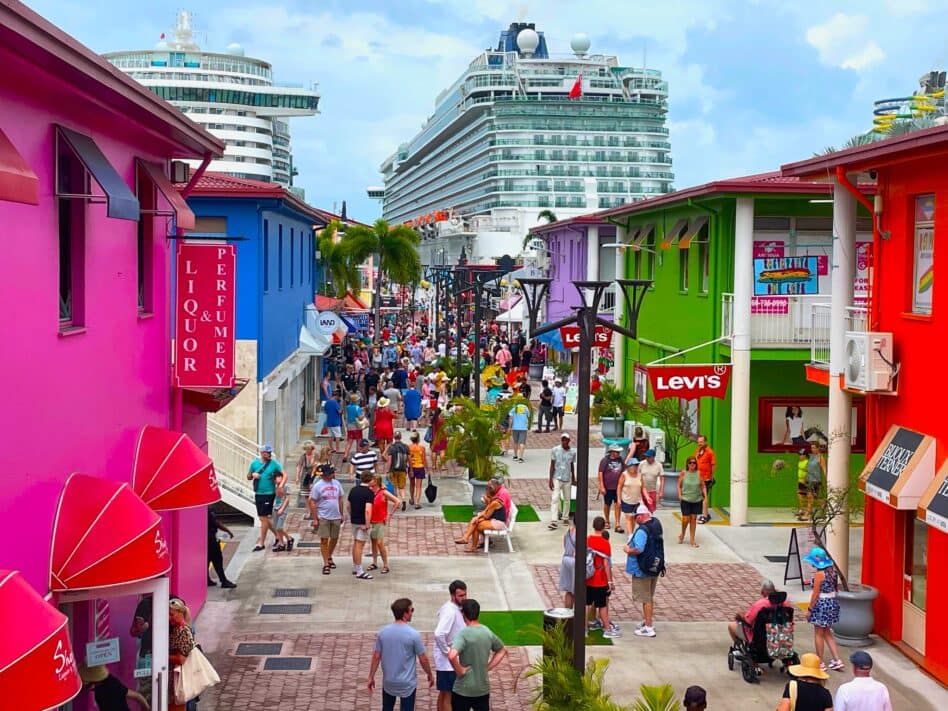
    Government investments in enhanced infrastructure have been instrumental in this success story. Modernization initiatives include the upgraded cruise port facility, expanded airlift agreements with international carriers, and diversified accommodation options spanning luxury hotels, boutique villas, and a rapidly growing Airbnb sector that now represents approximately 35% of visitor stays. This variety has democratized tourism benefits, distributing economic gains deeper into local communities.

    Additional contributors to the expenditure surge include the expanding luxury yachting industry, strengthened culinary tourism offerings, and innovative entertainment options. The positive trajectory is expected to continue with the upcoming 2026 Commonwealth Heads of Government Meeting, anticipated to draw thousands of high-spending attendees.

    Browne emphasized that tourism’s robust performance underscores its critical role in national development, supporting broader fiscal improvements including budget surpluses and increased capital investment. The parliamentary budget debate is scheduled to resume next week.

  • Inflation Falls to 1.4% — Sharpest Drop Since the Pandemic, PM Reports

    Inflation Falls to 1.4% — Sharpest Drop Since the Pandemic, PM Reports

    The Caribbean nation of Antigua and Barbuda has achieved a remarkable economic milestone, recording its most significant inflation decline since the COVID-19 pandemic era. Prime Minister Gaston Browne revealed during Thursday’s 2026 national budget presentation that consumer prices increased by a mere 1.4 percent on average during the January-August 2025 period.

    This development marks a dramatic reversal from 2022’s peak inflation of nearly 10 percent, when global supply chain constraints and soaring fuel and food costs created substantial economic pressure. In a particularly noteworthy shift, September 2025 witnessed an overall price decrease of 1 percent—the first instance of deflation the nation has experienced in years.

    Prime Minister Browne attributed this positive trend to multiple factors, including improved global supply conditions, reduced freight expenses, and strategic government interventions designed to stabilize living costs. Key measures include sustained fuel and electricity subsidies, along with the government’s suspension of the 42 percent Common External Tariff on specific food imports.

    These policy decisions are anticipated to translate into tangible benefits for consumers, with Browne projecting “cheaper supermarket prices in the coming weeks” as importers obtain essential goods at reduced costs. The Prime Minister issued a stern warning to retailers against absorbing these duty savings, emphasizing that price reductions must be passed through to consumers.

    The administration’s collaboration with Guyana to import lower-cost staple goods is expected to further reinforce price stability into 2026. Browne confirmed the continuation of cost-of-living support programs, including expanded food vouchers, ongoing LPG subsidies, and assistance for approximately 7,000 pensioners and over 1,600 vulnerable households.

    Parliamentary budget discussions are scheduled to continue next week, where further economic measures will be examined.

  • The Islamic Development Bank Institute (IsDBI) and Arab Monetary Fund (AMF) Deliver Training on Using Artificial Intelligence to Foster the Islamic Financial Industry

    The Islamic Development Bank Institute (IsDBI) and Arab Monetary Fund (AMF) Deliver Training on Using Artificial Intelligence to Foster the Islamic Financial Industry

    ABU DHABI, UAE – In a pioneering move to modernize Islamic finance, the Islamic Development Bank Institute (IsDBI) and the Arab Monetary Fund (AMF) have successfully concluded a groundbreaking training program focused on integrating artificial intelligence into the sector. Held from November 24-28, 2025, at the AMF headquarters in Abu Dhabi, the specialized workshop marked the region’s first comprehensive initiative bridging AI technology with Shari’ah-compliant financial principles.

    The collaborative program, designed for professionals from central banks and financial institutions across 22 member nations, brought together 32 specialists for an intensive curriculum. Led by IsDBI experts Dr. Hilal Houssain and Dr. Mohammed Ayyash, the training delved into both theoretical foundations and practical applications of AI technologies including machine learning, neural networks, and big data analytics.

    Curriculum highlights included practical implementations for Islamic banking operations such as enhanced risk assessment models, automated financing application evaluation systems, and advanced fraud detection mechanisms – all developed with strict adherence to Islamic financial principles and governance requirements. Participants gained hands-on experience through interactive sessions where they designed six virtual financial service companies, later integrated into two strategic ecosystems for testing AI-driven solutions.

    A significant focus was placed on the ethical dimensions of AI adoption, linking technological ethics to the higher objectives of Shari’ah (Maqasid al-Shari’ah). The program addressed critical challenges including data quality assurance, algorithmic bias mitigation, and ensuring transparency in AI-driven decision making.

    The training also showcased outcomes from IsDBI’s inaugural AI Hackathon in Islamic Finance, which aimed to transform AAOIFI accounting standards into smart digital solutions for enhanced Shari’ah compliance and accounting transparency. The program concluded with participants developing strategic roadmaps for AI implementation in regulatory institutions and financial entities, emphasizing responsible innovation that aligns with both regulatory standards and Islamic principles. All attendees received certificates of completion, marking a significant step toward building AI capacity within the Islamic financial industry.

  • Major aviation milestone with first maintenance certification

    Major aviation milestone with first maintenance certification

    Barbados has entered a new era in aviation capabilities with the historic certification of its first Approved Maintenance Organisation (AMO), positioning the island nation for enhanced technical capacity and global competitiveness in air transport.

    The Barbados Civil Aviation Authority (BCAA) granted full certification to Aviation Technical Services of Barbados Inc (ATSB), marking the first AMO establishment at Grantley Adams International Airport. BCAA Director General Tracey Forde-Bailey characterized this development as “an exceptional milestone” that carries significant responsibility for maintaining international aviation standards.

    The certification process, which typically requires 8-12 months for completion, was finalized ahead of schedule in 2024. Forde-Bailey emphasized that the five-phase approval procedure demanded strict adherence to International Civil Aviation Organisation standards alongside Barbados’ technical regulations, describing it as “an ambitious undertaking.”

    Beyond technical advancements, the AMO certification generates substantial national benefits. It establishes career pathways for emerging aviation professionals, stimulates future investment opportunities, and enhances Barbados’ commercial enterprise development. The achievement particularly strengthens Barbados’ strategic position as a Caribbean aviation hub, given its geographic advantage between North America, South America, and Africa.

    Industry experts highlighted the certification’s multifaceted impact. Dr. Kareem Yarde, Education Officer with the Barbados Aircraft and Aviation Services Company, praised ATSB’s “extensive and strenuous efforts” in achieving this milestone. Gerston Blenman, ATSB’s Director of Maintenance, noted the certification validates Barbados’ compliance with International Air Transport Association regulations, creating opportunities for job expansion into higher maintenance operations.

    The development also promises educational benefits, potentially attracting young talent from technical institutes like the Samuel Jackman Prescod Institute of Technology into aviation maintenance careers. As a certified line maintenance operator, ATSB can now perform transit checks for international carriers, leveraging Barbados’ strategic location as a transit point between major continents.

  • EU ‘working’ on recyclables export drive

    EU ‘working’ on recyclables export drive

    A Barbados-based recycling enterprise is poised for international expansion following remarkable royal endorsement of its innovative sustainable construction products. B’s Recycling, under Managing Director Paul Bynoe, has developed climate-resilient paving blocks manufactured entirely from repurposed waste materials including discarded plastic bottles and caps combined with sand and other reused components.

    These specialized pavers, capable of withstanding pressures up to 2,600 pounds per square inch (PSI), captured the attention of Dutch King Willem-Alexander and Queen Máxima during their recent visit to Curaçao. The royal couple expressed both surprise and admiration upon examining product samples, initiating preliminary export discussions with Dutch territories including Curaçao and potentially the Netherlands mainland.

    The international interest stems from a strategic partnership with Martijn Kampshoff, founder of Fuse Kitchen, who supplied the specialized machinery for paver production. While negotiations remain in early stages, Bynoe confirmed the royal household’s enthusiasm for developing a comprehensive trade package that could include additional product lines beyond the current pavers.

    To meet anticipated international demand, B’s Recycling is transitioning from manual to automated production systems. The current manual equipment produces approximately 300 pavers daily, while the planned automated machinery promises more than double this output through streamlined ‘lock and load’ operation.

    Domestically, Barbadian consumers already benefit from reduced pricing at Kooyman hardware stores, which operates six locations across Dutch Caribbean islands. The company has secured production concessions that enable more competitive consumer pricing while maintaining product quality.

    Future expansion plans include February 2024 exports to Guyana, where private interest has emerged from residential construction projects. Additionally, the European Union has expressed formal support through Ambassador Fiona Ramsey, potentially providing both financial assistance and technical guidance for scaling recycling operations.

    International validation continues with recent endorsements from officials representing Spain, France, and Ireland during facility tours. Bynoe emphasizes that beyond financial support, the project benefits from valuable technical guidance that enhances local manufacturing capabilities using Barbados’ abundant solar energy resources.

  • Tourism minister meets with team from World Bank

    Tourism minister meets with team from World Bank

    Barbados is positioning itself for a significant expansion of its tourism sector through a new strategic collaboration with the World Bank. The partnership was formalized during a high-level meeting between Minister of Tourism and International Transport Ian Gooding-Edghill and a delegation from the World Bank led by Maria Marcela Silva, Regional Director for Infrastructure in Latin America and the Caribbean.

    The discussions at the ministry’s Warrens headquarters focused on comprehensive development strategies, with Minister Gooding-Edghill highlighting Barbados’ remarkable tourism growth trajectory between 2023 and 2024. He detailed the government’s multi-faceted approach, emphasizing the critical expansion of room inventory and the successful implementation of an airlift strategy that has driven substantial visitor growth. “Barbados is entering an exciting period of growth,” the Minister stated. “We are building out and expanding our room inventory absolutely necessary as we drive more traffic to destination Barbados.”

    Ms. Silva, who is concurrently participating in the 34th General Assembly’s Forum of Ministers and Highest Authorities of Housing and Urban Development, underscored the World Bank’s commitment to supporting Barbados’ infrastructure ambitions. She outlined the Bank’s capacity to provide both financial resources and technical expertise, particularly in tourism and international transport sectors. “We are very keen to work with you,” Silva affirmed. “We think that there is a huge opportunity in the tourism sector one of these sectors that we see as having a lot of potential to support job creation, economic growth and so on.”

    The bilateral talks extended to several key areas including technical assistance programs for aviation development, sustainable tourism practices, cruise tourism enhancement, and market diversification strategies. Significant attention was given to the proposed expansion of Grantley Adams International Airport and Barbados’ pursuit of Category 1 status with both the US Federal Aviation Administration and the International Civil Aviation Organization.

    The World Bank delegation emphasized their comprehensive infrastructure mandate, covering energy, transport, urban development, tourism, and disaster risk management. They committed to sharing valuable data analytics, best practices, and innovative financing options to support Barbados’ development objectives.

    The meeting included senior officials from both parties, including acting Permanent Secretary Deborah Norville, Permanent Secretary Charley Browne, acting Chief Technical Officer Dionne Gibbs-Nicholls, and several World Bank specialists in urban development and resilience.

  • BEL Seeks Two-Year Rate Increase to Recover Rising Energy Supply Costs

    BEL Seeks Two-Year Rate Increase to Recover Rising Energy Supply Costs

    Belize Electricity Limited (BEL) has formally petitioned the Public Utilities Commission for authorization to implement a 5.55-cent average rate increase per kilowatt-hour. This strategic proposal aims to address a significant financial shortfall while simultaneously preparing the national grid for anticipated future demand surges.

    The utility company’s application reveals an accumulated BZ$87.5 million in unrecovered supply costs spanning from July 2023 through October 2025 under existing tariff structures. Additionally, BEL projects a further BZ$20.9 million in unfunded energy expenses between November 2025 and June 2026. Company executives emphasize that the requested rate adjustment is essential to stabilize cash flow, meet operational requirements, and sustain critical infrastructure investments in the national grid system.

    Several converging factors are driving the proposed increase. BEL anticipates substantial supply-side pressures in early 2026, including seasonal demand spikes during warmer, drier months that will necessitate increased reliance on higher-cost generation sources such as gas turbines. The company is preparing to deploy temporary generation units to bridge capacity gaps until new medium-term projects become operational. Furthermore, projected increases in electricity import prices from Mexico’s CFE between April and July 2026 are expected to create additional cost pressures.

    In a measured approach to consumer protection, BEL recommends implementing the rate increase through a phased two-year schedule. This gradual implementation strategy aims to balance the utility’s financial requirements for maintaining safe, reliable service against the national priority of keeping electricity rates affordable and predictable for consumers. The company emphasizes that even with the proposed adjustment, BEL would maintain its position as Belize’s lowest-cost electricity provider and remain among the most competitive utilities in the Caribbean and Central American regions.

    The utility company acknowledges that electricity pricing changes have far-reaching implications for households, businesses, and community development initiatives nationwide. BEL frames the proposed adjustment as an essential investment in grid reliability and national development, ensuring stable energy delivery supports Belize’s continued economic growth and infrastructure modernization.

  • Column: De transparante CEO die wantrouwen doorbreekt

    Column: De transparante CEO die wantrouwen doorbreekt

    In the heart of Suriname’s business landscape, Kuldipsingh Handelsmaatschappij has evolved from a modest construction materials shop into a diversified technical sector giant employing over 1,500 people. The company’s most remarkable transformation, however, lies in its port facility division—a venture that began as a speculative gamble on Suriname’s then-nascent oil and gas industry.

    A decade ago, Kuldipsingh made a bold strategic decision: investing in modern port infrastructure ahead of the anticipated energy boom. What many viewed as a mysterious and potentially suspicious expansion has now materialized into a fully operational facility serving international energy heavyweights including Halliburton, Shell, Staatsolie Blue Water shipping, Noble, and Petronas.

    The true revelation emerged during a recent masterclass on Local Content organized by Staatsolie, where journalists gained unprecedented access to the facility. The tour was led by an unassuming guide dressed in worn but neat jeans and shirt—later revealed to be Vinood Ramkhelawan, CEO of Kuldipsingh Port Facility NV. His accessible demeanor and humorous delivery contrasted sharply with corporate expectations, yet his operational expertise proved formidable.

    What distinguishes Ramkhelawan’s leadership approach is radical transparency. In an industry often characterized by defensive statements and polished corporate messaging, he openly discusses harsh business realities, political challenges, and daily obstacles facing Surinamese companies. This candor is gradually dismantling years of suspicion surrounding the company’s rapid growth.

    The operational reality visible behind the port gates demonstrates tangible results of vision and perseverance: future-proof infrastructure supporting Suriname’s energy sector. Rather than polished sales pitches, visitors witness factual operations, safety standards, and strategic planning.

    The success story highlights a crucial dichotomy: while Surinamese entrepreneurship demonstrates remarkable drive, knowledge, and courage to leverage the oil and gas sector, governmental support structures lag significantly—particularly regarding local content development. The political sphere emerges as the primary constraint on national energy development.

    Kuldipsingh’s journey exemplifies how vision, courage, and transparency can build not just infrastructure but trust. Under leadership that combines honest dialogue with operational excellence, the Surinamese dream becomes tangible—proof that calculated risks and centering local labor can transform national economic prospects.