分类: business

  • Skerrit calls for review and restructure of the Dominica’s youth business trust

    Skerrit calls for review and restructure of the Dominica’s youth business trust

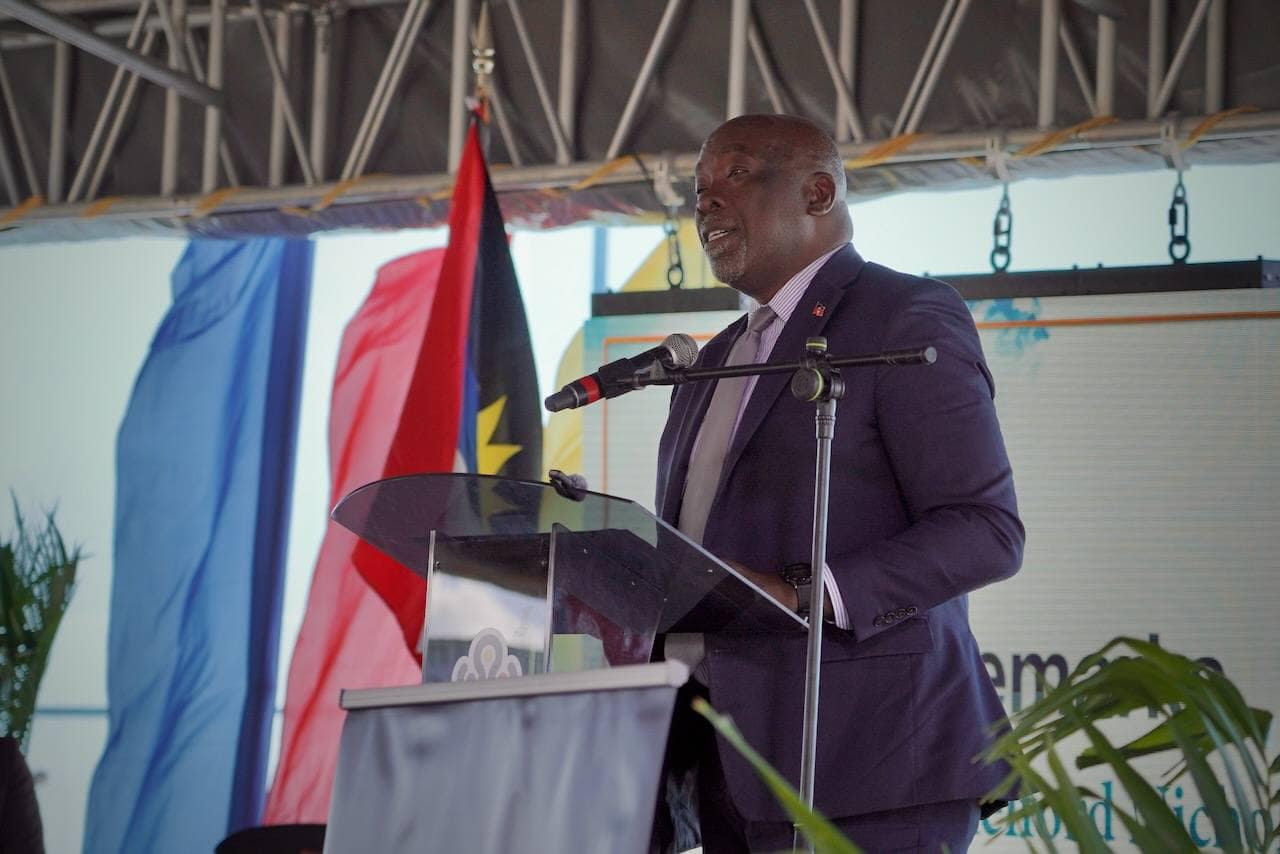
    In a significant policy address, Prime Minister Roosevelt Skerrit has declared comprehensive reforms for the Dominica Youth Business Trust (DYBT), calling for its fundamental restructuring after 21 years of operation. Speaking at the Trust’s 21st Graduation and Awards Ceremony at the State House Conference Centre, Skerrit questioned whether the current DYBT model remains “fit for purpose” in today’s economic climate.

    The Prime Minister outlined several transformative measures scheduled for implementation in 2026. Most notably, he proposed doubling the maximum loan amount for young entrepreneurs from $20,000 to at least $40,000 per applicant, arguing that current funding levels often provide only “half or a third” of the capital needed to properly launch a business venture.

    Skerrit also announced dramatic reductions in interest rates, criticizing the current 6-9% rates as “too high, especially for start-up businesses.” He committed to capping rates at no more than 3% through negotiations with financial institutions and extending this same rate ceiling to the AID Bank for its borrowers.

    The restructuring plan includes significant organizational changes: upgrading the coordinator position to Chief Executive Officer, enhancing staff qualifications and compensation, and reviewing the Board of Trustees to grant them “greater flexibility and authority.”

    In a bold financial move, the government will clear approximately $500,000 in existing debts owed by program participants, effectively providing a fresh start for both the Trust and its beneficiaries. Additionally, the Prime Minister pledged enhanced support for business plan development, ensuring that graduates receive assistance in modifying proposals to meet financial institution requirements rather than facing outright rejection.

    These sweeping changes represent the most substantial overhaul of the youth entrepreneurship program in its two-decade history, signaling the government’s renewed commitment to fostering young business talent in Dominica.

  • Shades of Elegance Celebrates 25 Years of Timeless Beauty, Transformation & Female Empowerment

    Shades of Elegance Celebrates 25 Years of Timeless Beauty, Transformation & Female Empowerment

    In the bustling heart of Old Harbour, Jamaica, Shades of Elegance stands as a testament to transformative vision and entrepreneurial resilience. Its journey began not with ambition, but with necessity. Treacha Reid, now the celebrated founder and president of the South St Catherine Chamber of Commerce, was initially a young single mother with no inherent interest in hairdressing or the beauty industry. Her aspirations lay elsewhere, yet a pivotal insistence from her mother to acquire a practical skill for supporting her infant daughter set her on an unforeseen path.

    Reluctantly enrolling in cosmetology training, Reid could not have anticipated that the very skill she resisted would become the cornerstone of a quarter-century legacy. What originated as a means of survival has blossomed into a revered institution, evolving from a modest salon into a full-service spa renowned for its refinement and commitment to feminine expression.

    Over 25 years, Shades of Elegance has profoundly influenced Jamaica’s beauty culture, cultivating an exceptionally loyal clientele and establishing a new standard of excellence outside the nation’s capital. It has transcended its commercial origins to become a sanctuary where women experience profound restoration and renewal. Reid’s enterprise now embodies purposeful business, demonstrating how vision and dedication can redefine an industry and empower a community.

  • Parliament committee questions Eximbank over potential forex abuse

    Parliament committee questions Eximbank over potential forex abuse

    A parliamentary hearing on December 1st revealed significant vulnerabilities within the national foreign exchange allocation framework, with the Public Administration and Appropriations Committee (PAAC) uncovering how systemic weaknesses enable importers to exploit the system through ‘double-dipping’ practices.

    During the intense scrutiny before the committee, Eximbank executive Navin Dookeran detailed the institution’s verification protocols for pharmaceutical importers, emphasizing their multi-layered approach. The bank’s pharmaceutical facility, serving approximately 30 companies, employs comprehensive financial assessments including financial statements, cost-of-goods-sold analytics, monthly trade reports, usage pattern analysis, and rigorous supplier due-diligence checks to determine foreign currency allocations.

    “Our validation process extends far beyond invoice examination,” Dookeran asserted. “We demand complete financial documentation and utilize multiple empirical data points to calculate appropriate allocation amounts for each enterprise.”

    The bank’s safeguard measures include direct payments to international suppliers and enhanced due diligence for unfamiliar vendors, incorporating corporate background searches and banking verification. Dookeran cited one instance where Google Street View revealed a supposed supplier operating from a residential address, prompting immediate transaction termination.

    Committee Chairman Speaker Jagdeo Singh persistently challenged these controls, highlighting how importers establish US-based supply companies with obscured ownership structures to conceal related-party transactions. “These arrangements facilitate hidden common ownership patterns. What mechanisms exist to verify that invoice-issuing parties aren’t related entities?” Singh questioned.

    The most critical exposure emerged regarding cross-bank verification. Dookeran acknowledged that Eximbank lacks transaction-level cross-referencing systems with other financial institutions, creating opportunities for importers to submit identical documentation to multiple banks. “You are correct,” Dookeran conceded when Singh pointed out this enables ‘double or triple dipping’ into foreign reserves.

    Independent Senator Dr. Marlene Attz contextualized the forex shortage within Trinidad and Tobago’s energy sector decline since 2014, which has reduced foreign-exchange earnings while maintaining high demand. This economic mismatch directly impacts pharmaceutical pricing, with limited competition in generic drug importation keeping costs artificially high.

    Pharmacy sector representatives identified regulatory obstacles as primary barriers, noting that outdated drug-registration laws and restrictive recognition of foreign regulatory authorities prevent affordable, high-quality generics from India and Eastern Europe from entering the market. Pharmacist Glenwayne Suchit estimated potential savings of $174 million through regulatory reform.

    Ministry of Health permanent secretary Astif Ali defended the current approval process, emphasizing that while requirements may be burdensome, they are essential for preventing substandard medications from reaching consumers. The chief chemist and drug inspector maintain uniform standards for both brand-name and generic pharmaceuticals, with particular challenges in verifying products from countries without local regulatory representation.

  • Pharmacy association: No formal complaint against alleged drug monopoly

    Pharmacy association: No formal complaint against alleged drug monopoly

    During a parliamentary hearing on December 1, the head of Trinidad and Tobago’s Private Pharmacy Retail Business Association (PPRBA) revealed that no official antitrust complaint has been filed with the Fair Trade Commission (FTC) despite two years of public allegations about pharmaceutical market dominance.

    Glenwayne Suchit, president of PPRBA, testified before the Public Administration and Appropriations Committee (PAAC) at Port of Spain’s Cabildo Building, acknowledging that only an informal complaint was submitted to the FTC on September 6, 2024. PAAC Chairman Jagdeo Singh presented correspondence showing the FTC had responded within seven days, requesting extensive documentation to initiate any potential investigation.

    Suchit confirmed that despite receiving a comprehensive list of required evidence from the commission last September, the association had not provided the necessary materials to trigger a formal probe. When questioned by Singh about whether any investigation had commenced, Suchit responded, “No investigation has been launched.”

    The hearing revealed ongoing tensions between independent pharmacies and major pharmaceutical distributors. Suchit repeated previous claims that Aventa, part of the Agostini Group, controls approximately 74% of the private pharmaceutical market and 70% of the wholesale distribution sector alongside two other major players.

    According to the association’s submission, approximately 700 of Trinidad and Tobago’s 900 most prescribed medications are concentrated within a single supplier’s supply chain. Suchit alleged widespread pricing discrimination, citing examples where SuperPharm (also owned by Agostini) could sell common medications like Panadol at lower prices than independent pharmacies could purchase them wholesale.

    Works and Infrastructure Minister Jearlean John intervened, suggesting that the FTC cannot fulfill its statutory duties without proper formal complaints and evidence submission. “Why don’t you use your own impetus?” she challenged, implying the association needed to take more concrete action.

    The session grew heated when Suchit claimed independent pharmacies were being denied access to subsidized Chronic Disease Assistance Programme drugs and accused distributors of “unfair trading” and having “no principles.” Chairman Singh cautioned him to avoid “emotional hyperbole,” prompting an apology from the association president.

    The revelations come five months after Aventa Group CEO James Walker publicly dismissed monopoly allegations, setting the stage for continued tensions in Trinidad and Tobago’s pharmaceutical sector.

  • WATCH: KFC opens first restaurant in St Thomas

    WATCH: KFC opens first restaurant in St Thomas

    ST THOMAS, Jamaica — Amid ongoing recovery efforts from Hurricane Melissa, Restaurant of Jamaica (ROJ) has inaugurated its new KFC establishment in Morant Bay, marking a significant milestone for local economic revitalization. The facility commenced operations on Tuesday under the leadership of ROJ Brand Manager Andrei Roper, who characterized the launch as both a symbolic and practical step toward regional recovery.

    Roper acknowledged the profound challenges faced by communities across Jamaica, particularly in western regions and St Thomas parish, where hurricane impacts have been most severe over the past month. “This opening represents our commitment to normalcy and progress despite recent adversities,” he stated during the inauguration ceremony.

    The executive emphasized ROJ’s long-term investment strategy, noting the immediate positive public response with customers arriving early and maintaining steady patronage throughout opening day. Beyond immediate commerce, Roper highlighted the restaurant’s role in job creation, community partnerships, and broader economic development throughout the St Thomas region.

    This expansion forms part of ROJ’s strategic growth initiative, demonstrating corporate resilience while contributing to post-disaster economic stabilization. The operation expects to establish enduring community ties while generating sustained employment opportunities and commercial partnerships across the parish.

  • Cruise tourism resumes sailing in Falmouth

    Cruise tourism resumes sailing in Falmouth

    FALMOUTH, Jamaica — In a significant milestone for regional economic recovery, Jamaica’s historic Falmouth Cruise Port resumed operations Tuesday with the simultaneous docking of Caribbean Princess and Norwegian Star. This event marks the port’s first cruise activity since Hurricane Melissa disrupted operations over a month ago.

    The return of maritime tourism has been hailed as critical to revitalizing the local economy. Local Government Minister Desmond McKenzie, during a preparatory visit last Saturday, emphasized the strategic importance of restoring cruise operations to Falmouth’s economic ecosystem.

    Minister McKenzie revealed the extensive multi-agency collaboration behind the reopening: “A coordinated effort between all stakeholders has been mobilized to prepare Falmouth for these vessels. The municipal corporation has been working intensively with the Port Authority, Tourism Product Development Company (TPDCO), and other agencies to restore essential infrastructure and services.”

    While acknowledging the long-term nature of full restoration, McKenzie stressed the immediate importance of resuming operations: “The return of cruise tourism represents vital economic support for the community during this recovery phase. These initial steps, though partial, are fundamental to the town’s commercial survival.”

    Falmouth becomes the third Jamaican port to restore cruise operations following earlier reopenings in Ocho Rios and Montego Bay, signaling a broader normalization of Jamaica’s crucial tourism infrastructure after recent weather disruptions.

  • Nipdec, PSA settle on 5% salary increase

    Nipdec, PSA settle on 5% salary increase

    In a significant development for labor relations in Trinidad and Tobago, the National Insurance Property Development Company Ltd (Nipdec) has successfully concluded negotiations with the Public Services Association (PSA), resolving a longstanding collective agreement for permanent monthly paid workers. The settlement, finalized between PSA president Felisha Thomas and Nipdec chairman Vijay Gosyne, addresses compensation dating back to the period spanning January 1, 2014, through December 31, 2016.

    The breakthrough agreement implements a five per cent wage increase and provides accumulated back pay totaling $5,613,535.69. This financial package will benefit 57 individuals comprising both current and former personnel—specifically 28 existing employees and 29 who have since departed the organization.

    Nipdec’s leadership emphasized the agreement’s broader significance beyond financial compensation, characterizing it as a testament to the workforce’s dedication and a reinforcement of collaborative industrial relations. The company acknowledged the PSA’s constructive engagement throughout negotiation proceedings, highlighting the settlement as a milestone in strengthening institutional relationships with both employees and their union representation.

    The resolution aligns with government commitments to workforce welfare while supporting Nipdec’s strategic vision to position itself as the region’s premier project and procurement management agency. Company officials reiterated their commitment to maintaining principles of fairness, transparency, and respect in all employee-related matters, suggesting this agreement establishes a positive framework for future labor relations.

  • Dominican Republic hits 10.2 million in tourist arrivals

    Dominican Republic hits 10.2 million in tourist arrivals

    The Dominican Republic’s tourism sector has achieved unprecedented growth, demonstrating remarkable resilience and economic vitality. According to Tourism Minister David Collado, the nation welcomed a staggering 10,284,251 visitors by November 30, 2025, representing a monumental 52% increase compared to the 6.7 million tourists received in 2019.

    This explosive growth becomes even more significant considering the loss of approximately 600,000 annual visitors from Russia and Ukraine due to ongoing geopolitical conflicts. The sector has shown consistent upward trajectory with a 13% improvement over 2023 figures and a 3.1% increase compared to 2024 performance. The eastern region and numerous destinations nationwide are experiencing exceptional demand, with hotels reporting complete occupancy from December through April.

    Air arrivals between January and November reached 7,884,421, marking a 3% increase over 2024 and a substantial 35% surge compared to 2019. Cruise tourism similarly flourished with 2,399,833 arrivals, also reflecting a 3% growth pattern. The visitor composition included 6,585,380 foreign tourists (+2%) and 1,299,041 Dominican nationals traveling with international passports (+8%).

    Projections indicate the sector will conclude 2025 with approximately 11.7 million visitors and generate over US$12 billion in foreign exchange earnings. The tourism boom has created employment opportunities for more than 800,000 individuals across tourism, agriculture, and commerce sectors. The industry contributed US$16.781 billion to GDP and provided RD$73.6 billion in government revenue, funding essential services including education, healthcare, and infrastructure development.

  • INTABACO begins distribution of seedlings for the 2025–2026 harvest

    INTABACO begins distribution of seedlings for the 2025–2026 harvest

    SANTIAGO DE LOS CABALLEROS – In a significant agricultural development, the Tobacco Institute of the Dominican Republic (INTABACO) has launched a major production initiative, cultivating 15 million tobacco seedlings destined for the 2025–2026 harvest season. Under the leadership of its director, Iván Hernández Guzmán, the program is designed to substantially aid small-scale producers by providing access to high-quality, subsidized planting materials. This ambitious project will facilitate the cultivation of over 10,000 ‘tareas’—a local land measurement equivalent to approximately 1.2 hectares—bolstering the national tobacco sector’s foundation. The initiative formally commenced with the distribution of an initial batch of 160,000 seedlings of the premium IT-154 variety. These are being offered to farmers at a heavily subsidized rate of just 35 pesos per seedling, a price point that reflects a dramatic 61% reduction from standard market costs. Director Hernández Guzmán emphasized that this critical financial support is enabled through direct backing from the nation’s Presidency. He further detailed the superior qualities of the IT-154 strain, noting its exceptional leaf quality, refined texture, and superior aroma and flavor profile, attributes that are highly prized in both domestic and international markets. The production of these seedlings is being carried out through a strategic collaboration with the agricultural firm Transplanta, ensuring quality and scalability for the program.

  • Economy : Status of Diaspora Remittances to Haiti

    Economy : Status of Diaspora Remittances to Haiti

    A comprehensive analysis by the Inter-American Development Bank (IDB) Group reveals complex dynamics within Caribbean remittance flows for 2025, with Haiti presenting particularly contradictory economic signals despite maintaining its position as the region’s second-largest recipient nation.

    The report “Remittances to Latin America and the Caribbean in 2025” indicates the Caribbean sub-region will experience a 9.2% growth in diaspora transfers, though this pace remains more moderate than Central American counterparts. Total remittances across all Caribbean nations are projected to reach approximately $20.9 billion, predominantly driven by the Dominican Republic’s remarkable $11.9 billion inflow.

    Geographic distribution analysis identifies the United States as the primary source of Caribbean remittances (50.4%), followed by Canada (10.6%). Haiti’s remittance profile shows even stronger dependence on U.S. sources, which account for 62.8% of its total inflows, with Canada contributing another 10.6%. Notably, a significant portion of remaining transfers originates from Haitians residing in the Dominican Republic.

    Despite receiving $4.9 billion in remittances—surpassing Jamaica and Trinidad and Tobago—Haiti demonstrates concerning economic metrics. While remittances’ share of Caribbean GDP is projected to increase from 9.2% to 10.0% overall, Haiti experiences a 3.6% decline in this critical indicator, suggesting deeper structural economic challenges beneath surface-level financial inflows.