分类: business

  • Big win for Jamaica

    Big win for Jamaica

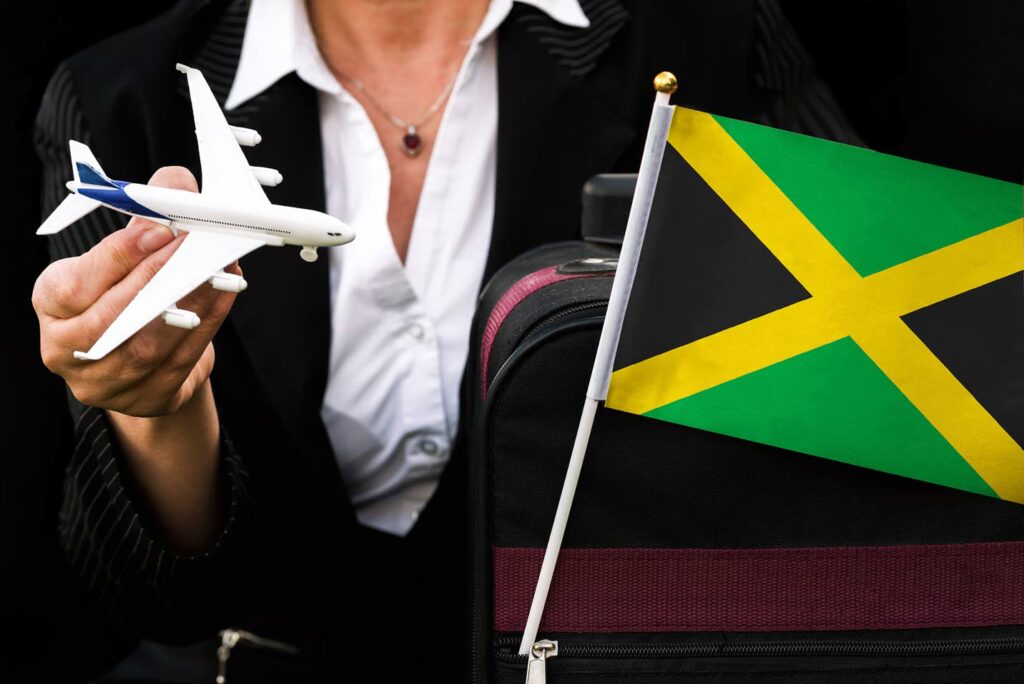
    MONTEGO BAY, Jamaica — Jamaica’s tourism industry has welcomed the United States’ decision to downgrade its travel advisory for the island nation from Level 3 to Level 2, characterizing the move as a critical boost for winter season prospects. The adjustment comes just two months after Hurricane Melissa triggered elevated safety concerns across western parishes.

    The updated advisory, issued by U.S. authorities on Saturday, continues to advise vigilance regarding crime, health, and natural disaster risks but acknowledges significant improvements in traveler safety conditions. Notably, it confirms the reopening of all major airports for commercial operations while recommending travelers verify the availability of specific services before departure. The advisory further distinguishes that while violent crime remains a nationwide concern, tourist zones typically experience lower incidence rates than other regions.

    Christopher Jarrett, President of the Jamaica Hotel and Tourist Association (JHTA), revealed that the association had been engaged in discreet advocacy for the revision. “We’re obviously pleased with it,” Jarrett stated. “JHTA has been lobbying quietly behind the scenes for this change because we know the previous advisory was implemented due to the hurricane. We believed our recovery has been robust by any measure and remarkably swift compared to hurricane events of similar magnitude.”

    Industry leaders emphasized the broader economic implications of the improved advisory. John Byles, Executive Deputy Chairman of Chukka Caribbean Adventures, highlighted the potential ripple effects: “Without question, we welcome the adjustment. It has meaningful implications for group and events business, encouraging more visitors to explore beyond resort properties and experience genuine Jamaican hospitality.”

    Ian Dear, CEO of Margaritaville Caribbean Group and Chairman of the Tourism Product Development Company, framed the revision as a testament to national resilience. “This truly demonstrates Jamaica’s capacity for rapid and sustainable recovery,” Dear noted. “We had achieved Level 2 status before Hurricane Melissa, and returning to this level so quickly is an accomplishment we should celebrate.”

    The business community echoed this sentiment, with Montego Bay Chamber of Commerce President Jason Russell applauding the upgrade as “testimony to good governance and crime reduction efforts.” Russell emphasized that safety considerations significantly influence group travel decisions, predicting increased corporate clientele for convention facilities.

    While stakeholders anticipate a gradual manifestation of benefits, particularly from the Canadian market which traditionally monitors advisories closely, the consensus remains overwhelmingly positive. The revision arrives at a strategically critical period as Jamaica prepares for peak winter tourism, with industry leaders expressing confidence in reclaiming pre-hurricane visitor levels through continued safety improvements and clear destination messaging.

  • ‘Butch’ Stewart’s love affair with Air Jamaica

    ‘Butch’ Stewart’s love affair with Air Jamaica

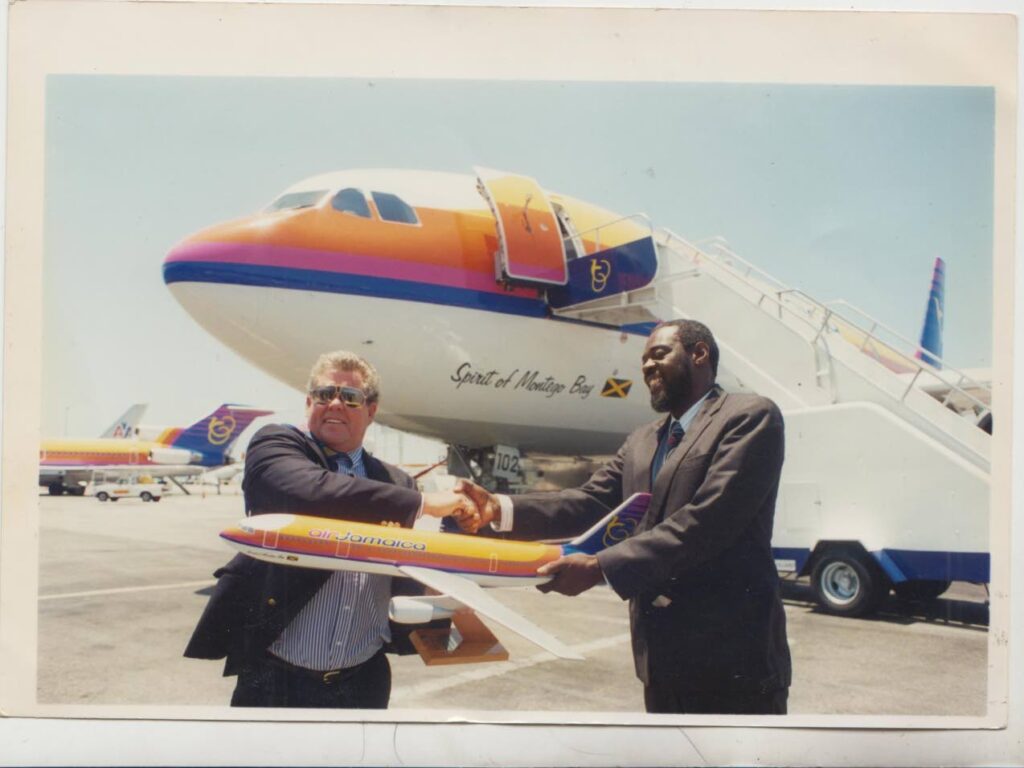
    A decade-long saga of national pride, monumental challenges, and ultimate sacrifice defines Gordon ‘Butch’ Stewart’s stewardship of Air Jamaica, as commemorated on the fifth anniversary of the iconic businessman’s passing. The Jamaica Observer’s retrospective series reveals the full scope of this complex chapter in Caribbean aviation history.

    When Stewart’s Air Jamaica Acquisition Group (AJAG) assumed control in 1994 with a US$26.5 million investment, he inherited an airline battered by multiple crises. The once-beloved ‘Love Bird’ had earned the notorious nickname ‘ganja bird’ due to rampant drug smuggling operations that exploited inadequate security protocols. Simultaneously, political patronage drained resources as officials and their associates routinely flew without payment, while government support for fleet modernization remained insufficient.

    Stewart immediately implemented a radical transformation strategy centered on his ‘on-time no-line’ philosophy. His vision encompassed fleet modernization, route expansion, operational efficiency improvements, and elevating Air Jamaica to premier carrier status through strategic alliances. The revitalization produced remarkable achievements: the aging fleet was replaced with 20 state-of-the-art Airbus aircraft, twelve new gateways were established, and the airline won international accolades including ‘Best Airline Servicing the Caribbean.’

    The progress was dramatically undermined in May 1995 when the U.S. Federal Aviation Administration downgraded Jamaica to Category II status due to concerns about the Civil Aviation Division’s oversight capabilities. This designation created devastating operational and financial consequences, with PricewaterhouseCoopers estimating losses exceeding US$150 million over the subsequent 2.5 years. The restrictions crippled route expansion plans, forced uneconomical leasing arrangements, and prevented utilization of new aircraft.

    Despite these setbacks, Stewart’s team achieved extraordinary operational successes. The Montego Bay hub increased aircraft utilization from below six hours to approximately ten hours daily, while code-sharing agreements with Delta Airlines and coveted landing slots at London’s Heathrow Airport significantly enhanced international connectivity. The airline became particularly vital for Jamaican diaspora communities and informal commercial importers who relied on its services for economic sustenance.

    A 2006 MIT study quantified Air Jamaica’s enormous economic impact, estimating US$5.491 billion in total contributions to Jamaica’s economy between 1995-2004. This included US$1.83 billion in direct incremental benefits and US$3.661 billion in indirect contributions through employment and visitor expenditures. These gains occurred despite accumulated losses of US$674 million during Stewart’s tenure.

    The final blows came from external forces: the 9/11 terrorist attacks devastated global air travel, while Jamaica’s reputation suffered from international coverage of crime and violence. Without government support equivalent to the US$19 billion bailout provided to U.S. carriers, Stewart made the painful decision to return the airline to government control in December 2004, ultimately leading to its acquisition by Caribbean Airlines and eventual dissolution.

  • Colombia to embrace Madrid at Fitur 2026

    Colombia to embrace Madrid at Fitur 2026

    Colombia is making a groundbreaking sustainable push at Fitur 2024, Europe’s premier tourism fair, with an eco-conscious national pavilion and unprecedented urban activations across Madrid. The Colombian government’s export and tourism promotion agency, ProColombia, revealed that 118 entities—including 59 business representatives, 11 regional organizations, 14 hospitality providers, and 34 tour operators—are participating in this strategic showcase.

    The centerpiece is Colombia’s revolutionary exhibition stand, engineered entirely from recyclable and lightweight structural cardboard. The installation operates on renewable energy and incorporates real-time carbon footprint monitoring—even tracking emissions from coffee served onsite. Visitors experience immersive digital environments highlighting Colombia’s diverse ecosystems through sustainable technology.

    Beyond the convention center, Colombia has transformed Madrid’s underground transit system. All four entrances to the Colombia metro station have been rebranded as “Colombia, The Land of Beauty” with vibrant visual displays representing the nation’s six distinct tourist regions: Greater Caribbean, Western Andes, Eastern Andes, Massif, Pacific, and Amazon-Orinoco. Tunnel walls along Line 8 feature dynamic audiovisual exhibitions visible to passing trains, while the Feria de Madrid station exit connecting directly to Fitur showcases extensive Colombian branding.

    The comprehensive tourism portfolio includes nine specialized categories: beach destinations, cultural heritage, adventure ecotourism, LGBTQ+ travel, romantic getaways, wellness retreats, MICE tourism, luxury experiences, and community-based tourism. Fitur 2024 also serves as the launch platform for Colombia’s new diving tourism initiative and its “tourism for all” vision promoting inclusivity across sexual orientation, gender identity, origin, and physical ability.

  • Italy assesses benefits of EU-MERCOSUR deal for its economy

    Italy assesses benefits of EU-MERCOSUR deal for its economy

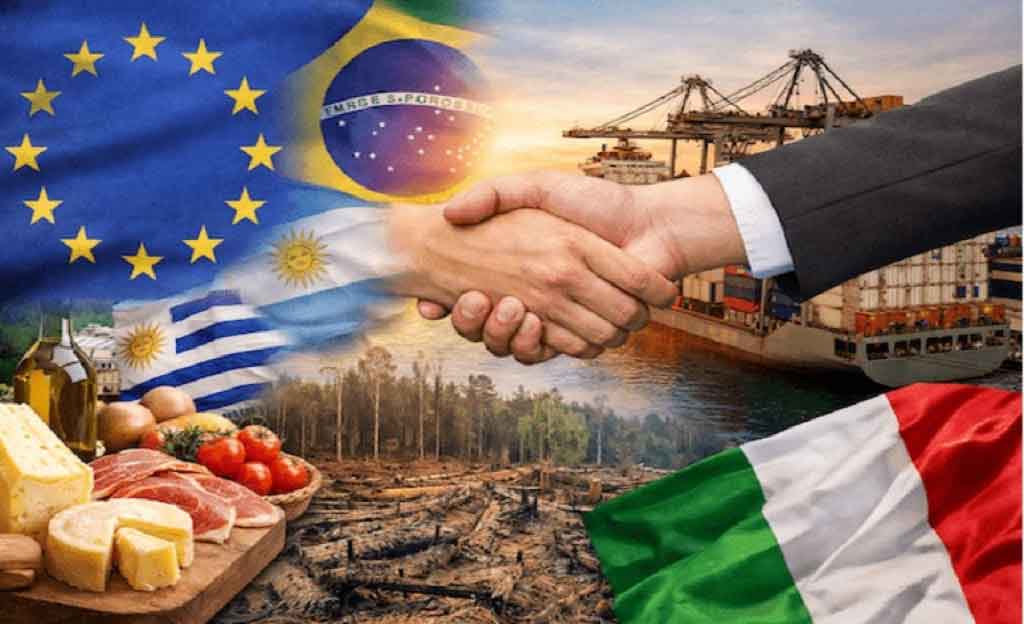
    After more than a quarter-century of complex negotiations, the European Union and MERCOSUR trading bloc have finalized a landmark trade agreement in Paraguay’s capital that establishes the world’s most extensive free trade zone. The comprehensive pact, which requires ratification by both the European Parliament and individual national governments before implementation, promises to significantly reduce market access costs while enhancing the competitive positioning of Italian exports in South American markets.

    Economic analysts project substantial growth in trade volumes and export opportunities for Italian businesses, with particular advantages anticipated for small and medium-sized enterprises and the premium agricultural food sector. The agreement strategically positions Italian products within a market encompassing approximately 800 million consumers across 27 EU nations and MERCOSUR member states including Argentina, Brazil, Uruguay, Paraguay, and Bolivia, though Venezuela remains suspended from participation since 2017.

    Italian Foreign Minister Antonio Tajani emphasized the agreement’s geopolitical significance, noting its timing coincides with the Trump administration’s reintroduction of protective tariffs targeting EU exports and other major markets. This trade alliance represents a strategic countermeasure to growing protectionist tendencies in global trade relations, creating alternative economic partnerships that bypass restrictive tariff barriers.

    The accord establishes unprecedented market access provisions while maintaining quality standards for specialized products, potentially revolutionizing trade flows between the European and South American continents. The creation of this massive economic bloc marks a historic shift in global trade dynamics, offering new avenues for economic cooperation beyond traditional transatlantic partnerships.

  • Russia and Saudi Arabia plan to expand air services

    Russia and Saudi Arabia plan to expand air services

    Russian aviation authorities are pursuing a significant expansion of flight routes with Middle Eastern partners, focusing on both existing and new destinations. Deputy Transport Minister Igor Chalik, through his representative Nikitin, announced plans to increase international flight offerings from Krasnodar, with particular emphasis on enhancing connectivity to the Kingdom of Saudi Arabia.

    The development extends beyond Saudi routes as Oman Air prepares to substantially increase its Russian operations. The Omani carrier will boost flight frequencies to Moscow while expanding its service network to include four additional Russian cities: St. Petersburg, Kazan, Yekaterinburg, and the resort destination of Sochi.

    In a strategic move for tourism connectivity, the airline will inaugurate new flight services from Salalah, Oman’s prominent resort city, to Russia’s capital by the end of 2025. This development represents part of Russia’s broader aviation strategy to strengthen transportation links with nations it considers friendly partners.

    Nikitin emphasized Russia’s proactive diplomatic stance, stating, “We maintain an active negotiating position with all friendly countries,” indicating ongoing discussions to further develop international air travel options for Russian citizens and businesses.

  • Prime Minister Announces Shell Beach Lots for Locals to Build Airbnb Investment Properties

    Prime Minister Announces Shell Beach Lots for Locals to Build Airbnb Investment Properties

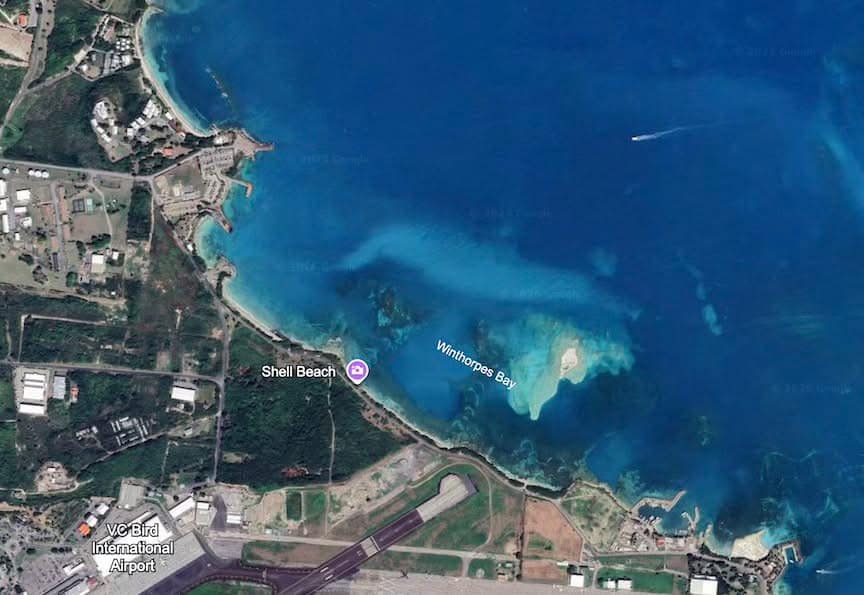
    In a landmark move to stimulate local economic growth and empower residents, the Prime Minister has unveiled a strategic initiative allocating prime beachfront lots exclusively for citizen development. The program specifically targets the creation of investment properties for the short-term rental market, predominantly through platforms like Airbnb.

    The initiative is designed to achieve multiple economic objectives. Primarily, it seeks to decentralize tourism revenue, which has historically been concentrated in the hands of large, foreign-owned resort chains. By providing locals with direct access to highly valuable coastal real estate, the government aims to foster a new class of micro-entrepreneurs and bolster middle-class wealth.

    Eligibility for the lots will be restricted to permanent residents and citizens, with a transparent application and lottery system to ensure equitable distribution. Successful applicants will be granted long-term leases at subsidized rates, significantly lowering the barrier to entry for property investment. Accompanying the land allocation will be a state-supported program offering financial literacy workshops, hospitality management training, and small business loans tailored for the vacation rental sector.

    Analysts suggest this policy is a direct response to the soaring global demand for authentic travel experiences, which favors private rentals over traditional hotels. By strategically leveraging this trend, the government anticipates a substantial increase in local GDP, job creation in construction, maintenance, and hospitality services, and a more sustainable distribution of tourism’s financial benefits across the community. However, some urban planners have raised concerns regarding potential strains on local infrastructure, including water resources and waste management, which the government states will be addressed through concurrent infrastructure investment plans.

  • WATCH: PM Says One Nation Concert Generated Millions in Economic Activity

    WATCH: PM Says One Nation Concert Generated Millions in Economic Activity

    The Prime Minister has publicly celebrated the substantial economic impact generated by the recent ‘One Nation’ concert, citing figures that reach into the millions. In a public address, the nation’s leader highlighted the event as a significant catalyst for local commerce, underscoring its role in stimulating widespread financial activity across multiple sectors.

    Official estimates indicate the large-scale musical gathering provided a powerful boost to the hospitality industry, with hotels and short-term rentals experiencing near-total occupancy. Surrounding businesses, including restaurants, bars, retail stores, and transportation services, reported a dramatic surge in patronage throughout the event’s duration. This influx of attendees translated directly into elevated revenue streams for countless local enterprises and independent contractors.

    The government’s analysis frames the concert not merely as an entertainment spectacle but as a strategic economic initiative. The Prime Minister emphasized that events of this caliber are instrumental in job creation, from temporary security and logistics roles to sustained demand in vendor and service provision. The financial benefits are portrayed as a testament to the value of public-facing events in driving post-pandemic recovery and fostering national morale.

    Furthermore, the address suggested that the positive fiscal outcomes extend beyond immediate cash flow. The international media coverage and tourism draw are projected to yield long-term dividends by enhancing the nation’s profile as a premier destination for major cultural events. The administration positions this success as a model for future publicly-supported entertainment projects aimed at achieving dual cultural and economic objectives.

  • Reshaping confidence with Michelle Baptiste this Carnival season

    Reshaping confidence with Michelle Baptiste this Carnival season

    Amidst the vibrant celebrations of Caribbean Carnival season—a period characterized by rhythmic expression, cultural pride, and dazzling displays of individuality—a deeper narrative around body confidence and self-acceptance is emerging. While the festival encourages liberation and self-expression, it also amplifies unspoken pressures on women concerning body image, appearance comparisons, and societal expectations.

    Michelle Baptiste, founder of Trinidad & Tobago-based Selecfit Shapewear, offers a transformative perspective on Carnival. To her, the event symbolizes not the pursuit of perfection, but the celebration of inner strength and personal authenticity. Her rapidly growing shapewear and wellness enterprise was born from a journey marked by profound adversity, resilience, and unwavering faith.

    Baptiste’s entrepreneurial path has been anything but smooth. A single mother of three, she endured the tragic loss of both a brother and sister to cancer, faced a serious health scare leading to a hysterectomy in 2013, survived a minor heart attack at just 28, and experienced periods of homelessness. Juggling multiple management roles while attending night classes, she often made product deliveries on weekends with her children beside her. During the COVID-19 pandemic, she pursued a master’s degree while selling items from her car, dedicating nighttime hours to research and product development.

    Today, Selecfit operates several retail outlets and offers an extensive range of premium shapewear, bras, and natural slimming solutions—many designed and formulated personally by Baptiste. Yet her mission extends beyond apparel: she aims to rebuild confidence from within, providing not just products but trust, care, and personalized guidance.

    “Confidence is a woman’s most powerful accessory,” Baptiste asserts. She emphasizes that self-assurance is not vanity—it is a strategy for survival and a form of leadership.

    As Carnival unfolds across the region, Baptiste encourages women to shift their focus from outward appearance to internal well-being. “Inner strength is essential before the costume,” she notes. “When confidence stems from self-love, the celebration becomes liberating rather than burdensome.”

    Her practical advice for cultivating confidence includes prioritizing physical comfort, rejecting comparisons, nurturing a positive self-dialogue, honoring one’s unique body journey, and embracing self-acceptance as the foundation of genuine empowerment.

    Through Selecfit, Baptiste aims to redefine beauty standards for Caribbean women and establish her brand as the region’s most trusted name in wellness and shapewear. Her story stands as a powerful testament to resilience, faith, and the transformative belief that it is never too late to fall in love with oneself again.

  • Trumps grillige handelspolitiek drijft Amerikaanse bondgenoten naar China

    Trumps grillige handelspolitiek drijft Amerikaanse bondgenoten naar China

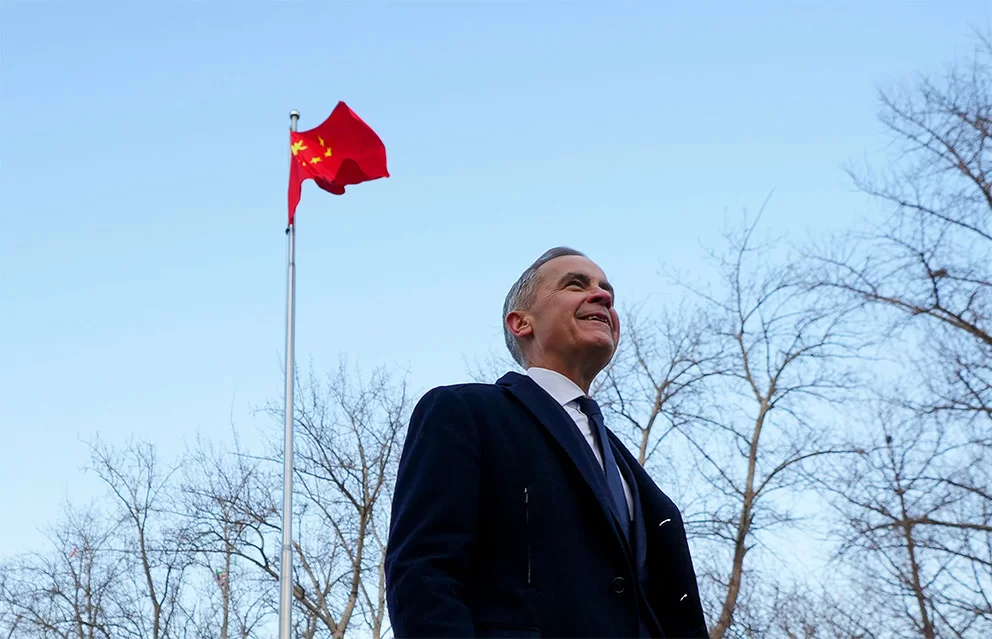
    In a significant departure from US trade policy, Canada has strategically reduced import tariffs on Chinese electric vehicles in exchange for improved market access for its agricultural exports, particularly canola. This move represents Canada’s latest effort to diversify economic partnerships amid growing concerns over the unpredictable and confrontational trade approach of the Trump administration.

    Prime Minister Mark Carney’s government announced the tariff reduction, which lowers the previous 100% duty on Chinese EVs, as part of a broader bilateral agreement with China. The arrangement includes quota limitations, capping Chinese EV imports under the reduced tariff at approximately 49,000 vehicles initially, with gradual increases to around 70,000 over a five-year period.

    The decision reflects Canada’s calculated response to what trade experts identify as increasingly volatile US trade relations under President Trump. Since taking office, Trump has overturned seven decades of US trade policy favoring freer commerce, imposing substantial tariffs on imports from virtually every trading nation while specifically targeting sectors including steel and automobiles.

    Canada has frequently been subject to Trump’s trade threats, including an October announcement of planned tariff increases on Canadian imports—retaliation for a critical advertisement from Ontario province—though these were ultimately not implemented. Existing tariffs on Canadian steel and aluminum remain in effect.

    This strategic shift carries considerable political risk for Carney, potentially creating friction with the Trump administration ahead of crucial negotiations to renew the USMCA trade agreement with the United States and Mexico. The trilateral pact remains vital to Canadian economic interests, with 75% of Canadian exports destined for US markets.

    Carney has defended the arrangement by emphasizing China’s technological advantages in electric vehicle production and the necessity of international cooperation to develop a competitive Canadian EV sector. However, critics including Ontario’s premier have raised concerns about potential impacts on Canadian auto workers and warned that the agreement could provide China with excessive market influence.

    The development occurs alongside similar diversification efforts by other US trading partners. The European Union has pursued new trade agreements with Mercosur nations, while China has successfully expanded export markets across Europe and Southeast Asia—achieving a record $1.2 trillion trade surplus in 2025 despite US tariffs.

    Trump maintains that his tariff policies strengthen US treasury reserves, protect domestic industries, and attract investment. However, his application of tariffs has frequently appeared arbitrary and unpredictable, including recent threats against Brazil over its treatment of political ally Jair Bolsonaro and new tariffs targeting countries that declined to support US interests regarding Greenland.

    Canada’s economic repositioning demonstrates how Trump’s trade policies are reshaping traditional alliance dynamics, driving US partners toward strengthened economic ties with China—America’s primary economic competitor—while complicating future negotiations on critical agreements like USMCA.

  • Prime Minister: Wealth Management Must Empower Ordinary Citizens, Not Only the Affluent

    Prime Minister: Wealth Management Must Empower Ordinary Citizens, Not Only the Affluent

    Prime Minister Gaston Browne has articulated a transformative vision for wealth management, positioning it not as an exclusive service for affluent individuals but as a critical tool for national economic empowerment. Speaking at the launch of a strategic financial initiative, Browne emphasized that true financial planning enables ordinary citizens to protect earnings, build economic security, and develop resilience against unforeseen economic disruptions.

    The Prime Minister challenged conventional perceptions by framing personal financial decisions as fundamental contributions to national progress. He argued that when citizens transition from passive observers to active participants in economic growth through informed investing, they simultaneously strengthen both individual prosperity and collective national development.

    A central theme of Browne’s address focused on intergenerational responsibility. He asserted that authentic national advancement requires current generations to build sustainable systems that provide future citizens with opportunities rather than burdens. The Prime Minister characterized strategic investments—whether in financial markets, entrepreneurial endeavors, or personal assets—as essential components of a long-term vision for enduring family legacies marked by stability and prosperity.

    Browne specifically endorsed the ACB Invest Programme, developed by Antigua Commercial Bank, as a strategic alignment with government efforts to broaden economic participation. He expressed confidence that this initiative would enable more citizens to transform savings into investments, convert investments into sustainable growth, and ultimately translate that growth into widely shared prosperity across Antigua and Barbuda.