作者: admin

  • Buxton labourer charged with robbing Montrose woman

    Buxton labourer charged with robbing Montrose woman

    A 53-year-old laborer from Brush Dam, Buxton has been formally charged with the armed robbery of a Montrose businesswoman in a case that has drawn attention to coastal criminal activity. Joseph George appeared before Senior Magistrate Clive Nurse at the Sparendaam Magistrate’s Court on Thursday, February 12, 2026, where he entered a plea of not guilty to the allegations.

    The alleged incident occurred on Monday, February 9, 2026, when the accused reportedly targeted a 47-year-old self-employed woman residing in Vryheid’s Lust, East Coast Demerara. While the Guyana Police Force has not disclosed specific details regarding the circumstances of the offense or the items stolen, the charge formally accuses George of robbery under arms—a serious criminal offense in Guyanese law.

    Magistrate Nurse granted the defendant bail set at GY$150,000 pending trial, allowing George to remain free under financial guarantee while awaiting judicial proceedings. The court has scheduled the matter for further hearing on March 17, 2026, when both prosecution and defense are expected to present their respective cases.

    The case represents another entry in the ongoing judicial processing of criminal activities along the East Coast Demerara corridor, highlighting the continuing challenges faced by law enforcement in the region. The relatively quick progression from alleged offense to formal charges—within three days of the reported incident—demonstrates the operational response capacity of local authorities in addressing serious criminal complaints.

  • Cattle owner charged with suffering animals

    Cattle owner charged with suffering animals

    A livestock proprietor from Garden of Eden, East Bank Demerara has been convicted on multiple animal welfare violations after admitting to charges of neglecting his cattle. The Guyana Police Force confirmed Saturday that 54-year-old Denesh Rohit entered guilty pleas for three distinct counts of permitting his bovines to stray unlawfully, contravening national road legislation.

    The judicial proceedings unfolded at the Diamond Magistrate’s Court on February 13, 2026, where Magistrate Dylon Bess presided over the case. Court records indicate the offenses occurred across three residential zones: Prospect Young Professional Housing Scheme, Herstelling Housing Scheme, and Farm Housing Scheme along the East Bank Demerara corridor.

    Following his admission of guilt, Rohit received financial penalties totaling GY$30,000—structured as GY$10,000 per individual count. Beyond monetary sanctions, the magistrate issued formal directives mandating the implementation of appropriate containment measures to prevent future incidents involving unrestrained livestock.

    Authorities emphasized this judgment serves as both punitive action and preventive measure, highlighting the legal responsibilities of animal owners to maintain proper control over their herds. The case represents ongoing efforts to address public safety concerns and animal welfare standards in developing residential communities where human-animal conflicts occasionally emerge.

  • Bartica man jailed for drugs trafficking

    Bartica man jailed for drugs trafficking

    In a significant judicial ruling from Guyana’s Bartica Magistrate’s Court, 43-year-old Asif Bacchus has been handed a substantial prison term for narcotics offenses. The unemployed Arcade Street resident faced charges under the stringent Narcotic Drugs and Psychotropic Substances (Control) Act for possession with intent to traffic.

    The case, prosecuted by the Guyana Police Force, reached its conclusion on February 14, 2026, following Bacchus’s virtual court appearance via Zoom technology. Presiding Magistrate Ravindra Mohabir formally presented the charges to the defendant, who subsequently entered a guilty plea.

    Court documents reveal that Bacchus’s arrest and conviction mark a continued effort by Guyanese authorities to combat drug trafficking in the mining-dependent region of Bartica. The case represents another successful prosecution under the country’s comprehensive anti-narcotics legislation.

    The four-year sentence reflects the seriousness with which the Guyanese judiciary treats drug-related crimes. Legal experts suggest this ruling may establish precedent for future narcotics cases in the region, particularly those involving trafficking quantities of controlled substances.

    Law enforcement officials have indicated that the conviction forms part of broader operations targeting drug distribution networks in the Bartica area, which has historically faced challenges related to illegal narcotics trade alongside its legitimate mining activities.

  • Hesse Relieved of Duties After $450,000 Alfa Nero Commission Disclosure

    Hesse Relieved of Duties After $450,000 Alfa Nero Commission Disclosure

    Antigua and Barbuda’s Prime Minister Gaston Browne has confirmed that senior official Johann Hesse was summoned before the Cabinet following revelations of a substantial undisclosed commission payment related to the Alfa Nero superyacht transaction. The development emerged during Browne’s weekly radio program, the Browne and Browne Show, where he addressed growing concerns about the financial arrangements surrounding the vessel’s 2024 sale.

    Court documents recently unveiled in the United Kingdom exposed a US$450,000 introductory commission paid to Rufus Gobat, identified as Hesse’s business associate. Prime Minister Browne emphasized that this substantial payment had not been formally disclosed to government authorities, prompting immediate scrutiny. However, the Prime Minister clarified that preliminary investigations have uncovered no evidence suggesting Hesse engaged in illegal activities regarding this transaction.

    During Wednesday’s Cabinet meeting, Hesse provided comprehensive explanations regarding the controversial payment. He asserted that the commission was exclusively part of a private business arrangement between Gobat and himself, completely separate from any government funds or resources. Hesse further testified that no government officials, Cabinet members, or their relatives derived any financial benefit from this transaction.

    The Alfa Nero superyacht, previously owned by sanctioned Russian billionaire Andrey Guryev, has been at the center of complex international negotiations since its seizure. Antigua’s government has been attempting to sell the luxury vessel through legal channels, making transparency in all financial aspects particularly crucial given the sensitive nature of the asset.

    Prime Minister Browne indicated that additional information regarding this matter is anticipated to emerge as investigations continue. The government maintains its commitment to ensuring all transactions related to state assets undergo proper scrutiny while preserving the integrity of its administrative processes.

  • Directeur Belfor met pensioen na 33 jaar bij Arbeid

    Directeur Belfor met pensioen na 33 jaar bij Arbeid

    Suriname’s Directorate of Welfare and Labor celebrated the distinguished career of Director Jimmy Belfor on Friday as he concluded his 33-year tenure in public service with an official retirement ceremony. Belfor’s extensive governmental career began in 1993 when he joined as a legal affairs officer before ascending to Undersecretary for Legal and International Affairs three years later—a position he maintained for nearly two decades. His subsequent thirteen-year leadership as director saw him guide numerous policy initiatives affecting labor relations and social welfare programs. Beyond his departmental responsibilities, Belfor chaired the Dismissal Committee for over thirty years and contributed significantly to the Labor Advisory Council. His international representation included multiple appearances at the International Labor Conference in Geneva and other global forums where he advocated for Suriname’s interests. Ministerial officials from the Health, Welfare, and Labor portfolio expressed profound gratitude during the farewell gathering, highlighting Belfor’s dedicated service and strategic leadership that shaped the nation’s labor policies and social protection frameworks.

  • ECCB Suspends DCash 2.0 Development to Prioritize Regional Payments Systems

    ECCB Suspends DCash 2.0 Development to Prioritize Regional Payments Systems

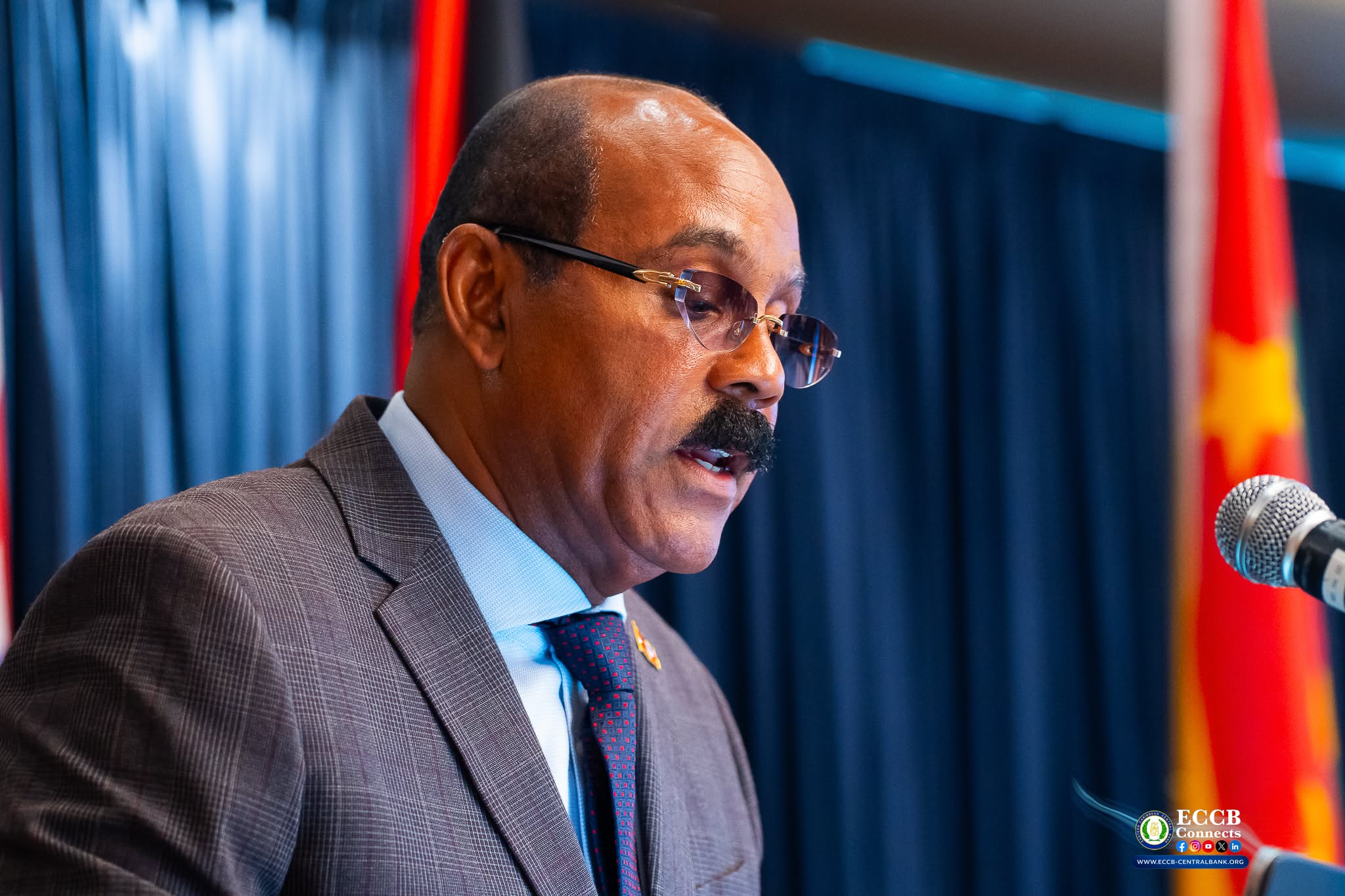
    In a strategic pivot toward enhanced financial integration, the Eastern Caribbean Central Bank (ECCB) has officially suspended development of its DCash 2.0 digital currency initiative. The decision was ratified during the 112th meeting of the Monetary Council held on February 13 at the ECCB headquarters in St. Kitts and Nevis.

    The Council’s communique revealed that resources will be reallocated to accelerate the implementation of a regional fast payment system and active participation in the CARICOM Payments and Settlement Systems (CAPSS) pilot program. This shift signifies a fundamental recalibration of the bank’s digital transformation strategy, moving from a central bank digital currency (CBDC) focus toward real-time payment infrastructure modernization.

    ECCB’s DCash, launched as a digital iteration of the Eastern Caribbean dollar, initially aimed to revolutionize payment systems and promote financial inclusion across member states. The suspension of its next development phase suggests officials are prioritizing immediate payment efficiency over CBDC expansion.

    Notably, the announcement during the media briefing lacked detailed elaboration, and no journalists pressed for additional information regarding the suspension. The meeting was chaired virtually by Antigua and Barbuda Prime Minister Gaston Browne, underscoring the regional cooperation aspect of these financial system enhancements.

    This strategic realignment positions the ECCB at the forefront of regional financial innovation, potentially creating a more interconnected economic landscape for Eastern Caribbean states through cutting-edge payment solutions.

  • COMMENTARY: Koudmen, Institutions, and the architecture of dignity – A reflection on Dominica’s civic inheritance and our present reckoning

    COMMENTARY: Koudmen, Institutions, and the architecture of dignity – A reflection on Dominica’s civic inheritance and our present reckoning

    In a powerful testament to Dominica’s cultural heritage, Dr. Irving Pascal emerges as a quintessential Nature Islander—a distinction transcending mere citizenship through birth or passport acquisition. This concept, deeply rooted in the island’s consciousness, represents a cultural fortress born from freedom struggles and commitment to Koudmen, the collaborative ethic preserving nature’s bounty for future generations.

    The philosophical foundation of Nature Island identity originates from 1970s Zion at the Dominica Government Stock Farm, where naturalist awakening germinated amidst independence movements and Rastafarian philosophy. This environment nurtured profound connections to the land through luxuriant soursop, glory cedar, mango trees, and sustainable agricultural practices that sustained herds of Holstein and Zebu cattle.

    Koudmen represents an organic social technology dating to pre-emancipation eras when enslaved Africans forged systems of collective labor, shared food, and mutual risk management. This dignity-in-action philosophy evolved from Maroon communities’ resistance to contemporary community building, creating economies of belonging rather than extraction. Seaside villages like St. Joseph maintained collaborative rhythms where dawn fires belonged to everyone, slaughtered pigs were communally smoked, and fishing required collective participation rewarded through distribution networks built on trust.

    This cooperative ethic extended into formal institutions including the Roseau Credit Union, where annual meetings transformed into exercises in grassroots democracy and financial literacy. Children absorbed lessons in collective responsibility while enjoying refreshments that demonstrated local agricultural abundance—L. Rose Lime Juice Cordial, carefully crafted lime squash with brown sugar and Angostura Bitters, and freshly prepared grapefruit drink served by gracious community members.

    Dominica’s industrial past featured local bottling factories for Ju-C, Coca-Cola, and 7-Up, while educational institutions like Dominica Grammar School and St. Mary’s Academy fostered collective thought through student publications. The Dominica Botanic Gardens served as both practical agricultural resource and conservation educator, enabling food security through export networks maintained by formidable market women trading with neighboring islands.

    Today, this inheritance faces existential threats. Environmental advocates including Nasio Fontaine, Athie Martin, and Dr. Pascal himself confront ecological destruction at Deux Branches and across the island. The Koudmen conservation ethic—conserving land that feeds and water that slakes thirst—is being undermined by passport-selling schemes, foreign money laundering, and negligent governance.

    International sanctions reflect this deterioration: the UK removed visa-free access in July 2023, the White House imposed travel sanctions in December 2025, and Norway implemented strict vetting for Dominican passport holders. These developments mark a tragic departure from the values that once made Dominicans recognized across the Caribbean as honorable and trustworthy.

    The passing of elders like Alberta Christian (1929-2025) underscores the urgency for the “blessed remnant” who experienced authentic Nature Islander culture to defend against this tyranny of ruin. The challenge remains to preserve Koudmen’s legacy against profit extraction, agricultural neglect, and hollowed-out industries that threaten to transform Dominica into another Dubai rather than protecting its unique ecological and cultural heritage.

  • Alumni Association Donates $1,000 to Support SJA Sports Day

    Alumni Association Donates $1,000 to Support SJA Sports Day

    In a demonstration of enduring institutional support, the Alumni Association of St. Jude’s Academy (SJA) has made a significant financial contribution to its alma mater. A donation of $1,000 was formally presented to School Principal Rudolph Davis this Wednesday to underwrite the costs of the institution’s forthcoming annual Sports Day and associated extracurricular activities.

    The ceremonial handover was conducted by Lenworth Johnson, who serves as the Secretary for the Alumni Association. Mr. Johnson presented the cheque on behalf of the extensive network of past students, reaffirming the group’s unwavering commitment to the school’s development and student welfare. The funds are strategically allocated to alleviate the operational and logistical expenditures involved in orchestrating the high-profile Sports Day, a cornerstone event renowned for fostering school spirit and athletic talent among the student body.

    Principal Rudolph Davis received the donation with profound gratitude, publicly acknowledging the Alumni Association’s persistent fundraising initiatives and its role as a steadfast partner in the school’s progress. He emphasized the critical impact such generosity has on enhancing the quality of student life and enabling the continuation of cherished annual traditions.

    In his address, Secretary Johnson articulated the alumni’s profound sense of duty and gratitude, stating the association is dedicated to reciprocating the foundational education and values instilled by the school. The contribution symbolizes a pledge of continued, active support from the graduate community, ensuring the institution remains a vibrant center for learning and holistic development for future generations.

  • Dood Navalny veroorzaakt door gif van pijlgifkikkers

    Dood Navalny veroorzaakt door gif van pijlgifkikkers

    Five European nations have jointly declared Russia responsible for the poisoning death of Kremlin critic Alexei Navalny, presenting what they describe as conclusive scientific evidence. The coordinated statement from Britain, France, Germany, Sweden, and Netherlands confirms that analysis of bodily samples from Navalny’s remains definitively identified epibatidine—a potent toxin derived from South American poison dart frogs that does not naturally occur in Russia.

    The announcement comes precisely two years after Navalny’s controversial death in an Arctic penal colony where he was serving sentences on extremism charges that he consistently denied. European officials stated that Moscow possessed “the means, motive, and opportunity” to administer the lethal substance given that Navalny died under state custody.

    British Foreign Secretary Yvette Cooper emphasized that UK scientists collaborated with European partners to uncover the truth, though officials declined to specify how the bodily samples were obtained or where testing occurred. The findings align with previous patterns of Russian chemical weapons use, including the 2018 Novichok attack on former double agent Sergei Skripal in Britain, which a public inquiry concluded was ordered by President Vladimir Putin.

    The revelation emerged during the Munich Security Conference, where Navalny’s widow Yulia Navalnaya addressed attendees virtually, expressing gratitude for the multinational investigation. “I was certain from day one that my husband was poisoned, but now we have evidence,” she stated via social media, calling for accountability from Russian leadership.

    European capitals witnessed memorial gatherings and protests following the announcement, with demonstrators in London, Berlin, Vilnius, and Rome condemning the Kremlin and demanding justice. The joint statement emphasized that Russia’s actions violate both the Chemical Weapons Convention and Biological and Toxin Weapons Convention, underscoring the urgent need for international accountability mechanisms.

  • Drainage and Road Works Underway in Paynters West, Senator Freeland Says

    Drainage and Road Works Underway in Paynters West, Senator Freeland Says

    Residents of Paynters West are witnessing significant infrastructural enhancements as local authorities launch a multi-phase community development initiative. According to Senator Michael Freeland, ongoing operations currently focus on drainage system improvements, extensive bush clearance, and community beautification efforts.

    The project, characterized as a critical component of broader community development strategies, will progress to comprehensive road rehabilitation in subsequent phases. Senator Freeland emphasized that maintaining community cleanliness and upgrading essential infrastructure represent fundamental priorities for the area’s development.

    “We are actively engaged in drainage, bush clearing, and beautification work throughout Paynters West,” Freeland stated. “These efforts will persist throughout the coming weeks, with road improvement projects scheduled to follow this initial phase.”

    The senator publicly acknowledged residents for their demonstrated patience and cooperation during construction periods. Additionally, recognition was extended to Honorable Maria Browne and the Ministry of Works team for their instrumental role in facilitating the project’s implementation.

    This infrastructural overhaul forms part of sustained endeavors to enhance living conditions and environmental quality within the community. Officials anticipate the project will continue developing over the coming weeks, contributing to long-term improvements in both functionality and aesthetics throughout Paynters West.