作者: admin

  • LISTEN: Antigua and Barbuda Government Purchases Crusher to Accelerate Road Repairs

    LISTEN: Antigua and Barbuda Government Purchases Crusher to Accelerate Road Repairs

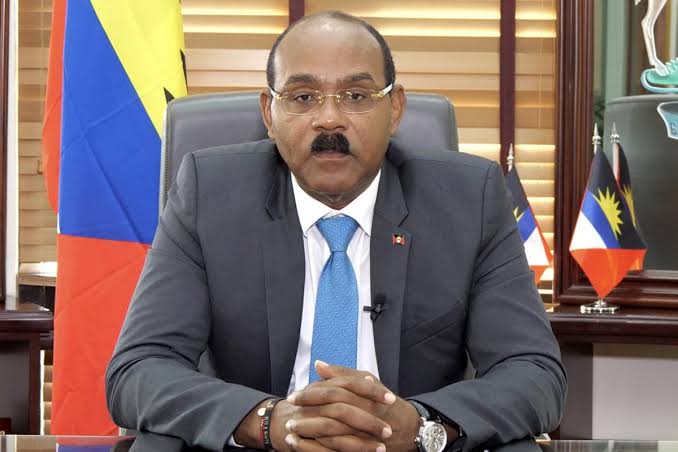
    In a strategic move to enhance national infrastructure development, Prime Minister Gaston Browne revealed on Saturday that the government has secured a new stone crusher through an outright purchase. The announcement, made during his weekly appearance on the ‘Browne and Browne Show,’ signals a significant step forward in the administration’s public works agenda.

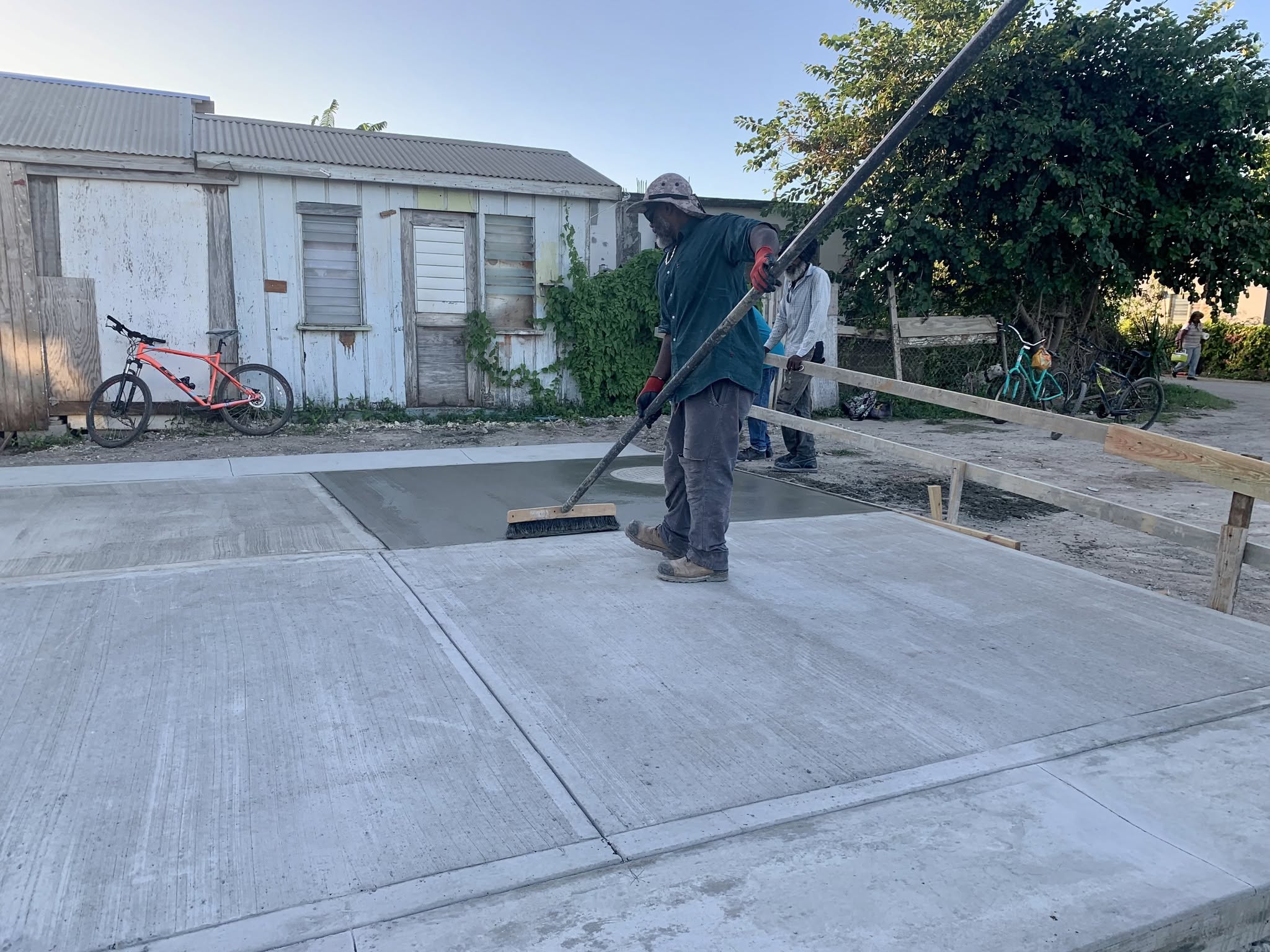
    The newly acquired industrial equipment, fully paid for by the state, is projected to arrive within the next 45 to 60 days. This machinery is specifically intended to revolutionize the country’s aggregate production capabilities, which have been operating below optimal capacity. By substantially increasing the daily output of crushed stone—a fundamental component in concrete manufacturing—the government aims to eliminate existing bottlenecks in construction material supply.

    Prime Minister Browne articulated the direct correlation between aggregate availability and road construction efficiency, stating, ‘This strategic acquisition will enable us to dramatically increase aggregate production, thereby accelerating our concrete road paving initiatives nationwide.’ The investment represents a core component of the administration’s comprehensive infrastructure modernization program, which prioritizes durability, quality, and long-term resilience in public works projects.

    Beyond the crusher acquisition, the government is preparing to deploy additional specialized road repair machinery in the coming weeks. This multi-faceted approach underscores an intensified commitment to overhauling the nation’s transportation network, addressing both immediate repair needs and long-term infrastructure development goals through enhanced technical capacity and resource allocation.

  • Antigua and Barbuda to Invest in National Sound System for Major Events

    Antigua and Barbuda to Invest in National Sound System for Major Events

    The Antiguan government is advancing ambitious plans to elevate the nation’s cultural infrastructure with a dual-pronged approach: the imminent completion of a $20 million performing arts center and a potential state investment in a national sound and lighting system. Prime Minister Gaston Browne, speaking on the ‘Browne and Browne Show,’ confirmed that the transformation of the former Deluxe Cinema into a cutting-edge performance venue is on track for a September or October unveiling.

    Beyond the brick-and-mortar development, the administration is contemplating a significant investment in professional audio-visual technology. This initiative aims to drastically improve the production quality of large-scale national events, including Carnival celebrations and major concerts. The government has already procured a large stage for the new center and is now evaluating the acquisition of a professional-grade sound system, with lighting equipment also under consideration.

    Prime Minister Browne framed this investment as a crucial component of a broader strategy to ‘level up’ the country’s creative economy. He emphasized the government’s role in ensuring that flagship productions meet international standards, thereby enhancing the experience for both residents and tourists. ‘We can’t have substandard sound at major productions,’ Browne stated, underscoring the commitment to quality.

    The proposed government-owned system would specifically target large-scale events, while private audio providers would continue to serve the small and medium-sized event market. This delineation aims to supplement rather than supplant existing private sector services, with the government taking responsibility for guaranteeing top-tier production value at the nation’s most prominent cultural showcases.

  • PM Announces Tax Breaks to Help Small Tourism Businesses Compete

    PM Announces Tax Breaks to Help Small Tourism Businesses Compete

    In a strategic move to bolster domestic engagement within the tourism economy, the government of Antigua and Barbuda has enacted significant fiscal incentives for local leisure and entertainment enterprises. Prime Minister Gaston Browne unveiled the policy shift during his weekly national address, revealing that Cabinet has sanctioned complete duty-free importation of capital equipment for water sports and tour operators.

    The initiative specifically targets machinery and gear utilized in water-based recreational activities, effectively reducing financial barriers for small and medium-sized businesses seeking to modernize or expand their operations. This calculated economic intervention aims to recalibrate the sector’s balance by fostering broader Antiguan and Barbudan participation in the lucrative tourism market.

    Concurrently, the administration issued a stern warning to major hotel conglomerates attempting to directly compete with local operators. Properties found to be importing equipment for tour operations or water sports in manner that disadvantages smaller domestic businesses face potential revocation of their existing tax concessions. The government has already initiated reviews of certain hotel agreements to ensure compliance with this equitable tourism framework.

    Prime Minister Browne emphasized the philosophical underpinning of these measures, stating, ‘Our fundamental objective is to guarantee that the tourism sector generates widespread benefits rather than becoming an exclusive enclave for major developers.’ The policy represents a deliberate reorientation toward economic inclusivity, ensuring that nationals capture more substantial value from the islands’ primary industry.

  • Monorath: Vreemdelingenbeleid moet integraal worden aangepakt, boetegelden ‘levensader’

    Monorath: Vreemdelingenbeleid moet integraal worden aangepakt, boetegelden ‘levensader’

    Suriname’s Minister of Justice and Police, Harish Monorath, has delivered a stark assessment of the nation’s immigration system during a parliamentary session in De Nationale Assemblee (DNA), acknowledging fundamental structural deficiencies that demand comprehensive reform.

    Minister Monorath identified critical flaws in the 2017 legalization project, initially designed as a general pardon program to register undocumented migrants and grant legal residency status. The initiative, however, stalled at the registration phase, with many foreigners failing to complete subsequent renewal procedures, consequently reverting to illegal status. The minister specifically highlighted challenges with Guyanese citizens who frequently cross borders through informal ‘backtrack routes,’ effectively bypassing official immigration controls.

    The minister emphasized that immigration policy cannot be addressed in isolation from border district realities, particularly in regions like Nickerie and areas bordering French Guiana. “For many residents in these regions, borders barely exist in practical terms,” Monorath stated, noting the intensive daily cross-border movement. He revealed that specialized border arrangements are under development alongside strengthened formal border checkpoints, with conceptual proposals to be presented to parliament subsequently.

    In a separate but equally significant appeal, Minister Monorath advocated for redirecting 100% of fine revenues to his ministry, challenging the current distribution framework that allocates:
    • 40% to Justice and Police
    • 20% to the Ministry of Finance
    • 20% to the Suriname Police Corps
    • 20% to the Public Prosecutor’s Office

    The minister characterized the fine revenue as an essential emergency fund for urgent operational needs when regular funding channels through Finance Ministry allocations prove insufficient. Critical expenses covered by these funds include accommodation costs for judicial staff attending court sessions in Nickerie, logistical expenses for process servers delivering summonses in remote districts, and immediate repairs for police and fire department equipment including malfunctioning pumps and water tanks.

    “When these resources must first transit through Finance’s central treasury before we can reclaim them, we encounter significant operational challenges,” Monorath warned parliamentarians. He suggested enhancing penalty effectiveness through additional measures such as linking traffic violations to insurance premium increases, where accidents would trigger substantial insurance cost hikes.

  • Prime Minister Among Panelists for St. Philip’s North Town Hall

    Prime Minister Among Panelists for St. Philip’s North Town Hall

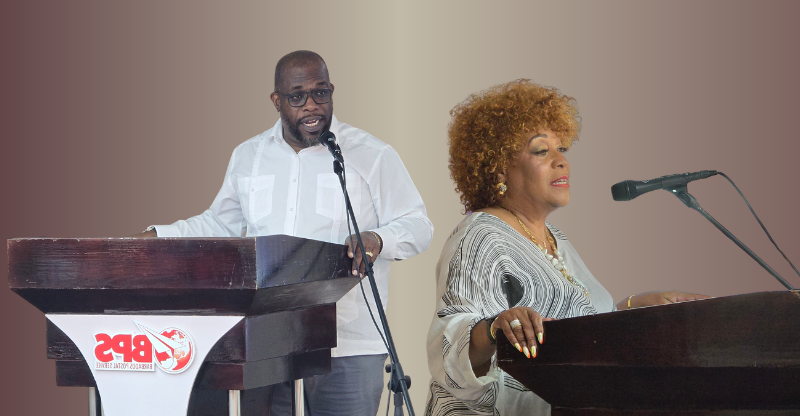
    In a significant demonstration of accessible governance, the Prime Minister participated as a featured panelist at a community town hall event in the St. Philip’s North constituency. The high-profile engagement provided a platform for direct dialogue between the nation’s leader and local residents, breaking from traditional top-down political communication models.

    The town hall forum facilitated comprehensive discussions on pressing regional and national issues, with particular emphasis on community-specific concerns. This participatory approach enabled constituents to voice questions on policy implementation, infrastructure development, and socioeconomic initiatives directly to the highest levels of government.

    Political analysts have noted the growing trend of executive-level officials engaging in grassroots consultations, interpreting such events as reflective of evolving democratic practices. The Prime Minister’s presence at the constituency-level assembly underscores an administrative commitment to transparency and public accountability, potentially establishing a precedent for future governance interactions.

    The event’s format permitted extensive coverage of diverse topics including healthcare accessibility, educational reforms, economic stimulation measures, and environmental sustainability projects. This open forum mechanism effectively bridged the gap between policymaking corridors and community realities, offering unique insights into both governmental priorities and citizen expectations.

    Such direct engagement strategies are increasingly becoming integral components of contemporary political communication, representing a shift toward more inclusive and responsive governance frameworks that value citizen participation in the democratic process.

  • WATCH: Prime Minister Launches Monthly Public Health Walks, Expands Town Hall Meetings

    WATCH: Prime Minister Launches Monthly Public Health Walks, Expands Town Hall Meetings

    In a significant move to enhance governmental transparency and citizen interaction, Antigua and Barbuda’s Prime Minister Gaston Browne has announced a new initiative featuring monthly public walks and an expanded schedule of town hall meetings. This strategy represents a deliberate shift towards more accessible and accountable governance.

    The announcement was made during the Prime Minister’s appearance on the ‘Browne and Browne Show’ this past Saturday. Browne revealed that the program officially commenced on Valentine’s Day with a successful walkthrough in St. John’s, drawing participation from dozens of local residents. The core objective, according to the Prime Minister, is to foster a deeper, more personal connection between the administration and the populace it serves.

    ‘Effective governance hinges on direct understanding. We are committed to public service, but genuine service is impossible without firsthand knowledge of the challenges our citizens face,’ Browne stated, emphasizing the initiative’s foundational principle.

    Beyond symbolic engagement, these efforts are already demonstrating tangible outcomes. The Prime Minister cited previous town hall meetings as instrumental in developing practical, on-the-ground solutions to community-identified issues. These forums have provided a structured platform for residents to voice concerns directly to leadership, moving beyond traditional bureaucratic channels.

    The government’s commitment is evidenced by a scheduled follow-up event, with the next town hall meeting set to take place in St. Philip’s North. This location was chosen following a notably well-attended session in City South, indicating a responsive approach to public interest and geographic coverage.

    A key feature of the monthly walks is their inclusivity; participation is open to all members of the public, explicitly welcoming those beyond the ruling party’s traditional political base. This approach underscores a non-partisan dedication to national engagement and participatory democracy, signaling a renewed focus on grassroots connectivity in Antiguan political culture.

  • Tarique Rahman wil Bangladesh democratischer maken na verkiezingsoverwinning

    Tarique Rahman wil Bangladesh democratischer maken na verkiezingsoverwinning

    In a historic political transition, Bangladesh’s newly elected leader Tarique Rahman has committed to building a more democratic nation despite confronting significant institutional weaknesses. The Bangladesh Nationalist Party (BNP) chairman made this declaration during his first press conference in Dhaka on Saturday, following his party’s decisive victory in Thursday’s parliamentary elections.

    The BNP secured a majority in the 350-seat parliament, marking a dramatic shift in the South Asian nation’s political landscape. The opposition will be formed by an eleven-party alliance led by Jamaat-e-Islami, the country’s largest Islamist party. These elections represent the first democratic exercise since the massive 2024 uprising that ousted former Prime Minister Sheikh Hasina, with an interim government headed by Nobel laureate Muhammad Yunus overseeing the largely peaceful electoral process.

    Rahman, son of late former Prime Minister Khaleda Zia, identified public order restoration and economic stabilization as immediate priorities. “We are embarking on our journey amid circumstances characterized by a fragile economy inherited from the authoritarian regime, weakened constitutional and legal institutions, and deteriorating law and security situation,” Rahman stated.

    The incoming leader emphasized national unity, pledging not to harm the country while warning against forces seeking to restore authoritarian rule. “To prevent malignant powers from reestablishing authoritarianism and to ensure our nation doesn’t become a subordinate state, we must remain united and respect the people’s will,” he asserted.

    The BNP, one of Bangladesh’s longest-standing political parties alongside Hasina’s now-banned Awami League, had refused to participate in elections under her administration. Hasina, living in exile in India since her ouster, was convicted of crimes against humanity including responsibility for hundreds of deaths during the prolonged uprising.

    The international community is closely monitoring developments, expecting the new government to pursue political reform and strengthen democratic institutions while addressing substantial economic and security challenges. The new administration is scheduled to be sworn in within days, facing the formidable task of governing this nation of over 170 million people.

  • Starting Tuesday, the RD$1000 banknotes dated 2025 will be in circulation.

    Starting Tuesday, the RD$1000 banknotes dated 2025 will be in circulation.

    The Central Bank of the Dominican Republic (BCRD) has officially declared that newly minted RD$1,000.00 banknotes will enter active circulation beginning Tuesday, February 17, 2026. These currency notes, bearing the 2025 date, were produced following an international public tender process initiated in May 2025.

    The updated banknotes maintain identical security specifications to the currently circulating RD$1,000.00 notes, ensuring consistency in anti-counterfeiting measures. Importantly, both existing and new versions will retain full legal tender status for settling all public and private financial obligations without distinction.

    This monetary issuance operates under the constitutional authority granted by Articles 228, 229, and 230 of the Dominican Republic’s Constitution, supplemented by the provisions outlined in Article 25, paragraphs a) and c) of Monetary and Financial Law No. 183-02.

    The BCRD has proactively encouraged public engagement with official information channels regarding these changes. Citizens seeking clarification about the new banknotes or other currency-related matters are advised to consult authoritative resources provided by the Central Bank to ensure smooth transition and verification processes.

  • Institutionele zelfverrijking onder het mom van ‘synchronisatie’

    Institutionele zelfverrijking onder het mom van ‘synchronisatie’

    A legislative package hailed in November 2024 as a historic correction of constitutional omissions since 1975 has been revealed as a fundamental restructuring of state income distribution that systematically benefits top officials. Under the misleading label of ‘synchronization,’ four laws governing remuneration for judiciary, presidential, vice-presidential, ministerial, and parliamentary positions created a system that disproportionately favors elite ranks while increasing state fiscal burdens and undermining public trust.

    The legislation, promoted by initiators Asis Gajadien (VHP) and Geneviévre Jordan (ABOP) with coalition support, was morally justified as eliminating double salaries, reducing privileges, raising retirement ages, promoting transparency, and improving state finances. However, instead of harmonization or savings, the laws engineered a dynamic income explosion at the top while leaving the rest of the state apparatus behind.

    Critical flaws emerged during parliamentary scrutiny. Opposition parties (NDP, BEP, NPS) repeatedly requested comprehensive financial impact assessments, multi-year projections, and scenario analyses incorporating periodic increments, service years, pension accruals, and tax exemptions. No independent financial evaluation or objective HRM valuation study comparing international benchmarks was presented before the vote, which passed with support from VHP, ABOP, PL, and BEP.

    The judicial compensation structure reveals the systemic bias: judges receive annual 5% increments, full credit for prior service years, pension structures reaching 100% of baseline salary, and tax exemptions on high allowances—benefits entirely absent from presidential compensation. This creates an asymmetrical growth mechanism where senior judicial officials with decades of service rapidly outpace their theoretical reference point (presidential salary), with some exceeding 500,000 SRD—multiple times the head of state’s remuneration.

    When public administrator Eugène van der San published calculations revealing these disparities, his analysis was initially dismissed as exaggerated. Subsequent official publications of salary scales and pay stubs confirmed net incomes far exceeded amounts suggested during parliamentary debates. Rather than acknowledging underestimation, initiators denied the discrepancies, exacerbating the credibility crisis.

    The laws were adopted while civil servants received minimal raises, teachers faced shortages and backlogs, healthcare workers operated under extreme pressure, and parliamentary support staff earned fractions of top-tier compensation. The state income structure has transformed from balanced hierarchy to disproportionate tower, with completely skewed ratios between national leadership and public workers.

    Unanswered questions demand immediate resolution: total budgetary impact over ten years including increments and pension obligations; cumulative salary increases across government branches; ratio between top incomes and average civil service wages; and why no independent financial simulation was presented before voting. Without transparent answers, suspicion remains that legislation was manipulated to structurally benefit elites.

    Presented as historic ordering before Suriname’s fiftieth independence anniversary, these laws risk becoming a historic error without correction. While judiciary deserves dignified legal status, the current consequences are morally unacceptable and socially unsustainable. If parliament fails to address this, society will correct parliament—typically through less friendly means. Trust in politics has drastically declined through this ‘synchronization’ process, awaiting concrete steps to rectify what many perceive as institutionalized self-enrichment.

  • NCD-afdeling krijgt groen licht voor uitvoering jaarplan 2026

    NCD-afdeling krijgt groen licht voor uitvoering jaarplan 2026

    Suriname’s Ministry of Health has formally approved an ambitious national strategy to address the growing burden of non-communicable diseases (NCDs) through a structured five-pillar approach for 2026. Health Minister André Misiekaba officially endorsed the comprehensive plan presented by the NCD Department focal point Cheshta Sewtahal and her team, signaling strong governmental commitment to tackling cardiovascular diseases, diabetes, cancer, and chronic respiratory conditions.

    The strategic framework centers on five critical domains: development of public policy and advocacy initiatives; health promotion and preventive measures; integrated care for both NCDs and mental health; enhanced surveillance, monitoring and evaluation systems; and strengthened cross-sectoral collaboration. Each priority area has been developed into specific core activities with measurable implementation targets for the coming year.

    Despite the comprehensive planning, officials acknowledged significant structural challenges including the absence of a national NCD policy coordination mechanism, constrained financial and human resources, and inadequate regulatory frameworks. The department emphasized that effective NCD management requires an integrated approach combining prevention, early detection, and quality care delivery.

    Key expected outcomes for 2026 include quality improvement in NCD care through HEARTS initiative implementation, accelerated execution of national prevention plans, establishment of a functional NCD and mental health surveillance system, integration of mental health services into primary care, and reinforcement of legal frameworks and intersectoral cooperation.

    With ministerial authorization now secured, the NCD department is positioned to execute a coordinated, evidence-based approach aimed at reducing disease prevalence and improving national health outcomes across Suriname.