作者: admin

  • Nippes : Construction of the departmental incinerator for biomedical waste

    Nippes : Construction of the departmental incinerator for biomedical waste

    The Nippes Department of Haiti is witnessing a significant enhancement to its healthcare infrastructure with the ongoing construction of a specialized biomedical waste incineration facility. This strategic initiative, vigorously championed by Departmental Health Director Dr. Esther Ceus Dumont, represents a critical advancement in regional public health and environmental safety.

    During a recent inspection of the construction site, Dr. Dumont emphasized the facility’s vital role in establishing secure disposal protocols for medical waste generated by both public and private healthcare institutions. She characterized the incinerator as an indispensable tool for mitigating health hazards, safeguarding community wellbeing, and ensuring ecological preservation—addressing a longstanding deficiency in the department’s waste management capabilities.

    Financial backing for this essential project is provided by the World Bank, with operational oversight delegated to the Project Management Unit and Haiti’s Ministry of Public Health under Minister Dr. Sinal Bertrand. The Haitian construction company SOPEC PLUS has been entrusted with the physical execution of the project.

    The path to construction required considerable institutional coordination. The designated plot, adjacent to the Departmental Health Directorate offices, had been subject to unlawful occupation. Through Dr. Dumont’s determined leadership, a collaborative effort involving police, judicial authorities, the General Directorate of Taxes, and the Ministry of Planning successfully reclaimed the property for its intended public use.

    Construction is now advancing at an accelerated pace, reflecting the unwavering commitment of health authorities to see this crucial public health project through to completion, marking a new chapter in medical waste management for the Nippes region.

  • Justice : The Government releases 23 prisoners for the holiday season

    Justice : The Government releases 23 prisoners for the holiday season

    In a significant humanitarian gesture during the 2025 holiday season, Haitian authorities granted freedom to 23 individuals who had been held in prolonged pretrial detention for minor offenses. The releases occurred on December 24th following an extensive case review process conducted by a high-level government delegation.

    The delegation included Justice Minister Patrick Pélissier, Women’s Rights Minister Pedrica Saint Jean, Government Commissioner Fritz Paterson Dorval, and Court Dean Bernard Saint-Vil. Their visit to the Center for the Re-education of Minors in Conflict with the Law (CERMICOL) spanned several hours and involved meticulous examination of detention files.

    Those released included vulnerable populations specifically identified for clemency: five women, one minor girl, thirteen minor boys, and four men. All had been incarcerated for several years despite facing only minor charges. Justice Minister Pélissier emphasized that the government carefully excluded anyone accused of serious crimes including rape, violent offenses, or kidnapping from this holiday pardon initiative.

    The action was implemented in strict accordance with Haitian legal provisions, with officials noting they considered the complex legal, social, and human circumstances of each individual case. The releases represent both a compassionate holiday gesture and a practical step toward addressing Haiti’s chronic issue of prolonged pretrial detention, particularly affecting women and juveniles in the judicial system.

  • Butcher calls for action on meat imports amid sales ‘slump’

    Butcher calls for action on meat imports amid sales ‘slump’

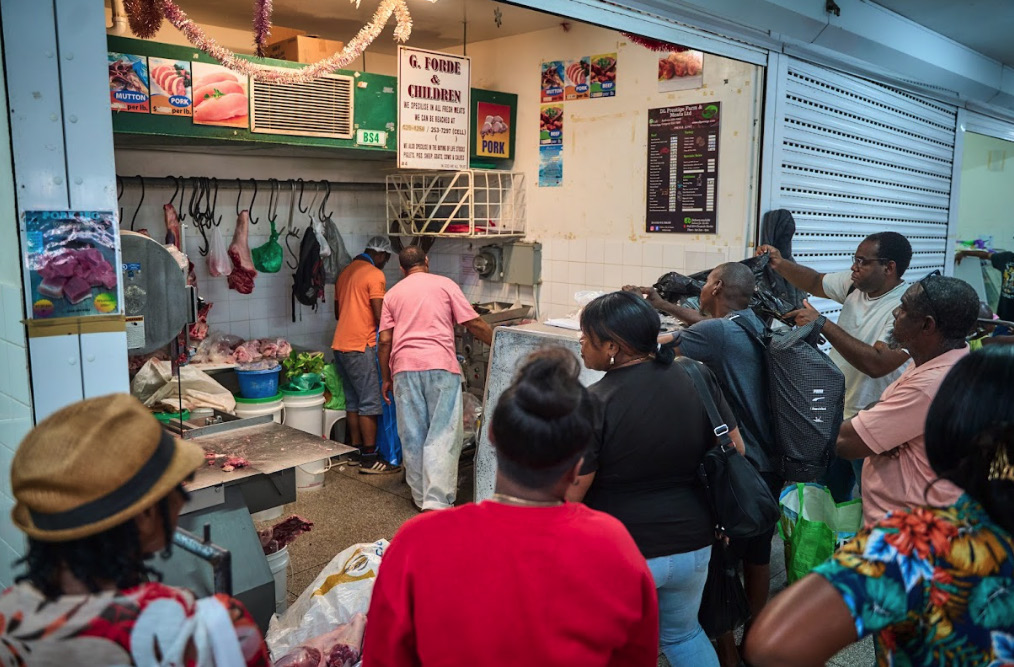
    Barbadian meat producers faced a challenging Christmas season despite apparent market activity, with local butchers reporting diminished sales attributed to overwhelming meat imports. Kadeem Layne of DL Prestige Farm and Meats Ltd., while acknowledging steady customer support, confirmed overall sales had declined compared to previous years during the crucial holiday period.

    The persistent influx of imported meat has created significant inventory challenges for small-scale farmers and butchers throughout Barbados. Unlike some producers who reduced output in response to market pressures, Layne maintained full production levels, resulting in substantial leftover pork inventory and live animals remaining on farms.

    A critical factor exacerbating the situation has been the termination of supermarket contracts with local producers. Layne revealed that this development has forced farmers to avoid selling at reduced prices, creating downstream challenges in funding reproduction cycles for future livestock.

    The local producer proposed two potential solutions: either reducing import volumes or establishing better coordination between importers and domestic producers. As an alternative approach, Layne suggested implementing a system where local surpluses are sold before introducing imported meats to the market.

    Contrary to assumptions about production capacity, Layne asserted that Barbados possesses sufficient livestock to meet national demand. The actual challenge lies in processing capabilities, particularly for premium cuts preferred by hospitality establishments. Tenderloins, spare ribs, and other high-end restaurant cuts require specialized processing consistency that currently creates market gaps filled by imports.

    Price instability has further complicated the landscape, with the standard pork price of $9.50 per pound undermined by occasional sales as low as $7 per pound due to oversupply pressures. Layne emphasized that such pricing is unsustainable long-term and called for enhanced support mechanisms to ensure the viability of Barbados’ local meat industry.

  • ‘Nick of time’: City retailers see late Christmas shopping surge

    ‘Nick of time’: City retailers see late Christmas shopping surge

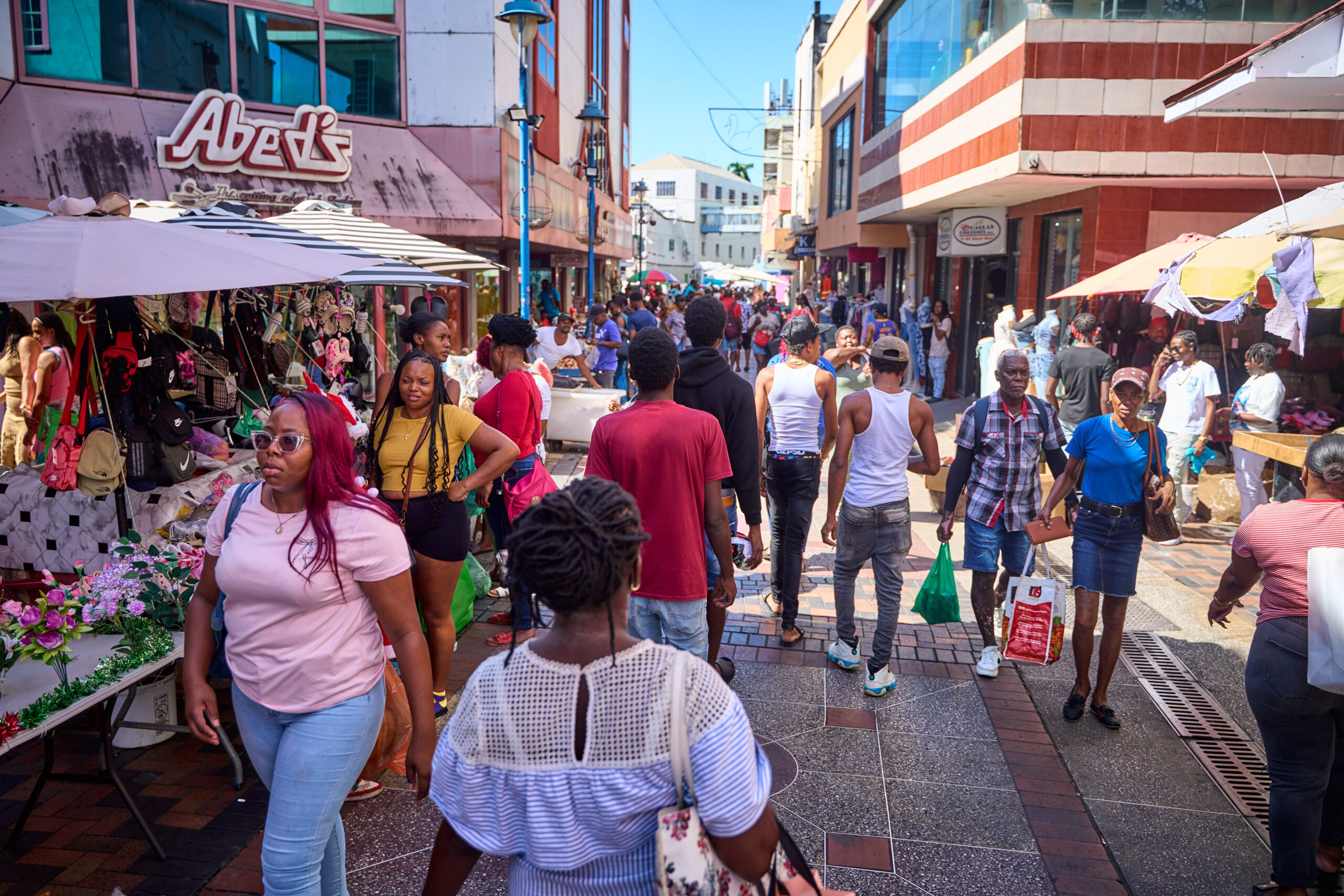
    Barbadian retailers witnessed a dramatic uptick in holiday shopping during the final days preceding Christmas, marking a significant shift from the cautious consumer behavior that characterized most of December. According to retail managers across Bridgetown, the delayed spending surge was primarily fueled by recent pay cycles and last-minute purchasing patterns that transformed the retail landscape in the week before the holiday.

    Stacey Wharton, Operations Manager at Bridgetown Duty Free, reported a noticeable transformation in shopping activity beginning December 18th, coinciding with typical pay periods for Barbadian workers. “December commenced rather quietly, but we observed a substantial increase in business around the 18th, which aligned with most Barbadians’ payday,” Wharton noted. While activity experienced a minor dip following the initial surge, foot traffic notably intensified again from Tuesday through Christmas Eve.

    Premium fragrances and cosmetics emerged as the season’s top performers, followed closely by designer leather accessories and children’s toys. Household items including curtains, bathroom mats, and tablecloths also experienced robust demand as consumers finalized their holiday preparations. The store’s complimentary gift-wrapping service proved particularly attractive to customers, necessitating the recruitment of 80-100 additional seasonal staff to manage increased volumes.

    At FW Woolworth, Managing Director Martin Bryan characterized the season’s first half as “subdued,” with meaningful activity materializing only during the final shopping days. Bryan reported strong sales in toys, clothing, toiletry sets, perfumes, and gift-wrapping supplies, though he suggested overall traffic appeared diminished compared to previous years.

    Supply chain complications emerged as a significant challenge across the retail sector. Hiranand Thani, proprietor of The Royal Shop, described an uneven season with fewer strong shopping days than typical years. “Our primary challenge this year involved securing inventory,” Thani explained. “For certain brands where we typically receive good supply, we encountered severe shortages. If we ordered five pieces of an item, we might receive only two.”

    Thani attributed these shortages to international supply and shipping constraints affecting shipments from the United States and Asia, including complications arising from tariff structures affecting distribution channels.

    Contrasting this narrative, Eddy Abed, Managing Director of Abeds, reported exceptionally strong performance across all three locations following months of strategic preparation. “Customer traffic became exceptionally robust over the past ten days,” Abed stated, describing demand as both “strong” and “sustained.” The retailer’s early operational planning, which began in November, and a nine-month procurement strategy helped mitigate supply chain disruptions affecting other retailers.

    Despite the last-minute surge, several retailers remained cautious about declaring the season an outright success, with many opting to withhold year-over-year comparisons until completing comprehensive post-holiday analyses.

  • Cheapside vendors report mixed sales as rising costs bite

    Cheapside vendors report mixed sales as rising costs bite

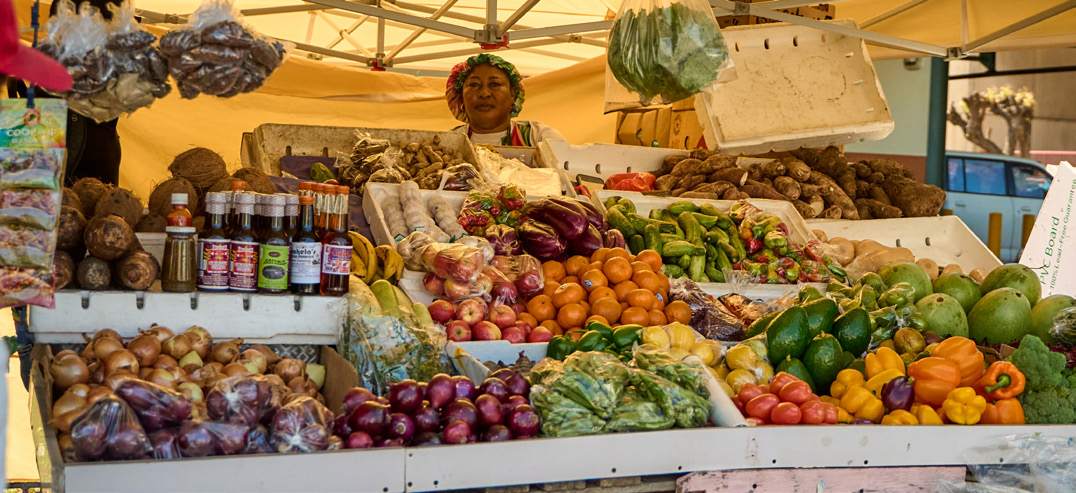
    Christmas shopping at Bridgetown’s Cheapside Market reveals a tale of contrasting fortunes this holiday season, with persistent inflation and tightened consumer budgets creating uneven trading conditions for local vendors. While foot traffic remains consistent, purchasing patterns show marked changes from previous years as shoppers grapple with elevated food prices.

    Multiple vendors report experiencing volatile business cycles, attributing the instability to sharp increases in produce costs—particularly for imported vegetables. Nadine Prince, one market operator, detailed how essential items like sweet peppers, flavor peppers, and local tomatoes have reached unprecedented prices, with some climbing to $12 per pound. This inflationary pressure has forced both sellers and customers to reconsider their purchasing habits, resulting in smaller transactions and quicker shopping trips.

    Consumer behavior has shifted noticeably, with shoppers prioritizing essential herbs and peppers over traditional root vegetables like yams and potatoes. Afua Merson observed that while sales haven’t collapsed completely, customers are making more calculated purchases, often adjusting their budgets to secure necessary items despite financial constraints.

    Amid the general trend of restrained spending, some vendors report more positive outcomes. Angela Greene described steady sales leading into Christmas, noting that success largely depends on stocking high-demand products that align with current consumer preferences.

    The overarching narrative emerging from the market underscores how macroeconomic pressures are reshaping festive traditions, with both vendors and customers demonstrating adaptability in the face of economic challenges while maintaining gratitude for continued community support.

  • Toddler drowns early Christmas Day

    Toddler drowns early Christmas Day

    A devastating incident unfolded in the early hours of Christmas Day 2025 in the Lower Pomeroon River region of Guyana, resulting in the tragic drowning of a two-year-old girl. Zoria Seegobin, who had been staying with relatives at Grant Atlas for the holiday season, was discovered missing from the residence between 2:15 and 2:30 AM on December 25th.

    According to official statements from the Guyana Police Force, relatives initiated a search after discovering the toddler’s absence from the home. The search concluded tragically when her body was located submerged in a nearby trench. The preliminary investigation indicates accidental drowning as the cause of death, though authorities continue to examine the circumstances surrounding the incident.

    Emergency response efforts were immediately mobilized by family members who transported the child to Charity. Police personnel subsequently escorted the girl to Charity Cottage Hospital, where the attending physician pronounced her dead upon arrival. The body has been transferred to the Suddie Hospital Mortuary pending a formal post-mortem examination to determine the exact cause of death.

    The Guyana Police Force has confirmed that investigations remain ongoing but has not disclosed whether any individuals have been detained for questioning in connection with the tragedy. The community of Grant Atlas, typically filled with holiday cheer during the Christmas season, has been plunged into mourning following this heartbreaking incident.

  • Despite Christmas Eve lull, travellers highlight Bim’s enduring appeal

    Despite Christmas Eve lull, travellers highlight Bim’s enduring appeal

    Grantley Adams International Airport exhibited an unusual tranquility on Christmas Eve morning, contrasting with the typical bustling holiday atmosphere. While the terminal maintained a steady flow of passengers, the customary festive frenzy was notably absent, revealing evolving travel behaviors during the holiday season.

    Travelers arriving in Barbados demonstrated diverse motivations for their Christmas visits. Kareem Kirton, a solo traveler from Grenada, embodied the growing trend of experiential tourism. “Just for the experience,” Kirton explained, highlighting his recent embrace of independent travel. While uncertain about making it a regular practice, he planned to explore Harrison’s Cave and Oistins, emphasizing that meaningful human connections remained his primary objective.

    The departure lounge revealed complementary travel patterns, with a Barbadian citizen embarking on a holiday journey to Panama. “Things didn’t materialize for another destination,” the traveler noted, explaining the decision to return to a familiar location for both academic pursuits and relaxation. Despite being abroad, Christmas Day would maintain familial elements through connections with local friends, preserving the holiday’s essence of togetherness.

    Repeat visitors underscored Barbados’ enduring appeal. Judi David, making her fourth visit from Grenada, simply stated: “Because it is our go-to place for vacation.” Without family on the island, she attributed her returns to established friendships and familiarity. Her plans centered around complete relaxation at Wyndham Resort, embodying the holiday spirit of “drink and be merry.”

    Another traveler combined birthday celebrations with Christmas festivities, creating a dual-purpose visit. Having previously lived and studied in Barbados decades ago, this marked his first Christmas experience on the island. Though his stay was brief—merely two days—it represented meaningful seasonal reconnection with family, potentially including spa treatments and hotel enjoyment.

    The airport’s moderate activity level reflected neither decline nor boom, but rather a maturation of travel patterns where quality of experience outweighs conventional holiday obligations, suggesting deeper transformations in how people choose to celebrate the festive season.

  • Sanctuary overwhelmed as pet abandonment surges

    Sanctuary overwhelmed as pet abandonment surges

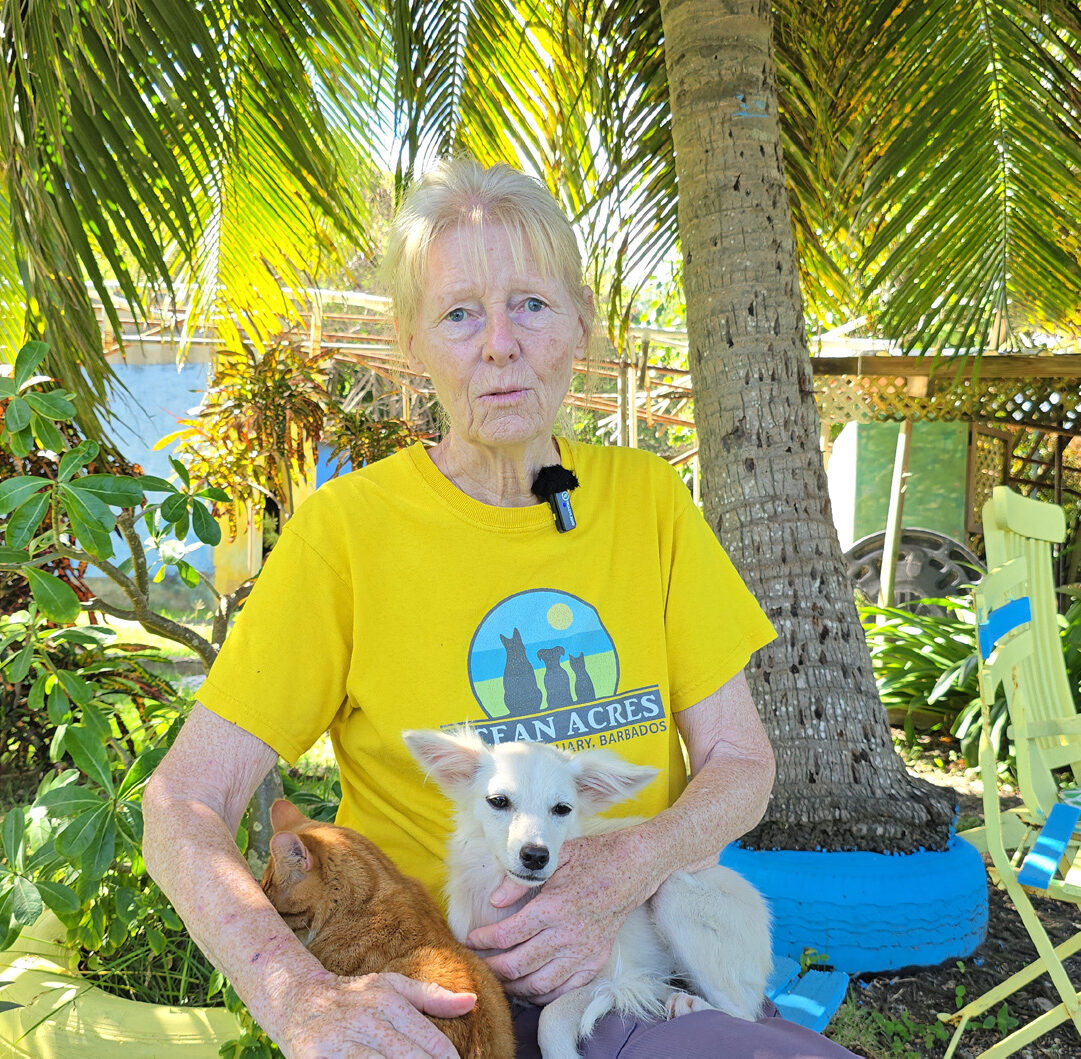
    Ocean Acres Animal Sanctuary in Barbados is confronting an escalating animal welfare emergency as unprecedented numbers of abandoned dogs overwhelm the island’s shelter system. The facility, engineered to humanely accommodate approximately 80 canines, is currently operating at more than double its intended capacity according to sanctuary director Karen Whittaker.

    With all Barbadian shelters reporting full occupancy, Ocean Acres faces impossible choices between dangerous overcrowding and turning away animals in need. “We’re constantly pressured to accept owner-surrendered pets despite lacking adequate space,” Whittaker stated. This overcrowding creates volatile conditions that risk animal conflicts and compromised welfare standards.

    The crisis stems primarily from insufficient long-term planning by pet owners, Whittaker explained. Many residents acquire animals without considering decade-long commitments or life changes including relocations, medical emergencies, or work obligations. Rather than making formal arrangements, some owners resort to irresponsible abandonment methods that create public nuisance issues.

    Whittaker identified uncontrolled breeding as a fundamental driver of shelter overpopulation. A single female dog can generate tens of thousands of descendants through successive generations, creating unsustainable population growth. The sanctuary receives numerous calls about unwanted litters, with many puppies succumbing to preventable conditions like parvovirus, parasites, or starvation before rescue teams can intervene.

    As a stopgap measure, Ocean Acres has facilitated international transfers sending 250 dogs to Canadian adoption programs this year alone. These complex operations involve substantial expenses including veterinary screenings, specialized kennels costing approximately $600 each, and export certifications priced at $30 per animal. While Air Canada occasionally waives transportation fees, these cost mitigations occur in only half of cases.

    The organization’s operational costs range between $70,000-$80,000 monthly for basic animal care, not accounting for emergency medical treatments. With limited public funding and resources, the sanctuary struggles to maintain adequate service levels despite growing demands.

    Whittaker advocates for governmental recognition of pet overpopulation as both a social responsibility and public health priority. She emphasizes educational initiatives promoting responsible ownership practices, including spay/neuter programs and lifetime commitment awareness. For unavoidable surrender situations, Whittaker stresses the ethical necessity of veterinary-supervised euthanasia over irresponsible abandonment.

    As Barbados faces this growing humanitarian challenge, coordinated efforts between shelters, government agencies, and the public are urgently needed to address systemic causes and ensure animal welfare standards.

  • Port Castries set for busy Post-Christmas cruise arrivals

    Port Castries set for busy Post-Christmas cruise arrivals

    The island nation of Saint Lucia is witnessing an extraordinary influx of maritime tourism as its peak cruise season culminates during the holiday period. Travelers from colder northern climates are flocking to the Caribbean destination, seeking its renowned warm weather and tropical hospitality.

    Port authorities in Castries reported a remarkable succession of vessel arrivals between December 22 and 25. The maritime parade commenced with MSC Virtuosa, carrying 6,334 passengers, on December 22nd. The following day witnessed five simultaneous arrivals: Viking Sea (930 passengers), Silver Spirit (540), Queen Elizabeth (2,547), Celestyal Crystal (1,200), and Seabourn Ovation (604). Christmas Eve brought three additional ships: Valiant Lady (2,770), Wind Surf (310), and Ilma (448). Christmas Day maintained the momentum with four vessels: Norwegian Epic (4,428 passengers), Costa Fascinosa (3,780), Le Bellot (184), and Evrima (293).

    The maritime activity continues unabated through the New Year’s transition. December 26th anticipates five arrivals: Norwegian Sky (2,004 passengers), Brilliance of the Seas (2,501), Silver Shadow (382), Royal Clipper (227), and AIDAperla (3,400). December 27th will see the exclusive Sea Cloud II, accommodating merely 96 passengers. December 28th concludes the intensive period with three vessels: Seven Seas Mariner (700 passengers), Zuiderdam (2,272), and a return visit from Royal Clipper (227 passengers).

    This substantial maritime traffic represents a significant economic opportunity for local businesses, tourism operators, and the broader hospitality sector, highlighting Saint Lucia’s growing prominence as a premier Caribbean cruise destination.

  • Suriname kan doorbreken op snelgroeiende kokosmarkt

    Suriname kan doorbreken op snelgroeiende kokosmarkt

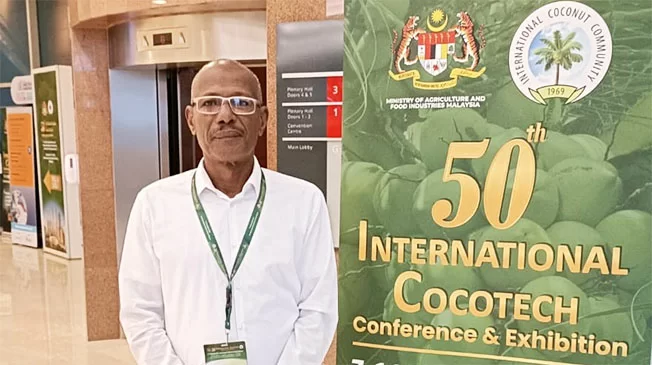
    Suriname stands at the threshold of an extraordinary economic opportunity as global demand for coconut products surges while traditional producing nations face climate-induced production declines. Agricultural experts revealed during a recent debate hosted by the newly established Association of Agronomists in Suriname (VAS) that the international coconut market, expanding at approximately 10% annually, presents a strategic window for the South American nation.

    The unprecedented growth in coconut water consumption, particularly across North American markets, coincides with production challenges in major Asian and Caribbean coconut-growing regions affected by climate volatility. This supply-demand imbalance creates ideal conditions for Suriname to establish itself as a reliable supplier.

    Ricardo Vriesde, an experienced coconut producer with fifteen years in the industry, emphasized the timing advantage: “Current investors can tap into markets actively seeking new suppliers. New plantations require five to six years to become productive, giving countries with existing coconut stocks like Suriname significant competitive leverage.”

    VAS President Soedeshchand Jairam stressed the need for comprehensive stakeholder engagement, including government participation, to implement timely strategic actions. The association, founded in July 2025, aims to consolidate fragmented expertise into concrete policy and innovation frameworks.

    “Global food demand escalates while production systems face mounting pressure from climate change and diseases,” Jairam noted. “As an agriculturally potential-rich nation, we cannot afford inefficient knowledge utilization.”

    The consensus emerged that coconuts represent not merely a traditional crop but a strategic commodity for Suriname’s agricultural future. The historical production center of Coronie district, renowned for its ideal soil composition and coastal microclimate, is poised for revitalization following a period of decline partly caused by international aversion to coconut oil.

    Vriesde highlighted the coconut palm’s economic versatility: “This isn’t called the ‘tree of life’ without reason. Every component from root to leaf holds commercial value.” Beyond conventional products like oil, water, and milk, waste streams offer opportunities in cosmetics, medicinal applications, and personal care products.

    Despite promising prospects, the sector confronts challenges including scarce quality planting materials, inadequate financing, labor shortages, and limited research capacity. Innovative solutions like tissue culture technology, capable of generating hundreds of plants from a single embryo, show promise but require targeted policy support and collaborative implementation.

    According to industry analysis, strategic investments in coconut cultivation could significantly contribute to rural income growth and sustainable community development. The debate also featured insights from fruit, vegetable, cassava, rice, livestock, and fisheries sectors regarding structural constraints and market potential.