作者: admin

  • Spanning loopt op rond Oekraïne voorafgaand aan gesprek Zelensky en Trump

    Spanning loopt op rond Oekraïne voorafgaand aan gesprek Zelensky en Trump

    Tensions surrounding the Ukraine conflict have significantly escalated in recent days, coinciding with the anticipated diplomatic conversation between Ukrainian President Volodymyr Zelensky and U.S. President Donald Trump. Russia has launched renewed large-scale assaults on Ukrainian urban centers, while diplomatic efforts to transition the conflict toward negotiations have visibly intensified.

    Ukrainian authorities report that recent Russian missile and drone attacks have targeted civilian infrastructure, including residential areas and energy facilities. President Zelensky has further accused Russia of utilizing Belarusian territory to circumvent Ukrainian defense lines, a development that potentially internationalizes the conflict. Moscow has not officially confirmed these allegations.

    Against this backdrop of military escalation, Zelensky and Trump are scheduled to discuss potential new diplomatic initiatives. American media sources indicate that Trump has expressed confidence about reaching agreements that could terminate the conflict, though he emphasized that decisive progress would require substantial concessions from all involved parties.

    Zelensky is expected to present a modified peace proposal during the talks, featuring security guarantees, demilitarized zones, and international involvement as central components. Russia has previously stated its willingness to negotiate only if territorial realities are acknowledged—a position that remains highly sensitive for Ukraine and its Western allies.

    Strategic analysts observe that the synchronization of military escalation and diplomatic overtures is deliberate. By increasing battlefield pressure immediately preceding political discussions, Russia aims to strengthen its negotiating position. Concurrently, the United States faces critical strategic decisions regarding its mediation role and future support for Ukraine.

    The outcome of the Zelensky-Trump dialogue could have profound implications for the trajectory of the conflict and international relations. Furthermore, either a breakthrough or failure in negotiations may generate significant economic repercussions, potentially affecting global energy prices, food security, and investment confidence worldwide.


  • IGAD rejects Israeli recognition of Somaliland as a State

    IGAD rejects Israeli recognition of Somaliland as a State

    The Intergovernmental Authority on Development (IGAD) has issued a definitive statement reinforcing Mogadishu’s status as a sovereign member state within the regional bloc. The declaration emphasizes that Somalia’s unity, sovereignty, and territorial integrity remain fully protected under established international legal frameworks.

    IGAD’s communiqué explicitly stated that any unilateral recognition attempts directly contravene foundational international agreements, including the United Nations Charter, the African Union Constitutive Act, and the organization’s own establishment treaty. The regional body called upon all international partners and stakeholders to uphold these legal standards while promoting diplomatic engagement that advances regional peace and stability.

    The Secretariat further expressed unwavering solidarity with both the Somali government and its citizens, reiterating its dedication to inclusive political processes and enhanced regional cooperation. This commitment aims to foster sustainable peace and prosperity throughout Somalia and the broader IGAD region.

    This development follows Israeli Prime Minister Benjamin Netanyahu’s announcement on social media platform X regarding a diplomatic agreement signed between Israel’s Foreign Ministry and Somaliland leader Abdirahman Mohamed Abdallah. The arrangement, reportedly facilitated through former US President Donald Trump’s initiative, has sparked renewed attention to regional sovereignty issues.

  • A Christmas gift wrapped in time: Why long leave matters

    A Christmas gift wrapped in time: Why long leave matters

    In a landmark policy shift, Barbados has announced the reinstatement of long leave for educators effective 2026—a move that represents far more than administrative adjustment. This decision fundamentally acknowledges the profound emotional, cognitive, and care labor inherent in teaching, offering educators genuine recovery time rather than symbolic gestures.

    The public perception of teaching as a profession abundant with vacation time starkly contrasts with reality. While school breaks suggest extended periods of leisure, educators typically spend these intervals engaged in professional development, curriculum planning, administrative duties, and student assessment. The summer period frequently transforms into the year’s most intensive work stretch, merely absent of physical student presence.

    Teaching demands constant emotional expenditure: educators function as default counselors, crisis managers, social workers, and occasionally even guardians. They identify unmet needs—from hunger to domestic concerns—often investing personal resources to support vulnerable students. This professional reality extracts a toll that transcends ordinary fatigue, embedding itself as systemic exhaustion that compromises both educator wellbeing and educational quality.

    The restoration of long leave functions as a critical pressure valve rather than a luxury benefit. It recognizes that when financial compensation cannot fully match profession demands, temporal compensation becomes an ethical imperative. This approach reframes rest as legitimate compensation rather than earned privilege.

    Critically, this policy benefits the entire nation. Rested educators demonstrate improved teaching efficacy, enhanced innovation capacity, and greater professional retention. By safeguarding teacher wellbeing, Barbados ultimately protects educational quality, school stability, and national development.

    Accountability concerns regarding leave utilization should be addressed through strengthened oversight mechanisms rather than benefit denial. Systemic support should not be sacrificed due to exceptional cases of misuse.

    As articulated by Dr. Zhane Bridgeman-Maxwell, a Barbadian education reform advocate, this decision represents actionable gratitude—a tangible investment in those shaping the nation’s future. Ultimately, recognizing and replenishing educator capacity constitutes an investment in national prosperity itself.

  • Antigua and Barbuda’s Tekyra Richards arrives in St Kitts for regional pageant

    Antigua and Barbuda’s Tekyra Richards arrives in St Kitts for regional pageant

    Tekyra Richards, the official delegate for Antigua and Barbuda, has touched down in St Kitts and Nevis, marking her arrival for the highly anticipated Belle Mont Resort Haynes Smith Miss Caribbean Talented Teen Pageant. The young contestant expressed immediate enthusiasm for cultural immersion upon her arrival, signaling her intent to fully engage with the host nation’s traditions during the competition period.

    In a post-arrival statement, Richards articulated her cultural curiosity, noting, ‘My time in St Kitts will be dedicated to genuinely experiencing and understanding the local culture.’ The talented teen maintained an air of theatrical mystery regarding her planned performance for the competition, skillfully building anticipation while preserving the element of surprise for the live audience.

    When pressed for performance details, Richards responded with playful secrecy: ‘I’m tremendously excited for everyone to see what I’ve prepared. Should I keep it a secret? I believe I should maintain the mystery. You’ll need to attend the event to experience it fully. What I can reveal is that it’s musical in nature and absolutely fantastic.’

    The Miss Caribbean Talented Teen Pageant represents a significant platform for emerging youth talent throughout the Caribbean region. This cultural extravaganza celebrates adolescent excellence across multiple disciplines including artistic performance, creative expression, and cultural presentation, serving as a developmental milestone for young Caribbean women pursuing arts and performance careers.

  • LETTER TO THE EDITOR: CBI accountability cannot be deflected by blaming U.S. systems

    LETTER TO THE EDITOR: CBI accountability cannot be deflected by blaming U.S. systems

    A critical examination of Dominica’s Citizenship by Investment (CBI) program has challenged recent attempts to deflect responsibility for its shortcomings onto United States information-sharing policies. The analysis identifies fundamental structural flaws within the program itself, arguing that design, incentive structures, and administration practices—not external factors—create systemic vulnerabilities.

    The central critique focuses on Dominica’s profound fiscal dependence on CBI revenue, which accounts for a majority of government income. This economic reality creates an inherent conflict of interest: when passport issuance becomes the state’s primary revenue stream, approval rates and processing speed inevitably receive priority over rigorous vetting. The program’s dominant role in national finances undermines claims that citizenship decisions remain insulated from financial pressures.

    Contrary to arguments presented in defense of the program, the analysis emphasizes that information gaps in applicant backgrounds demand enhanced scrutiny—not complacency. International anti-money laundering and counter-terrorism financing standards explicitly require heightened due diligence when dealing with applicants demonstrating identity complexity, legal name changes, or fragmented personal histories. These are global compliance norms, not exclusively American requirements.

    The response further challenges the notion that the United States bears responsibility for ‘fixing its databases’ to accommodate CBI programs. Border security begins with the sovereign act of granting citizenship, wherein the issuing nation vouches for the holder’s identity and trustworthiness. This fundamental responsibility cannot be outsourced or deflected to other nations.

    The analysis concludes that credible defense of Dominica’s CBI program requires confronting uncomfortable truths: excessive reliance on passport revenue, structural conflicts of interest, and the treatment of citizenship as a transactional commodity rather than a sovereign trust. Accountability must begin with domestic reforms rather than attempts to shift blame internationally.

  • Former Jamaican Ambassador slams T&T, Caribbean leaders

    Former Jamaican Ambassador slams T&T, Caribbean leaders

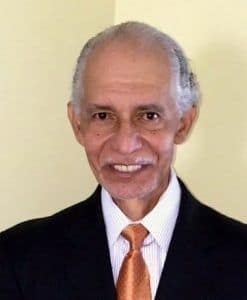
    In a striking geopolitical alert, former Jamaican ambassador Curtis Ward has issued a grave warning that Trinidad and Tobago has become a potential military target due to its unequivocal alignment with United States operations against Venezuela. The seasoned diplomat, who previously served as Jamaica’s deputy permanent representative to the United Nations, contends that the twin-island nation has dangerously elevated its status from security partner to active collaborator in Washington’s regime change strategy.

    Ward’s analysis, published in a sharply critical December 26 commentary, asserts that the installation of a US military radar system at Piarco International Airport has effectively transformed vital civilian infrastructure into a legitimate military objective. Contrary to official claims of maritime monitoring purposes, Ward maintains the system functions as an integrated component of anti-missile warfare networks that would become a priority target for Venezuelan forces in any escalation.

    The former ambassador particularly criticized Prime Minister Kamla Persad-Bissessar’s administration for what he characterized as placing “a military target on the backs of the country and the people.” He projected that Trinidad and Tobago could suffer disproportionate casualties compared to American interests in potential conflict scenarios, with the nation’s economy and infrastructure facing existential threats.

    Beyond the immediate national security concerns, Ward delivered a sweeping indictment of Caribbean leadership broadly, accusing regional governments of cowardice in confronting Washington’s policies. He noted a conspicuous absence of diplomatic opposition to US actions, suggesting most CARICOM leaders remain silent due to fears of retaliation from the Trump administration. This climate of apprehension, Ward argued, has compromised regional sovereignty and dignity while pushing the Caribbean basin toward destabilizing military confrontation.

    Despite the alarming assessment, Ward emphasized that armed conflict remains avoidable. He called upon Caribbean citizens, governments, and the Trinidad and Tobago diaspora to advocate vigorously for peaceful dialogue and de-escalation, maintaining that “war is not the answer, war is not the only option, and war is not inevitable.”

    The warning comes amid Prime Minister Persad-Bissessar’s public endorsement of US naval operations targeting drug trafficking vessels from Venezuela, which she claims have already yielded positive impacts on regional security.

  • Boutique Hotel Peperpot breidt uit met luxe Citrushuis in Commewijne

    Boutique Hotel Peperpot breidt uit met luxe Citrushuis in Commewijne

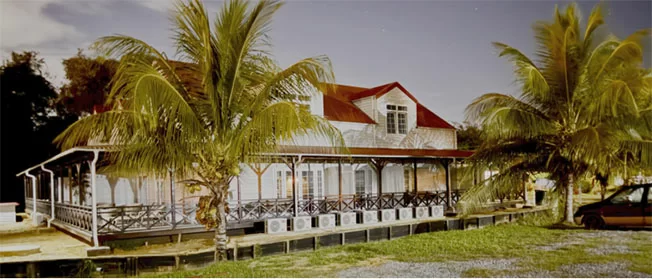
    Suriname’s hospitality landscape has welcomed a significant enhancement with the inauguration of Citrus House, a luxurious 20-room extension at Boutique Hotel Peperpot in Meerzorg. The new facility, which commenced operations on Friday, represents a strategic response to growing demand for upscale accommodation options in the Commewijne district.

    This expansion seamlessly integrates modern amenities with the tranquil, green surroundings of the historic Peperpot area, offering guests an immersive experience that balances contemporary comfort with environmental serenity. The development marks a pivotal advancement in Suriname’s tourism infrastructure, targeting both domestic and international travelers seeking premium lodging experiences.

    General Manager Jerry A-Kum emphasized that the project transcends mere capacity increase. “We are not simply adding rooms but creating an entirely new dimension of comfort and experiential travel,” he stated. “This initiative strengthens our service portfolio while making tangible contributions to Suriname’s tourism growth trajectory.”

    The Citrus House development reflects Boutique Hotel Peperpot’s commitment to elevating the nation’s tourism standards through infrastructure enhancement. By preserving the area’s distinctive character while introducing sophisticated accommodations, the establishment positions itself as a catalyst for high-quality tourism development in the region.

    This investment demonstrates the hotel’s dedication to providing memorable, high-caliber experiences that align with Suriname’s evolving tourism ambitions, potentially setting new benchmarks for hospitality excellence in the Caribbean nation.

  • Two arrested for stabbing death of elderly man

    Two arrested for stabbing death of elderly man

    Authorities in Guyana have apprehended two individuals following the fatal stabbing of a 75-year-old man at his residence in Stanleytown, West Bank Demerara. The Guyana Police Force confirmed the arrests on Saturday, December 27th, 2025.

    The victim, identified as Athlone Goring, was reportedly murdered during the early hours of December 26th (Boxing Day) at approximately 5:40 AM. According to police reports, Mr. Goring had recently returned to Guyana prior to the tragic incident.

    Law enforcement officials disclosed that after questioning multiple persons of interest, a 20-year-old male and a 22-year-old female were taken into custody. Both suspects remain detained as the investigation continues.

    Initial investigative findings indicate that the elderly victim was discovered on the upper level of his dwelling with apparent multiple stab wounds. Emergency medical services transported him to West Demerara Regional Hospital, where attending physicians pronounced him dead upon arrival.

    The deceased’s body has been transferred to Ezekiel Funeral Home pending an official post-mortem examination to determine the exact cause of death. Police have not released further details regarding potential motives or the relationship between the suspects and the victim.

    This violent incident has shocked the Stanleytown community, particularly given its occurrence during the holiday season and the victim’s recent return to his homeland. Local authorities continue to investigate the circumstances surrounding this tragic homicide.

  • Rogelio Riveron’s book at Saturday literary event in Havana

    Rogelio Riveron’s book at Saturday literary event in Havana

    Every Saturday morning at 11:00 local time, the historic Calle de Madera adjacent to Old Havana’s Plaza de Armas transforms into a vibrant literary hub. This weekly open-air event, sponsored by Cuba’s National Book Institute (ICL), creates a unique platform fostering direct connections between literature enthusiasts and the nation’s literary voices.

    The gathering spotlights significant works from Cuba’s publishing landscape, including Roberto Riveron’s critically acclaimed 2014 publication ‘El Tigre y la Mansedumbre’ (The Tiger and the Meekness). Published by Letras Cubanas, the nation’s prestigious publishing house, Riveron’s work represents a departure from conventional literary frameworks. According to ICL’s official release, the author challenges readers with an unpredictably structured narrative that examines national realities through a literary lens aiming to transcend local boundaries.

    While superficially tracing a son’s journey across the island to visit his imprisoned father, Riveron’s text operates on multiple thematic levels, offering profound commentary on contemporary Cuban society. The weekly event forms part of Cuba’s broader cultural strategy to promote literary engagement and make literature accessible in public spaces, reinforcing the island’s rich intellectual traditions amidst its complex social landscape.

  • Cuban Varadero resort remains most popular among Russian tourists

    Cuban Varadero resort remains most popular among Russian tourists

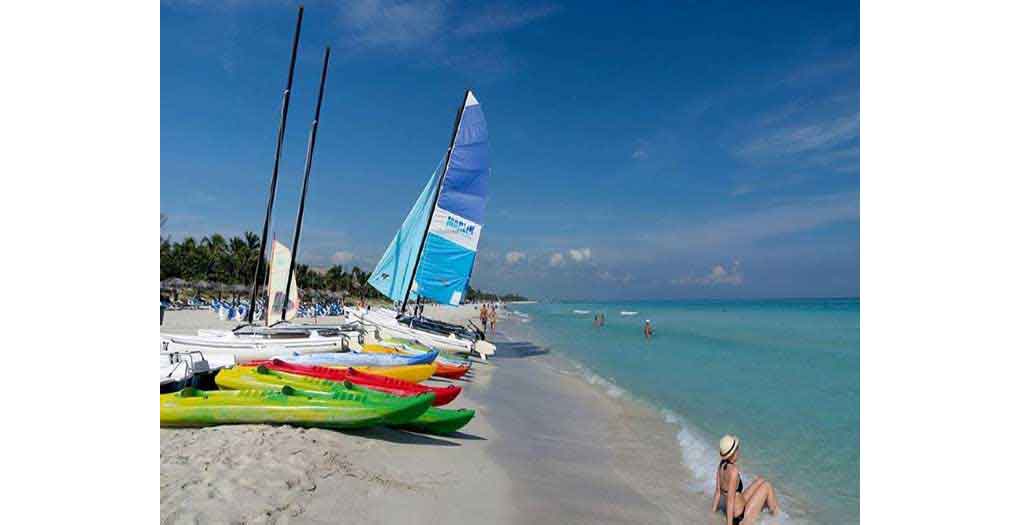
    Cuba is solidifying its position as a favored vacation spot for Russian tourists, with its pristine beaches and diverse recreational offerings drawing significant attention. According to statements made to Vzgliad newspaper by a representative of MINTUR (Cuba’s Ministry of Tourism), the renowned resort of Varadero leads in popularity. This preference is largely attributed to its exceptional hotel infrastructure and a spectacular 20-kilometer stretch of white-sand coastline bordering turquoise waters, a combination that has earned it a reputation as one of the world’s top five beaches.

    Beyond Varadero, Russian visitors are actively exploring other prime locations. The Jardines del Rey resort area, encompassing the islands of Cayo Coco, Cayo Guillermo, and Cayo Santa Maria in central Cuba, is a major draw. The province of Holguin and the secluded island of Cayo Largo del Sur, off the southern coast, are also standout choices. Naturally, the vibrant capital city of Havana remains a key destination on many itineraries.

    Importantly, the appeal for Russian travelers extends far beyond sun and sand. Cuba is promoting itself as a multifaceted destination offering a rich array of activities. These include various water sports, immersive ecotourism adventures, and culturally significant tours. Popular cultural itineraries feature visits to the stunning Vinales Valley, explorations of the Topes de Collantes nature reserve in the Escambray Mountains, and excursions to sites famously associated with the American literary icon, Ernest Hemingway.