作者: admin

  • From NYC to Santo Domingo: a check-up that brings peace of mind

    From NYC to Santo Domingo: a check-up that brings peace of mind

    For Dominican nationals residing in New York City, returning home involves far more than simple travel—it encompasses family obligations, celebrations, and numerous responsibilities that quickly fill their schedules. This often leads to a recurring dilemma: postponing essential preventive health check-ups for themselves and necessary medical follow-ups for their aging parents back in the Dominican Republic.

    Addressing this pressing need, Médico Express, located in Santo Domingo Este, has developed a specialized healthcare solution tailored specifically for the diaspora community. The facility offers a seamlessly coordinated medical experience that transforms brief visits into opportunities for comprehensive health assessment and peace of mind.

    The institution’s approach centers on eliminating the common barriers to healthcare access faced by international travelers. Rather than simply providing tests, Médico Express focuses on delivering clinical clarity, actionable health plans, and ultimately, improved quality of life through their structured programs.

    Key differentiators include international certifications from Global Healthcare Accreditation (GHA) and Fitwel, ensuring patient-centered, safety-driven care. Their strategic proximity to Las Américas International Airport (SDQ) minimizes travel time, maximizing valuable family moments. Advanced diagnostic capabilities feature AI-enhanced 1.5T MRI and state-of-the-art CT imaging technology for precise, timely assessments.

    As a comprehensive medical facility, Médico Express consolidates 40 medical specialties, adult and pediatric urgent care, ambulatory surgery, endoscopy, dental and ophthalmology services, and a full diagnostic center under one roof—eliminating the need for multiple facility visits.

    Two specialized programs cater specifically to New York-based Dominicans: The Homecoming Executive Check-Up, a streamlined 4-hour comprehensive assessment with pre-coordination and digital results, and the Senior Check-Up for Parents, designed for children abroad to remotely coordinate and fund healthcare for their parents in the DR.

    The NYC Concierge service via WhatsApp facilitates pre-trip coordination, appointment confirmation, and ongoing support throughout the medical journey. This model ensures certainty and efficiency for those managing healthcare across international borders, allowing them to protect their health without sacrificing precious family time during their visits home.

  • Mexico warns of a marked drop in temperatures

    Mexico warns of a marked drop in temperatures

    Meteorological authorities have issued a comprehensive weather alert for multiple regions across Mexico as a potent combination of weather systems converges over the nation. A cold front advancing across the Gulf of Mexico coastline is forecast to interact with a significant atmospheric river and an upper-level trough positioned over the Yucatan Peninsula, creating conditions for severe weather activity.

    The most intense precipitation, featuring isolated torrential downpours reaching 75 to 150 millimeters, is projected to impact extensive areas including Veracruz (specifically the Huasteca Baja, Totonaca, Nautla, Papaloapan, Los Tuxtlas, and Olmeca regions), Puebla (Sierra Norte and Sierra Nororiental), alongside the states of Tamaulipas, Oaxaca, Chiapas, and Tabasco.

    A secondary zone anticipating substantial rainfall between 50 to 75 millimeters encompasses Veracruz’s Huasteca Alta, Capital, Sotavento, and Las Montañas districts; Puebla’s Valle Serdan and Tehuacan-Sierra Negra areas; San Luis Potosi’s Huasteca region; multiple zones in Hidalgo including Huasteca, Sierra Alta, Sierra Baja, and Sierra de Tenango; and Queretaro’s Sierra Gorda.

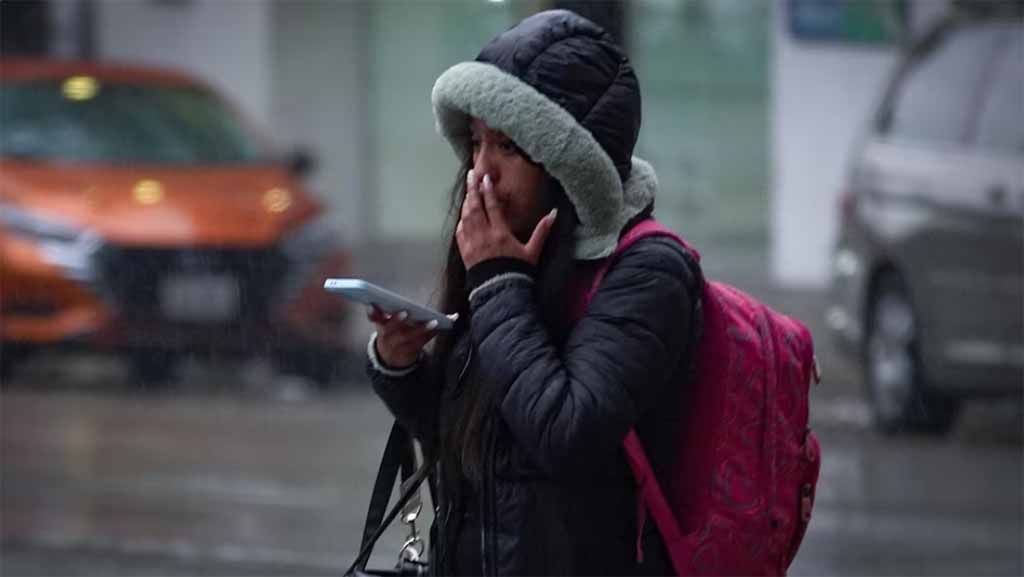
    Concurrently, an Arctic air mass accompanying this frontal system will trigger a dramatic temperature decline across northern, northeastern, eastern, and central Mexican territories. The system will also generate powerful northerly winds with heightened intensity along coastal Tamaulipas and Veracruz, extending to the Isthmus and Gulf of Tehuantepec regions, potentially creating hazardous marine conditions and wind impacts.

  • Questions and answers about the foreign exchange market

    Questions and answers about the foreign exchange market

    HAVANA – Cuba’s implementation of a new foreign exchange market structure has sparked widespread public discussion and legitimate questions across social media platforms and public forums. In response to growing public inquiries, Central Bank of Cuba Director of Macroeconomic Policy Ian Pedro Carbonell Karel has provided detailed explanations regarding the country’s unconventional monetary approach.

    The temporary coexistence of three distinct exchange rates represents a strategic measure designed to simultaneously protect essential goods and services, stimulate foreign currency generation, and regulate monetary flows. This multi-tiered system, contrary to some public perceptions, was never intended as an immediate solution to eliminate Cuba’s informal currency market overnight, but rather as a gradual, progressive mechanism toward eventual exchange rate unification.

    Carbonell Karel emphasized that the floating exchange rate concept applied to Segment III allows for dynamic adjustment according to market conditions and economic environment factors, moving away from fixed exchange rate paradigms. This flexibility enables the rate to more accurately reflect economic realities while reducing distortions and diverting currency formation from speculative informal spaces.

    The macroeconomic policy director outlined several consumer benefits, including reduced volatility compared to informal alternatives, more stable price formation mechanisms, and enhanced financial security through official channels. As the market consolidates, both individuals and non-state enterprises will be able to conduct foreign currency transactions through regulated financial institutions, diminishing fraud risks and improving consumer protection.

    Regarding inflation concerns, Carbonell Karel noted that exchange rate modifications contribute to creating favorable conditions but sustained price stability requires complementary measures including monetary emission containment, increased goods and services supply in national currency, and reduced internal dollarization pressures.

    The Central Bank official also addressed specific stakeholder concerns, clarifying that international collaborators and aid workers receive the Segment III official rate for income exchange, while MLC account balances can be converted to Cuban pesos through authorized digital platforms without commercial margins.

    This gradualist approach allows economic actors sufficient time to adapt cost structures, pricing models, and investment decisions while developing sustainable economic reactivation mechanisms aligned with Cuba’s unique economic circumstances.

  • Caricom secretaris-generaal bereidt regio voor op toekomstige uitdagingen

    Caricom secretaris-generaal bereidt regio voor op toekomstige uitdagingen

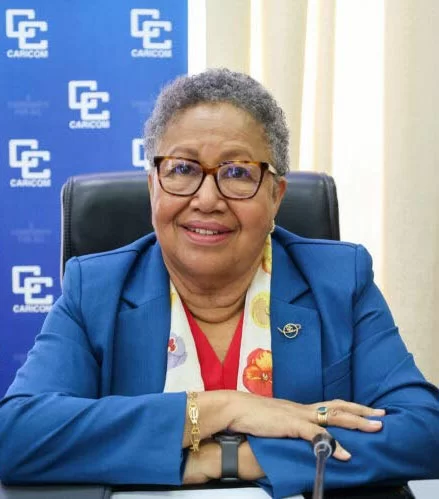
    In her year-end address, CARICOM Secretary-General Carla Barnett delivered a comprehensive assessment of the Caribbean region’s turbulent year, highlighting both significant challenges and notable achievements. While citizens throughout the region celebrate the holiday season, Barnett emphasized the vulnerabilities exposed by recent crises and the critical importance of regional unity.

    The Caribbean faced devastating natural disasters in 2024, with Hurricane Beryl and Hurricane Melissa causing severe damage across multiple member states. Jamaica and Haiti suffered particularly catastrophic impacts, experiencing substantial loss of life and widespread infrastructure destruction. Barnett noted that recovery efforts would demand considerable resources and extended timeframes. Compounding these natural disasters, unprecedented geopolitical tensions threatened export revenues, regional stability, and national sovereignty throughout the Caribbean basin.

    Despite these formidable challenges, the Caribbean community demonstrated its characteristic resilience. Member states collaborated swiftly to address urgent post-hurricane needs and implemented creative solutions to protect businesses and livelihoods. This coordinated response underscored the region’s capacity for effective crisis management.

    Significant progress was achieved in regional integration through the implementation of the CARICOM Single Market and Economy (CSME). Barbados, Belize, Dominica, and Saint Vincent and the Grenadines initiated full free movement of citizens between their territories, facilitating enhanced economic activity and people-to-people connections. Additionally, substantial advancements were made in developing a comprehensive industrial policy strategy, laying the groundwork for strengthened productive capacity, innovation, and economic diversification.

    The agricultural sector witnessed production growth through the continued “25 by 2025+” initiative, though hurricanes and climate-related events created substantial setbacks for farmers. Culturally, CARIFESTA XV in Barbados showcased the region’s rich artistic talents through a vibrant celebration of crafts and performances. Democratic traditions remained strong with peaceful general elections conducted in seven member states and five associate members.

    CARICOM maintained its commitment to human capital development and inclusivity, with special focus on enhancing participation of youth and women in economic activities, decision-making processes, and regional affairs. The organization is proactively preparing for future challenges by examining artificial intelligence’s business impacts and improving physical and digital connectivity to stimulate economic growth.

    Disaster resilience strengthening and food security enhancement remain top priorities for the regional body. Barnett expressed gratitude to Caribbean citizens, whose engagement and empowerment represent the region’s greatest strength. She also commended CARICOM Secretariat staff, international partners, civil society organizations, private sector entities, trade unions, and the Caribbean diaspora for their sustained contributions.

    With confident outlook, Barnett affirmed CARICOM’s determination to respond clearly and decisively to emerging challenges. Recent meetings of the Conference of Heads of Government in Barbados and Jamaica demonstrated strategic focus and commitment to actionable solutions. The Secretary-General called all regional and international stakeholders to advance together toward building an inclusive community characterized by resilience, prosperity, and unity. She concluded with wishes for peace and progress throughout the coming year.

    CARICOM, established on July 4, 1973 through the Treaty of Chaguaramas (revised in 2001 to enable common market establishment), comprises 15 member states including Trinidad and Tobago, plus six associate members.

  • Column: Suriname geschokt en toen…

    Column: Suriname geschokt en toen…

    A horrific domestic violence incident has shaken Suriname to its core, leaving nine people dead in the early hours of Sunday morning. The tragedy unfolded when a mentally unstable father fatally stabbed his five children and four neighbors who attempted to intervene, exposing critical gaps in the nation’s mental health support systems and domestic violence prevention measures.

    This devastating event represents yet another preventable tragedy that has forced Surinamese society to confront its inadequate handling of mental health crises and family violence. While initial shock and horror grip the community, meaningful action and sustained attention to underlying causes consistently fade until the next tragedy strikes.

    Mental health professionals emphasize that proper mental wellness encompasses emotional resilience, stress management capabilities, and effective daily functioning—all essential components for preventing such catastrophic outcomes. Despite this understanding, societal stigma continues to prevent many from seeking psychological help, with those visiting mental health professionals often facing discrimination rather than support.

    The article highlights systemic failures in domestic violence response protocols, where reports are frequently dismissed until situations turn fatal. It questions the responsibility of leaving five young children in the care of a known mentally unstable parent without adequate safeguards or support mechanisms.

    Beyond government accountability, the piece calls for collective societal action—urging neighbors, friends, and family members to actively support those struggling with mental health challenges. The author stresses that investing in mental health infrastructure is not a luxury but a fundamental duty of policymakers and community members alike.

    As Suriname prepares to celebrate the new year, the article challenges citizens and authorities to transform momentary outrage into lasting change through stigma reduction, improved access to mental health resources, and proactive community support networks before another preventable tragedy occurs.

  • Cuba rejects U.S. arms sale to Taiwan

    Cuba rejects U.S. arms sale to Taiwan

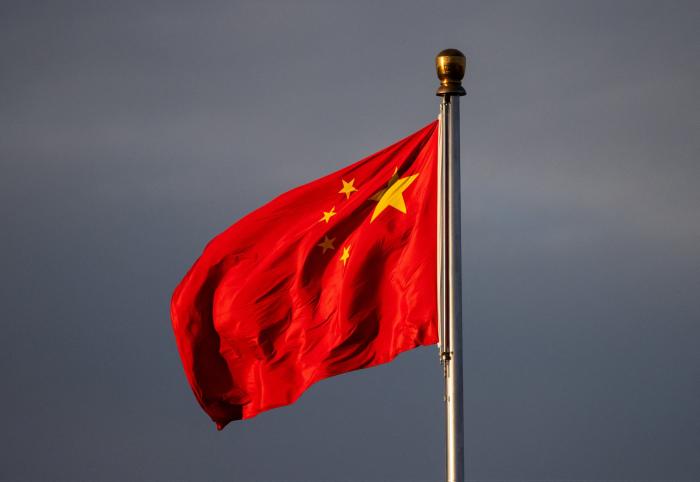
    Cuban Foreign Minister Bruno Rodríguez Parrilla has issued a strong condemnation of the United States government’s planned $11.1 billion arms transfer to Taiwan, characterizing the move as a direct threat to Chinese sovereignty and regional stability. The high-ranking diplomat, who serves on the Political Bureau of the Central Committee of Cuba’s Communist Party, utilized his social media platform to articulate Havana’s firm opposition to the weapons deal.

    Minister Rodríguez emphasized that such military transactions severely compromise the territorial integrity of the People’s Republic of China while simultaneously destabilizing the delicate security equilibrium across the Asia-Pacific region. The Cuban diplomat reiterated his nation’s steadfast commitment to the ‘One China’ principle, explicitly recognizing Taiwan as an inseparable component of Chinese territory.

    The record-breaking arms package announcement prompted immediate countermeasures from Beijing, with Chinese authorities imposing sanctions against 20 American defense contractors and ten senior executives implicated in recent weapons sales to Taiwan. Chinese foreign ministry representatives have urgently called upon Washington to honor previous bilateral agreements, specifically referencing the three joint communiqués that have historically guided Sino-American relations.

    Official statements from Beijing further cautioned that Taiwan represents the most sensitive core interest in China’s foreign policy framework, describing it as an ‘uncrossable red line’ in diplomatic engagements with the United States. Chinese officials have vowed to implement all necessary measures to protect national sovereignty and maintain territorial integrity against external interference.

  • Government connects Ecological Avenue to Las Américas Highway to ease traffic

    Government connects Ecological Avenue to Las Américas Highway to ease traffic

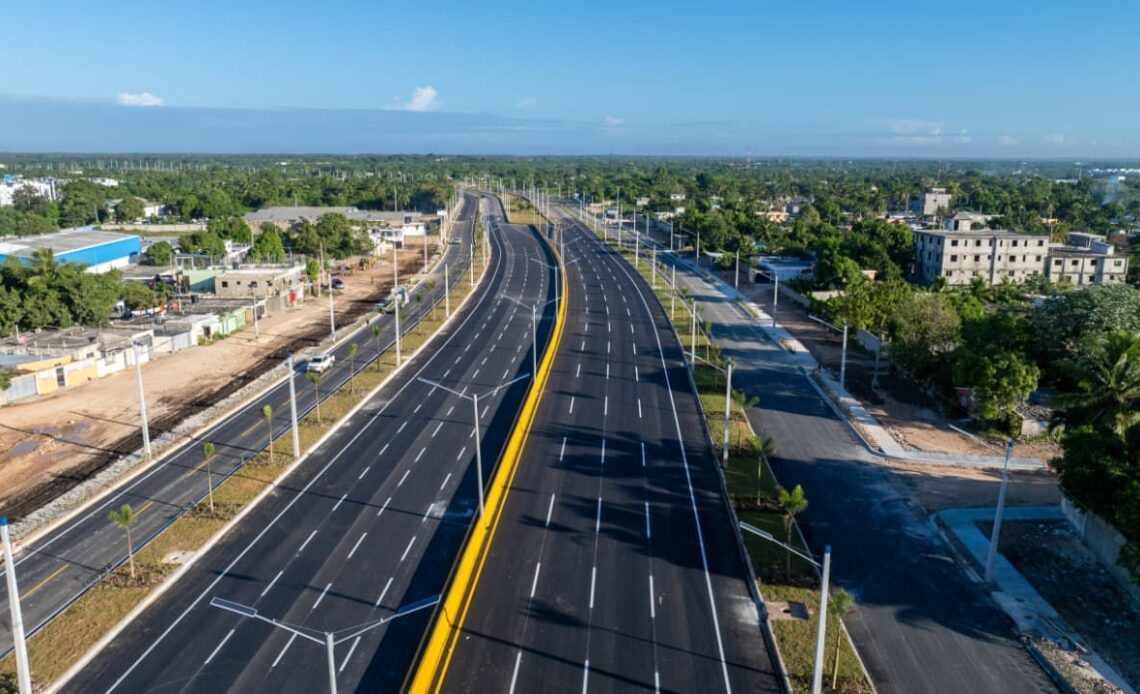
    Santo Domingo has inaugurated a critical infrastructure enhancement with the official completion of the connection between Ecological Avenue and Las Américas Highway. This newly established corridor represents a significant advancement in urban mobility, engineered to meet rigorous standards of sustainability, safety, and accessibility for all commuters.

    The primary objective of this major public works initiative is to alleviate the persistent traffic congestion plaguing Santo Domingo East. By creating a more fluid transportation network, the project directly addresses one of the city’s most pressing urban challenges. Minister of Public Works, Eduardo Estrella, emphasized that this development exemplifies the government’s dedication to responsible and strategic public investment.

    A key operational shift involves the rerouting of heavy truck traffic originating from the Multimodal Port. These vehicles will now be directed onto Ecological Avenue, connecting to the Juan Pablo II Highway and subsequently integrating with the Santo Domingo Ring Road. This strategic diversion is designed to prevent large commercial vehicles from entering and congesting the Las Américas Highway, thereby improving travel conditions for passenger vehicles.

    The enhancement solidifies Ecological Avenue’s role as a fundamental mobility artery within Greater Santo Domingo. Officials project that the improved infrastructure will not only streamline commutes and enhance road safety but also generate positive secondary effects, including a potential uplift in local property values and an overall improvement in the quality of life for residents in the surrounding areas.

  • Sampie: Saramaccaanse gemeenschap eist opheldering over verlengde goudconcessie

    Sampie: Saramaccaanse gemeenschap eist opheldering over verlengde goudconcessie

    The Saramaccan community in Suriname’s Upper Suriname River region has formally demanded government clarification regarding the controversial extension of a gold mining concession within their ancestral territory. This development has sparked significant concern among indigenous residents who fear environmental and cultural degradation.

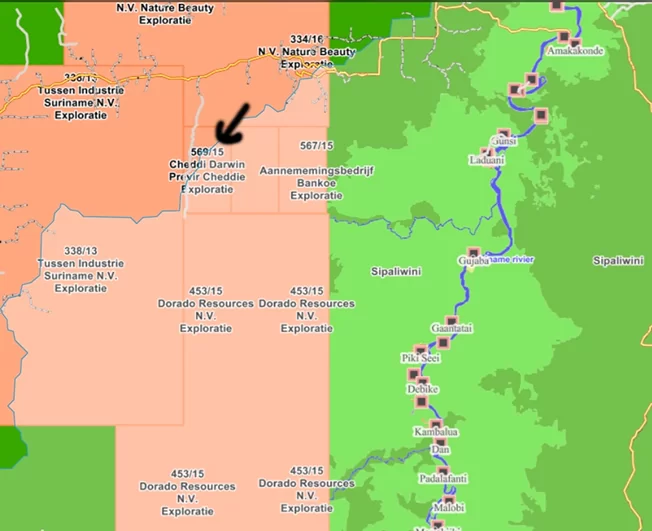
    Of thirteen gold concessions originally issued between 2015-2020, twelve have naturally expired without renewal. However, Natural Resources Minister David Abiamofo authorized the exceptional extension of one particular concession last year, creating immediate tension within the Saramaccan community. The situation escalated when concession holders attempted to initiate discussions with village leadership in Guyaba, prompting organized resistance.

    Assembly Member Edgar Sampie (ABOP) confirmed to media sources that while most concessions from that period have lapsed, this single extension has generated substantial alarm. “Twelve concessions weren’t renewed, effectively halting mining operations in those areas,” Sampie stated. “But this one concession was extended, and precisely this decision has disturbed the community.”

    The Saramaccan people have demonstrated unanimous willingness to resist the mining operations. Last week, they submitted an official petition to the National Assembly expressing profound concerns about gold mining activities in their traditional territories south of the Small Saramacca River, between Paaba Creek and Muyangwojo Creek.

    According to the petition, mining operations violate international treaties, the landmark Saamaka ruling, and Surinamese law by proceeding without Free, Prior and Informed Consent (FPIC). The community asserts these activities threaten their water sources, public health, cultural practices, spiritual values, and collective land rights.

    Their demands include: immediate cessation of all mining operations, complete transparency regarding concession grants, and formal consultation between government officials and traditional Saamaka authorities.

    Minister Abiamofo has reportedly suggested the concession falls within Matuariër territory where mining already occurs, rather than Saramaccan lands. Sampie indicates he is investigating this geographical claim while emphasizing that Saramaccan leaders have unanimously resolved to prohibit gold mining throughout their territory.

    The community continues to demand transparency regarding the extension decision-making process, current concession status, and potential impacts on their homeland. They expect the minister to participate in a gran krutu (traditional meeting) to provide comprehensive explanations. Minister Abiamofo has not yet publicly addressed these concerns.

  • Dominican Republic closes 2025 with nearly 80,000 HIV diagnoses

    Dominican Republic closes 2025 with nearly 80,000 HIV diagnoses

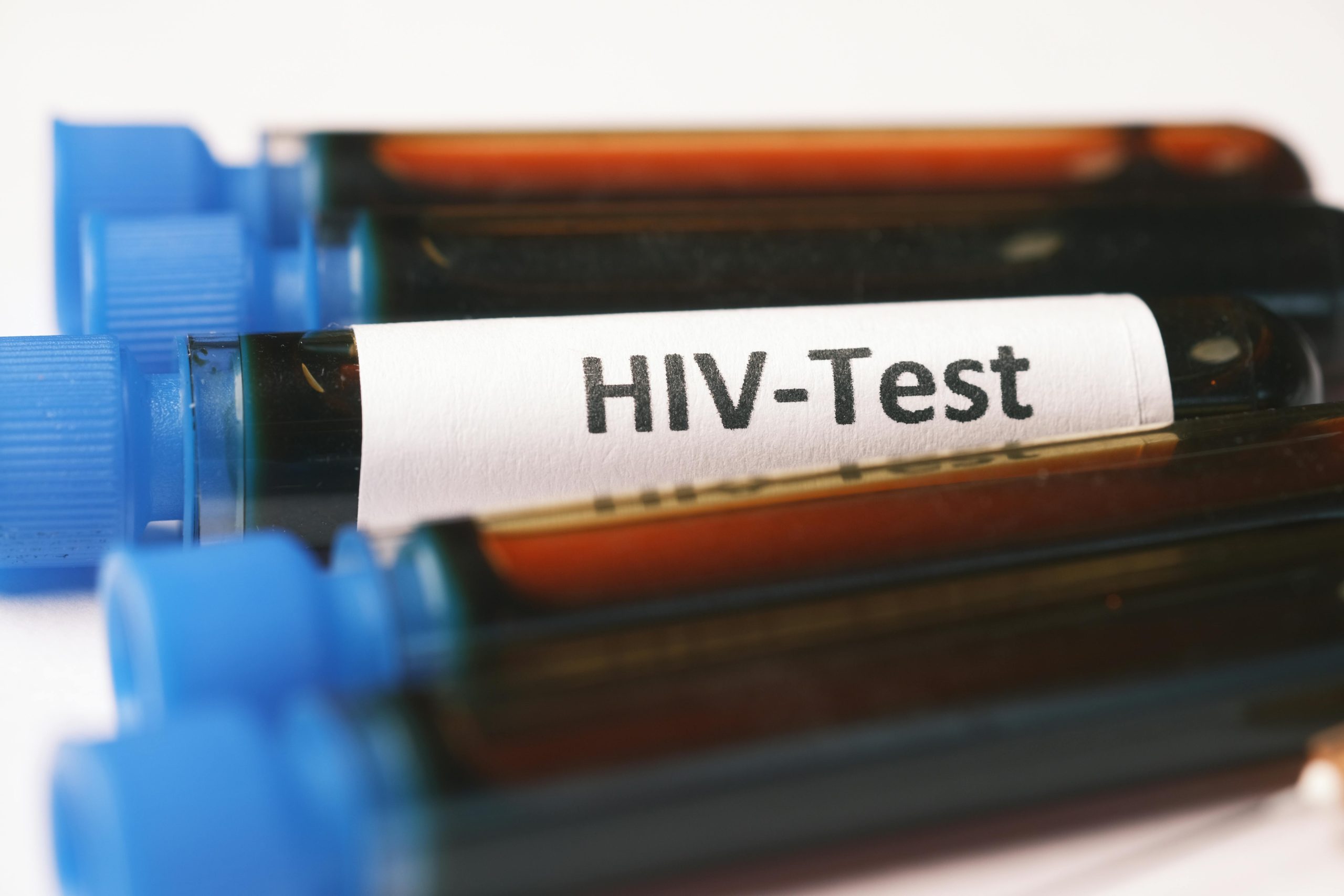
    The Dominican Republic concluded 2025 with approximately 80,000 documented HIV cases, a statistic that underscores both the virus’s prevalence and the nation’s substantial advancements in detection and treatment systems. Health officials emphasize that these figures demonstrate improved diagnostic capabilities and disease management protocols consistent with global public health benchmarks.

    Official data from the Ministry of Public Health reveals 79,800 individuals registered within the national HIV monitoring system. Among these, over 56,000 patients are receiving ongoing antiretroviral therapy, with approximately 49,000 achieving viral suppression levels that prevent disease transmission. This performance exceeded the World Health Organization and UNAIDS 95-95-95 targets, earning the country prestigious ‘Champion Country’ status in global HIV response.

    Health Minister Víctor Atallah credited this success to comprehensive strategies emphasizing prevention initiatives, equitable medication access, and societal stigma reduction campaigns. These efforts received substantial governmental backing and international collaboration with organizations including the Pan American Health Organization. Health authorities caution that maintaining these achievements will require sustained investment in public education, preventive healthcare infrastructure, and guaranteed treatment access for marginalized communities.

  • Holiday mobility soars as over 2.36 million travel during Christmas

    Holiday mobility soars as over 2.36 million travel during Christmas

    Santo Domingo witnessed an unprecedented surge in domestic travel during the 2025 Christmas season, with official data from RD Vial revealing extraordinary mobility patterns across the Dominican Republic. Between December 20-27, the nation’s toll plazas recorded a staggering 2,366,699 passenger movements, demonstrating a remarkable 24% year-over-year increase and nearly doubling the traffic volume documented in 2023.

    The comprehensive statistics show an additional 452,778 travelers compared to the identical period in 2024, with the peak travel days of December 24-25 alone accounting for 460,017 journeys. This represents a substantial 29% surge from the previous year’s Christmas Eve and Christmas Day figures, highlighting a transformative shift in holiday transportation dynamics.

    Transportation authorities identified two primary catalysts for this historic mobility event: widespread family reunification initiatives and robust domestic tourism activity. The data suggests a fundamental transformation in travel behavior, with citizens increasingly opting for interprovincial journeys during major holidays. Officials have simultaneously issued renewed calls for traffic law compliance as the New Year’s travel period approaches, emphasizing safety measures alongside the celebration of increased economic activity within the national tourism sector.

    The statistical breakdown provides compelling evidence of recovering and expanding travel patterns post-pandemic, with the 2025 numbers establishing new benchmarks for holiday mobility. RD Vial’s monitoring systems captured these movements through advanced toll plaza analytics, offering precise insights into the nation’s transportation trends during peak seasonal periods.