作者: admin

  • Guyana exporting locally produced processed goods to Caricom markets

    Guyana exporting locally produced processed goods to Caricom markets

    GEORGETOWN, Guyana – In a significant stride toward economic transformation, Guyanese President Irfaan Ali has announced the finalization of a landmark export agreement, with two containers of locally produced agro-processed goods now destined for Caribbean markets. This initiative, presented during a comprehensive year-end dialogue with students, marks a tangible move to convert agricultural output into sustainable export revenue for local households and communities.

    President Ali articulated a cohesive economic and social framework designed to alleviate poverty, amplify household wealth, and construct a resilient, diversified economy accessible to all citizens. He emphasized that the upcoming shipment is not merely symbolic but a direct outcome of strategic policies positioning families, farmers, youth, and small enterprises at the core of national development.

    This agro-processing milestone results from deliberate government efforts to incentivize agriculture, empower small-scale producers—especially women—and connect village-level production with regional and international supply chains. With Guyana rapidly emerging as a crucial food supplier in the Caribbean, high-level discussions are underway to establish a commercial division within the Guyana Defence Force (GDF), aimed at integrating national food production with the CARICOM market.

    Citing a recent dialogue with Antigua and Barbuda Prime Minister Gaston Browne, President Ali highlighted growing regional interest, noting that young entrepreneurs from Antigua are investing in transportation infrastructure and viewing Guyana as a primary food source.

    To further institutionalize this progress, the Guyana Development Bank will introduce entrepreneurship education in schools, equipping students with skills to form consortia and develop viable business concepts from an early age. “Wealth creation is not accidental,” Ali stated. “It is planned at the national level through policies and programs and felt at the community level.”

    On food security, Ali acknowledged that regional targets have been hampered by hurricanes, climate disruptions, and post-pandemic demand surges. However, Guyana has achieved substantial expansion in poultry, livestock, egg production, aquaculture, corn, and soya. Exports to the broader Caribbean are anticipated within two years, with international investors actively exploring opportunities in large-scale livestock, swine production, sugar refining, ethanol, mega-farms, and hydroponics—a testament to growing confidence in Guyana’s policy landscape.

    In parallel, President Ali revealed plans for a full assessment of the gold mining sector on January 5, as part of a government crackdown on illegal activities. The evaluation will enforce stricter accountability, linking mercury purchases to production declarations. Mining lands with registered dredges but no declared output will be repossessed to prevent environmental degradation without economic benefit.

    Addressing challenges in national infrastructure, Ali recognized ongoing difficulties at Guyana Power and Light (GPL), which has struggled with blackouts due to surging demand from new housing and business development, compounded by an aging distribution network. His administration is committed to reinvesting in and modernizing the power grid, particularly the Demerara-Berbice Interconnected System, which suffered from underinvestment between 2015 and 2020.


  • A voice in sport lost

    A voice in sport lost

    The Jamaican media landscape was plunged into profound mourning on Tuesday following the sudden passing of acclaimed sports broadcaster and filmmaker Donald Oliver at age 40. Oliver, who served as the Jamaica Observer’s audiovisual manager, died unexpectedly at the University Hospital of the West Indies, sending shockwaves through the nation’s sporting community.

    Renowned for his distinctive vocal delivery and exceptional storytelling prowess, Oliver built a distinguished career spanning multiple prestigious media organizations including Television Jamaica, CVM TV, SportsMax, and ultimately the Jamaica Observer. His exceptional football commentary drew frequent comparisons to English Premier League legend Peter Drury for its passionate articulation and linguistic sophistication.

    Oliver’s professional excellence was recognized through numerous accolades including the Press Association of Jamaica’s Sports Journalist of the Year (2015), the Prime Minister’s Youth Award for Excellence in Journalism (2009), and the PAJ Best Television Feature or Documentary award (2022).

    Observer Managing Director Dominic Beaubrun described the loss as devastating, noting Oliver had made immediate impact since joining the organization in August. “We have lost a valued and extremely talented member of the team, a man who, beyond his professional skills, was a warm individual and decent human being,” Beaubrun stated.

    Tributes poured in from across Jamaica’s sporting and political spheres. Sport Minister Olivia Grange highlighted Oliver’s two decades of exemplary journalism, while Jamaica Football Federation Acting General Secretary Roy Simpson declared him “Jamaica’s Peter Drury” whose commentary brought pride to the nation.

    Colleagues remembered Oliver’s multifaceted talents beyond sports broadcasting. Long-time collaborator Leighton Levy emphasized his documentary work, particularly a powerful feature on Olympian Alia Atkinson, noting “he didn’t just record history, he shaped how we understood it.”

    Observer Sports Content Manager Andre Lowe praised Oliver as “an excellent professional and first-class human being,” while Jamaica Olympic Association President Christopher Samuda hailed his balanced reporting and enduring commitment to journalistic principles.

    Oliver’s legacy includes iconic sporting moments such as his passionate narration of Kingston College’s 2018 Manning Cup victory after a 30-year drought. His voice became synonymous with Jamaica Premier League broadcasts, cementing his status as one of the Caribbean’s most accomplished sports media professionals.

  • New location, no problem!

    New location, no problem!

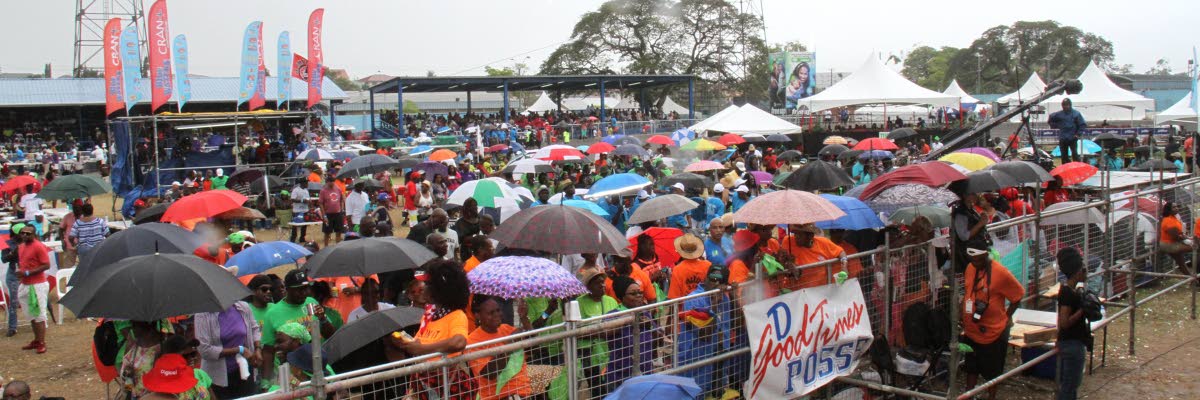
    Despite a last-minute venue change, the I Love Soca 2025 Boxing Day finale attracted an enormous turnout of enthusiastic patrons to National Heroes’ Circle on Friday night. The event’s new location proved overwhelmingly successful as soca enthusiasts transformed the massive space into a vibrant celebration of Caribbean music and culture.

    The atmosphere reached electrifying levels as veteran DJs Richie Ras and Patrick Anthony the Hype Man delivered an impeccable performance, masterfully blending classic soca anthems with contemporary hits. The crowd responded ecstatically to Problem Child’s popular track ‘Holiday,’ raising their cups in festive celebration. The energy intensified when the selectors transitioned into Skinny Fabulous’ ‘Famalay’ and Bunji Garlin’s ‘Hard Fete,’ creating an unforgettable musical experience.

    Brush1 The Road Marshal subsequently took control of the consoles, initially surprising attendees with dancehall selections from Masicka and Vybz Kartel before returning to soca favorites. His special dedication to female attendees with Lady Lava’s tracks prompted enthusiastic responses as women waved rags and danced with infectious energy. The Chromatic Crew concluded the spectacular night with their early morning set.

    Andrew Bellamy, managing director of I Love Soca, expressed profound gratitude for the overwhelming support despite the venue relocation. In post-event comments, Bellamy emphasized the brand’s established reputation and meticulous planning that ensured patron safety and enjoyment. He credited the successful turnout to strategic coordination with city officials and law enforcement, confirming the new venue’s central location and security measures met with public approval.

    While acknowledging areas for improvement, Bellamy confirmed the Heroes’ Circle location provided ample space for the growing event and demonstrated potential for future installations. The event’s seamless execution and massive attendance reinforced I Love Soca’s position as Jamaica’s premier soca celebration.

  • ‘It’s about people, not buildings’

    ‘It’s about people, not buildings’

    In the wake of Hurricane Melissa’s devastation, a significant debate has emerged in Jamaica regarding the appropriate allocation of government relief funds. The controversy centers on a $75 million allocation announced by Prime Minister Andrew Holness on December 23 specifically designated for rebuilding damaged churches and faith-based institutions.

    The funding decision faced immediate criticism from Member of Parliament Everald Warmington, who publicly questioned the rationale behind directing resources toward religious structures rather than addressing the critical housing shortage affecting thousands of displaced Jamaicans. Warmington argued that the amount would be insufficient for meaningful church reconstruction and suggested congregations should share facilities instead.

    Religious leaders across denominations have responded with a unified message: their primary mission remains humanitarian aid, not architectural restoration. Bishop Dr. Rowan Edwards, chairman of the 10,000 Men and Families Movement, emphasized that while appreciating the government’s gesture, congregations would prioritize assisting homeless members before considering building repairs.

    “The money that they would give to the church, we would use that money to help our people, to get back their roofs,” Edwards told the Jamaica Observer. “We prioritize our people, apart from the building.”

    Bishop Dr. Peter Garth of Hope Gospel Assembly offered a nuanced perspective, acknowledging the mathematical reality that $75 million distributed among numerous damaged churches would provide limited reconstruction funds. However, he challenged Warmington’s characterization of churches as financially secure institutions with empty pews, pointing out the logical inconsistency in these claims.

    Rather than rejecting government assistance entirely, religious leaders proposed an alternative approach. Garth suggested the funds be converted into building materials that could be distributed directly to families in need, noting that churches have served as first responders since the hurricane struck on October 28.

    Father Sean Major-Campbell of the Anglican Diocese provided crucial context, explaining that many congregations face financial struggles despite public perceptions of wealth. He highlighted the ongoing social support work performed by churches in education, healthcare, and welfare—often without state assistance—and advocated for continued cooperation between religious and government entities in national development efforts.

    The consensus among religious leaders demonstrates a practical approach to disaster recovery that places human needs above structural concerns, while simultaneously defending the vital community role played by faith-based organizations in Jamaica’s social fabric.

  • ‘Closure & comfort’

    ‘Closure & comfort’

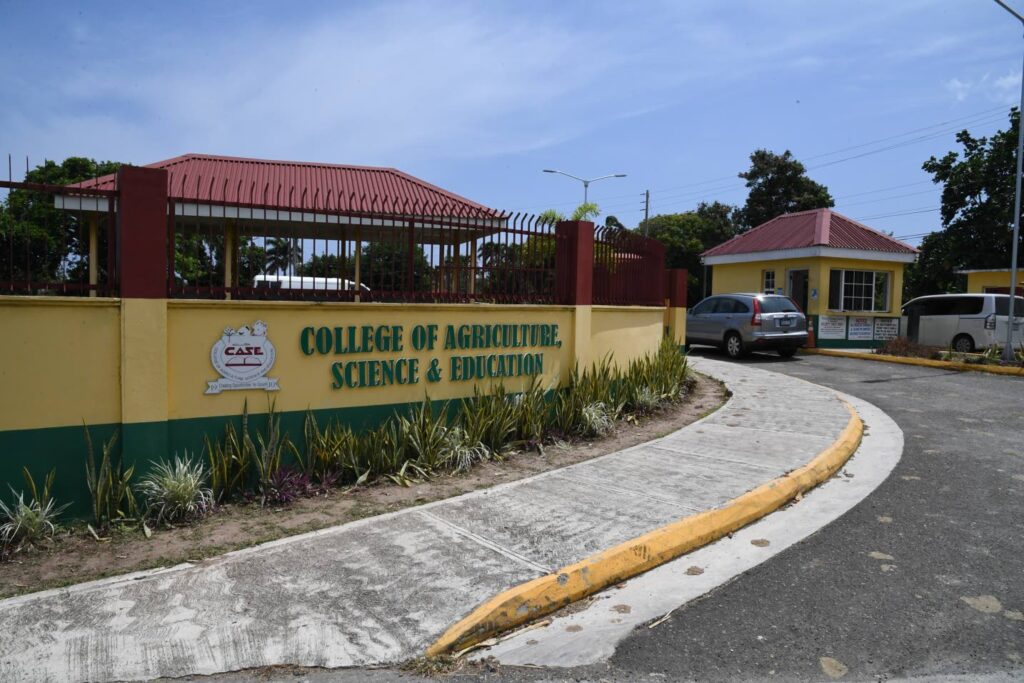
    The campus community at the College of Agriculture, Science and Education (CASE) in Portland, Jamaica, is experiencing complex emotions following the fatal police shooting of Winston Hume, a 38-year-old man authorities identified as an alleged serial rapist connected to multiple assaults on students.

    Law enforcement officials confirmed that Hume, from the Norwich district, was killed during a police operation at his residence early Tuesday morning. According to Superintendent Ainsley McCarthy, Portland’s police chief, officers visited Hume’s home pursuing leads related to what they described as a pattern of predatory behavior. When confronted, Hume allegedly emerged wielding a machete and advanced toward officers in a threatening manner despite commands to disarm himself. Police responded with fatal gunfire, and Hume was pronounced dead upon arrival at Port Antonio Hospital.

    The incident comes amid growing security concerns at CASE, where students had previously protested following the December 14 rape of a female student—one of twelve recorded sexual assaults in the parish this year. Hume was already before the court for two previous campus rapes and was a suspect in additional assaults.

    Student representative Vashawn Berry expressed that while the development doesn’t bring joy, it provides ‘some sense of closure and comfort’ for traumatized students. However, Berry emphasized that students continue demanding concrete security improvements from both college administration and government authorities.

    College President Dr. Derrick Deslandes acknowledged ongoing efforts to enhance campus safety, particularly addressing a vulnerable tunnel system that provides uncontrolled access to the open campus. Security has been increased, and officials are examining measures to secure the tunnel while maintaining its functional use for agricultural operations.

    Superintendent McCarthy revealed that previous legal proceedings against Hume faced significant challenges, including the migration of one complainant overseas and psychiatric evaluations ordered by the court in another case, which prolonged proceedings and potentially contributed to case dismissals.

  • STAGE ECONOMICS

    STAGE ECONOMICS

    Jamaica’s entertainment landscape is undergoing a profound transformation, compelling comedians to reinvent their performance models in response to evolving audience consumption patterns. Where prime-time television once reigned supreme, the comedy sector now thrives primarily through intimate live performances and recurring showcase events.

    The year 2025 demonstrated this paradigm shift with remarkable clarity. Weekly and monthly productions such as Christopher ‘Johnny’ Daley’s Johnny’s Live Comedy Bar and Dufton Shepherd’s curated events maintained consistent audience engagement throughout the year. These regular performances were complemented by major seasonal productions including the Christmas Comedy Cook-Up and December showcases featuring comedian Pretty Boy Floyd. Despite this apparent vitality, the industry faced significant headwinds from weather-related disruptions and government-mandated cancellations of Christmas festivities, creating substantial financial setbacks for performers reliant on holiday bookings.

    Veteran comedian Ity Ellis revealed the sector’s vulnerabilities in an exclusive interview: ‘Multiple events faced cancellation, resulting in considerable financial losses for entertainers.’ Even established productions struggled with economic pressures, as Christmas Comedy Cook-Up organizers reported alarmingly slow ticket sales until mere days before the event, creating genuine concerns about its viability.

    The live performance model has emerged as the industry’s saving grace despite persistent challenges. While traditional theater—the historical foundation of Jamaican comedy—continues its gradual decline, stand-up comedy has demonstrated remarkable resilience through its adaptability to smaller venues and reduced technical requirements. This flexibility stands in stark contrast to conventional theater productions, which have suffered disproportionately from the loss of performance spaces across Kingston.

    Glen ‘Titus’ Campbell, a seasoned comedian, contextualized the venue crisis: ‘Before COVID-19, Kingston regularly hosted nine simultaneous plays across various venues. Today, more than half these spaces have been repurposed for more lucrative commercial ventures.’ This spatial contraction has forced creatives to explore alternative distribution channels, though digital monetization remains problematic. Campbell noted that while online content like Windscreen Posse generates substantial engagement, paid access rarely exceeds 1,000 viewers, highlighting Jamaicans’ reluctance to pay for digital entertainment.

    The industry’s television presence has similarly transformed. The once-popular Ity and Fancy Cat Show no longer airs on Sunday nights, though Ellis observes that recycled clips continue to generate significant online engagement, indicating sustained audience demand across platforms.

    Looking forward, the annual Christmas Comedy Cook-Up—featuring both local and regional talent—approaches its final chapter with organizers planning to conclude the event after its 25th anniversary. The industry now turns its attention to the next major performance scheduled for January 4 at The Summit, featuring Dufton Shepherd, Blakka Ellis, and Kathy Grant—the sole female comedian in recent lineups—demonstrating the continued vitality of Jamaica’s comedy scene through its adaptation to new market realities.

  • RIDING THE WAVE

    RIDING THE WAVE

    Jamaica’s aquatic sports are navigating toward a sustainable future under the renewed leadership of Lance Rochester, who secured his second term as President of the Aquatics Sports Association of Jamaica (ASAJ) earlier this month. Despite acknowledging significant financial and operational challenges, Rochester expresses confidence in his strategic vision to transform the nation’s aquatic disciplines into financially viable enterprises.

    The veteran sports administrator, who previously represented Jamaica in water polo and served over a decade in various ASAJ leadership roles, initiated a comprehensive transformation plan upon first assuming the presidency in 2023. His blueprint centers on three foundational pillars: widespread learn-to-swim initiatives, establishment of a high-performance athlete development system, and internal organizational restructuring.

    ‘We’ve reached approximately the halfway mark of our initial four-year objectives,’ Rochester revealed in an exclusive interview with the Jamaica Observer. ‘However, the complete fruition of this strategic plan extends beyond any single presidential term. When teaching children to swim today, we’re investing in talent that may require a decade or more to reach world-class competitive levels.’

    The association continues to grapple with substantial financial constraints that have traditionally placed heavy burdens on both the organization and athletes’ families. Rochester emphasizes the necessity of more sophisticated engagement with corporate sponsors, noting: ‘We must enhance our value proposition to potential partners and better leverage our available assets through strategic advertising. The financial requirements for national team travel and facility management remain substantial.’

    A recent gap analysis conducted by the association has identified specific performance-limiting factors across all aquatic disciplines. While progress has been made in operational efficiency, Rochester acknowledges that significant work remains in building robust career pathways for athletes.

    The president characterizes his mission as building upon the legacy of previous administrations while creating improved conditions for future leadership. ‘My fundamental objective involves clearly defining our challenges and ensuring that when I eventually pass the baton, the next administration inherits a stronger foundation than I received,’ he stated. ‘Ultimately, this continuous improvement benefits our athletes—the most vital stakeholders—enhancing their capacity to achieve excellence and bring glory to Jamaica on international platforms.’

  • ‘Arrive alive’

    ‘Arrive alive’

    Jamaican authorities are declaring a state of emergency on road safety following a distressing surge in traffic fatalities that claimed 373 lives in 2025. This represents a three percent increase from the previous year’s death toll of 365, pushing the national crisis to unprecedented levels according to transport officials.

    The Island Traffic Authority (ITA) is launching an aggressive public education campaign targeting reckless drivers through strategic media partnerships. Retired Colonel Daniel Pryce, Director General of Road Traffic, expressed particular concern about persistent speeding and improper overtaking behaviors that continue to plague Jamaican roadways despite ongoing safety efforts.

    In a significant shift toward long-term behavioral change, the 2026 road safety strategy will prioritize educational programs in schools, recognizing that today’s students will become tomorrow’s drivers. This generational approach aims to fundamentally reshape attitudes toward road usage before dangerous habits become ingrained.

    Transport Minister Daryl Vaz characterized the situation as having reached ‘crisis stage,’ noting that road fatalities have now surpassed murder rates as Jamaica’s most pressing safety concern. The ministry plans to give the issue special priority throughout the coming year.

    The comprehensive strategy will intensify existing measures while forging new institutional partnerships to reinforce safety messages. Authorities are making a concerted appeal to all road users to exercise greater patience, adhere to speed limits, and avoid driving under the influence of alcohol. As Pryce emphatically stated, ‘It’s better to arrive alive’—a sentiment echoing through Jamaica’s renewed commitment to ending roadway carnage.

  • US-Venezuela tensions, price hike on drinks, smokes: Hard times for Carnival

    US-Venezuela tensions, price hike on drinks, smokes: Hard times for Carnival

    As the Christmas season concludes, Trinidad and Tobago prepares for its iconic Carnival 2026 amidst unprecedented challenges that threaten to diminish its traditional scale and vibrancy. The festival, typically a burst of cultural celebration, confronts a perfect storm of economic pressures and international tensions that cast uncertainty over its execution.

    The Trinidad Carnival Bands Association (TTCBA) maintains that preparations are proceeding with determination. President Mark Ayen confirmed that construction of essential infrastructure like the North Stand and main stages is underway, while pan events have already seen successful runs. Despite acknowledging geopolitical concerns, Ayen emphasized that the organization is moving forward based on available information, noting continued inquiries about the event.

    A significant financial burden has emerged from the government’s recent budget measures. Finance Minister Davendranath Tancoo announced a doubling of duties on alcohol and tobacco, substantially raising costs for band operators. Petle Claverie, leader of medium-sized band Petle Mas, explained that bands face unavoidable financial strain since costume prices were set months before the tax announcement. This leaves bands with no choice but to absorb these unexpected costs rather than passing them to consumers.

    Claverie detailed how bands are implementing mitigation strategies, including considering more economical beverage brands and tighter management of road drink distribution. He noted that medium and small bands are particularly vulnerable to these market shocks due to limited sponsor support compared to larger competitors.

    The geopolitical tension between Venezuela and the United States presents another concern. While Claverie’s band reports no cancellations from its primarily local membership with foreign participants connected through family networks, he expressed worry about last-minute international travelers who might opt for alternative carnivals in Miami or other global locations that have adopted Trinidad’s Carnival model.

    Adding to the challenges, bandleader Leo Lakhan of Antourage Productions revealed a 20% decrease in registrations compared to typical years, attributing this decline to economic pressures and newly emerging customs delays for imported materials. Despite these obstacles, Lakhan joined cultural advocates in calling for national participation, emphasizing that Carnival remains an essential part of Trinidad’s cultural identity that deserves preservation through current difficulties.

    Contrasting with these concerns, Minister of Culture and Community Development Michelle Benjamin has publicly predicted Carnival 2026 will be a bumper season, creating a divergence between official optimism and grassroots realities facing band operators and participants.

  • Some residents not affected by parties: Xperience moves to Skinner Park

    Some residents not affected by parties: Xperience moves to Skinner Park

    Trinidad and Tobago’s Carnival 2026 preparations have encountered significant logistical challenges following the government’s abrupt prohibition of entertainment events at major venues. Prime Minister Kamla Persad-Bissessar announced on November 12 an immediate ban on fetes at Brian Lara Cricket Academy, citing noise pollution concerns raised by neighboring communities. The administration subsequently extended restrictions to Hasely Crawford Stadium and Jean Pierre Complex, compelling event organizers to urgently seek alternative locations.

    Sheldon Stephen, prominent entrepreneur and organizer of the acclaimed Xperience Fete, has been forced to relocate his signature event to Skinner Park in San Fernando. As head of Lollabee Group of Companies, Stephen expresses particular concern for residents near the new venue, noting that Skinner Park potentially places spectators closer to residential areas than the previous Brian Lara Cricket Academy location.

    Renowned for innovative stagecraft featuring proscenium arch designs, pyrotechnics, 3D monuments, and advanced LED technology, Stephen’s Xperience Fete typically attracts 12,000-15,000 attendees. Despite the venue change, Stephen anticipates maintaining comparable attendance numbers for the January 17 event, which will commence at 3 AM.

    The organizer has diligently followed all regulatory protocols, including obtaining approval from the Environmental Management Authority and adhering to noise restriction policies. Stephen emphasizes the event’s southern identity, confirming that while this year’s celebration will remain in southern Trinidad, future editions may require additional venue considerations.

    Local residents near the originally prohibited venue expressed mixed reactions to the government’s decision. A 65-year-old Tarodale community resident described the cancellations as “an overdone hate game,” asserting that the music never disrupted her sleep patterns. Similarly, 73-year-old Lystra Martinez reported minimal disturbance from previous events.

    However, the restrictions have adversely affected local performers like Tekel Sylvan, a stilt walker whose revenue has significantly decreased without the regular events at Brian Lara Cricket Academy. Sylvan notes that the proximity of the previous venue allowed him to avoid transportation costs and secure consistent bookings, which have notably diminished since the implementation of the ban.