作者: admin

  • Pringle Warns Citizenship Programme May Be Doing More Harm Than Good, UPP Reviewing CIP

    Pringle Warns Citizenship Programme May Be Doing More Harm Than Good, UPP Reviewing CIP

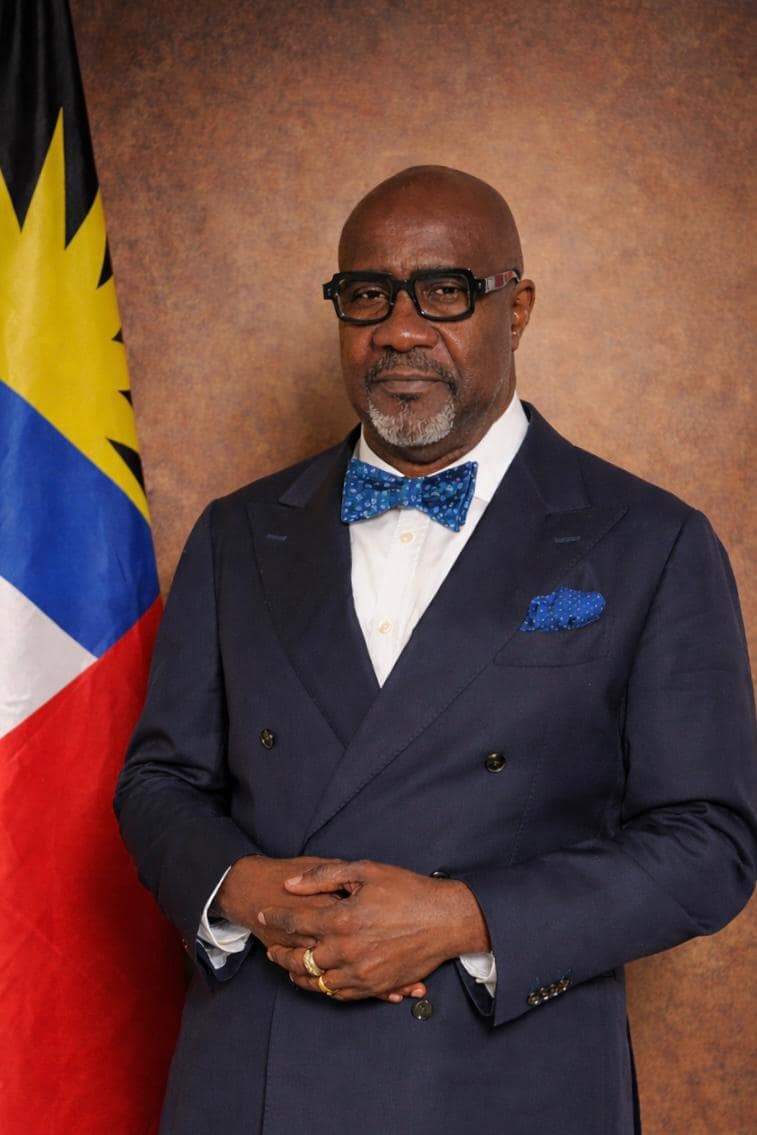
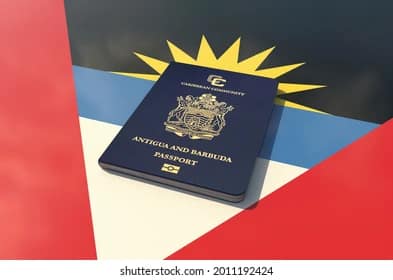
    In a significant political development, United Progressive Party (UPP) Leader Jamale Pringle has announced a comprehensive internal review of Antigua and Barbuda’s Citizenship by Investment Programme (CIP). This decisive action comes amid mounting international scrutiny and newly implemented restrictions affecting visa access to the United States for Antiguan and Barbudan nationals.

    During his 2026 New Year’s address, Pringle revealed that his opposition party is critically examining whether the controversial program continues to serve the nation’s best interests. He emphasized that the current administration has created excessive dependency on CIP revenues, with even essential government obligations like monthly Social Security Scheme payments now relying on the program’s proceeds.

    “Our caucus is actively evaluating the viability of our Citizenship by Investment Programme,” Pringle stated. “Due to the Browne Administration’s inadequate management, numerous critical governmental functions have become disproportionately dependent on CIP revenues.”

    The opposition leader outlined plans to engage financial experts, policy analysts, and key stakeholders to conduct a thorough risk-benefit analysis. This consultation aims to determine whether the program’s advantages still justify the associated challenges and international concerns.

    Pringle directly connected the CIP review to recent visa access issues, noting that since January 1st, many citizens have found themselves unable to obtain certain categories of U.S. visas. He criticized the government’s diplomatic approach, stating that despite Prime Minister Gaston Browne’s assurances of resolution through diplomatic channels, the restrictions remain firmly in place.

    The UPP leader pledged that a future administration under his leadership would prioritize restoring positive relations with the United States and preventing additional restrictions that could destabilize the nation’s economy. Pringle framed the CIP evaluation as part of a broader initiative to reestablish governance credibility and protect Antigua and Barbuda’s international reputation throughout 2026 and beyond.


  • PM Browne Urges Young People to Pursue Skills or Degrees in 2026

    PM Browne Urges Young People to Pursue Skills or Degrees in 2026

    In a comprehensive New Year’s address to the nation, Prime Minister Gaston Browne of Antigua and Barbuda articulated a transformative vision for national development centered on educational advancement, continuous skill acquisition, and community harmony. The leader positioned 2026 as a pivotal year for the twin-island nation, emphasizing that sustainable progress hinges on cultivating a knowledgeable, adaptable citizenry dedicated to perpetual self-improvement.

    Browne’s address specifically targeted the nation’s youth, urging them to aggressively pursue both academic qualifications and technical proficiencies. He characterized education as the fundamental catalyst for enabling meaningful participation in the workforce and driving comprehensive national development. The Prime Minister’s message, however, extended beyond young citizens, challenging adults to embrace learning as an ongoing civic responsibility rather than a concluded chapter of early life.

    The Prime Minister framed productivity and national competitiveness as direct outcomes of this collective commitment to growth, asserting that progress must transcend traditional barriers of political affiliation, age, and socioeconomic status. In a significant connection, Browne explicitly linked educational attainment and personal discipline to social stability, calling for a unified rejection of crime and violence. He posited that destructive behaviors fundamentally erode community foundations and cripple the collaborative effort required to build a resilient society.

    Browne concluded by asserting that true national development transcends economic policy alone, identifying shared values, disciplined cooperation, and social cohesion as the indispensable drivers of lasting advancement. He called upon all citizens to approach the coming year with renewed purpose and responsibility, framing education, lifelong learning, and peaceful coexistence as the cornerstones of Antigua and Barbuda’s future prosperity.

  • US to impose 1% tax on cash remittances in 2026

    US to impose 1% tax on cash remittances in 2026

    Beginning January 1, 2026, the United States will implement a groundbreaking federal excise tax that will significantly alter the cost structure of international money transfers for Caribbean communities and other migrants sending funds abroad. The newly enacted 1% levy targets specifically cash-based remittances, marking a fundamental shift in how cross-border financial support is taxed.

    This fiscal policy, embedded within Section 4475 of the Internal Revenue Code, was legislated by the US Congress in July 2025 as a component of the comprehensive ‘One Big Beautiful Bill’ package. The tax represents the first federal imposition on international money transfers, which previously only incurred service charges and exchange rate margins without direct government taxation.

    The regulatory framework specifically applies to remittances facilitated through physical cash transactions at brick-and-mortar locations including grocery stores, pharmacies, and dedicated money transfer outlets. Paper-based payment instruments such as money orders and cashier’s checks also fall within the taxable category. Both US citizens and foreign nationals utilizing American remittance services will be subject to the tax when using cash or cash-equivalent methods.

    Critical exemptions exist for digital and electronic transfer mechanisms. The Internal Revenue Service clarifies in Notice 2025-55 that bank account transfers, debit/credit card transactions, wire transfers, and digital wallet services (including Apple Pay and Google Pay) remain exempt from the additional levy. This creates a distinct advantage for technologically-enabled remittance channels over traditional cash-based methods.

    For Caribbean-American communities, where remittances constitute vital financial lifelines covering educational expenses, medical bills, and household necessities, the tax introduces new economic considerations. The legislation does provide potential relief through a tax credit mechanism for senders possessing Social Security numbers, contingent upon proper transaction reporting by remittance providers. However, the IRS has yet to issue final implementation guidelines regarding credit claims procedures.

  • VS kondigt nieuwe sancties aan tegen de Venezolaanse oliesector

    VS kondigt nieuwe sancties aan tegen de Venezolaanse oliesector

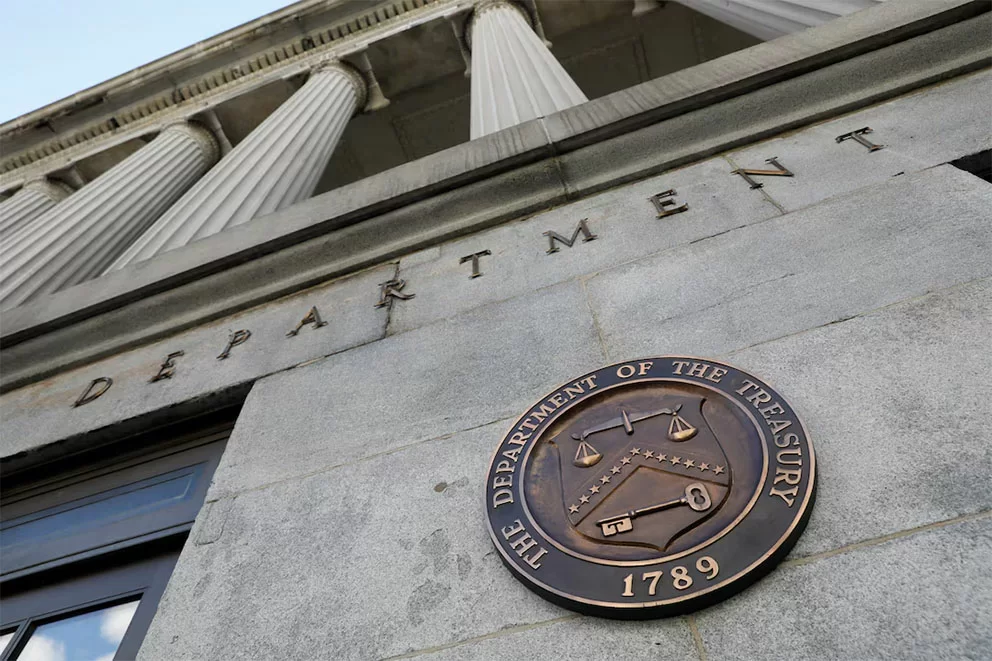
    The United States has intensified its economic pressure campaign against Venezuelan President Nicolás Maduro’s administration by imposing sanctions on four companies operating in Venezuela’s oil sector along with their associated oil tankers. The Treasury Department announced these measures on Wednesday as part of President Donald Trump’s ongoing strategy to isolate Maduro’s government.

    These latest sanctions represent an escalation in Washington’s multifaceted approach, which has previously included enhanced U.S. military presence in the region and interdiction operations against vessels suspected of drug trafficking in Pacific and Caribbean waters. Earlier this month, Trump implemented a blockade preventing sanctioned ships from entering or exiting Venezuelan territorial waters, a move that has already cut Venezuela’s oil exports by approximately half compared to November levels.

    The targeted entities include oil traders allegedly facilitating sanctions evasion for Maduro’s government, with four tankers identified as part of what officials term a ‘shadow fleet’ – aging vessels with opaque ownership structures that transport sanctioned oil without required insurance coverage, operating outside international standards observed by major oil companies and ports.

    Among the specifically sanctioned vessels are the Panama-flagged Nord Star, Guinea-flagged Lunar Tide, and Hong Kong-flagged Della, all of which have transported Venezuelan crude oil or fuel to destinations in Asia and the Caribbean this year according to internal documents from Venezuela’s state energy company PDVSA and ship tracking data. The Hong Kong-flagged supertanker Valiant, owned by sanctioned company Aries Global Investment LTD, appears not to have carried Venezuelan crude based on available records.

    The Treasury Department emphasized that ‘today’s action makes clear that those involved in Venezuela’s oil trade continue to face significant sanctions risks.’ This follows earlier sanctions imposed this month against six additional Venezuela-linked tankers.

    Treasury Secretary Scott Bessent stated: ‘President Trump has been clear: we will not allow Maduro’s illegitimate regime to profit from oil exports while flooding the United States with deadly drugs.’ Venezuelan officials have consistently denied involvement in criminal activities and accuse the U.S. of pursuing regime change to control Venezuela’s substantial oil reserves.

    The cumulative effect of these measures has virtually paralyzed Venezuela’s export capabilities, creating fuel storage backups that threaten to force PDVSA to take extreme measures to prevent refinery shutdowns, as previously reported by Reuters.

  • New Year’s Day Message ABEC’s Chairman Ambassador Arthur G.B Thomas

    New Year’s Day Message ABEC’s Chairman Ambassador Arthur G.B Thomas

    In his annual New Year’s address, Chairman of the Antigua and Barbuda Electoral Commission (ABEC) Ambassador Arthur G.B. Thomas articulated a comprehensive vision for democratic consolidation throughout 2026. The message emphasized the Commission’s ongoing dedication to enhancing electoral integrity through systematic modernization initiatives while honoring the nation’s democratic legacy.

    The commencement of the new year represents a pivotal moment for national reflection and renewed commitment to constitutional principles that form the foundation of Antigua and Barbuda’s governance structure. Throughout the previous year, ABEC has implemented strategic measures to reinforce electoral safeguards and advance systemic modernization, operating under core values of transparency, professional excellence, and institutional integrity.

    Chairman Thomas formally acknowledged critical partnerships that have supported these efforts, specifically highlighting Canadian Bank Note as the Commission’s principal technology provider. Their technical expertise has proven instrumental in developing essential electoral infrastructure components. The Commission additionally expressed gratitude toward dedicated staff members, civil society organizations, and political representatives whose collaborative engagement remains vital to successful election administration.

    The address included solemn recognition of the late Sir Gerald Watt, whose profound contributions to democratic institution-building and constitutional governance established an enduring legacy. His exemplary public service continues to inspire current democratic strengthening initiatives.

    Looking toward future electoral processes, the Commission urged all eligible citizens to complete voter registration procedures and confirmed registrants to verify their identification documents remain current. ABEC reaffirmed its commitment to promoting active civic participation, comprehensive voter education, and informed citizenship as fundamental pillars of democratic vitality.

    Chairman Thomas concluded by reiterating ABEC’s dedication to collaborative governance through open consultation and shared responsibility with the citizens of Antigua and Barbuda. This cooperative approach aims to ensure democratic institutions maintain responsiveness, credibility, and public trust throughout the coming year and beyond.

  • Six long weekends in 2026

    Six long weekends in 2026

    The government of Saint Lucia has officially released its 2026 public holiday calendar, revealing an exceptional year featuring six distinct three-day weekends complemented by a special four-day Easter break. This scheduling arrangement provides numerous extended leisure periods throughout the year, offering significant opportunities for both tourism promotion and enhanced work-life balance for residents.

    The extended weekend pattern begins immediately in January with the observance of New Year’s Day on Friday, January 2, creating the first three-day weekend from January 2-4. The most substantial break occurs during Easter celebrations in April, where the consecutive holidays of Good Friday (April 3) and Easter Monday (April 6) combine to form an extended four-day weekend.

    May delivers two separate long weekends, beginning with Labour Day on Friday, May 1, followed by Whit Monday on May 25, which extends the weekend from Saturday, May 23 through Monday, May 25. The summer season brings another leisure period with Carnival Monday observed on July 20, creating a holiday weekend from July 18-20.

    The extended weekend pattern continues into the final quarter with Thanksgiving Day in October providing a break from October 3-5. The year concludes with a Christmas holiday weekend running from December 25-27, offering residents a festive three-day period to conclude the calendar year.

    This strategic distribution of public holidays creates optimal conditions for domestic tourism development while providing structured opportunities for family time and community celebrations throughout the year.

  • Pringle Pledges ‘People-First’ Governance in New Year’s Message

    Pringle Pledges ‘People-First’ Governance in New Year’s Message

    In a landmark New Year’s address to the nation, Premier Pringle articulated a transformative vision for governance, placing citizens at the epicenter of all policy and administrative actions. The speech, broadcast nationally, marked a significant departure from traditional rhetoric by introducing a comprehensive ‘People-First’ framework designed to recalibrate the government’s operational ethos.

    The Premier’s message meticulously detailed a multi-faceted strategy focused on enhancing public service efficiency, expanding social welfare protections, and fostering inclusive economic growth. This initiative promises to prioritize healthcare accessibility, educational reform, and housing affordability as foundational pillars of the new governance model. Pringle emphasized that every governmental department will undergo restructuring to ensure bureaucratic processes are streamlined to serve citizens more effectively, rather than perpetuate administrative hurdles.

    Beyond domestic policy, the address situated this people-centric approach within a broader global context, suggesting that rebuilding public trust is paramount in an era of geopolitical uncertainty and technological disruption. The Premier acknowledged past systemic shortcomings and pledged unprecedented transparency measures, including real-time performance tracking of public services and community-led oversight committees.

    Political analysts are already characterizing the speech as a defining moment for Pringle’s administration, potentially setting the ideological course for the remainder of their term. The commitment to a ‘People-First’ agenda signals a deliberate pivot towards empathetic and accountable leadership, with tangible benchmarks expected to be unveiled in the upcoming parliamentary session.

  • Trident ID expansion set to begin this year

    Trident ID expansion set to begin this year

    The Government of Barbados has announced a significant expansion of its Trident Identification card system, scheduled for implementation by mid-2026. Minister of Industry, Innovation, Science and Technology Senator Jonathan Reid clarified that this initiative represents an enhancement of the existing identification infrastructure rather than a complete relaunch.

    The upgraded system aims to create a secure, resilient digital framework that enables citizens to access both public and private services with unprecedented efficiency. Minister Reid emphasized that the core objective is to eliminate bureaucratic hurdles including lengthy wait times, repetitive form submissions, and manual processing requirements that currently characterize many government services.

    A comprehensive public education campaign will launch in 2025 to familiarize Barbadians with the system’s additional capabilities and address concerns regarding digital integration. The minister specifically highlighted that participation in the enhanced features will remain entirely optional, with traditional service channels remaining available for those who prefer manual processes.

    The technological infrastructure will facilitate seamless transitions between various services while maintaining robust security protocols. Practical applications include streamlining complex procedures such as infant registration, which currently requires physical visits to multiple government offices. The system will also integrate with existing documents including driver’s licenses and payment platforms, providing citizens with flexible authentication options.

    Government officials acknowledge public apprehension regarding digital systems while reaffirming commitments to security and accessibility. The Prime Minister’s Office has explicitly stated that no eligible voter will be disenfranchised for lacking a Trident ID card, citing existing electoral laws that provide alternative verification methods.

    The Trident ID system originally launched in 2020 with advanced security features including tamper-resistant design, enhanced durability, and sophisticated anti-counterfeiting measures. Previous implementations demonstrated the system’s effectiveness in reducing fraud, particularly evidenced by its success in eliminating misuse of senior travel benefits on public transportation.

  • MP Richard Lewis’ New Year Message

    MP Richard Lewis’ New Year Message

    As the calendar turns to 2026, Member of Parliament Richard S. Lewis has delivered a contemplative New Year’s message blending spiritual gratitude with a call to civic action. The representative for St. John’s Rural West framed the transition between years as both a moment of reflection and an opportunity for national transformation.

    Lewis commenced his address by expressing theological thankfulness for safe passage through 2025 while invoking divine grace for the uncertainties ahead. His message honored citizens who passed away in the previous year while extending prayers to grieving families throughout Antigua and Barbuda.

    The parliamentarian’s narrative then pivoted toward national development, emphasizing that meaningful change must originate from individual citizens rather than external forces. “Many of us desire change in many aspects of life here in Antigua and Barbuda,” Lewis observed. “Let the change begin with us. Let us be the change we want to see.”

    Central to his address was the advocacy for substantive governance reforms characterized as “true people-centered governance – not only in words but in deeds.” Lewis articulated a vision of collective progress through the national motto “Each Endeavouring, All Achieving,” positioning communal effort as the foundation for national improvement.

    The MP made specific commitments to his constituency, promising continued advocacy for infrastructure development and services through engagement with central government agencies. He characterized his representation as both ongoing and deeply rooted in local identity, signing his message with the phrase “Rural West to the Bone” and the hashtag “#Homegrown.”

    Lewis concluded with traditional seasonal blessings wishing citizens health, prosperity, and the realization of personal aspirations for 2026, framing these hopes within the context of national unity and collaborative nation-building.

  • Magnitude 3.8 Earthquake Recorded North of Antigua and Barbuda

    Magnitude 3.8 Earthquake Recorded North of Antigua and Barbuda

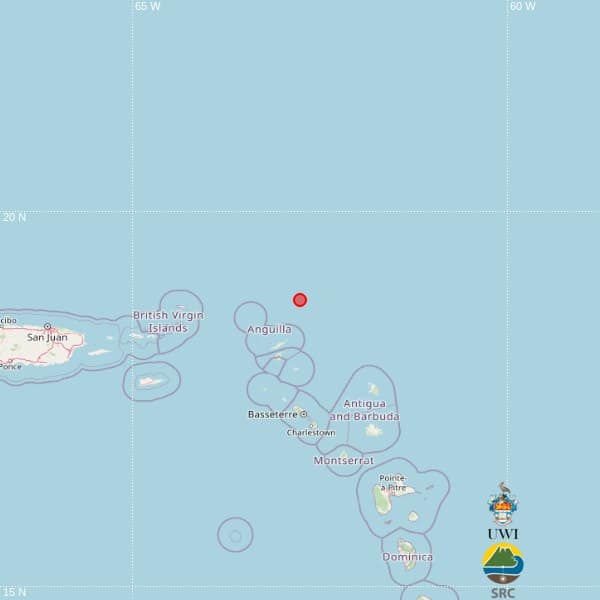
    The Eastern Caribbean region experienced a moderate seismic event in the opening hours of 2026, as confirmed by preliminary data from the University of the West Indies Seismic Research Centre. The tremor, registering magnitude 3.8 on the Richter scale, occurred at 6:24 a.m. local time (10:24 UTC) on January 1, 2026.

    According to automated monitoring systems, the earthquake’s epicenter was precisely located at coordinates 18.82°N latitude and 62.77°W longitude, with the seismic activity originating at a depth of approximately 10 kilometers beneath the Caribbean Sea floor. The event was situated approximately 169 kilometers north of Basseterre, St. Kitts and Nevis; 215 kilometers northwest of St. John’s, Antigua and Barbuda; and 233 kilometers north-northwest of Brades, Montserrat.

    The Seismic Research Centre emphasized that their initial measurements were automatically generated and remain subject to verification and detailed analysis by their team of seismic experts. Standard procedure requires thorough review of all preliminary data to ensure accuracy in location and magnitude assessment. No immediate reports of structural damage, coastal impacts, or injuries have been documented across the potentially affected regions. The earthquake’s moderate strength and offshore positioning significantly reduced any potential impact on populated areas.