作者: admin

  • Republic Bank Caribbean Premier League appoints Phi Edge as Official AI Prediction Partner

    Republic Bank Caribbean Premier League appoints Phi Edge as Official AI Prediction Partner

    One of the world’s most-watched T20 cricket competitions, the Republic Bank Caribbean Premier League (CPL), has announced a groundbreaking new partnership with cricket-focused artificial intelligence startup Phi Edge, naming the firm its Official AI Prediction Partner for the upcoming 2026 season. Scheduled to kick off August 7, 2026, the tournament will leverage Phi Edge’s specialized AI technology to reimagine fan engagement and deliver data-driven insights that have not been widely available to cricket audiences before.

    CPL has built a massive global footprint since its launch, drawing a cumulative broadcast and digital audience of more than 1.17 billion fans worldwide. The league boasts 2.47 million YouTube subscribers, racks up over 300 million annual tournament video views, and counts more than 10 million followers across its social media platforms, cementing its status as a leader in innovative, fan-focused T20 cricket.

    Under the terms of the multi-stage partnership, Phi Edge’s proprietary prediction engine will generate custom analysis before, during, and after every 2026 CPL fixture. The platform will produce real-time win probabilities, deep tactical breakdowns, head-to-head player matchup stats, and pre-tournament and pre-match context that will be turned into exclusive digital content to boost interaction with CPL’s global fanbase. Unlike generic sports analytics tools, Phi Edge’s system is purpose-built for cricket: it combines real-time in-match data, decades of historical cricket statistics, and relevant market data to generate ball-by-ball outcome probabilities, tracking shifting match momentum and key game moments to forecast what may happen next in every contest.

    Francois Vainker, CPL’s Media and Business Development Director, emphasized that the partnership aligns with the league’s longstanding commitment to innovating the spectator experience. “We are delighted to welcome Phi Edge as the Official AI Prediction Partner of the 2026 Republic Bank Caribbean Premier League,” Vainker said in a statement announcing the deal. “CPL is committed to innovating the fan experience and Phi Edge is pioneering the use of AI to create new forms of digital storytelling and entertainment for cricket fans. We’re excited to develop intelligent and entertaining digital match experiences together that engage fans and open up new commercial opportunities.”

    For Phi Edge, the collaboration marks a major milestone and a high-profile validation of the company’s specialized AI product, which was built by a team of pioneers in sports data and artificial intelligence under parent firm Phi 1.618. “This partnership represents an important milestone for the company and a significant endorsement of everything our team has been building,” said Eamonn Wilmott, Chairman and CEO of Phi Edge. “Cricket has the world’s most knowledgeable and passionate supporters, yet the way fans follow the sport has changed remarkably little in the digital age. We believe AI can transform how the game is experienced by analysing the moments that matter and predicting what might happen next. CPL has consistently been one of the most progressive organisations in world cricket, making it the ideal partner for the launch of Phi Edge.”

    The partnership will go live in the days leading up to CPL’s opening match on August 7, with Phi Edge set to deliver continuous AI-powered predictions, insights, and analysis across the entire tournament. Fans will be able to access all AI-generated content directly through the Phi Edge platform, bringing a new layer of interactive insight to the 2026 CPL season.

  • CARDTP advances digital transformation through Moodle training

    CARDTP advances digital transformation through Moodle training

    From July 28 to 30, Kingstown, the capital of Saint Vincent and the Grenadines, played host to a targeted capacity-building workshop focused on the Moodle open-source learning management platform, organized by the Caribbean Digital Transformation Project (CARDTP). The event was designed to equip representatives from across government agencies with the practical skills and technical knowledge needed to leverage digital learning tools for more effective training delivery, cross-agency knowledge sharing, and ongoing professional development within the public sector.

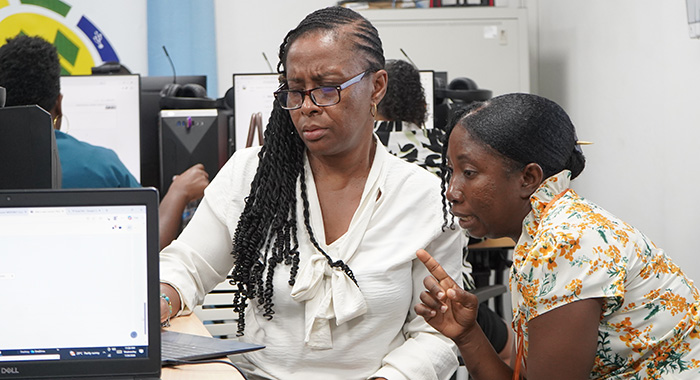
    Facilitated by learning technology specialist Silkie Prescott-Mc Kree, with on-the-ground support from Ashena Bowman, the three-day workshop moved beyond theoretical introductions to deliver hands-on, practical guidance covering every core aspect of using and administering the Moodle platform. Unlike generic tech training, the curriculum was tailored specifically to the needs of public sector stakeholders, covering key functions from foundational course creation and content management to user permission administration, interactive assessment tool deployment, and evidence-based strategies for boosting learner engagement. Every participant left the event with direct, practical experience that will allow them to immediately apply their new skills in their respective agencies.

    Moodle, a free, open-source learning management system, was selected for the project because of its flexible, customizable framework that creates an interactive digital learning ecosystem. On the platform, learners can access centralized training materials, join structured online courses, complete graded assessments, and engage with a full library of digital learning resources on demand. For the Government of Saint Vincent and the Grenadines, widespread adoption of Moodle across the public service is expected to remove barriers to accessing training, expand the reach of capacity-building initiatives, and improve the overall quality of professional development opportunities for public servants.

    Attendees at the workshop included official representatives from a range of partner government agencies, all of whom gained the specialized skills required to develop, manage, and deliver their own digital learning content moving forward. Beyond technical skill-building, the event also fostered greater cross-agency collaboration between participating stakeholders, while emphasizing the critical importance of building sustained internal technical capacity to ensure digital solutions like Moodle continue to deliver long-term value after the initial CARDTP project implementation phase concludes.

    According to an official press release from the project, the Moodle Platform Training Workshop marks another key milestone in CARDTP’s ongoing commitment to strengthening institutional digital readiness across Saint Vincent and the Grenadines, and supporting the national government as it advances its broader digital transformation agenda. Through targeted investments in accessible digital tools, core infrastructure, and human capacity development, CARDTP is working to build a public sector that is more efficient, better connected, and fully enabled to leverage digital technology to serve citizens.

    CARDTP itself is a major national digital development initiative funded by the World Bank, and implemented by the Government of Saint Vincent and the Grenadines through the dedicated Project Implementation Unit housed within the Ministry of Finance. The project’s broader mandate covers a range of priority digital transformation areas, including expanding access to digital public services, streamlining government operational processes, strengthening national cybersecurity frameworks, advancing inclusive digital skills development, and increasing access to technology-enabled solutions for both citizens and local businesses.

  • Several Barbadians in action as the CAC Games continue

    Several Barbadians in action as the CAC Games continue

    As the Central American and Caribbean (CAC) Games entered another full day of competition in the Dominican Republic on Wednesday, Barbadian athletes delivered a mixed bag of results across multiple disciplines, with one standout qualifying performance highlighting a day of mixed fortunes for the Caribbean nation’s delegation.

    The highlight of Wednesday’s action came from the athletics track, where rising Barbadian sprinter Kelia Bentham secured her place in the women’s 200m final after posting a new season-best time in her semifinal heat. Competing in the second of three semifinal rounds, Bentham crossed the finish line in second position with a time of 23.20 seconds, a personal seasonal best that earned her a spot in the sport’s marquee final round.

    Bentham’s breakthrough was countered by early exits for two other Barbadian sprinters in the men’s 200m semifinal stage. Aragorn Straker clocked 21.22 seconds to finish sixth in his second semifinal heat, falling short of the time needed to advance. In the third men’s 200m semifinal, Kuron Griffith posted a 20.67-second run to take fourth place, also missing out on qualification for the final.

    Beyond sprinting events, Barbadian shooters competing in multiple women’s shooting qualification rounds also posted solid but non-qualifying results. In the women’s 25m pistol qualification, Tesonna Alleyne finished 14th in the precision segment and moved up to ninth in the rapid fire segment, not enough to advance to the final round. For the women’s 10m air rifle qualification, three Barbadian shooters took home mid-to-back rankings: Brodella Ramchere placed 14th, Camara Williams 20th, and Calleah Walcott 21st respectively.

    In racket sports, Barbadian competitors faced tough losses across draw matches on Tuesday and Wednesday. Men’s singles table tennis athlete Tre Riley was knocked out in the round of 32 by Venezuela’s Raymundo Medina, who secured a straight-set victory with scores of 11-7, 11-6, 11-9, 11-6. On the squash court, two Barbadian pairs fell to Guatemalan opponents in Tuesday evening matches: the men’s doubles duo of Khamal Cumberbatch and Darien Benn lost 11-6, 11-1 to Josue Enriquez and Alejandro Enriquez, while the mixed doubles pair of Amanda Haywood and Darien Benn fell 11-7, 11-2, 11-2 to Guatemala’s Jose Toscano and Winifer Bonilla.

    In team sports action on Tuesday, Barbados’ national netball team suffered a 61-39 defeat at the hands of Trinidad and Tobago, marking the team’s second match of the tournament after an opening round 56-25 win over Bermuda. Other English-speaking Caribbean teams found more success in the same round: St. Lucia earned a 49-22 win over host nation Dominican Republic, while Jamaica recorded a dominant 79-19 victory over Bermuda.

    In other athletics action, skateboarder Tarryn Alleyne secured a spot in Wednesday’s men’s street skateboarding final after finishing sixth out of 10 competitors in the preliminary round. For the 400m semifinal rounds held Tuesday evening, two Barbadian athletes failed to advance to the final: Desean Boyce finished sixth in the third men’s 400m semifinal with a time of 52.35 seconds, while Asia Foster took fourth in the second women’s 400m semifinal in 53.32 seconds, both falling short of the required rankings to move forward.

  • Essay I: Van Zee naar Land – Wat Suriname zelf moet weten over de Nieuwe Raffinaderij en Gas-to-Shore

    Essay I: Van Zee naar Land – Wat Suriname zelf moet weten over de Nieuwe Raffinaderij en Gas-to-Shore

    Over the past five years, Suriname’s offshore waters have delivered an energy windfall unmatched in the nation’s entire modern history: more proven oil and natural gas reserves have been discovered off its coast than were accumulated in all preceding decades combined. This geological bounty positions the small South American nation at a crossroads, where intentional policy choices will determine whether these resources translate into long-term, inclusive sustainable development, or remain a raw commodity export that delivers limited benefit to ordinary Surinamese people. In the first installment of a six-part series, veteran petroleum and energy advisor Marcel P.T. Chin-A-Lien breaks down why a new onshore refinery and a Gas-to-Shore (GtS) pipeline project are critical to unlocking the full potential of Suriname’s energy reserves for all citizens.

  • Blue Marlins teach youths 3-16 to swim

    Blue Marlins teach youths 3-16 to swim

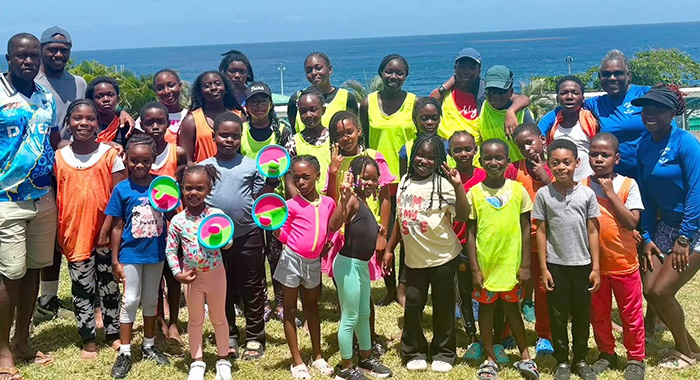
    Between July 13 and 31, the Blue Marlins Swim Club of St. Vincent and the Grenadines (SVG) launched its first-ever introductory learn-to-swim summer camp, designed to open water skills training to young people across a 3 to 16-year age range who would not otherwise have access to regular swim instruction.

    Recognizing a persistent gap in accessible aquatic education for local youth, club leadership developed the camp to lower barriers to entry, framing the program around low-stakes, engaging learning rather than competitive pressure. The curriculum centered on building foundational comfort and familiarity with swimming, paired with a range of complementary recreational activities to keep participants engaged beyond pool time. Campers took part in hands-on arts and crafts projects, casual group games, and introductory snorkeling sessions that quickly became a program highlight. The snorkeling component gave young participants the chance to explore SVG’s vibrant underwater ecosystems, fostering a new appreciation for the marine environment that surrounds their island home.

    In an official press statement following the camp, the Blue Marlins Swim Club emphasized that swimming is far more than a recreational pastime for people living in SVG: it is an essential life skill. The club drew attention to a devastating local trend, noting that at least one drowning death has been recorded in the country every year for the past five consecutive years. As an archipelagic nation made up of islands surrounded by ocean and dotted with numerous inland rivers, regular interaction with water is a part of daily life for Vincentians, making widespread swim proficiency a critical public safety priority.

    The club framed the inaugural summer camp as just the first step in its broader organizational mission: to expand access to swimming instruction and build a culture of water competence across SVG. Encouraging more local young people to break the ongoing cycle of preventable water-related fatalities through skills training, the Blue Marlins Swim Club is actively calling on interested students to enroll in its ongoing regular swimming classes to continue building their abilities.

  • Drone show spectacular to light up Arnos Vale as Republic Bank CPL touches down in St Vincent

    Drone show spectacular to light up Arnos Vale as Republic Bank CPL touches down in St Vincent

    The 2026 Republic Bank Caribbean Premier League (CPL) is set to make history this week as St Vincent and the Grenadines welcomes top-tier T20 cricket for the first time, with a cutting-edge touch that elevates the matchday experience beyond the boundary: large-scale pre-game drone light shows for both of the venue’s fixtures.

    Organizers have confirmed the spectacular aerial displays will illuminate the night sky above Arnos Vale Playing Field ahead of kickoff on August 7 and 9, marking a first for both the venue and the island nation’s CPL journey. The 2026 season’s opening match, pitting the Jamaica Kingsmen against Antigua and Barbuda Falcons, will get underway at 7:15 pm local time on Friday August 7, following the inaugural drone performance. Two days later, on Sunday August 9, a second display will precede the matchup between Antigua and Barbuda Falcons and St Lucia Kings, which also has a revised 7:15 pm start time.

    This year’s CPL expands its regional footprint to its largest ever, with fixtures hosted across eight Caribbean nations, and St Vincent and the Grenadines is the latest addition to that growing roster. Arnos Vale is no stranger to high-stakes cricket, however: the ground boasts a deeply rooted sporting legacy, having previously hosted 36 men’s international matches, including multiple games during the 2024 ICC Men’s T20 World Cup. Now, the historic venue is embracing modern fan entertainment to set the tone for the island’s first CPL matches.

    League organizers note that the drone shows are more than just a one-off novelty: they represent the CPL’s broader 2026 ambition to deliver elevated, holistic matchday experiences for fans at every host venue, going beyond the on-field action to give attendees a memorable full-evening event. The light displays will be visible from all sections of the ground, giving every ticketholder a front-row seat to the pre-match spectacle.

    The 2026 CPL season will run through mid-September, with playoff matches scheduled to take place at Kensington Oval in Barbados from September 16 to 20, capping off a tournament that brings elite cricket and innovative fan engagement to more Caribbean communities than ever before.

  • El Niño, heat stress and how we protect each other (Pt1)

    El Niño, heat stress and how we protect each other (Pt1)

    Extreme heat is a stealthy threat that erodes daily well-being long before its dangers become obvious to affected communities. Unlike sudden natural disasters that grab immediate headlines, rising temperatures creep into daily life through sleepless, restless nights, persistent headaches, frayed tempers, chronic fatigue, dried-up water sources, lost work hours, and a pervasive sense that even routine tasks demand far more effort than they should.

    This growing risk demands urgent attention from residents of St. Vincent and the Grenadines (SVG) and the wider Caribbean, particularly as the region navigates elevated temperatures driven by the current El Niño event. While El Niño is a naturally occurring climate pattern originating in the tropical Pacific, its climatic ripple effects extend far beyond the Pacific basin, triggering extreme heat events, prolonged drought, erratic rainfall shifts, and widespread strain on regional water and food supply systems.

    From a physiological perspective, heat stress develops when the human body cannot effectively regulate its core temperature through natural cooling processes. A combination of high air temperature, elevated humidity, minimal wind movement, direct exposure to sunlight, strenuous outdoor labor, and insufficient hydration all amplify this risk. The impacts of unmanaged heat stretch far beyond simple discomfort: it disrupts sleep, impairs concentration, alters mood, elevates blood pressure, causes dehydration, hinders learning, cuts workplace productivity, and increases the risk of on-the-job accidents. In SVG, the months of August and September typically bring the region’s hottest and most humid conditions, meaning households, schools, workplaces, and entire communities need to put proactive preparation measures in place well in advance.

    Critically, the harm of extreme heat is not limited to physical health. It carries significant psychological and social tolls as well. When people are deprived of consistent sleep, face strict water rationing, see their utility bills for cooling skyrocket, watch their crops wither under the sun, and are forced to work in dangerous high-temperature conditions, chronic stress builds gradually in both the body and mind. The expert emphasizes that people struggling with extreme heat are not weak – their distress often stems from dehydration, physical exhaustion, financial strain, unresolved grief, anxiety, or lingering trauma from previous climate disasters. This slow-burn disruption touches every aspect of community life.

    This gradual accumulation of stress is exactly how El Niño catches vulnerable communities off guard. What starts as a handful of unseasonably hot days stretches into months of extreme heat. A minor dry spell escalates to mandatory water rationing. A fatigued worker becomes an injured worker after a preventable accident. A household already stretched by financial pressure devolves into a tense, conflict-ridden space. The greatest danger is not a single record-breaking hot day; it is the slow, unrelenting build-up of physical, emotional, and social pressure over time.

    Older adults aging in place are among the most vulnerable groups during extended heat events, and must be treated as a top priority for support – especially those who live alone, have limited mobility, rely on regular medication, or live with pre-existing conditions including high blood pressure, diabetes, heart disease, asthma, kidney disease, or cognitive impairments. Many older adults cannot easily recognize or communicate the early warning signs of heat-related illness, such as dehydration, dizziness, confusion, muscle weakness, or fainting. Extreme heat also exacerbates existing chronic health conditions, turning minor discomfort into a life-threatening emergency quickly.

    To address this gap, relatives, neighbors, faith groups, local clinics, and community organizations should commit to checking in on older adults regularly during heat waves. These checks can ensure that older residents have access to safe drinking water, help them keep living spaces cool and well-ventilated, and confirm they can access necessary food, medication, transportation, and emergency care. A simple in-person visit or quick phone call can be enough to prevent a serious, avoidable health crisis.

    Parents, guardians, and youth-serving organizations also carry a unique responsibility to protect children from heat-related harm. Children’s bodies heat up faster than adult bodies, and they often cannot clearly articulate early symptoms of heat stress, including dizziness, thirst, weakness, nausea, or confusion. On extremely hot days, children should be encouraged to drink water at regular intervals, wear loose, light-colored clothing, rest in shaded or air-cooled spaces, and avoid strenuous outdoor play during the peak heat hours of the day. Critically, children should never be left alone in parked vehicles, even for just a few minutes. Schools, summer camps, faith groups, and youth sports organizations must adjust outdoor activity schedules, build in regular rest breaks, and guarantee constant access to clean drinking water. During El Niño-driven heat events, unmonitored routine outdoor play can quickly become life-threatening without proper hydration and oversight.

    Proactive heat preparedness in the Caribbean must also be integrated with existing hurricane season planning, as the two hazard seasons often overlap. Hurricanes and tropical storms bring a range of secondary impacts that amplify heat risk, including widespread power outages that cut access to cooling, damaged roofs that let heat into living spaces, flooding and landslides that block access to aid, contaminated drinking water supplies, and closed roads that delay emergency care. Families are advised to assemble comprehensive emergency supply kits, secure loose outdoor items and reinforce roof integrity, clear drains and gutters to prevent flooding, store important personal documents in waterproof containers, map out safe evacuation routes, and stock up on essential supplies including medication, flashlights, extra batteries, drinking water, and non-perishable food. They should also set aside additional stores of drinking water and portable cooling devices to address the added strain of rising temperatures.

    Employers also have a legal and ethical duty to protect outdoor and indoor workers from heat-related illness. Workplaces should implement basic protective measures, including shaded rest areas, consistent access to cool drinking water, increased frequency of rest breaks, buddy systems for workers to monitor each other for signs of heat stress, and adjusted working hours that avoid peak heat when possible. No worker should ever be forced to choose between earning a living income and avoiding life-threatening heat illness.

    The private business sector can also play a key supporting role in community resilience. Retailers can commit to keeping prices fair for critical heat-related supplies including fans, water storage containers, portable coolers, sun hats, shade cloth, water storage tanks, and hydration products. Credit unions, employers, and corporate partners can support community resilience by developing flexible payment plans for low-income households, funding community water storage projects, establishing public cooling centers, and directly supporting vulnerable households that struggle to afford cooling and water supplies.

    The core message from the expert is clear: communities must not wait until heat causes catastrophic health failure, a storm threatens homes, or cumulative stress overwhelms individuals and families to act. Proactive preparation, consistent hydration, unashamed rest when needed, checking in on vulnerable neighbors, prioritizing protection for elderly and child residents, enforcing worker safety protections, heeding official weather warnings, and asking for help when needed are all simple, actionable steps that save lives.

    In this season of overlapping heat, drought, storm activity, and climate uncertainty, community resilience must mean more than simply enduring hardship. True resilience requires intentional care, proactive planning, reliance on sound scientific guidance, and widespread compassion for the most vulnerable members of our communities. Protecting life, physical and mental health, livelihoods, and peace of mind during extreme heat events is not a burden that falls solely on individuals. It is a shared collective responsibility that requires action from every part of society.

  • Woman Escapes Alleged Abduction Attempt by Bus Driver in St. John’s

    Woman Escapes Alleged Abduction Attempt by Bus Driver in St. John’s

    A formal criminal investigation is currently underway after a female passenger filed a serious complaint against a public bus driver connected to an incident that unfolded on Tuesday just steps from the St. John’s Magistrate’s Court.

    Unnamed sources familiar with the case have shared details of the morning encounter: at approximately 10:30 a.m., the woman approached the parked bus with a simple request for a ride back to her residence. Rather than accommodating her transportation request or declining politely, the woman claims the driver made an unsolicited and inappropriate sexual advance toward her. She immediately rejected the unwanted proposition, according to her account.

    The confrontation took a dangerous turn when the woman attempted to exit the bus to distance herself from the driver. She alleges the operator began moving the vehicle forward before she could fully exit and get to a position of safety. The unexpected movement left her with a painful injury to her right foot, marking a violent escalation of what began as a verbal incident.

    Local law enforcement has confirmed the matter has been officially referred to investigating authorities, and officers are currently working through witness statements and evidence to advance the inquiry. As of the latest updates, the investigation remains active and ongoing, with no further details released about potential charges or the driver’s identity.

  • Health Authorities Warn Digital Marketing of Baby Formula Is Undermining Breastfeeding

    Health Authorities Warn Digital Marketing of Baby Formula Is Undermining Breastfeeding

    Public health leaders across the globe are issuing an urgent warning about a growing threat to maternal and infant health: the unregulated expansion of digital marketing for baby formula, which they say is systematically eroding rates of breastfeeding worldwide. In recent statements, multiple health authorities have highlighted how targeted social media campaigns, influencer partnerships, and algorithm-driven advertising have allowed formula brands to reach new and expectant mothers far more effectively than outdated public health outreach can counter.

    Unlike traditional advertising, which was subject to greater regulatory scrutiny under international guidelines designed to protect breastfeeding, digital platforms have created a loophole that brands have exploited to push their products. Influencers, often paid undisclosed amounts, share personal anecdotes framing formula as a convenient, even superior option for busy parents, while targeted ads capitalize on maternal anxiety, suggesting that formula can solve common breastfeeding challenges such as low milk supply or sleep disruption.

    Health experts emphasize that breastfeeding carries well-documented, life-long benefits for both infants and mothers: it reduces infant risk of infections, chronic diseases like diabetes and obesity, and lowers mothers’ risk of breast and ovarian cancer. The World Health Organization (WHO) recommends exclusive breastfeeding for the first six months of a child’s life, a guideline that marketing efforts are increasingly pushing mothers away from.

    Authorities are now calling for urgent regulatory reform to close digital marketing gaps, enforce existing international standards, and expand evidence-based public health campaigns that support mothers who choose to breastfeed. They warn that without swift action, the ongoing erosion of breastfeeding rates will lead to measurable negative impacts on public health systems around the world, increasing preventable healthcare costs and worsening health outcomes for vulnerable populations.

  • New guidelines launched to promote healthy eating and physical activity in schools

    New guidelines launched to promote healthy eating and physical activity in schools

    In a landmark move to address growing concerns over youth health and wellness, federal public health and education agencies have jointly launched a comprehensive set of new guidelines designed to embed healthy eating habits and regular physical activity into the daily fabric of American primary and secondary schools. The initiative comes amid decades of rising data showing alarming rates of childhood obesity, sedentary lifestyles, and poor nutritional choices among school-aged populations, with recent studies indicating that nearly one in five children in the U.S. meets the clinical definition of obesity, a condition that increases long-term risks for type 2 diabetes, hypertension, and other chronic health conditions.

    The updated guidelines lay out clear, actionable standards for school administrators, food service providers, and teachers to implement across campuses nationwide. For nutrition, the framework requires schools to expand access to fresh, whole fruits and vegetables in cafeteria lines, limit the availability of processed snacks high in added sugars, sodium, and saturated fats in vending machines and school stores, and eliminate sugary beverage sales on campus during school hours. It also mandates that schools provide nutrition education that teaches students how to make informed food choices, connecting lessons to hands-on experiences like school garden programs that let students grow their own produce.

    On the physical activity side, the guidelines set a minimum standard of 60 minutes of moderate to vigorous physical activity per school day for all students, up from previous recommendations that only required 150 minutes per week. This includes not just traditional physical education classes, but also active recess breaks for elementary students, classroom activity breaks for older students, and expanded access to before- and after-school sports and recreational programs for students of all ability levels. The framework also encourages schools to upgrade outdoor recreational facilities and create walking and biking routes to campus to promote active commuting.

    To support schools in meeting these new standards, the agencies announced that $100 million in federal grant funding will be made available over the next five years to help low-income and under-resourced districts upgrade cafeteria equipment, train staff, and build or improve recreational facilities. Public health advocates have broadly praised the initiative, noting that schools are a critical setting for shaping long-term health habits, as most children consume at least half of their daily calories while at school. Critics, however, have raised concerns about the burden of implementation on small rural districts with already tight budgets, arguing that additional funding may be needed to help these communities meet the new requirements. Agency officials note that they will conduct ongoing evaluations of the guidelines’ impact over the next decade to adjust recommendations based on emerging public health data.