作者: admin

  • Venezuelan capital quiet, streets empty after US strike

    Venezuelan capital quiet, streets empty after US strike

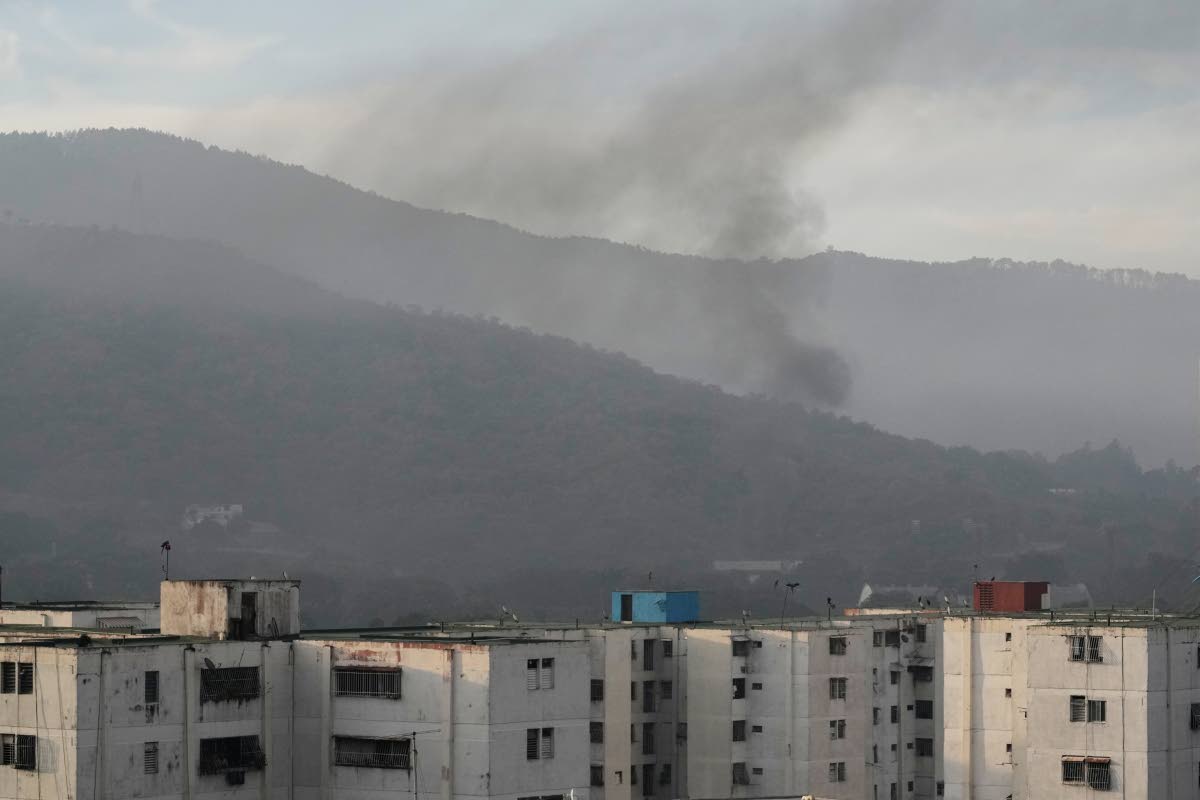
    CARACAS, Venezuela — The Venezuelan capital awoke to a transformed political reality Saturday following a pre-dawn U.S. military operation that resulted in the capture and removal of longstanding leader Nicolás Maduro. The city remained under a tense calm, with the distinct odor of explosives permeating the air as residents processed the dramatic overnight events.

    Beginning approximately at 2:00 AM local time, a series of powerful detonations rocked the city of six million, initially mistaken by some residents for fireworks. The strikes generated substantial shockwaves that rattled windows throughout the metropolitan area, prompting many citizens to rush onto terraces and balconies as military aircraft conducted operations overhead.

    Maria Eugenia Escobar, a 58-year-old Caracas resident, described the traumatic experience: “The explosion force literally threw me from my bed. In that terrifying moment, I thought ‘My God, the day has finally arrived,’ and I simply broke down crying.”

    Strategic military installations including the extensive compound in the Coche neighborhood, La Guaira’s airport and port facilities, along with targets in Maracay and Higuerote, sustained significant damage. Eyewitnesses reported observing substantial smoke columns rising from multiple locations across the city, eventually creating a dense, haze-like blanket over the urban landscape.

    U.S. President Donald Trump confirmed that American special operations forces successfully apprehended Maduro, who now faces transport to New York for judicial proceedings. The President emphasized that no American casualties occurred during the operation, though Venezuelan military and civilian casualties remain unverified.

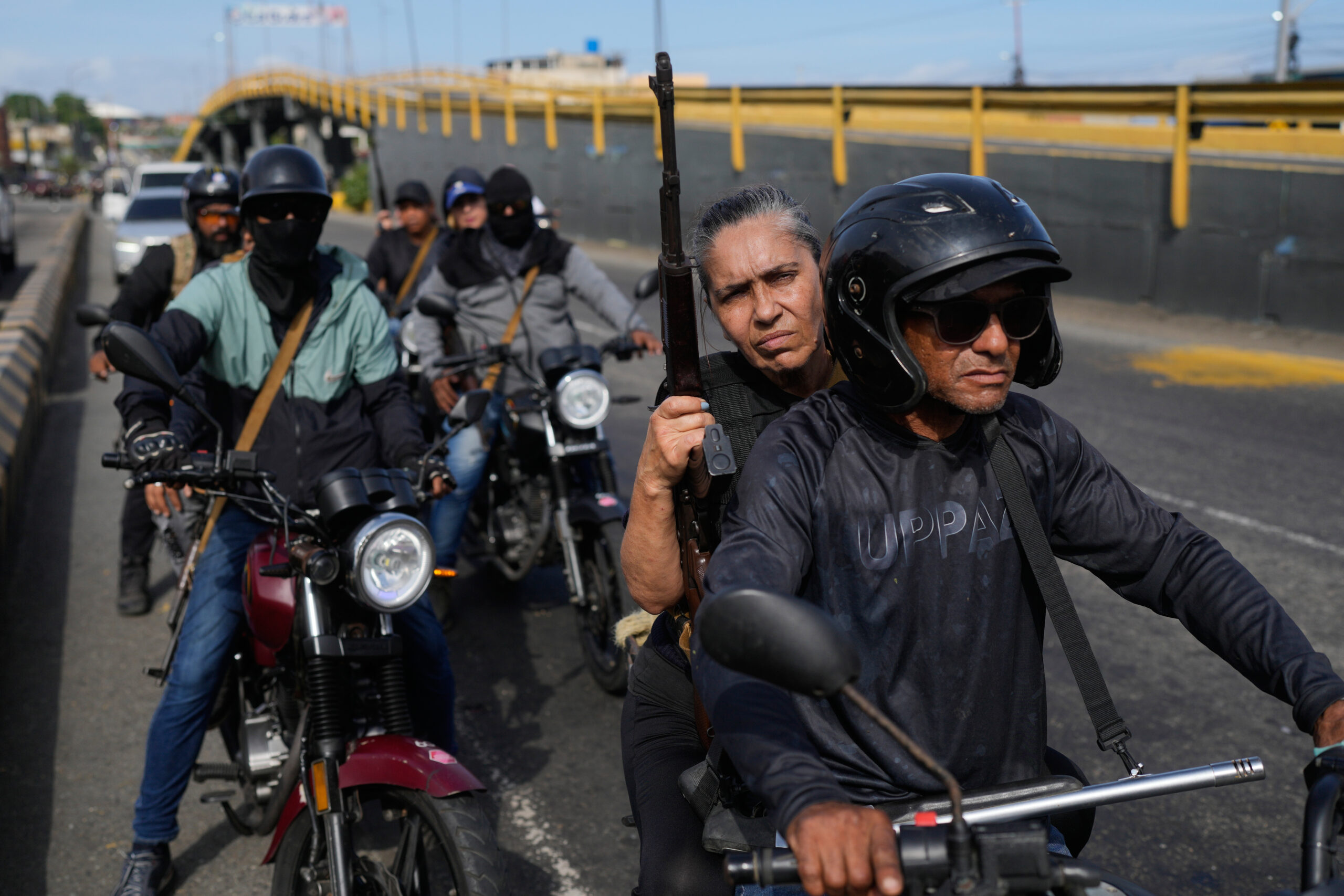
    The city’s typically vibrant streets remained predominantly deserted throughout the day, with occasional vehicles passing through areas monitored by heavily armed security personnel in black uniforms. While numerous establishments chose to remain closed, limited commercial activity resumed at select locations implementing controlled customer entry.

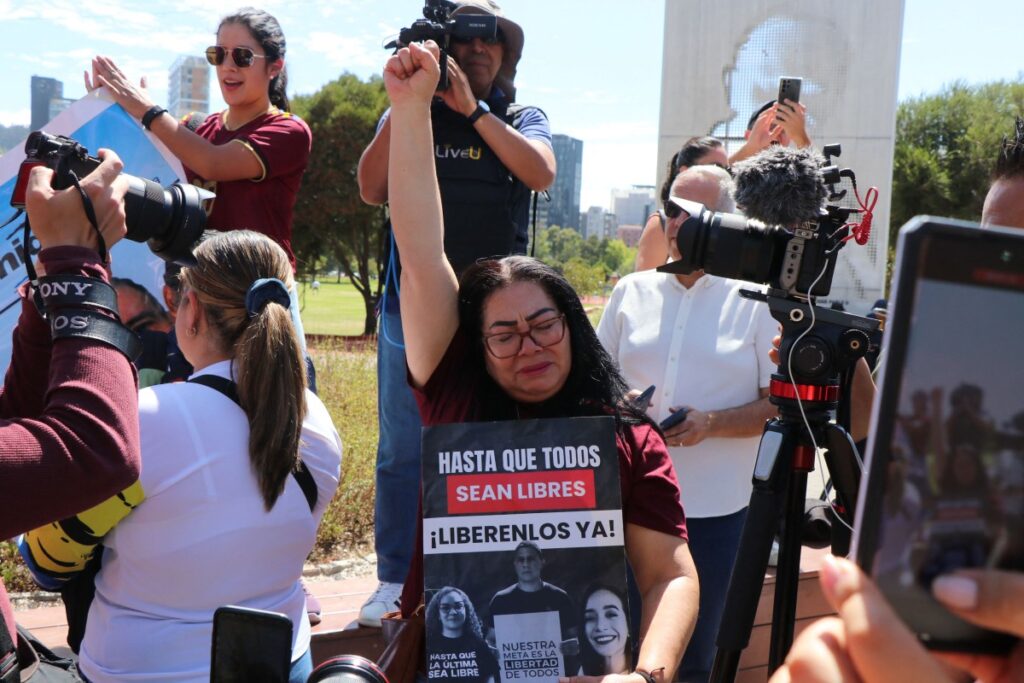
    Approximately several hundred dedicated Maduro supporters congregated at an improvised demonstration site, demanding information regarding their leader’s whereabouts and current condition. The gathering featured revolutionary music amplified through makeshift speaker systems alongside chants of “Long live Nicolás Maduro!”

    Katia Briceno, a 54-year-old university professor participating in the protests, condemned the American intervention as “barbaric,” questioning the legitimacy of foreign powers removing a national leader. Meanwhile, Defense Minister General Vladimir Padrino López accused U.S. forces of deploying missile and rocket attacks against civilian residential zones from combat helicopters.

    President Trump indicated readiness for potential additional military measures, stating he remained “unafraid of boots on the ground” while suggesting the possibility of “significantly expanded” subsequent strikes if warranted. The administration committed to overseeing Venezuelan governance until completing an appropriate political transition.

    Opposition leader Maria Corina Machado advocated for Edmundo Gonzalez Urrutia—whom opposition groups recognize as the legitimate winner of July 2024’s contested elections—to immediately assume presidential authority. However, Trump dismissed Machado’s leadership potential, instead expressing willingness to collaborate with Maduro’s deputy Delcy Rodriguez, whom he described as receptive to necessary reforms.
  • Defence Ministry: Flights out of US cancelled but Trinidad and Tobago’s airspace remain open

    Defence Ministry: Flights out of US cancelled but Trinidad and Tobago’s airspace remain open

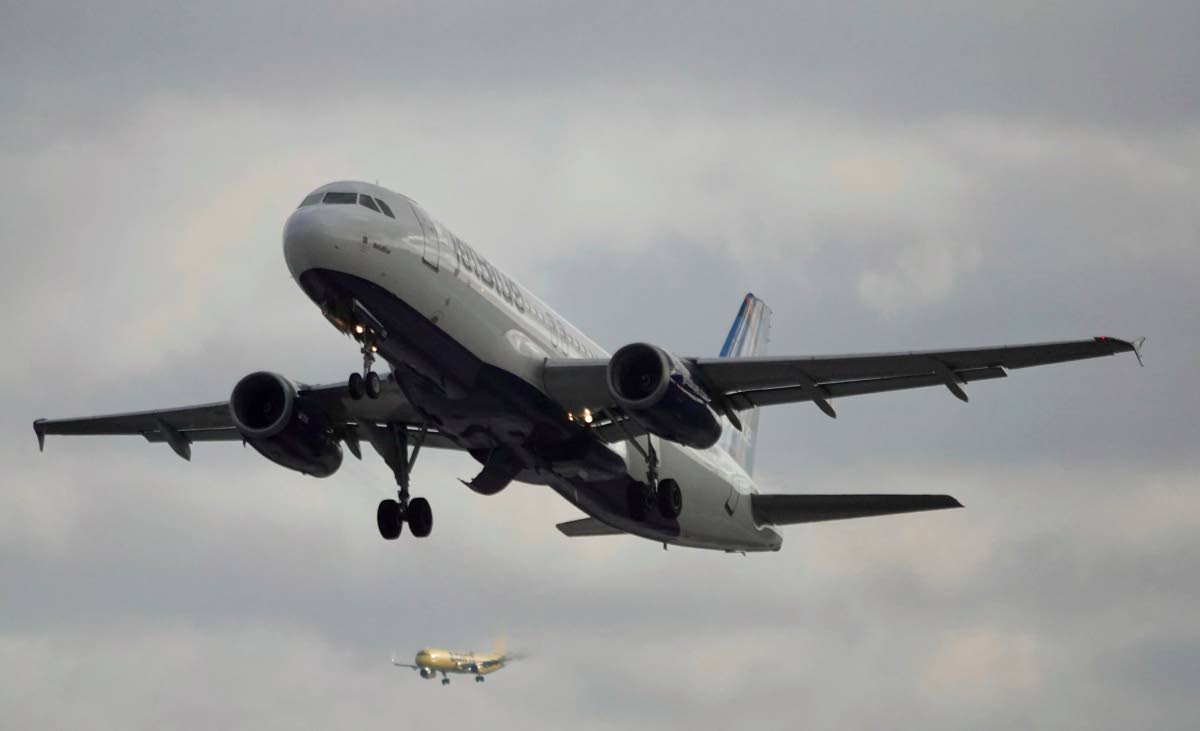
    Trinidad and Tobago’s Ministry of Defense has confirmed the nation’s airspace remains fully operational despite significant disruptions to US-originating commercial flights following American military operations in Venezuela. The developments occurred on January 3 when the US Federal Aviation Administration (FAA) mandated that all departing flights return to US territory.

    Among the affected flights was a JetBlue service destined for Trinidad, which received return instructions minutes after departing from New York’s JFK International Airport. The Airports Authority of Trinidad and Tobago reported multiple cancellations including services operated by KLM, United Airlines, American Airlines, JetBlue, and Amerijet Cargo due to the FAA’s prohibition on US commercial aviation utilizing Venezuelan airspace.

    In contrast, Caribbean Airlines confirmed its operations continued without disruption, maintaining all scheduled services. The flight cancellations followed a dramatic US military operation that resulted in the capture of Venezuelan President Nicolas Maduro and his wife at a Caracas military base, with additional targets destroyed during the early hours of January 3.

    Prime Minister Kamla Persad-Bissessar explicitly stated that Trinidad and Tobago played no role in the military intervention, emphasizing the country’s non-involvement in the operation while ensuring continued aviation accessibility through its sovereign airspace.

  • Civil society group to protest US attack on Venezuela

    Civil society group to protest US attack on Venezuela

    Civil society organizations in Trinidad and Tobago are mobilizing for a demonstration outside the US Embassy in Port of Spain on January 4th, denouncing what they characterize as an illegal military intervention in Venezuela. The protest comes in response to US forces’ capture of Venezuelan President Nicolás Maduro and his wife Cilia Flores during a large-scale operation on January 3rd.

    Movement for Social Justice (MSJ) leader David Abdulah issued a forceful statement condemning the action as “a gross violation of national sovereignty” that contravenes international law and the UN Charter. The coalition labeled the operation “an act of imperialism” designed to assert US hegemony throughout Latin America and the Caribbean.

    The groups particularly criticized Prime Minister Kamla Persad-Bissessar’s administration for its alleged complicity in facilitating US military activities in the region. They pointed to several concerning developments: her government’s support for US military deployment in the Southern Caribbean initiated last August, establishment of a US radar system at Tobago’s ANR Robinson International Airport, and granting unlimited transit permissions to US military aircraft at Trinidad’s major airports.

    While Persad-Bissessar asserted that Trinidad and Tobago is “not a participant in any of these ongoing military operations,” she reiterated her longstanding refusal to recognize Maduro as Venezuela’s legitimate leader. This position contrasts sharply with most CARICOM nations, which have collectively advocated for maintaining the Caribbean as a zone of peace and opposed US military action against alleged narco-trafficking operations.

    The Prime Minister recently questioned CARICOM’s reliability as a security partner while affirming that the United States represents Trinidad and Tobago’s sole credible protector against external threats.

  • Police take precautionary action after US military strike in Venezuela

    Police take precautionary action after US military strike in Venezuela

    In response to escalating regional tensions following the US military intervention in Venezuela, the Trinidad and Tobago Police Service (TTPS) has implemented comprehensive security protocols to ensure national stability. The operation resulted in the apprehension of Venezuelan President Nicolás Maduro and First Lady Cilia Flores during early morning operations on January 3.

    Commissioner of Police Allister Guevarro confirmed through an official press release that law enforcement agencies are maintaining vigilant surveillance of developing situations. The TTPS has activated strategic operational measures designed to anticipate potential risks while maintaining public confidence during this period of geopolitical uncertainty.

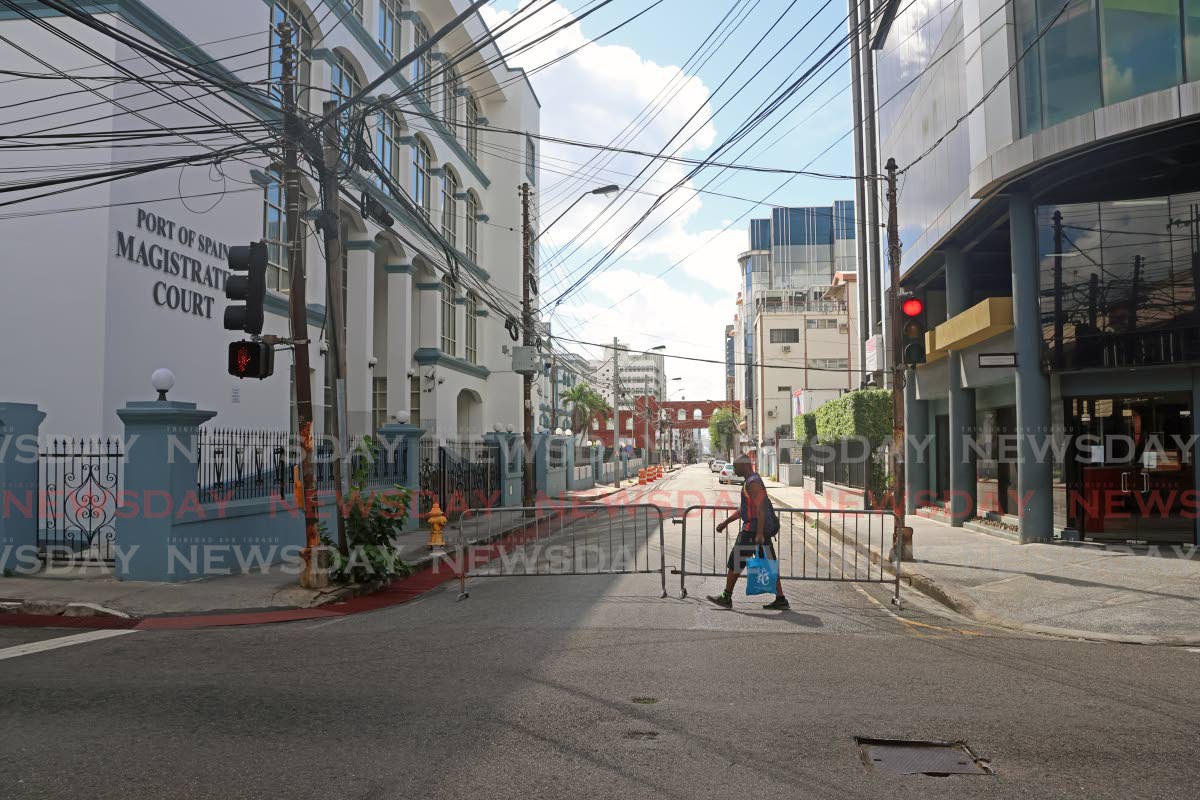
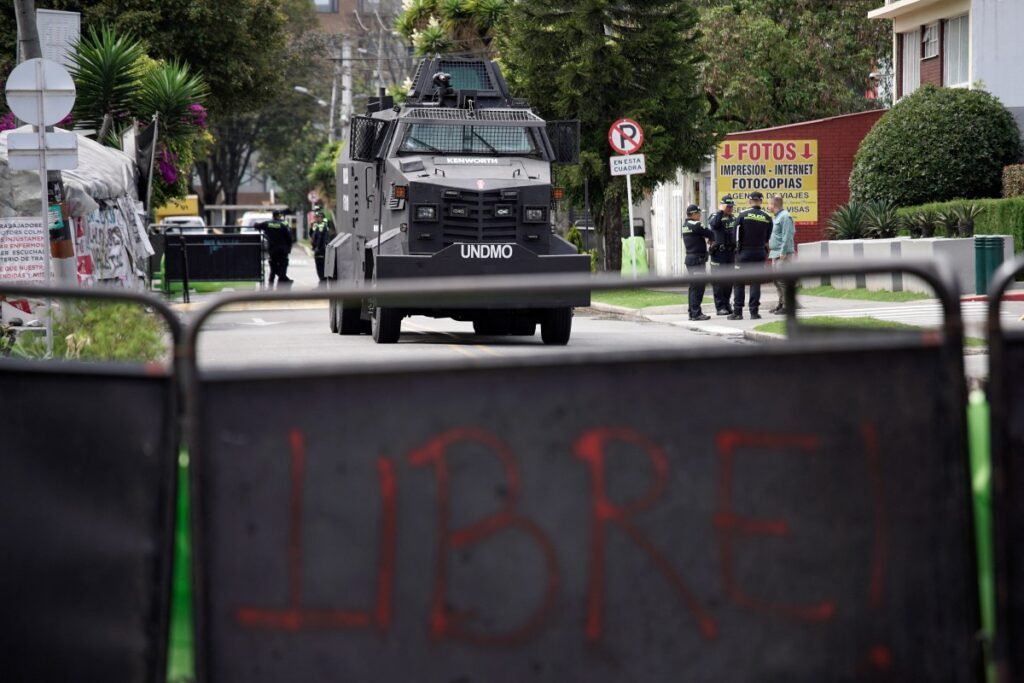
    Visible security enhancements include the cordoning of critical infrastructure areas in Port of Spain. Metal barricades now restrict access to the Police Administration Building at the intersection of Sackville and Edward Streets, demonstrating the force’s proactive approach to organizational readiness.

    Police authorities emphasize that these measures represent precautionary steps rather than emergency responses. The implemented protocols aim to ensure service continuity and operational stability should regional developments directly impact Trinidad and Tobago.

    Commissioner Guevarro reiterated the importance of public cooperation, stating: ‘Citizen vigilance coupled with responsible information sharing constitutes a fundamental component of national resilience.’ The public is encouraged to maintain calm, monitor official communication channels, and report suspicious activities to law enforcement agencies promptly.

  • Gauff saves US at United Cup, Wawrinka starts farewell season with win

    Gauff saves US at United Cup, Wawrinka starts farewell season with win

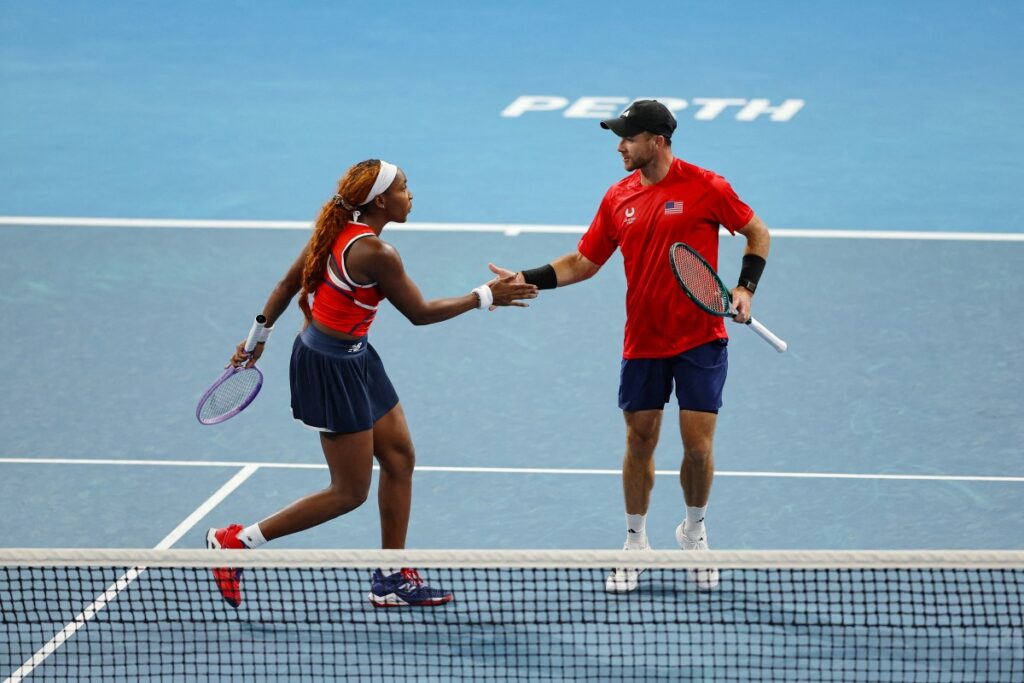
    PERTH, Australia — The United States team, led by a dominant Coco Gauff, mounted a comeback to defeat Argentina 2-1 in their opening United Cup tie on Saturday. The defending champions found themselves in an early deficit after Argentina’s Sebastian Baez delivered a stunning upset over world No. 6 Taylor Fritz with a 4-6, 7-5, 6-4 victory, despite the American’s powerful serve producing 23 aces.

    Gauff responded with an emphatic 6-1, 6-1 demolition of Solana Sierra, demonstrating the form that has made her one of tennis’s most promising stars. The match culminated in a mixed doubles decider where Gauff partnered with Christian Harrison to secure the tie against Maria Lourdes Carle and Guido Andreozzi 6-4, 6-1.

    In parallel action, Swiss veteran Stan Wawrinka embarked on what he has indicated will be his final professional season with a dramatic three-set victory over France’s Arthur Rinderknech. The 40-year-old, three-time Grand Slam champion battled for nearly three and a half hours to prevail 5-7, 7-6(5), 7-6(5), giving Switzerland an unassailable 2-0 lead. Teammate Belinda Bencic had earlier set the tone with a commanding 6-2, 6-4 win over Leolia Jeanjean, with the Swiss team completing a clean sweep by taking the mixed doubles for a 3-0 final scoreline.

    Other notable results saw China’s Zhang Zhizhen lead his team to a 2-1 victory over Belgium in Sydney, while Norway’s Casper Ruud delivered a commanding 6-3, 6-3 performance against Australian number one Alex de Minaur. The Australian team nonetheless secured a 2-1 win overall, thanks to substitute Storm Hunter’s 6-2, 7-6(3) victory over Malene Helgo and a subsequent doubles win with partner John-Patrick Smith.

    The United Cup, featuring 18 nations competing across Perth and Sydney, serves as a premier mixed-team event building momentum toward the Australian Open later this month.

  • Joy and despair as Venezuelans react to Maduro’s capture

    Joy and despair as Venezuelans react to Maduro’s capture

    A dramatic U.S. military operation culminating in the capture of Venezuelan President Nicolás Maduro has triggered a seismic shift in international relations, provoking starkly contrasting reactions worldwide. The operation, which President Donald Trump characterized as resembling a “television show,” involved large-scale strikes on Caracas and other Venezuelan cities before Maduro and his wife were taken into custody to face federal charges in New York.

    The Venezuelan government issued a swift condemnation, labeling the intervention an “extremely serious military aggression” and declaring a nationwide state of emergency. This development represents the explosive climax of a protracted geopolitical standoff between the Trump administration and the Maduro regime.

    Internationally, responses have fractured along ideological lines. Within Venezuela, armed supporters of the deposed leader mobilized near the Miraflores presidential palace, brandishing portraits of Maduro and revolutionary symbols while decrying what they termed an illegal kidnapping. Simultaneously, Venezuelan diaspora communities from Madrid to Santiago erupted in spontaneous celebration, waving national flags and expressing hope for political change in their homeland.

    The capture has ignited complex questions regarding sovereignty, international law, and the future of Venezuelan governance. While opposition factions welcomed the intervention as a necessary measure against authoritarian rule, loyalists vowed to continue their resistance, framing the event as an imperialist violation of their nation’s self-determination.

  • Trump says US ‘will run’ Venezuela until ‘safe’ transition; opens doors to American oil firms

    Trump says US ‘will run’ Venezuela until ‘safe’ transition; opens doors to American oil firms

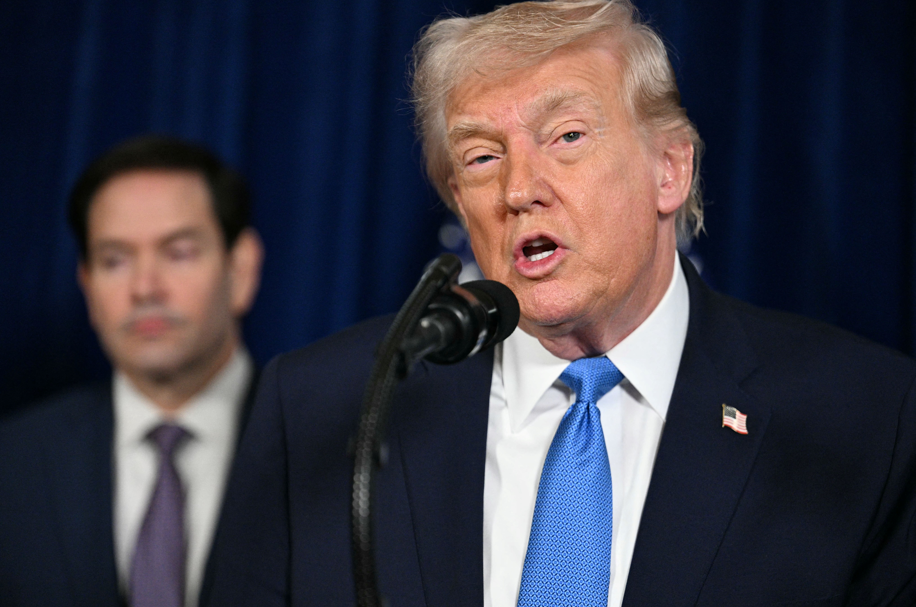
    PALM BEACH, United States — In a landmark announcement, President Donald Trump declared the United States would assume administrative control of Venezuela pending a political transition, following a successful military operation that removed Venezuelan leader Nicolas Maduro from power. The unprecedented statement came during a press conference where Trump outlined sweeping changes to Venezuela’s governance and economic structure.

    Trump confirmed US forces remain prepared to execute “much bigger” additional military strikes if required to maintain stability. The President simultaneously unveiled plans for American petroleum corporations to immediately enter Venezuela and develop its substantial crude oil reserves, describing the nation’s energy infrastructure as “badly broken” and requiring billions in investment.

    “Our premier US oil companies—the world’s largest—will invest substantially to rehabilitate Venezuela’s crippled oil infrastructure and generate national revenue,” Trump stated, while emphasizing that the comprehensive oil embargo against Venezuela remains rigorously enforced.

    The administration’s strategy included recent seizures of multiple oil tankers violating US sanctions as part of a sustained military pressure campaign preceding Maduro’s removal. Trump issued stern warnings to remaining Venezuelan political and military figures, indicating they could face similar consequences to Maduro if they oppose the transition.

    Venezuela’s oil industry, producing approximately one million barrels daily, has operated under US sanctions since 2019, forcing most sales onto black markets at significantly reduced prices. The Trump administration alleges Caracas has utilized oil revenues to fund international criminal activities including narcoterrorism, human trafficking, and organized violence.

  • Venezuela denounces US attack, seeks info on Maduro

    Venezuela denounces US attack, seeks info on Maduro

    Venezuela has entered a severe constitutional crisis following what government officials describe as a direct military assault by United States forces on January 3rd. The operation reportedly resulted in the capture of President Nicolás Maduro and First Lady Cilia Flores from a fortified residence within Caracas’ main military garrison, Fort Tiuna.

    In an urgent televised address, Vice President Delcy Rodríguez declared the administration has lost all contact with the captured leaders and formally demanded that Washington provide ‘immediate proof of life’ while revealing their current whereabouts. The government statement characterized the incident as an ‘extremely serious military aggression’ targeting both civilian and military locations, resulting in casualties.

    Defense Minister Vladimir Padrino López confirmed aerial strikes hit populated areas and stated authorities are currently compiling casualty figures. He vowed the nation would ‘resist any foreign military presence,’ framing the operation as an imperialist resource grab aimed at seizing Venezuela’s vast oil and mineral reserves and breaking the country’s political sovereignty.

    Simultaneously, US Attorney General Pam Bondi unveiled a comprehensive indictment from the Southern District of New York, charging Maduro and Flores with narco-terrorism conspiracy, cocaine importation conspiracy, and other related crimes. Bondi released the previously sealed indictment on social media, labeling the couple ‘alleged international narco traffickers’ who would face the ‘full wrath of American justice.’

    According to operational reports, the captured leaders were transported via US military helicopter to an awaiting naval vessel following their extraction from the military base. The event marks an unprecedented escalation in the long-standing tensions between the two nations, raising immediate concerns about regional stability and international law.

  • Guyana on alert after US attack on Venezuela

    Guyana on alert after US attack on Venezuela

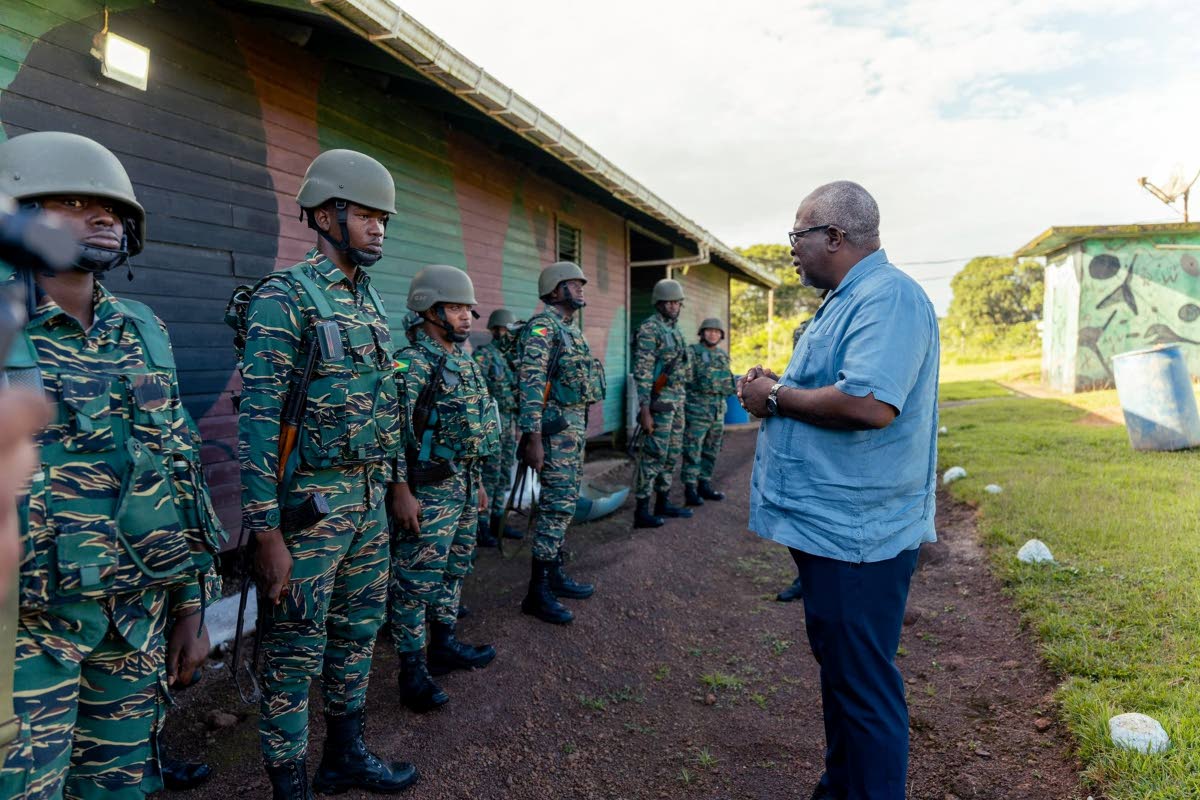
    In the wake of a significant US military intervention in Venezuela that resulted in the capture of President Nicolas Maduro and First Lady Cilia Flores, Guyana has initiated comprehensive security measures along its border regions. President Dr. Mohamed Irfaan Ali convened an emergency meeting with the Defence Board and national security leadership on January 3rd to address the escalating situation.

    The presidential office confirmed through official social media channels that Prime Minister Brigadier (retired) Mark Phillips has been deployed to Region One, where he is currently coordinating with Guyana Defence Force personnel and police units stationed in border communities. This strategic movement aims to reinforce security preparedness amid the evolving crisis in neighboring Venezuela.

    The longstanding territorial dispute between Guyana and Venezuela over the Essequibo region has added complexity to the current geopolitical landscape. The Caribbean Community (CARICOM) has expressed grave concerns regarding the military actions, noting potential implications for regional stability during an emergency meeting of heads of government.

    Meanwhile, Trinidad and Tobago’s Prime Minister Kamla Persad-Bissessar has openly endorsed US military activities in the Southern Caribbean, distinguishing her position from other CARICOM leaders who advocate for maintaining the region as a zone of peace. Persad-Bissessar emphasized Trinidad and Tobago’s non-participation in the operations while maintaining peaceful relations with Venezuela, asserting that US protection remains essential for national security against external threats.

  • Trump posts photo of handcuffed, blindfolded Maduro

    Trump posts photo of handcuffed, blindfolded Maduro

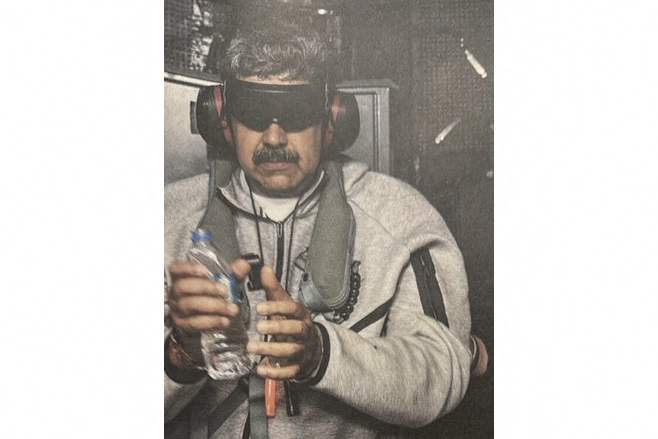
    WEST PALM BEACH, United States — In a dramatic escalation of tensions, former US President Donald Trump utilized his Truth Social platform to disseminate an image depicting Venezuelan President Nicolas Maduro in captivity aboard a US naval vessel. The photograph, released on Saturday, portrays the Latin American leader blindfolded, handcuffed, and outfitted with apparent noise-cancelling ear protection, alongside grey Nike-branded athletic wear.

    This visual confirmation followed Trump’s earlier announcement revealing that US forces had successfully executed a ‘large scale strike’ operation within Venezuela, resulting in Maduro’s capture and subsequent transport to the USS Iwo Jima. The operation represents the culmination of an extensive campaign employing both military and economic pressure tactics against Maduro’s government and its oil-dependent economy.

    The capture occurred merely forty-eight hours after Maduro had extended an overture to the Trump administration, proposing bilateral cooperation on critical issues including narcotics trafficking containment and illegal migration mitigation. This strategic military action underscores the severe deterioration of diplomatic relations between the two nations and marks an unprecedented intervention in South American political affairs.