作者: admin

  • Maduro, wife indicted in New York court for narco-terrorism, drugs, weapons offences

    Maduro, wife indicted in New York court for narco-terrorism, drugs, weapons offences

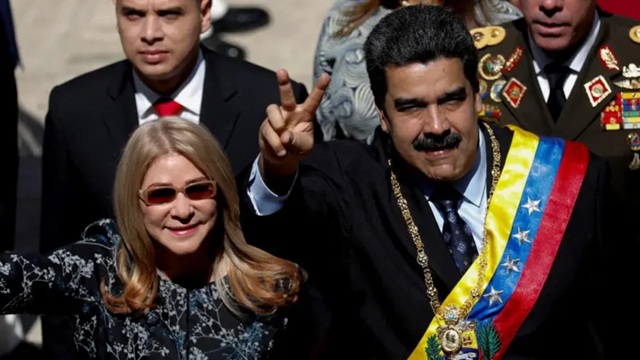
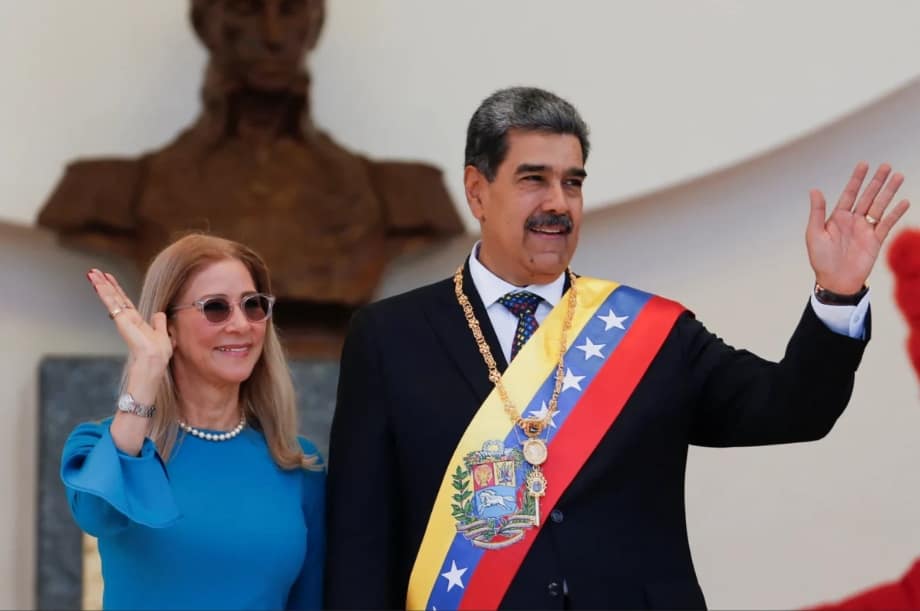
    In a dramatic escalation of international tensions, Venezuelan President Nicolás Maduro and his wife have been formally indicted by the United States Justice Department on charges including narco-terrorism conspiracy and weapons offenses. The indictment was unsealed in the Southern District of New York following what U.S. officials describe as a successful military operation that resulted in the capture of both individuals.

    U.S. Attorney General Pam Bondi announced the charges, which specifically accuse President Maduro of conspiring to import cocaine into the United States and illegally possessing machine guns and destructive devices. While the exact charges against Maduro’s wife remain unspecified, Bondi declared that both would ‘face the full wrath of American justice on American soil in American courts.’

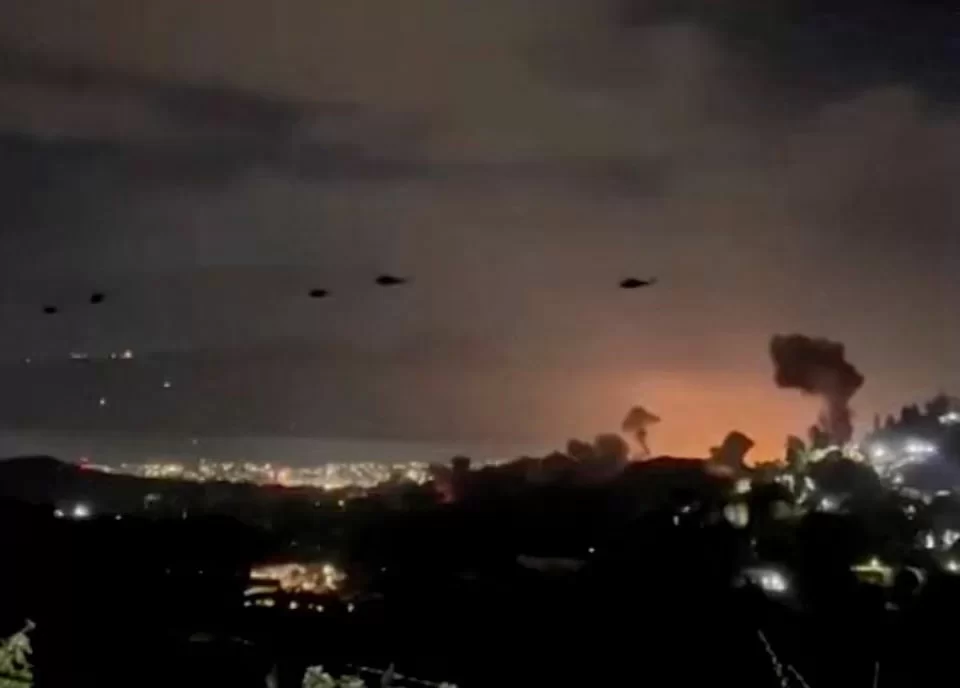
    The legal action follows an early morning military intervention that included a 30-minute aerial bombardment targeting multiple military bases in Caracas and other Venezuelan locations. President Donald Trump confirmed that U.S. forces had captured Maduro and his wife and removed them from Venezuelan territory during this operation.

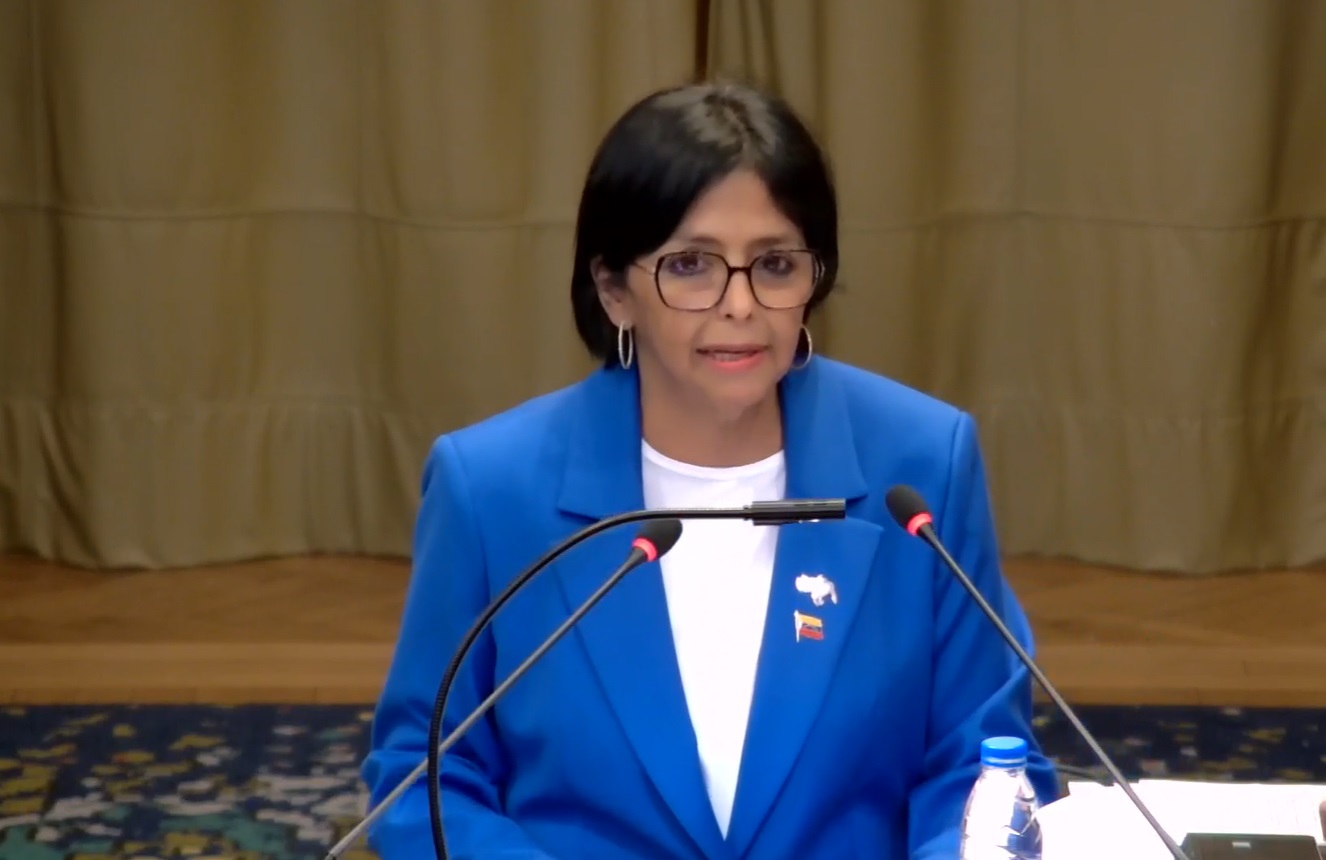
    The development comes six months after the United States initiated its largest military mobilization in the Caribbean region, targeting vessels suspected of transporting narcotics toward American shores. Venezuelan Vice President Delcy Rodríguez has formally requested that the U.S. government provide ‘proof of life’ documentation regarding Maduro’s current status and whereabouts.
  • US indicts Maduro and wife on narco-terror charges

    US indicts Maduro and wife on narco-terror charges

    In a significant escalation of tensions, U.S. Attorney General Pamela Bondi has publicly announced the indictment of Venezuelan President Nicolás Maduro and First Lady Cilia Flores. The charges, filed in the Southern District of New York, encompass multiple severe allegations, including conspiracy to commit narco-terrorism, conspiracy to import cocaine into the United States, and illegal possession of machine guns and destructive devices.

    Bondi extended formal gratitude to President Donald Trump for his directive in pursuing international accountability. She also lauded U.S. military personnel for executing what she characterized as an ‘incredible and highly successful mission’ designed to apprehend the couple, whom she labeled as ‘alleged international narco traffickers.’

    The Department of Justice has formally endorsed the operation, with Bondi underscoring that these unprecedented charges against a sitting head of state demonstrate the United States’ unwavering resolve to combat transnational criminal enterprises and uphold justice on a global scale. This legal action marks a pivotal moment in the fraught relationship between the two nations.

  • Guyana activates security plan as US bombs Venezuela

    Guyana activates security plan as US bombs Venezuela

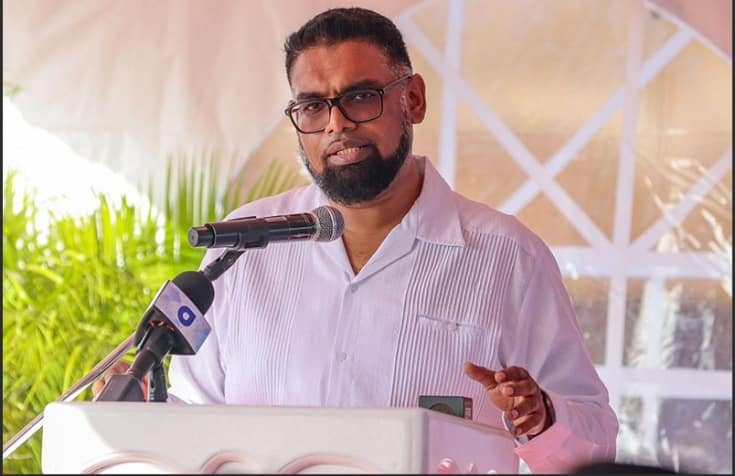
    Guyana has mobilized its complete security infrastructure in response to escalating military actions between the United States and Venezuela, President Dr. Irfaan Ali confirmed on Saturday. The Guyanese leader announced the activation of comprehensive defense protocols to ensure national security and citizen safety following American airstrikes on multiple Venezuelan military sites.

    President Ali addressed reporters regarding the heightened security measures, stating: “Our entire security architecture is fully active. The Guyana Defence Force and security forces are continuously monitoring the situation. Citizens should remain assured that our government is implementing all necessary protocols to safeguard our nation’s security interests.”

    The administration has maintained ongoing communication with regional security partners and international organizations. CARICOM Secretary General Dr. Carla Barnett has received detailed briefings on the developing situation, while Chief of Defence Staff Brigadier Omar Khan has established contact with neighboring security counterparts. President Ali emphasized his commitment to transparency, promising to share updates as information becomes available.

    Diplomatic efforts are underway to convene an emergency CARICOM leadership summit addressing the regional security implications. Simultaneously, President Ali has personally engaged with ExxonMobil Guyana President Alistair Routledge regarding security measures for the nation’s substantial offshore oil operations, which currently produce approximately one million barrels daily.

    Meanwhile, Venezuelan President Nicolás Maduro has declared a national state of emergency, characterizing the US military actions as “extremely serious military aggression.” Residents of Caracas reported multiple explosions and aircraft activity, prompting Venezuela’s government to denounce what it described as imperialist aggression.

    Maduro has ordered full mobilization of Venezuelan military and civilian forces to protect national sovereignty, while initiating formal complaints through United Nations channels, the Community of Latin American and Caribbean States (CELAC), and the Non-Aligned Movement. This response comes amid longstanding US allegations labeling Maduro a narco-terrorist leader, with Washington offering a $50 million reward for information leading to his capture.

  • CARICOM Heads Meet Urgently Following Reports of Military Action in Venezuela

    CARICOM Heads Meet Urgently Following Reports of Military Action in Venezuela

    Heads of Government from the Caribbean Community (CARICOM) convened an emergency session in the early hours of January 3rd following reports of escalating military activities within Venezuela. The regional body expressed profound apprehension regarding the situation, characterizing it as a matter of grave concern with potential ramifications for regional stability. CARICOM has initiated a comprehensive monitoring operation to track developments in real-time, emphasizing the possible spillover effects on neighboring nations. The organization has committed to maintaining transparent communication with the public, pledging to provide continuous updates as additional verified information becomes available. This swift diplomatic response underscores CARICOM’s strategic approach to regional security crises and its role as a stabilizing force in the Caribbean basin.

  • National emergency in Venezuela called as US strikes, captures Maduro

    National emergency in Venezuela called as US strikes, captures Maduro

    In a dramatic escalation of tensions, former U.S. President Donald Trump announced via Truth Social on January 3 that American forces had executed a “large-scale strike” against Venezuela, resulting in the capture and extraction of President Nicolás Maduro and his wife from the country. Trump characterized the mission as a “brilliant operation” conducted with U.S. law enforcement coordination, promising further details at a Mar-a-Lago news conference.

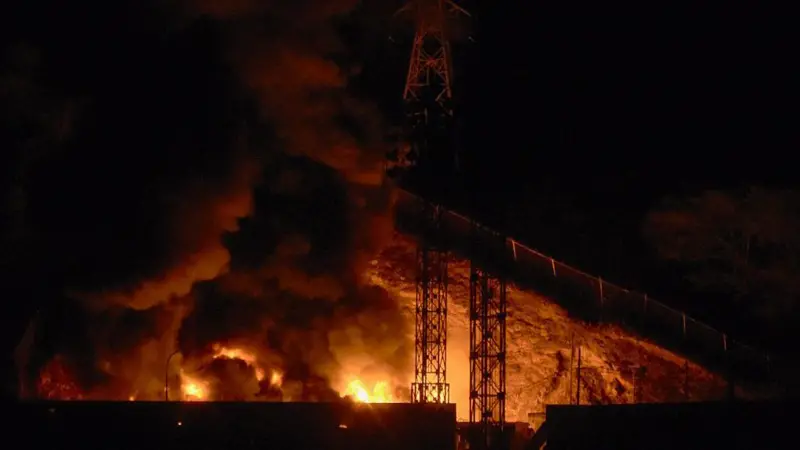
    Eyewitness accounts from Caracas described powerful explosions rocking the capital at dawn, with visible smoke plumes and unverified social media footage showing aerial military activity. The Venezuelan government confirmed strikes targeted key military installations including La Carlota airfield and Fuerte Tiuna base, with collateral damage causing power outages in surrounding communities.

    The Venezuelan administration issued a formal statement vehemently denouncing what it termed “military aggression” aimed at seizing national oil and mineral resources. Regional allies Cuba and Colombia joined in condemning the operations, while Trinidad and Tobago’s Prime Minister explicitly denied participation in the military actions.

    The Caribbean Community (CARICOM) convened an emergency meeting, expressing “grave concern” about regional implications. This development follows years of strained relations, with Washington consistently challenging Maduro’s legitimacy and accusing his administration of narcotics trafficking, while Caracas maintains these actions represent imperialist designs on Venezuela’s natural resources.

  • Guyana activeert veiligheidsplan na VS aanval op Venezuela

    Guyana activeert veiligheidsplan na VS aanval op Venezuela

    Guyana has escalated its national security preparedness in response to heightened military tensions between the United States and Venezuela, President Irfaan Ali announced on Saturday. The activation follows intensive American airstrikes targeting multiple Venezuelan military bases, raising concerns about regional spillover effects.

    President Ali confirmed the implementation of comprehensive security measures to safeguard Guyanese citizens, though specific operational details remain classified. This decisive action aligns with earlier presidential warnings regarding potential regional consequences from escalated Venezuela-US hostilities.

    Defense Chief Brigadier General Omar Khan maintains continuous communication with regional security partners, with the nation’s full security architecture remaining on heightened alert since early morning. The government has committed to providing public updates as new intelligence becomes available.

    Regional diplomatic efforts have intensified through the Caribbean Community (Caricom), whose Conference of Heads of Government convened an emergency session on January 3rd following reports of military operations in Venezuela. Caricom officials expressed serious concern about potential impacts on neighboring states and pledged ongoing monitoring of the volatile situation.

    Internal regional divisions have emerged among Caribbean leaders regarding international approaches to the conflict, prompting urgent consultations within Caricom’s governance framework.

    Regarding Guyana’s substantial offshore oil production—approximately one million barrels daily—President Ali confirmed coordination with ExxonMobil Guyana President Alistair Routledge. While emphasizing close collaboration with energy operators, the administration withheld specifics about enhanced security protocols for critical offshore infrastructure.

  • Internationale verontwaardiging over Amerikaanse aanval in Venezuela

    Internationale verontwaardiging over Amerikaanse aanval in Venezuela

    In a dramatic escalation of tensions, the United States launched a large-scale military operation in Venezuela during the early hours of Saturday morning. According to former President Donald Trump’s announcement on his Truth Social platform, Venezuelan President Nicolás Maduro and his wife have been captured and expelled from the country. Trump stated the operation was conducted in coordination with American law enforcement agencies.

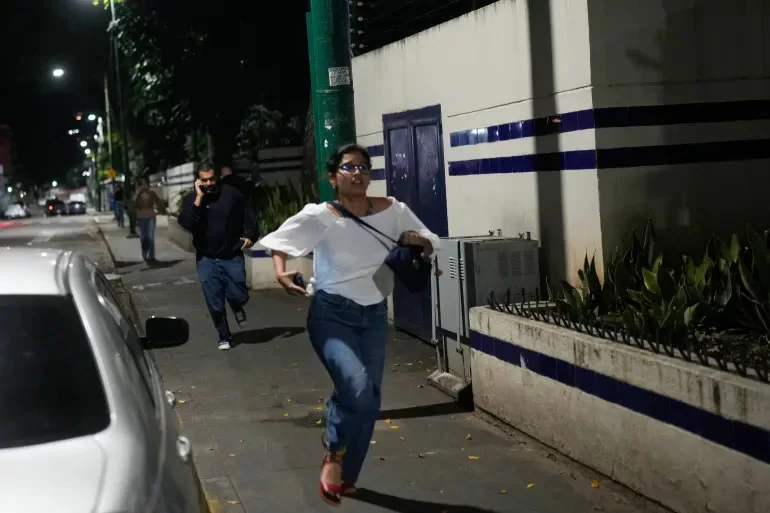
    The assault triggered multiple explosions and low-flying aircraft over Caracas, causing panic among residents who reported hearing blast sounds and witnessing aerial movements. Maduro’s government condemned the action as “extremely serious military aggression” and urgently called upon the international community to denounce what they characterize as an unlawful intervention.

    Current power dynamics within Venezuela remain uncertain, with no independent verification regarding Maduro’s whereabouts or status. Venezuelan Vice President Delcy Rodríguez has publicly demanded “proof of life” regarding President Maduro’s condition.

    International reactions have been swift and polarized. Colombian President Gustavo Petro expressed deep concern, emphasizing the necessity for peace and respect for international law. Cuban President Miguel Díaz-Canel strongly condemned the operation, labeling it “criminal aggression” and “state terrorism” targeting both Venezuela and Latin America at large. Iranian Foreign Ministry officials issued a formal statement condemning the attack as a blatant violation of Venezuela’s national sovereignty and territorial integrity.

    This military action follows months of increasing pressure from Washington on Maduro’s regime, which has struggled with profound economic crisis, political instability, and comprehensive international sanctions. The U.S. has long characterized Maduro as an oppressive dictator and supported opposition forces demanding his removal.

    The situation continues to develop amid calls from Maduro’s administration for public demonstrations, potentially escalating civil unrest. The international community monitors closely, with many nations urging restraint and peaceful dialogue to prevent further regional destabilization.

  • Venezuela’s VP calls on Trump to provide Maduro’s “proof of life”

    Venezuela’s VP calls on Trump to provide Maduro’s “proof of life”

    Venezuela has descended into a state of profound uncertainty following a dramatic U.S. military operation in its capital. The crisis erupted when U.S. President Donald Trump announced via social media that a large-scale strike had resulted in the capture and extraction of Venezuelan President Nicolas Maduro and his wife from the country.

    In a rapidly unfolding sequence of events, Venezuelan Vice President Delcy Rodriguez issued an urgent audio statement on Saturday, January 3rd, 2026, revealing that the whereabouts of President Maduro and the First Lady remained unknown. Speaking through the Telesur network, Rodriguez formally demanded that the Trump administration provide immediate ‘proof of life’ evidence for both individuals, citing grave concerns over their welfare and status.

    The operation, which Trump described as coordinated with U.S. law enforcement agencies, targeted Caracas in what the Venezuelan government condemned as a ‘complete brutal aggression’ violating international law and national sovereignty. Rodriguez emphasized that despite the attack, Venezuela remained calm while ‘digesting this military aggression’ that had fundamentally challenged the nation’s peace and tranquility.

    Meanwhile, U.S. Deputy Secretary of State Christopher Landau celebrated the development on social media, proclaiming ‘a new dawn for Venezuela’ and asserting that the ‘tyrant would finally face justice for his crimes.’ This stark contrast in narratives highlighted the deepening diplomatic chasm between the two nations.

    In a related development, Trinidad and Tobago’s Prime Minister Kamla Persad-Bissessar explicitly distanced her nation from the military operations, affirming that her country maintained peaceful relations with Venezuela and played no role in the ongoing conflict. The international community now watches closely as both nations prepare for further announcements, including a scheduled news conference at Trump’s Mar-a-Lago estate.

  • VS voert grootschalige aanval uit op Venezuela

    VS voert grootschalige aanval uit op Venezuela

    In a stunning pre-dawn operation on Saturday, the United States executed what former President Donald Trump described as a “large-scale attack” in Venezuela, reportedly resulting in the capture and extraction of Venezuelan President Nicolás Maduro and his wife. Trump announced the unprecedented military action through his Truth Social platform mere hours after explosions rocked the Venezuelan capital.

    Residents of Caracas reported multiple detonations echoing through city streets as low-flying aircraft circled overhead. The Venezuelan regime immediately condemned the operation as an “imperialist assault” targeting both civilian and military installations, calling for mass public demonstrations against foreign intervention.

    The current power structure in Venezuela remains unclear, with uncertainty surrounding Maduro’s exact whereabouts. Venezuelan Vice President Delcy Rodríguez utilized state media channels to demand “proof of life” for the president, highlighting the ambiguous status of the nation’s leadership.

    Trump indicated that additional operational details would be revealed during a Saturday morning press conference, noting the mission was conducted in coordination with U.S. law enforcement agencies. This development represents a dramatic escalation in the long-standing tensions between Washington and Caracas.

    The United States has maintained consistent pressure on Maduro’s administration through economic sanctions and support for opposition movements, citing concerns over political repression and systemic corruption. Venezuela’s government has consistently emphasized national sovereignty and resisted foreign influence, particularly from Western nations.

    International observers await responses from global powers including Russia and China, both of which have maintained significant economic and diplomatic ties with Venezuela. Neighboring Latin American nations also face potential ramifications from this sudden military intervention in a region historically sensitive to U.S. involvement.

    The operation occurs against the backdrop of Venezuela’s prolonged economic crisis and political instability, raising questions about potential power transitions and future governance structures. The situation remains fluid with significant uncertainty regarding both domestic consequences and international reactions to this extraordinary development in hemispheric relations.

  • A Legacy of Hope: The Diocese of St. John’s-Basseterre Concludes the Jubilee Year

    A Legacy of Hope: The Diocese of St. John’s-Basseterre Concludes the Jubilee Year

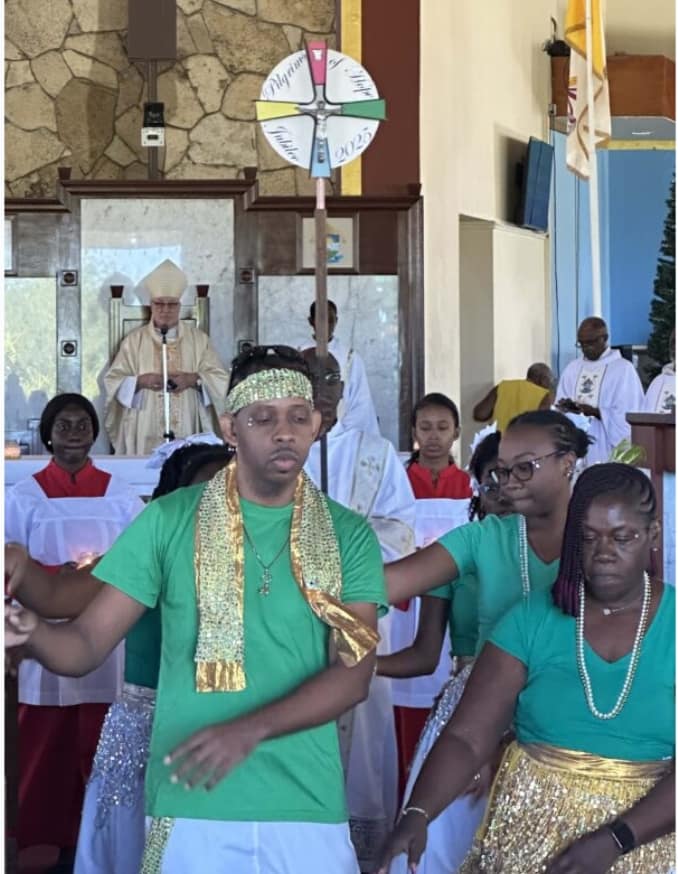
    The Catholic Diocese of St. John’s-Basseterre formally concluded its Jubilee Year 2025 celebrations on December 28, coinciding with the Feast of the Holy Family observance. The spiritually significant event marked the culmination of a year-long period dedicated to reflection and religious renewal across the island communities.

    Throughout 2025, the diocese actively participated in the global Catholic Church’s “Pilgrims of Hope” initiative, emphasizing both physical and spiritual reconciliation through open doors. Community activities included organized pilgrimages, extended Eucharistic Adoration sessions, and widespread engagement with the Sacrament of Penance.

    Bishop Robert Llanos presided over the closing ceremonies, addressing clergy members, religious figures, and lay congregants. In his homily, the Bishop emphasized that although the formal Jubilee period has concluded and its Holy Doors have been ceremonially closed, the essential mission of maintaining hope continues unchanged. He specifically challenged families to model their relationships after the Holy Trinity’s example and demonstrate divine sacrificial love in their daily interactions.

    Bishop Llanos further articulated the need to combat spiritual indifference by carrying the jubilee’s transformative spirit into secular environments including workplaces and homes. He identified the Feast of the Holy Family as particularly symbolic for this transition, urging domestic units to become centers of hope and service amid growing secularization trends.

    The Bishop’s closing remarks emphasized converting received blessings into tangible charitable actions as the diocese enters 2026. While the structured celebrations have ended, the enduring legacy of the Jubilee Year continues to inspire the community’s faith journey. The “Pilgrims of Hope” vocation remains active, encouraging believers to maintain strong spiritual foundations while engaging in proactive service. The spiritual benefits garnered throughout the year are expected to positively influence the diocese for years to come, reinforcing communal bonds among parishioners.