作者: admin

  • Prepare to screen, accommodate influx of migrants as a fallout from US airstrikes on Venezuela, APNU tells gov’t

    Prepare to screen, accommodate influx of migrants as a fallout from US airstrikes on Venezuela, APNU tells gov’t

    Guyana’s primary opposition coalition, A Partnership for National Unity (APNU), has issued an urgent advisory to the government regarding potential security and humanitarian consequences stemming from recent US military operations in Venezuela. The organization emphasized the critical need for immediate contingency planning to address a possible influx of displaced persons across the western border.

    APNU proposed a comprehensive four-point strategy that includes establishing designated reception zones at secure distances from the border area. These zones would require pre-positioned essential supplies including water, food, medical resources, and shelter materials. The opposition coalition specifically highlighted the necessity of implementing robust vetting mechanisms to prevent potential infiltration threats that could compromise national interests.

    While advocating for humanitarian response measures, APNU simultaneously called for strengthened security protocols and systematic registration procedures to ensure orderly management of any migration flow. The organization stressed that such measures must balance humanitarian concerns with national security requirements.

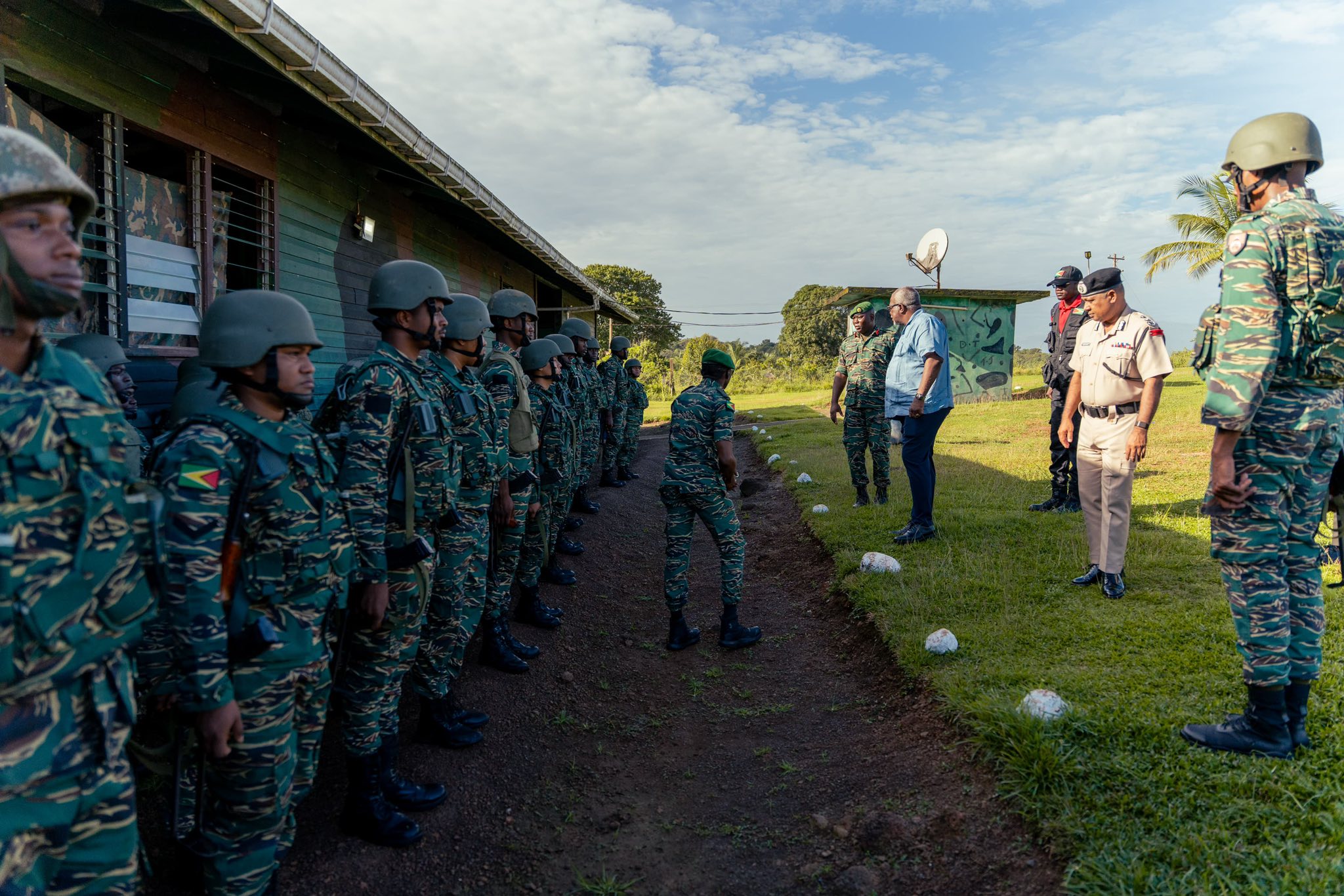
    President Irfaan Ali, responding to inquiries, acknowledged ongoing border monitoring efforts but noted he had not yet reviewed APNU’s specific recommendations. The President confirmed that Prime Minister Mark Phillips was currently engaged with defense and security personnel in border regions to assess preparedness in light of regional developments.

    APNU further recommended establishing a joint humanitarian task force incorporating multiple government agencies including the Civil Defence Commission, Guyana Defence Force, and relevant ministries. The opposition coalition also urged international engagement with organizations including CARICOM, UN refugee agencies, and the International Red Cross to secure potential logistical and financial support.

    Emphasizing the need for bipartisan cooperation, APNU offered legislative support, community network mobilization, and budgetary approval assistance to address what they characterize as a national emergency requiring unified response. The organization noted that while Guyana maintains its position on territorial matters through the International Court of Justice process, the current situation demands pragmatic humanitarian planning.

    Background context indicates significant prior migration from Venezuela, with official figures documenting approximately 40,000 legal Venezuelan residents in Guyana and unofficial estimates suggesting total numbers exceeding 100,000 individuals who have fled political and economic instability over the past decade.
  • Venezuela Denounces U.S. Military Action, Declares State of External Commotion

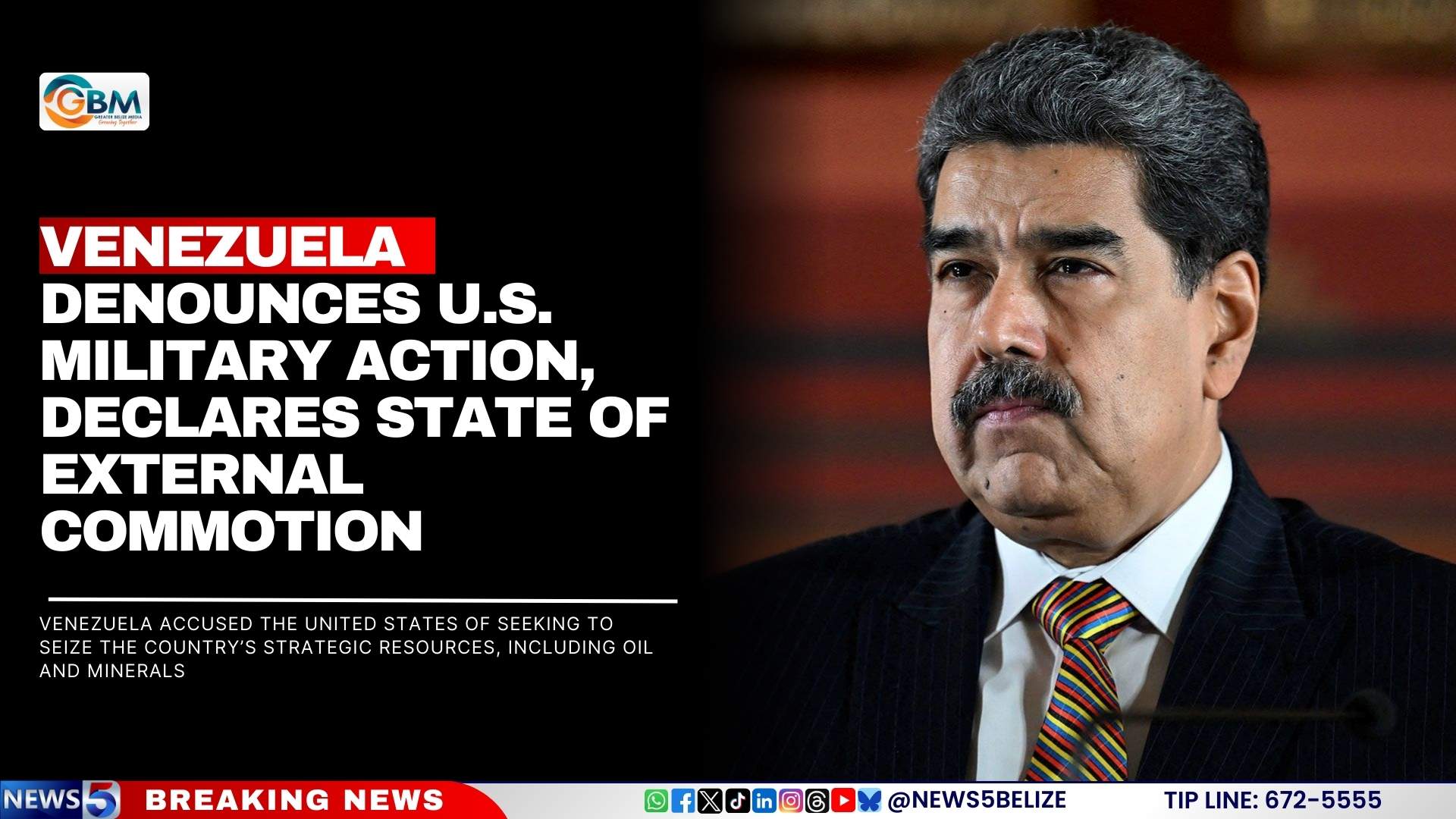
    Venezuela Denounces U.S. Military Action, Declares State of External Commotion

    The Venezuelan government has issued a formal declaration of a State of External Commotion across its entire territory following what it characterizes as unprecedented military aggression by the United States. According to an official statement released on January 3, 2026, U.S. forces allegedly conducted attacks against both civilian and military installations in Caracas and surrounding states including Miranda, Aragua, and La Guaira.

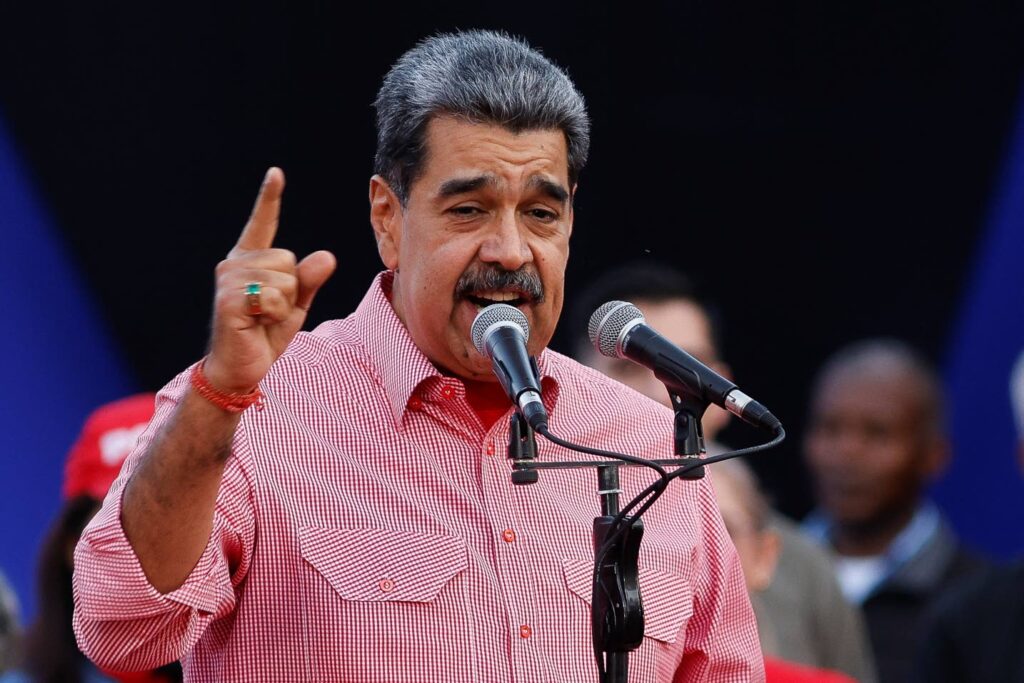
    President Nicolás Maduro has authorized the implementation of comprehensive national defense protocols in response to what Venezuelan authorities describe as a blatant violation of international law and the United Nations Charter. The government asserts that these actions represent not only an assault on Venezuelan sovereignty but also a direct threat to regional stability throughout Latin America and the Caribbean.

    Venezuelan officials have framed the alleged incursion as an attempt to seize control of the nation’s strategic resources, particularly its substantial petroleum and mineral reserves, while simultaneously attempting to force regime change through military means. The government maintains that such efforts will ultimately fail, citing historical resistance to foreign intervention.

    Notably absent from the Venezuelan statement was any acknowledgment of U.S. claims regarding President Maduro’s capture and removal from the country during overnight operations. This creates a significant discrepancy between the narratives presented by the two nations, with Caracas maintaining presidential authority and continuity of government operations despite Washington’s assertions to the contrary.

    The declaration of a State of External Commotion enables extraordinary measures to protect civilian populations, ensure the continued functioning of state institutions, and coordinate national response to what Venezuela characterizes as external aggression.

  • Gemini Browne Charged with Unlawful Possession of Crack/Cocaine

    Gemini Browne Charged with Unlawful Possession of Crack/Cocaine

    In a targeted anti-narcotics operation, the Royal Police Force of Antigua and Barbuda has formally charged 40-year-old Perry Bay resident Gemini Browne with unlawful possession of controlled substances. The arrest occurred on Thursday following strategic police interventions in the Grays Green area, where law enforcement officials intercepted Browne and discovered 0.7 grams of crack cocaine in his possession.

    The charges stem from an ongoing initiative to combat illicit drug activities across local communities. Police authorities have confirmed that Browne was taken into custody and processed according to standard judicial procedures. Investigations remain active as law enforcement continues to pursue related leads.

    This arrest forms part of the Royal Police Force’s broader campaign to enhance public safety and disrupt drug distribution networks throughout Antigua and Barbuda. Officials have reiterated their commitment to sustained operations targeting narcotics trafficking and associated criminal behavior.

    The police administration has called for increased public cooperation in these efforts, urging community members to report suspicious activities through official channels including the Criminal Investigations Department and the anonymous Crimestoppers tip line. This collaborative approach aims to strengthen community-police relations while addressing drug-related crimes more effectively.

  • ‘At last’

    ‘At last’

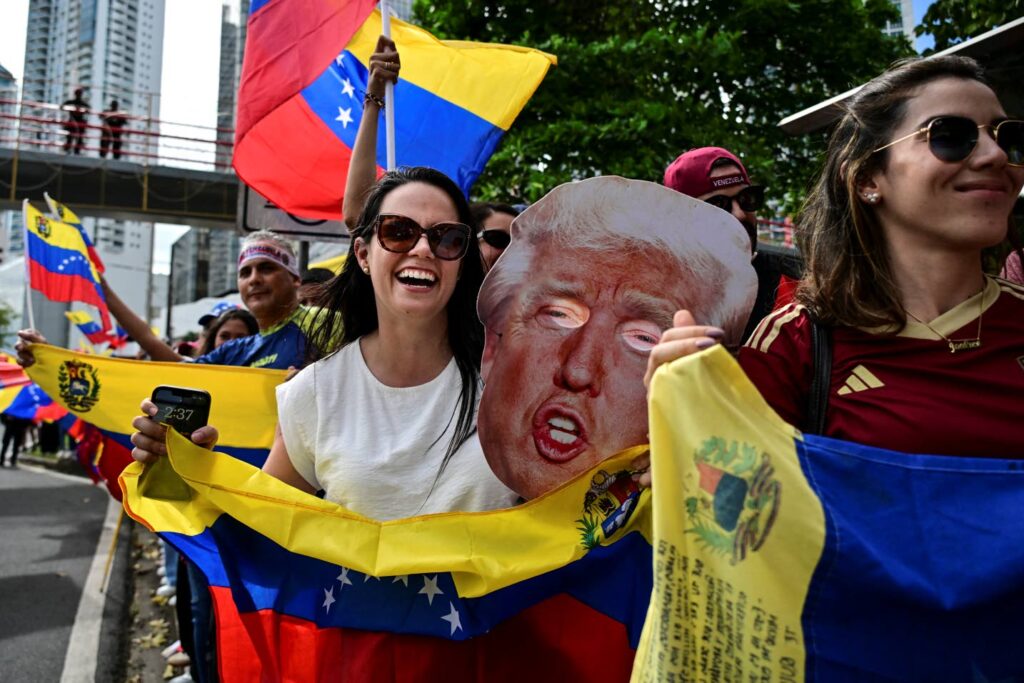
    In an unprecedented global display of emotion, millions of Venezuelan exiles erupted in celebration following the capture of their former leader, Nicolas Maduro, by United States military forces. The operation, which culminated in Maduro’s extradition to New York to face narcotics trafficking allegations, triggered spontaneous gatherings across international capitals from Santiago to Madrid.

    Colombia’s capital, Bogotá, which shelters the largest contingent of nearly three million displaced Venezuelans, witnessed scenes of profound emotional release. Kevin Zambrano, a hairdresser who fled a decade ago, expressed uncontainable joy, stating his gratitude for what he termed ‘the first step’ toward national liberation. Similarly, in Santiago, street vendor Yurimar Rojas voiced a sentiment echoed by countless others: ‘At last we’ll be able to go back home.’

    The celebrations, however, were tempered by geopolitical complexities and internal divisions. U.S. President Donald Trump announced that the United States would temporarily ‘run’ Venezuela pending a stable political transition, a declaration that drew immediate condemnation from Maduro’s Vice-President, Delcy Rodriguez, who asserted that Maduro remains the nation’s ‘only president.’

    Amid the euphoria, poignant personal stories emerged. Yeiner Benitez, a security guard in Bogotá, tearfully recounted the tragic death of his uncle due to medication shortages—a direct consequence of Venezuela’s economic collapse. His narrative underscored the profound human toll of the crisis that drove nearly eight million citizens into exile.

    Not all responses were celebratory. In Mexico City, protesters gathered outside the U.S. embassy, brandishing signs that read ‘No to war’ and warning against what they perceived as neo-colonial resource extraction. Mario Benitez, leading the demonstration, urged Venezuelans to resist foreign intervention and protect national sovereignty.

    The events set the stage for a complex power struggle, with opposition figure Maria Corina Machado delivering a galvanizing message of hope to supporters in Madrid, while the current administration in Caracas vowed to defend the nation’s sovereignty. The path forward remains uncertain, balancing exiles’ dreams of return against the challenges of rebuilding a shattered nation.

  • Homeless appeal

    Homeless appeal

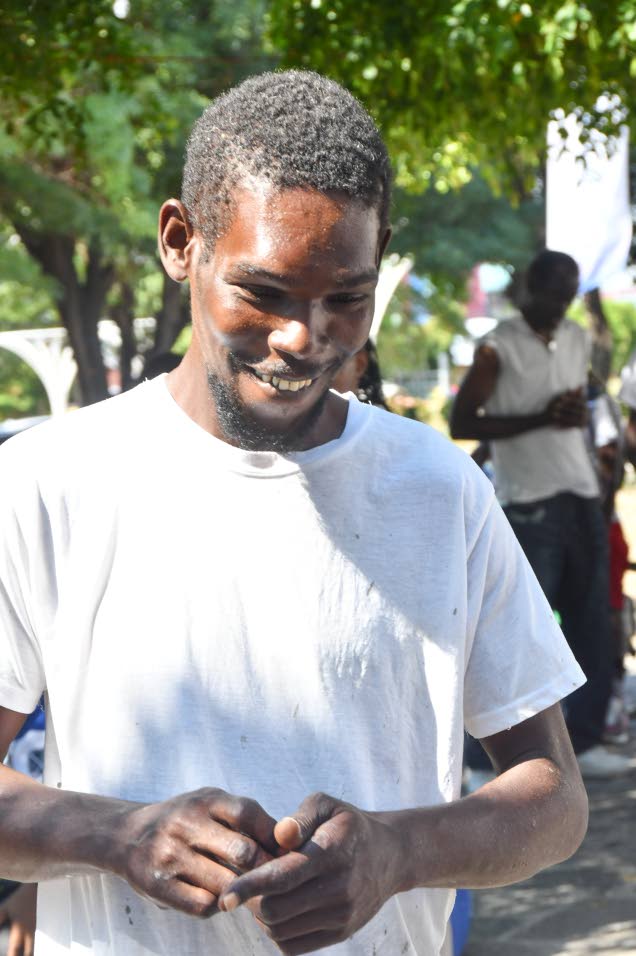
    For 39-year-old Sherdan Carr, surviving two years of homelessness in Jamaica’s capital has become a nightly battle for safety. He describes an existence where finding secure rest often means scaling buildings to sleep on rooftops, a desperate measure to avoid violent attacks that have become commonplace on Kingston’s streets.

    Carr’s account reveals a harrowing reality where homeless individuals face perpetual threat, even from children, with incidents of rock-throwing and machete attacks occurring regularly. He recounts witnessing a Rastafarian man having his head bashed with stones while sleeping just weeks before Christmas, and speaks of another elderly man who had his throat slashed during a robbery.

    Despite the brutality, Carr maintains hope for his future while advocating for systemic change. He identifies shelters as potentially dangerous environments where theft among residents is common and conditions often worse than the streets. His testimony suggests that improved shelter security and better facilities could encourage more homeless individuals to seek refuge indoors.

    The scale of violence is substantiated by official records showing that between January 2021 and April 2023, twelve homeless people were subjected to extreme violence across multiple parishes, with eight incidents occurring in Kingston alone. Only one victim survived these attacks.

    Government officials acknowledge the problem while claiming progress. Delroy Williams, State Minister in the Ministry of Local Government and Community Development, recently reported a significant reduction in abuse cases against homeless individuals. He made these remarks during World Homeless Day observances in October, emphasizing ongoing appeals to citizens to cease victimizing vulnerable populations.

    The situation has created survival strategies among Kingston’s estimated 3,000 homeless residents, including sleeping in shifts with lookouts posted for protection. Both Carr and another street-dweller, Teleta Allen, confirm that stone-throwing attacks have become almost recreational for some perpetrators, highlighting the profound vulnerability of those living without shelter in Jamaica’s urban centers.

  • Maduro ousted

    Maduro ousted

    In a stunning escalation of its campaign against the Venezuelan government, the United States has executed a high-risk military operation that resulted in the capture of President Nicolás Maduro and his subsequent transfer to New York to face criminal charges. The operation, which involved air strikes and special forces, culminated hours later with President Donald Trump declaring that the U.S. would assume temporary administrative control of the South American nation, explicitly stating an intent to harness its vast oil reserves for export.

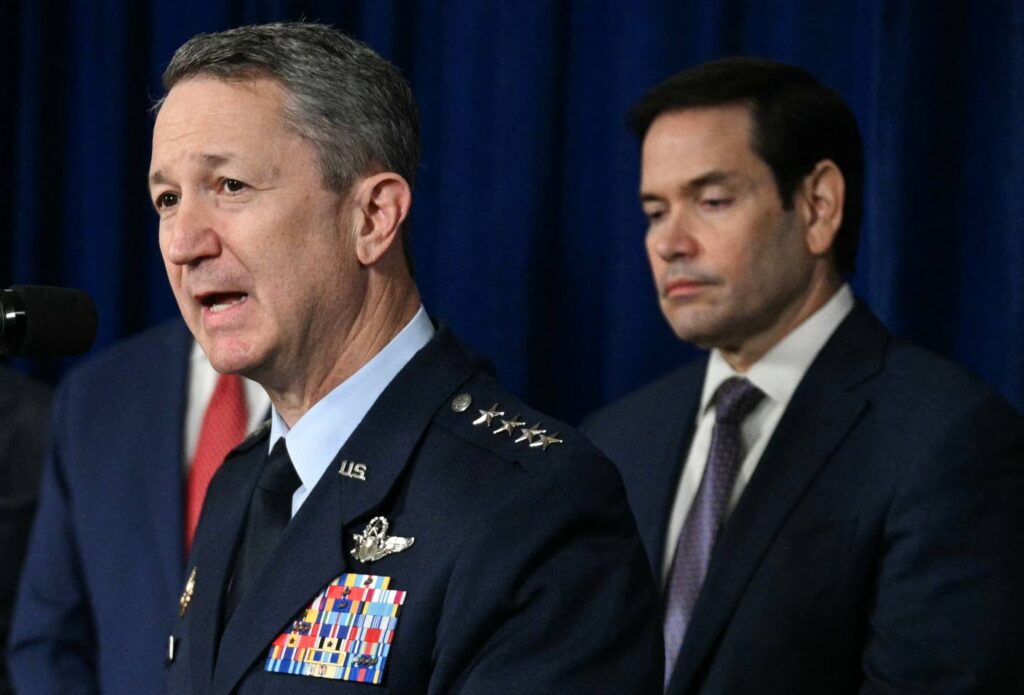
    The dramatic events mark the most assertive U.S. effort at regime change since the 2003 Iraq war. According to military officials, the mission involved 150 aircraft and was planned over months of intelligence gathering on Maduro’s habits. General Dan Caine reported that Maduro and his wife surrendered without resistance, resulting in no U.S. casualties, though Trump later indicated ‘many’ Cuban members of Maduro’s security detail were killed.

    President Trump’s announcement from Mar-a-Lago outlined a vision for Venezuela’s future that notably bypassed the U.S.-backed political opposition. While opposition leader Maria Corina Machado declared ‘the hour of freedom has arrived,’ Trump expressed skepticism about her support, instead suggesting a potential working relationship with Maduro’s vice-president, Delcy Rodriguez—a proposal she immediately rejected, demanding Maduro’s release.

    The international response has been sharply divided. China condemned the operation, while European powers expressed concern over violations of international law, even as they acknowledged Maduro’s lack of legitimacy. Balkan nations and the UK offered support for the U.S. action. The United Nations Security Council is scheduled to meet to discuss the intervention, which UN Secretary-General Antonio Guterres stated did not respect international legal standards.

    The situation in Caracas remains tense and uncertain, with the long-term U.S. commitment unclear. Trump indicated that American involvement would continue for an indefinite period, stating troops could be deployed and the U.S. would remain ‘until the proper transition can take place.’

  • Pets, planes and a ‘fortress’

    Pets, planes and a ‘fortress’

    WASHINGTON, DC — In a meticulously orchestrated military operation codenamed ‘Absolute Resolve,’ United States forces successfully apprehended Venezuelan leader Nicolas Maduro, culminating a months-long intelligence mission. President Donald Trump monitored the dramatic capture in real-time through a live video feed from his Mar-a-Lago resort.

    The operation, described by military officials as a masterpiece of precision planning, involved extensive surveillance of Maduro’s movements since August. Joint Chiefs Chairman General Dan Caine revealed that US intelligence agents had compiled exhaustive details about the Venezuelan leader’s daily routines, including his dietary habits, travel patterns, and even his pets.

    Preparation included constructing replica facilities to simulate Maduro’s compound and waiting for optimal conditions. Trump initially authorized the mission four days prior to execution but delayed for perfect operational alignment, including favorable weather patterns.

    The decisive moment arrived at 10:46 PM Washington time on Friday when Trump issued the final execution order with the words ‘Good luck and Godspeed.’ More than 150 aircraft participated in the mission, including fighter jets, reconnaissance planes, drones, and specialized helicopters that flew at mere 100 feet above ocean surface to avoid detection.

    US satellite and cyber capabilities disabled Venezuelan radar systems as forces approached Caracas. Despite encountering anti-aircraft fire that struck one helicopter (which remained operational), US forces overwhelmed Venezuelan defenses. The extraction team landed at Maduro’s fortified compound at 2:01 AM Caracas time, finding the leader attempting to reach a reinforced security chamber.

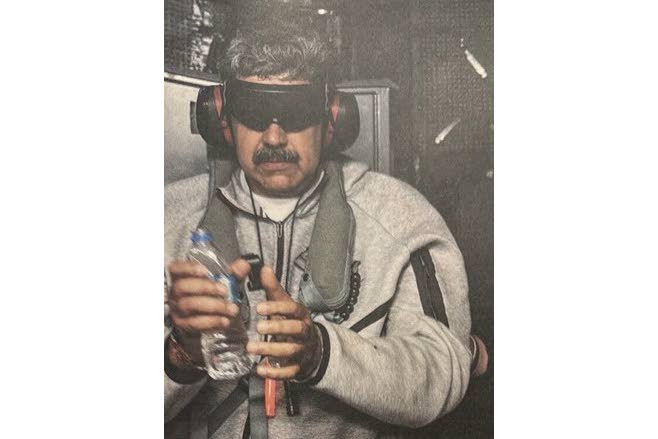
    Maduro and his wife surrendered without significant resistance and were transported to the USS Iwo Jima. Both face serious US charges related to drug trafficking and terrorism activities. The White House subsequently released imagery showing the captured leader blindfolded, handcuffed, and wearing hearing protection alongside a Nike tracksuit.

  • William Knibb High to kick off phased reopening Monday

    William Knibb High to kick off phased reopening Monday

    In an extraordinary display of resilience, William Knibb Memorial High School in Martha Brae, Trelawny, is proceeding with emergency reopening plans despite sustaining catastrophic damage estimated at $400 million from Hurricane Melissa. The hurricane’s fury left eight of the school’s nine buildings severely compromised, with widespread destruction of roofs, windows, furniture, and critical infrastructure.

    Principal Linvern Wright has coordinated with Jamaica’s Ministry of Education to secure eight large tents that will serve as temporary classrooms, enabling a phased reopening process. The educational institution will welcome back Grade 11 students and sixth formers on Monday, with the remaining student population expected to return by Thursday. The school serves approximately 1,100 students from grades seven through sixth form.

    Innovative temporary measures include using plywood and tarpaulins in layered configurations to create weatherproof learning environments. ‘We cover it first with 3×8 ply, then cover it with tarpaulins and ensure that it is flat so that even if rain falls, the water goes off,’ Wright explained, emphasizing that these are not mere temporary fixes but carefully engineered solutions.

    The damage assessment reveals comprehensive destruction extending beyond classrooms to administrative offices, where staff were forced to dry important documents outdoors after the administration block lost its roof. The $400 million preliminary estimate includes complete replacement of fencing alone, projected to cost approximately $2.8 million, alongside destroyed electrical systems, technological infrastructure, doors, and windows.

    Wright highlighted the profound emotional impact on the school community, noting that many families have simultaneously experienced job losses due to hotel closures, home destruction, and personal tragedies. He expressed particular concern about ensuring students receive meals through the Programme of Advancement Through Health and Education (PATH), recognizing that for some, school lunch might represent their only daily meal.

    Despite the challenging circumstances, Wright stressed the critical importance of reopening for both academic recovery and psychological well-being. ‘They are not going to be 100 percent comfortable but we hope they’ll be 100 percent here…even just for the social and psychological well-being,’ he stated.

    As president of the Jamaica Association of Principals of Secondary Schools, Wright indicated that educational institutions across Trelawny are employing various strategies to resume operations safely. He warned of the ‘significant gaps in learning that you can’t compensate for’ when students miss instructional time, emphasizing that the long-term effects of extended closures would be dire for educational outcomes.

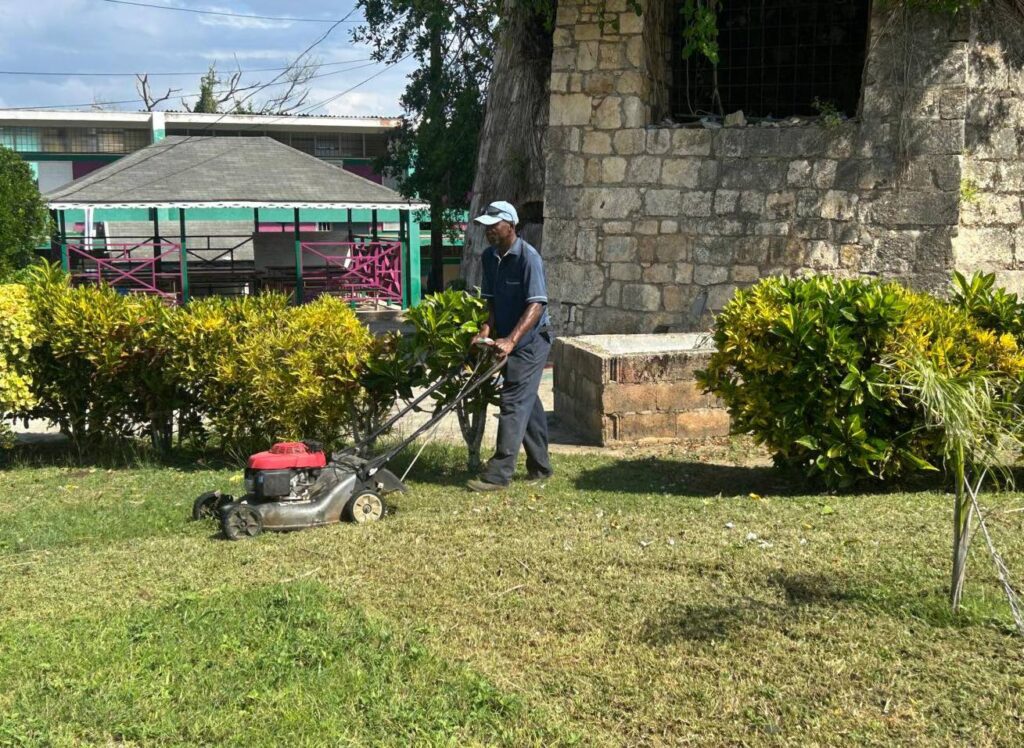
    Grounds crews worked through Friday afternoon removing hazardous debris, loose zinc sheeting, and preparing the compound for the students’ return, symbolizing the community’s determination to restore normalcy despite unprecedented challenges.

  • Nicolas Maduro: From bus driver to iron-fisted leader

    Nicolas Maduro: From bus driver to iron-fisted leader

    In a dramatic escalation of international pressure, Venezuelan leader Nicolás Maduro has been apprehended by US special forces following more than a decade of contentious rule. The former bus driver turned authoritarian president cultivated an image as a man of the people while presiding over one of Latin America’s most severe economic collapses and human rights crises.

    Maduro’s capture marks the culmination of months of targeting by the US administration, which had accused him of narcoterrorism and widespread corruption. His theatrical public appearances—often featuring techno music performances and chants of “No war, yes peace!” in English—contrasted sharply with the reality experienced by millions of Venezuelans. Under his administration, approximately seven million citizens fled the nation amid allegations of systematic human rights abuses, including arbitrary detentions, torture, and suppression of free speech.

    The economic indicators during Maduro’s tenure reveal a nation in freefall: four consecutive years of hyperinflation accompanied by an 80% contraction in GDP over the decade. His government increasingly relied on military support and backing from international allies including China, Cuba, and Russia to maintain power.

    The political landscape under Maduro was characterized by electoral controversies and violent suppression of dissent. His disputed 2024 victory claim triggered widespread protests met with brutal force, resulting in over 2,400 arrests, 28 fatalities, and approximately 200 injuries. This pattern echoed previous crackdowns on opposition movements in 2014, 2017, and 2019.

    Maduro first assumed power in 2013 following the death of his mentor, Hugo Chávez, despite lacking his predecessor’s charisma and political savvy. He narrowly won his initial election and subsequently weathered multiple crises, including devastating US sanctions and the collapse of Venezuela’s oil-dependent economy.

    International recognition shifted dramatically during his rule. In 2018, numerous nations recognized opposition figure Juan Guaidó as interim president, and following the July 2024 elections, the United States, European nations, and several Latin American countries declared Edmundo Gonzalez Urrutia the legitimate leader.

    Maduro’s personal life also figured prominently in his administration. His wife, Cilia Flores—a former prosecutor and lawmaker seven years his senior—reportedly wielded significant influence behind the scenes and was captured alongside him. Both are being transported to New York to face federal charges.

    Throughout his presidency, Maduro employed multiple personas: the baseball-loving salsa dancer, the professed Marxist-Christian, and even a cartoon superhero character named Super-Bigote who battled imperialism. Meanwhile, his government faced investigation by the International Criminal Court for systematic human rights violations, while he skillfully navigated realpolitik negotiations to temporarily ease sanctions before reneging on democratic commitments.

  • Warning!

    Warning!

    Jamaican religious authorities have issued a collective summons for national moral renewal and societal unity as the country enters 2026, framing recent hurricane devastation as divine warnings requiring immediate spiritual response.

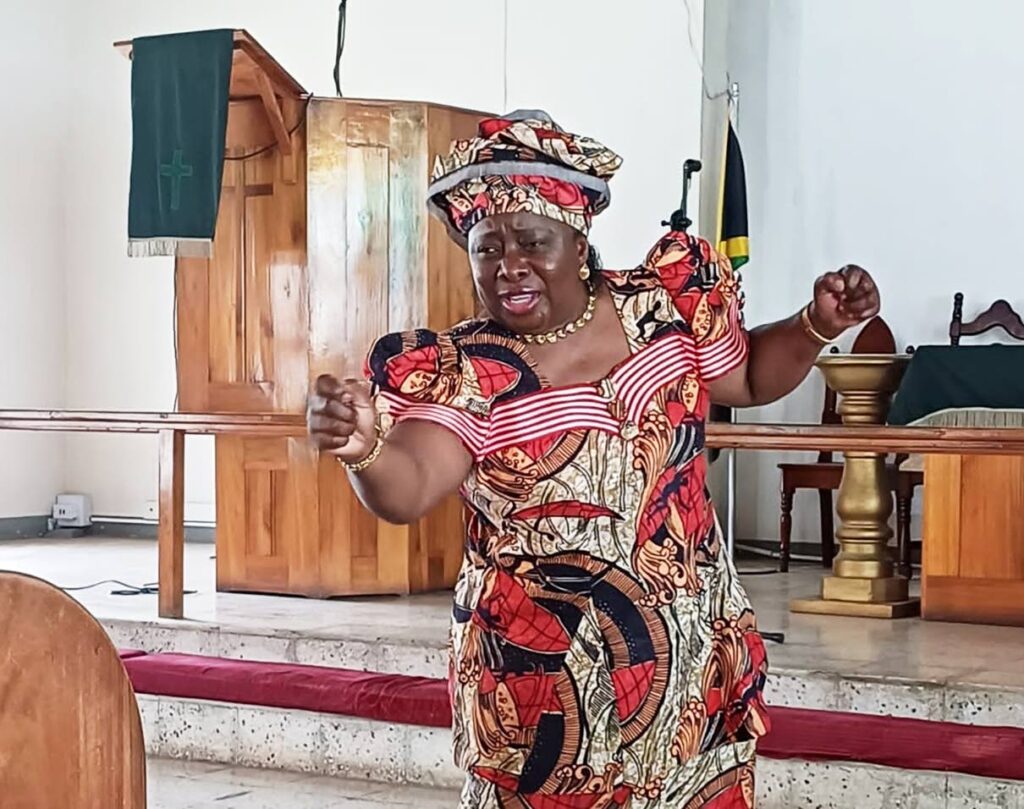
    Pastor Grace Ade Gold revealed she experienced prophetic dreams of flooding prior to Hurricanes Beryl and Melissa’s catastrophic impacts, interpreting these natural disasters as celestial signals for Jamaica to undergo profound cleansing. She cautioned that without genuine nationwide repentance, further calamities might ensue. “People are not repenting, and the flood might come up back again,” Ade Gold warned the Jamaica Observer, emphasizing the urgent need for spiritual vigilance.

    The religious leader drew parallels between contemporary Jamaican society and ancient Israel, citing specific concerns about increasing acceptance of occult practices and LGBTQ+ advocacy. She challenged church members to overcome fear and vocalize opposition to these developments, invoking Timothy 1:7’s declaration that “God has not given us the spirit of fear.”

    Jamaica Evangelical Alliance President Bishop Alvin Bailey acknowledged the church’s substantial disaster response efforts while calling for enhanced involvement in national discourse. He criticized relief programs tainted by political maneuvering, advocating for truly collaborative recovery efforts involving government, opposition parties, and private enterprises. “This year must be a year of decency, probity, hard work, rebuilding of our nation,” Bailey asserted, envisioning comprehensive national advancement.

    Reverend Newton Dixon, General Secretary of the Jamaica Council of Churches, proposed a compassion-centered recovery model rooted in gospel principles. He urged businesses to maintain price stability protecting vulnerable populations and challenged political leaders to transform adversarial systems through authentic consultation and cooperation.

    Human rights advocate and Anglican priest Sean Major Campbell projected significant global power shifts in 2026, advising Caribbean nations to exercise diplomatic prudence. He emphasized regional vulnerability to superpower dynamics and urged strategic preparation for emerging multipolar world arrangements.

    Collectively, these religious voices articulated a vision for national restoration combining spiritual renewal with practical governance reforms, positioning moral regeneration as essential for Jamaica’s physical and societal reconstruction.