作者: admin

  • Man admits to having sex with 13-year-old, twice

    Man admits to having sex with 13-year-old, twice

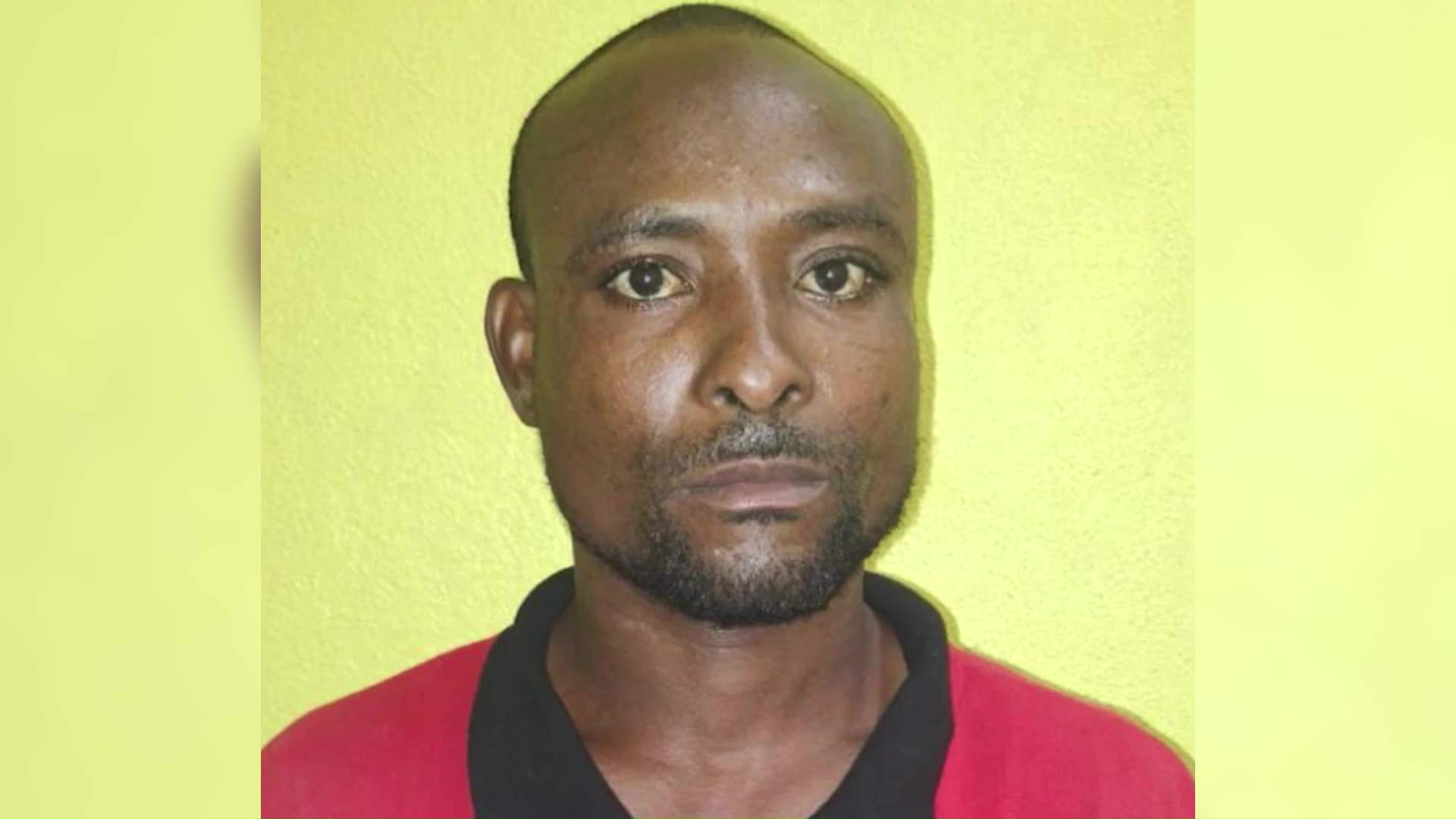
    In a significant courtroom development, a defendant has entered guilty pleas on dual counts of unlawful sexual intercourse with a minor. The admission occurred unexpectedly during the middle of his trial this Wednesday, abruptly concluding proceedings that had commenced just two days prior.

    The case stems from incidents involving a 13-year-old girl, with the defendant acknowledging two separate sexual encounters. The trial took a decisive turn when defense efforts to suppress the man’s prior confession to investigators were rejected by the court, leading directly to the sudden change of plea.

    Legal documents reveal that the initial disclosure of abuse was made to authorities in November 2022, triggering a comprehensive investigation that resulted in criminal charges. The mid-trial guilty plea represents a significant resolution to a case that highlights ongoing concerns about minor protection and sexual offense prosecution.

    The judicial outcome underscores the effectiveness of investigative procedures in handling sensitive cases involving minors, while demonstrating how evidentiary rulings can substantially influence trial strategies and eventual resolutions.

  • Election officials pledge support after accessibility concerns raised

    Election officials pledge support after accessibility concerns raised

    With Barbados’ general election approaching within a fortnight, disability rights advocates have raised significant concerns regarding electoral accessibility, prompting official reassurances from the Electoral and Boundaries Commission (EBC).

    Patricia Padmore Blackman, President of the Barbados Council for the Disabled, highlighted multiple challenges facing voters with disabilities. Visually impaired citizens, she noted, experience particular apprehension about relying on others to mark ballots on their behalf, creating a trust deficit in the voting process. ‘They’re uncertain whether individuals assisting them can be trusted to honor their voting preferences, even when supervision occurs,’ Blackman explained.

    The organization has implemented temporary solutions in St Michael South constituency, mobilizing grassroots information to educate election organizers about disability requirements. Their accessible Garrison office, utilized in previous elections, will likely serve voters again. Regarding physical accessibility, Blackman referenced last year’s St James North by-election as a positive trial, noting satisfactory wheelchair access and assistance at tested polling stations.

    However, comprehensive accessibility assessment remains incomplete due to the monumental scale of verification required. ‘We haven’t received sufficient assistance to evaluate all polling stations, and now time constraints prevent thorough assessment,’ Blackman acknowledged. She also revealed that initial attempts to engage the EBC in discussions about independent voting mechanisms proved unsuccessful.

    In response, EBC Chairman Ramon Alleyne guaranteed wheelchair accessibility at all voting locations, with priority processing for disabled voters. The commission has initiated dialogue with Kerryann Ifill, Vice President of the Barbados Council for the Disabled, to determine additional reasonable accommodations for the impending election.

  • Betaald en gebouwd, maar geen eigendom; kopers vast door betwiste hypotheek

    Betaald en gebouwd, maar geen eigendom; kopers vast door betwiste hypotheek

    A group of Surinamese citizens who purchased fully paid residential plots in a subdivision project along Frederikshoopweg have been stranded for years without proper ownership titles, prompting presidential intervention. The case, now before President Jennifer Simons, reveals a complex web of financial and legal irregularities involving major national institutions.

    Eleven affected buyers, represented by Vreden & Partners Legal Consultancy, detailed their plight in a formal communication to the presidency. These individuals acted in good faith, completed full payment for their parcels, and in some cases even constructed homes, yet remain unable to obtain legal ownership due to an unresolved mortgage encumbrance on the parent property.

    The core controversy stems from the mortgage’s questionable origination. In August 2010, The Surinamese Trust Company N.V., a subsidiary of De Surinaamsche Bank (DSB), issued a credit commitment on behalf of three parties including Assuria Damage Insurance N.V. However, the subsequent notarial deed registered the mortgage exclusively under Assuria Life Insurance N.V.—an entity conspicuously absent from the original credit agreement.

    Two years later in 2012, the mortgage underwent “rectification” with claims that the original creditor designation was erroneous. The buyers contend this explanation lacks credibility, noting that creditor identification constitutes a fundamental component of mortgage documentation. Their legal representatives suggest potential “deliberate retroactive structural modification” in official correspondence.

    The persistent mortgage blockage continues despite the Ministry of Public Works having approved the land subdivision in May 2011, legally converting the property into sixty individual plots. The involvement of heavily regulated institutions deepens the mystery: DSB operates as a systemically important bank under Central Bank of Suriname supervision, while Assuria represents one of the nation’s largest insurance groups and long served as DSB’s major shareholder. The State of Suriname itself holds shares in DSB.

    Given this institutional landscape, the buyers’ counsel argues that claims of ignorance or simple administrative error remain implausible. The emphasis falls on the stringent care and compliance obligations that life insurers and banks bear precisely for third-party protection.

    The Central Bank of Suriname has declined jurisdiction in the matter, compelling the homeowners to seek presidential assistance in directing relevant authorities to address the situation. Meanwhile, the affected citizens endure profound uncertainty—having invested financially and emotionally in properties that legally remain beyond their grasp.

  • Voters have until February 6 to register, lawyer warns

    Voters have until February 6 to register, lawyer warns

    A constitutional authority has issued a critical clarification regarding Barbados’ upcoming general election, emphasizing that citizens not registered to vote by February 6 will be ineligible to participate—even if polling dates are postponed. This legal interpretation comes amid growing tensions between political factions regarding the integrity of the electoral register.

    Senior counsel Garth Patterson of Lex Caribbean law firm addressed concerns raised by Democratic Labour Party (DLP) candidate Corey Greenidge, who had petitioned Prime Minister Mia Mottley to delay the February 11 election. Greenidge argued that alleged inaccuracies in the electoral register could disenfranchise thousands of voters, a concern echoed by DLP leader Ralph Thorne regarding the preparedness of the Electoral and Boundaries Commission (EBC).

    Patterson acknowledged that Section 37(1)(b) of the Representation of the People Act technically permits a 30-day election postponement if the voters’ list is deemed unsatisfactory. However, he emphasized this provision does not extend the voter registration window, which is legally tied to the January 19 issuance of the writ—not the actual polling date.

    “Voters who are not yet on the register must get registered between now and February 7; otherwise they will not have an opportunity to vote,” Patterson told Barbados TODAY. “Extending the date of the election will not extend the registration period.”

    The legal expert explained that special electoral registration procedures supersede annual updates once an election writ is issued. The law mandates publication of final elector lists within 21 days of the writ issuance, creating an immutable deadline regardless of any perceived register deficiencies.

    In response to these developments, Prime Minister Mottley has maintained confidence in the electoral process, supported by Barbados Labour Party general secretary Jerome Walcott’s assertion that “the date has been set.”

    Electoral officials have detailed extensive efforts to ensure register accessibility. Chief Electoral Officer Sherland Turton noted multiple public review periods in June, October-November, and January, with revising centers operating in all constituencies. The commission continues processing register updates through February 6, with final lists scheduled for publication on February 7.

    This legal clarification arrives as Barbados prepares for a high-stakes electoral process, balancing democratic access against statutory requirements in a politically charged environment.

  • New president appointed to Bankers Association of Saint Lucia

    New president appointed to Bankers Association of Saint Lucia

    The Bankers Association of Saint Lucia Inc. has ushered in a new era of leadership with the formal appointment of Ron Leon as its incoming president. His term, effective immediately, will extend through December 31, 2027, marking a significant four-year commitment to steering the nation’s banking sector.

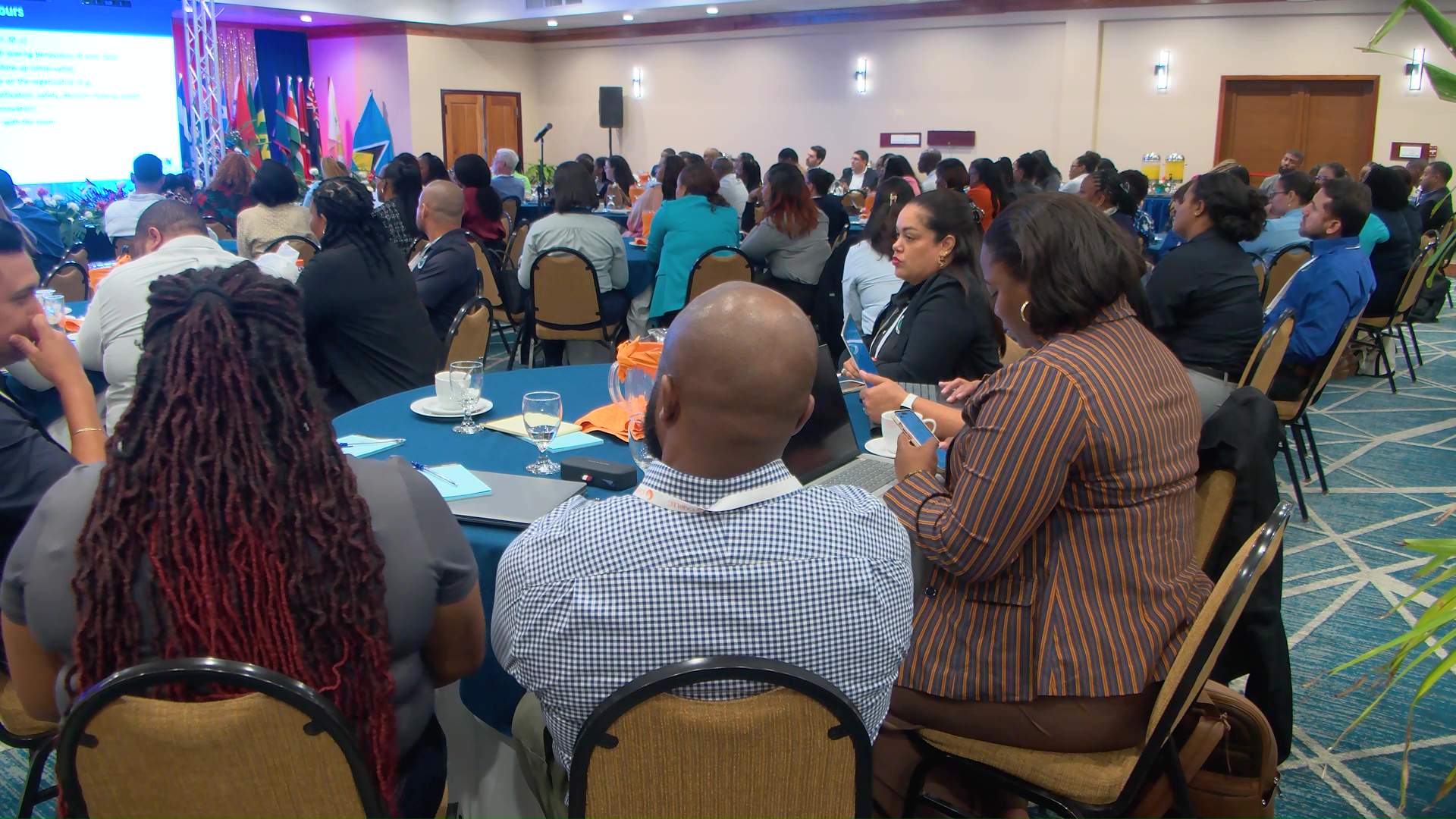
    Leon, a distinguished senior executive at Republic Bank (EC) Limited, ascends to this pivotal role backed by a complete and newly constituted executive committee. An official communiqué from the Association highlighted his impressive professional dossier, which spans over 16 years within the financial services industry. His career is distinguished by profound expertise in critical domains including retail banking operations, credit management, regulatory compliance, enterprise risk mitigation, and corporate governance frameworks. This background equips him with a unique synthesis of strategic vision, regulatory acumen, and hands-on operational proficiency.

    His tenure at Republic Bank (EC) Limited has been characterized by high-level leadership duties with a expansive regional purview, managing operations across seven Caribbean territories: Anguilla, Dominica, St. Kitts and Nevis, Saint Lucia, St. Vincent and the Grenadines, St. Maarten, and Grenada. His comprehensive portfolio encompassed branch network operations, adherence to complex regulatory standards, enterprise-wide risk management protocols, governance structures, and initiatives for service excellence. Under his guidance, the bank implemented several transformative projects that successfully bolstered regulatory trust, fortified governance architectures, and achieved tangible, positive financial outcomes.

    In his new capacity as Association President, Leon is anticipated to be a formidable advocate for the banking industry. His strategic agenda is set to prioritize vigorous advocacy, the advancement of financial literacy programs among the citizenry, and the championing of collaborative endeavors. A central focus will be on catalyzing innovation within the sector and reinforcing its overall stability and resilience, ensuring its robust growth and alignment with both national and regional economic objectives.

  • Supply of prefab houses stalled as ULP gov’t owes US$200k

    Supply of prefab houses stalled as ULP gov’t owes US$200k

    In a dramatic parliamentary address on Thursday, Housing Minister Andrew John revealed that Trinidad-based prefabricated housing deliveries to St. Vincent and the Grenadines have been suspended due to substantial unpaid debts inherited from the previous administration. The disclosure came during debates on the 2026 Estimates, where Minister John provided lawmakers with a comprehensive update on housing recovery efforts for victims of Hurricane Beryl’s devastation in July 2024.

    Minister John characterized the housing ministry under the former Unity Labour Party (ULP) government as “one of the most corrupt institutions” in the country. He detailed how housing assessors’ contracts had lapsed without renewal last year, though some workers would soon be reinstated. The minister issued stern warnings to those involved in previous corrupt practices, suggesting they reconsider returning to their positions.

    The housing crisis extends beyond political controversies, with Minister John describing heartbreaking conditions in the Southern Grenadines. During a fact-finding mission with Parliament members and state journalists, he witnessed residents still living in tents with damaged, uninhabitable structures months after Hurricane Beryl. He expressed particular distress over an area known as “Tent City,” where residents lack basic security and privacy.

    Financial revelations underscored the depth of the crisis. The previous government’s much-publicized initiative to import 300 prefabricated homes resulted in only 40 units actually arriving in St. Vincent. Of these, just three have been erected, while the remainder sit idle in containers at Arnos Vale Tarmac and Orange Hill. The Trinidadian supplier has suspended further deliveries until outstanding debts exceeding US$200,000 for the initial shipment are settled.

    Minister John, a retired educator, emphasized the profound social impact of adequate housing on community wellbeing, educational outcomes, and crime reduction. He pledged to transform housing from a political tool into a genuine public service, vowing to eliminate wastage and prioritize the people’s needs. The minister wholeheartedly endorsed the new government’s fiscal package, committing to transparent management of housing resources and urgent action to address the nation’s shelter crisis.

  • Three in ten crashes involve unlicensed or uninsured drivers – insurance CEO

    Three in ten crashes involve unlicensed or uninsured drivers – insurance CEO

    Barbados is confronting a severe road safety emergency with approximately 15 traffic collisions occurring daily, creating unsustainable financial pressures across the insurance industry and broader economy. Anton Lovell, Chief Executive Officer of Co-operators General Insurance Company, revealed his firm alone handles seven to eight accidents each day, describing the situation as critically unsustainable despite motorists’ complaints about premium costs.

    The financial impact is substantial with average repair bills reaching $10,000 per incident, doubling when injuries occur. Multiplying these costs across the daily accident rate creates massive economic repercussions, particularly concerning foreign exchange reserves since most vehicle parts require importation. The crisis additionally strains medical resources at Queen Elizabeth Hospital, where accident victims contribute significantly to overcrowding and extended wait times.

    A disturbing pattern emerges with 30% of accidents involving either uninsured vehicles or unlicensed drivers, creating financial devastation for innocent third parties who must cover unexpected repair and medical expenses themselves. Official police statistics from December revealed approximately 50,000 of Barbados’ 180,000 registered vehicles lacked proper insurance or tax documentation.

    Lovell identified critical legislative gaps exacerbating the problem, notably the absence of laws requiring drivers to carry proof of insurance. He advocates for legislation enabling police to verify coverage during traffic stops and accident responses, including authority to impound vehicles when documentation is unavailable.

    Reckless driving behaviors—including speeding, improper overtaking, distraction, and impatience—compound the crisis. Lovell noted Barbados has avoided higher fatalities ‘only by the grace of God’ given prevailing road conditions. He proposed establishing defensive driving traffic schools as alternative sentencing for traffic offenses, potentially linked to insurance incentives upon completion.

    Contrary to public perception focusing on public service vehicles, Lovell emphasized that private motorists share equal responsibility for accidents. He addressed misconceptions about insurance companies, clarifying they operate as commercial entities facing similar economic pressures while striving to maintain affordable coverage through installment options.

    The industry provides substantial mandatory protections—up to $10 million for individual injuries and $30 million aggregate per accident—though many motorists remain unaware of these provisions. Lovell advocated for implementing breathalyser testing alongside improved enforcement and education programs to alter the current dangerous trajectory.

  • APUA to Coordinate Pipe Replacement Before Roads And Drains Project In St. John’s

    APUA to Coordinate Pipe Replacement Before Roads And Drains Project In St. John’s

    The Antiguan government has announced a strategic overhaul of infrastructure planning in the capital city, prioritizing coordination between utility and public works agencies to prevent the recurrent problem of newly paved roads being excavated shortly after completion.

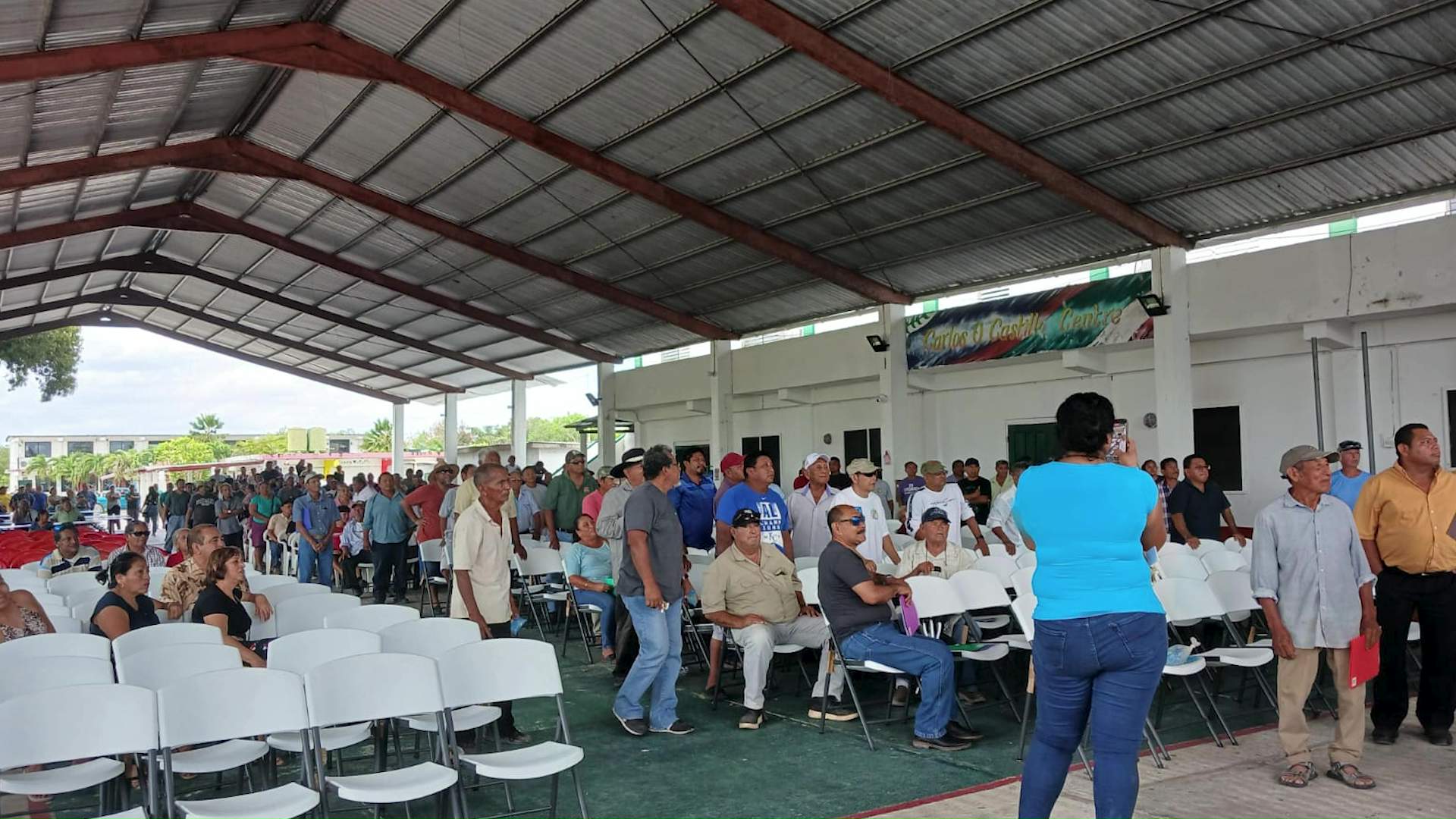
    Works Minister Maria Browne revealed during a public consultation on capital redevelopment that the Antigua Public Utilities Authority (APUA) will complete comprehensive pipe replacement operations before any road resurfacing commences in St. John’s. This sequenced approach addresses the longstanding issue where recently reconstructed streets suffered damage from subsequent underground utility work.

    Minister Browne emphasized the critical nature of this coordination, noting that much of the city’s subterranean water infrastructure has deteriorated with age and requires urgent replacement. The minister articulated that conducting these essential upgrades prior to road rehabilitation represents a fiscally responsible strategy that will minimize public inconvenience, optimize resource allocation, and significantly extend the operational lifespan of new road surfaces.

    This initiative signals a transformative shift in how government agencies approach major infrastructure projects. According to Browne, the new methodology reflects an evolving paradigm of interdepartmental cooperation as Antigua embarks on substantial urban renewal efforts throughout St. John’s. The coordinated planning framework aims to establish a new standard for municipal development projects across the island nation.

  • PM Proposes Decorative Lighting and Walkable Streets in St. John’s City Core

    PM Proposes Decorative Lighting and Walkable Streets in St. John’s City Core

    In a significant move toward urban transformation, Antigua and Barbuda’s Prime Minister Gaston Browne has presented a comprehensive vision for revitalizing St. John’s city center through strategic aesthetic and safety enhancements. During a recent public consultation addressing the capital’s redevelopment, Browne emphasized that decorative lighting systems and pedestrian-oriented street designs would serve as foundational elements in creating a more secure, visually appealing, and habitable urban environment.

    The Prime Minister articulated that these initiatives would fundamentally improve the daily experience of diverse city users—including residents, workforce members, and tourists—while simultaneously stimulating economic and social activity in the urban core. Browne positioned these measures within a broader framework of quality-of-life improvements, explaining that optimized lighting solutions would simultaneously address safety concerns and aesthetic values, while walkable urban spaces would promote extended hours of community engagement beyond traditional business operations.

    This urban design proposal emerged from ongoing discussions among government officials regarding long-term modernization strategies for the capital. The approach signals a paradigm shift from conventional infrastructure and regulatory focus toward human-centered urban planning that prioritizes how citizens interact with and experience public spaces. The administration’s renewed emphasis on experiential urban design reflects growing global trends in creating vibrant, people-friendly cities that balance functionality with aesthetic excellence.

  • Government to Renovate Its Own Buildings in St. John’s, Works Minister Says

    Government to Renovate Its Own Buildings in St. John’s, Works Minister Says

    The Antiguan government has announced it will commence comprehensive renovations of its administrative buildings in St. John’s as part of a broader urban renewal strategy. Works Minister Maria Browne revealed the plan during a public consultation on the capital’s redevelopment, emphasizing that the state must demonstrate leadership in the revitalization effort.

    Minister Browne identified multiple government-owned properties requiring significant upgrades and repairs. These improvements will serve as a visible commitment to enhancing both the aesthetic appeal and functional capacity of the nation’s capital. The initiative positions public infrastructure as a model for the private sector, showcasing the standards that the government encourages all property owners to adopt.

    The announcement occurs within the context of ongoing dialogues addressing urban deterioration, infrastructure modernization, and the collective responsibility shared between public institutions and private stakeholders. Browne’s statements underscore a philosophical approach to urban renewal where governmental action precedes private sector participation, creating a tangible benchmark for quality and investment in the built environment.

    This coordinated approach signals a new chapter in St. John’s development strategy, combining public sector initiative with calls for complementary private investment to achieve comprehensive urban transformation.