作者: admin

  • Looking forward to next World Cup

    Looking forward to next World Cup

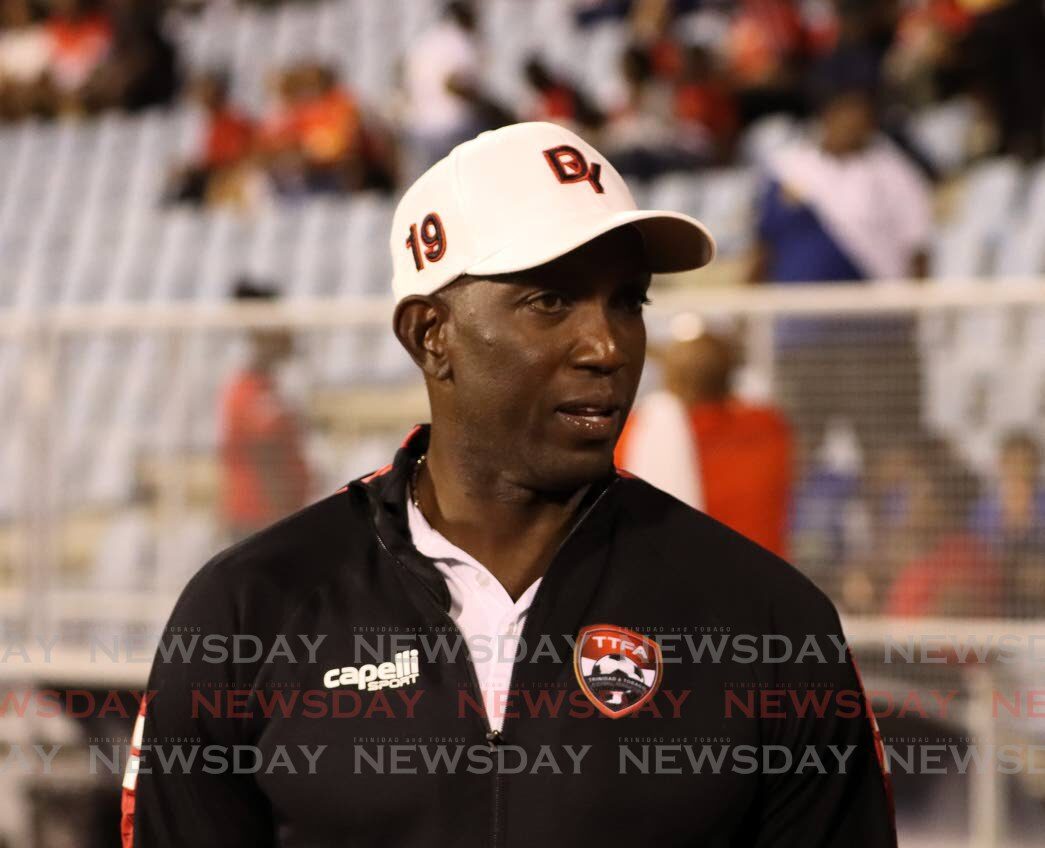
    Following Trinidad and Tobago’s failure to qualify for the 2026 FIFA World Cup under head coach Dwight Yorke, a passionate public appeal has emerged calling for strategic overhaul of the national football program.

    The critique, published in Newsday’s Letters to the Editor section by Princes Town resident AV Rampersad, argues for fundamental changes in team composition and philosophy. The central recommendation advocates for building the senior squad around young, home-based talent rather than relying on foreign-based professionals, who are perceived to approach domestic matches with insufficient competitive intensity.

    The letter characterizes international friendlies and home matches involving overseas players as ‘fete matches’ where the outcome becomes secondary to entertainment and celebration. This approach, the author contends, undermines serious competitive development when ‘winning is not everything—it is the only thing.’

    Despite the disappointing qualification campaign, the commentary expresses support for retaining Yorke as technical director while completely reimagining player selection criteria. The argument emphasizes that experience will naturally develop through sustained international exposure for domestic league players, creating a more dedicated and affordable national pool.

    The analysis concludes with forward-looking perspective, suggesting the federation should immediately begin constructing a youth-oriented squad capable of mounting a serious qualification bid for the 2030 World Cup cycle through sustained development rather than short-term solutions.

  • Odle wins NCC’s Welcome to the Gayelle in Moruga

    Odle wins NCC’s Welcome to the Gayelle in Moruga

    In a triumphant return to competitive form, five-time national stickfighting champion O’Neil Odle emerged victorious at the inaugural National Carnival Commission’s Welcome to the Gayelle tournament. The historic event, held on January 3rd at the Moruga Multi-Purpose Youth and Sport Facility, marked a significant revival of traditional martial arts within Trinidad and Tobago’s cultural landscape.

    The competition witnessed fierce athletic displays as more than a dozen nationally-recruited contenders vied for the prestigious top prize of $10,000. Selwyn John secured second position while Terrance Marcano claimed third place in the intensely contested matches that characterized the evening’s proceedings.

    According to the Ministry of Culture and Community Development, the event exceeded organizational expectations with robust community engagement. Over 200 patrons attended the free-admission spectacle, which featured diverse entertainment segments alongside the primary competitive bouts. The ministry emphasized that the tournament series aims to strengthen and preserve the national stickfighting circuit through accessible community-based events.

    Minister Michelle Benjamin personally addressed attendees, highlighting the government’s commitment to cultural preservation. The Welcome to the Gayelle initiative represents a single-round competition format scheduled across multiple communities, combining athletic competition with cultural performances.

    Future installments are confirmed for January 10th at Debe Junction and January 17th at Constantine Park in Tunapuna. All events will commence at 7 PM local time with live streaming available through the NCC’s official YouTube, Facebook, and Instagram platforms, ensuring global accessibility to these cultural showcases.

  • Coach Emrit: Players looking in must pressure Red Force starters

    Coach Emrit: Players looking in must pressure Red Force starters

    Trinidad and Tobago Red Force head coach Rayad Emrit has issued a clarion call to domestic cricketers, emphasizing that exceptional performances in the upcoming local club season could secure coveted spots on the national squad for the West Indies Four-Day Championships commencing in April. With the regional tournament undergoing a shortened format and a later start this year, Emrit underscored a critical window of opportunity for emerging players to stake their claim.

    Despite finishing third in the 2025 championship behind champions Guyana Harpy Eagles and runners-up Barbados Pride, the Red Force management is not complacent. Emrit highlighted the importance of building a deep, competitive squad where reserve players exert significant pressure on the starting XI. ‘It is very important that your backup players are as good as your players on the field,’ Emrit stated. ‘If your reserves are very strong, then it puts a lot of pressure on the playing XI. It is good to have that headache.’

    Emrit explicitly warned against mediocrity, setting a high performance threshold for national selection. He asserted that averaging below 30 in club cricket is insufficient for regional success, signaling a shift towards a meritocracy based on tangible results. ‘We are not going to settle for mediocrity… We are not going to pick guys who are averaging 20 and 25 in club cricket to represent the national team. It is not going to work like that,’ he declared.

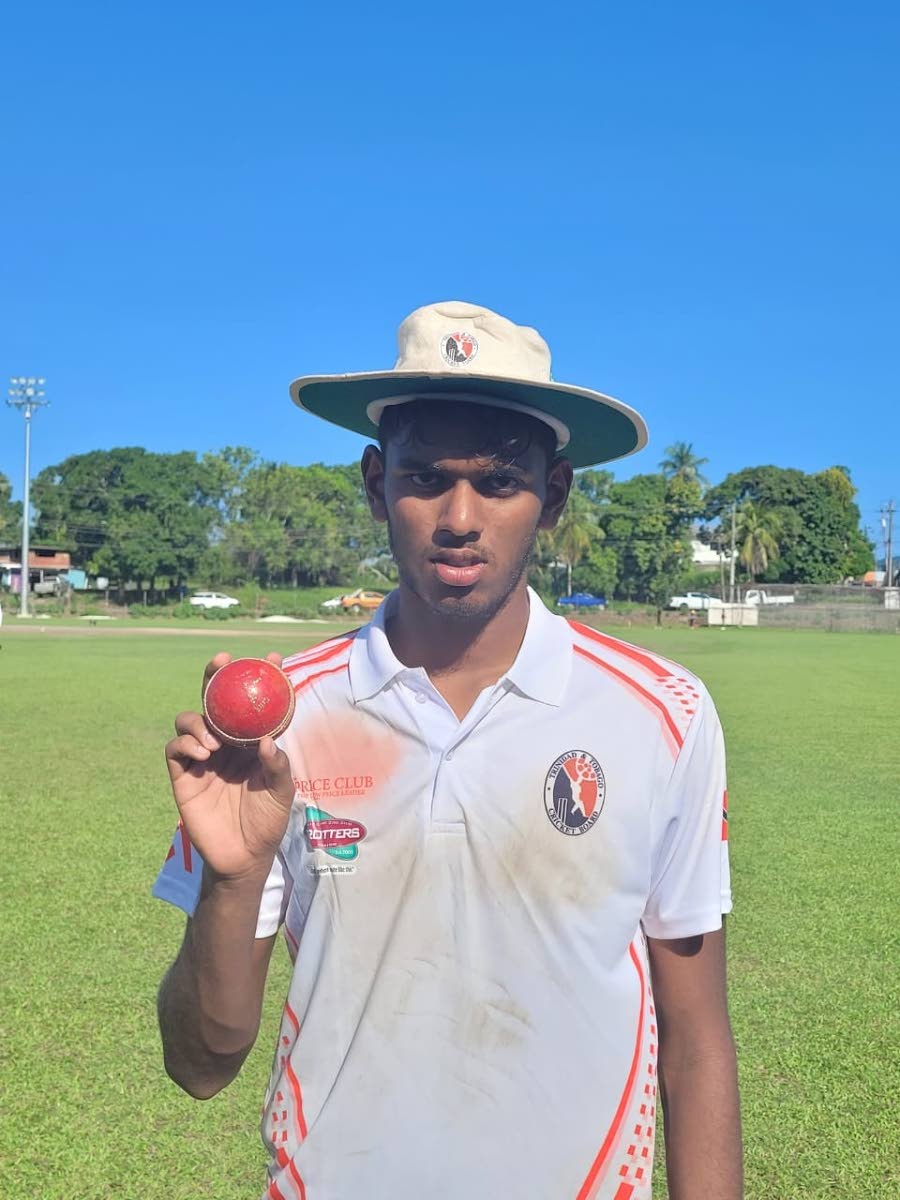
    Identifying specific talent, Emrit named several promising players on the selection radar, including Shatrughan Rambaran, Abdul-Raheem Toppin, Aadian Racha (currently with the West Indies Under-19 team), and Brendan Boodoo, another West Indies Under-19 alumnus. Their inclusion, however, is contingent upon consistent high-level performances in the National League competition set to begin in the coming weeks.

    Preparations for the regional campaign are set to intensify, with training sessions scheduled to commence on January 8. The initial phase will concentrate on elevating fitness, strength, conditioning, and mental fortitude—an area Emrit believes requires significant enhancement. Reflecting on the previous season, he conceded that the Guyana Harpy Eagles possessed a superior fitness level, a competitive edge the Red Force aims to develop. Following this conditioning period, the squad will engage in net sessions and trial matches to finalize team selection.

  • Test cricket: A fantastic game

    Test cricket: A fantastic game

    Amidst the rising popularity of shorter cricket formats, Test cricket continues to demonstrate its unparalleled strategic depth and enduring appeal. Unlike limited-overs variations, the traditional five-day format presents a complex battle of wits between bowler and batsman, where field placement ingenuity and pitch characteristics create a dynamic sporting theater that purists consider cricket’s ultimate expression.

    The essence of Test cricket lies in its unrestricted tactical freedom. Captains enjoy complete autonomy in field positioning (with the singular exception of limiting two fielders behind square leg), enabling sophisticated traps designed to induce batting errors. This strategic dimension transforms each delivery into a psychological duel where bowlers deploy deceptive variations while batsmen must constantly assess defensive and offensive options.

    Recent Australia-England Test matches highlighted how pitch preparation dramatically influences outcomes. The Melbourne Test witnessed an astonishing 36 wickets falling within 142 overs, leaving groundsmen and players astonished. Curator Matt Page acknowledged that leaving 10mm of grass proved excessive, demonstrating how human judgment in pitch preparation becomes an integral game element.

    Pitch conditions interact profoundly with weather patterns—sunny humidity versus cloud cover affects moisture retention and grass characteristics, requiring careful water management to maintain playing quality across five days. These variables demand batsmen develop technical adaptability while offering bowlers constantly evolving advantages based on surface conditions.

    The format’s popularity remains robust, evidenced by Melbourne’s record-breaking attendance exceeding 97,000 spectators across two days during recent Tests. This sustained enthusiasm contrasts with T20’s constraints, where bowlers face four-over limitations and field placements are standardized, reducing strategic complexity.

    Test cricket’s enduring appeal resides in its nuanced drama, technical variety, and uncompromising examination of skill—qualities that continue to captivate players and spectators despite evolving sporting preferences.

  • Looking forward to next World Cup

    Looking forward to next World Cup

    A pointed critique has emerged regarding the Trinidad and Tobago Football Association’s (TTFA) recent failure to secure qualification for the 2026 FIFA World Cup under head coach Dwight Yorke. The commentary, presented in a letter to the editor, calls for a fundamental strategic shift in the national team’s development philosophy.

    The core argument posits that the future of Trinidad and Tobago football hinges on constructing a squad primarily composed of young, home-based players. The author contends that foreign-based professionals often approach domestic matches with a lack of competitive seriousness, treating them as ‘fete matches’ where the outcome is secondary to the experience. This mentality, it is argued, is detrimental to building a cohesive and results-oriented national team.

    In a staunch defense of the current leadership, the letter concludes with a firm endorsement to ‘Keep Yorke,’ suggesting that the project requires time and a renewed focus on local talent. The message is underscored by a stark competitive ultimatum: ‘Winning is not everything. It is the only thing.’ This perspective advocates for a long-term rebuilding strategy centered on domestic leagues, with the aim of developing experience and cohesion for future World Cup campaigns, specifically looking ahead to 2030.

  • ‘Democrazy’

    ‘Democrazy’

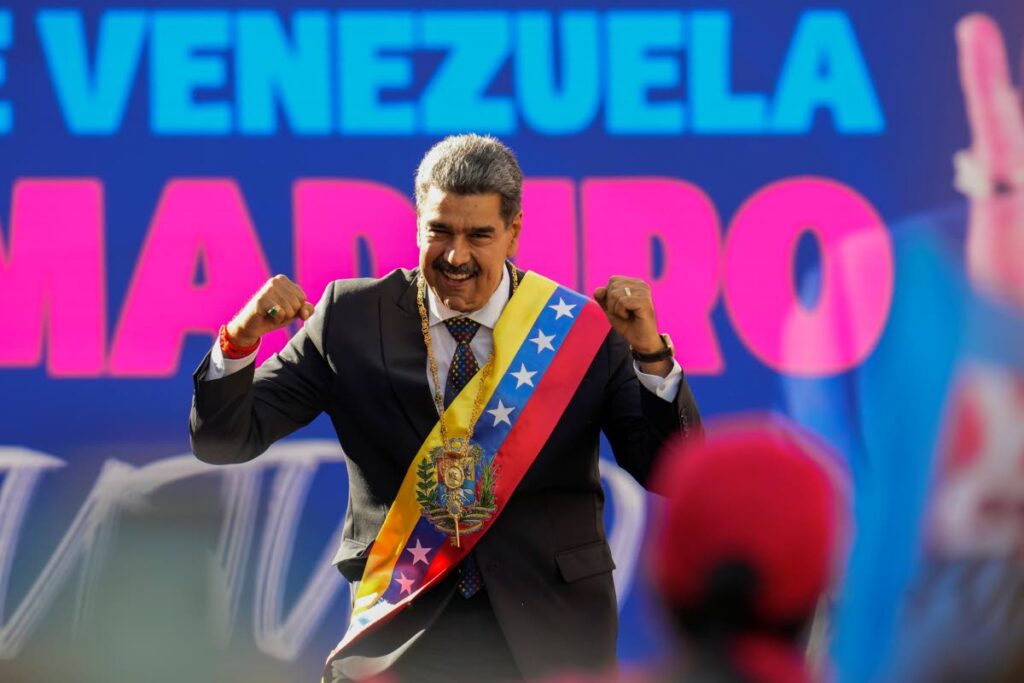
    The controversial extraction of Venezuelan leader Nicolás Maduro by United States authorities has ignited intense debate regarding the preservation of international legal standards. While potentially justifiable under specific American statutes, this operation represents a severe breach of established international protocols governing cross-border conduct.

    Despite criminal proceedings initiated against Maduro in New York federal court on January 5th regarding drug trafficking allegations, the circumstances of his apprehension remain legally questionable. The unsealing of indictments, assignment of legal counsel, and entry of pleas cannot rectify the fundamental irregularities surrounding his transfer to American jurisdiction.

    Maduro’s declaration of innocence from the courtroom dock contrasts starkly with the background of a U.S. president who has consistently demonstrated contempt for judicial processes while avoiding accountability for the January 6th insurrection. The current administration’s justice department faces additional scrutiny over alleged violations of the Epstein Files Transparency Act.

    The response from regional leaders has revealed concerning patterns of diplomatic caution. Trinidad and Tobago’s prime minister, while permitting covert radar installations in Tobago and discouraging public criticism of Trump, has simultaneously distanced the nation from participation in these operations. This diplomatic positioning occurs alongside muted responses from Caricom regarding sovereignty violations, suggesting widespread apprehension about potential retaliatory measures from the Trump administration.

    The erosion of international governance structures accelerated through conflicts in Gaza and Ukraine now faces further deterioration. The unilateral abduction of a national leader establishes dangerous precedents that prioritize power over legal frameworks, imperialistic ambitions over democratic principles, and unilateralism over international cooperation.

    With Venezuela’s political future remaining uncertain and international institutions like the United Nations limited to symbolic condemnations, the global community confronts a transformed geopolitical landscape where might increasingly supersedes established legal conventions.

  • US imperialism at its worst

    US imperialism at its worst

    A recent US military operation in Venezuela has resulted in significant civilian casualties, drawing sharp criticism and raising geopolitical tensions. According to a New York Times report dated January 3rd, preliminary estimates indicate at least 40 fatalities from the unilateral American bombings early Saturday morning, including both military personnel and non-combatant civilians.

    The attack, which targeted locations within Venezuelan territory, has been characterized by critics as an act of aggression rather than the counter-narcotics operation officially presented by Washington. The anonymous Venezuelan official who provided the casualty figures requested anonymity due to the sensitive nature of ongoing assessments.

    In his subsequent statements, US President Donald Trump confirmed that no American soldiers died during the operation, though some sustained injuries. Notably absent from his remarks was any acknowledgment of or condolence for Venezuelan casualties, reinforcing perceptions of disproportionate valuation of human life based on nationality.

    Analysts suggest the military action represents a strategic pivot toward overt regime change objectives rather than merely targeting drug trafficking networks. The operation appears strategically aligned with longstanding US interests in gaining control over Venezuela’s substantial petroleum reserves, ranked among the world’s largest.

    The escalation has prompted additional concerning developments, including direct threats from the Trump administration toward the governments of Colombia and Cuba. These actions have drawn historical parallels to expansionist policies of past authoritarian regimes and potentially create dangerous international precedents for military interventions.

    Observers note that such unilateral actions risk validating aggressive military maneuvers by other global powers in their respective regions of interest. The situation continues to evolve with expectations of diplomatic responses from affected nations and international organizations.

  • Prison Service FC lock in on Concacaf ambitions

    Prison Service FC lock in on Concacaf ambitions

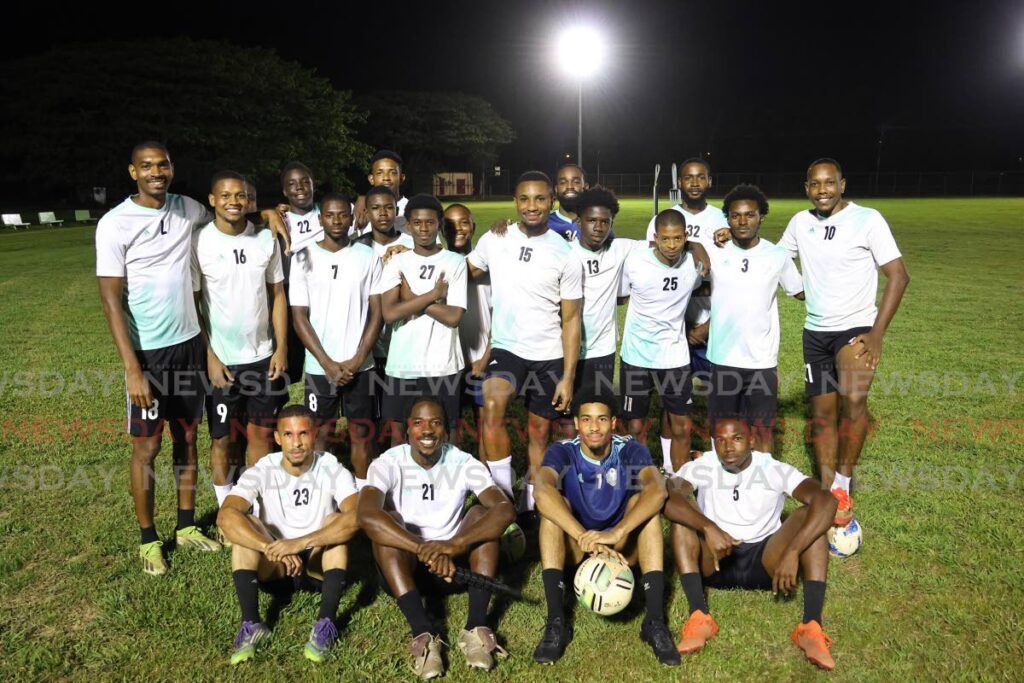
    In a remarkable turnaround story, Prison Service FC has positioned itself as a genuine contender for regional football qualification in the Trinidad and Tobago Premier Football League (TTPFL). Under the guidance of head coach Dexter Cyrus, the team currently occupies fourth place in the 12-team standings with 22 points from 11 matches, trailing league leaders Miscellaneous Police FC by just three points.

    The club’s resurgence follows early-season challenges that nearly saw them withdraw from the competition due to financial constraints. However, an amicable agreement with the TT Football Association ensured their continued participation, and the team responded with an impressive five-match winning streak to open the campaign.

    Coach Cyrus emphasizes that this season represents a rebuilding phase for the club, featuring both a new coaching staff and substantially reshaped squad. Despite these changes, the team has demonstrated remarkable cohesion and competitive spirit. “We’re definitely on track with what we envisaged,” Cyrus stated. “It’s a case of good preparation, getting all the players on the same page.”

    The strategic vision extends beyond domestic success, with CONCACAF qualification firmly in sight. The top three finishers in Tier One secure spots in CONCACAF club competitions, with first and second place advancing to the Caribbean Cup and third progressing to the Caribbean Club Shield.

    Support staff member Lance Haynes attributes the team’s success to clear planning and strong alignment between club leadership and coaching staff. Meanwhile, Antony Parris, the team’s lone prison officer player, expressed particular pride in the team’s transformation after three difficult seasons at the bottom of the table.

    With 11 matches remaining in the season, Prison Service FC appears poised to challenge not only for CONCACAF qualification but potentially for the league title itself, marking one of the most compelling narratives in Trinidadian football this season.

  • My tribute to Osbourne Charles

    My tribute to Osbourne Charles

    In a poignant tribute to late legal luminary Osbourne Charles, attorney Hazel Thompson-Ahye recounts a transformative courtroom experience that shaped her professional journey. The reflection begins with a vivid courtroom scene where a witness resembling “Miss Mavis” – an East Indian woman with complex domestic arrangements – testified against her husband’s murder suspect, claiming to have seen the accused “every minute of the day.

    Defense counsel Osbourne Charles dismantled her testimony through deceptively simple questioning about domestic chores, ultimately exposing the impossibility of her claim. The young law student initially reacted with moral outrage at what she perceived as witness intimidation, confronting Charles about his destructive cross-examination technique.

    Through years of observing Charles and other legal masters like Desmond Allum and Vernon De Lima, Thompson-Ahye developed deeper understanding of defense counsel’s duty to test witness credibility. This education proved crucial when she later handled a murder case involving teenage defendant and victim. Applying Charles’ techniques, she extracted critical information about the victim’s violent propensity and established the incident occurred near her client’s home, suggesting self-defense given the defendant’s extensive injuries.

    The validation came when Police Commissioner Trevor Paul predicted her success moments before the jury returned a not guilty verdict within 15 minutes of deliberation. Now mourning Charles’ passing, Thompson-Ahye expresses gratitude shared by countless lawyers who benefited from his expertise, concluding with a prayer for his peaceful journey to the “heavenly court.”

  • To permit is to participate

    To permit is to participate

    A scathing editorial critique has emerged targeting the Trump administration’s military intervention in Venezuela and Trinidad and Tobago’s perceived complicity in the operation. The opinion piece, authored by Simon Wright of Chaguanas, condemns the abrupt escalation that resulted in approximately 80 casualties, including civilian deaths, and the capture of Venezuelan President Nicolás Maduro.

    The editorial highlights the stark contrast between Maduro’s expressed willingness to engage in diplomatic discussions and the United States’ decision to employ military force instead. The author characterizes the operation as one that bypassed established diplomatic channels and disregarded due process, with President Maduro being apprehended ‘like a trophy’ rather than through lawful international procedures.

    The piece particularly scrutinizes Trinidad and Tobago’s stance, accusing the nation of facilitating the intervention while maintaining a facade of neutrality. The author argues that permitting use of territory or airspace for military operations constitutes active participation, regardless of direct involvement in combat. The core argument asserts that neutrality becomes impossible when a country allows its resources or silence to be exploited for military actions.

    The editorial concludes with the powerful assertion that ‘to permit is to participate,’ suggesting that nations providing logistical support or turning a blind eye to military interventions share responsibility for the consequences. This perspective challenges traditional interpretations of neutrality in international conflicts and raises questions about regional accountability in geopolitical power struggles.