作者: admin

  • King urges new approach to sport, culture as growth key

    King urges new approach to sport, culture as growth key

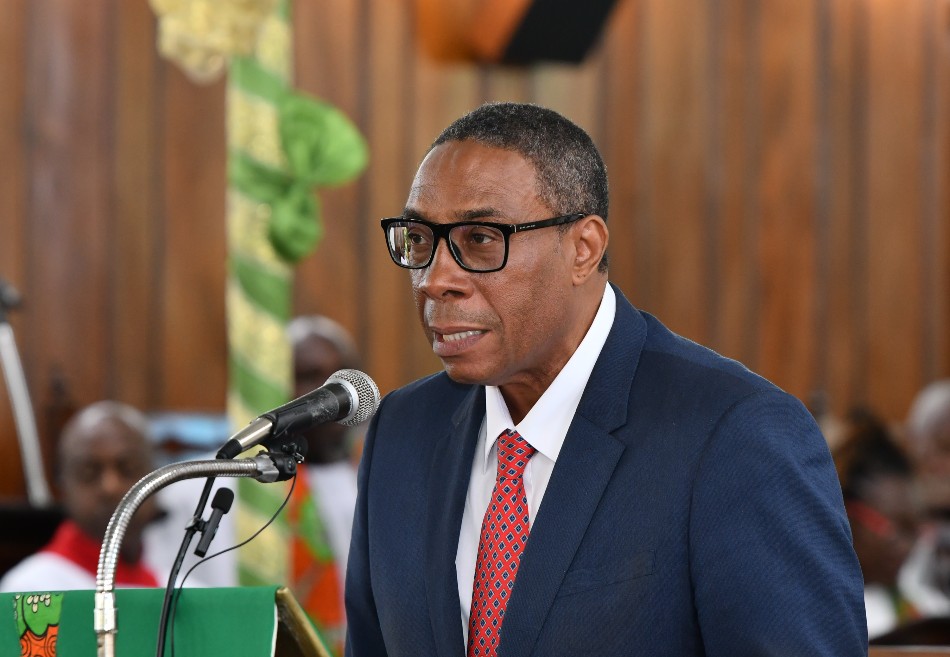
    In a compelling address during Monday’s parliamentary debate on the Appropriations Bill, Senator John King issued an urgent call for Barbados to fundamentally reposition its sports and cultural sectors from peripheral activities to central drivers of national development. The former culture minister articulated a visionary blueprint suggesting these creative industries could emerge as the nation’s next major economic engines if strategically harnessed.

    Senator King highlighted the paradoxical reality that while Barbados has consistently produced world-class talent across sporting and cultural domains, the nation has historically failed to capitalize on the substantial business potential inherent in these sectors. He pointed to the recently concluded 2024 ICC T20 World Cup, successfully hosted in Barbados, as demonstrating the transformative economic impact possible through major event staging. However, King challenged the government to pursue more ambitious initiatives by developing and owning homegrown tournaments and events.

    “Imagine the possibilities if Barbados were creating tournaments ourselves—events where we maintain intellectual property rights and control broadcasting privileges,” Senator King proposed. “The revenue potential from owning these events represents an economic frontier we must seriously explore.”

    The government senator elaborated on the extensive economic multiplier effects generated by sports investments, noting benefits extending far beyond athletes to create employment opportunities in sports nutrition, psychological support services, media production, and local service sectors including transportation and vending operations.

    Drawing from his previous experience as supervisor at the Government Industrial Schools, King emphasized the profound social value of sports as instruments for crime reduction and community cohesion. He shared poignant observations of how paternal attendance at youth cricket or football matches could effectively mend fractured family dynamics among at-risk adolescents.

    “Witnessing a father appear to support his son’s football match or boxing performance—and the subsequent positive transformation in their relationship—demonstrates how sports investment transcends financial calculations,” King reflected. “The social returns significantly outweigh mere dollar valuations.”

    Addressing cultural heritage, Senator King expressed concern that Barbados continues to undervalue its unique assets, ranging from distinctive linguistic patterns to historical monuments. He referenced Jamaica’s successful commercialization of patois and Cuba’s internationally acclaimed ballet and sports programs as exemplars of what strategic cultural valuation can achieve.

    King asserted that Barbadian narratives represent “endless” creative resources that should be leveraged to produce films, documentary features, and merchandise for global audiences. “We possess compelling stories awaiting narration and remarkable sites that we might overlook but would captivate international visitors,” he noted. “Transforming our mindset regarding asset valuation represents the crucial first step.”

    While acknowledging current budgetary allocations for facility improvements, the senator cautioned that infrastructure alone proves insufficient. He advocated for enhanced mentorship frameworks and systemic educational reforms to better nurture children demonstrating aptitude in dance or sports rather than conventional academic pursuits.

    Referencing the global achievements of Barbadian icons like Rihanna and West Indies Women’s cricket captain Hayley Matthews, King postulated that if individuals can excel “with minimal institutional support,” the next generation—buttressed by deliberate government investment—could achieve unprecedented success, ultimately positioning Barbados as a global leader in sports and cultural innovation.

  • Workers Union Files Appeal against Industrial Court’s Job Abandonment Ruling

    Workers Union Files Appeal against Industrial Court’s Job Abandonment Ruling

    In a significant legal development, the Antigua and Barbuda Workers Union (ABWU) has initiated appellate proceedings to contest a controversial Industrial Court decision regarding employment termination. The case, formally documented as Akeele Thomas v Carlisle Bay Resort, centers on the court’s February 2026 determination that a hotel employee had voluntarily abandoned his position rather than experiencing wrongful dismissal.

    The appellate submission contends that the lower court committed substantial legal errors in its interpretation of employment law principles. The union’s legal team asserts the court incorrectly determined that no dismissal occurred despite evidence suggesting otherwise. Central to their argument is the claim that the court established job abandonment without requiring the employer to demonstrate clear evidence of the worker’s intent to permanently leave his position.

    Further legal objections address procedural matters, including the alleged misapplication of burden of proof requirements. The union maintains the court improperly placed the evidentiary burden on the employee rather than the employer, contrary to established labor jurisprudence. Additional concerns highlight the court’s failure to adequately consider the employer’s actions, including the removal of the employee from work schedules and the cessation of communication.

    The appeal further argues the court neglected to examine whether the employer fulfilled reasonable investigative obligations before declaring job abandonment and declined to consider potential constructive dismissal despite relevant evidence presented during proceedings. The ABWU seeks to have the decision nullified and the case reheard before a different judicial panel of the Industrial Court.

    Legal observers note this appeal carries substantial implications for Antiguan labor rights, potentially establishing important precedents regarding employment termination protocols and worker protections in the hospitality sector and beyond.

  • Independent senator urges budget reform to fix widening fiscal gaps

    Independent senator urges budget reform to fix widening fiscal gaps

    Barbados’s public finance management system contains profound structural flaws that require immediate overhaul, according to Independent Senator Andrew Niles. His urgent warning follows revelations that the final expenditure for CARIFESTA XV skyrocketed to $31.7 million—a staggering 800% increase from the originally requested $4 million in the previous fiscal year.

    During Monday’s Senate debate on the Appropriations Bill, Senator Niles introduced the critical distinction between ‘the acts’ (initial budget requests) and ‘the grant’ (final authorized amounts), highlighting a persistent and concerning gap between projected and actual spending. The current fiscal year demonstrates this problem clearly: while the initial budget was set at $5.1 billion, it has since been revised upward to $5.89 billion, creating a $710 million discrepancy. Supplemental resolutions accounted for $562 million of this gap, with technical revisions like depreciation adjustments making up the remaining $148 million.

    Senator Niles employed artificial intelligence to analyze the massive 800-page budget document, with the technology summarizing the data in under six minutes. This analysis identified 93 line items across 17 ministries requiring significant adjustments. The senator, drawing on his engineering background, categorized the budget shortfalls into five distinct structural problems:

    1. Deliberate Compression: Known costs are systematically understated to meet fiscal targets
    2. Structural Deficits: Institutions like the Transport Board operate with permanent costs exceeding revenue
    3. Emergency Shocks: Unforeseen events like Hurricane Beryl, which incurred $17.5 million in costs
    4. Informal Gaps: Volatile exchange rates that inflate overseas mission expenses
    5. Governance Failure: Breakdowns in oversight that leave the state financially exposed

    Senator Niles specifically highlighted the Queen Elizabeth Hospital (QEH) as a microcosm of the broader problem, describing it as a massive entity that ‘dictates the pace of this country.’ He characterized ministries as businesses that become unworkable when essential funding components are removed from the equation.

    Looking forward, the senator expressed serious concern about projected revenue declines following temporary windfalls. ‘When revenue falls to $3.8 billion as projected, the compression pressure returns, the gap cycle restarts, and we will revert to the scenario we’ve seen in recent years,’ he warned.

    The senator concluded with a call for fundamental reform in how the government handles financial shortfalls, urging improved estimation mechanisms to create more collaborative and understandable budget conversations rather than relying on supplementary approvals for already-committed expenditures.

  • Antigua and Barbuda Pushes Climate Priorities at Global Talks

    Antigua and Barbuda Pushes Climate Priorities at Global Talks

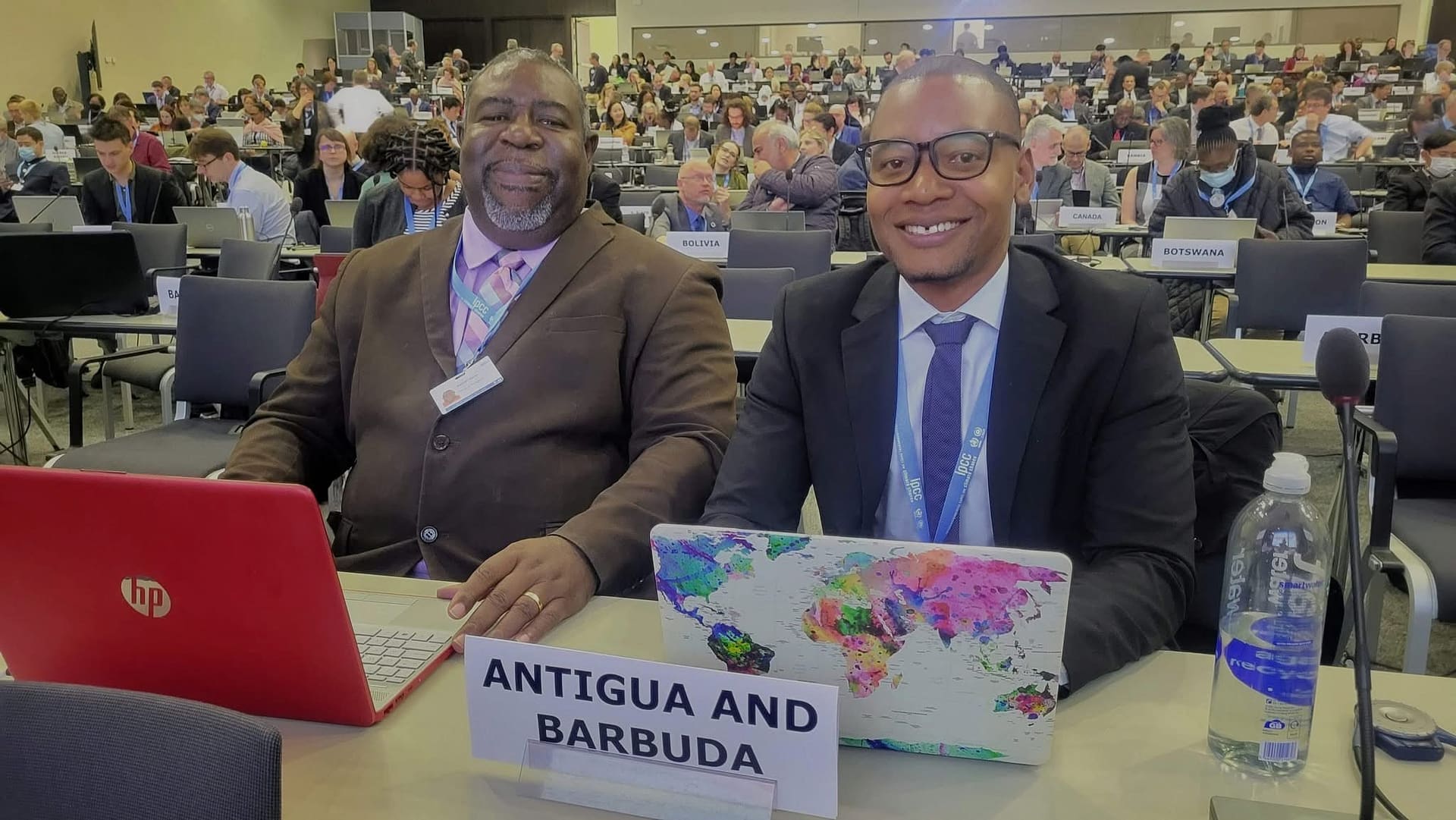
    Antigua and Barbuda’s delegation to the 64th Session of the Intergovernmental Panel on Climate Change (IPCC-64) in Bangkok comprises Orvin Paige from the Meteorological Department and Arry Simon from the Department of Environment. This pivotal gathering, scheduled for March 24–27, follows the inconclusive proceedings of IPCC-63 in Lima, where member nations could not reach consensus on deadlines for essential climate assessment reports.

    For vulnerable island nations, these procedural delays carry profound implications that extend far beyond bureaucratic negotiations. Countries situated on the frontlines of climate impacts, including Antigua and Barbuda, face existential threats from rising sea levels that endanger coastal populations and tourism infrastructure—the lifeblood of their economies. Increasingly intense hurricanes and erratic precipitation patterns further strain limited resources, despite these nations’ minimal contributions to global carbon emissions.

    A central challenge remains the accessibility of climate finance mechanisms. Small Island Developing States (SIDS) consistently encounter barriers when seeking funding, grappling with convoluted application procedures, insufficient technical expertise, and inflexible eligibility requirements. Even when financing is secured, implementation frequently proceeds at a pace insufficient to address urgent adaptation needs, including coastal defense systems, water security initiatives, and climate-resilient infrastructure development.

    The Bangkok negotiations will also address funding limitations within the IPCC’s own operations, underscoring a systemic concern: inadequate financial support threatens to paralyze both global climate science and localized mitigation efforts in the world’s most vulnerable regions. The outcomes of this session will directly inform preparatory work for COP31, where enhanced financing architectures and strengthened commitments will take center stage. For Antigua and Barbuda and fellow SIDS, the paramount objective remains transforming international policy decisions into tangible, accessible support that delivers measurable protection against climate devastation.

  • LISTEN: PM Says Emirates Flight From Dubai to Antigua Expected With One & Only Development

    LISTEN: PM Says Emirates Flight From Dubai to Antigua Expected With One & Only Development

    Antigua and Barbuda is poised to secure a transformative Emirates flight connection from Dubai upon completion of the ultra-luxury One & Only resort at Half Moon Bay, according to Prime Minister Gaston Browne. The announcement, made during a recent Pointe FM appearance, positions this development as a cornerstone in the nation’s strategy to enhance global connectivity and establish itself as the Caribbean’s premier aviation hub.

    Prime Minister Browne emphasized that the forthcoming air link is directly tied to the resort’s construction timeline, stating that the Emirates service would commence immediately following the hotel’s completion. This strategic connection is expected to dramatically elevate the twin-island nation’s international profile while driving unprecedented tourism growth.

    Beyond the landmark One & Only project, Browne outlined an extensive portfolio of luxury developments currently transforming the nation’s tourism landscape. The Nobu Hotel in Barbuda, backed by Hollywood icon Robert De Niro, is progressing with its first phase scheduled for completion by year-end and operational readiness by first quarter 2025. Simultaneously, the PLH development in Barbuda has attracted approximately $1 billion USD in investment, complemented by ongoing infrastructure enhancements at Nikki Beach.

    Additional high-end projects include a Marriott hotel at Yeptons anticipated to conclude construction by December with operations commencing early next year, significantly expanding the country’s luxury accommodation inventory. The former Rosewood property has also secured a new luxury brand partnership, with developers moving forward aggressively rather than delaying the project.

    Browne identified the One & Only resort as the ‘marquee’ project within their development pipeline—an ultra-exclusive property expected to anchor Antigua and Barbuda’s ascent into the highest echelon of global tourism destinations. The government is concurrently negotiating additional airlift initiatives beyond traditional markets, including expanded cargo and passenger routes with multiple entities.

    The substantial scale of these investments reflects Antigua and Barbuda’s growing international appeal, with Browne noting the nation has achieved global recognition as a premium destination. This strategic focus on high-end development represents a comprehensive transformation initiative for the country’s tourism sector.

  • Eerste ananastelers krijgen lening voor opschaling productie

    Eerste ananastelers krijgen lening voor opschaling productie

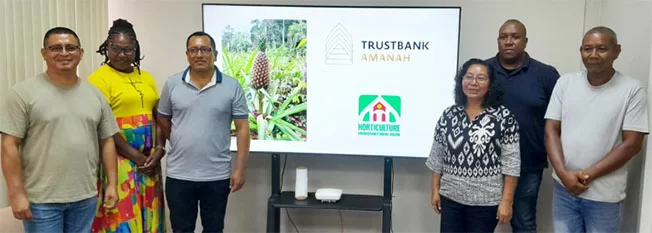
    Six indigenous pineapple growers in Suriname have formalized loan agreements to expand organic pineapple production, marking a significant advancement in strengthening the country’s agricultural value chain. The milestone signing ceremony occurred on Monday as part of the Agrifood Systems Transformation Accelerator (ASTA) Joint Programme, a collaborative initiative involving four United Nations agencies—FAO, UNIDO, UNFPA, and ILO—in partnership with the Surinamese government.

    Funded by the Joint SDG Fund and Islamic Development Bank, the program specifically targets sustainable development within Suriname’s pineapple sector. Approximately 90% of pineapple farmers in Suriname are indigenous communities operating collectively owned lands in Para’s village territories. Their lack of individual land titles has historically prevented access to traditional bank financing due to insufficient collateral.

    To overcome this barrier, ASTA established a Collateral Facility Fund managed by Trustbank Amanah (TBA), which serves as guarantee security for financial institutions. Roshnie Gangapershad, Acting Agri Business Manager at TBA, explained that loan applications undergo rigorous feasibility assessments before approval.

    The Horticulture Innovation HUB, established in 2024 under the ASTA project, provides comprehensive support through two core pillars: enhanced agricultural practices and strengthened agro-entrepreneurship. National agronomist Hemwatie Goeptar detailed the technical assistance process, which begins with thorough agronomic analysis covering field conditions, planting design, and fertilization programs developed in consultation with farmers and village leadership.

    Practical implementation is already underway. Farmers Jerry Birambie and Harvey Read from Pierre Kondre have prepared one-hectare plots for soil enhancement and planting. Despite equipment accessibility challenges in remote regions—Jeanne Patra from Marowijne requires machinery transported from Para—the program maintains momentum through adaptive solutions.

    Continuous field support remains crucial to the project’s success. Goeptar and field agents assist growers with irrigation, fertilization, and maintenance protocols. The application of artificial flower induction technology enables year-round production, with flowering induced after nine months and harvest occurring approximately fourteen months post-planting.

    Additional growers are preparing for expansion. Stuart Makosie from Powaka will commence land preparation shortly, while Cyrell Sabajo from Matta has established an on-site bio-factory for organic fertilizers and natural pesticides following training sessions.

    According to Swami Girdhari of the Horticulture Innovation HUB, the project aims not only to increase production but also to modernize the sector and attract youth participation. Innovative digital applications facilitate knowledge sharing, communication, and monitoring. Future phases will focus on processing and value-added pineapple products to enhance market opportunities both domestically and for export.

  • Consultancy payments: Duke, Jack, Dass deals revealed

    Consultancy payments: Duke, Jack, Dass deals revealed

    A series of lucrative consultancy agreements within Trinidad and Tobago’s state energy sector have drawn attention following revelations of substantial payments to individuals with political connections. Documents obtained by media outlets reveal three high-profile contracts totaling millions in public funds.

    Watson Duke, former Public Services Association head turned politician, secured a $40,000 monthly consultancy with The National Gas Company (NGC) commencing December 2025. The one-year contract tasks Duke with streamlining workforce rationalization, organizational restructuring, and providing strategic human resources guidance. His qualifications include a Bachelor’s degree in Industrial Relations from The University of the West Indies.

    Simultaneously, former Tobago House of Assembly finance secretary Joel Jack was engaged by Trinidad Petroleum Holdings Ltd (TPHL) as a Consultant Specialist Adviser at $70,000 monthly from November 2024. Jack’s comprehensive mandate includes reviewing TPHL’s operational framework, evaluating asset monetization opportunities, and overseeing the winding up of former state oil company Petrotrin. His appointment came shortly before President Christine Kangaloo named him to the Central Bank board in September 2024.

    Most notably, former news anchor and senior political adviser Shelly Dass—spouse of former PNM minister Brian Manning—received multiple contract extensions from the National Energy Corporation totaling TT$1.7 million. Initially hired in December 2021 at US$125 hourly with guaranteed minimum monthly hours, her consultancy was repeatedly extended through May 2025. Her role expanded significantly to include diplomatic engagement with government officials in Trinidad and Suriname, with guaranteed monthly hours increasing from 40 to 58 during the contract period.

    When contacted for comment, Dass confirmed her consultancy underwent “an intense independent vetting process” and referenced her “background in international work.” Neither Duke nor Jack responded to requests for comment regarding their appointments.

    The contracts reveal pattern of substantial expenditures on external consultants within the state energy sector, raising questions about procurement processes and the allocation of public resources to individuals with political affiliations.

  • Burkie’s son, 2 others shot dead

    Burkie’s son, 2 others shot dead

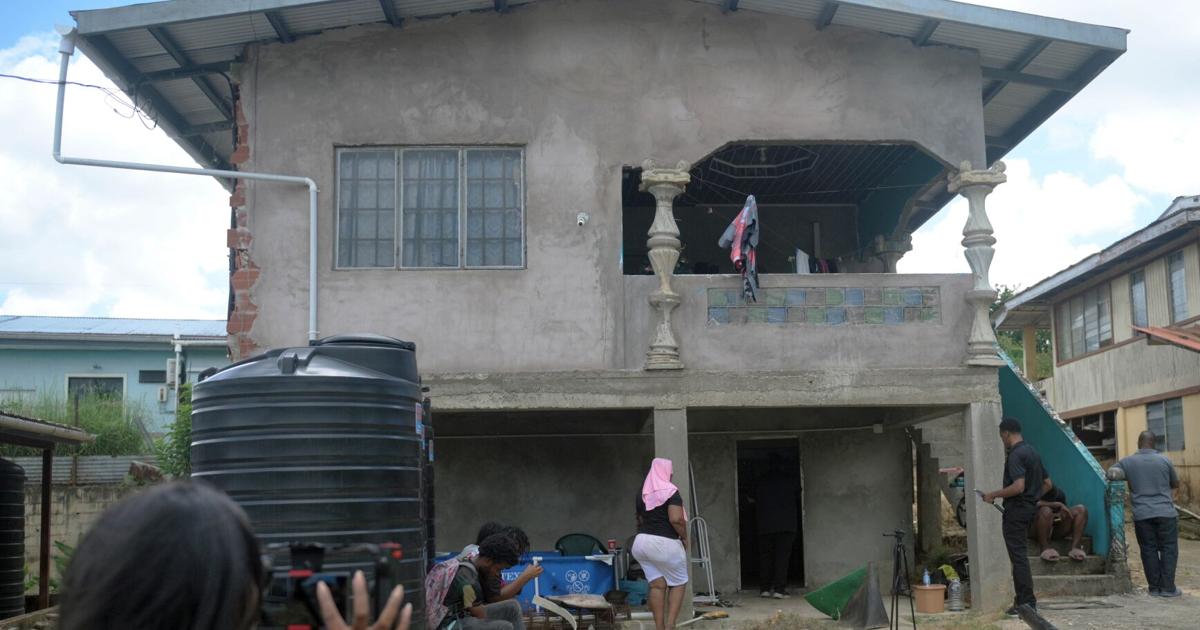
    A pre-dawn shooting in Penal has left three young men dead, including the 17-year-old son of deceased Port of Spain businessman Cedric “Burkie” Burke. The victims—Jordan Cudjoe Burke, Ishmael Matthews (22), and Roberto Samuel Carlos (21)—were discovered in a blood-soaked bedroom of a ground-floor apartment on the Burke family property around 2:56 a.m. Tuesday.

    According to police reports, the scene revealed a brutal execution-style killing with ten spent nine-millimeter shells and twelve live rounds recovered near the bodies. Burke was found leaning against a bed base, Matthews lay on his back on the floor, and Carlos was positioned beneath the bed.

    The tragedy has left families grappling for answers. A relative of Burke, who requested anonymity, recounted receiving a frantic call from Burke’s girlfriend screaming “Come fast, they shooting up the place.” She dismissed speculation that Burke was targeted because of his father’s notorious reputation, noting that other children from the family live normal lives without incident.

    Burke, a Form Five student at St. Benedict’s College preparing for CSEC examinations, had recently faced legal troubles involving counterfeit money charges. His mother has been incarcerated since November on firearm possession allegations, leaving the teenager to reside with his grandmother.

    At Matthews’ home, aunt Marinda Yearwood described the three victims as “the three Musketeers—always together.” She revealed Matthews was an academically gifted student who had earned nine subjects with distinction at Shiva Boys’ College but struggled to find steady employment despite numerous applications.

    Yearwood expressed frustration about rampant youth unemployment and lack of opportunities, stating “The Government is not giving enough opportunities for youths coming off the block.” She acknowledged hearing rumors about the victims “doing mischief by some people” but emphasized that nothing warranted execution.

    Homicide Bureau detectives from Region Three are actively investigating and have appealed for information through emergency hotlines and Crime Stoppers. The case highlights ongoing concerns about youth violence and socioeconomic challenges in Trinidadian communities.

  • Kamla ‘unbothered’

    Kamla ‘unbothered’

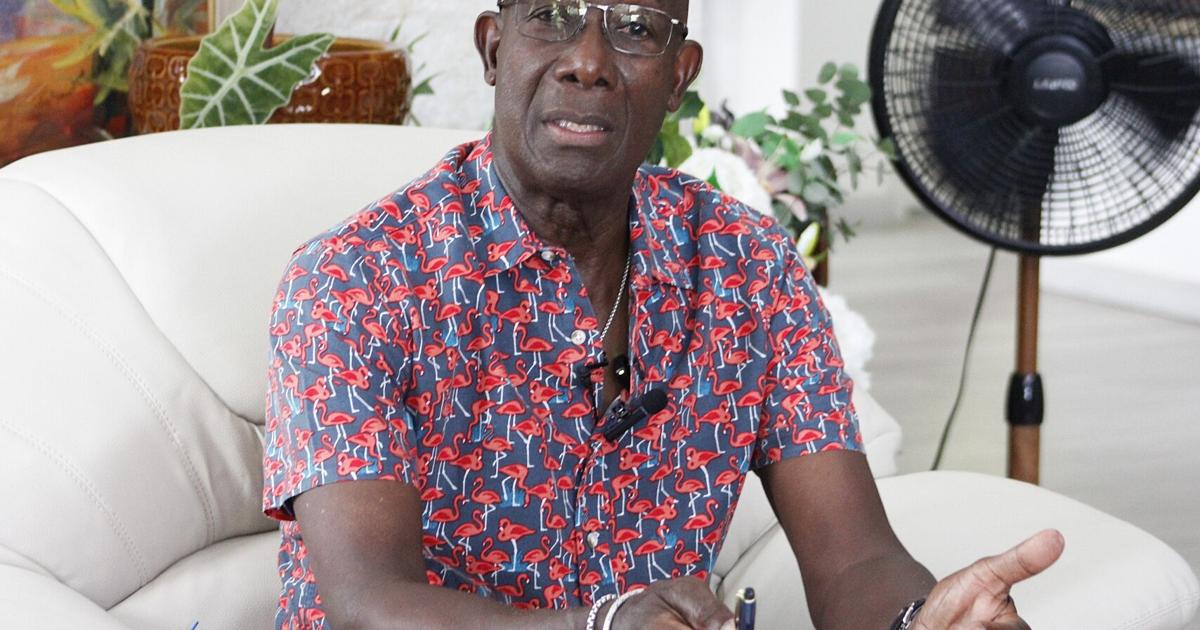
    In a striking display of political composure, Trinidad and Tobago Prime Minister Kamla Persad-Bissessar has publicly declared her indifference toward derogatory comments made by opposition leader Keith Rowley. The former prime minister had repeatedly used the term “jamette”—a historically derogatory term referring to women of low social standing—during a March 17 press conference to dismiss Persad-Bissessar’s allegations about drug money financing the opposition party’s headquarters.

    Speaking to TV6 News, Persad-Bissessar stated: “While it might appear superficially that I remain unbothered when Rowley and PNM affiliates direct such vulgar remarks toward me, the profound truth remains that internally, I am profoundly, thoroughly unbothered.” She confirmed she would not pursue legal action against Rowley or media outlets that broadcast his comments.

    The incident has triggered significant institutional response, with the Telecommunications Authority of Trinidad and Tobago (TATT) formally notifying Guardian Media Ltd about potential regulatory violations. In a March 20 correspondence, TATT referenced Section D9 of broadcasting licenses, which prohibits content that “degrades or portrays in a negative manner any person or group by reason of race, origin, class, religion or sex.”

    Rowley has intensified his stance despite mounting criticism, questioning TATT’s intervention as potentially infringing upon media freedom. He asserted his intention to continue publicly responding to parliamentary attacks, framing the regulatory scrutiny as a threat to democratic discourse. The confrontation highlights deepening political divisions and evolving debates about acceptable speech, gender politics, and regulatory oversight in Trinidad and Tobago’s media landscape.

  • P/Town sisters missing

    P/Town sisters missing

    A concerned relative of two missing teenage sisters from Princes Town is urging the government to implement stringent restrictions on minors’ access to social media platforms, citing grave dangers posed by unsupervised online activity. The appeal follows the disappearance of Celina Balliram, 15, and her sister Alena Baksh, 12, from their grandmother’s home in St. Croix last Friday.

    The girls were last observed around 8:45 a.m. departing to purchase doubles from a local vendor. After their failure to return nearly two hours later, family members alerted authorities. Police descriptions detail Celina as 4’5″ with brown complexion, medium build, long black hair, brown eyes, and last seen in a blue short dress with black netting. Alena is described as 5′ tall with light brown complexion, slim build, long black hair, grey eyes, and was wearing a white crop top with a black short skirt.

    In an anonymous telephone interview, the relative expressed conviction that the sisters were deliberately targeted by older males through their active Instagram profiles. ‘The Government should impose a complete ban on social media for children,’ she asserted. ‘They are exposed to predatory individuals who conceal their identities behind false profiles. These platforms enable adults to systematically target vulnerable youth.’

    The relative revealed this marks the third disappearance incident for Celina, each spanning approximately two months, though notably the first for Alena. Despite attempted communication via WhatsApp, the sisters reportedly responded with hostility before blocking family contacts. Their father’s recent imprisonment for robbery and their mother’s inability to provide care have compounded familial challenges, leaving the grandmother to manage the household while simultaneously caring for her bedridden daughter and the sisters’ younger siblings, aged five and eight.

    Neither sister has attended school since Carnival period. Celina was enrolled in Form Two at Princes Town West Secondary School, while Alena attended Standard Four at St. Stephen’s Anglican Primary School. The relative emphasized the grandmother’s overwhelmed circumstances and appealed directly for the sisters’ safe return.