作者: admin

  • Foreign Minister says U.S. planes in Dominican Republic did not join operation against Maduro

    Foreign Minister says U.S. planes in Dominican Republic did not join operation against Maduro

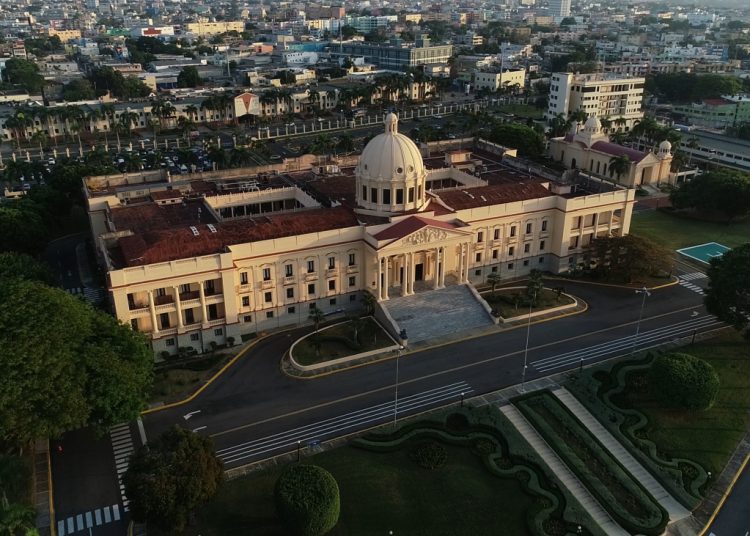
    SANTO DOMINGO – The Dominican Republic has formally denied any involvement in military operations targeting Venezuelan leadership, with Foreign Minister Roberto Álvarez providing detailed clarifications regarding U.S. aircraft operations from Dominican airports. Minister Álvarez emphasized that U.S. aircraft stationed in the country serve exclusively as refueling platforms for counter-narcotics missions throughout the Caribbean region, not as combat-ready fighter jets capable of engaging in military operations.

    In response to media inquiries, Álvarez categorically stated that ‘at no time has there been any activity other than the fight against drug trafficking’ from Dominican territory, directly refuting speculation that the nation’s airports might have facilitated military actions connected to Venezuela’s political situation. The Foreign Minister’s remarks come amid intensified regional scrutiny following recent developments involving Venezuelan leadership.

    Beyond operational clarifications, Álvarez reaffirmed the Dominican Republic’s diplomatic stance, calling for the international community to support the Venezuelan people’s pursuit of establishing a legitimate, democratic government that would earn international recognition. This position aligns with broader regional efforts to promote political stability through diplomatic channels rather than military intervention.

    The timely clarification addresses mounting concerns about potential regional escalation and demonstrates the Dominican government’s commitment to transparency amid circulating misinformation. Officials emphasized that all military cooperation with international partners remains strictly confined to counter-narcotics operations, with no deviation from this mandate throughout their collaborative efforts.

  • Rodrigues rejects WIN’s corruption allegations over Florida house purchase

    Rodrigues rejects WIN’s corruption allegations over Florida house purchase

    Guyana’s Minister of Trade, Tourism, Industry and Commerce, Susan Rodrigues, has publicly refuted corruption allegations regarding her acquisition of a Florida property, asserting that the purchase was legitimately financed through mortgage arrangements and rental income. The allegations were initially raised by Azruddin Mohamed, the United States-sanctioned leader of the We Invest in Nationhood (WIN) party.

    In a detailed Facebook post on Tuesday, Rodrigues acknowledged ownership of one Florida property at 8601 NW 46th Ct. Lauderhill through a company in which she holds shares, while dismissing claims of owning three additional properties. She presented an annual tax and interest statement indicating an outstanding mortgage principal of US$378,000 as of December 31, 2024, though she did not confirm Mohamed’s claim that the property was purchased for US$540,000 in March 2024.

    The minister explained that the property was acquired with financing from AD Mortgage, a U.S. financial institution, and is currently rented out with the income servicing the mortgage obligations. Rodrigues emphasized that all her overseas assets have been properly declared to Guyana’s Integrity Commission, and she complies with enhanced banking requirements as a Politically Exposed Person.

    The political opposition, including the 12-seat APNU coalition and the 16-seat WIN party, has seized on the allegations, demanding Rodrigues’ resignation and independent investigations into ministers’ wealth accumulation. WIN specifically questioned the effectiveness of anti-money laundering laws when senior officials can acquire luxury properties without consequence.

    Rodrigues countered that Mohamed’s allegations represent a ‘desperate narrative’ and highlighted the irony of corruption accusations coming from someone facing extradition proceedings to the United States for alleged mail fraud, wire fraud, and money laundering related to gold trading activities.

    The minister also addressed additional properties mentioned by Mohamed, denying ownership of a residence at 946 Herstelling and clarifying that her partner owns the land dating to 2016. Similarly, she refuted claims of owning a Georgetown gas station, explaining that her partner operates the business on property owned by Shell Antilles and Guianas Limited since 1962.

  • OAS-topman Ramdin roept lidstaten op tot gezamenlijke actie rond Venezuela

    OAS-topman Ramdin roept lidstaten op tot gezamenlijke actie rond Venezuela

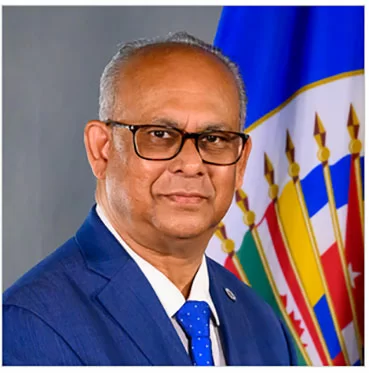
    WASHINGTON – Organization of American States (OAS) Secretary General Albert Ramdin has issued a compelling call for transformative action regarding Venezuela’s ongoing political crisis. Speaking before the OAS Permanent Council during a special session addressing recent developments in Venezuela, Ramdin emphasized that the regional body must evolve beyond mere declaratory forums into a mechanism for coordinated, principled, and sustained intervention.

    Ramdin articulated that multilateralism and inter-American cooperation have become indispensable in an increasingly complex global landscape. He underscored that the OAS Charter and inter-American legal framework constitute binding obligations rather than voluntary guidelines for member states. The Secretary General asserted that when democratic principles, human rights, and fundamental tenets of international law face erosion, the hemisphere must respond with collective action.

    Expressing profound solidarity with the Venezuelan population, Ramdin characterized support for Venezuela as both a moral imperative and strategic necessity. “A stable, democratic, and prosperous Venezuela serves the interests of all member states,” he declared, emphasizing the inalienable right of Venezuelans to determine their government and leadership through representative democratic processes.

    While advocating for robust engagement, Ramdin cautioned member states against actions that might exacerbate tensions or deepen regional divisions. He highlighted the strength of the inter-American system lies in nations’ ability to collaborate constructively despite divergent political and ideological perspectives.

    The OAS stands prepared to play an active role within its mandate, respecting principles of sovereignty and non-intervention. Ramdin positioned the organization as a potential “honest broker” capable of facilitating dialogue and mediation to reduce tensions and promote peaceful solutions – provided such assistance is requested by member states and Venezuela.

    Additionally, Ramdin confirmed the OAS will maintain its monitoring of Venezuela’s human rights situation and continue publicly identifying violations, with particular attention to political prisoners. He reiterated support for the Inter-American Commission on Human Rights’ request to conduct an on-site visit to Venezuela.

    The Secretary General outlined concrete OAS mechanisms available to support democratic restoration, including facilitating inclusive dialogue among Venezuelan stakeholders, strengthening democratic institutions and rule of law, supporting structural reforms, and assisting with electoral preparation and observation. The organization could also provide support regarding migration challenges and vulnerable populations in coordination with international partners.

    Ramdin concluded with grave concern about recent reports of repression and political persecution, stating that “repression cannot be tolerated anywhere in the hemisphere.” He urged continued collective engagement, open communication, and peaceful lawful solutions benefiting both Venezuela and regional stability.

  • When sanctions enforcement creates new risks for shipping – Splash247

    When sanctions enforcement creates new risks for shipping – Splash247

    The global shipping industry faces mounting pressure to combat illicit trade practices, placing international ship registries at the center of an escalating regulatory paradox. According to Graeme Morkel, Deputy International Registrar of Shipping and Seamen at the St Kitts and Nevis International Ship Registry, flag states are increasingly caught between enforcement obligations and operational risks.

    Sanctions evasion, flag hopping, and complex ownership structures have evolved from peripheral concerns to critical challenges threatening the integrity of the global fleet and the credibility of maritime administrations. While open registries are frequently characterized as part of the problem, many have actually become frontline enforcers in the battle against illegal shipping practices.

    A fundamental tension has emerged through recent stakeholder engagements: flag states cannot simultaneously serve as enforcement agents and bear sole responsibility for consequences. Registries are now expected to execute intelligence-driven decisions carrying significant operational and human impacts, yet the supporting frameworks surrounding these decisions remain underdeveloped.

    Progress has emerged through collaborative initiatives like the Registry Information Sharing Compact (RISC), which enables flag states to exchange intelligence regarding vessels denied registration or under sanctions investigation. This mechanism addresses the deliberate strategy of flag hopping—where operators shift registrations to avoid compliance scrutiny—rather than treating it as merely an administrative loophole.

    Modern registries maintain close cooperation with international enforcement and intelligence agencies, frequently making registration decisions based on directives from organizations specializing in sanctions enforcement and national security. However, when vessels are removed from registries following such directives, the action is often mischaracterized as abandonment, wrongly attributing responsibility to the flag state.

    This misrepresentation creates dangerous operational and reputational risks. Enforced removals conducted in support of sanctions compliance constitute legitimate regulatory actions, not abandonment. The current disconnect underscores the urgent need for clearer alignment between the United Nations, International Maritime Organization, and flag states regarding definitions and communications protocols.

    Encouragingly, international recognition of this imbalance is growing. Discussions regarding sanctions frameworks and enhanced IMO cooperation indicate increasing awareness that effective enforcement requires shared responsibility and consistent accountability. The fight against illicit maritime trade ultimately depends on trust, transparency, and cooperation—with flag states requiring consistent support when implementing difficult enforcement decisions.

  • De zaak-Maduro is geen drugszaak — het is een aanval op staatsimmuniteit

    De zaak-Maduro is geen drugszaak — het is een aanval op staatsimmuniteit

    The recent court appearance of Venezuelan President Nicolás Maduro and his wife before a federal judge in New York on January 5, 2026, has sparked profound legal and diplomatic concerns that extend far beyond a simple criminal proceeding. This case represents a pivotal moment for international legal principles governing sovereign immunity and the limits of national jurisdiction.

    At the heart of the matter lies the established doctrine of immunity ratione personae, which grants sitting heads of state, government leaders, and foreign ministers personal immunity from criminal prosecution by foreign national courts. This protection exists not to place leaders above the law, but to prevent judicial systems from becoming instruments of geopolitical retaliation. The immunity is procedural in nature—it blocks prosecution while the leader remains in office, without consideration of moral or political factors.

    The United States has attempted to circumvent this principle through a semantic maneuver centered on recognition. The argument suggests that those no longer recognized by Washington as legitimate leaders automatically forfeit their immunity. However, this approach dangerously conflates political recognition—a discretionary act—with the legal consequences of sovereignty. Immunity derives from the office itself, not from the political preferences of third-party states.

    Even accepting the US claim of jurisdiction based on extraterritorial drug laws, immunity remains an absolute barrier. Jurisdiction and admissibility are distinct concepts—the ability to apply a law does not grant carte blanche to prosecute anyone. The proper legal sequence requires addressing immunity before substance, a sequence notably ignored in this case.

    Previous US precedents involving figures like Noriega provide weak foundation for such a significant legal intervention. Unlike Noriega, Maduro exercised effective power, received international recognition from multiple states, and functioned as Venezuela’s head of state. Washington’s political attempt to redefine his status cannot override established principles of international law.

    The manner of Maduro’s appearance in US custody—whether termed capture, law enforcement operation, or abduction—carries legal significance. The domestic US doctrine that unlawful transfer does not impede prosecution holds no weight in international law regarding immunity questions. One cannot purify a proceeding by first violating the law and then asserting judicial competence.

    This case does not suggest that heads of state should never face accountability. Appropriate mechanisms exist through international courts or post-term prosecution. This distinction protects not individuals but the international legal system itself. Destroying the system to prosecute one individual normalizes a world where powerful nations can criminalize political opponents through their judicial systems.

    The potential consequences are both predictable and dangerous. If the US legitimizes this approach, it invites reciprocal actions from other nations. Today Venezuela, tomorrow another nation. National courts would become tools of geopolitical conflict, transforming international law from a protective shield into an à la carte menu selected according to political convenience.

    The inescapable conclusion remains: as long as Maduro qualifies as a sitting head of state, the US prosecution is inadmissible. This position reflects not the severity of alleged crimes but the necessary requirements of legal order. The alternative is arbitrariness—and arbitrariness marks the end of meaningful law.


  • Government announces cabinet changes, appoints new ministers

    Government announces cabinet changes, appoints new ministers

    In a strategic move to reinforce economic development and housing policy, Dominican President Luis Abinader has enacted a significant cabinet reorganization through Decree No. 3-26. The reshuffle introduces key leadership changes across three critical government ministries.

    Eduardo ‘Yayo’ Sanz Lovatón transitions from his role as Director General of Customs to assume the position of Minister of Industry, Commerce, and MSMEs. During his tenure at Customs since August 2020, Sanz Lovatón spearheaded comprehensive modernization initiatives. A founding member of the ruling Modern Revolutionary Party (PRM) and its National Secretary of Finance, he previously served as a crucial strategist during President Abinader’s 2020 electoral campaign. His legal background includes a master’s degree in International Law coupled with extensive experience in both academic and private legal practice.

    Succeeding Sanz Lovatón at the Customs Directorate is Nelson Arroyo, who previously presided over the Dominican Telecommunications Institute (Indotel) from 2020 to 2024. Hailing from Moca in Espaillat province, Arroyo brings a distinguished legal and political career spanning decades. His credentials include a doctorate in law and extensive legislative experience as a former congressman, councilman, and civil governor. During his ten-year congressional tenure, he chaired multiple pivotal committees and contributed significantly to legislative processes.

    Completing the triumvirate of appointments, Víctor ‘Ito’ Bisonó takes helm as Minister of Housing and Construction, transferring from his previous role as Minister of Industry, Commerce, and MSMEs. With over thirty years in public service, Bisonó’s congressional career encompassed four consecutive terms representing the National District. His legislative legacy includes championing policies on economic competitiveness, renewable energy adoption, and institutional strengthening. Known for his technically proficient and results-driven approach to governance, Bisonó is positioned to advance the administration’s housing agenda.

    The cabinet realignment demonstrates President Abinader’s strategic focus on optimizing governmental efficiency in sectors vital to national economic growth, foreign trade expansion, and housing development.

  • Cap

    Cap

    The northern Haitian city of Cap-Haitien was gripped by bewilderment and horror on January 6, 2026, following the grim discovery of three deceased family members inside a stationary vehicle. The white Toyota Corolla, parked at the ‘Barrière Bouteille’ southern entrance point since January 4th, contained the bodies of Ralph Gustave, Wilnica (or Wiltana) Gustave, and their nine-year-old son Wildensky Rolph Gustave.

    Local residents were alerted by an increasingly potent odor emanating from the car’s interior, despite its proximity to a police station. Initial examinations conducted by Justice of the Peace Serge Fénélus revealed no visible trauma, gunshot wounds, or stab marks on the victims, deepening the mystery surrounding their sudden demise.

    This incident marks the fifth such discovery in Haiti’s North department since late December 2025, following two similarly decomposed bodies found in a vehicle in Charrier on December 17. While investigators have eliminated carbon monoxide poisoning due to the vehicle’s operational condition, the pattern of unexplained deaths has generated widespread alarm throughout the region.

    Authorities have launched a comprehensive judicial investigation to determine the cause of these mysterious fatalities as communities remain unsettled by the troubling recurrence of such incidents.

  • Too Many Drones? Belize Debates Safety, Growth, and Control of the Skies

    Too Many Drones? Belize Debates Safety, Growth, and Control of the Skies

    BELIZE CITY – The rapid proliferation of unmanned aerial vehicles across Belize’s skies has sparked a critical national dialogue on aviation safety, economic development, and regulatory oversight. As drones become increasingly integrated into diverse sectors including agriculture, real estate, media, and land surveying, aviation authorities warn that the nation’s unique airspace characteristics demand immediate regulatory intervention.

    The Belize Department of Civil Aviation has initiated a comprehensive public consultation process regarding a proposed operational directive that would establish binding nationwide regulations for all drone operations. This regulatory framework aims to replace the current patchwork of approvals with standardized licensing protocols and operational limitations, aligning Belize’s drone policies with international aviation standards observed in the United States and European nations.

    Director of Civil Aviation Nigel Carter emphasized the critical safety implications of unregulated drone activity, noting Belize’s distinctive aviation environment where low-altitude aircraft operations intersect with densely populated urban centers and busy tourism routes. “We have to be very careful not to create a mix of manned and unmanned aircraft in the same vicinity,” Carter stated, highlighting the potential for catastrophic consequences without proper oversight.

    The technological adoption has accelerated across multiple industries, with drones now serving essential functions in agricultural monitoring, geographic information system (GIS) mapping, property marketing, and land surveying. Training programs have emerged to address the growing demand for certified operators, including comprehensive courses covering both technical proficiency and regulatory compliance.

    However, the mandatory nature of the proposed directives has raised concerns among commercial operators and technical professionals who depend on drone technology for their livelihoods. Stakeholders are organizing emergency meetings to discuss the potential economic impact and operational constraints that standardized regulations might impose.

    The ongoing consultation process represents a pivotal moment for Belize as it attempts to reconcile technological innovation and economic growth with the imperative of maintaining aviation safety standards. The outcome will likely establish precedents for how developing nations manage the integration of emerging technologies within existing infrastructure frameworks.

  • A Five-year Moratorium on Extractions from National Land

    A Five-year Moratorium on Extractions from National Land

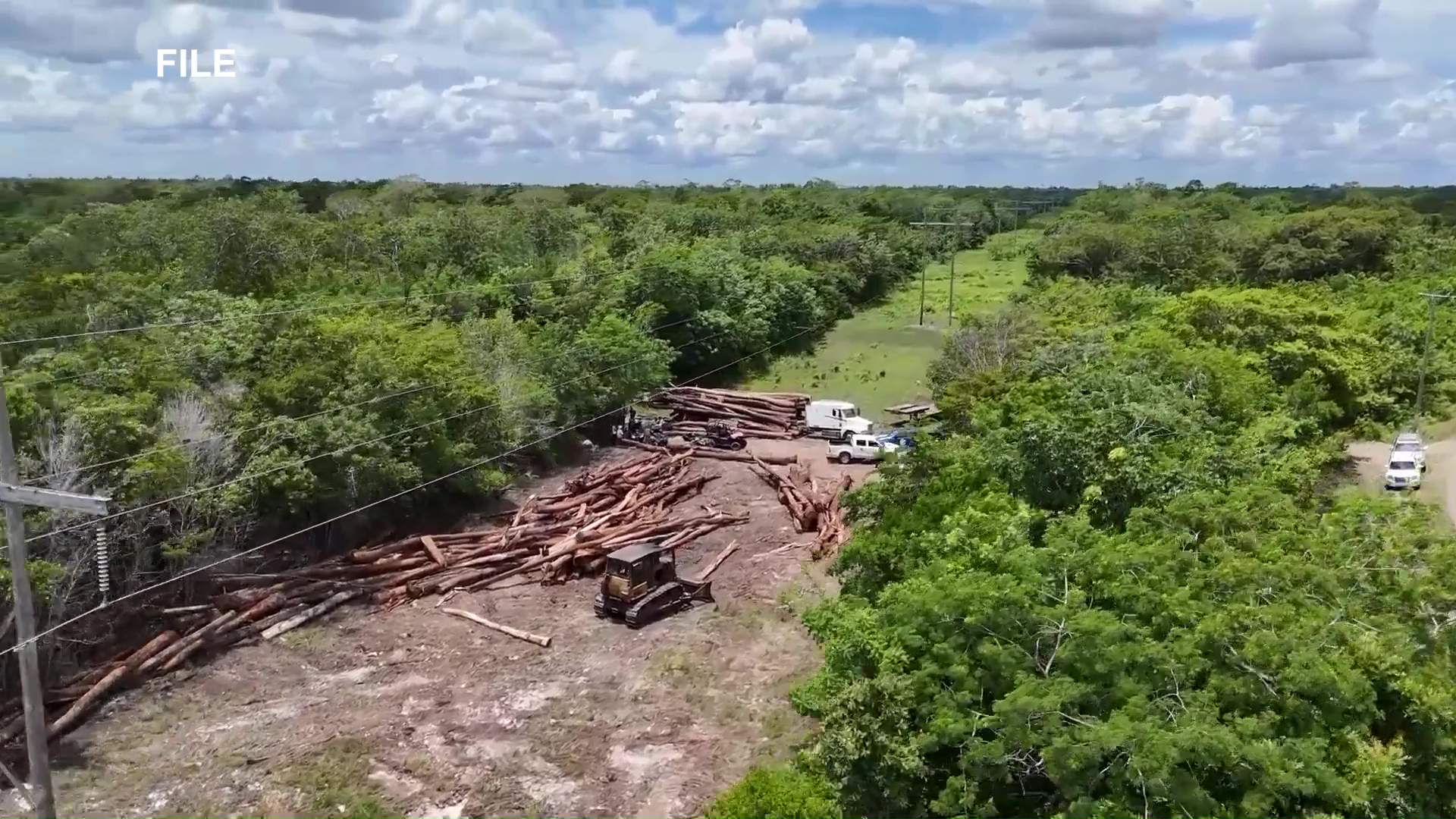
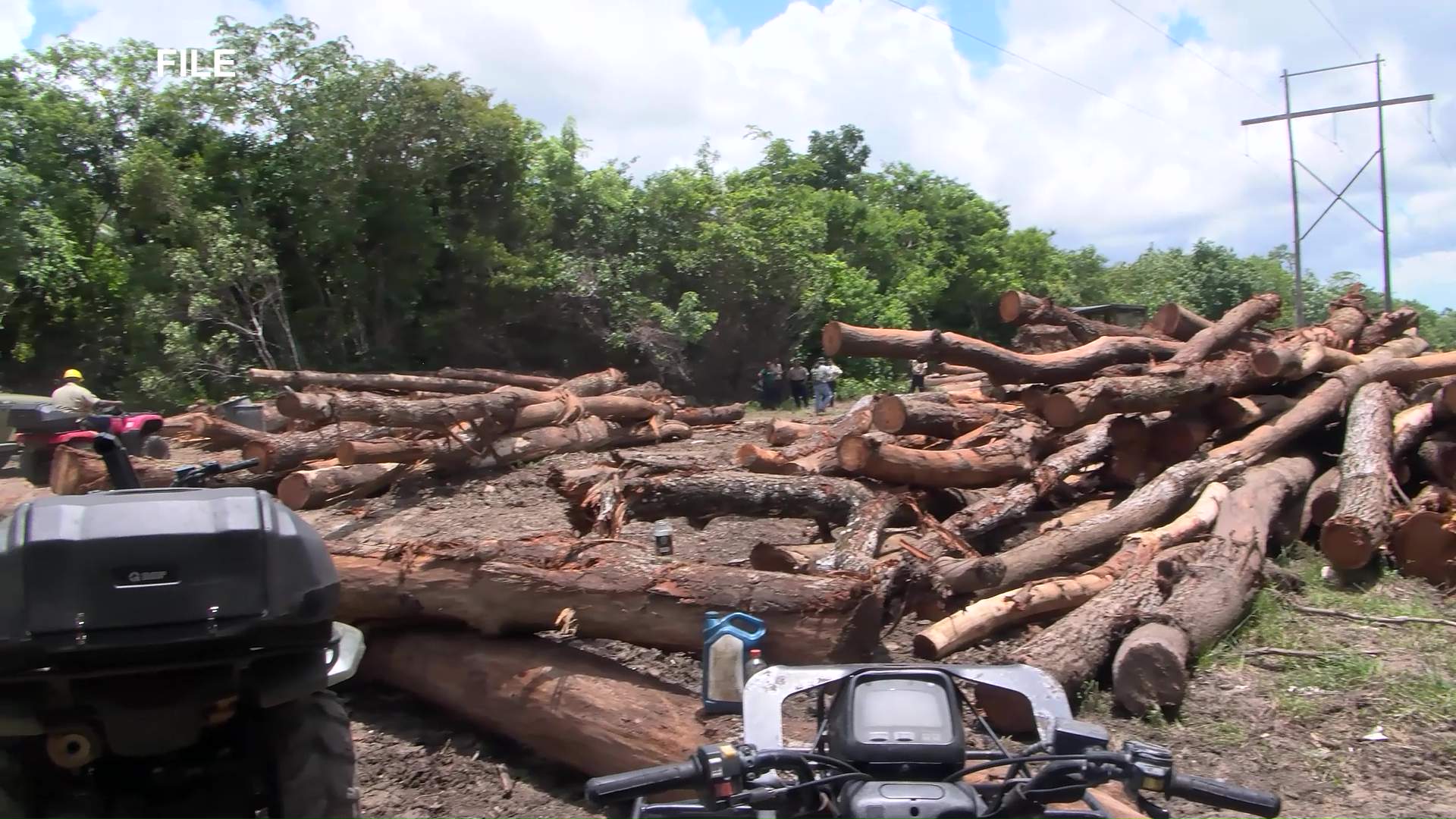
    Belize has declared a comprehensive five-year prohibition on resource extraction from national lands in response to an escalating environmental emergency. The moratorium, implemented in early December, represents the government’s decisive action against rampant illegal logging operations that are systematically stripping public forests of timber, bush sticks, bay leaves, and other vital natural resources.

    Despite the stringent measures, offenders have adapted their tactics, increasingly operating during holiday periods when enforcement capabilities are stretched thin. Deputy Chief Forest Officer John Pinelo reported that during the recent Christmas and New Year’s season, authorities successfully intercepted multiple truckloads of contraband materials and levied fines exceeding fifty thousand dollars.

    The environmental crisis extends beyond immediate tree loss, threatening entire ecosystems that future generations will depend upon. Pinelo emphasized the severity of the situation, noting that social media platforms have become marketplaces for illegal forest products, with advertisements openly offering five hundred bush sticks—representing five hundred potential future trees—for single home construction projects.

    Under the new regulations, logging is now strictly permitted only on private properties or through legitimate leases with proper extraction permits. To enhance enforcement capabilities, the government established a dedicated hotline (610-1524) three months ago, which has significantly improved the identification and apprehension of illegal operators. Forest Department personnel routinely confront major violations, including the recent seizure of a fifty-foot truckload of unauthorized bay leaves.

    The five-year moratorium aims to allow critical recovery time for renewable resources like bay leaf and pimienta sticks, which nevertheless require years to regenerate, while addressing the irreversible damage caused by the destruction of immature trees and established timber.

  • Forest Officers Confront Violence in Line of Duty

    Forest Officers Confront Violence in Line of Duty

    Forestry officials in Belize are confronting increasingly violent resistance while combating illegal logging operations, with armed confrontations becoming alarmingly routine. Deputy Chief Forest Officer John Pinelo Jr. revealed that enforcement teams now regularly face direct threats, weapon brandishment, and even attempted vehicular assault during their patrols.

    The escalation follows successful crackdowns on national land extraction, which has redirected illegal operations to private properties. Pinelo described a particularly dangerous incident where officers responding to reports of illegal activity were nearly rammed by a tractor operator who subsequently drew a firearm on the entire team. Private security personnel monitoring the area were forced to disable the tractor by firing at its radiator before the suspect aimed his weapon at officers.

    Despite these hazards, forestry teams continue monitoring remote regions, frequently operating with police support to ensure their safety. All officers now conduct patrols in groups, especially during nighttime operations or in isolated areas. The individual involved in the tractor incident has been formally charged, with forestry authorities advocating for maximum legal consequences for assaults on officers performing their duties.

    This dangerous trend highlights the increasing risks environmental protection personnel face while safeguarding Belize’s natural resources against organized illegal logging networks.