作者: admin

  • Grenada PM: US invasion of Venezuela pushes the region “into more instability”

    Grenada PM: US invasion of Venezuela pushes the region “into more instability”

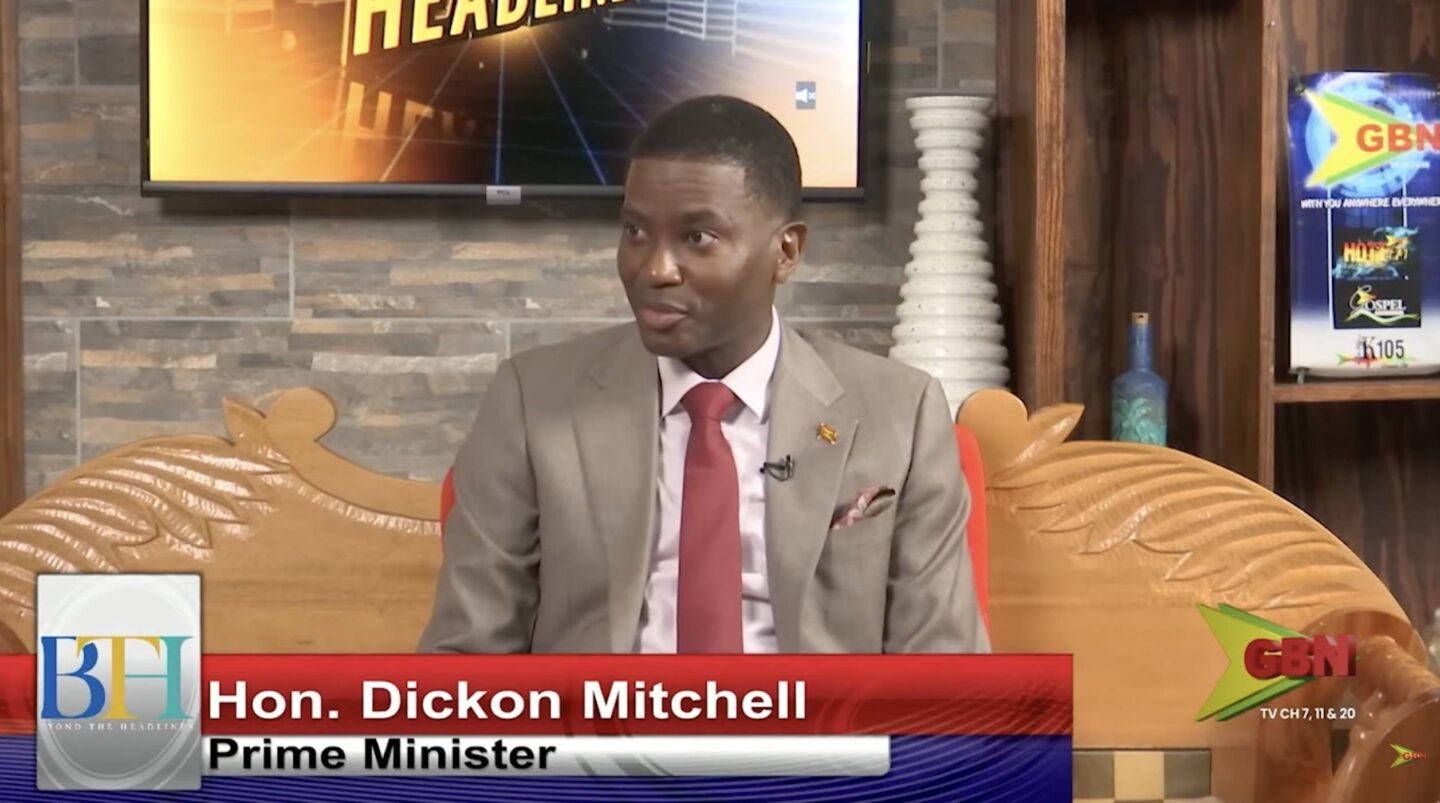
    A profound diplomatic crisis has engulfed the Western Hemisphere following the unprecedented U.S. military operation that resulted in the capture of Venezuelan President Nicolás Maduro. Grenadian Prime Minister Dickon Mitchell has emerged as a vocal critic, warning that these events are propelling the region into heightened instability rather than resolving existing differences.

    In a televised address on Grenada Broadcasting Network’s ‘Beyond the Headlines,’ Mitchell emphasized that sustainable resolution can only be achieved through diplomatic channels, negotiation, and compromise. The prime minister’s comments came as Maduro and his wife Cilia Flores appeared in a New York federal court, pleading not guilty to extensive drug trafficking charges outlined in a 25-page indictment that could bring life imprisonment if convicted.

    The United Nations Security Council convened in emergency session amid sharply divided international opinions. While some delegations supported Washington’s actions as justified accountability measures, others condemned the operation as a dangerous precedent that undermines state sovereignty and international law.

    U.S. Ambassador Michael Waltz defended the operation as a targeted law enforcement action against an indicted fugitive, stressing that Maduro’s disputed 2024 election victory invalidated his legitimacy as head of state. Conversely, Venezuelan Ambassador Samuel Moncada characterized the incident as an illegitimate armed attack motivated by resource exploitation, demanding immediate release of the detained leadership and condemnation of U.S. aggression.

    Simultaneously, the United States has been actively pursuing migration agreements with Caribbean nations, seeking to establish ‘safe third countries’ for asylum processing. While Dominica has embraced this arrangement as strengthening bilateral relations, both Grenada and Antigua and Barbuda have maintained cautious positions, acknowledging discussions but refusing binding commitments due to national security considerations.

  • New GG says SVG ‘at the threshold of a new era’

    New GG says SVG ‘at the threshold of a new era’

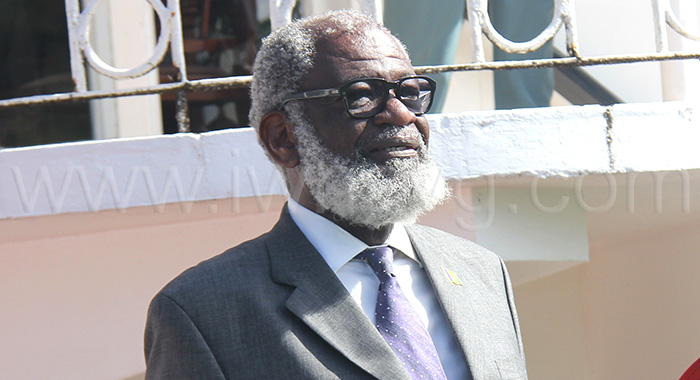
    In a historic transition of power, Stanley Kendrick ‘Stalky’ John, KC, was formally installed as Governor General of St. Vincent and the Grenadines during a ceremony at Government House in Old Montrose on Tuesday. The 74-year-old head of state assumes office amid widespread public demand for political transformation and national unity.

    Addressing the nation, John articulated a powerful vision for transcending partisan divisions. ‘Clearly, we are at the threshold of a new era,’ declared the former Labour MP for East St. George. ‘You are tired of the focus on partisan rivalries between political parties, the political tribalism which takes place at the expense of our national interests.’

    The newly installed Governor General emphasized that Vincentians both domestically and across the diaspora have expressed ‘a deep desire for an effective, meaningful and civilized manner’ to address national challenges. He characterized the recent electoral mandate—which saw the New Democratic Party win 14 of 15 parliamentary seats—as demonstrating ‘unanimity of purpose’ and imposing ‘immense responsibility’ on the new administration.

    John succeeds Dame Susan Dougan, who concluded her six-year tenure on Monday after fifty years of distinguished public service. The outgoing Governor General praised her successor’s qualifications, noting his extensive experience as senator, parliamentarian, and distinguished legal practitioner. ‘You have served SVG with diligence throughout your professional life,’ Dougan remarked, expressing full confidence in his ability to navigate the complex issues facing the nation.

    The ceremony marked a significant moment in Vincentian politics, particularly given John’s own controversial parliamentary history—including a notable incident where he seized the ceremonial mace, an act now viewed with irony as he becomes the monarch’s representative. His appointment under the NDP administration represents a full political circle for the former Labour Party leader.

    Both leaders emphasized the importance of service, humility, and commitment to democratic principles as the nation moves forward under new leadership.

  • Local media professional publishes romance book titled, Forgive Us

    Local media professional publishes romance book titled, Forgive Us

    Grenadian media professional Sorana Mitchell has unveiled her second literary work, the romance and erotica collection titled ‘Forgive Us,’ marking a significant milestone in her writing career. The book launch on December 27, 2025, gathered friends and supporters to celebrate Mitchell’s bold entry into sensitive literary territories.

    The collection comprises three distinct novellas set against Grenada’s vibrant backdrop, representing creative concepts that first emerged approximately fifteen years ago. Mitchell reveals these stories began taking shape following her bipolar disorder diagnosis, serving as an outlet for the persistent narratives occupying her thoughts. “Rather than being continuously bombarded by these storylines in my mind,” Mitchell explained, “I channeled them into writing.”

    Mitchell’s affinity for romance literature traces back to her teenage years when such novels provided escape from personal challenges. She humorously recalls being among secondary school students disciplined for reading forbidden romantic materials, highlighting the genre’s controversial history in conservative educational environments.

    Her philosophical approach to romance centers on mutual choice and partnership. “The concept that two people can meet, choose each other, and collaboratively build a life together represents something profoundly beautiful,” Mitchell reflected. “It’s about no longer facing the world alone.”

    The decision to publish these particular stories involved considerable internal conflict, primarily due to their inclusion of intimate scenes considered taboo within some social circles. Mitchell acknowledged initial concerns about public perception but ultimately embraced her creative vision. “I wrestled with hesitation before stepping into my true being to fully own my creation,” she stated.

    Financial constraints and unforeseen delays temporarily postponed the publication, though Mitchell persevered to complete the project. Demonstrating her commitment to community collaboration, the author intentionally incorporated references to local Grenadian businesses within her narratives. “On a small island like ours,” Mitchell emphasized, “small businesses must find innovative ways to collaborate. I featured their products in my book and even included sensual items from local entrepreneurs in special launch packages.”

    The trilogy begins with ‘Unexpected,’ exploring a romance between a woman in her mid-forties and a younger man. ‘His Pretty Girl’ addresses themes of class stratification, physical appearance, and societal acceptance, particularly regarding weight-related prejudices. The titular novella ‘Forgive Us’ delves into forbidden romance between a priest and his childhood sweetheart.

    ‘Forgive Us’ follows Mitchell’s previously published memoir ‘Still Smiling,’ with both works available through Amazon’s global distribution network.

  • NO LIVE STREAMING at the One Nation Caribbean Music Festival

    NO LIVE STREAMING at the One Nation Caribbean Music Festival

    The Antigua and Barbuda Festivals Commission has implemented stringent broadcasting restrictions for the upcoming One Nation Caribbean Music Festival, prohibiting all live streaming during both nights of the event. This policy stems from contractual obligations with international performing artists whose agreements explicitly limit digital distribution rights.

    Media organizations seeking coverage must acquire official footage through the nation’s state broadcaster, ABS TV, which will serve as the exclusive distributor of professional-grade content. This centralized approach ensures consistent visual quality and perspective across all media outlets.

    While attendees are permitted to capture personal photos and videos using mobile devices for non-commercial purposes, any attempt to live broadcast performances will result in immediate ejection from the venue. Festival security personnel will actively enforce these protocols throughout both evenings.

    The commission emphasizes that these measures align with international entertainment industry standards for protecting intellectual property and artistic rights. By controlling distribution channels, organizers aim to maintain the value of performers’ content while delivering a premium experience for physical attendees.

    These protective measures ultimately serve to honor artistic agreements while preserving the exclusive nature of the live event experience. The commission expresses gratitude for public cooperation in upholding these professional standards within the Caribbean music industry.

  • Electronic Bicycles Distributed to Support Agricultural and Inter-Agency Operations

    Electronic Bicycles Distributed to Support Agricultural and Inter-Agency Operations

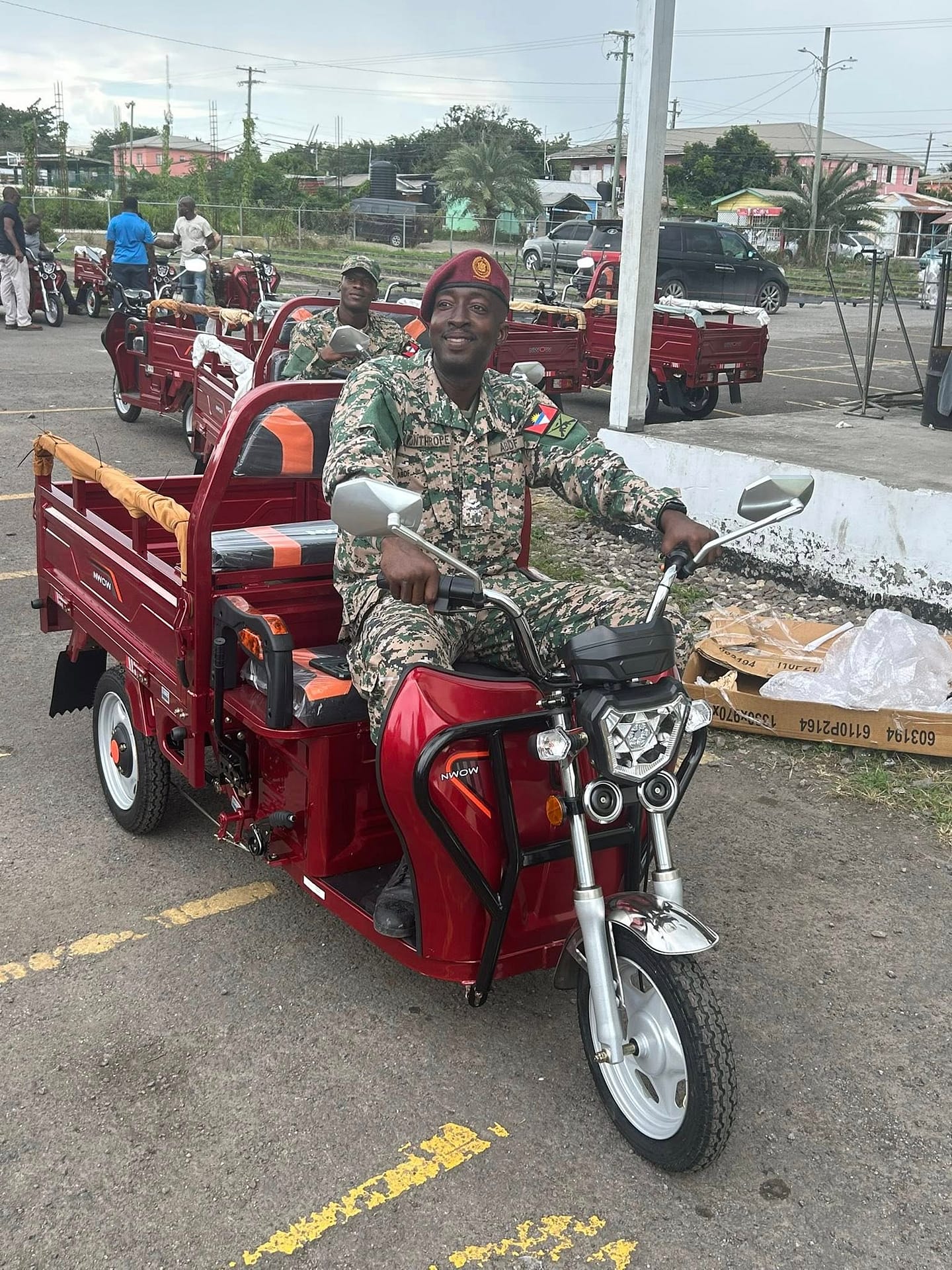
    The Ministry of Agriculture in Antigua and Barbuda has launched a significant mobility enhancement initiative through the distribution of electronically powered bicycles to key agricultural institutions and partner organizations. This strategic deployment occurred on January 5th-6th, orchestrated by the Ministry’s Agricultural Extension Division as part of broader sustainability efforts within the agricultural sector.

    Recipients of the innovative transportation solutions include the Antigua and Barbuda Defence Force, the Antigua and Barbuda College of Advanced Studies—specifically for use by the newly established Antigua School of Agriculture in Glanvilles—and several ministerial outposts including the cutting-edge Crop Research and Development Bethesda Station.

    This program represents a concrete step toward modernizing agricultural operations by addressing practical mobility challenges. The e-bikes are expected to revolutionize field operations by enabling agricultural officers, researchers, and farmers to conduct monitoring activities, perform site inspections, and manage daily tasks with unprecedented efficiency. The technology particularly benefits station-based operations where traditional transportation methods have proven limiting.

    Beneficiary institutions have welcomed the donation with notable enthusiasm, highlighting the vehicles’ potential to transform logistical capabilities. The electric bicycles will facilitate swift transportation of agricultural produce, animal feed, and essential equipment across various farming operations, potentially reducing operational delays and enhancing productivity.

    The initiative underscores the Ministry’s commitment to embracing environmentally conscious solutions while strengthening collaborative networks with partner institutions. This mobility enhancement project was made possible through international cooperation with the People’s Government of Hainan Province, China, facilitated by the Chinese Embassy in Antigua and Barbuda, demonstrating the global dimensions of local agricultural development efforts.

  • Veel uitdagingen voor nieuwe rvc van de SMS

    Veel uitdagingen voor nieuwe rvc van de SMS

    Suriname’s state-owned Shipping Corporation (SMS) is undergoing a strategic transformation under new leadership, with Transport Minister Raymond Landveld outlining an ambitious vision for the company’s role in the nation’s emerging oil and gas sector. During the official installation of the new Board of Commissioners at the Cabinet of the President on Tuesday, Minister Landveld emphasized the corporation’s shifting focus from traditional vessel operations toward specialized services including bunkering operations for Staatsolie N.V.

    The minister highlighted significant opportunities arising from Suriname’s growing oil and gas developments, noting that maritime transport will play a crucial role in supporting extraction operations. “With increased gas and oil exploitation underway, vessels will become essential transportation assets,” Landveld stated, pointing to the sector’s potential for substantial growth.

    A key development mentioned was the November 2025 agreement between Suriname and French Guiana concerning the ferry La Gabrielle, which currently facilitates cross-border transportation with SMS personnel operating the vessel. Landveld also identified pressing needs for expanded domestic ferry services, particularly between Paramaribo and Meerzorg in Commewijne, where existing smaller ferries struggle to meet commuter demand.

    However, the minister acknowledged significant challenges in vessel acquisition and operational readiness. “Substantial investments are required for cargo transport to drilling platforms,” he noted, referencing aging vessels that demand considerable resources to become service-ready.

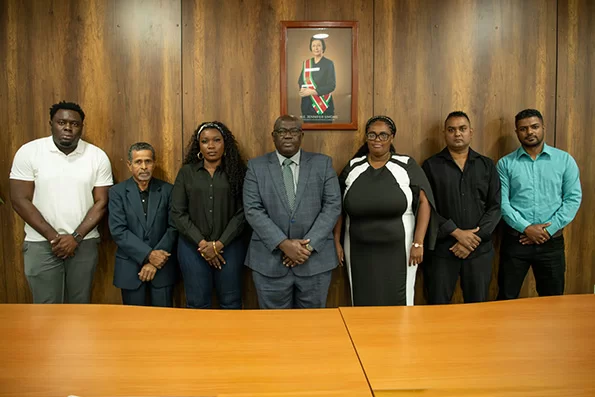
    The newly appointed board, led by President-Commissioner Lenie Josafath-Eduards, includes members Richenel Vrieze, Ritesh Khoesial, Charisma Bijlhout, Ajay Piarelal, Ceraïf Petres, and Geving Weeks. Their primary mandates include optimizing financial management and capitalizing on emerging opportunities within the maritime sector.

  • President Abinader receives Michel Camilo and Berklee College of Music delegation

    President Abinader receives Michel Camilo and Berklee College of Music delegation

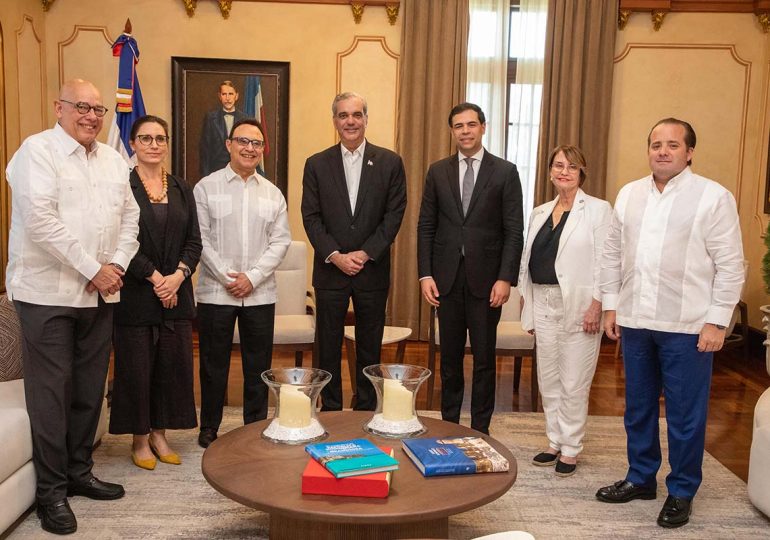
    SANTO DOMINGO – In a significant cultural development, Dominican President Luis Abinader hosted an eminent delegation at the National Palace, featuring world-renowned pianist Michel Camilo and officials from Boston’s Berklee College of Music. The high-profile gathering served to evaluate advancements within the groundbreaking ‘Berklee in Santo Domingo 2026’ initiative, a collaborative effort designed to cultivate exceptional musical talent across the Caribbean nation.

    The program represents an extraordinary educational opportunity, providing intensive training to over 200 meticulously selected students from a highly competitive applicant pool. These young musicians are receiving instruction directly from Berklee’s distinguished faculty during the January 5-10 intensive session. As a highlight of the program, Maestro Camilo will conduct an exclusive masterclass at the National Theater on January 7, offering participants invaluable insights from his illustrious international career. The most promising participant will receive the program’s pinnacle award: a comprehensive scholarship to pursue studies at Berklee’s main campus in the United States.

    This ambitious cultural-educational project operates through a strategic alliance between Berklee College and several Dominican institutions, including the Ministry of Culture, the National School of Fine Arts, and the National Conservatory of Music. The collaboration signals a substantial investment in cultural infrastructure and demonstrates the administration’s dedication to creating international pathways for Dominican artists. The initiative not only enhances artistic education but also strengthens the global cultural presence of the Dominican Republic, positioning the nation as an emerging hub for musical excellence in the Caribbean region.

  • Machado belooft snelle terugkeer en prijst Trump na val Maduro

    Machado belooft snelle terugkeer en prijst Trump na val Maduro

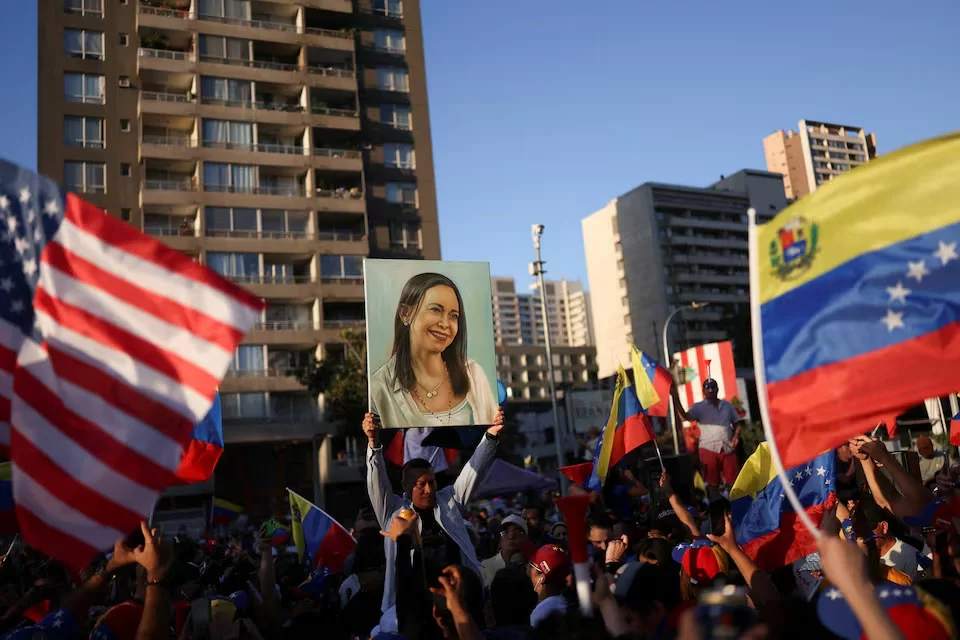
    Venezuela faces a complex political transformation following the dramatic removal of President Nicolás Maduro by US forces. Opposition leader Maria Corina Machado has announced her imminent return to the country, expressing confidence in her movement’s ability to secure overwhelming electoral victory in free elections. The 58-year-old Nobel Peace Prize recipient, who fled Venezuela in October, praised President Donald Trump’s “courageous vision” in dismantling what she termed Maduro’s “narcoterrorist regime.

    Despite these developments, significant uncertainties persist. The Trump administration appears to be pursuing cooperation with interim President Delcy Rodríguez and other high-ranking officials from Maduro’s government—a strategy that has caused disappointment among opposition factions. This approach, reportedly advised by CIA officials, aims to maintain stability during the transition period.

    Machado faces ongoing legal challenges, including investigations for allegedly inciting military rebellion. She has vehemently criticized Rodríguez, accusing her of designing systems of torture, corruption, and drug trafficking while serving as Maduro’s liaison with allies Russia, China, and Iran.

    The economic dimension adds further complexity, with Venezuelan and US officials discussing resuming oil exports to American refineries. Venezuela’s oil sector, possessing the world’s largest reserves of approximately 303 billion barrels of heavy crude, has suffered years of decline due to mismanagement, underinvestment, and sanctions.

    International reactions remain divided. Russia, China, and Venezuela’s regional allies have condemned the intervention—the largest US military action in Latin America since the 1989 Panama invasion. Meanwhile, UN human rights officials warn that the operation sets a concerning precedent that powerful nations may act without international consensus.

    As Venezuelan authorities patrol streets and report military casualties from the operation, the nation stands at a crossroads between potential democratic restoration and continued political instability.

  • An immune shield for our elderly

    An immune shield for our elderly

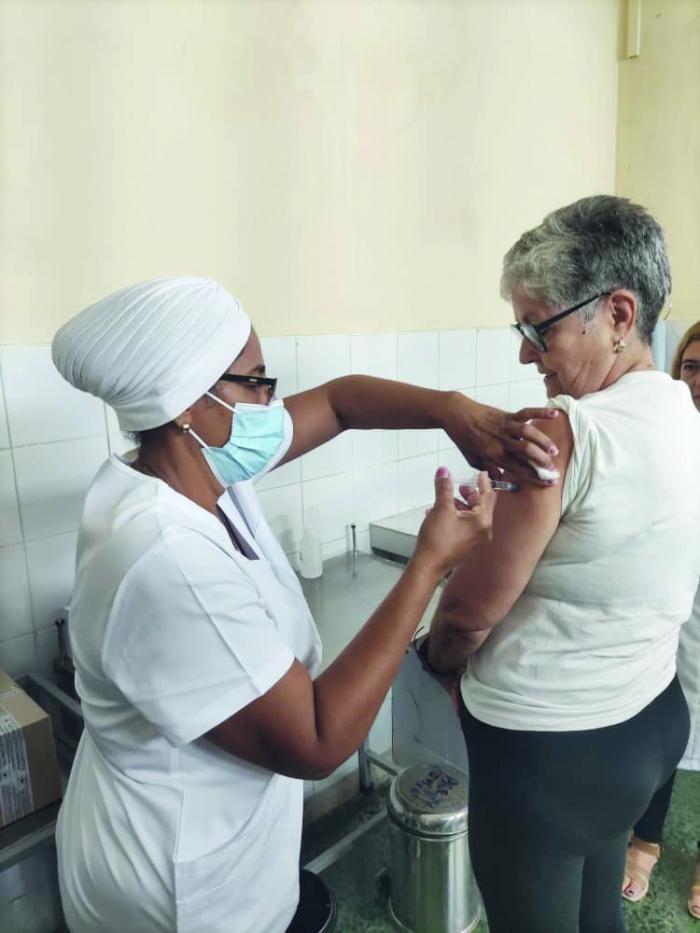
    Cuban health authorities have launched a groundbreaking medical intervention utilizing domestically developed Biomodulin-T to combat the Chikungunya virus outbreak, particularly targeting vulnerable elderly populations. The initiative, centered at Havana’s Abelardo Ramírez polyclinic, represents a scientifically rigorous approach to addressing both prevention and treatment of the virus’s debilitating inflammatory sequelae.

    The strategic focus on seniors aged 70-74 stems from their heightened vulnerability due to immunosenescence—the natural aging process of the immune system that reduces infection resistance while increasing inflammatory responses. According to Dr. Alexis Labrada Rosado, Research and Development Director at Cuba’s National Center for Biopreparations (BioCen), this physiological phenomenon necessitates specialized immunological interventions for optimal protection.

    Biomodulin-T operates through a sophisticated mechanism that enhances the body’s adaptive immune response rather than directly attacking the virus. The immunomodulator regenerates T-cells—the immune system’s memory components—effectively priming the body’s defenses to better control viral replication and mitigate disease severity. This approach potentially reduces both acute symptoms and long-term complications.

    The study employs innovative comparative methodology, pitting Biomodulin-T against its Belarusian analogue Timalin across two distinct administration regimens: an experimental short-cycle (5 days) and an established extended protocol (6 weeks) previously validated during COVID-19 pandemic response. Nearly 700 participants are enrolled in this real-world assessment, selected based on the community’s high elderly demographic density and recent arbovirus activity.

    Notably, the intervention extends beyond preventive measures to therapeutic applications for existing Chikungunya sufferers experiencing persistent joint inflammation and arthralgia. The drug’s three-decade safety record in treating pediatric thymic hypoplasia and ongoing oncology applications provides substantial confidence in its risk profile, with researchers noting minimal adverse reactions historically.

    This comprehensive strategy exemplifies Cuba’s integrated approach to public health challenges, combining preventive care with therapeutic innovation while generating valuable scientific data for future epidemiological responses. The initiative operates under strict ethical supervision and regulatory oversight, potentially establishing new protocols for arbovirus management globally.

  • Cuba: Failed state or state desired by the empire?

    Cuba: Failed state or state desired by the empire?

    The persistent characterization of Cuba as a ‘failed state’ by United States authorities presents a profound contradiction when examined against the island nation’s documented achievements across multiple sectors. Despite facing what historians describe as the longest-running economic embargo in modern history, Cuba maintains globally recognized education and healthcare systems that serve as models for developing nations.

    The Caribbean nation’s scientific capabilities were demonstrated during the COVID-19 pandemic through the rapid development of sovereign vaccines, while its cultural contributions continue through internationally acclaimed ballet companies, literary figures, and athletic achievements across more than 15 Olympic disciplines.

    This disparity between perception and reality stems from a deliberate campaign of economic warfare dating to 1961, including the failed Bay of Pigs invasion and Operation Mongoose. Declassified documents reveal extensive covert operations encompassing 32 specific tasks targeting Cuba’s economy, political stability, military infrastructure, and psychological welfare. Biological warfare tactics included introducing sugarcane rust, African swine fever, tobacco blue mold, and even hemorrhagic conjunctivitis targeting agricultural workers.

    Contemporary pressure mechanisms include comprehensive financial restrictions preventing fuel imports, inclusion on the State Sponsors of Terrorism list, and systematic obstruction of medical resources including life-saving oxygen during pandemic emergencies. Recent statements from former President Donald Trump regarding Cuba’s hypothetical collapse following Venezuelan sanctions reinforce this persistent regime change agenda.

    Despite creating severe energy shortages that impact industrial production and household welfare, Cuba maintains functional governance structures absent the power vacuum characterizing genuine failed states. Canadian political scientist Kalevi Holsti’s definition of state failure as inability to generate loyalty suggests Cuba’s resilience stems from maintained public support despite external pressure. The nation’s continued stability amidst unprecedented economic warfare represents not failure but remarkable endurance against hegemonic power.