作者: admin

  • National Limbo Competition returns for Carnival 2026

    National Limbo Competition returns for Carnival 2026

    After an 18-year absence from the national stage, Trinidad and Tobago’s iconic limbo dance tradition is making a formal comeback through the revival of the National Limbo Competition. Spearheaded by the National Dance Association (NDA) under the banner “Doh Fraid De Fire,” this cultural initiative marks a strategic effort to reclaim an artform that has persisted abroad while fading from domestic visibility.

    NDA President Alette Liz Williams emphasizes this is no nostalgic endeavor but a crucial cultural preservation mission. “The artform faded,” Williams states. “One of my priorities was to find artforms and communities where we could reconnect – things that could make communities stronger and preserve what was dying.”

    Limbo’s origins trace back to African spiritual practices in Tobago, where cultural historian Marielle Dos Santos identifies its roots in death rites. The ritual involved mourners passing under a gradually raised horizontal bar during nine-night wakes, symbolizing the soul’s journey into the spirit realm. The name connects to Legba (or Esu), the Yoruba deity of crossroads. Over time, limbo incorporated additional meanings, including interpretations related to the cramped conditions endured by enslaved Africans during transatlantic passage.

    In the mid-20th century, performers like Julia Edwards-Pelletier transformed limbo into a spectacular performance art featuring fire, dramatic choreography, and pulsating drumology that captivated international audiences. Despite global recognition as distinctly Trinidadian, the competitive infrastructure domestically disappeared after 2008.

    The 2026 revival features significant adaptations to ensure participation. Entry requirements have been deliberately relaxed: no age limits exist, group sizes can range from 6-20 dancers, individuals may compete alongside groups, and past performance videos are accepted instead of requiring new auditions. Judging criteria extend beyond mere physical limbo prowess to include choreography, technical execution, creativity, and costume design.

    With $100,000 in prize money, including $50,000 for first place, the competition signals serious investment in limbo as specialized artistry rather than novelty entertainment. Special awards will recognize King and Queen of Limbo, Best Costume, Most Creative Performance, and Best Human Bar.

    The semi-finals occur January 16 at Naparima Bowl Amphitheatre, with the grand final scheduled for January 24 at Carnival Village, Queen’s Park Savannah. Tickets are priced at just $100 to ensure accessibility, reflecting the NDA’s dual focus on rebuilding both performers and audiences.

    Williams acknowledges the irony that while Trinidad continues producing world-class limbo dancers, many perform internationally with companies like Universoul Circus rather than at home. Workshops led by respected practitioners including internationally recognized scholar Kieron Dwayne Sargeant and acclaimed performer Makeba Gabriel aim to rebuild technical proficiency and continuity.

    Televised coverage of semi-finals provides dancers with portfolio material that could open professional opportunities beyond Carnival. Williams envisions limbo restored to Carnival’s heart, where thousands of visitors encounter Trinidad’s cultural expressions in their most vibrant form.

    The revival embraces limbo’s fundamental nature as a practice of transition – between life and death, restraint and freedom, tradition and innovation. Rather than freezing the artform in time, the competition seeks to provide evolutionary space while honoring its profound cultural roots.
  • Promise made, promise broken

    Promise made, promise broken

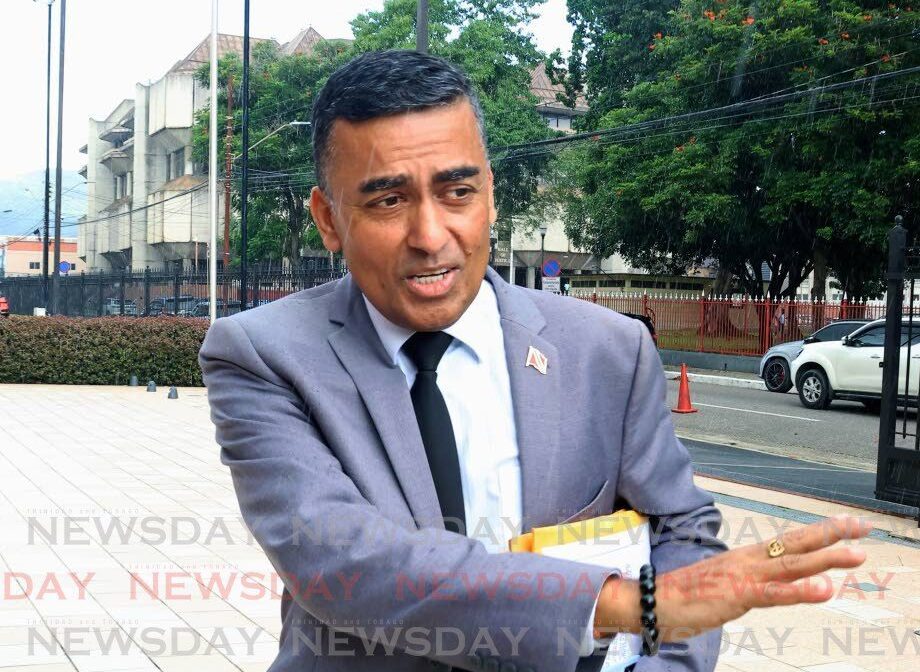
    The Trinidad and Tobago government confronts mounting criticism for its failure to implement promised tax exemptions on private pensions that were scheduled to take effect January 1, 2026. Despite clear campaign commitments and parliamentary assurances from Finance Minister Davendranath Tancoo during the 2025-2026 budget reading, pensioners continue to face tax deductions.

    Government officials now cite unpreparedness in financial calculations as the reason for the delay, indicating that necessary legislation will only be addressed in February. This explanation has proven unsatisfactory to retirees who structured their financial planning around the administration’s unambiguous pledge.

    The situation highlights concerning double standards in governmental urgency. While the administration acted swiftly to halt former minister Stuart Young’s prime ministerial pension, comparable decisiveness has been absent regarding ordinary citizens’ retirement benefits.

    Compounding the problem, annuitants must still submit certificates of existence by February 1 to maintain their benefits, ensuring continued tax deductions before parliamentary action. This delay effectively imposes financial penalties on pensioners through governmental indecision.

    The writer demands not only explanations but tangible results, including retroactive cash refunds dating to January 1. The failure threatens to transform what was presented as official policy into what appears increasingly reminiscent of political propaganda, undermining trust in parliamentary commitments.

  • Of increased fines, and PBR fees

    Of increased fines, and PBR fees

    A contentious debate has emerged regarding Trinidad and Tobago’s escalating traffic penalty system, with recent developments drawing criticism from citizens and public transport operators alike. The government’s decision to double most road traffic fines has raised fundamental questions about economic fairness and regulatory overreach.

    Historical context reveals this trend began during the United National Congress administration (2010-2015) under then-Minister Jack Warner, who initiated substantial increases in traffic penalties. The current People’s National Movement government has continued this trajectory, implementing further hikes that are projected to generate hundreds of millions for state coffers.

    Critics argue that penalty structures are being determined by high-income officials who remain disconnected from average citizens’ financial realities. There are growing calls for including middle-income representatives in decision-making processes to ensure fines remain proportionate to typical earnings rather than becoming unduly burdensome.

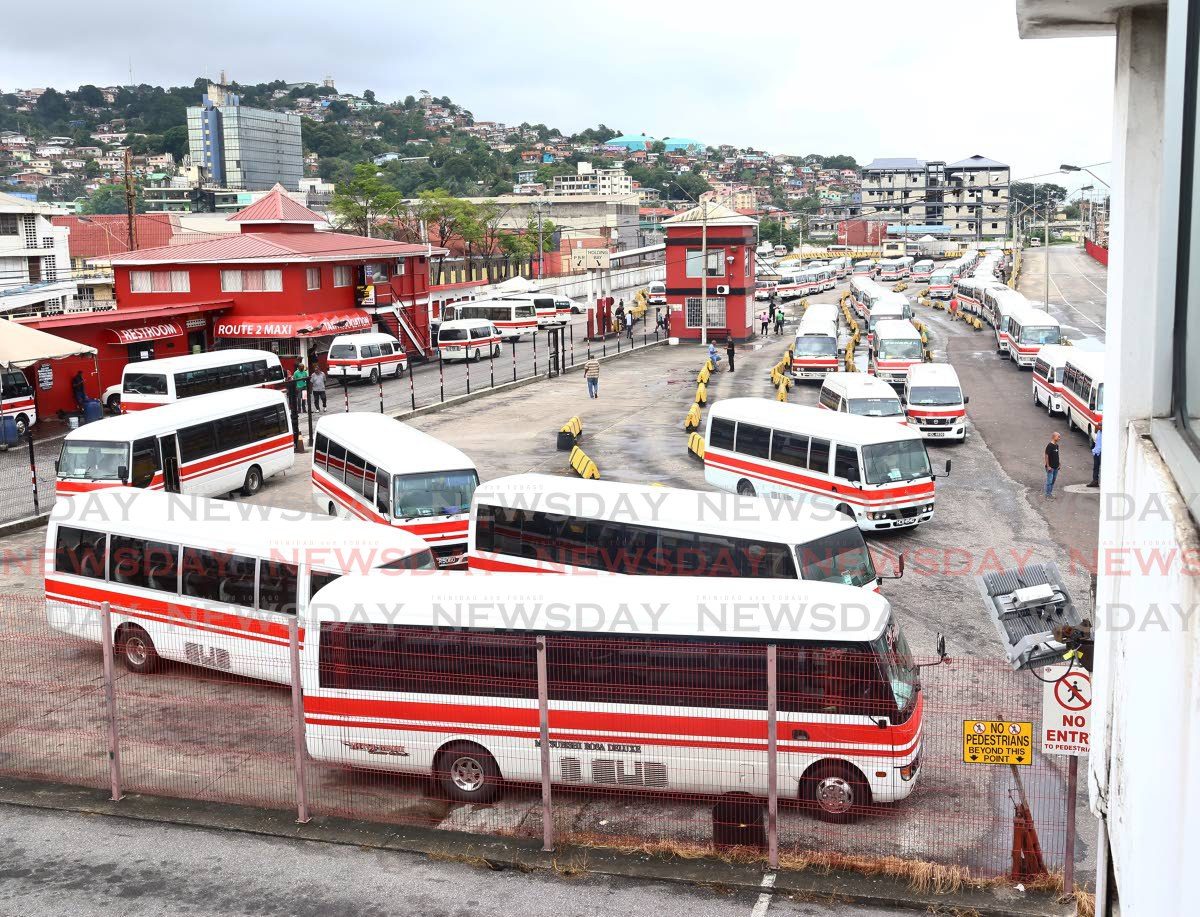
    The controversy extends to public transportation, where maxi taxi drivers now face increased fees from $300 to $600 for using the Priority Bus Route—equivalent to less than three dollars daily. This minimal increase contrasts sharply with drivers’ previous actions during the COVID-19 pandemic, when they raised passenger fares citing reduced ridership but failed to reduce them post-pandemic.

    Commentator Sterling Manchouk of D’Abadie suggests that state regulation of maxi taxi fares might be preferable to the current system where drivers and associations set prices arbitrarily. The ongoing situation highlights the tension between revenue generation and equitable public policy in transportation governance.

  • Lessons to be learnt

    Lessons to be learnt

    The recent political maneuvering involving Venezuelan opposition leader María Corina Machado and former US President Donald Trump offers critical insights for smaller nations navigating complex international relations. Machado’s symbolic offer to share her Nobel Peace Prize with Trump—reportedly made after he expressed displeasure at not receiving the award himself—appears more as an act of political desperation than genuine diplomacy. This gesture has failed to yield the anticipated support, with Trump refusing to endorse Machado or any established opposition figures in Venezuela. Instead, he has indicated intentions to directly oversee Venezuela’s political transition through allies including Pete Hegseth and Marco Rubio. This development reveals a concerning pattern where local political actors are utilized as convenient instruments until they no longer serve external strategic interests. Machado, once considered Washington’s preferred candidate for a post-Maduro Venezuela due to her international acceptability and alignment with foreign policy objectives, now appears sidelined despite Maduro’s imprisonment. This scenario exemplifies imperial behavior where allies are elevated when useful and discarded once objectives are achieved. For Trinidad and Tobago and similar small states, this situation underscores the importance of maintaining strategic distance and principled neutrality rather than placing trust in administrations that prioritize transactional dominance over mutual respect. National sovereignty is best preserved through independent foreign policy that avoids entanglement in geopolitical theaters where smaller nations risk becoming supporting actors or collateral damage.

  • Sale of Standards to Term Finance finalised

    Sale of Standards to Term Finance finalised

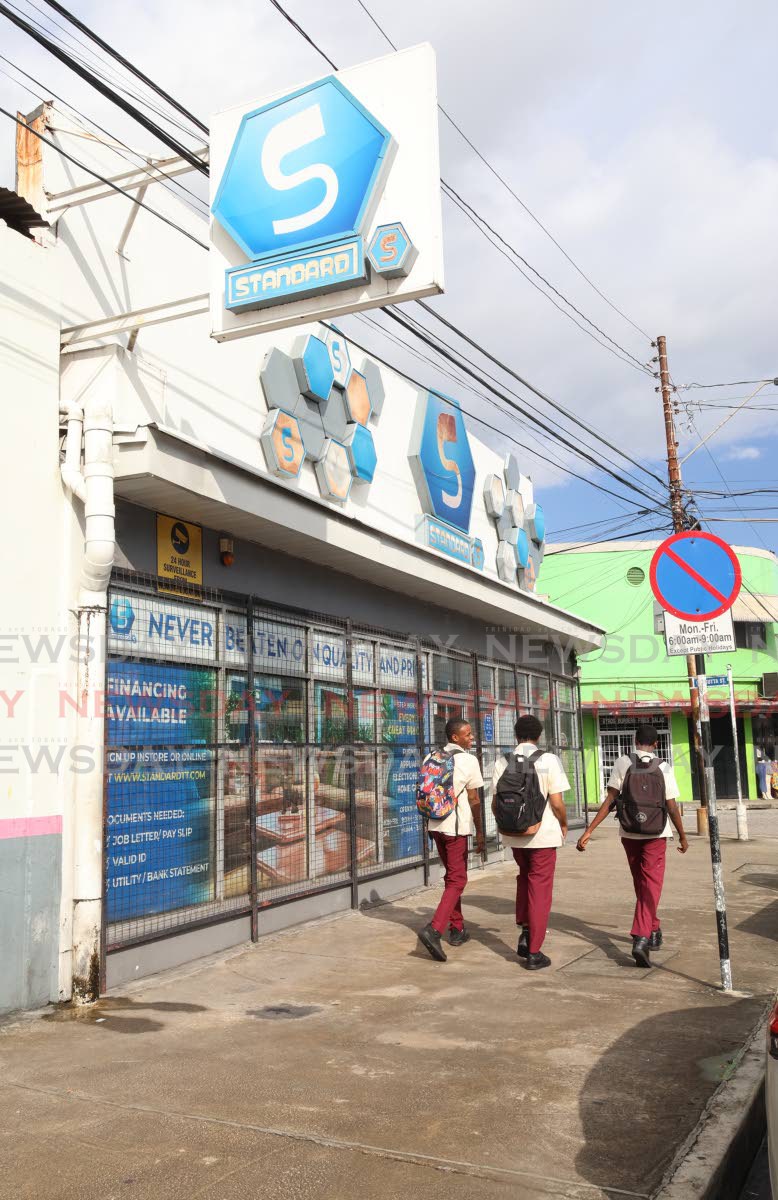
    ANSA McAL has completed the divestiture of its longstanding retail subsidiary Standards Distributors TT to Term Finance, marking a significant strategic realignment for the Caribbean conglomerate. The transaction, which was initially announced in November 2025, also encompasses the Barbados operations under Standard Distribution and Sales Barbados.

    The decision to sell emerged against a backdrop of declining appliance sales and evolving consumer spending patterns. ANSA McAL characterized the move as a deliberate strategic pivot to optimize its corporate portfolio and reallocate resources to core business segments.

    In an official statement released on January 8, the conglomerate revealed that Term Finance will transform the acquired entity into Standard Credit—a consumer credit and e-commerce platform. This transformation will leverage Standards’ historical expertise in hire-purchase financing while introducing expanded digital credit solutions through both physical branches and online channels across Trinidad and Tobago.

    Anthony N Sabga III, Group CEO of ANSA McAL, reflected on the transaction as closing “an extraordinary chapter in the Standard story,” acknowledging the brand’s historic contribution to Caribbean households and recognizing the teams that built the successful retail operation since its acquisition in 1967.

    The transition ensures continuity for existing customers, with all current hire-purchase agreements remaining valid through established payment channels. Product warranties and service commitments will continue unchanged, with ongoing customer support provided through official digital platforms and communication channels.

  • The dry season has started

    The dry season has started

    The Trinidad and Tobago Meteorological Service (TTMS) has formally announced the commencement of the 2026 dry season, marking a significant climatic transition for the Caribbean nation. In an official statement released on January 8, the TTMS detailed the atmospheric changes indicating this seasonal shift, including the intensification of the North Atlantic Sub-Tropical High-Pressure system and the establishment of upper-level westerly winds across the region.

    This meteorological transition results from complex interactions between several climatic phenomena: the equatorward migration of pressure systems, strengthened trade-wind inversion patterns, and the southward positioning of the Inter-Tropical Convergence Zone. While characterized by substantially reduced precipitation compared to wet season months, the dry season does not eliminate rainfall entirely, instead featuring different meteorological mechanisms for precipitation formation.

    During the initial phase (January-March 2026), forecasts indicate above-average rainfall and warmer temperatures, potentially alleviating vegetative stress and enhancing groundwater recharge. This unexpected moisture surplus may positively impact water security while simultaneously creating favorable conditions for mosquito breeding in standing water collections. The latter portion of the season (April-May) is projected to maintain typical precipitation patterns, though with reduced groundwater replenishment capabilities.

    Notably, the TTMS highlights increased probability of Saharan dust-haze events, which could significantly degrade air quality throughout the period. The meteorological authority has issued specific recommendations, urging water conservation measures and strict adherence to fire prevention protocols under the Agricultural Fires Act. Government agencies and relevant ministries have been advised to implement appropriate mitigation strategies addressing both water management and public health concerns during the five-month dry period.

  • DCP Martin assures safety for THA elections

    DCP Martin assures safety for THA elections

    In preparation for the January 12 Tobago House of Assembly (THA) elections, Deputy Commissioner of Police Suzette Martin, serving as Gold Commander for election security operations, has conducted comprehensive high-level consultations with key political stakeholders across the island.

    The security preparations entered a critical phase on January 7 when DCP Martin engaged in detailed discussions with Chief Secretary Farley Augustine regarding the Trinidad and Tobago Police Service’s comprehensive safety and security framework for election day. Augustine subsequently praised the exceptional professionalism demonstrated by Tobago-based officers and expressed full confidence in the elaborated security arrangements. The Chief Secretary further emphasized his anticipation of continued collaborative efforts with Assistant Commissioner of Police Earl Elie and Superintendent Mark Joseph of the Tobago Division.

    DCP Martin concurrently affirmed her assurance regarding the effectiveness of implemented security protocols designed to guarantee both the safety of participants and the transparent administration of electoral proceedings. Her diplomatic outreach extended to meetings with senior representatives of the PNM Tobago Council, chaired by Learie Paul, and Dr. Denise Tsoiafatt-Angus, political leader of the Innovative Democratic Alliance (IDA).

    Throughout these engagements, Martin reiterated the TTPS’s unwavering commitment to safeguarding democratic processes through strict political neutrality. The service is coordinating extensively across all operational divisions and inter-agency partners to facilitate a peaceful electoral environment free from incidents, while ensuring complete protection for citizens, stakeholders, and institutional infrastructure.

  • Over one month after Monos Island kidnapping: Tardieu, wife reunited

    Over one month after Monos Island kidnapping: Tardieu, wife reunited

    In a dramatic development following a month-long kidnapping crisis, Claribel Tardieu has been successfully rescued by Trinidad and Tobago police forces. The 47-year-old was discovered bound and blindfolded but without visible injuries during an intelligence-led operation conducted along North Coast Road, Maracas Bay between January 7-8.

    The sophisticated rescue mission involved multiple elite police units working in coordination, including the Anti-Kidnapping Unit, Northern Division Gang Unit, Northern Division Task Force, and National Operations Task Force. The operation was overseen by senior police officials including ACP Smith, ACP Singh, W/Snr Supt Maynard-Wilson, Supt McKenzie and Supt Pariman.

    This conclusion comes after the December 6 abduction of Claribel and her husband Derrick Tardieu, a 70-year-old former powerboat racer and businessman, from their Monos Island residence. The couple’s captivity gained public attention when kidnappers released a disturbing video showing them held at gunpoint with a grenade positioned near Derrick’s face. The captors initially demanded US$2.5 million ransom, later reducing it to $100,000.

    Derrick was previously recovered on December 17 along the same North Coast Road area, with reports indicating partial ransom payments totaling $150,000 and US$5,000. Family attorney Leslie-Ann Lucky-Samaroo had previously issued statements requesting privacy and emphasizing the need for medical recovery following the traumatic experience.

    Mental health professionals have highlighted the potential long-term psychological impact of such traumatic events. Psychologist Kelly McFarlane previously emphasized to Newsday that respecting victims’ boundaries and addressing their specific needs are critical components of the recovery process.

    Police authorities continue their investigation into the abduction case while the reunited family focuses on recovery from their prolonged ordeal.

  • Diego’s deadly dawn: Residents cry for hangman’s return

    Diego’s deadly dawn: Residents cry for hangman’s return

    The community of Diego Martin finds itself grappling with a surge of violence that starkly contrasts with Trinidad and Tobago’s overall improvement in homicide rates. While the nation closed 2025 with its lowest murder count in ten years, this western region has witnessed three of the country’s eleven murders within the first week of 2026, creating palpable tension among residents.

    The latest victim, 33-year-old Elijah Williams from Blue Basin, was fatally shot on January 7th, marking the second homicide in that specific area within 24 hours. Newsday’s visit to the borough on January 8th revealed a community oscillating between somber resignation and simmering anger, with residents proposing radically different solutions to the escalating violence.

    Larry Duprey, a local resident speaking from Beausejour Road, advocated vehemently for the reinstatement of capital punishment. “When criminals realize there is a life-or-death consequence for their actions, they will reconsider more seriously,” Duprey asserted while acknowledging that chronic unemployment and economic desperation contribute significantly to criminal behavior among youth.

    Further along at Patna Recreational Ground, Zachary Looney (known locally as “DJ Versatile”) offered an alternative perspective while spending time with his young son. Rejecting purely political solutions, Looney suggested utilizing sentenced offenders for community maintenance under police supervision instead of defunct social employment programs. “It solves two problems in one—it saves taxpayer money and actually gets the work done,” he reasoned.

    Amanda Francis represented another viewpoint, opposing the death penalty while emphasizing socio-economic empowerment and judicial reform. “We need to focus on improving detection rates and court processing times,” Francis argued, noting that rehabilitation should become the prison system’s primary focus rather than pure punishment.

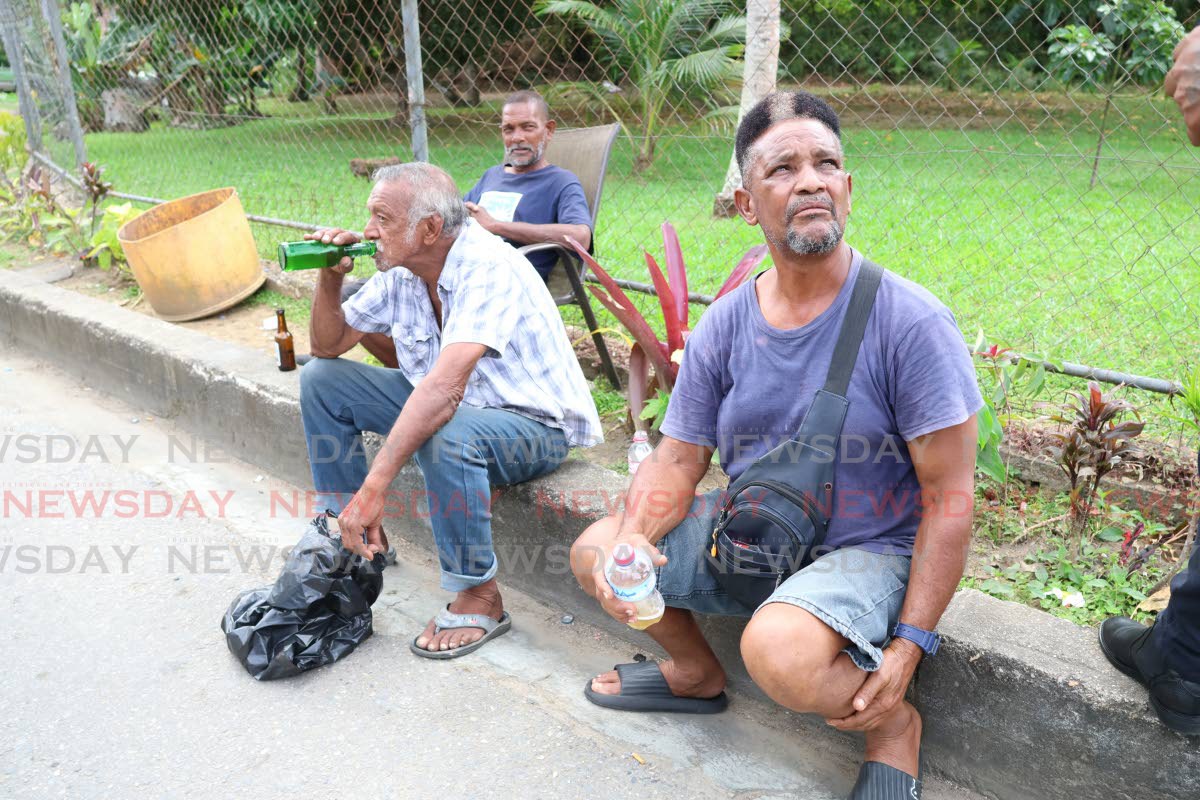
    At Bagatelle Junction, longtime resident Ms. Judy highlighted foundational issues, stating, “It starts at home with good family values,” while acknowledging the challenges of guiding youth amid negative peer influences. She expressed appreciation for visible police presence but called for intensified patrols.

    The political context surrounding this debate has gained renewed momentum following the 2025 General Election. Prime Minister Kamla Persad-Bissessar, who had campaigned on reinstating executions, has instructed her security and legal teams to investigate the death penalty’s resumption. However, despite these campaign promises, the government has not provided a definitive timeline for any policy changes. Newsday’s attempts to obtain current government stance on the matter remained unanswered at press time.

  • Gonzales: Constituents being harassed

    Gonzales: Constituents being harassed

    Opposition MP Marvin Gonzales has raised serious concerns about aggressive law enforcement tactics targeting his Lopinot/Bon Air West constituents, linking the alleged harassment to recently intensified penalties for traffic violations. The PNM chairman and Opposition Chief Whip detailed numerous complaints from community members who endured extensive transportation delays and widespread inconvenience during January 7 enforcement operations.

    In a formal Facebook statement dated January 8, Gonzales described how vulnerable demographics—including elderly citizens, students, young women, and children—faced hours-long waits for transportation due to the stringent enforcement measures. He characterized the situation as creating an atmosphere of ‘great fear and anxiety’ within the community, further exacerbating social tensions.

    The former national security minister condemned what he termed the ‘weaponization of law enforcement,’ emphasizing that successful policing requires citizen cooperation and community engagement. Gonzales advocated for educational initiatives and collaborative approaches rather than punitive measures, warning that oppressive tactics would ultimately undermine social order and stability.

    In response to inquiries about his planned course of action, Gonzales committed to leveraging his parliamentary position to address these concerns, stating: ‘I will use my voice as an MP.’

    The developments occur against the backdrop of Prime Minister Kamla Persad-Bissessar’s announced parliamentary reforms regarding traffic enforcement. Through social media channels on January 7, the Prime Minister revealed plans to implement mandatory grace periods allowing drivers to rectify vehicle defects before fines are imposed. Persad-Bissessar simultaneously defended the strengthened enforcement measures, citing rampant traffic infractions and deliberate lawlessness as justification for the crackdown.