作者: admin

  • Verspreide regenbuien vooral in de middag

    Verspreide regenbuien vooral in de middag

    Meteorological conditions across the region are exhibiting classic rainy season characteristics, featuring warm and humid atmospheric conditions with daytime temperatures reaching 29-31°C. Evening and overnight periods will provide modest relief as mercury levels drop to approximately 23-24°C.

    The day will commence with intermittent sunshine and light cloud cover across many areas. As the morning progresses into afternoon hours, cloud density is forecast to intensify significantly. Scattered rainfall and thunderstorm activity is predicted to develop, particularly across inland regions and southern territories. Coastal zones will experience slightly reduced precipitation probability, though localized showers remain a distinct possibility.

    Moderate northeasterly winds will periodically deliver refreshing breezes, though high humidity levels may still create muggy and oppressive conditions. During precipitation events, winds may become gusty and unpredictable, with temporary visibility reduction occurring in affected areas. The combination of thermal conditions and atmospheric moisture creates characteristic tropical discomfort despite occasional wind-driven cooling effects.

  • First LNG shipment arrives for Manzanillo Power Land project

    First LNG shipment arrives for Manzanillo Power Land project

    Energía 2000 has successfully executed a critical docking operation for the LNG carrier Energoslo, delivering the inaugural liquefied natural gas shipment for the Manzanillo Power Land generation initiative. This achievement follows comprehensive operational and safety assessments mandated by the LNG provider.

    The fuel transfer employed an advanced ship-to-ship methodology, with the LNG being delivered to the Energos Freeze floating storage and regasification unit (FSRU). This vessel has been stationed at Energía 2000’s offshore terminal in Manzanillo Bay since September 2025. The substantial shipment, approximately 50,000 cubic meters of LNG, will facilitate extensive operational testing prior to the plant’s formal commissioning.

    This development signifies a transformative advancement for the Dominican Republic’s energy infrastructure, establishing the nation’s first permanent FSRU operation in Manzanillo. Beyond enhancing national energy security, the MPL initiative is projected to stimulate substantial economic growth in the northern border territories, creating employment opportunities and driving development in Pepillo Salcedo and Montecristi province.

    At full operational capacity, Manzanillo Power Land will contribute 440 megawatts to the national grid—approximately 12% of the country’s total generation capacity—utilizing natural gas as a more efficient and environmentally favorable fuel source. Energía 2000 has emphasized its dedication to constructing contemporary and dependable energy infrastructure that aligns with strategic national objectives, developed in collaboration with governmental authorities.

  • Air France to resume direct Paris–Punta Cana flights in January 2026

    Air France to resume direct Paris–Punta Cana flights in January 2026

    In a significant move to enhance transatlantic travel connectivity, Air France has officially confirmed the reinstatement of its non-stop seasonal service linking Paris-Charles de Gaulle (CDG) with Punta Cana International Airport (PUJ) in the Dominican Republic. Operations are scheduled to commence on January 13, 2026, continuing through the winter season until March 28, 2026.

    The revitalized route will feature a tri-weekly flight schedule, with departures set for Tuesdays, Thursdays, and Saturdays. The airline will deploy its wide-body Boeing 777-300ER aircraft on this corridor, renowned for its long-haul comfort and premium service offerings. Advance bookings are currently active across all official Air France reservation platforms.

    Grupo Puntacana, a key stakeholder in the region’s tourism infrastructure, has announced plans for a ceremonial inauguration event. The gathering is slated for 6:30 PM on January 13, 2026, at Terminal B of Punta Cana International Airport. The event will convene high-profile attendees from the Dominican government, senior airline management, airport executives, and prominent figures from the tourism industry.

    This strategic resumption elevates Punta Cana to the status of Air France’s sixth Caribbean destination, underscoring the sustained demand from French and broader European travelers for the Dominican Republic’s premier sun-and-beach vacation offerings. The reestablished link is anticipated to significantly bolster tourist arrivals and strengthen economic ties between the regions.

  • Police report decrease in major firearm-related crimes

    Police report decrease in major firearm-related crimes

    BASSETERRE, St. Kitts – The Royal St. Christopher and Nevis Police Force has announced plans to intensify crime-reduction initiatives throughout 2026, building upon a year of remarkable progress in combating serious offenses across the twin-island Federation.

    Commissioner of Police James Sutton revealed during a January 7 press conference that preliminary data for 2025 demonstrates substantial decreases in multiple major crime categories, though certain offenses showed concerning upward trends. The most dramatic improvement appeared in firearm-related homicides, which plummeted from 25 cases in 2024 to just four in 2025 – representing an unprecedented 84 percent reduction.

    The comprehensive statistical review indicates robberies decreased by 29 percent, sexual assaults dropped by 51 percent, and larcenies fell by 7 percent. However, non-fatal shootings remained unchanged from the previous year, while offenses involving other bodily harm increased by 11 percent. Malicious damage incidents rose by 20 percent, and firearm and ammunition possession violations surged by 37 percent.

    Commissioner Sutton attributed the positive trends to “sustained enforcement efforts, intelligence-led operations, firearm interdictions, and increased cooperation from sections of the public.” He emphasized the direct correlation between firearm reduction and decreased violence, stating: “Fewer guns on our streets mean fewer gun victims. That relationship is neither theoretical nor accidental.”

    The police force’s strategic framework for 2026 encompasses five core approaches: enhanced community policing with deeper neighborhood integration; technology-driven crime detection utilizing advanced data and intelligence systems; targeted enforcement against illegal firearms and repeat violent offenders; a transition toward proactive crime prevention; and expanded youth engagement initiatives focusing on early intervention and diversion programs.

    Sutton stressed that law enforcement effectiveness remains dependent on broader societal support, noting: “Preventing crime and violence requires the cooperation and involvement of society in its entirety. Education, family structures, mental health support, youth development and community responsibility all play critical roles.”

    The Commissioner acknowledged recent tragedy during the Sugarmass 54 festivities, where 18-year-old Kaden Hanley was fatally stabbed during Last Lap activities, alongside several other injuries from altercations involving bladed weapons. Sutton described this incident as staining “an otherwise safe period” and serving as “a stark reminder that progress can be reversed by individual choices made in moments of anger or impulse.”

    He expressed concern about an emerging pattern of escalating interpersonal aggression, observing that disputes are increasingly being resolved through violence rather than restraint. As the Federation moves forward, the police force remains committed to “building a safer, more disciplined and socially responsible Federation” through strengthened community partnerships and continued progress in crime prevention.

  • VS lanceert plan voor stabilisatie en oliecontrole in Venezuela

    VS lanceert plan voor stabilisatie en oliecontrole in Venezuela

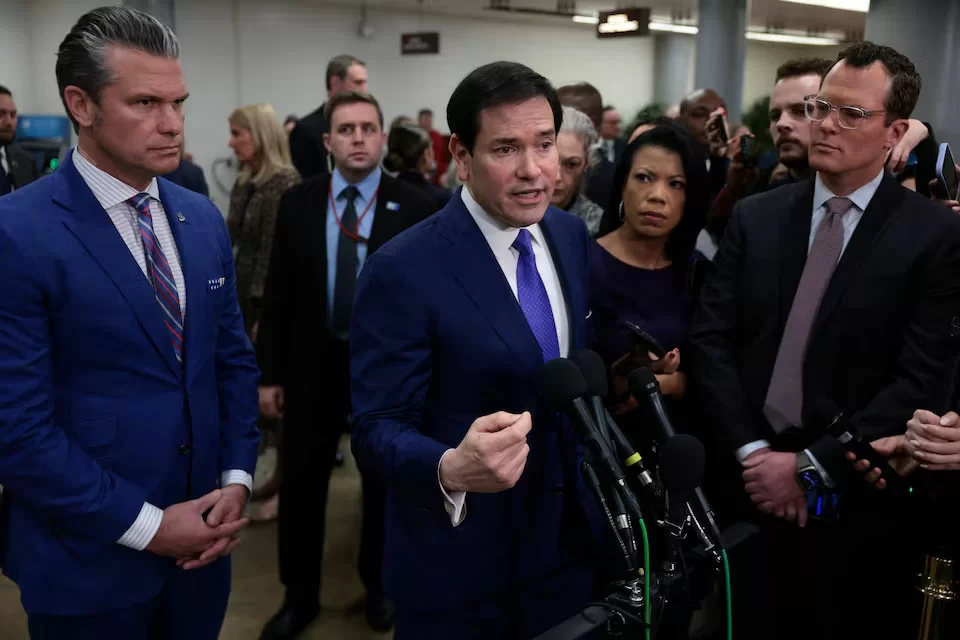
    The United States has formally articulated a comprehensive three-phase strategy for Venezuela focused on stabilization, economic recovery, and political transition, according to Secretary of State Marco Rubio. This development follows Saturday’s controversial capture of Venezuelan leader Nicolás Maduro by American forces.

    The blueprint commences with establishing stability through interim authorities collaborating closely with Washington. Subsequently, American oil corporations will receive guaranteed access during the reconstruction phase, ultimately transitioning to a democratically elected government chosen by the Venezuelan people.

    President Donald Trump issued stern warnings of potential additional military interventions should emerging leadership figures from Maduro’s circle resist American demands, which predominantly center on securing Venezuelan oil resources. The administration aims to refine and market up to 50 million barrels of Venezuelan crude, with US forces continuing seizure operations against oil tankers linked to Venezuela.

    Secretary Rubio emphasized Washington’s substantial control over the interim government, asserting that oil revenue would be meticulously managed through US-controlled accounts to prevent corruption and benefit Venezuelan citizens.

    The initiative has encountered sharp bipartisan criticism. Democrats have condemned the approach as ‘oil kidnapping’ and denounced the lack of transparency. Former House Speaker Nancy Pelosi questioned the absence of public hearings regarding operational costs and motivations, while Senator Chris Murphy characterized the plan as ‘insane’ and condemned it as a violent oil seizure scheme.

    Republican dissent emerged concurrently, with Representative Don Bacon stressing the necessity of installing legitimately elected leadership and cautioning that excessive focus on oil could undermine broader American objectives.

    Energy Secretary Chris Wright highlighted the critical importance of controlling Venezuela’s oil market to stabilize the economy and rebuild the energy sector. The strategy involves initially marketing stored oil reserves followed by future production sales, with revenues administered through American-supervised accounts. Wright confirmed ongoing discussions with US oil companies regarding their participation in Venezuela’s long-term production restoration.

    Venezuela possesses the world’s largest oil reserves yet suffers from chronically low production due to prolonged mismanagement and investment deficits. Wright anticipates short-term production increases through advanced technology and equipment, though full recovery to historical production levels would require years.

    Washington recently announced a $2 billion crude oil export agreement with Caracas, interpreted as Venezuelan officials acquiescing to Trump’s demands under threat of further military action. American refining companies responded favorably, with stock appreciations observed in major corporations including Marathon Petroleum, Phillips 66, and Valero Energy.

    The White House has scheduled a Friday meeting with executives from ExxonMobil, ConocoPhillips, and Chevron regarding their anticipated involvement in the reconstruction process, though these corporations remain reticent in public statements.

    The US proposal has elicited mixed global reactions, raising concerns about sovereignty violations, economic interests, and Venezuela’s future trajectory. Coming developments will prove decisive for both Venezuela’s stability and international stakeholders’ regional influence.


  • The 2026 MOFA Taiwan Scholarship Program Now Open for Applications

    The 2026 MOFA Taiwan Scholarship Program Now Open for Applications

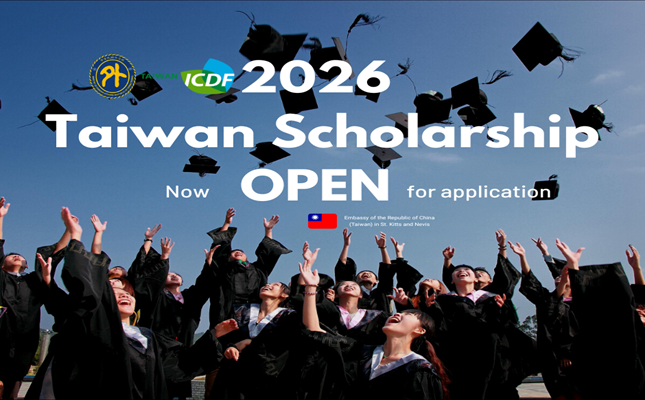
    The Ministry of Foreign Affairs (MOFA) of Taiwan has officially announced the opening of applications for its prestigious 2026 Taiwan Scholarship Program. This initiative provides exceptional educational opportunities for international students seeking to pursue undergraduate, graduate, or doctoral degrees at Taiwanese institutions, with instruction available in both Mandarin Chinese and English.

    The comprehensive scholarship program offers varying durations of support depending on academic level: up to one year for Mandarin Language Enrichment Programs, four years for undergraduate studies, two years for master’s programs, and four years for doctoral candidates. The maximum combined duration across any program combination is five years.

    A significant development for the 2026 cycle is the introduction of a specialized sub-program focusing on public health-related English programs. This track caters specifically to applicants interested in advanced public health education, though it notably excludes the pre-degree language program component.

    Eligibility requires applicants to possess at least a high school diploma. Prospective candidates from St. Kitts and Nevis must submit their applications through the Ministry of Education of St. Kitts and Nevis for preliminary review before onward transmission to Taiwanese authorities.

    The application package necessitates several critical documents: a completed application form, photocopied proof of identity and nationality, authenticated educational certificates and transcripts, evidence of institution application, language proficiency documentation for Chinese-taught programs, two letters of recommendation, and any additional materials requested by the Taiwanese Embassy.

    The Embassy of the Republic of China (Taiwan) emphasizes that incomplete submissions or late applications will not be processed. Final scholarship decisions will be made by a joint committee in Taiwan. Interested parties are directed to contact the Embassy at 465-2421 for further clarification and to ascertain specific application deadlines.

  • Dominican Republic attracts over US$3.5 billion in energy investment

    Dominican Republic attracts over US$3.5 billion in energy investment

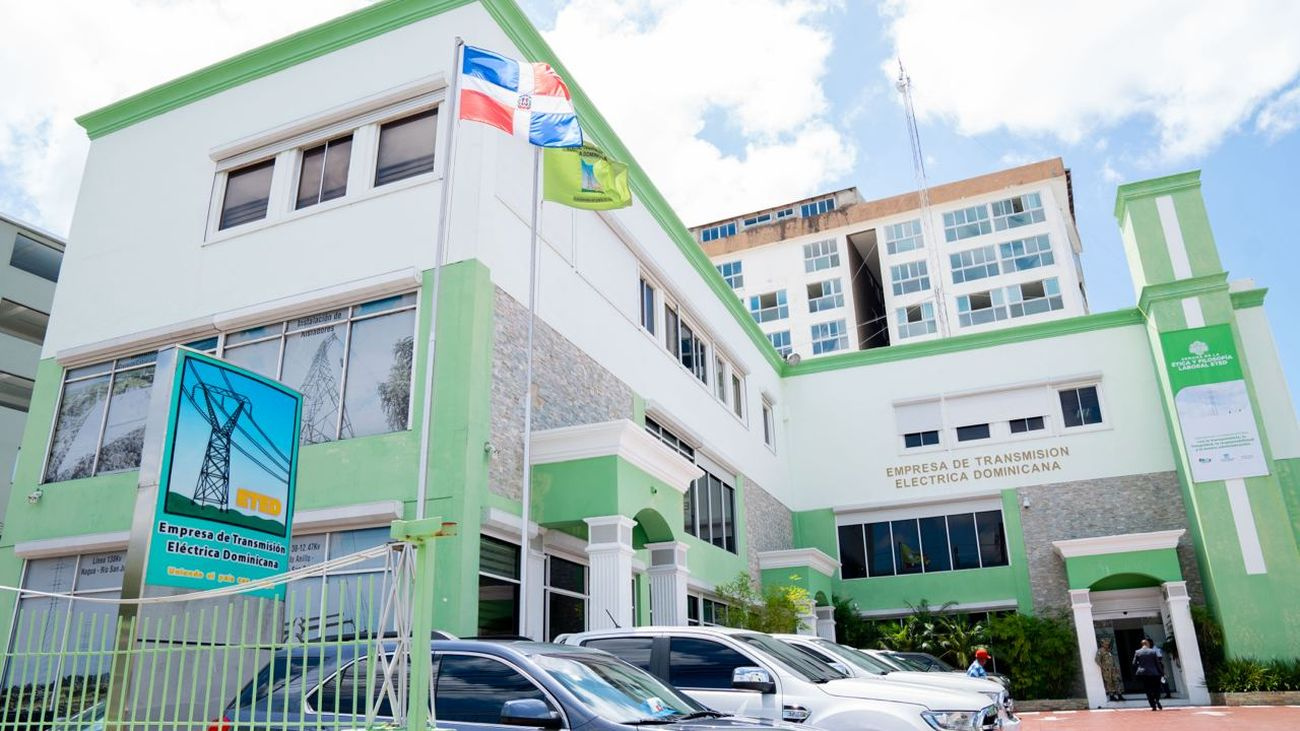
    Santo Domingo has emerged as a powerhouse for energy sector investment, with the Dominican Republic securing an impressive $3.5 billion in foreign direct investment for power generation between 2020 and 2025. This remarkable financial influx, announced by Alfonso Rodríguez Tejada, Executive Director of the Dominican Electricity Transmission Company (ETED), underscores the nation’s growing appeal to international investors.

    The investment surge, averaging $1 billion annually, stems from unprecedented private-sector confidence in the country’s economic direction. Rodríguez Tejada emphasized that President Luis Abinader’s administration has created ideal conditions for energy development through political stability, transparent governance, and a coherent national development strategy.

    Critical to this success has been the comprehensive modernization of the nation’s transmission infrastructure. The ETED has successfully integrated over 1,300 megawatts of new capacity into the National Interconnected Electric System (SENI), establishing technical foundations that support continued expansion. This infrastructure advancement has transformed the Dominican Republic’s energy profile, presenting investors with a reliable and robust grid capable of accommodating substantial new generation projects.

    The tangible outcomes of this investment boom are reflected in dramatically improved electricity coverage rates. National access has surged from 85% in 2020 to exceeding 98% currently, representing one of the most rapid electrification expansions in the region.

    Rodríguez Tejada concluded that the current administration has presided over the most significant private investment period in the nation’s energy history, attributing this achievement to institutional stability, legal certainty, and a business climate optimally configured for sustainable development.

  • Column: Regelmatig wandelen

    Column: Regelmatig wandelen

    Thousands of Surinamese citizens from all age groups undertook an extraordinary predawn pilgrimage across the Wijdenboschbridge on January 8th, transforming the infrastructure project into the nation’s largest participatory fitness event. The annual walking tradition saw participants converging on Commewijne as early as 5:00 AM, with all attendees required to commence their journey by 7:00 AM, demonstrating remarkable dedication to this increasingly popular wellness ritual.

    This massive turnout reveals a substantial public demand for accessible physical activities that current offerings fail to satisfy. While the bridge walk has successfully mobilized citizens who might otherwise remain sedentary, its current format as a standalone annual event represents a missed opportunity for broader public health advancement.

    Organizational stakeholders, particularly the national athletics association, could leverage this demonstrated enthusiasm to develop structured movement initiatives. Practical constraints understandably prevent frequent bridge closures, but alternative approaches could replicate the event’s success through decentralized community-based programs.

    A proposed framework suggests regular neighborhood walking events organized at the ressort level, complemented by quarterly district-wide gatherings. Such structured programming would provide ongoing mental health benefits through stress reduction while simultaneously addressing Suriname’s growing obesity concerns.

    The consistent thousands-strong participation indicates deep-seated public appetite for organized physical activity. Rather than relying solely on government coordination, neighborhood associations and non-governmental organizations could spearhead these initiatives, potentially transforming a singular annual phenomenon into sustained movement supporting national physical and mental wellbeing.

  • WIN, FGM slam govt’s plan to settle foreigners from US

    WIN, FGM slam govt’s plan to settle foreigners from US

    Guyana’s political landscape erupted in controversy as two major opposition parties vehemently condemned the government’s clandestine negotiations with the Trump administration regarding the settlement of third-country nationals from the United States.

    The We Invest in Nationhood (WIN) and Forward Guyana Movement (FGM) issued separate statements on Wednesday, January 7, 2026, castigating President Irfaan Ali’s administration for engaging in talks about accepting deportees or refugees without parliamentary oversight or national consultation. Both parties characterized the negotiations as a fundamental breach of democratic principles and national sovereignty.

    FGM denounced the potential agreement as a ‘direct affront to the sovereignty of the Guyanese people,’ particularly given the absence of a functioning Parliament to provide legislative scrutiny. The party emphasized that any policy substantially altering Guyana’s demographic composition or imposing new social responsibilities must undergo rigorous parliamentary debate and national consultation.

    Foreign Secretary Robert Persaud confirmed on January 5 that ‘productive discussions’ were underway with the US to establish a ‘framework of understanding’ consistent with Guyana’s national priorities while supporting US objectives. This initiative forms part of the Trump administration’s broader strategy to relocate unwanted migrants, with several Caribbean nations including Antigua and Barbuda, Dominica, and Belize having already signed similar agreements.

    The opposition parties raised multifaceted concerns spanning security, economic, and social dimensions. FGM challenged the government to disclose the agreement’s contents publicly, subject it to parliamentary debate, and conduct comprehensive security and economic impact assessments. Critical questions emerged regarding the verification systems for migrant backgrounds, administrative oversight mechanisms, and the potential strain on Guyana’s already stretched infrastructure.

    WIN explicitly rejected supporting any agreement until the government provides full disclosure, ensures parliamentary oversight, and presents a clear plan prioritizing Guyanese citizens’ well-being. The party highlighted the existing pressure from over 100,000 Venezuelan migrants on hospitals, schools, housing, and essential services, questioning how additional influxes would be managed.

    Both opposition groups demanded transparency regarding financial contributions from the US, long-term integration plans, housing arrangements, and the potential diversion of resources from Guyanese citizens already facing challenges in accessing land and affordable homes. The parties insisted that any demographic transformation affecting the nation’s future stability and security must not be decided through secretive negotiations without clear disclosure to the Guyanese people.

  • IAD launches national program to regularize occupied state lands

    IAD launches national program to regularize occupied state lands

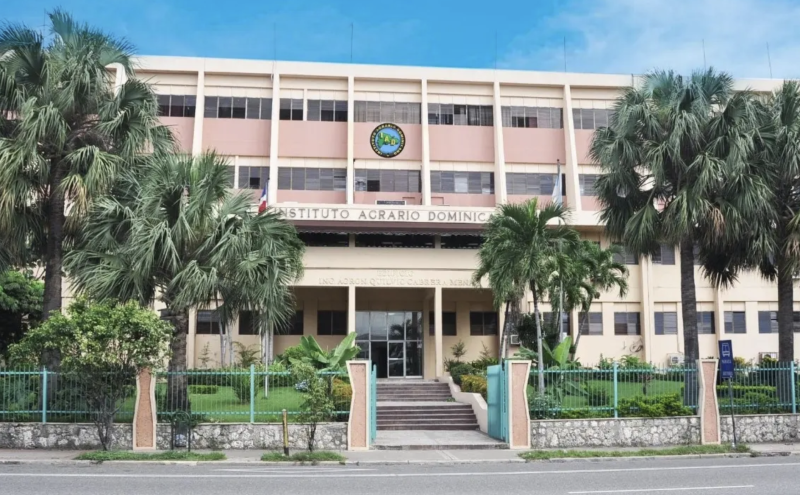
    SANTO DOMINGO – The Dominican Agrarian Institute (IAD) has unveiled a comprehensive national initiative to address longstanding issues of irregular land occupation across the country. Under the leadership of interim director general Darío Castillo Lugo, the institution announced the National Program for the Regularization of IAD Land Occupations, designed to bring legal clarity to thousands of undocumented land holdings.

    This ambitious program represents a cornerstone of the IAD’s institutional transformation efforts, operating within the legal framework of the Agrarian Reform Law. The initiative seeks to establish enhanced legal security for land tenure, create transparent management protocols for state-owned land assets, and foster systematic territorial development that aligns with sustainable practices.

    Prospective participants have been granted an extensive application window stretching from January 12, 2026, through April 17, 2026. All submissions must be processed exclusively through the dedicated digital portal at regularizacion.iad.gob.do. The application requirements are comprehensive, mandating the presentation of documented evidence of land occupancy, detailed records of agricultural or livestock operations, financial documentation, proof of property enhancements, and authorization for technical surveys to facilitate thorough evaluation.

    The IAD has issued a clear warning regarding post-deadline consequences: properties that remain outside the regularization process will face legal reclamation procedures in strict accordance with prevailing legislation. Importantly, the program specifically excludes agrarian reform beneficiaries holding provisional titles, who will instead be serviced through the separately announced National Program for Definitive Titling of Agrarian Reform Landowners revealed in December 2025.