作者: admin

  • The sea is rising and so should we

    The sea is rising and so should we

    As the United Nations commences the second year of the Second International Decade for People of African Descent (2025-2034), the accelerating climate emergency presents an existential threat to Small Island Developing States that can no longer be marginalized in global discourse. Across the Caribbean and Global South, human-induced climate change has transformed from theoretical concern to daily reality, particularly for over 200 million people of African descent inhabiting formerly colonized territories.

    This crisis unfolds against a backdrop of deteriorating global climate governance. The Trump administration’s confirmation of withdrawal from 66 international organizations—including 31 UN bodies specializing in climate policy, sustainable development, and international accountability—has created seismic shifts in diplomatic circles. Critical withdrawals encompass the UN Framework Convention on Climate Change, Intergovernmental Panel on Climate Change, and International Renewable Energy Agency, signaling a dangerous retreat by major industrial powers from their environmental responsibilities.

    Scientific evidence underscores the urgency. The Americas recorded unprecedented temperatures in 2025, with prolonged heatwaves from February through July breaking historical records across North America, the Caribbean, and South America. This extreme heat intensifies droughts, compromises fragile infrastructure, and fuels catastrophic wildfires. Urban centers face particular vulnerability as ‘heat islands’ exacerbate living conditions—a phenomenon poetically foreshadowed in Bob Marley’s ‘concrete jungle’ depiction of 1970s Kingston.

    The Caribbean’s hurricane seasons reveal increasingly destructive patterns, with recent storms devastating Jamaica, Grenada, Cuba, Haiti, and The Bahamas. These are no longer natural disasters but climate-amplified events fueled by warming oceans and atmospheric instability. Each storm leaves devastated infrastructure, lost livelihoods, and communities trapped in cyclical reconstruction with diminishing resources.

    This environmental emergency intersects directly with historical injustices. The Caricom Reparations Commission emphasizes that climate change cannot be divorced from colonial legacy—plantation economies created structural poverty that now magnifies climate vulnerability. Reparatory justice demands must encompass climate justice, including adaptation financing, technology transfer, and institutional support.

    Regional examples offer hope amidst crisis. Cuba’s conservation efforts—protecting 25% of marine coastal areas including the Caribbean’s largest mangrove forest and significant coral reefs—demonstrate people-centered approaches yielding tangible results. Despite US embargo constraints, Cuba has developed robust meteorological research documenting 121 hurricanes between 1791-2023, though political isolation limits regional knowledge sharing.

    Encouragingly, South-South collaboration gains momentum. The African Union and Caricom have forged a powerful alliance around reparatory justice, with the AU designating 2025 as the Year of Reparations and 2026-2036 as the Decade of Reparations. This partnership explicitly links historical redress with climate justice, recognizing the Caribbean’s disproportionate vulnerability. Calls for a global tribunal addressing historical atrocities further underscore demands for accountability.

    Caricom’s Environment and Natural Resources Policy Framework signals institutional commitment to integrating environmental justice with sustainable development and climate resilience. In an era of industrial nation unresponsiveness, Caribbean solidarity and Global South cooperation emerge not as radical concepts but essential survival strategies confronting interconnected crises of history, climate, and inequality.
  • Gender-Based Violence Walk 2026 Launched Alongside Women’s Shelter Fundraising Drive

    Gender-Based Violence Walk 2026 Launched Alongside Women’s Shelter Fundraising Drive

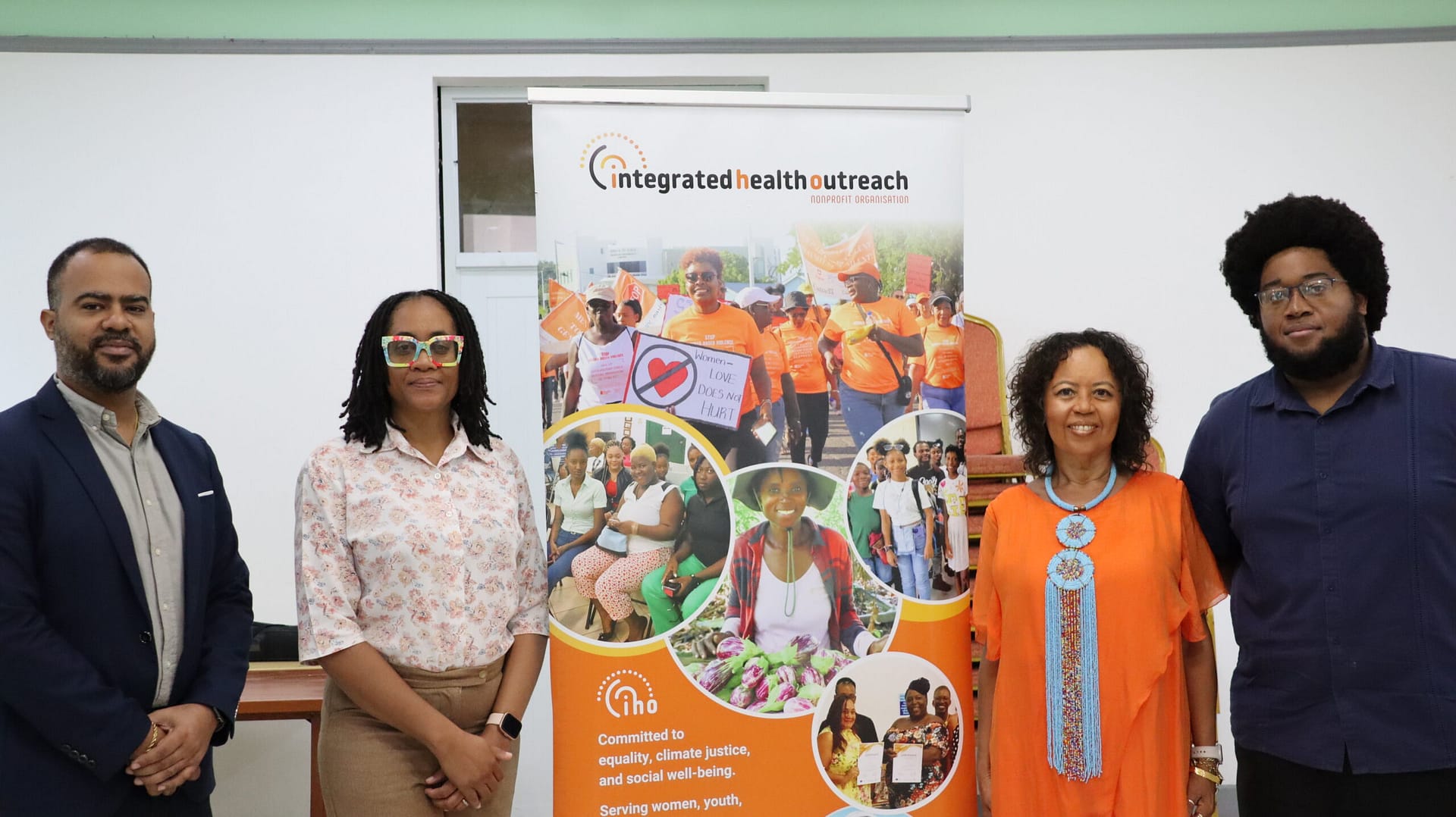
    Antigua and Barbuda has officially launched its third annual Gender-Based Violence Walk, scheduled for March 7, 2026, with organizers expressing confidence in surpassing previous participation records. The event, unveiled January 7th at the Multipurpose Centre, represents the nation’s largest public advocacy initiative addressing gender-based violence.

    Organized through a collaborative effort between the nonprofit Integrated Health Outreach (IHO) and the Directorate of Gender Affairs (DoGA), the 2025 walk attracted over 2,000 participants. Both organizations anticipate significantly increased attendance for the 2026 event, which aligns with International Women’s Day observances.

    Melanie Williams-Kirnon, Programme Officer at DoGA, characterized gender-based violence as “a pervasive issue that leaves deep scars on victims and disrupts the social fabric of our communities.” She emphasized the walk’s evolution into “a critical initiative for raising awareness about gender-based violence in Antigua and Barbuda” since its 2024 inception.

    The 2026 campaign features an comprehensive eight-week awareness initiative, including weekly youth workshops and a fundraising drive supporting the establishment of a women’s shelter. The shelter project, envisioned as a women-led social enterprise incorporating a beeping farm for sustainable funding, received government approval for a five-acre land lease in October 2025.

    Dr. Nicola Bird, IHO’s Executive Director, acknowledged community support as instrumental in securing government backing for the shelter initiative. “It is the voice of the people, and that people-driven momentum that really helped us,” Dr. Bird stated during the launch ceremony.

    Organizers are particularly focused on increasing male participation, emphasizing that men and boys play crucial roles in achieving cultural transformation. Registrants for the 2026 walk can optionally complete an anonymous survey designed to gauge public perception regarding violence against women and girls in Antigua and Barbuda.

    The event occurs against a sobering global backdrop where UN Women statistics indicate at least one in three women worldwide experiences intimate partner violence. The Caribbean region faces particularly acute challenges, with 46% of women experiencing some form of gender-based violence—exceeding global averages.

    Event Details:
    The Gender-Based Violence Walk 2026
    Date: Saturday, March 7, 2026
    Location: The Botanical Gardens
    Time: 2:00 PM
    Registration: https://qrco.de/bgXYuu
    Shelter Project Support: https://gofund.me/9bba6cc27

  • High Court rules Ryan Reid’s 2022 arrest unlawful

    High Court rules Ryan Reid’s 2022 arrest unlawful

    In a landmark ruling that clarifies the boundaries of police authority, the High Court has declared the 2022 arrest and overnight detention of motorist Ryan Reid unlawful. Justice Nicola Byer delivered a decisive judgment establishing that officers lack the legal power to arrest or detain individuals for minor traffic infractions classified as ticketable offenses.

    The court specifically identified violations such as failure to wear a seatbelt and mobile phone use while driving as offenses subject only to fixed penalty notices, not warranting arrest. Reid’s detention over two days following a November 7, 2022 traffic stop was deemed an unlawful trespass on his person.

    In a significant clarification of administrative procedures, the court further ruled that only the Commissioner of Police possesses the authority to suspend driver’s licenses before conviction. This finding rendered previous enforcement actions based on presumed suspensions in 2021 unlawful.

    The case, brought against Commissioner of Police Casey Jean Baptiste and the Attorney General, saw Reid represented by attorney Wendel Alexander. While affirming the unlawfulness of Reid’s detention, the court rejected his additional claims of malicious prosecution, harassment, and abuse of discretion in bail refusal, noting these allegations failed to meet established legal thresholds.

    Regarding a separate May 2021 arrest for dangerous driving, the court found police acted within their authority as Reid had failed to provide identification when requested, creating lawful grounds for detention under traffic regulations.

    The court granted Reid leave to pursue damages for his unlawful detention, allowing 21 days to file application. Additionally, he was awarded 75% of his legal costs in the proceeding.

  • Grenada government responds to latest US travel advisory

    Grenada government responds to latest US travel advisory

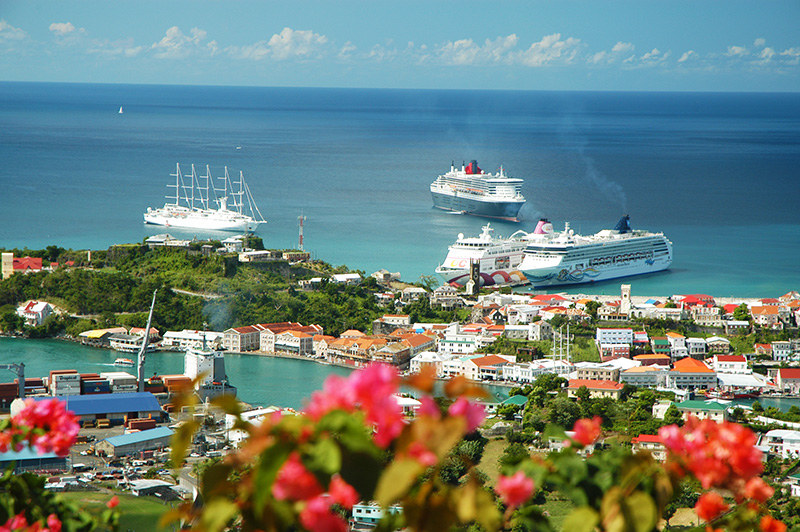
    The Grenadian government has issued a robust response to the United States’ updated travel advisory, firmly maintaining the Caribbean nation’s status as a secure destination despite heightened warnings from American authorities. On Wednesday, Prime Minister Dickon Mitchell’s administration launched a comprehensive defense of the country’s security infrastructure, directly addressing the U.S. State Department’s decision to elevate Grenada to Level 2 status, which advises visitors to ‘exercise increased caution’ due to crime risks.

    The U.S. advisory, released Tuesday, cited concerning statistics including armed robberies, assaults, burglaries, and sexual assaults affecting American citizens, with some cases resulting in fatalities. The warning specifically noted that police response times ‘are not as fast as one may expect in the United States.’

    In sharp contrast, the Grenadian government presented compelling data showing the nation maintains one of the region’s lowest crime rates at approximately 4 incidents per 100,000 people. Officials emphasized Grenada’s ‘strong record of public safety, social stability, and effective law enforcement,’ highlighting the significant population of U.S. citizens who permanently reside, work, study, and invest in the tri-island state without security concerns.

    The government statement detailed the Royal Grenada Police Force’s ‘robust systems for rapid response’ and ‘strong crime solvency rates,’ underscoring institutional capabilities that ensure continued public safety. Through close collaboration among law enforcement agencies, ongoing investment in public safety infrastructure, and strong regional and international partnerships, Grenada maintains its commitment to treating security as a ‘national priority.’

    Tourism officials noted that hundreds of thousands of visitors experience Grenada’s ‘renowned hospitality, rich culture, and world-class tourism offerings’ annually, with the sector operating under rigorously maintained safety protocols. The government reaffirmed its ‘open lines of communication and continued security cooperation’ with international partners including the United States, while maintaining that Level 2 represents a ‘relatively low’ risk classification within the State Department’s four-tier advisory system.

    Contextualizing the advisory, Grenada joins the Bahamas at Level 2, while neighboring Caribbean destinations including Barbados and Dominica maintain Level 1 status, indicating standard precautions for travelers.

  • CXC Releases New Literacy and Numeracy Standards for Lower Secondary Schools

    CXC Releases New Literacy and Numeracy Standards for Lower Secondary Schools

    In a significant move to elevate educational outcomes across the region, the Caribbean Examinations Council (CXC) has formally introduced a new framework of learning standards targeting literacy and numeracy. Designed specifically for students in grades one through three of secondary education, these benchmarks represent a coordinated regional strategy to bolster foundational skills and address persistent achievement disparities.

    The official unveiling was conducted by CXC Registrar and Chief Executive Officer, Wayne Wesley, during a press briefing in Kingston this Wednesday. Mr. Wesley emphasized the critical role of the new standards, characterizing them as indispensable tools for both educators and assessors. He detailed that the framework is engineered to provide clear, consistent expectations for student performance, thereby guiding instructional methods and shaping assessment criteria across participating Caribbean nations.

    This initiative is a direct response to comprehensive data and regional reports that have highlighted uneven academic preparedness among secondary school entrants. By establishing a unified set of expectations, the CXC aims to create a more equitable and standardized educational landscape, ensuring that all students, regardless of their territory, acquire the essential competencies required for academic success and future workforce readiness. The rollout of these standards is anticipated to prompt a review of curricular materials and teaching methodologies throughout the region’s educational systems.

  • Statement by the Media Workers Association of Grenada

    Statement by the Media Workers Association of Grenada

    The Media Workers Association of Grenada (MWAG) has formally responded to Prime Minister Dickon Mitchell’s recent televised commentary regarding the absence of regular government press briefings and journalist conduct at previous engagements. Issued on Monday, January 5, the statement aims to rectify what the association describes as inaccurate representations of longstanding media concerns spanning three years.

    MWAG emphasizes that transparency issues were raised early in the current administration’s tenure, including during a direct meeting with the prime minister. The administration’s initial action involved discontinuing scheduled press engagements, with Prime Mitchell publicly announcing information would be distributed on a “need-to-know” basis—a approach that raised significant concerns within media circles about governmental transparency.

    The association clarifies that journalists have never objected to the volume of information disseminated by the government. Rather, media professionals welcome comprehensive and timely information serving public interest. The core concern centers on the structure of government news conferences, which prioritize sequential presentations over interactive dialogue. This format consistently limited opportunities for journalists to question, clarify, and scrutinize issues on behalf of the public.

    MWAG refutes suggestions that journalists disengaged due to being overwhelmed by information, characterizing this assertion as misleading. The actual problem resided in the lack of coherent focus and adequate questioning time during these engagements. Regarding virtual participation, the association notes that hybrid formats have long been facilitated through government communications teams using Zoom credentials distributed to media houses. Any technical disconnection experienced by the prime minister should have been addressed through proper technical arrangements standard in hybrid events.

    The association reaffirms its commitment to constructive engagement with the Grenadian government, emphasizing that regular, well-structured press briefings with sufficient questioning time remain fundamental to transparent governance and democratic accountability. MWAG stands ready to collaborate in good faith to improve these arrangements for public benefit.

  • Spanish Community Leadership Vote to Proceed Unopposed on Jan. 11

    Spanish Community Leadership Vote to Proceed Unopposed on Jan. 11

    The Spanish-speaking community of Antigua and Barbuda will witness an uncontested leadership election on January 11th, following the expiration of the candidate nomination period without any challengers emerging. This development was confirmed by Alex Martinez, the longstanding community representative whose position has been at the center of recent internal debates.

    Martinez stated that despite active efforts to encourage broader participation in the electoral process, no alternative candidates submitted their nominations before the official deadline. This absence of opposition means the election will proceed as a single-candidate ratification rather than a competitive contest.

    The scheduled vote comes after extended periods of internal discussion regarding representation legitimacy within the community. Certain faction members had raised questions about the formal legitimacy of the current leadership structure, particularly whether Martinez had been properly elected or appointed through democratic means. These concerns highlighted growing demands for transparent governance procedures and ultimately catalyzed the movement toward establishing a clearly defined electoral process to determine community representation.

    The upcoming election, while uncontested, represents a significant institutional step toward addressing these governance concerns and establishing formal protocols for community leadership selection moving forward.

  • Floating Bridge to be closed Saturday for vessel passage

    Floating Bridge to be closed Saturday for vessel passage

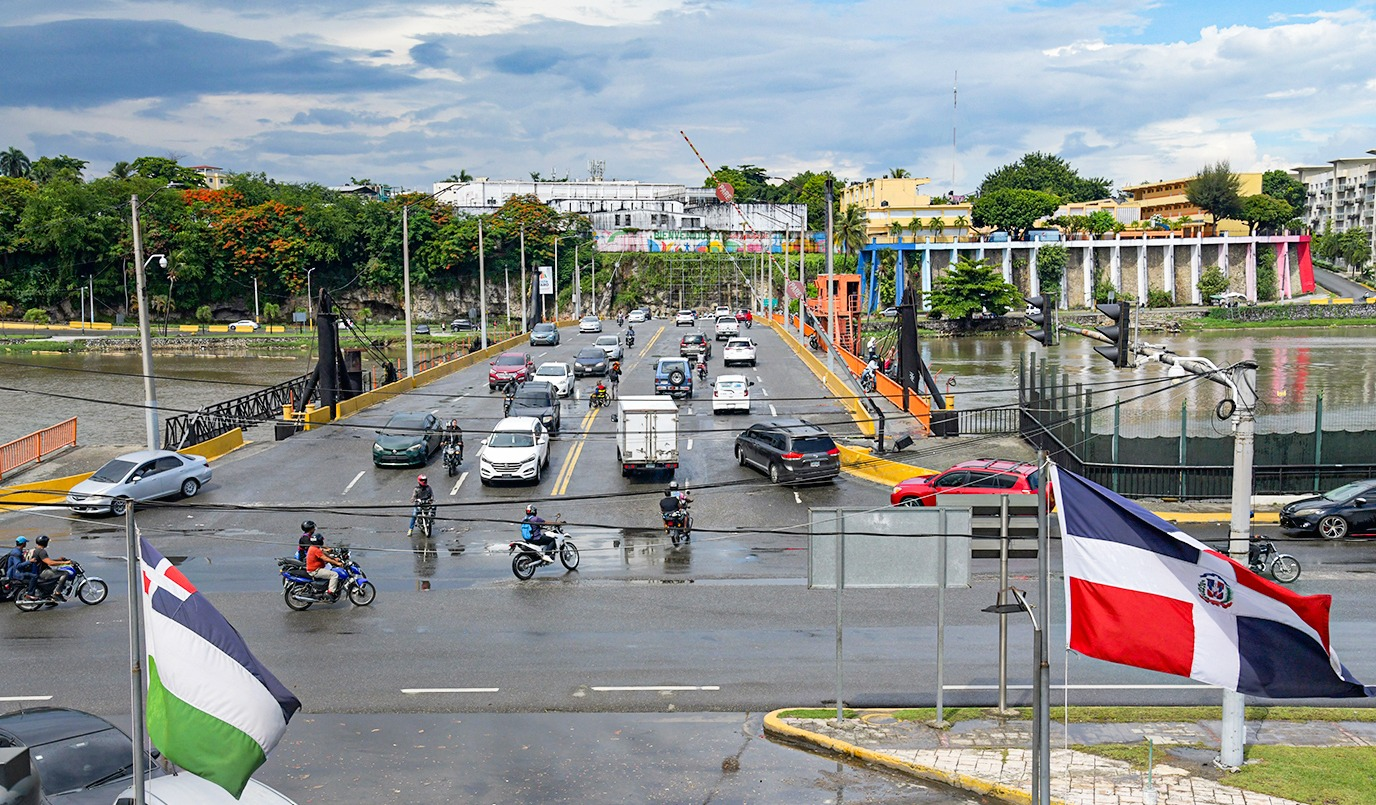
    The Dominican Republic’s Ministry of Public Works and Communications (MOPC) has issued a public advisory regarding the temporary suspension of vehicular transit across the Ozama River Floating Bridge. This scheduled interruption will occur on Saturday, January 10, precisely between the hours of 10:00 a.m. and 12:00 p.m.

    The closure is necessitated to facilitate the safe passage of three commercial vessels navigating the river channel. Maritime traffic operations will include two ships traveling upstream for docking at the M&D Repair shipyard facility, accompanied by the downstream movement of the Hygrade 42 barge.

    In light of this temporary disruption, transportation authorities have proactively recommended that motorists who typically utilize this crossing consider alternative routing strategies. Officials specifically designated the Matías Ramón Mella, Juan Pablo Duarte, and Juan Bosch bridges as viable detour options to maintain regional connectivity.

    The MOPC emphasized that this advance notification is part of a comprehensive effort to mitigate potential traffic inconveniences and optimize urban mobility management. The ministry further reaffirmed its institutional dedication to preserving safe, orderly, and efficient transportation infrastructure for all citizens.

  • Santo Domingo Metro Line 1 to suspend night service for maintenance

    Santo Domingo Metro Line 1 to suspend night service for maintenance

    The Office for the Reorganization of Transportation (OPRET) has unveiled a comprehensive nighttime maintenance initiative for Santo Domingo’s Metro Line 1, scheduled from January 10 through January 25. This carefully orchestrated operational pause will affect the critical segment connecting Gregorio Urbano Gilbert and Mamá Tingó stations, with services suspended daily from 8:00 p.m. onward throughout the sixteen-night period.

    In a proactive measure to ensure seamless urban mobility, transportation authorities have coordinated with the Metropolitan Office of Bus Services (OMSA) to deploy complimentary bus services along the affected route. This complementary transportation solution will operate during the maintenance window, providing uninterrupted connectivity for the metro’s regular commuters.

    The extensive maintenance protocol involves specialized technical crews working in coordinated eight-hour shifts during overnight hours. This strategic timing minimizes disruption to the metro’s daily ridership while allowing engineers to perform essential system upgrades and safety inspections. OPRET emphasizes that these scheduled interventions represent standard preventive measures crucial for maintaining operational excellence and passenger safety standards.

    Transportation officials have expressed appreciation for public understanding regarding temporary inconveniences, encouraging passengers to adjust travel plans accordingly during the maintenance period. The initiative reflects OPRET’s ongoing commitment to infrastructure reliability and service quality within the Dominican Republic’s capital transit network.

  • Gonsalves criticises ex-cop on PSC although 4 served under his gov’t

    Gonsalves criticises ex-cop on PSC although 4 served under his gov’t

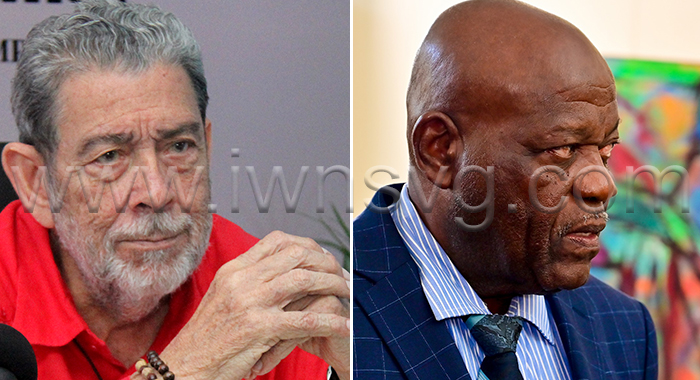
    In a striking political development, opposition leader Ralph Gonsalves has issued a public caution regarding the composition of Saint Vincent and the Grenadines’ Public Service Commission and Police Service Commission (PSC). The veteran politician specifically raised concerns about retired Assistant Commissioner of Police Ronald Christopher’s recent appointment, warning fellow commissioners to prevent any potential attempts to “lead the constabulary from the PSC.

    This advisory has drawn immediate scrutiny from political analysts who note the apparent contradiction in Gonsalves’ position. During his 25-year tenure as prime minister, his administration appointed three retired deputy commissioners of police and one retired police sergeant to serve on the very same commission without similar public reservations.

    The context of this warning emerges amid a dramatic political shift. Gonsalves’ Unity Labour Party suffered a decisive electoral defeat on November 27, 2025, losing all parliamentary seats except his own to the New Democratic Party after nearly a quarter-century in power.

    Retired Sergeant Morgan, who served on the PSC during the final ULP administration (2020-2025), publicly defended Christopher’s appointment via social media. “If Ronald Christopher was made Commissioner, the force would not be in the mess it is in today,” Morgan stated, adding that Christopher “would not have been anyone’s puppet” and describing him as an excellent choice to represent police interests.

    Morgan further criticized the previous commission’s operations under ULP governance, alleging that promotions were pre-arranged and commissioners were expected to be “yes men,” reducing the body to a mere “figurehead.”

    The newly sworn commission, chaired by retired public servant Laura Anthony-Browne, includes Christopher among its members. Gonsalves acknowledged the qualifications of several appointees while maintaining his specific concerns about former high-ranking police officers influencing current force operations.

    Insiders familiar with the relationship between Gonsalves and Christopher suggest personal history may factor into the opposition leader’s stance. Sources reveal that Christopher was effectively sidelined within the police force after declining a government-proposed transfer to Barbados in 2007 due to family obligations, spending his final six service years in diminished roles handling port and government building security.

    One source characterized this treatment as “vindictiveness” from the then-ULP government, comparing it to similar reassignments of other officers who fell out of favor.