作者: admin

  • Lizarraga Defends BTL Acquisitions as Economic Necessity

    Lizarraga Defends BTL Acquisitions as Economic Necessity

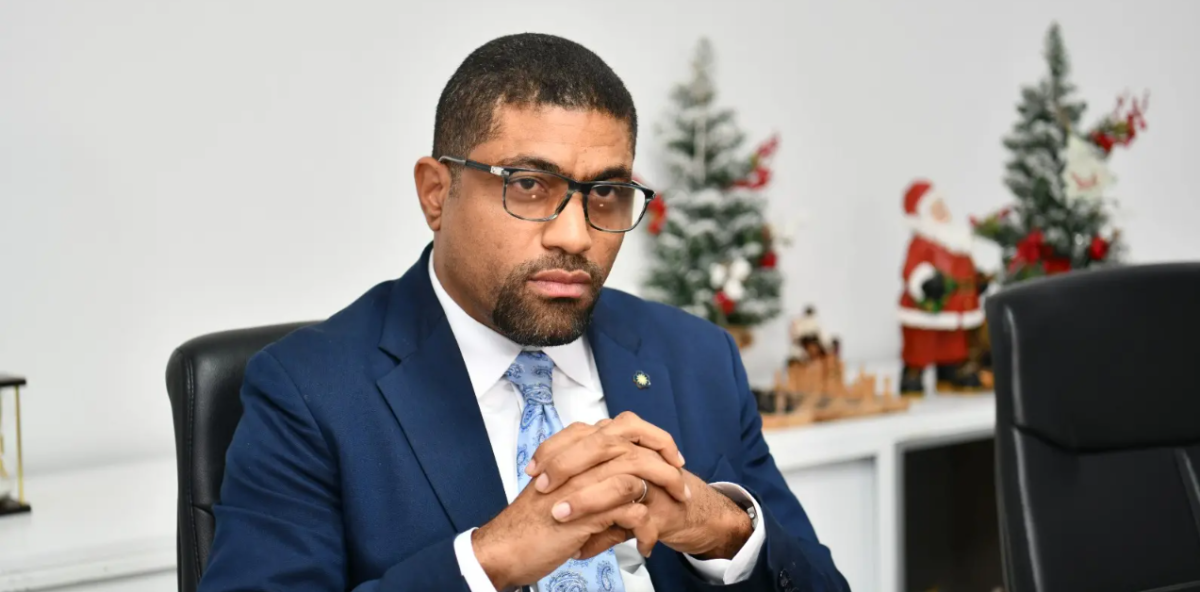
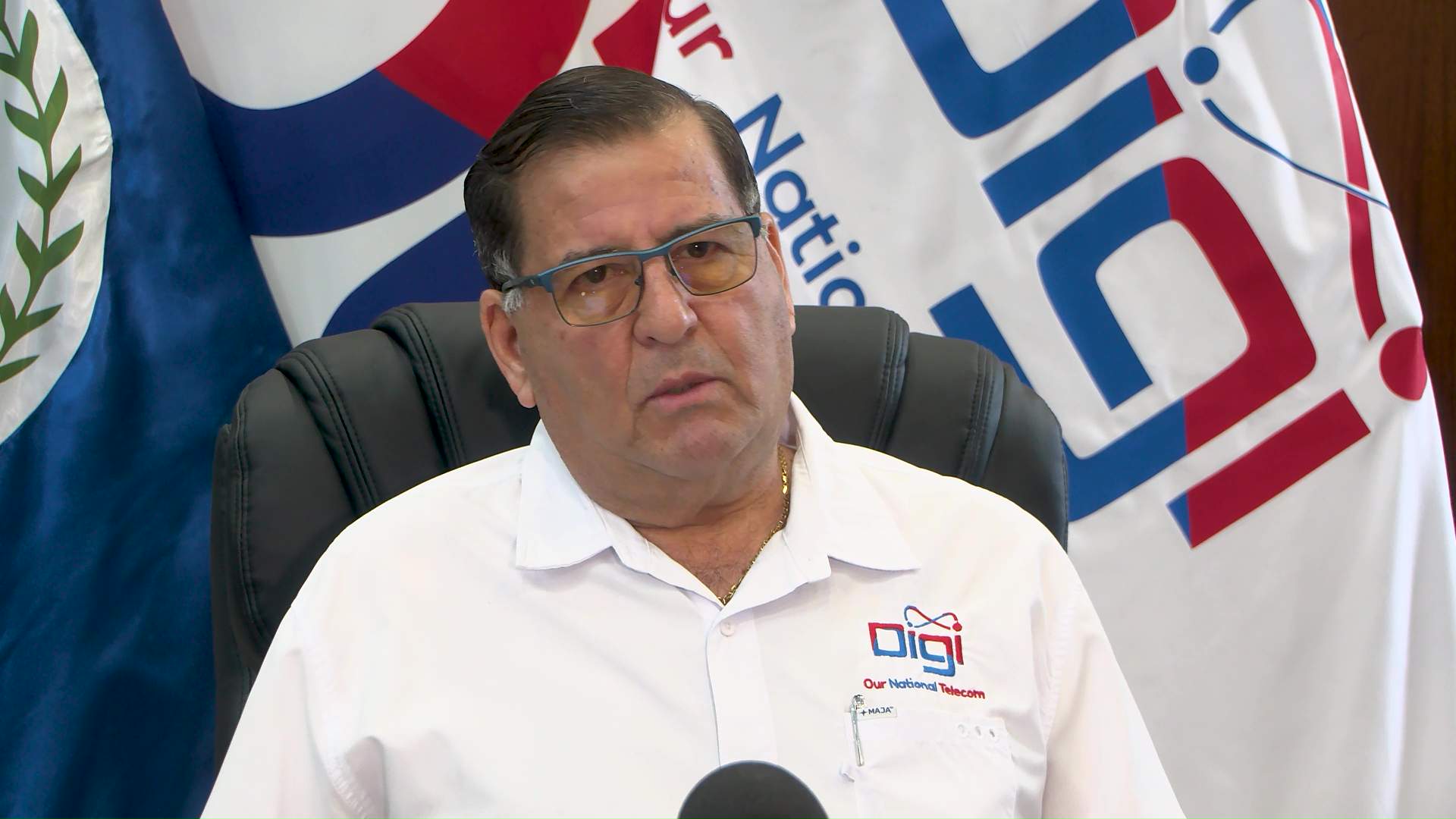
    In a robust defense of his company’s expansion strategy, BTL Chairman Markhelm Lizarraga has characterized the telecommunications provider’s acquisition push as an economic imperative rather than merely competitive consolidation. The executive’s comments come amid mounting scrutiny regarding market transparency and competition concerns within the sector.

    Lizarraga articulated that BTL’s substantial investment of approximately $100 million in fiber-to-the-home infrastructure has created a comprehensive network backbone reaching 85-90% of households nationwide. This existing infrastructure, he argued, positions the company to efficiently integrate smaller providers who primarily manage the ‘last mile’ connections to individual homes.

    ‘The fundamental economic rationale revolves around eliminating redundant infrastructure duplication,’ Lizarraga explained. ‘We’ve already deployed the primary pipeline infrastructure throughout communities. Many smaller operators utilize these pathways for their final connection services. Our acquisition strategy focuses on obtaining established customer bases and their accompanying cash flows rather than constructing competing infrastructure.’

    The Chairman emphasized that this approach maximizes the utility of BTL’s existing capital investments while generating necessary revenue to maintain and expand essential service infrastructure. ‘We’re essentially purchasing customer relationships and sustainable revenue streams to optimize our current network capacity,’ Lizarraga stated. ‘This economic model ensures we can continue providing robust telecommunications services without wasteful infrastructure duplication.’

  • BTL Chair Cites Confidentiality Amid Transparency Questions

    BTL Chair Cites Confidentiality Amid Transparency Questions

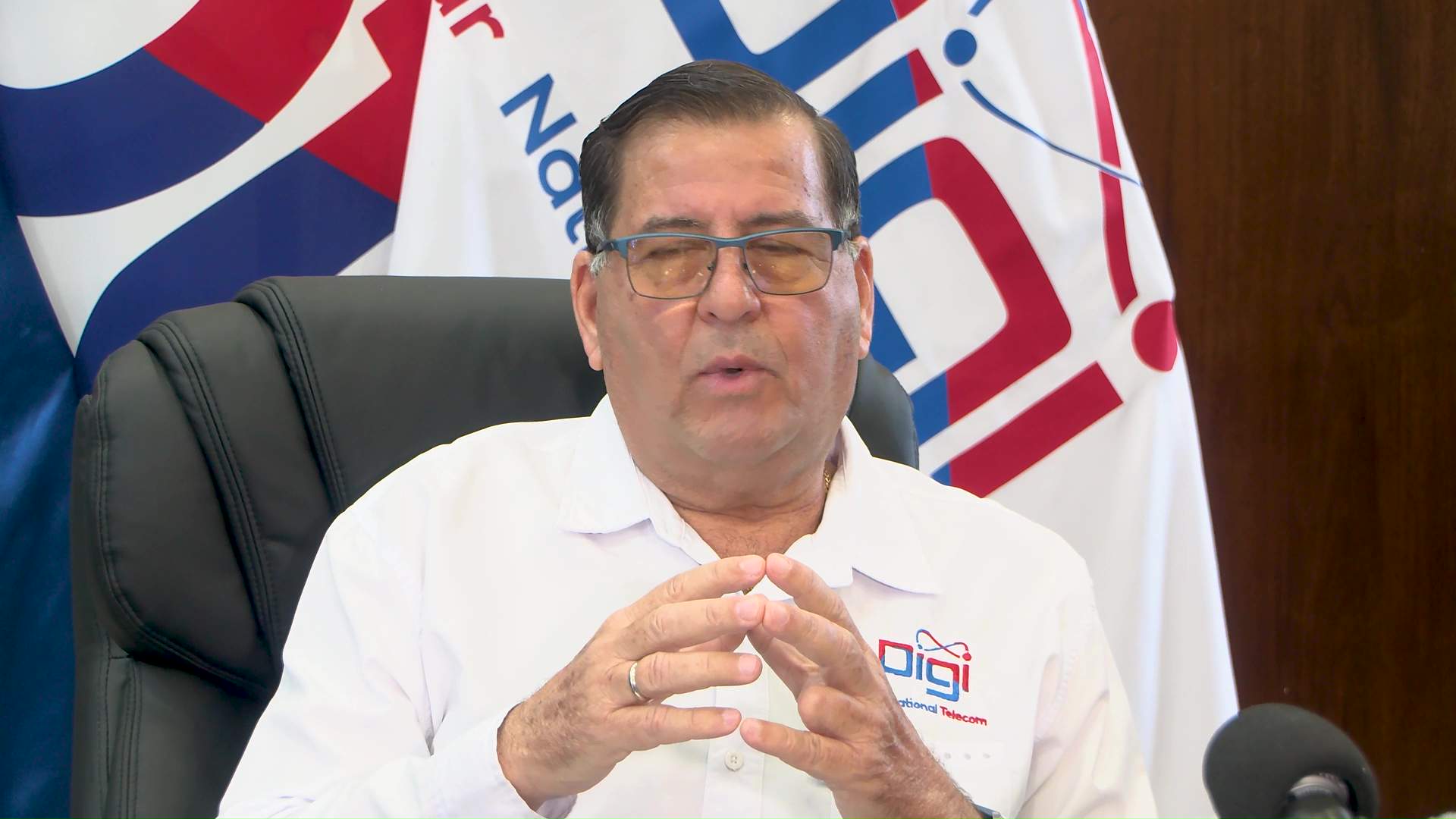
    BTL Chairman Markhelm Lizarraga has publicly addressed growing concerns regarding the company’s lack of transparency in ongoing business negotiations, citing binding non-disclosure agreements as the primary constraint. Speaking on January 9, 2026, Lizarraga emphasized that while the press has circulated potentially inaccurate information, BTL remains legally prohibited from discussing specifics due to its status as a private company engaged in confidential dealings with other private entities.

    The chairman explained that all company directors are bound by strict NDAs that prevent disclosure of negotiation details, though he attempted to provide context about the process without violating confidentiality. Lizarraga assured stakeholders that once negotiations conclude, BTL will provide full disclosure of the outcomes. His remarks highlighted the tension between corporate privacy requirements and public demand for transparency, particularly noting his wish that media organizations were similarly bound by non-disclosure agreements.

    The statement comes amid increasing public scrutiny of BTL’s operations and follows recent developments including Zach Reich’s withdrawn complaint, though the chairman did not directly address whether these events were connected to the current negotiations. Lizarraga concluded by asking for understanding and respect for the confidential nature of the proceedings while promising future transparency upon completion of the process.

  • Cane Trucks Ready to Roll at Tower Hill

    Cane Trucks Ready to Roll at Tower Hill

    Belize’s crucial sugar industry is preparing to commence operations on January 19th following a critical one-year extension of the Commercial Agreement between the Belize Sugar Cane Farmers Association (BSCFA) and Belize Sugar Industries. This development brings much-needed clarity to agricultural stakeholders after a period of severe challenges that brought the nation’s sugar sector to the verge of collapse.

    The upcoming season signals potential recovery after multiple compounding difficulties including climate change impacts, persistent crop diseases, and mounting operational pressures that have severely affected production. Last season’s harvest was particularly devastated by fusarium, a destructive fungal pathogen that substantially diminished yields and placed enormous financial strain on local farmers.

    Industry leadership expresses cautious optimism about the forthcoming season. Alfredo Ortega, Vice-Chairman of the BSCFA, noted that early interventions implemented in August have significantly reduced the severity of fusarium’s impact compared to the previous year when the damage was identified too late in October. Farmers anticipate both increased cane volume and improved quality this season.

    Final preparations are currently underway across the production chain. While farmers report readiness in the fields, attention now turns to infrastructure with the condition of sugar roads remaining a concern. Salvador Martin, BSCFA Chairman, emphasized that the tentative start date depends on successful steam trials at the milling facility and government action on road maintenance. Provided these final requirements are met, rows of cane trucks are expected to begin lining up at Tower Hill on the scheduled date, marking a hopeful new beginning for Belize’s agricultural economy.

  • Belmopan on Edge After Brazen Truck Driver Killing, Crime Fears Grow

    Belmopan on Edge After Brazen Truck Driver Killing, Crime Fears Grow

    The tranquil reputation of Belize’s capital city faces a severe test following the brutal daylight murder of a delivery driver, an incident that has triggered widespread alarm and prompted urgent community action. Fifty-five-year-old Mark Gabourel was fatally shot by motorcycle-riding assailants in a brazen attack that has left residents questioning the city’s longstanding status as a peaceful haven.

    Authorities have revealed disturbing connections between Gabourel’s killing and an earlier armed robbery at an Armenia Village grocery store, suggesting the perpetrators may be engaged in a dangerous crime spree across the region. This development has intensified concerns about organized criminal activity spreading into previously unaffected areas.

    Belmopan City Councilor Sanie Cal expressed the community’s shock, noting the victim’s innocence and the random nature of the violence. “In broad daylight in a city, a calm city which I wished stayed the same,” Cal stated. “It struck me because it could have happened to my family and also to any other family.”

    In response to the crisis, community leaders are implementing innovative approaches to combat crime. Councilor Cal has launched a social media initiative urging local businesses to contribute to a reward fund for information leading to arrests. The campaign has already garnered significant support from the commercial sector, demonstrating unusual collaboration between citizens and entrepreneurs.

    Resident and attorney Arthur Saldivar emphasized the necessity of community engagement in crime prevention. “The common man and woman on the street has to take it upon themselves to do what is necessary to be safe,” Saldivar argued, calling for greater transparency from law enforcement regarding surveillance footage collected from local businesses.

    Police Commissioner Dr. Richard Rosado has assured the public that the investigation is progressing, with surveillance systems actively providing crucial evidence. While promising imminent arrests, authorities acknowledge that lasting security will require sustained cooperation between law enforcement, businesses, and residents beyond immediate judicial actions.

    The tragedy has sparked broader conversations about public safety strategies in changing urban environments, with community leaders stressing that true security emerges from collaborative vigilance rather than solely relying on police intervention.

  • Due to pressure? Brianna Genao’s maternal grandmother’s lawyer withdraws from the case

    Due to pressure? Brianna Genao’s maternal grandmother’s lawyer withdraws from the case

    The investigation into the disappearance of three-year-old Brianna Genao in Puerto Plata has taken a dramatic turn with the resignation of the family’s legal representative. Santos Willy Liriano, attorney for the maternal grandmother of the missing girl, has withdrawn from the defense team citing overwhelming pressures he “cannot withstand,” according to sources close to the proceedings.

    The development comes amid controversial claims previously made by Liriano on a radio program, where he alleged that the girl’s uncles, Rafael and Reyes Núñez, had confessed to the crime under duress from National Police agents. These statements have created significant complications in the already complex case.

    Judicial authorities have indicated that the Prosecutor’s Office will refrain from seeking coercive measures against the accused parties until the National Police conclude their ongoing investigation. This decision adds another layer of uncertainty to proceedings that legal experts describe as shrouded in “a strong fog” of contradictions and evidentiary challenges.

    The case has captured national attention in the Dominican Republic, with the young girl’s disappearance from the Barreto area of Imbert remaining unresolved after eight days of intensive search efforts. The uncles’ inconsistent statements and the absence of an official position from the Attorney General’s Office have further complicated public understanding of the investigation.

    Legal analysts note that the attorney’s resignation underscores the intense scrutiny and pressure surrounding high-profile missing persons cases in the country, particularly those involving vulnerable children and allegations of judicial misconduct.

  • Violence Shakes Bella Vista as Area Rep Responds

    Violence Shakes Bella Vista as Area Rep Responds

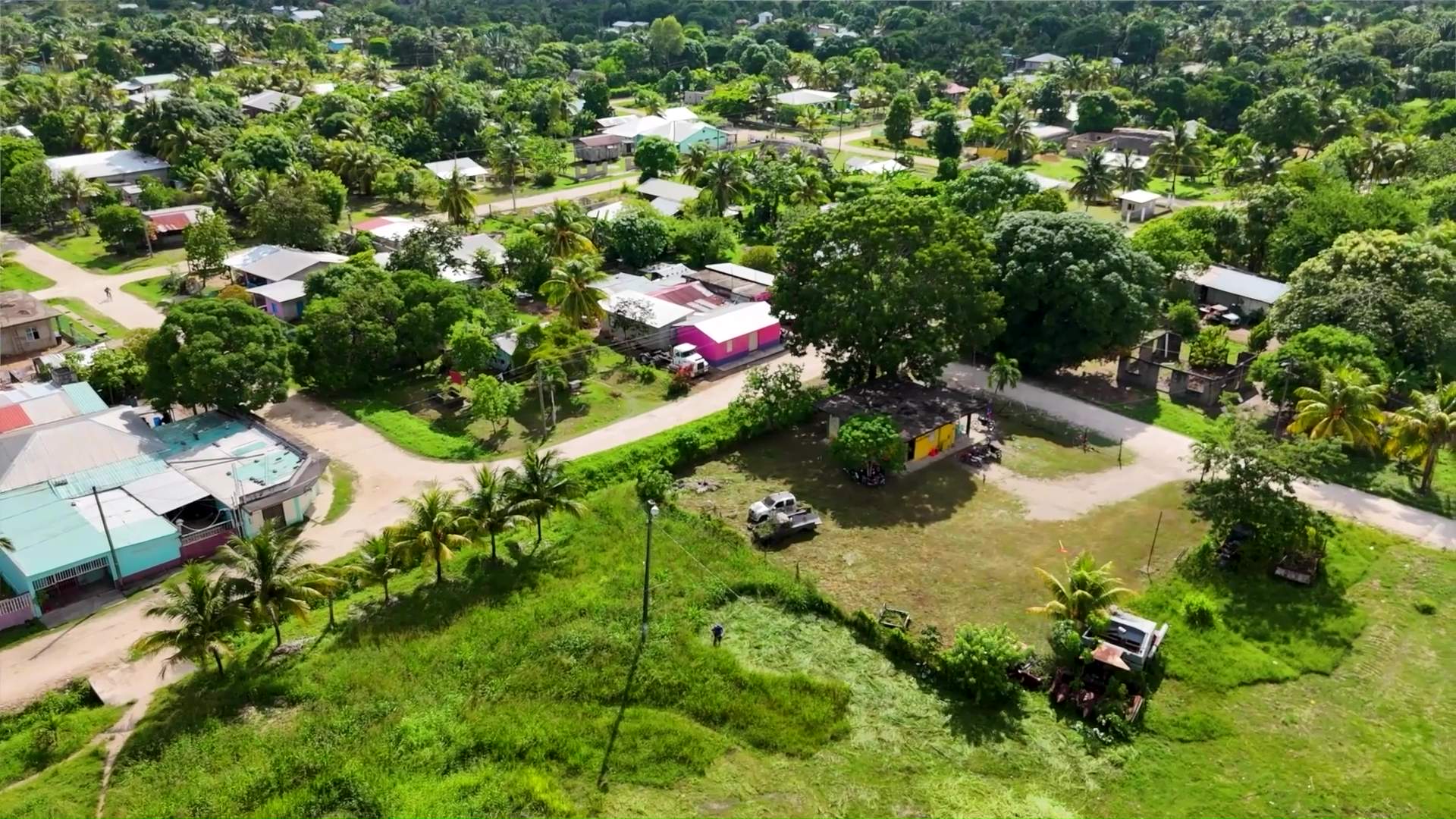
    The southern Belizean village of Bella Vista, historically celebrated for its tranquil and tightly-knit communal atmosphere, is currently confronting an alarming escalation in violent criminal activities. This recent wave of serious incidents has generated substantial unease among both the local populace and governing bodies, marking a stark departure from the community’s longstanding reputation for peace.

    Dr. Osmond Martinez, the Area Representative for Toledo East, has publicly addressed the deteriorating security situation. He characterized the circumstances in Bella Vista as profoundly disheartening, noting the village’s status as one of Belize’s newest yet second-largest settlements. Historically, the community was distinguished by its exceptionally low incidence of negative events.

    Representative Martinez articulated a theory that this surge in violence may be driven by an influx of detrimental influences, potentially originating from neighboring Central American nations. He revealed that governmental authorities had previously anticipated such developmental challenges emerging within the village.

    In response to these security concerns, Martinez outlined a comprehensive strategy focused on infrastructural and social interventions. Plans are advancing to construct a fully-equipped police station instead of the current subordinate outpost. Technological enhancements under consideration include the installation of surveillance camera networks and improved street lighting throughout vulnerable areas.

    Beyond physical security measures, Martinez emphasized the indispensable role of parental guidance in combating community violence. He invoked the traditional cultural values that characterized his own upbringing in Bella Vista—a culture where families collectively supported and monitored community children. His concluding message urged residents to reconnect with their foundational principles of unity and mutual care, advocating for a return to the cooperative spirit that once defined the village.

  • Abuse “They didn’t take care of her”

    Abuse “They didn’t take care of her”

    A recent horrific case involving three-year-old Brianna Genao González has shocked Puerto Plata and drawn national attention to the escalating crisis of sexual violence against minors. The child fell victim to kidnapping, sexual assault, and murder at the hands of her maternal uncles, highlighting the disturbing reality that perpetrators often operate within family circles.

    According to the latest National Survey of Sexual Assaults Against Women (Cipaf 2024), sexual violence against girls and adolescents under 19 has reached alarming proportions. The data reveals a 53.8% surge in cases among those aged 10-19, escalating from 13 incidents between 2013-2019 to 20 in 2022 alone. Similarly troubling trends have emerged among younger children aged 5-9.

    Social media responses to the Puerto Plata tragedy have followed a troubling pattern of blaming mothers and female caregivers, effectively diverting accountability from the male perpetrators who commit these atrocities. This response mechanism obscures the central issue: sexual predators exploiting trusted familial relationships to prey on vulnerable children.

    The societal discourse surrounding sexual assault prevention remains disproportionately focused on ‘stranger danger,’ while ignoring the more prevalent threat posed by family members. This oversight perpetuates a culture where abuse becomes invisibilized and culturally legitimized through historical normalization, typically emerging only through extreme cases that become public scandals.

    Addressing this epidemic requires comprehensive societal transformation. Experts emphasize the necessity of reshaping male behavioral patterns and challenging perceptions of women as sexual objects. Fundamental to this effort is establishing respect for female bodily autonomy as a core societal value, requiring coordinated efforts between state institutions and all community sectors to implement effective prevention and education strategies.

  • Call for Projects under the 2026-2027 UNESCO Participation Programme

    Call for Projects under the 2026-2027 UNESCO Participation Programme

    The Grenada National Commission for UNESCO has officially launched its call for funding proposals under the UNESCO Participation Programme for the 2026-2027 cycle. Eligible entities including government ministries, departments, agencies, and registered non-governmental and youth organizations are invited to submit project requests that align with UNESCO’s mandate areas.

    Project proposals must demonstrate clear relevance to UNESCO’s core sectors: education advancement, natural sciences, social and human sciences, ocean sciences, cultural preservation, communication and information technologies, and statistical development. The commission specifically encourages transdisciplinary initiatives that address youth-related challenges while delivering tangible benefits to Grenada. A fundamental consideration during project preparation must be the integration of gender equality principles, reflecting one of UNESCO’s global priorities.

    Funding allocations, capped at US$26,000 per request, may be utilized across multiple categories including program implementation, specialist consultancy services, publication production, equipment procurement, and conference organization. Study grants and fellowships also qualify for financial support under this program.

    Prospective applicants must adhere to the February 16, 2026 submission deadline using official application forms. The evaluation process will extend through mid-2026, with successful applicants receiving notification after July 2026. The Grenada National Commission for UNESCO has provided direct contact information—telephone numbers (473) 440-3162/2737 and email address [email protected]—for additional guidance regarding application procedures and eligibility criteria.

    This announcement originates from Grenada’s Ministry of Education, which oversees the national UNESCO commission’s operations. The funding initiative represents a significant opportunity for organizations to contribute to national development through UNESCO-aligned projects while addressing critical social priorities.

  • Over EC$41 million in scholarships awarded to Grenadian students

    Over EC$41 million in scholarships awarded to Grenadian students

    In a significant move to bolster national development through education, the Grenadian government has awarded 117 citizens with scholarships totaling EC$41,077,463.19. The prestigious National Scholarship Awards Ceremony, held on December 17, 2025, at the Grenada Trade Centre in Morne Rouge, showcased the country’s strategic investment in human capital development.

    The scholarship program features a diverse funding structure, with 31 awards fully funded by the Grenadian government alongside substantial contributions from international partners. These include St George’s University (SGU), the Republic of Cuba, the People’s Republic of China, the Organisation of American States (OAS), and the Commonwealth UK. New initiatives such as Pathways, supporting performing arts studies at Jamaica’s Edna Manley School, and the OECS Data for Decision Making program, highlight the expanding educational opportunities.

    Education Minister Senator David Andrew emphasized the recipients’ crucial role in national progress, stating, “You are part of the solution our country faces. You are part of the solution that our region faces, that our environment faces, that our societies face.” This sentiment was echoed by Permanent Secretary Elvis Morain, who outlined the government’s deliberate approach to aligning scholarship offerings with national development priorities.

    The scholarship recipients will pursue studies across strategically selected fields including geology, environmental engineering, computer science, law, healthcare specialties, and sustainable tourism management. Cuban-sponsored awards focus on medical fields including dentistry and ophthalmology, while Chinese scholarships cover international relations and electronic engineering. OECS scholarships concentrate on development statistics and economic finance.

    Morain articulated the government’s targeted approach: “We are going to be more strategic and purposeful in the coming year. We want to be doing not just the good things but the right things.” This philosophy ensures that scholarship investments directly address national workforce needs and prevent unemployment among returning graduates.

    Colin Dowe, Associate Dean of Admissions at St George’s University, encouraged recipients to contextualize their education within national development goals from the outset: “This investment is to help to get you educated, to become critical thinkers, to acquire skills that will be applied to our national development.” He emphasized that contribution to Grenada’s progress should begin during academic training rather than waiting until graduation.

    The comprehensive scholarship program represents Grenada’s commitment to developing expertise across multiple sectors crucial for sustainable national advancement, ensuring that educational investments yield tangible benefits for both individuals and society.

  • Villages of Petite Soufriere, San Sauveur, and Good Hope report closing out 2025 with uplifting community activities

    Villages of Petite Soufriere, San Sauveur, and Good Hope report closing out 2025 with uplifting community activities

    Three Dominican communities—Petite Soufriere, San Sauveur, and Good Hope—concluded 2025 with vibrant holiday celebrations marked by musical performances, communal generosity, and collaborative spirit. The festivities established an atmosphere of optimism and unity as residents prepared to enter the new year.

    Local entrepreneur Greg Jules spearheaded the Christmas events by organizing a ceremonial tree lighting in San Sauveur and distributing presents to attendees. His initiatives created an inclusive environment that warmly embraced both villagers and visitors.

    The San Sauveur Catholic Church Choir enhanced the seasonal atmosphere through performances of classic carols and traditional hymns. Their musical contributions infused the celebrations with both spiritual reverence and festive joy.

    Simultaneously, the Good Hope Village Council demonstrated commitment to community welfare by distributing essential care packages and gifts to disadvantaged residents. This effort ensured that charitable giving remained central to the holiday experience.

    Collectively, these activities generated widespread Christmas cheer throughout the villages, strengthening community bonds and providing residents with positive momentum heading into 2026.