作者: admin

  • Uptown Fascinators, D South Band share small pan title

    Uptown Fascinators, D South Band share small pan title

    In an unprecedented turn of events at Skinner Park, San Fernando, Southern Steel Orchestra (D’South Band) from Siparia and Uptown Fascinators from Tobago were crowned joint champions of the National Panorama Small Conventional Band Finals on January 10th. The remarkable deadlock occurred after both ensembles achieved identical scores following an intense musical showdown that extended into the early hours of January 11th.

    The competition witnessed both bands maintaining dominant positions throughout the preliminary and semi-final rounds. When official scores were announced around 2 am, the identical point totals triggered immediate celebrations as musicians from both groups stormed the stage in shared triumph. The announcement by event host Jemma Jordan created such enthusiastic responses that stage managers temporarily struggled to maintain protocol during the trophy presentation ceremony attended by Pan Trinbago president Beverly Ramsey-Moore, Culture Minister Michelle Benjamin, and Parliamentary Secretary Dr. Narindra Roopnarine.

    This represents the second consecutive year where the small band championship has been shared between ensembles from Trinidad and Tobago, demonstrating the remarkable parity in the national steelpan scene. Last year’s co-champions, Golden Hands and T&TEC East New Dimension, were unable to defend their title successfully.

    Golden Hands secured third position with 278 points despite facing significant adversity when a vehicle crashed into their rehearsal facility just hours before the competition. Their performance of ‘All Aboard,’ arranged by Vanessa Headley-Brewster, featured nautical-themed costumes and guest vocalist Tony Prescott.

    Tunapuna Tipicia Steel Orchestra claimed fourth place with 276 points, while T&TEC East Side Dimension and the Trinidad and Tobago Defence Force Steel Orchestra tied for fifth position with 275 points each. The competition overall featured six separate ties among the sixteen finalist bands, highlighting the exceptionally close nature of the musical contest.

    Uptown Fascinators delivered a visually spectacular performance of ‘Crazy’s Band From Space’ arranged by Ojay Richards, complete with science fiction costumes and a spaceship prop from which Richards made his theatrical exit. Richards noted that many prognosticators had expected East Side Dimension to claim victory, but his ensemble’s performance firmly established them as championship contenders.

    D’South Band, performing in the ninth position, generated powerful patriotic sentiment with their presentation of ‘Let Us Build a Nation Together’ arranged by Duvone Stewart. Their performance incorporated national imagery featuring the President, Prime Minister, Opposition Leader and THA Chief Secretary, alongside historical references and a voice-over recording by the late Dr. Eric Williams. This evocative presentation prompted some audience members to prematurely declare victory during the performance.

    Rikella Marshall, vice-captain of D’South Band, emphasized the special significance of their victory, noting this marked only their third appearance in the competition and their second year collaborating with arranger Stewart. She credited two months of intense preparation and personal sacrifices by band members, many of whom are students balancing academic commitments with musical excellence.

    Culture Minister Michelle Benjamin, attending her first small band finals since assuming office, praised the energetic contributions of young performers and reaffirmed governmental support for preserving cultural traditions. Meanwhile, Pan Trinbago president Ramsey-Moore congratulated all participating bands while expressing disappointment regarding logistical challenges including inadequate stage dimensions that contributed to scheduling delays. She apologized to attendees while clarifying that these issues were beyond the organization’s direct control.
  • Is a Caribbean army the answer to foreign threats?

    Is a Caribbean army the answer to foreign threats?

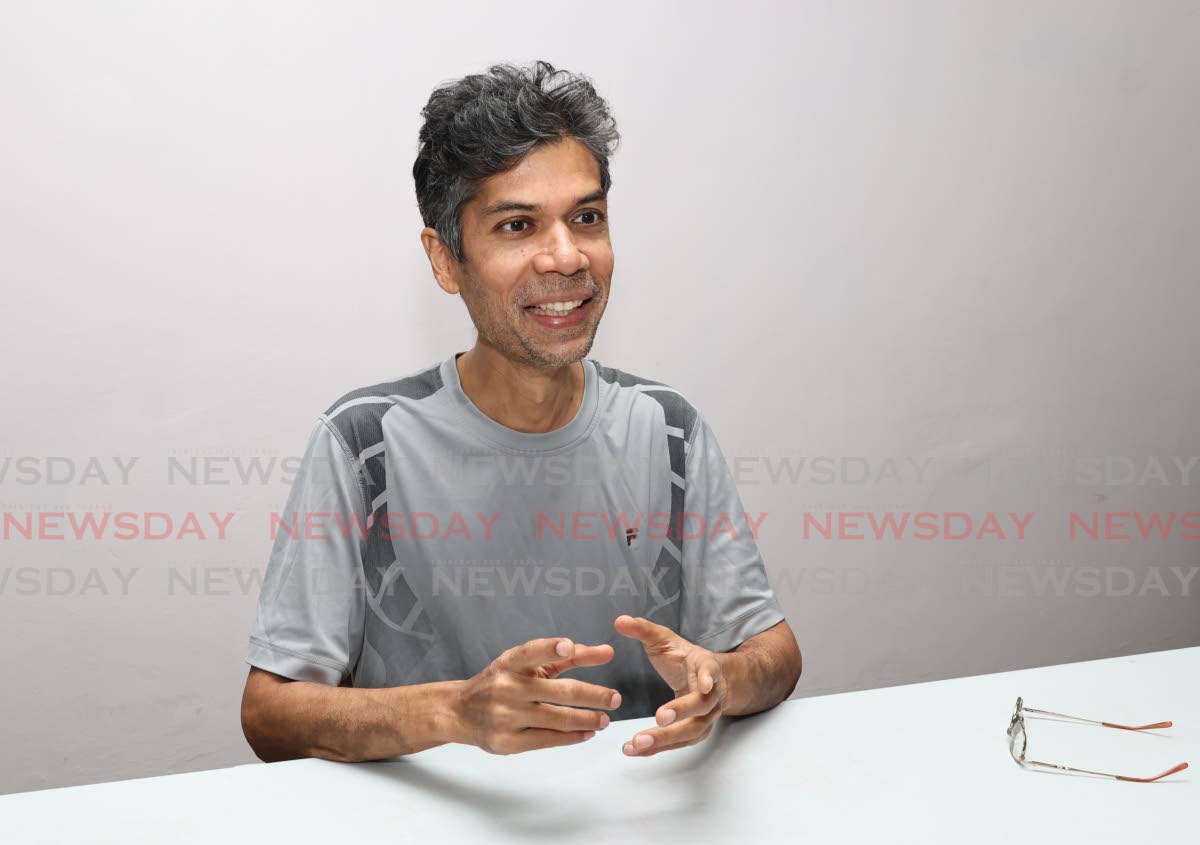
    Amid escalating global geopolitical instability, prominent historian Dr. Jerome Teelucksingh has advocated for the establishment of a unified Caribbean military force. During an exclusive interview on January 6, the University of the West Indies lecturer emphasized the urgent need for regional defense collaboration, citing increasing international hostilities and the Caribbean’s strategic position in global trade networks.

    Dr. Teelucksingh pointed to historical precedent through the British West Indies Regiment, established in 1915 during World War I, which successfully integrated over 15,600 soldiers from across the Caribbean under British command. He asserted that creating a contemporary regional army is neither impractical nor unprecedented, noting that the 20th century already demonstrated the viability of such collaborative military efforts.

    The historian proposed utilizing existing national military structures rather than building entirely new formations, suggesting incorporation through frameworks similar to the US and Canadian military systems. He emphasized the necessity of including all Caribbean nations—English, Spanish, Dutch, and French-speaking territories—while acknowledging potential challenges regarding funding allocation and inter-island rivalries.

    Critical to this vision is the development of advanced defense capabilities, including drone technology, artificial intelligence, and region-specific military research laboratories. Dr. Teelucksingh recommended educational partnerships between Defense and Education Ministries to establish military science programs at institutions like Trinidad and Tobago’s COSTATT, emphasizing the importance of regional self-reliance in defense technology development.

    However, political scientist Dr. Bishnu Ragoonath expressed significant skepticism regarding the proposal’s feasibility. He cited the region’s fractured political landscape, referencing the failed West Indies Federation (1958-1962) and current challenges with CARICOM implementation, including the incomplete adoption of the Caribbean Court of Justice and Common Market agreements.

    Dr. Ragoonath highlighted fundamental obstacles such as the absence of unified foreign policies—evidenced by multiple Caribbean embassies in Washington—and questioned the financial viability of a regional defense budget given existing commitments to institutions like the University of the West Indies. He suggested that immediate security concerns might necessitate continued reliance on former colonial powers rather than expecting rapid development of new regional institutions.

  • Government’s Carnival give and take

    Government’s Carnival give and take

    The Trinidad and Tobago government’s management approach for Carnival 2026 has triggered widespread discontent among cultural stakeholders, creating operational challenges and financial strain across the festival ecosystem. While Cabinet approved $2.3 million in funding for 145 unsponsored steelbands—providing $20,000 to conventional bands and $10,000 to single bands—this minimal support fails to address the systemic issues plaguing the cultural sector.

    The disruption extends to educational institutions, where school steelbands received inadequate notice about the relocation of finals to Skinner Park. This sudden venue change forced many school bands, dependent on community steelband equipment, to withdraw due to insurmountable transportation logistics. In response, Pan Trinbago introduced an under-19 category for Sunday’s Junior Panorama competition, prompting several school bands to rebrand and participate in this alternative event.

    Simultaneously, Culture Minister Michelle Benjamin has initiated an audit into the National Carnival Commission’s (NCC) financial management. Concerns emerged after the state entity expended its $141 million budget allocation plus a $200 million loan against mere $11 million gate receipts. This spending pattern barely covers interest on the NCC’s accumulating $178 million debt, raising questions about the commission’s fiscal responsibility and the nebulous economic benefits traditionally attributed to Carnival.

    Despite these challenges, creative communities demonstrate resilience. The National Dance Association of TT revitalizes traditional arts by reintroducing limbo to the national calendar with “Doh Fraid De Fire,” marking the first national limbo competition in nearly twenty years. Meanwhile, local committees like Couva’s Carnival Committee actively seek corporate sponsorship to supplement inadequate NCC subventions, exemplified by Thursday’s crowning of Nyasa Semper as Miss Central Trinidad.

    The overarching issue remains the absence of coherent strategy and meaningful consultation with vulnerable stakeholders. The government’s current approach resembles attempting to steer a massive vessel with abrupt, uncoordinated movements rather than implementing measured, strategic course corrections supported by verifiable economic data and transparent planning.

  • Mohit condemns elderly abuse, says all grants paid on time

    Mohit condemns elderly abuse, says all grants paid on time

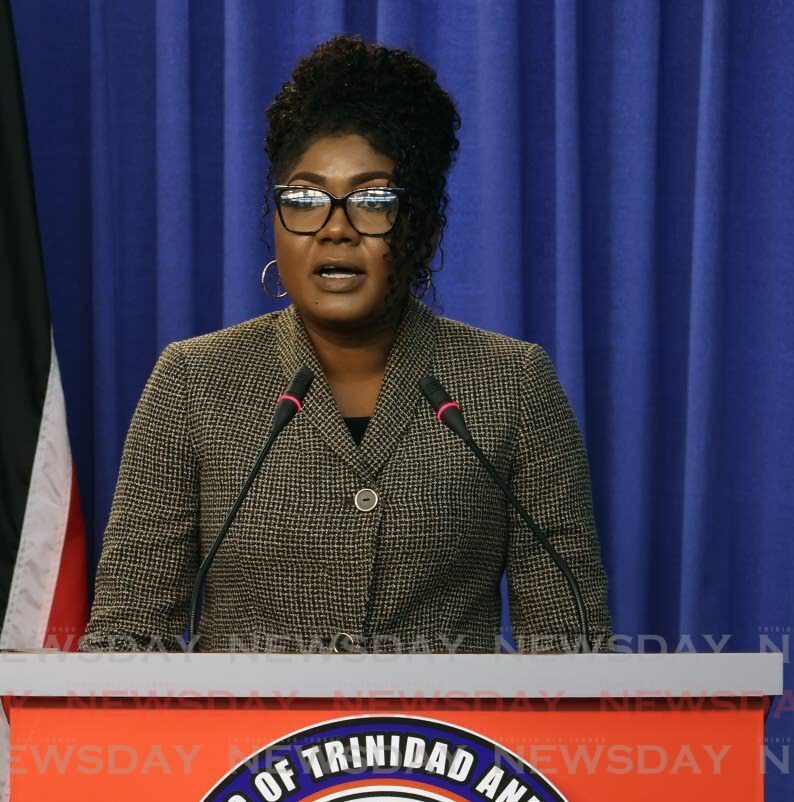
    In the wake of the tragic discovery of 74-year-old Doodhani ‘Mary’ Sooknanan’s decomposing body at her Edinburgh 500 residence, Chaguanas East MP and Minister of People, Family Development and Social Services Vandana Mohit has issued a forceful condemnation against violence targeting senior citizens. Speaking at a UNC press conference on January 11, Minister Mohit emphasized that while specific details of the ongoing investigation remain undisclosed, her government maintains a zero-tolerance policy toward elder abuse and called for collective action to protect vulnerable elderly populations.

    Simultaneously, Minister Mohit presented a comprehensive overview of her ministry’s substantial social welfare initiatives, vehemently denying allegations of reduced grant funding. She confirmed that all January 2026 social services grants were processed and disbursed by January 1, acknowledging only a minor delay attributable to technical issues at the National Insurance Board.

    The minister revealed that approximately $3 billion in pension payments has been distributed to 100,000 senior citizens through these programs. Between May and December 2025, the government allocated millions in social assistance, including $60 million through the food support program (benefiting 275+ new recipients), over $1 million in home repair grants, and $4 million in disaster relief assistance.

    Notable innovations include the inaugural implementation of temporary food card support, with Members of Parliament across all 41 constituencies receiving 60 food cards valued at $550 each for distribution during the Divali season. This initiative expanded during Christmas with 250 food cards per constituency, representing a $5 million investment.

    Minister Mohit announced forthcoming reforms to the standard means test assessment, promising modernization that would enhance fairness and better reflect contemporary socio-economic conditions. Additional initiatives include examining child poverty studies, developing a $5 million women’s health fund to address period poverty, and creating structural support systems for disabled citizens.

    The ministry is also addressing administrative backlogs through collaboration between NIB and the Immigration Division, with formal mechanisms currently in development. In sports infrastructure, Cabinet has approved designs for an inclusive sporting arena to complement the National Therapeutic and Resource Centre for Persons with Disabilities, which began preliminary operations in December 2025 and is scheduled to open fully after staffing and equipment finalization.

  • Wider protection for parents, retrenched workers

    Wider protection for parents, retrenched workers

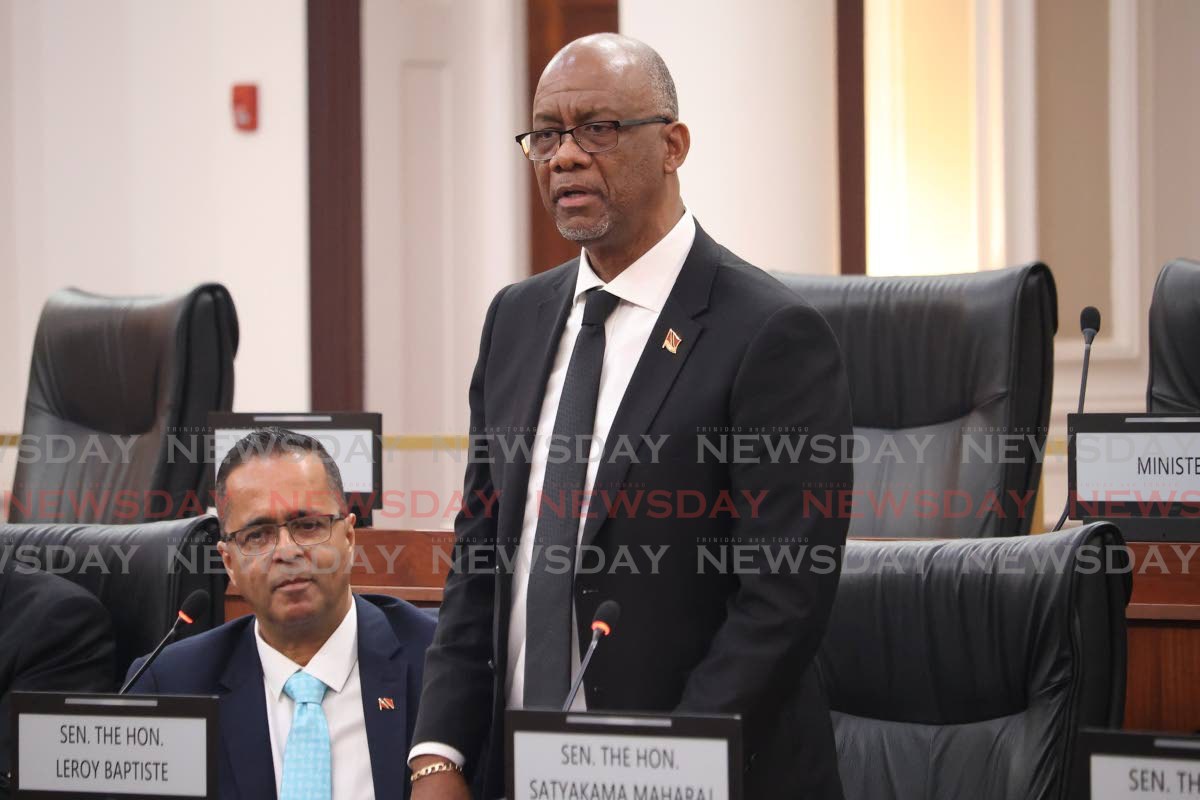
    The Trinidad and Tobago government is undertaking sweeping reforms to modernize labor legislation, offering enhanced protections for workers facing redundancy and expanding parental benefits. Minister of Labour, Small and Micro Enterprise Development Leroy Baptiste unveiled the comprehensive amendments during a January 11 press conference, addressing critical gaps in existing laws.

    The revisions to the Retrenchment and Severance Benefits Act of 1985 represent a significant expansion of worker safety nets. The proposed changes would increase severance pay calculations to three weeks’ wages per year of service for employees with one to five years of tenure, and one month’s pay per year for those exceeding five years of service—substantially improving upon current compensation structures.

    Crucially, the government is redefining ‘redundancy’ to include insolvency, receivership, and operational discontinuation, closing legal loopholes that allowed unscrupulous employers to evade severance obligations. ‘These activities would have rendered workers without any recourse under the act,’ Baptiste explained, emphasizing that the amendments would ensure compensation regardless of termination circumstances.

    Parallel reforms to the Maternity Protection Act of 1994 introduce groundbreaking parental benefits extending to fathers and adoptive parents. The amendments eliminate the 24-month limitation on leave benefits that previously penalized women for multiple pregnancies within a year. Nursing mothers will gain statutory protections for paid breastfeeding breaks, while explicit provisions prohibit termination, demotion, or reduced pay due to pregnancy, maternity, paternity, or parental leaves.

    The legal framework is also being strengthened through evidentiary shifts in discrimination cases, placing the burden of proof on employers. Industrial Court fines will be introduced for violations, and pregnancy testing for job applicants or employees will be prohibited. Contract workers gain protection against pregnancy-based non-renewal of contracts.

    Minister Baptiste confirmed the revisions are currently with the Attorney General and will be presented to Parliament shortly, reflecting the government’s urgency in addressing outdated compensation structures and procedural gaps affecting vulnerable workers.

  • TTFA boss laments gun violence: Footballers need clear path to going pro

    TTFA boss laments gun violence: Footballers need clear path to going pro

    The Trinidad and Tobago football community is confronting a devastating crisis as multiple young football talents have fallen victim to gun violence, prompting urgent calls for systemic reform. Within the past year alone, several promising players have been killed, including 27-year-old former national under-17 footballer Tekay Hoyce, 17-year-old Arima North Secondary player Zwade Alleyne, and 19-year-old Caledonia footballer Jayden Moore among others.

    TT Football Association president Kieron Edwards has identified inadequate career pathways and insufficient salaries as fundamental contributors to this tragedy. Edwards emphasizes that current compensation in the Trinidad and Tobago Premier Football League (TTPFL) fails to provide a viable livelihood, with many players earning wages that cannot support basic living expenses. “When you look at some of the salaries these young men are working for, they can’t look at it as a career,” Edwards stated in a January 11 interview.

    The association is now pursuing comprehensive restructuring to establish clear professional pathways, collaborating with international bodies for investment and engaging with government authorities. Edwards highlighted the timing is particularly appropriate as a Joint Select Committee prepares to examine the social impact of sports programs on youth delinquency and crime reduction on January 21.

    Former national women’s coach Jamaal Shabazz offered a contrasting perspective, asserting that professional football represents “a very narrow path” that requires individual assessment of financial viability. Shabazz noted that some TTPFL players earn between $5,500 and $9,000, comparable to many factory workers’ take-home pay of $4,000-$4,500 after taxes.

    Both leaders agree that addressing the crisis requires multifaceted solutions beyond football. Shabazz emphasized that criminal activity affects all societal sectors and called for politicians to ensure equitable distribution of state resources, stating that unequal allocation makes them “criminals too” in their own right. He advocated for strategic discussions with those involved in criminal activities to better understand root causes.

    The football community now seeks sustained investment in sports infrastructure, particularly in high-risk areas like La Horquetta where the establishment of La Horquetta Rangers and facility improvements have already demonstrated positive impact. Edwards stressed that investment must be continuous rather than limited to World Cup years, describing sports as “a vehicle to not only inspire the country but to save lives.”

  • Statement by BADMC on theft of yams

    Statement by BADMC on theft of yams

    Barbados is confronting a significant organized crime operation targeting its agricultural sector following the theft of approximately 10,000 pounds of yams from the Barbados Agricultural Development and Marketing Corporation (BADMC). The sophisticated theft occurred between the evening of January 2, 2026, and the early morning of January 5, 2026, marking one of several coordinated incidents across St. Philip and St. John parishes during that weekend.

    The Barbados Police Service has launched a comprehensive investigation into the large-scale agricultural thefts that are depriving local farmers of their livelihoods and causing substantial financial damage estimated in the hundreds of thousands of dollars. Authorities have alerted vendors and retailers to exercise extreme vigilance when approached with yam supplies, particularly given the commodity’s limited availability on the island.

    In response to the criminal operation, BADMC has issued stringent guidelines for large-scale purchasers. Those buying more than 100 pounds of yams are urged to demand formal invoices, verify sellers’ identities through valid Farmers’ Identification cards or Barbados National Identification Cards, and obtain confirmation of the farm origin for all produce. These measures are designed to create an audit trail that will assist law enforcement in identifying the perpetrators.

    The situation has drawn commentary from Minister of Agriculture, Food and Nutritional Security Indar Weir, who emphasized the critical role of public cooperation in combating praedial larceny (agricultural theft). Minister Weir stressed that existing laws require consistent enforcement and community participation to be effective, noting that tolerance of black market produce sales ultimately enables continued criminal activity.

    BADMC is actively encouraging citizens to assist authorities in dismantling these organized theft networks that threaten both food security and agricultural sustainability in Barbados.

  • St Kitts confirms agreement to accept certain US deportees

    St Kitts confirms agreement to accept certain US deportees

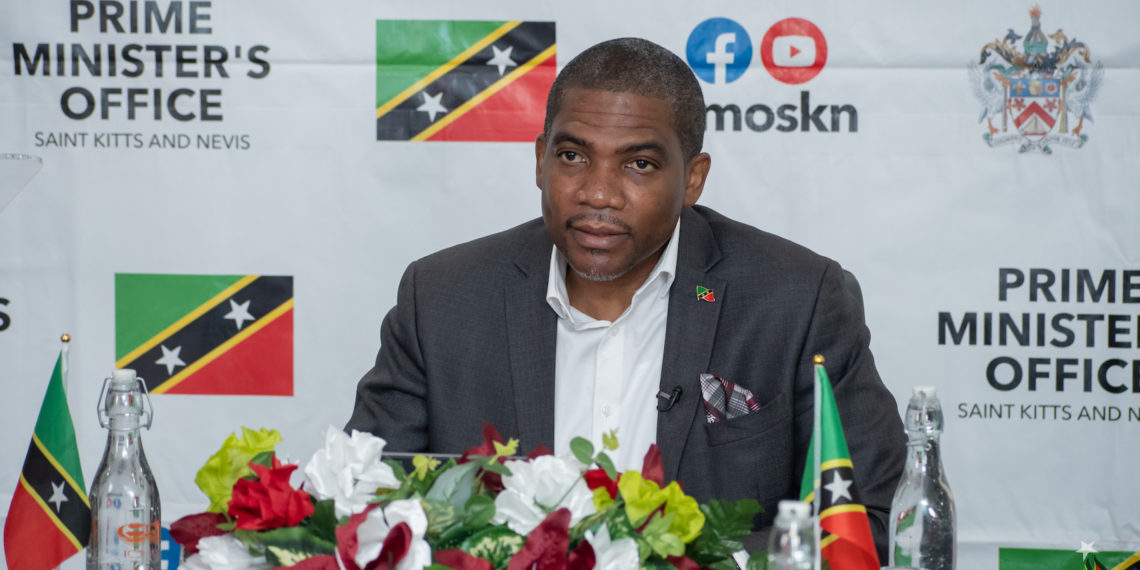
    The Federation of Saint Kitts and Nevis has officially entered into a memorandum of understanding with the United States regarding the acceptance of certain deportees and refugees, becoming the latest Caribbean nation to join this regional arrangement. Prime Minister Terrance Drew confirmed the agreement during a January 8th roundtable discussion with journalists, clarifying that the arrangement specifically applies to nationals from Caribbean Community (CARICOM) member states, with explicit exclusion of Haitian citizens.

    The agreement contains significant limitations, applying only to individuals without violent or sexual criminal histories. This development follows similar confirmations from Dominica and Antigua and Barbuda, though each nation has negotiated distinct terms within their respective memoranda.

    Dominican Prime Minister Roosevelt Skerrit emphasized the practical constraints of his nation’s small population of approximately 60,000, noting that while no specific numbers have been finalized, American authorities recognize these limitations. Security concerns regarding potential deportees were also acknowledged by both parties during negotiations.

    Antigua and Barbuda’s Prime Minister Gaston Browne provided additional context through social media statements, clarifying that his nation’s arrangement is non-binding and includes the right to reject any individual proposed by the United States. The agreement caps annual acceptances at no more than 10 deportees and explicitly excludes those with criminal backgrounds.

    This diplomatic development occurs against the backdrop of existing visa restrictions imposed by the United States on both Dominica and Antigua and Barbuda, scheduled to take effect in January 2026. Browne characterized his nation’s participation as a “measured diplomatic gesture” rather than an attempt to curry political favor, noting that over 100 governments worldwide were approached regarding similar arrangements.

    Reports suggest Guyana may also be nearing a similar agreement, while inquiries to Saint Lucia’s Ministry of External Affairs regarding potential discussions remained unanswered at the time of reporting.

  • Crop theft ‘forcing’ top grower to scale back production

    Crop theft ‘forcing’ top grower to scale back production

    Prominent Barbadian agricultural producer Richard Armstrong has reached a critical juncture in his decades-long farming career, announcing plans to significantly scale back crop cultivation following massive organized thefts targeting his operations. The owner of Armag Farms revealed that thieves systematically stole approximately 15,000 pounds of yams from his St. John fields in recent weeks, with at least 3,000 pounds disappearing in a single night.

    The Christmas period brought an alarming escalation in what Armstrong describes as ‘commercial crop theft’ rather than petty larceny. ‘These people are making a living off of it,’ he emphasized, noting the sophisticated nature of the operations that have pushed his farming enterprise to the brink of sustainability. The thefts have forced Armstrong into difficult security decisions, juggling limited protection between his yam fields in St. John and sweet potato crops in St. Philip.

    Financial analysis reveals the staggering cost of security measures, with annual expenses approaching $80,000 including private security firms—a burden that cannot be passed to consumers given stagnant pricing structures. ‘We are price takers, not price setters,’ Armstrong explained, noting that potatoes currently sell at roughly the same price as forty years ago despite significantly increased production costs.

    The psychological impact has been profound, with Armstrong describing decades of nightly anxiety about crop losses as ‘exhausting and demoralizing.’ He criticized the lack of enforcement regarding produce sales legislation, noting that receipt requirements exist on paper but remain unimplemented. The farmer also questioned why the Barbados Defence Force hasn’t been deployed as a deterrent, citing Jamaica’s successful use of military personnel to combat agricultural theft.

    Armstrong warned that continued inaction threatens national food security, as large-scale producers reconsider their operations. With lower yam yields expected due to severe drought conditions in August and September, the coming year presents particularly challenging circumstances for Barbadian agriculture.

  • Holidays 2026: These are the long weekends this year

    Holidays 2026: These are the long weekends this year

    The Dominican Republic’s Ministry of Labor has officially released the 2026 holiday calendar, implementing the nation’s unique holiday rescheduling system established by Law 139-97. This longstanding legislation allows for the strategic movement of midweek holidays to Mondays, creating extended weekends throughout the year.

    According to the published schedule, Dominican workers can anticipate seven extended holiday weekends during 2026. The system operates on the principle that when a holiday falls on Tuesday, Wednesday, Thursday, or Friday, it is automatically relocated to the preceding Monday, effectively creating three-day weekends. This approach applies regardless of whether the original holiday date falls on a Friday, with the weekend extending through Sunday.

    The 2026 holiday calendar begins with Three Kings’ Day, originally falling on Tuesday, January 6th but officially moved to Monday, January 5th. This creates the first extended weekend starting at noon on Saturday, January 3rd through Monday, January 5th.

    Subsequent extended weekends include:
    – January 24th-26th: Celebrating Juan Pablo Duarte’s birthday
    – February 27th-29th: National Independence Day observances
    – April 3rd-5th: Holy Week holidays (Good Friday observance)
    – May 2nd-4th: Labor Day celebrations (moved from first Friday of May)
    – November 7th-9th: Constitution Day observances
    – December 25th-27th: Christmas celebrations

    Additionally, 2026 features five fixed-date holidays that maintain their original scheduling: New Year’s Day (January 1), Our Lady of Altagracia Day (January 21), Corpus Christi Day (June 4), Restoration Day (August 16), and Our Lady of Mercy Day (September 24). This brings the total number of official holidays for 2026 to twelve, with seven offering extended weekend opportunities for Dominican workers and families.