作者: admin

  • Gospel singer Donnie McClurkin denies sexual assault allegations

    Gospel singer Donnie McClurkin denies sexual assault allegations

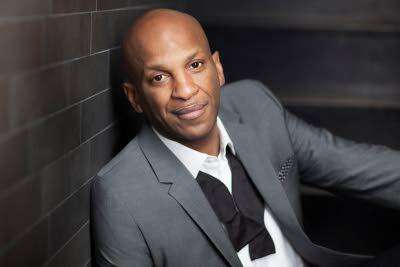
    Renowned gospel musician and pastor Donnie McClurkin has publicly refuted sexual assault accusations leveled by his former assistant, Giuseppe Corletto, in a recently filed lawsuit. Addressing his followers via a Facebook Live session, McClurkin characterized the claims as entirely baseless and motivated by financial gain.

    The artist expressed bewilderment at the allegations, noting he had neither seen nor spoken to Corletto since 2015. McClurkin emphasized the eleven-year gap since their last contact, questioning the timing and authenticity of the accusations. He suggested such false claims ultimately harm genuine victims of sexual violence while expressing confidence that truth would ultimately prevail.

    Despite acknowledging the controversy generated by the lawsuit, McClurkin maintained his commitment to transparency and Christian principles. The Grammy-winning singer stated he remains prayerful for his accuser’s spiritual reconciliation, asserting the allegations contradict his moral character and ministry work.

    According to legal documents obtained by NBC News, Corletto’s suit presents a different narrative. The former assistant claims he sought McClurkin’s spiritual guidance in 2003 while struggling to reconcile his faith with his sexuality. Then 21 years old, Corletto allegedly approached McClurkin after reading the pastor’s autobiographical book detailing how he overcame homosexuality through divine intervention.

    The lawsuit contends that spiritual sessions intended to ‘pray away’ same-sex attraction escalated into sexual molestation. These allegations emerge against the backdrop of ongoing discussions about accountability within religious institutions and the controversial history of conversion therapy practices.


  • Stacey Mirander attacks societal callousness with People Don’t Care

    Stacey Mirander attacks societal callousness with People Don’t Care

    Jamaican fusion reggae artist Stacey Mirander has released a powerful new single addressing the growing social disconnect and emotional indifference she observes in post-pandemic society. Her song ‘People Don’t Care’ serves as both social commentary and call to action, highlighting the concerning decline in human compassion that has emerged following global health crises.

    Mirander explains the creative inspiration behind her work: ‘I’ve witnessed a painful transformation in how we interact with one another. This composition captures the transition from recognizing our collective disconnection to actively encouraging people to rediscover their capacity for caring.’

    The recording benefited from collaborative excellence with Billboard-charting producer John ‘JonFX’ Crawford handling engineering duties and Karl Morrison serving as arranger and vocal producer. Together, they crafted a sound that blends Mirander’s natural reggae roots with subtle country and jazz influences while maintaining contemporary dancehall appeal.

    Interestingly, Mirander’s message contrasts with Jamaica’s top global ranking for willingness to help strangers according to the 2025 World Happiness Gallup Report, which places the island nation ahead of Liberia and Sierra Leone in generosity metrics.

    The artist cites specific tragedies that motivated her creative direction, particularly referencing a incident where a man died after being mistaken for homeless and left unattended outside a U.S. restaurant. ‘That story remained with me,’ she reflects, ‘as it demonstrates the potentially fatal consequences of our diminishing compassion.’

    Audience response has been overwhelmingly supportive, with the song sparking meaningful dialogue about balancing compassion with personal security. Mirander notes: ‘These conversations reveal that while people still possess empathy, many struggle to express it safely in complex modern environments.’

    Buoyed by this reception, Mirander is financing a music video and planning intimate performance series across South Florida venues. She aims to secure additional live events that foster connection and conversation while expanding her artistic presence.

    The Clarendon-born artist officially entered the music scene in January 2025 with previously released singles ‘Life’ and ‘Call You Mine,’ plus a successful ‘Mankind’ remix featuring Richie Spice. Her recent philanthropic included performing at the Hearts For Jamaica Relief Festival alongside legendary acts including Third World, Mr Vegas, and Ernie Smith, supporting hurricane relief efforts through Food For The Poor.

  • Sister Carol to stage Royal Birthday Bash to support hurricane recovery

    Sister Carol to stage Royal Birthday Bash to support hurricane recovery

    NEW YORK—Grammy-nominated Jamaican artist Sister Carol is transforming her birthday celebration into a humanitarian mission by organizing a fundraising event for communities devastated by Hurricane Melissa’s catastrophic impact on Jamaica. The benefit concert, dubbed Royal Birthday Bash, is scheduled for January 17 at Cultcha Palace in Brooklyn—just two days after her personal milestone.

    The decision came following Sister Carol’s emotionally charged visit to affected regions including Falmouth, Trelawny, and Montego Bay one month after the hurricane struck. Witnessing widespread destruction firsthand moved the artist to repurpose her annual celebration into a relief initiative.

    “This birthday carries profound significance due to the hurricane’s aftermath,” Sister Carol explained in an interview with Observer Online. “It becomes a dual-purpose gathering—celebrating life while mobilizing support for hurricane victims. Every contribution, however modest, accumulates into substantial aid.”

    Hurricane Melissa, recorded as a Category 5 storm with wind speeds reaching 185 mph, caused extensive damage across multiple parishes including St. James, St. Elizabeth, Westmoreland, and Hanover. Official reports confirm 45 fatalities alongside severe impacts on housing, businesses, and critical infrastructure. This represents the most destructive weather event to hit Jamaica since Hurricane Gilbert in 1988.

    The Brooklyn-based artist emphasized the diaspora’s emotional connection to their homeland: “We cannot decline assistance when offered with genuine compassion. Our love for Jamaica and humanity compels this response.”

    Joining Sister Carol at the benefit event will be prominent acts including Kulture Kartel, Alistar Vaughn, Joseph Deminsion, and the Tippatone sound system. Born in West Kingston before relocating to the United States in the 1970s, Sister Carol launched her musical career through Brooklyn’s sound system culture, maintaining deep ties to both communities.

    Her initiative adds to growing recovery efforts led by Jamaican artists worldwide, many of whom have personally visited affected areas to coordinate relief distribution and support rebuilding campaigns.

  • Amendments to Maternity and Retrenchment acts — Kamla: Major wins for working families

    Amendments to Maternity and Retrenchment acts — Kamla: Major wins for working families

    The Trinidad and Tobago government has announced a comprehensive overhaul of labor legislation, introducing what Prime Minister Kamla Persad-Bissessar characterizes as “major wins for working families.” The reforms, approved by Cabinet and announced at a UNC press conference on Sunday, represent the most significant expansion of parental protections in recent history.

    Labor Minister Leroy Baptiste revealed that the amendments to the Maternity Protection Act and Retrenchment and Severance Benefits Act will introduce groundbreaking provisions including paid paternity leave, parental leave for adoptive parents and guardians, and protections for situations where a mother dies following childbirth. The legislative package, now before the Attorney General for drafting, eliminates the restrictive rule that previously limited maternity benefits to once every 24 months.

    The sweeping reforms will establish paid breastfeeding breaks, strengthen anti-discrimination protections in workplaces, and prohibit pregnancy testing for job applicants and employees. The legislation guarantees job security by ensuring employees can return to the same position after maternity, paternity, or parental leave. Notably, the burden of proof in discrimination cases will shift to employers, and protections will extend to contract workers previously excluded from such benefits. The reforms also include provisions to fast-track related cases through the Industrial Court.

    Prime Minister Persad-Bissessar complemented the policy announcements with personal reflections on motherhood, urging young women to consider starting families without fearing career consequences. “You do not have to choose between a career and a family—you can have both,” she asserted in a Facebook post that accompanied the policy reveal. Drawing from her own experiences, the Prime Minister described motherhood as “one of the most beautiful feelings in life” and emphasized that familial love provides meaning that professional achievements alone cannot offer in later years.

    The Prime Minister’s message particularly targeted young professional women, acknowledging that while focusing exclusively on careers might seem fulfilling initially, the absence of family could lead to loneliness in later life. “All humans need love and companionship to achieve their fullest potential; women, in particular, have an inherent drive to nurture and care,” she wrote, framing the policy changes as enabling both professional and personal fulfillment.

  • St James Children’s Carnival committee appeals for funds

    St James Children’s Carnival committee appeals for funds

    The highly anticipated 36th edition of the St James Children’s Carnival, scheduled for February 8, faces significant financial challenges that threaten its continuation. This beloved junior masquerade parade, which draws hundreds of young participants and thousands of spectators along Western Main Road, St James, requires urgent sponsorship to proceed.

    Organized jointly by the St James Community Improvement Committee and the St James Children’s Carnival Committee, the event has historically relied on funding from the National Carnival Commission’s Regional Carnival Committee with additional support from local businesses. Despite persistent financial obstacles, organizers are working diligently to preserve this cultural tradition.

    This year’s celebration, themed ‘Colour Wee Carnival,’ features multiple competitive categories including King & Queen of the Bands, Band of the Year in various size divisions, Male & Female Individual of the Year, Best Use of Local Materials, Best Traditional Mas, and the special Yvonne Mungal Challenge Trophy open category.

    Registration opened on January 12 at 16 Ranjit Kumar Street, St James, with additional forms available at TTCBA’s secretariat in Queen’s Park Savannah and Crosby’s on Western Main Road. The registration deadline is February 2, with no late entries permitted.

    The event’s historical significance was highlighted by former NCC chairman Winston Peters, who in 2020 emphasized that the carnival provides children with “an extra day to jump, exhibit, palance and ramajay.” Former NCC CEO Colin Lucas further noted that children’s carnival ensures the cultural tradition continues “from one generation to another.”

    The St James Children’s Carnival has grown to become an integral component of Trinidad and Tobago’s Carnival celebrations, now rivaling adult events in both costume artistry and attendance. With over 50 registered bands and 200+ individual participants, the event serves as both cultural preservation and community building opportunity, bringing together families, friends, and visitors for a day of creative expression and celebration.

  • Towards national conversation on pollution

    Towards national conversation on pollution

    Trinidad and Tobago’s recently enacted 2025 Summary Offences Amendment Act, designed to regulate fireworks usage through permit requirements, faces substantial criticism for its inherent contradictions and inadequate enforcement mechanisms. While the legislation aims to protect vulnerable populations and animals, experts identify significant flaws that may undermine its intended purpose.

    The amendment mandates that fireworks users obtain permits from the police commissioner, yet creates explicit exemptions during national holidays at 8-9 PM and on Old Year’s Eve from 11:30 PM to 12:30 AM. These waivers directly conflict with the legislation’s protective goals, as they authorize heightened fireworks activity precisely when traditional celebrations like Divali, Christmas, and Old Year’s observances occur—periods when pyrotechnic usage traditionally peaks.

    Environmental and health concerns present additional challenges. The law permits fireworks usage within 0.5 kilometers of sensitive areas including hospitals, farms, forests, parks, and zoos, potentially exposing humans and animals to dangerous pollutants. Scientific evidence indicates that fireworks emit strontium, barium, and aluminum particles that can trigger respiratory issues such as coughing and breathing difficulties. A 2020 Environmental Management Authority survey confirmed that fireworks exposure causes sleep deprivation, irritability, and anxiety in humans, while animals experience panic, trauma, and habitat displacement.

    The amendment’s enforcement mechanisms appear particularly insufficient. Violators face mere $450 fines—a sum unlikely to deter dedicated fireworks enthusiasts—while permits cost only $100, making legal compliance relatively inexpensive. This contrasts sharply with the United Kingdom’s model, which imposes fines equivalent to thousands of dollars for illegal fireworks usage.

    Legal experts question whether the amendment will achieve meaningful change, noting that Trinidad and Tobago already had fireworks regulations under the Explosives Act. The Supreme Court of India’s recent recognition that fireworks bans often create unpoliceable informal economies raises relevant concerns about enforcement practicality in the Trinidad and Tobago context.

    Commentators suggest that rather than implementing potentially redundant legislation, the government should convene a parliamentary joint committee to comprehensively examine human-induced noise and air pollution impacts on all living creatures. Such dialogue should include environmental NGOs, religious groups, and industry stakeholders to develop more effective solutions grounded in intelligent discourse rather than political expediency.

  • Ministry: Post on Licensing Office hours is fake

    Ministry: Post on Licensing Office hours is fake

    The Ministry of Transport and Civil Aviation of Trinidad and Tobago has issued an official alert regarding fraudulent information circulating through digital channels. On Sunday, the ministry formally discredited a fabricated media release titled ‘Revised Operating Hours of Licensing Division’ that has been spreading across online platforms.

    In an unequivocal statement, the ministry confirmed that all Licensing Division offices throughout the dual-island nation maintain their standard operational schedule of Monday through Friday from 8:00 AM to 4:00 PM. No changes to these hours have been implemented or are currently planned.

    The ministry emphasized the critical importance of obtaining information through authorized channels only. Citizens were expressly advised to disregard the misleading notice and instead rely exclusively on the ministry’s official communication platforms for verified updates and announcements. This precautionary measure aims to prevent public confusion and ensure that citizens receive accurate information regarding government services.

    This incident highlights the ongoing challenge of digital misinformation affecting public institutions. The ministry’s proactive response demonstrates its commitment to transparency and accurate information dissemination while safeguarding citizens from potentially disruptive false claims.

  • State loses battle for Valsayn lands

    State loses battle for Valsayn lands

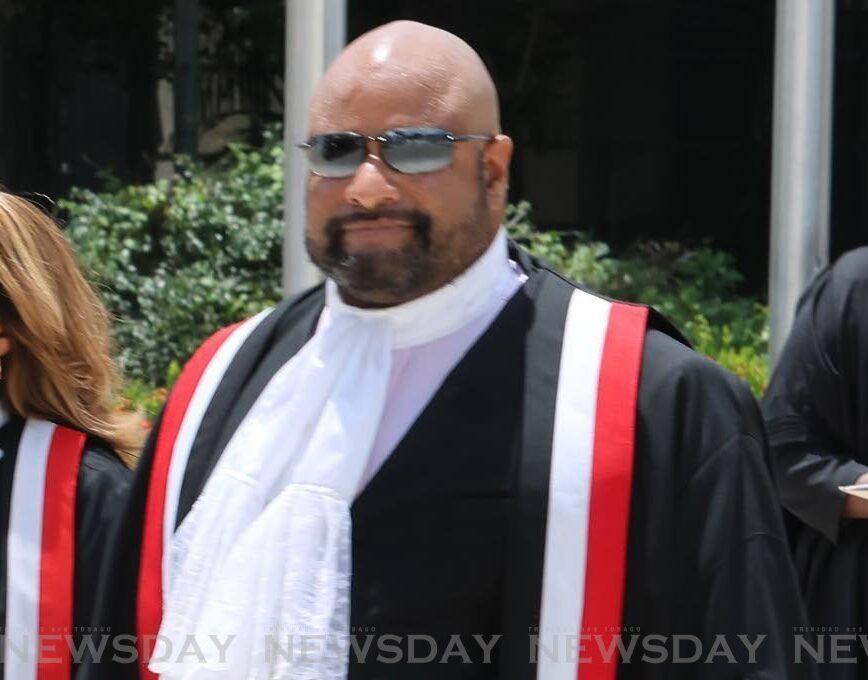
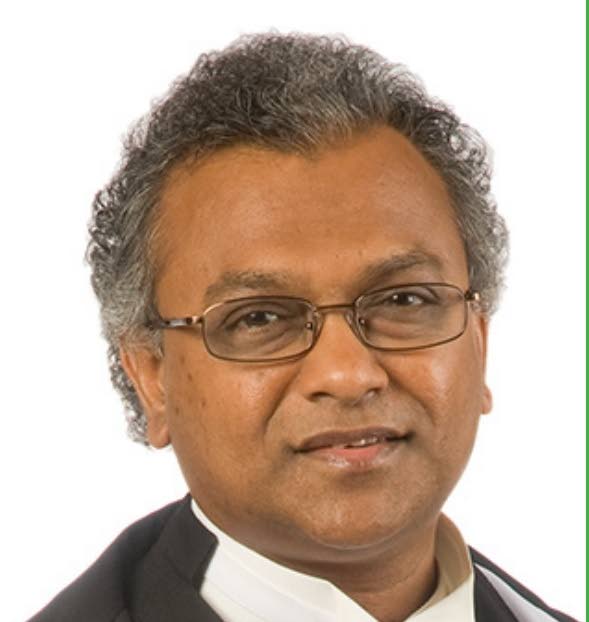
    In a landmark property rights decision, Trinidad and Tobago’s High Court has resolved a decades-long dispute between Dipcon Engineering Services Ltd and the Housing Development Corporation (HDC) regarding ownership of over eight acres of valuable State land in Valsayn South.

    Justice Westmin James delivered a comprehensive 50-page ruling establishing that Dipcon lawfully acquired ownership through adverse possession, having maintained open, exclusive, and continuous control of the property for well beyond the statutory limitation period. The court determined this extended occupation effectively extinguished the State’s title, granting the engineering company legal entitlement to the property.

    The contested parcel at Real Springs East, Valsayn South, near the Southern Main Road, became the center of a complex legal battle. Dipcon asserted continuous occupation since May 1981, while the Attorney General and HDC maintained the land was acquired by the State in 1979 for public purposes and subsequently vested in state housing authorities.

    The court meticulously examined the property’s history, noting that Dipcon initially entered the land without permission to support construction works on the Valsayn housing project. Evidence demonstrated the company conducted extensive improvements including clearing and filling approximately seven acres, erecting buildings and perimeter fencing, installing utilities, operating a concrete batching plant, and maintaining continuous security and commercial use over several decades.

    A pivotal legal question addressed whether occupation time while the land was State-owned could count toward adverse possession after transfer to a non-State entity. Justice James ruled that Dipcon’s possession satisfied the applicable limitation period and that subsequent vesting in housing authorities did not invalidate accrued rights.

    The court rejected arguments that Dipcon lacked necessary intention to possess the land, finding the company’s conduct demonstrated clear intent to control and exclude others, including paper title holders. The judge noted that physical acts of possession were “substantial and enduring” and represented “acts of dominion” rather than transient or equivocal use.

    While upholding Dipcon’s claim against HDC, the court dismissed the corporation’s counter-claim against the engineering firm and similarly dismissed Dipcon’s claim against the Attorney General. The ruling establishes significant precedent regarding adverse possession rights against state entities in Trinidad and Tobago.

  • Clico Investment Bank claim against Clico thrown out

    Clico Investment Bank claim against Clico thrown out

    In a significant ruling with implications for corporate insolvency proceedings, Trinidad and Tobago’s High Court has definitively rejected CLICO Investment Bank Ltd’s attempt to reclaim over US$43 million from its parent company, CL Financial Ltd. Justice Kevin Ramcharan delivered the decisive judgment, affirming the joint liquidators’ earlier determination that the substantial financial claim was legally time-barred and evidentially unsupported.

    The complex litigation centered on CIB’s effort to challenge liquidators Hugh Dickson and David Holukoff’s rejection of its proof of debt submission. This claim originated from eight commercial papers issued between November 2006 and December 2008, totaling US$33,067,718.95 in principal with additional interest claims of US$10,282,990.84. The Deposit Insurance Corporation, serving as CIB’s appointed liquidator since October 2011, had endorsed the application against CL Financial.

    Justice Ramcharan’s thorough examination revealed critical flaws in CIB’s legal position. The court determined that the contractual claim had expired long before CL Financial entered liquidation proceedings, rendering it statute-barred under applicable limitation laws. The unsigned loan schedules presented as evidence were deemed insufficient to revive the limitation period, as they failed to demonstrate clear purpose or constitute unequivocal acknowledgment of outstanding debt.

    The judiciary further dismantled CIB’s alternative legal arguments seeking to circumvent the limitation issue. Claims alleging fiduciary duty breaches, constructive trust arrangements, and unjust enrichment were systematically rejected. The court found no evidence that CL Financial exercised the necessary control over CIB to qualify as a shadow or de facto director, noting that former financial director Michael Carballo’s statements failed to establish the requisite level of oversight for such fiduciary obligations.

    Regarding unjust enrichment allegations, Justice Ramcharan agreed with the liquidators’ characterization that the dispute remained fundamentally contractual in nature. The court warned against allowing creative legal reframing to bypass statutory limitation periods, emphasizing that such approaches would undermine the foundational principles of debt limitation law.

    With both entities undergoing compulsory liquidation, the court ordered each party to bear its own costs, bringing finality to this protracted intra-group financial dispute that has spanned over a decade.

  • Doctor’s court application dismissed

    Doctor’s court application dismissed

    In a significant judicial ruling, the High Court has rejected a medical doctor’s attempt to advance his judicial review claim against the Children’s Authority without the agency’s defense. Justice Robin Mohammed delivered the comprehensive written decision that simultaneously denied the Authority’s motion to dismiss or suspend proceedings, ensuring the constitutional challenge will be heard on its substantive merits.

    The case originated from the Children’s Authority’s August 16, 2022 decision to remove the physician’s two minor children following allegations of abuse. The doctor subsequently filed a fixed-date claim on December 21, 2022, contending the removal was unreasonable, arbitrary, and violated his constitutional rights to due process and family life under sections 4(b) and 4(c) of the Constitution.

    Justice Mohammed characterized the doctor’s request for undefended proceedings as ‘draconian’ in nature, noting that such relief effectively amounted to a default judgment—expressly prohibited in fixed-date claims under Civil Proceedings Rules. However, the court demonstrated judicial flexibility by granting the Authority’s application for extended filing deadlines, acknowledging confusion regarding whether the agency qualified as ‘the state’ for procedural purposes, compounded by staffing transitions within its legal team.

    The court determined that while the Authority missed the standard 28-day response window, the delay was relatively brief and unintentional. Justice Mohammed emphasized that the public significance of child protection matters and the seriousness of constitutional allegations warranted hearing the Authority’s evidence. ‘The prejudice to the claimant of a short further delay is outweighed by the greater prejudice to the administration of justice in deciding such a claim without the defendant’s evidence,’ the judgment stated.

    Additionally, the court rejected arguments that the judicial review constituted an abuse of process or improper collateral attack on prior Children’s Court and Court of Appeal decisions that had upheld interim wardship orders. The ruling distinguished the current proceedings as addressing distinct public law and constitutional issues regarding the lawfulness of the initial removal—matters not previously adjudicated.

    The court also denied an alternative application to stay proceedings pending parallel Family Court actions, reasoning that such suspension would unjustly delay resolution of constitutional complaints without advancing judicial efficiency. The Authority must now file its response affidavit within 21 days, with the case scheduled for case management conference on February 5. Costs determinations were reserved pending final resolution of the substantive claim.