
Controversy has erupted around two high-stakes club cricket rulings in Barbados, pushing the Barbados Cricket Association (BCA) to break its long-standing practice of only publishing final decision outcomes and address widespread public criticism of its Complaints and Disputes Committee head-on. The BCA has now released full reasoning behind the two disputed rulings from the recently concluded 2026 Elite and First Division seasons, while also pushing back against unsubstantiated claims of institutional bias and defamatory remarks targeting its leadership, staff and adjudicators. After weeks of unregulated public debate that the BCA says has been marked by widespread misunderstanding of competition rules and disciplinary processes, the governing body is implementing a permanent shift in how it communicates match protest rulings to the public. The first contested decision centers on a First Division match between Yorkshire and Carlton at the Desmond Haynes Oval back in April. Yorkshire filed an official protest after the match, arguing that Carlton had violated playing regulations by using a player who had already competed that same day for Carlton’s Intermediate squad against the Psychiatric Hospital team as a late substitute. Carlton did not deny that the player had featured as a substitute following the conclusion of his lower-division fixture, but the club defended the call by arguing that the substitution did not alter the final match result and cited ongoing, widespread struggles for local clubs to field enough eligible players on matchdays. Yorkshire countered that the impact on the match result was irrelevant under the rules – a violation of eligibility rules had occurred, regardless of outcome, and that warranted a forfeiture. The Complaints and Disputes Committee unanimously backed Yorkshire’s argument, ruling that Carlton had clearly breached playing conditions and forfeited the match. All 16 points – 12 full match points plus four earned bowling points – were awarded to Yorkshire, while Carlton was stripped of all points from the fixture. In an unusual move, the committee itself acknowledged the systemic challenges Carlton cited, calling for the BCA to urgently revise substitute eligibility rules to better account for widespread player shortage struggles across local clubs. The BCA Board has also been asked to review the case to determine if any leniency can be granted to Carlton within the bounds of existing rules, and Yorkshire’s protest filing fee has already been refunded. The second controversial ruling dates to June, when Elite Division side Wildey filed a protest over Windward’s inclusion of player Kyle Ramdoo in their fixture at Dash Valley. Wildey argued that Ramdoo did not meet eligibility requirements, a claim that Windward’s own leadership confirmed during the adjudication process. According to the committee’s official report, Windward had initially registered Ramdoo, but was forced to deregister him after it was confirmed he had not completed official club membership. Ramdoo had only arrived in Barbados on June 11, just 48 hours before the match kickoff, leaving insufficient time to complete the mandatory membership approval process. The hearing also revealed deep internal division within Windward over the decision, with the club’s playing group openly pushing back against the leadership’s choice to deregister Ramdoo – a rift the committee described as “obvious turmoil” within the club. Adjudicators recommended that BCA leadership meet with Windward officials to help reconcile the internal split, but made clear that internal club disagreements did not override the clear eligibility rule violation. The committee ruled that only fully paid, approved club members are eligible to compete, and Windward’s use of an unapproved non-member violated this core regulation. As a result, all 20 points – 12 full match points, plus four bowling points and four batting points earned by Wildey – were awarded to the side, while Windward was stripped of all points from the fixture. Like Yorkshire, Wildey had its protest filing fee refunded in full. Alongside publishing details of the two rulings, the BCA issued a sharp rejection of widespread claims that its staff had improperly influenced clubs to file protests, or manipulated the adjudication process. The association stressed that all match protests must be filed within 24 hours of a match’s conclusion under official rules, and that claims of institutional interference are “just not tenable.” It also emphasized that the BCA Board of Directors has no involvement in the complaints process: once a protest is received by the BCA Secretariat, an independent panel of available Complaints and Disputes Committee members with no ties to either involved club is assembled to hear the case. “At no time is the complaint sent to and or discussed with any members of the Board,” the BCA said in its official statement. The BCA also addressed a separate incident that circulated widely on social media, which occurred during a Series 2 Intermediate competition fixture hosted by Empire. The association confirmed that the committee has heard the case and submitted formal recommendations to the BCA Board and involved clubs, but has chosen not to release any details because the incident involves a minor. The governing body explained that releasing sensitive information about the case could cause lasting harm to the child’s well-being and future prospects. Looking forward, the BCA says the recent controversy – which has included what it calls potentially defamatory statements targeting its leadership, staff and panel members – has prompted a permanent change to its communication policy for protest rulings, moving from only announcing final outcomes to publishing full reasoning for all major decisions to improve public understanding of local cricket rules and processes.
作者: admin
-
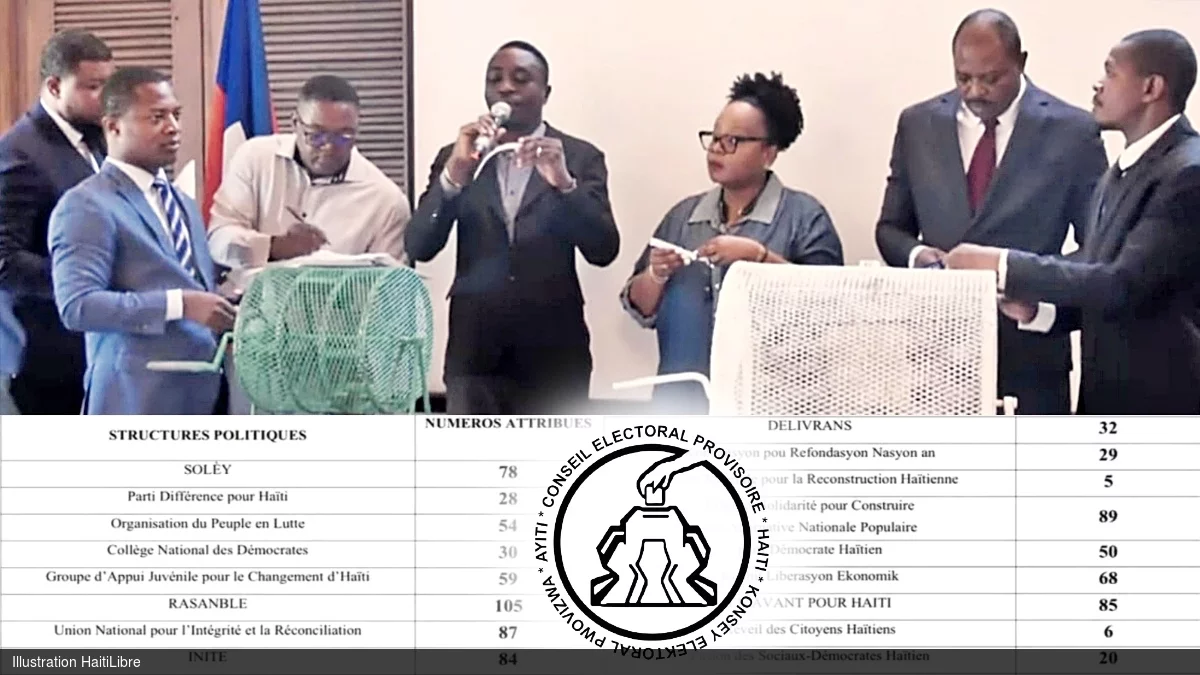
FLASH : Draw for campaign numbers assigned to political parties and groups (List)
Haiti’s path toward restoring democratic governance took a key step forward this week, as the country’s Provisional Electoral Council (CEP) concluded a public, randomized draw to assign official campaign numbers to all political entities qualified to participate in upcoming national elections. The ceremony, held August 20, 2026, brought together a broad cross-section of domestic and international observers to reinforce commitments to a transparent electoral process after years of ongoing national crisis.
In attendance were voting from sitting CEP members, CEP Director General Uder Antoine, Haiti’s Minister for the Status of Women and Women’s Rights, official representatives from all competing political parties and groups, representatives of Haiti’s national and international development and election partners, members of the national and international press, and CEP administrative staff. This multi-stakeholder presence was structured to ensure every step of the draw process was open to public scrutiny.
Opening the event, CEP President Jacques Desrosiers framed the draw as a critical milestone for Haitian democracy. After more than 10 years of overlapping political, economic, and security crises that have crippled state function and eroded public trust in governance, Desrosiers noted that the upcoming elections represent a long-awaited opportunity for Haitian citizens to renew their national leadership.
Desrosiers used his opening remarks to reaffirm the CEP’s institutional commitment to upholding core democratic standards throughout the electoral cycle. The council, he stressed, would work to ensure a process rooted in fairness, impartiality, full transparency, and equal treatment for every competing political force, regardless of size or existing political influence. This commitment is designed to guarantee a level playing field that allows all qualified parties to compete freely for voter support.
Following the opening address, CEP Councilor Yves Marie Edouard walked attendees through the formal procedures for the draw, which would assign unique identifying numbers to a total of 105 competing political entities: 88 registered political parties and 17 independent political groups. To eliminate any potential bias or manipulation, the process relied on a simple, verifiable physical randomization system: two separate rotating drums were used, one holding slips of paper printed with the name of each political entity, and the other holding the corresponding unique campaign numbers. Representatives drew each entry publicly, resulting in a fully randomized assignment that was observed by all in attendance.
The entire draw process unfolded in a calm, orderly atmosphere that observers described as conducive to open accountability. Stakeholders from across the political spectrum and the international community noted that the inclusive, public nature of the event has already helped strengthen confidence in the credibility of this early stage of the electoral process.
In closing remarks, CEP Director General Uder Antoine extended thanks to all participating political representatives, national observers, and international partners for their attendance and collaborative engagement with the process. He also issued a key reminder to all competing entities: the official window for candidate registration will open the following day, August 20, 2026, marking the next formal step toward holding the long-delayed elections. The full, official list of all 105 political organizations and their assigned campaign numbers is available for public download via the HaitiLibre document portal.
-
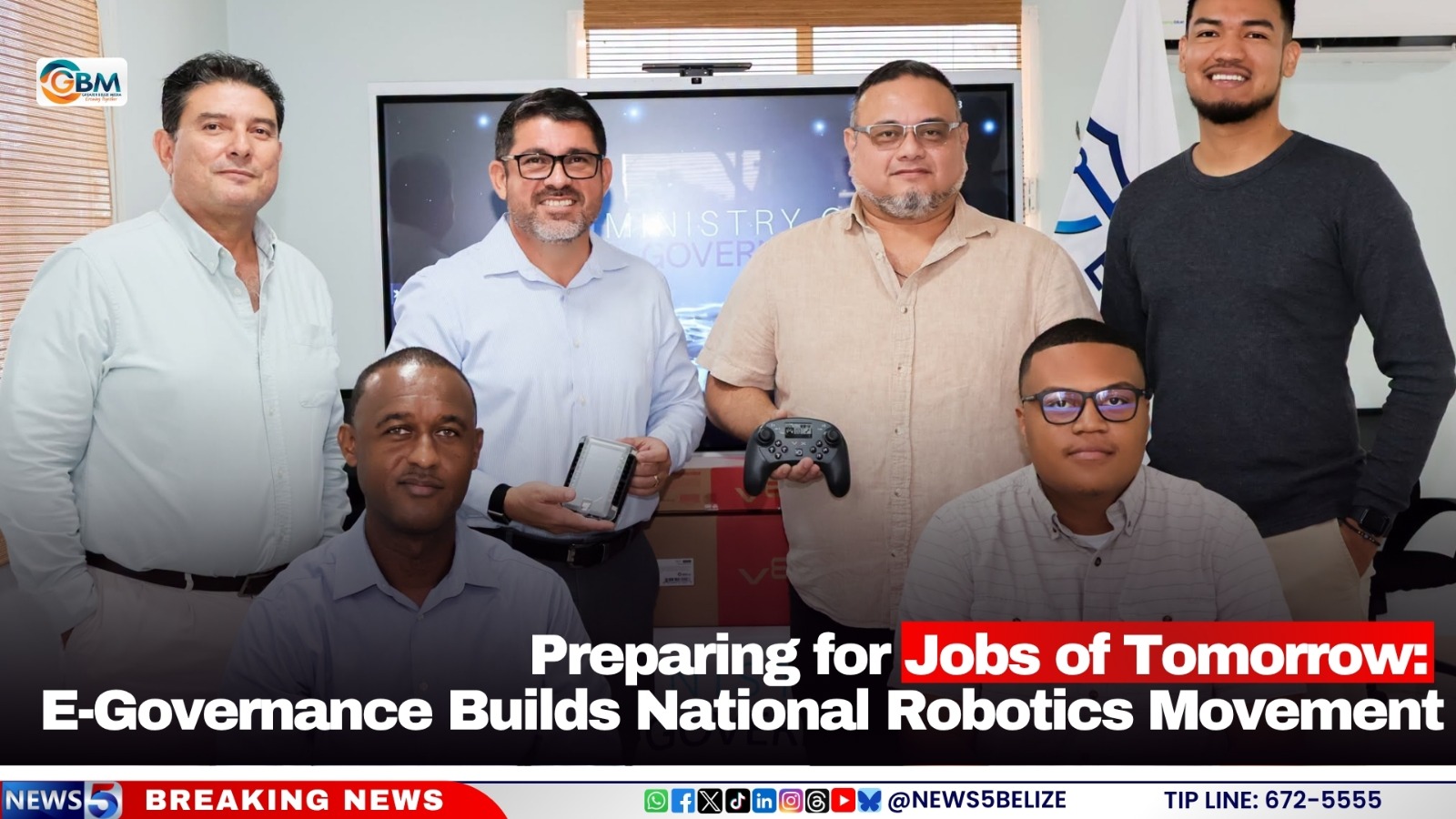
Preparing for Jobs of Tomorrow: E-Governance Builds National Robotics Movement
On August 20, 2026, Belize kicked off an ambitious national effort to integrate advanced robotics education into secondary and post-secondary learning institutions across the country, starting with a high-tech donation to the University of Belize (UB) from the nation’s Ministry of E-Governance.
The donation, a fully equipped VEX V5 Classroom Super Robotics Kit, was delivered to UB’s Jaguar Tech Studio to transform how students engage with engineering and technology education. Comprising more than 1,500 individual components—including precision smart motors, responsive environmental sensors, and durable modular structural parts—the kit enables learners to bridge the gap between theoretical classroom learning and practical, hands-on innovation. Students can now design, build, and program fully functional dynamic robotic systems from scratch, gaining tangible experience that aligns with emerging global tech industry standards.
Jose Urbina, Chief Executive Officer of the Ministry of E-Governance, confirmed that the Belize Robotics Federation will be the next recipient of one of the specialized kits. While institutions for the three remaining initial kits have not yet been finalized, the ministry has already committed to procuring an additional five units to roll out to qualifying educational and technical institutions across all regions of Belize.
“Our core vision for this initiative is to build the critical infrastructure and capacity we need to prepare Belizean youth for the jobs of tomorrow,” Urbina explained in an interview following the handover. “We want to empower students to leverage their creativity and innovation, building one-of-a-kind projects using these robotic kits that solve real local challenges.”
Beyond equipment distribution, the Ministry of E-Governance has partnered with the Belize Robotics Federation to develop and roll out standardized robotics training courses that will be accessible to institutions across the entire country, ensuring consistent skill development regardless of geographic location. A key long-term goal of the initiative is to grow Belize’s presence and competitiveness at premier global robotics events, most notably the annual Robotics World Championship.
Urbina emphasized that competing on the international stage delivers far more than just recognition for young participants. “The ultimate outcome we’re working toward is increased representation from Belize at the Robotics World Championship,” he said. “These competitions give our young people invaluable exposure to cross-cultural teamwork, collaborative problem-solving, and cutting-edge engineering practices that they can’t get from a textbook alone.”
To expand the reach of the initiative, Urbina issued an open invitation to all interested educational institutions across Belize to connect with the Belize Robotics Federation to apply for a kit and join the growing national movement to build a stronger, more innovative tech-focused education ecosystem for the next generation.
-

Greater Belize Media Wins Big at Caribbean Media Awards
The 37th annual Caribbean Broadcasting Union (CBU) Media Awards wrapped up in Georgetown, Guyana on Wednesday, August 20, 2026, with an outstanding performance from Belize’s Greater Belize Media (GBM), which secured five top awards and four special mentions across multiple categories of regional media competition. Drawing entries from media professionals across 13 Caribbean countries and territories, this year’s ceremony recognized outstanding work across 56 distinct categories spanning traditional reporting, digital innovation, production, creative content, and specialized rights-focused coverage.
Of the nine total honors earned by Belize-based outlets at this year’s event, GBM claimed eight, with the only remaining recognition going to a special mention for The National Channel. GBM’s most celebrated wins centered on its impactful coverage of children’s rights and youth issues in Belize, a beat that has emerged as a key priority for the outlet. Reporters Britney Gordon and videographer George Tillett took home two awards: first, the Child Rights Champion prize for Investigative Reporting for their story *Special Ed Students Locked Out of School Two Days Straight*, and second, the top honor in the Children Who Inspire Story category for their piece on Belize’s Children’s Parliament debate over adolescent health access.
For Gordon, the regional recognition was a powerful validation of the long hours and collaborative work that goes into accountability reporting. “I feel very proud and very honoured. It’s a very big accomplishment, not just to me, but to the entire team, that we were able to be recognised for our reporting on that,” Gordon shared. “It’s certainly validating to the hard work, late nights sometimes, taking work home, early mornings. So just to see that that is recognised regionally is very rewarding.”
Paul Lopez, another contributor to the award-winning special education investigative story, emphasized that the real impact of the outlet’s work comes from its connection to local communities. “At the end of the day, we are telling Belizean stories, and we are Belizeans telling those stories or telling our own stories,” Lopez noted. “It takes teamwork, and it’s a collaborative effort. So while we may be recognised individually on the awards, there are other handful of names of people that really make the dream work at GBM.”
One of GBM’s wins also signals a shifting landscape for modern newsrooms, as the outlet’s Benita Keme-Palacio took home the prize for Best Social Media Content Creator, a category that reflects the growing importance of digital engagement in journalism. Keme-Palacio explained that the role of a social media content creator in news is far from traditional, and focuses on making reporting accessible to audiences on the platforms they use daily. “Being a content creator in a newsroom isn’t exactly the traditional role that we think about when we hear ‘journalist’ or ‘reporter’,” she said. “It is a role that works hand in hand with our reporters. It’s this whole other side of a newsroom that asks: How do we get this information into people’s hands? How do we make it understandable, engaging and accessible through the platforms they’re actually using?”
She added that the award recognizes not just individual work, but the broader evolution of digital journalism across the region. “So, this award is not just a personal achievement for me, but also an acknowledgement of the digital team and the work we’re doing to make sure News 5 continues to meet people where they are. And I’m incredibly proud to be part of that.”
The night also brought individual recognition for Rick Romero, who won Best Videographer, and additional honors for his creative comedy sketch *Grinch Steals Christmas at GBM*, created alongside colleagues Sheena Smith and Nisa Sanchez. For Smith, the recognition was particularly meaningful, coming in her first year ever submitting work for regional award consideration. She took home one award for the Grinch sketch and two additional special mentions.
“It’s truly humbling receiving a recognition like this that is Caribbean, a regional recognition,” Smith said. “I think it speaks to the work that we do here at GBM. I think we all have a passion for what we do at some level, and I think that just having some type of recognition, even if it’s not an award, but it’s still a special mention.”
-
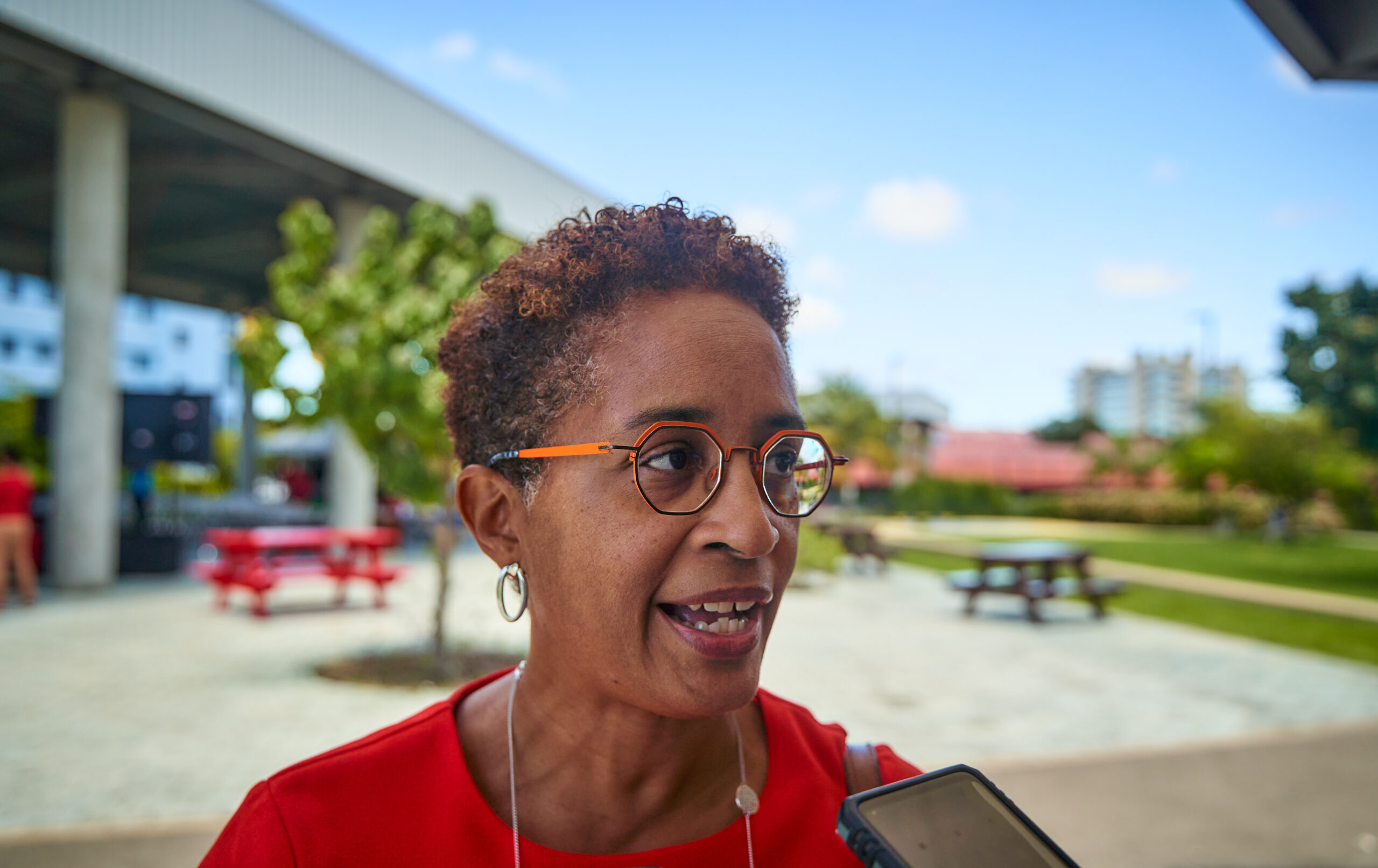
BAMP targets foreign misinformation wave, social media falsehoods
On Thursday, leading medical professionals in Barbados issued an urgent warning: a steady annual increase in parental requests for childhood vaccination exemptions risks eroding the Caribbean nation’s decades-long success in suppressing vaccine-preventable diseases, as harmful anti-vaccine misinformation from abroad increasingly sways local decision-making.
The Barbados Association of Medical Practitioners (BAMP) confirmed the upward trend, reporting that opt-out applications to the country’s national immunization schedule have grown consistently each year for the past five years. BAMP president Dr. Lynda Williams voiced profound alarm over the shift, which medical experts trace directly to a global surge of anti-vaccine sentiment spread primarily through social media platforms and foreign media coverage.
“The number has increased every year for the last five years,” Dr. Williams told local outlet Barbados TODAY. “This is, of course, concerning because, obviously, if more people are asking for exemptions, that means more and more parents are choosing not to vaccinate their children. That is our core concern.”
While official exemption data is held and managed by the Ministry of Health, Barbados TODAY has confirmed that a growing share of parents are directly approaching primary care clinics to withdraw their children from standard inoculation schedules. Under current Barbadian public health rules, families seeking exemptions are required to complete a targeted educational program aimed at addressing vaccine hesitancy and reaffirming the life-saving impact of routine childhood vaccinations, though legal exceptions are still granted for well-documented religious objections.
In an official press statement, BAMP reaffirmed its full professional support for the Barbados Childhood Immunisation Schedule, aligning the organization completely with the island’s community of pediatric health specialists. The medical group also issued a specific warning about the resurgence of long-discredited anti-vaccine conspiracy theories — most notably the false, repeatedly debunked claim of a link between the measles-mumps-rubella (MMR) vaccine and autism, a claim that originated in a retracted 1998 study and has recently re-gained traction primarily in the United States.
This imported misinformation has already led to devastating public health outcomes abroad. In 2025, a large measles outbreak originating in west Texas spread to neighboring New Mexico and Oklahoma, with additional cases confirmed in Kansas. The outbreak was concentrated in tight-knit communities with chronically low vaccination rates, where large shares of both children and adults remained unimmunized. By the end of the outbreak, there were 2,298 confirmed infections, hundreds of hospitalizations, and three recorded deaths: two unvaccinated children in Texas and one unvaccinated adult in New Mexico. So far in 2025, the U.S. Centers for Disease Control and Prevention has tracked 38 separate measles outbreaks across 45 states (including Washington D.C. and New York City), totaling 2,566 confirmed cases as of last week.
BAMP leaders emphasize that the growing vaccine skepticism in Barbados is not an isolated local trend, but a ripple effect of global anti-vaccine movements driven heavily by developments in the United States, where current Health Secretary Robert F. Kennedy Jr. is a long-standing high-profile anti-vaccination advocate. Dr. Williams noted that while Barbados retains full sovereign control over its domestic healthcare policies, American social media trends and shifts to U.S. immunization guidelines exert a powerful influence on local public perception.
“Strangely enough, we think we’re independent from the U.S., but a lot of what happens there shapes outcomes here,” Dr. Williams explained. “There’s a lot of vaccine skepticism coming out of the U.S. right now… and when the U.S. releases an updated vaccination schedule or debates policies like separating the MMR vaccine into individual doses, there is a clear trickle-down effect here in our region.”
She stressed that Barbadians must prioritize critical thinking and peer-reviewed medical evidence over importing public health trends from other nations. BAMP points out that Barbados’ national immunization program has a proven, generations-long track record of success: within just 30 to 40 years of its launch, the program virtually eliminated childhood mortality from all major vaccine-preventable diseases on the island.
“We just wanted to reaffirm that as a country, we think for ourselves, and this framework is what we have determined is best for the children of Barbados,” Dr. Williams said. “We have the evidence; we have seen first-hand what vaccines do and how they have protected our population. If other countries choose to go a different direction, that is their choice, but we do not have to follow.”
Addressing the root causes of the recent surge in vaccine hesitancy, BAMP identified the COVID-19 pandemic as a critical catalyst that created a parallel crisis of widespread digital misinformation alongside the viral outbreak itself. Dr. Williams described the pandemic period as a “double epidemic,” where the rapid evolution of scientific understanding of the new virus coincided with the unprecedented global reach of modern social media platforms.
“COVID was two epidemics in one. You had the virus, but you also had viral misinformation that spread at roughly the same time,” Dr. Williams said. She added that much of the current public anxiety around vaccines stems from a fundamental misunderstanding of complex, life-saving scientific innovations, such as mRNA and DNA vaccine technology — platforms that had actually been in development for 30 years before the COVID-19 pandemic accelerated their deployment.
“Because of the internet and social media, a lot of misinformation was spread, and continues to be spread, by people who now have a large public platform to share it,” Dr. Williams noted. “This was the first time the world faced a pandemic with social media having the global reach it does today.”
To push back against the growing wave of vaccine skepticism, BAMP announced plans to expand and intensify public education initiatives across the island. Local medical practitioners will engage directly with hesitant parents to provide transparent, one-on-one evidence-based guidance, working to rebuild community trust outside of standard clinical appointments.
“The only way to counteract misinformation is with correct, accessible information,” Dr. Williams said, reaffirming that individual physicians will continue to promote evidence-based vaccination during routine patient care. “Apart from supporting the work the Ministry of Health is already doing, providing direct one-on-one education to parents is the most impactful step we can take to protect our community.”
-
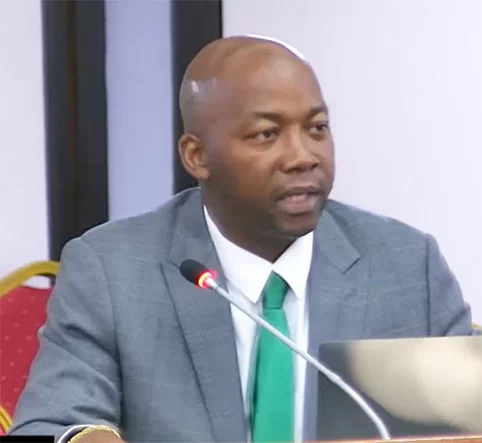
Abiamofo: Geen nieuwe goudconcessies door mij uitgegeven rond Pikin Saron
Suriname’s debate over gold mining concessions has intensified following a recent outbreak of mass fish deaths in the Saramacca River, with Natural Resources Minister David Abiamofo pushing back against accusations that his administration approved new mining permits in the sensitive region surrounding Pikin Saron and Maripaston. In testimony before the National Assembly (DNA) on August 20, the minister firmly stated that all contested mining rights in the area predate his assumption of office, clarifying that no new concessions have been granted under his watch.
The controversy surrounding the concessions emerged as lawmakers pushed for full transparency around mining activity in the area affected by the recent fish mortality event, which has raised widespread public concerns about the environmental impact of unregulated or poorly monitored gold extraction. Abiamofo has already submitted an initial overview of active gold concessions to the National Assembly, but lawmakers specifically requested additional, targeted details about permits in the Pikin Saron vicinity.
Addressing parliamentary questions, Abiamofo emphasized, “This minister has issued zero new gold concessions in that area – zero.” He went on to outline that many of the active mining rights in the region were first granted as far back as 2011, 2012, 2015, and 2017, long before he took up his ministerial post. To resolve lingering confusion over the timing of permit issuance, the minister has committed to expanding the existing concession overview to add a new column explicitly noting the original year each mining right was first granted. This additional context, he explained, will clarify the historical background of each concession, a critical detail given that permits are often extended or modified over the course of their lifecycle, leading to misperceptions about when the original approval was granted.
The parliamentary discussion soon expanded beyond concession timing to broader questions about how Suriname regulates and oversees its lucrative gold mining sector. Lawmakers noted that current rules require concession holders to submit regular activity and production reports to the Geological and Mining Service, but many argue existing oversight frameworks are fragmented and insufficient.
VHP party faction leader Asis Gajadien has proposed a sweeping overhaul of sector transparency, calling for the integration of disconnected datasets covering concession issuance, production volumes, extraction methods, environmental impact, tax payments, and gold exports. Gajadien argued that linking these disparate information streams would allow authorities to track the entire gold supply chain from initial permit approval through to final export, closing gaps that enable illegal activity and environmental harm.
Gajadien also brought forward the proposal for a dedicated Gold Board, framing the institution not as an unnecessary additional bureaucratic layer, but as a coordinating mechanism to unify information flows across the sector and strengthen regulatory oversight. The parliamentary session also raised fresh questions about the state-owned gold mining company Grassalco, with lawmakers demanding greater transparency around reports that third-party operators are exploiting portions of the company’s concessions. Legislators have called for full clarity on the terms of these third-party arrangements and the revenue that Grassalco earns from these agreements.
-

DDA takes Dominica’s festival promotion to St. Kitts and Nevis
In a strategic push to grow regional travel demand and strengthen cross-Caribbean tourism ties, the Discover Dominica Authority (DDA) is launching a five-day destination and festival marketing blitz in St. Kitts and Nevis, running from August 21 to 26. The campaign centers on driving pre-booking interest for two of Dominica’s most high-profile upcoming cultural events: the 2026 World Creole Music Festival (WCMF), set to take place October 23–25, and 2027’s Mas Domnik Carnival, which will hold its climax celebrations on February 8–9.
-

Belize Has A New US Ambassador
On August 20, 2026, André Bauer, a former public official from South Carolina, formally took office as the United States’ newest ambassador to Belize during a swearing-in ceremony held in his home state.
The oath of office was administered by South Carolina Attorney General Alan Wilson, with Bauer’s wife present to support him at the private in-state ceremony. A former two-term lieutenant governor and state legislator from South Carolina, Bauer was nominated to the diplomatic post by former President Donald Trump, and he opened his first public remarks after the ceremony by expressing gratitude for the confidence placed in him.
“Today, I had the tremendous honour of being sworn in as the United States Ambassador to Belize by South Carolina Attorney General Alan Wilson. I am deeply grateful for President Trump’s confidence in me and for the opportunity to represent our great country. I’m also incredibly thankful for my family, friends, and so many others who have supported me throughout this journey,” Bauer said in his post-ceremony statement.
Looking ahead to his upcoming tenure in Central America, Bauer outlined his core priority for the role: deepening the long-standing diplomatic and friendly ties between the United States and Belize. “As I begin this new chapter, I look forward to strengthening the important friendship between the United States and Belize and serving the American people with humility, dedication, and purpose,” he added.
Officials from the U.S. Embassy in Belize released a statement following the swearing-in, highlighting Bauer’s decades of cross-sector experience that make him well-suited for the posting. The embassy noted that Bauer brings both an extensive record of public service and hands-on entrepreneurship experience to the role, and confirmed that his work in Belize will center on advancing the current U.S. administration’s strategic priorities across the Central American region.
Per the embassy’s update, Bauer and his family are currently preparing for their relocation to Belize in the coming weeks. The ambassador-designate has already expressed excitement to travel across Belize’s diverse regions and engage directly with local communities and American citizens living in the country during his tenure.
-

Barbados tops region at CBU Media Awards
The 37th annual Caribbean Broadcasting Union (CBU) Media Awards concluded Wednesday night in Georgetown, Guyana, with Barbados emerging as the highest-awarded nation in the region’s most prestigious celebration of media excellence. Pulling together an impressive collection of 15 awards across multiple local media outlets, plus an additional eight Special Mentions, the island nation outpaced regional competitor Jamaica, which finished a close second with 14 total awards and four Special Mentions.
Leading the charge for Barbados was the country’s official Government Information Service (BGIS), which brought home seven individual awards and one Special Mention to anchor the national contingent. Nation Publishing Company followed closely, earning three awards and four Special Mentions, while first-time competitor Capital Media HD 99.3 matched that three-award haul in its debut appearance at the competition. Starcom Network added two more awards and one Special Mention to round out Barbados’ core tally, and two additional first-time participants — Plan A Productions and the National Transformation Initiative — each took home a Special Mention to cap the nation’s strong showing.
Jamaica’s near-victory was anchored almost entirely by the RJRGLEANER Communications Group, which claimed 13 of the country’s 14 total awards. Behind the top two competitors, Trinidad and Tobago secured six awards and an impressive nine Special Mentions, while Belize finished the top four with five awards and four Special Mentions.
This year’s edition of the CBU Media Awards drew hundreds of submissions from both media organizations and independent practitioners across the entire Caribbean region. Entries spanned every major segment of the industry, including radio, television, print, and digital journalism, alongside dedicated categories for advertising, thematic content creation, and student work. Student categories covered radio, television, print, digital content, and photography, creating space to recognize emerging talent alongside established industry leaders. Founded to celebrate outstanding achievement in Caribbean journalism and media production, the annual awards continue to be the benchmark for media excellence across the region.
-
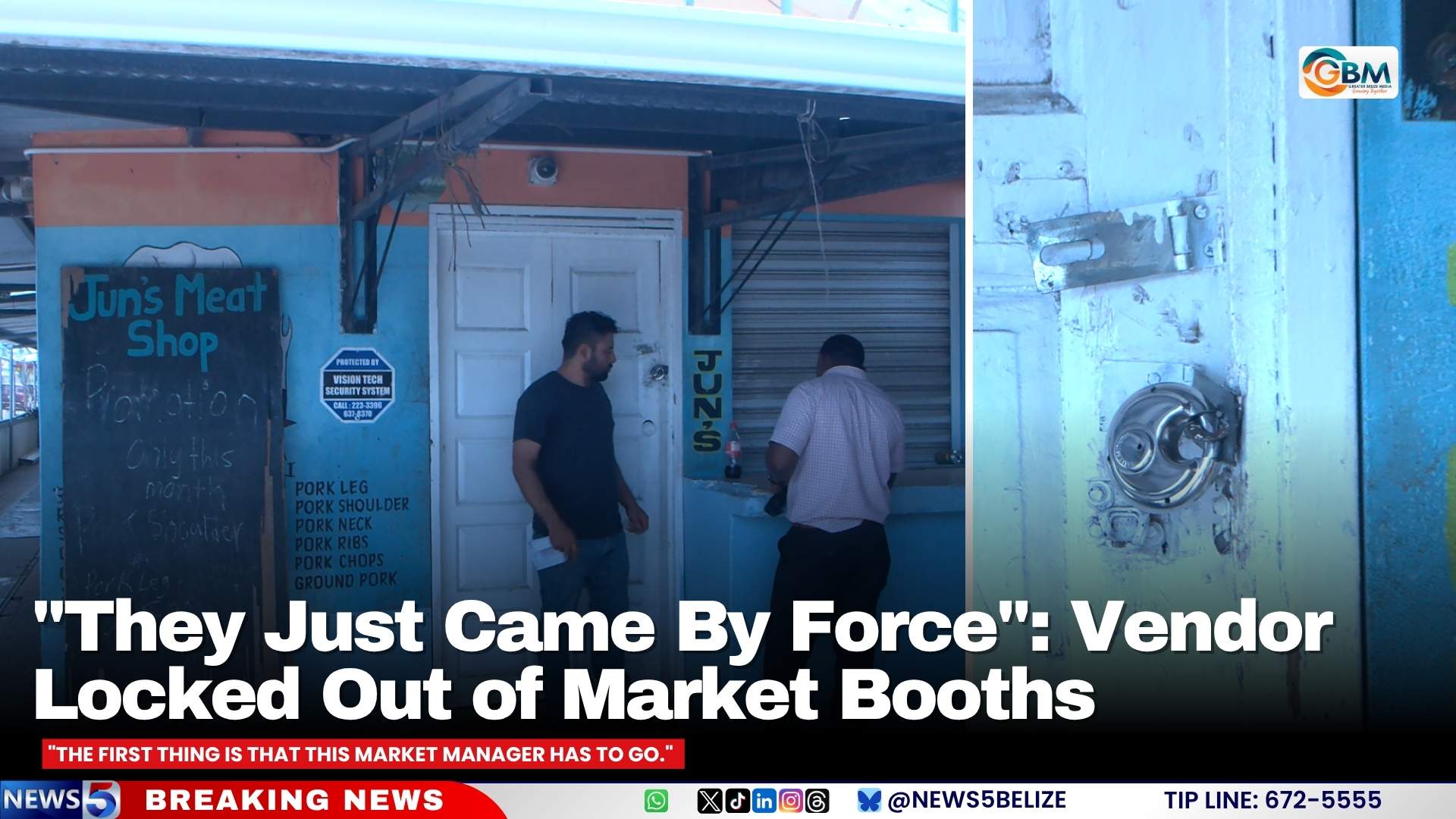
“They Just Came By Force”: Vendor Locked Out of Market Booths
In a devastating turn of events that has stacked tragedy on top of grief, a long-time meat vendor at Belize City’s Michael Finnegan Market has been forcibly locked out of his two market stalls just one day after an employee at his shop was shot and killed.
Aaron Castillo, who has run Jun’s Meat Shop at the municipal market for more than 20 years, building on his father’s legacy in the space, was still processing the fatal shooting of his worker on Monday when he faced an unexpected second blow on Tuesday. When Belize City Council enforcement officers arrived to change the locks on both of his booths, Castillo says he had received no formal eviction notice, no final warning, and no advance heads-up that the action would be taken.
The council has stated the lockout stems from unpaid 2026 trade license fees, but Castillo pushes back on the timing and the abrupt action, noting he had already negotiated a structured payment plan with the local government to settle the outstanding balance gradually through the court system. He does not dispute that he owes the fees, but he says he has physical receipts to prove he has already begun making installment payments under the agreed terms.
“They just came by force and locked me down,” Castillo told reporters, describing the sudden enforcement action. “I told them we have an agreement; why would you lock me down? They can see I am making payments, so there was no reason to still lock me down.”
The brutal timing of the lockout has compounded Castillo’s hardship, as the small business owner is already facing looming back-to-school costs for his family along with ongoing daily household and business expenses. For Castillo, the shutdown does not just threaten his decades-long business — it puts his entire livelihood at risk, at a moment when he is already reeling from the violent death of his employee.
“I told them I have bills to pay, mouths to feed, and school is opening right now,” he said. “They are taking everything from me. I don’t see what they’re doing to me as fair.”
Castillo claims the lockout is part of an underhanded effort to take his two long-held stall spots away to hand them over to other vendors, a move he calls unjust after decades of operating in the market and serving the local community. He is now calling for senior government officials to intervene to reverse the lockout and resolve the dispute, and he has demanded the immediate departure of the Michael Finnegan Market manager over the handling of his case.