A renewed push to raise Belize’s hotel occupancy tax has reignited widespread anxiety across the country’s key tourism sector, with industry leaders pushing back hard against the plan that they warn would threaten the fragile recovery of the nation’s top economic driver.
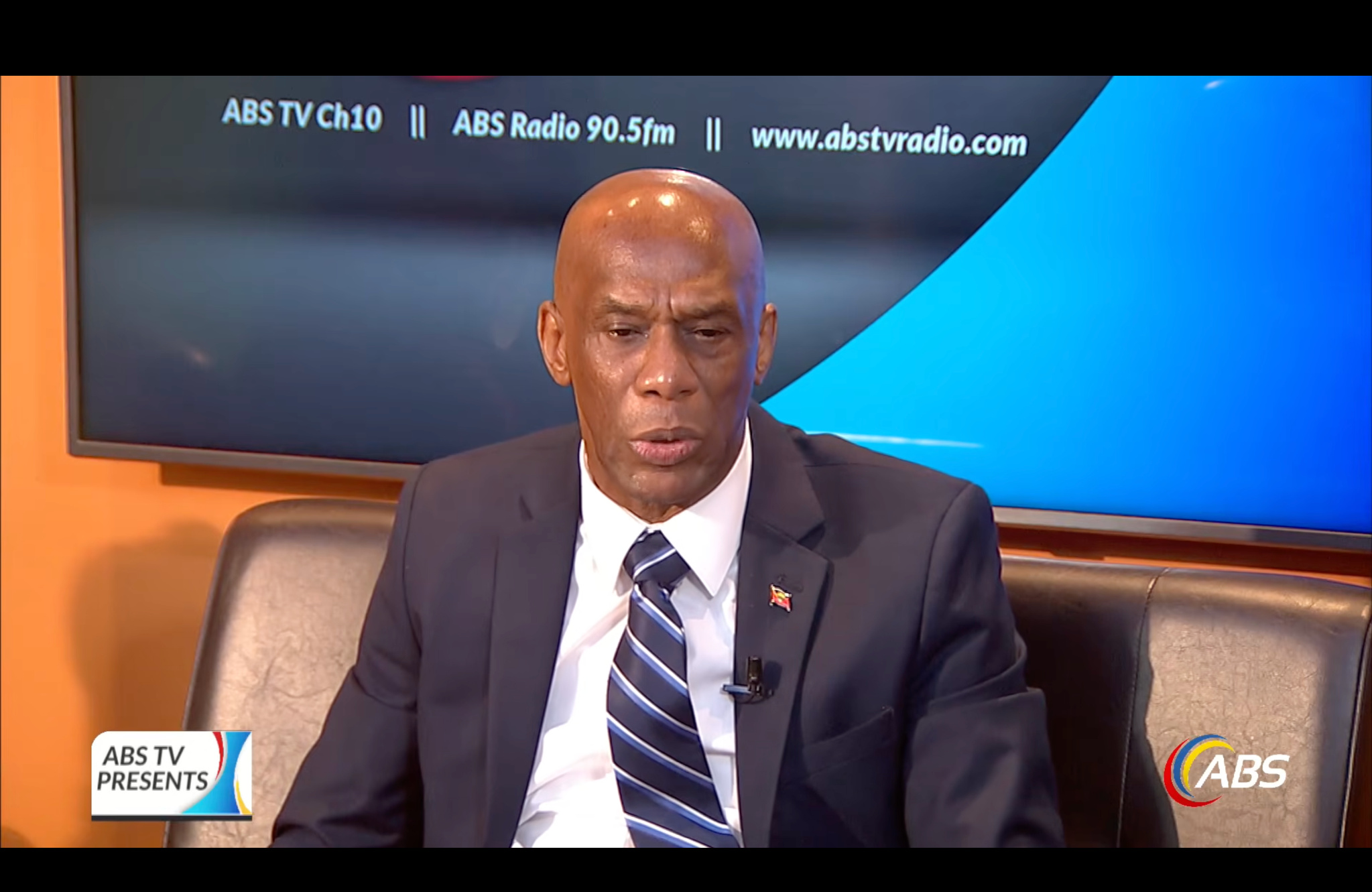
The proposal under debate would lift the current 9% hotel tax to 12.5%, a move that industry representatives argue delivers unnecessary risk at a moment when global travel markets are already under cost pressure. Efren Perez, president of the Belize Tourism Industry Association (BTIA), has emerged as the leading voice opposing the increase, saying that government leaders are taking the easiest rather than the most responsible path to boost public revenue.
Instead of raising taxes on tourism, Perez argues that the government could secure additional funding by cutting wasteful public spending and closing long-standing gaps that allow public funds to leak through unregulated or poorly managed expenditure channels. He notes that the BTIA does not dispute that the government requires additional operating revenue, but rejects framing tourism as an easy target for incremental tax increases.
Perez outlined the far-reaching ripple effects that a tax hike would trigger beyond just hotel owners, explaining that higher room rates would make Belize less competitive against competing global travel destinations that are currently cutting prices to attract visitors. Fewer inbound travelers would translate to lower occupancy, reduced operating revenue for hotels, and subsequent job losses for low-wage workers whose livelihoods depend on tourism. He specifically highlighted the risk to housekeeping staff, who rely on steady visitor numbers to maintain employment and support their families, as well as local agricultural producers that supply fresh produce and other goods to hotels across the country.
“ There are a lot of loopholes in the government system, especially when it comes to expenditure. This year alone, reports of unaddressed waste and mismanagement have surfaced across multiple public sectors, ” Perez said in his remarks.
If the government ultimately moves forward with the tax increase despite industry opposition, Perez confirmed that the BTIA will push for a policy mandate requiring that 2% of the new tax revenue be allocated to a dedicated climate adaptation fund, which would support tourism infrastructure projects designed to address the impacts of climate change on Belize’s coastal and natural attractions.
This report is a transcript of a televised evening newscast, with all Kriol-language statements transcribed using a standardized spelling system.