作者: admin

  • AOPT calls on BWA to properly restore roads

    AOPT calls on BWA to properly restore roads

    The Alliance Owners of Public Transport (AOPT) has issued a formal complaint against the Barbados Water Authority (BWA), citing dangerous road conditions and physical injuries to passengers resulting from improperly restored infrastructure following pipe-laying operations.

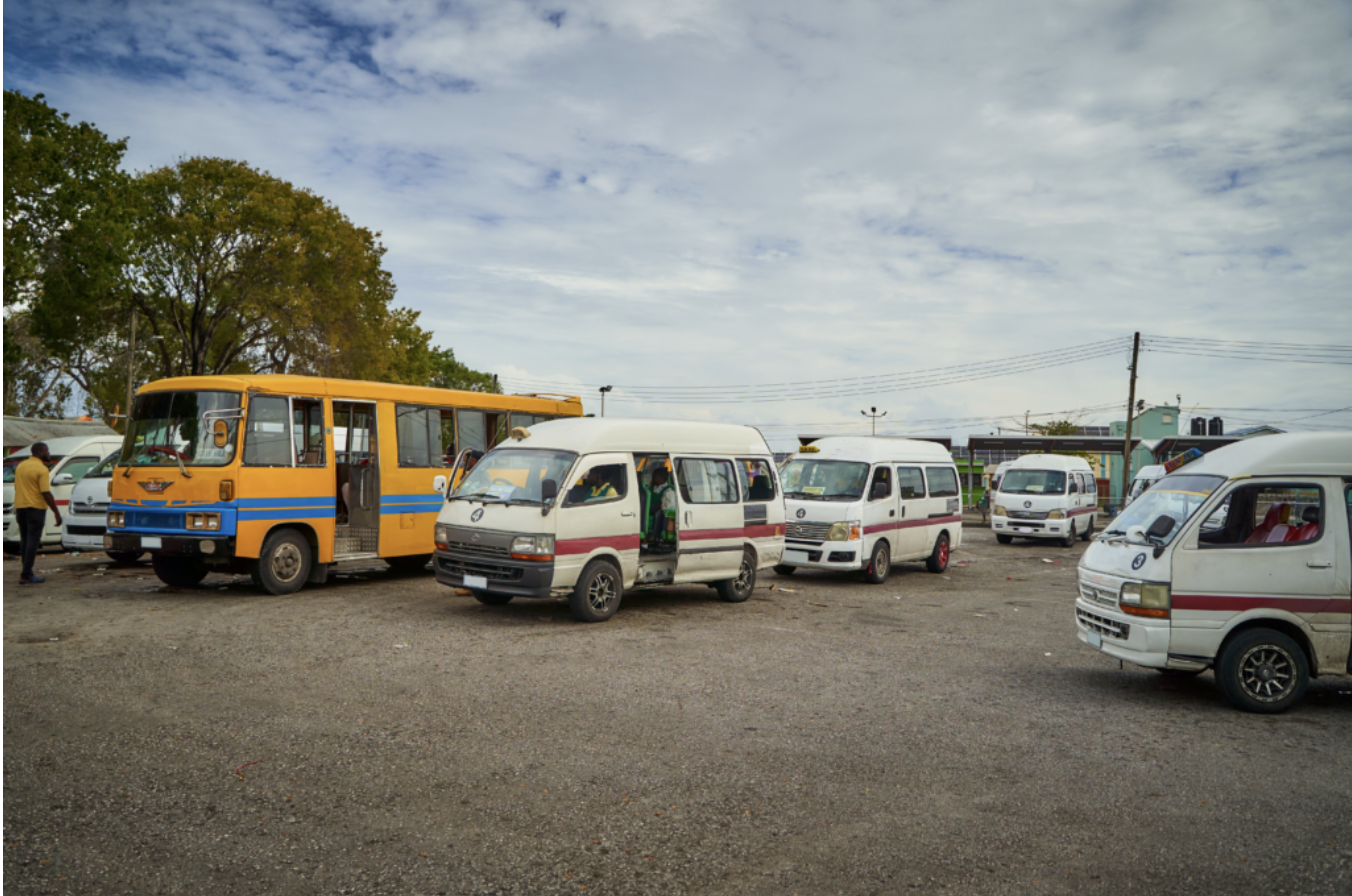
    AOPT Chairman Roy Raphael revealed on Wednesday that public service vehicle operators navigating routes across the island are confronting significant hazards from unrepaired excavations. The situation has become particularly severe in areas including Apes Hill, Orange Hill, Crab Hill, and Pie Corner, where ongoing water infrastructure projects have left roads dangerously uneven.

    According to Raphael, the problem emerged as a primary concern during the association’s recent annual review meeting. He explained that contractors working for the water authority have failed to adequately repave roads after completing underground pipe installations, creating substantial bumps and holes across key transportation corridors.

    ‘The current state of these roads creates tremendous suspension problems for our vehicles,’ Raphael stated in an interview. ‘Our operators are facing exorbitant repair costs due to the continuous wear and damage caused by these road conditions.’

    The transport association reports numerous instances of tire damage and mechanical failures directly attributable to the uneven road surfaces. More alarmingly, passengers have reported physical discomfort and injuries, including neck trauma, resulting from the violent jolting experienced when vehicles encounter unexpected road imperfections.

    Raphael emphasized the association’s growing concern for passenger safety, noting that some operators have begun diverting from regular routes to avoid the most severely affected areas. This rerouting strategy, while reducing vehicle damage, inconveniences passengers and disrupts established transportation networks.

    The AOPT chairman acknowledged that previous engagement with the water authority regarding similar issues at Shop Hill had yielded temporary improvements. However, recent rainfall has worsened conditions, with previously repaired sections deteriorating rapidly.

    ‘We are making a public appeal to the BWA to address these persistent problems,’ Raphael stated. ‘While they do cover the excavations, the restoration quality falls far short of providing smooth passage for public transportation.’

    The Barbados Water Authority has confirmed it is investigating the concerns raised by the transport alliance, though specific remediation timelines remain unspecified. The situation highlights growing tensions between infrastructure development projects and maintaining safe public transportation networks across Barbados.
  • American citizens advised to depart Venezuela following Maduro’s detention

    American citizens advised to depart Venezuela following Maduro’s detention

    The United States Embassy in Bogotá has escalated its security alert for Venezuela, issuing an urgent advisory on January 10, 2026, calling for the immediate departure of all American citizens from the South American nation. This critical warning follows a period of intensified instability triggered by recent military actions undertaken by the Trump administration, which included targeted bombings and culminated in the capture and detention of Venezuelan President Nicolás Maduro.

    Official communications from the embassy highlight a rapidly deteriorating security environment, described as ‘highly fluid and unpredictable.’ Intelligence reports indicate a surge in activities by armed paramilitary groups, locally referred to as ‘colectivos.’ These militias are allegedly erecting unauthorized roadblocks and conducting invasive vehicle searches, specifically targeting individuals based on their U.S. nationality or perceived sympathies towards American interests.

    The embassy’s statement underscores the necessity for U.S. nationals to maintain extreme vigilance and adopt stringent security measures. It explicitly advises against all travel to Venezuela, a position consistently maintained by the State Department. The advisory notes a silver lining: the recent resumption of international commercial flights now provides American citizens with feasible and urgent exit options that were previously unavailable, facilitating a swift evacuation from the escalating crisis.

  • Argentine-Brazilian singer Lara Voo to give recital in Cuba

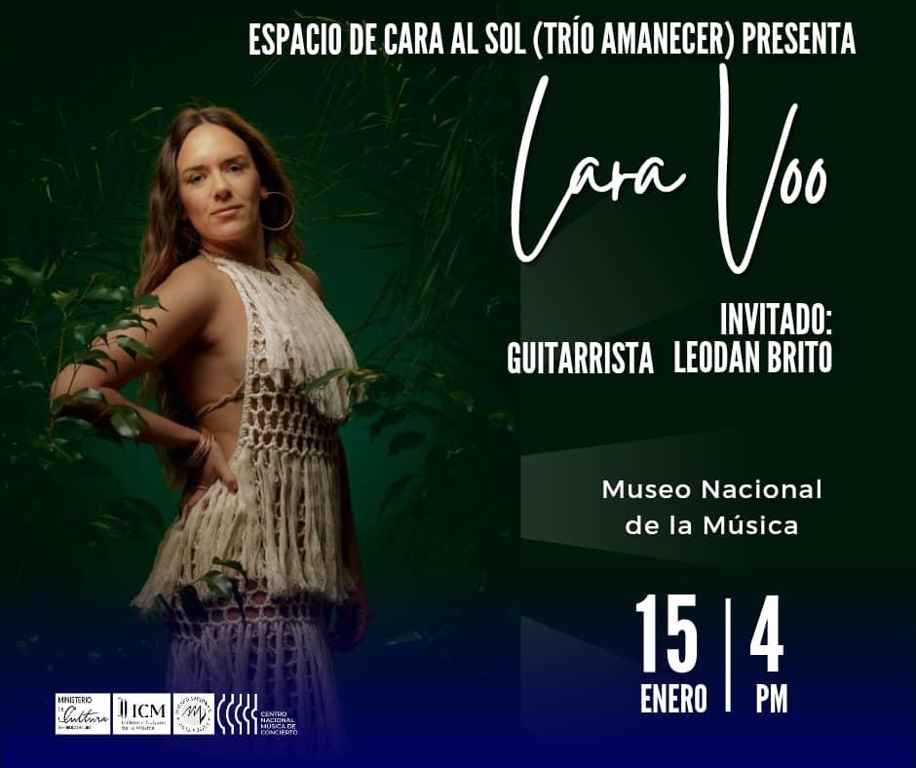
    Argentine-Brazilian singer Lara Voo to give recital in Cuba

    Brazilian performer Lara Voo is set to enchant Cuban audiences with a series of collaborative performances across Havana, showcasing her unique fusion of Brazilian and Cuban musical traditions. The multi-talented artist will appear as special guest at the “De cara al sol” (Facing the Sun) event alongside renowned Cuban guitarist Leodan Brito, under the artistic direction of maestro Efrain Amador.

    Following her successful participation in the 30th Longina Canta a Corona Troubadour Festival in Santa Clara, Voo will bring her distinctive artistic vision to multiple prestigious venues throughout the Cuban capital. Her performance itinerary includes appearances at Tres Tazas, the iconic venue operated by trova singer Silvio Alejandro at Pabellon Cuba, as well as performances at Casa de la Bombilla Verde and other cultural spaces.

    The cultural exchange extends beyond public performances as Voo plans educational interactions with students from the Jazz Band of the Amadeo Roldan Conservatory, fostering cross-cultural dialogue between Brazilian and Cuban musical traditions.

    Voo’s artistic signature lies in her contemporary compositions that seamlessly blend the folk-rooted music of both nations. Her performances feature a dynamic multilingual approach with songs delivered in both Portuguese and Spanish, combined with expressive dance movements and percussion instrumentation. Critics describe her as possessing “a multifaceted voice and singular intensity in her performances,” where she alternately accompanies herself with guitar and pandeiro in minimalist arrangements or performs with larger ensemble configurations.

    Her innovative approach extends beyond musical performance to incorporate interdisciplinary projects that fuse voice, body, and movement. Through these creations, Voo utilizes performance art as both an expressive medium and transformative tool, creating immersive experiences that transcend conventional musical boundaries.

  • Diaz-Canel rejects US satements and reaffirms defense of Cuba

    Diaz-Canel rejects US satements and reaffirms defense of Cuba

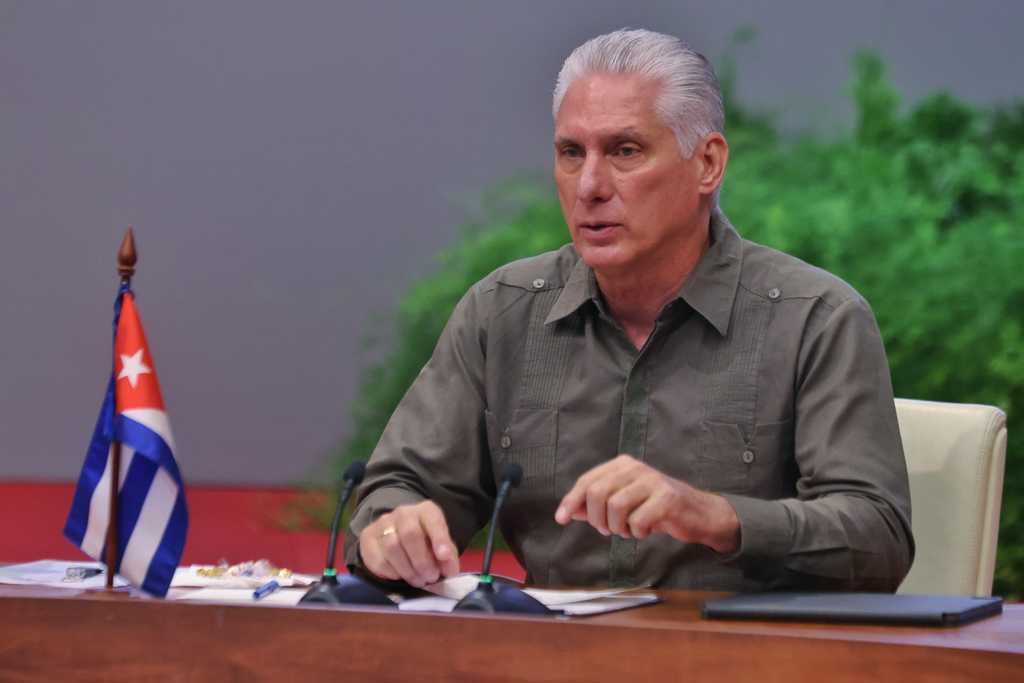
    Cuban President Miguel Díaz-Canel has issued a forceful response to recent U.S. criticisms, delivering a scathing rebuke via social media that directly addressed remarks from American leadership. The Caribbean leader asserted that those “who commercialize everything, including human lives, lack the moral authority to criticize Cuba in any manner whatsoever.”

    Díaz-Canel characterized recent criticisms against Cuba as hysterical reactions fueled by anger over the nation’s sovereign choice of political model. He addressed those blaming the Cuban Revolution for current economic challenges, stating they should feel ashamed and maintain silence rather than offer uninformed commentary.

    The Cuban president attributed the nation’s economic difficulties directly to six decades of “draconian extreme suffocation measures” imposed by the United States, noting that these restrictions now threaten to intensify further. He emphasized that Cuba remains a free, independent, and sovereign nation that categorically rejects external impositions.

    In a definitive declaration, Díaz-Canel stated: “Cuba does not engage in attacks; it has been under continuous attack from the United States for 66 years. Cuba does not issue threats; it prepares diligently, standing ready to defend the Homeland to the final drop of blood.” The message concluded with the hashtag #CubaIsCourage.

    These statements received extensive coverage across Cuban state media outlets, occurring within a broader context of regional tensions including aggression against Venezuela and escalating threats from the White House toward multiple nations.

  • Paris multinational drive demands freedom for Maduro and Cilia

    Paris multinational drive demands freedom for Maduro and Cilia

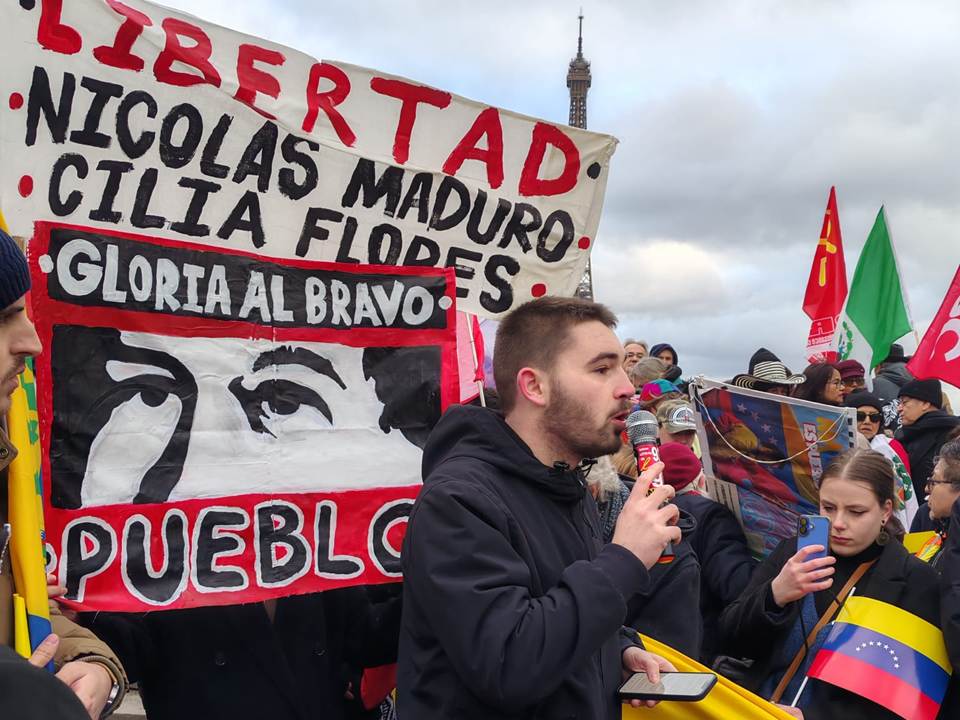
    PARIS – In a striking display of international solidarity, dozens of demonstrators gathered at the Esplanade of Human Rights at Trocadero, with the Eiffel Tower providing a symbolic backdrop, to vehemently protest recent US actions against Venezuela. The multinational rally, organized by a coalition of civil society organizations, expressed profound outrage over what participants labeled as unlawful aggression by the Trump administration.

    The demonstration featured a diverse representation from across the globe, including associations representing Argentinians, Bolivians, Colombians, Cubans, Chileans, Ecuadorians, French, Hondurans, Malians, Mexicans, Nigerians, and Peruvians. Participants collectively denounced Washington’s recent measures as flagrant violations of established international legal frameworks.

    Amid a sea of banners, national flags, and impassioned slogans, protesters demanded the immediate release of Venezuelan President Nicolás Maduro, whom they affirmed as the constitutionally legitimate leader of the South American nation. The gathering simultaneously called for respect of Venezuela’s national sovereignty and the fundamental right to self-determination, positioning the defense of these principles as crucial for maintaining peace throughout Latin America, the Caribbean, and the global community.

    Speakers and organizers articulated that the true motivation behind the aggression targets Venezuela’s substantial natural resources—including petroleum, natural gas, gold reserves, and water—rather than purported concerns about drug trafficking or terrorism. The demonstration served as a platform to urge political entities worldwide to transcend partisan positions and unite in condemning what they characterized as a dangerous breach of the United Nations Charter.

    In a related show of support, a separate solidarity event convened at Paris’s historic Place de la Bastille, drawing participation from French political parties, labor unions, and additional civic associations. This gathering echoed the condemnation of US foreign policy while issuing warnings that other sovereign nations might subsequently become targets of the current administration’s expansionist ambitions.

  • Cubans denounce aggression against Venezuela from various provinces

    Cubans denounce aggression against Venezuela from various provinces

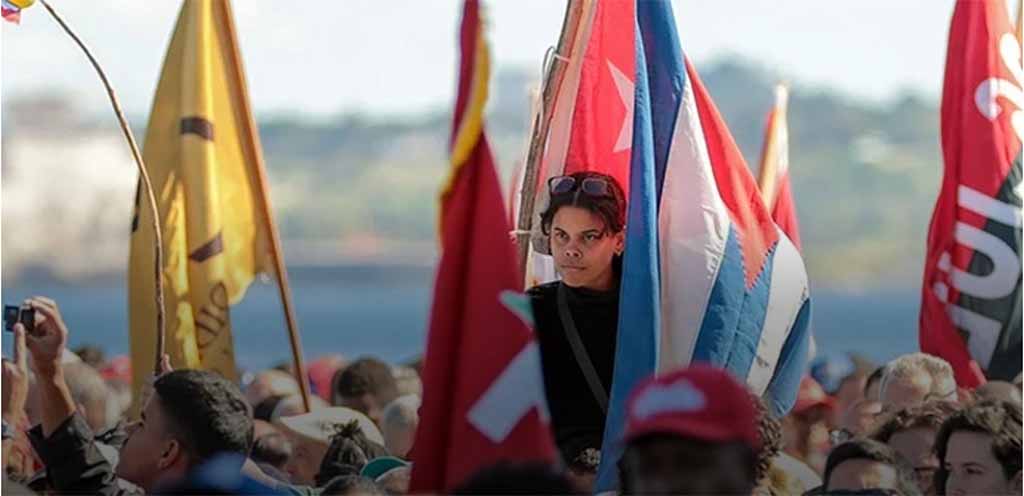
    Across multiple Cuban cities, significant public demonstrations have emerged expressing vehement opposition to U.S. foreign policy while demonstrating unwavering solidarity with Venezuela’s government. In Holguín, a substantial gathering convened to demand regional peace and condemn what participants characterized as imperialist intervention in Caribbean affairs.

    According to reports from Granma newspaper, attendees assembled along Avenida de los Libertadores near the monument to Simón Bolívar, launching an international campaign against American leadership. Participants denounced U.S. policies as ‘wars of plunder,’ labeled economic sanctions as ‘genocidal blockades,’ and condemned recent actions as criminal violations of international law.

    The declaration specifically referenced the January 3rd incident involving Venezuelan President Nicolás Maduro and First Lady Cilia Flores, demanding their unimpeded return to Venezuela after what was described as their effective kidnapping by U.S. authorities.

    During emotionally charged proceedings, tribute was paid to thirty-two combatants who reportedly fell defending Venezuelan sovereignty, including seven individuals from Holguín province according to the Cuban News Agency.

    Parallel demonstrations occurred in Camagüey, where military personnel, civilian workers, and soldiers from the local firing range expressed unconditional support for Venezuela’s Bolivarian Republic. The regional newspaper Adelante documented calls for a Latin America free from external interference.

    Adding personal dimension to the political support, employees of Granma Provincial Electricity Company who previously served on internationalist missions in Venezuela voiced their endorsement of the nation’s government and people. They joined in condemning what they characterized as recent military aggression against the Bolivarian nation.

  • COMMENTARY: The Caribbean’s greatest export is talent. It’s time to stop giving it away

    COMMENTARY: The Caribbean’s greatest export is talent. It’s time to stop giving it away

    The Caribbean stands at a critical crossroads, confronting a pervasive brain drain phenomenon that has long deprived the region of its most valuable resource: human capital. World-class talent consistently departs Caribbean shores not from diminished patriotism, but compelled by the pursuit of professional growth and advanced learning opportunities unavailable domestically. These individuals acquire prestigious degrees, specialized skills, and global networks that earn international respect, yet they frequently remain abroad where infrastructure supports their ambitions—highlighting the region’s critical shortage of systems that enable talent to flourish.

    This exodus represents more than individual career choices; it signifies a structural deficit requiring transformative solutions. The Caribbean possesses abundant genius and potential but lacks the institutional ecosystems necessary to harness these qualities. Where other regions benefit from robust research environments, cutting-edge laboratories, and innovation-driven industries, the Caribbean faces an innovation gap that perpetuates economic dependency and vulnerability.

    The solution lies not in discouraging educational migration but in creating compelling reasons for return. The establishment of a Pan-Caribbean Applied Sciences & Innovation Institute could revolutionize the regional landscape, serving as both magnet and multiplier for local talent, diaspora returnees, and international students seeking unique academic opportunities. Such an institution would address fundamental gaps in research and development infrastructure while positioning the Caribbean as a hub for specialized knowledge creation.

    Research investments yield demonstrable economic returns—nations prioritizing R&D experience growth rates triple those that neglect innovation sectors. For the Caribbean, developing research industries represents not merely an economic alternative but a survival strategy in an era of rapid global change. Beyond diversifying from tourism dependency, research institutions would drive technological sovereignty, reduce climate vulnerability (potentially halving billion-dollar hurricane season losses), and create high-value employment opportunities.

    The emotional dimensions of return migration cannot be overlooked. Students abroad form deep social connections and professional networks that make repatriation emotionally complex. Successful reversal of brain drain requires creating professionally compelling opportunities that outweigh these attachments—leadership roles, research positions, and innovation ecosystems that recognize the unique value of internationally trained Caribbean professionals.

    Ultimately, the call to action transcends nostalgia: the Caribbean needs returning talent to build what cannot be built elsewhere, applying global expertise to local challenges. When the region matches its children’s brilliance with commensurate opportunities, it will transform from talent exporter to innovation powerhouse.

  • Panamanians reject joint military drills with the USA

    Panamanians reject joint military drills with the USA

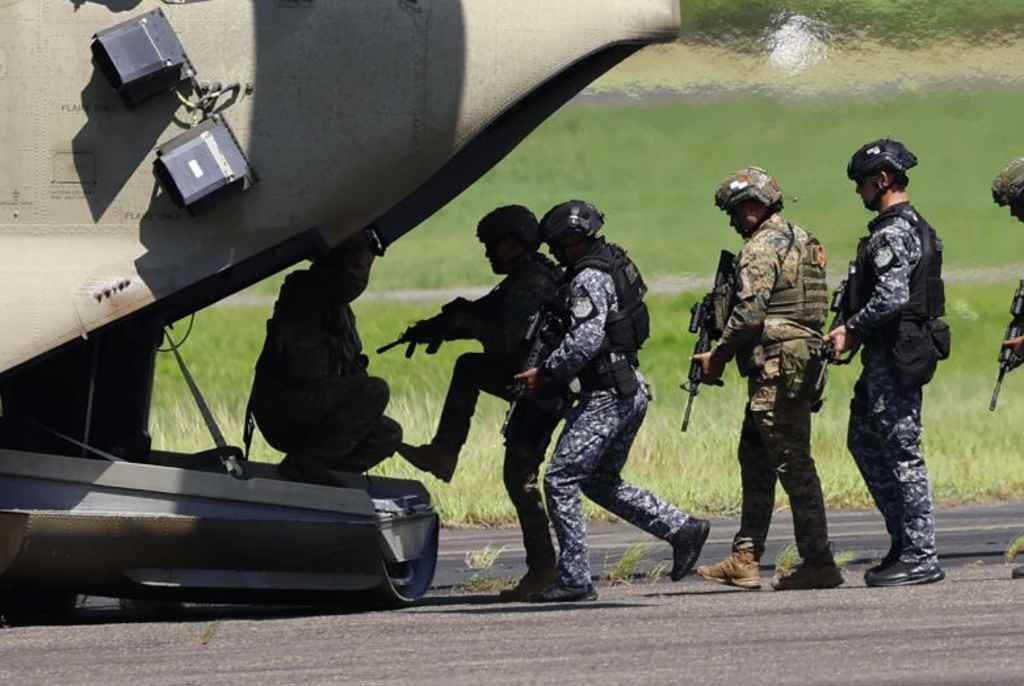
    Approximately 50 U.S. Marines have commenced joint training operations with Panamanian forces, initiating a controversial military program that runs from today through February 26th. The exercises will take place at two strategic locations: the Jungle Warfare School in Colón province and Captain Noel Rodríguez Naval Base near the capital city.

    This military collaboration has sparked significant opposition from civil society organizations, particularly the National Front for the Defense of Economic and Social Rights (Frenadeso). The group contends that these maneuvers stem from a memorandum of understanding secretly signed between Panama and Washington in April 2025, which they characterize as detrimental to national sovereignty.

    In an official statement obtained by Prensa Latina and endorsed by Frenadeso coordinator Jorge Guzmán, the organization vehemently rejected the notion that these activities represent international cooperation. Instead, they framed the training as outright foreign interference and an act of aggression against Panama’s autonomous governance.

    The memorandum, according to Frenadeso’s analysis, effectively normalizes foreign military presence within Panamanian territory and transforms the nation into a strategic platform for geopolitical operations targeting neighboring countries, particularly Venezuela. These actions are allegedly justified under the pretext of addressing security concerns, migration flows, and narcotics trafficking.

    Frenadeso’s declaration emphatically states: ‘Panama is a sovereign and neutral country, not a ramp for imperial aggression,’ while demanding the immediate termination of all joint military exercises and calling for authentic defense of national independence.

    This development marks an escalation of U.S. military engagement in Panama that began in December 2025, initially justified through anti-drug trafficking initiatives. The increased presence followed concerning statements from former U.S. President Donald Trump regarding potential military intervention to secure the Panama Canal, citing unsubstantiated claims of Chinese influence—allegations consistently denied by officials from both nations.

  • Venezuela denies security alert promoted by the US

    Venezuela denies security alert promoted by the US

    Venezuela’s Ministry of Popular Power for Foreign Affairs has issued a sharp rebuttal to recent statements from the U.S. State Department, denouncing them as constructed falsehoods designed to project an inaccurate image of instability within the South American nation. The comprehensive communiqué presents a counter-narrative of a nation operating in a state of complete normalcy and peace.

    The ministry’s statement categorically asserts that all population centers, transportation networks, communication routes, and security checkpoints are functioning without disruption. Emphasizing sovereign control, the communication clarifies that all weaponry remains exclusively under the command of the Bolivarian Government, which it identifies as the sole entity holding the legitimate monopoly on the use of force.

    Furthermore, the Venezuelan government has used this opportunity to reiterate its unwavering dedication to safeguarding national peace, ensuring institutional stability, and fostering peaceful coexistence among its citizens. This firm response highlights the ongoing diplomatic friction between Caracas and Washington, underscoring a significant divergence in perceived realities regarding Venezuela’s internal security situation.

  • Italy: Growing rejection of US sttack and threats on Venezuela

    Italy: Growing rejection of US sttack and threats on Venezuela

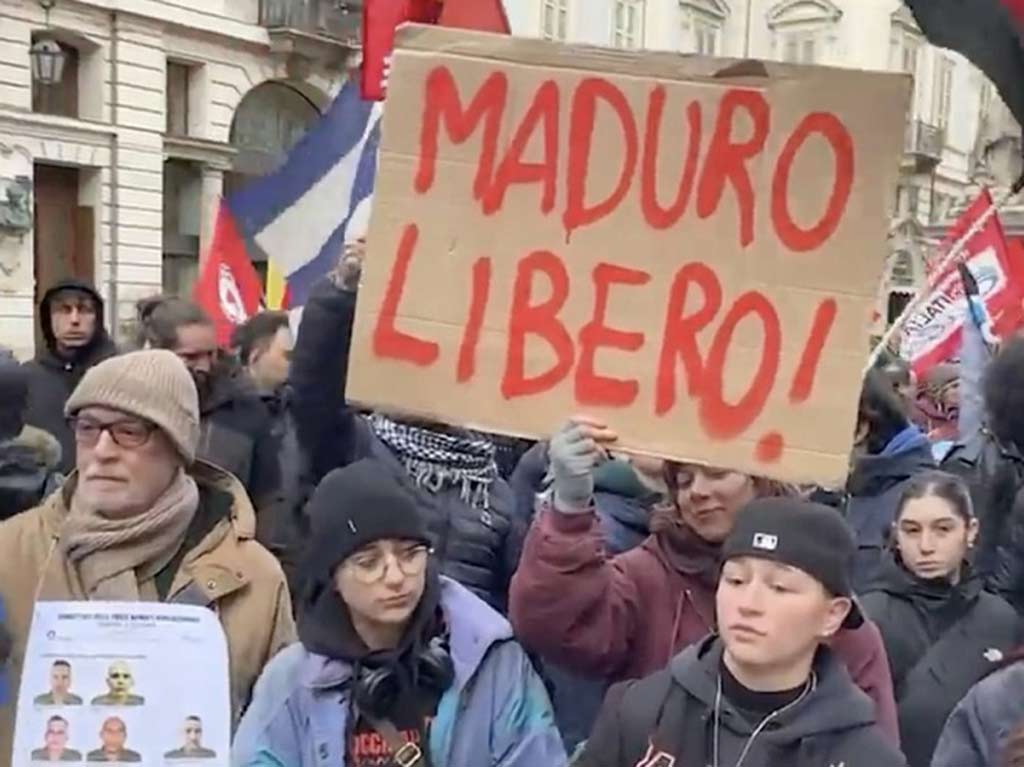
    In an unprecedented display of international solidarity, hundreds of thousands of Italian citizens flooded the streets across thirty major cities in coordinated demonstrations against United States foreign policy toward Latin American nations. The widespread protests, organized through a coalition of political parties, labor unions, student associations, and social advocacy groups, represented one of Europe’s most significant expressions of dissent against American interventionism.

    The mobilization spanned the entire Italian peninsula, with substantial gatherings documented in Rome, Milan, Turin, Venice, Bologna, Genoa, Florence, Naples, Palermo, and numerous other urban centers. Participants voiced strong opposition to what they characterized as US imperialist ambitions, state-sponsored terrorism, and the continued application of the nineteenth-century Monroe Doctrine, which they view as an anachronistic tool of hemispheric domination.

    Rome witnessed one of the largest concentrations of protesters, where columns of demonstrators advanced along central thoroughfares from Esquiline Square toward the US Embassy. The atmosphere remained charged with political fervor as speakers addressed the crowds, warning of escalating tensions and potential military confrontations. ‘We gather today knowing the threat of further aggression remains imminent,’ declared one organizer, capturing the movement’s apprehensive mood.

    The protests specifically highlighted solidarity with Venezuela’s Bolivarian government and Cuba’s socialist administration, both facing increased US economic and diplomatic pressure. Demonstrators carried banners and chanted slogans advocating for alternative global governance models free from American hegemony, with many participants emphasizing their commitment to continued mobilization for ‘a different world order based on mutual respect and sovereignty.’