作者: admin

  • A quarter of Cuba’s inhabitants are over 60 years old

    A quarter of Cuba’s inhabitants are over 60 years old

    Cuba is experiencing a profound demographic transformation, establishing itself as one of the world’s most rapidly aging societies. Recent data from the National Office of Statistics and Information (ONEI) reveals that the Caribbean nation now demonstrates higher aging rates than several European countries traditionally associated with elderly populations, including Italy (24.1%), Bulgaria (23.8%), Finland (23.4%), Greece (23.3%), and Croatia (23.0%).

    The report, titled “Population Aging, Cuba and its Territories 2024,” employs a comprehensive methodology that calculates the effective population. This approach incorporates all individuals born within the country during a calendar year, plus permanent residents who have accumulated 180 days or more of stay in Cuba within the past 365 days, excluding those who have died.

    Significant regional disparities exist across the island. Villa Clara province in central Cuba records the highest aging rate at 29.1 percent, followed closely by the capital Havana at 28.1 percent. In contrast, Guantánamo province in eastern Cuba maintains the lowest rate at 22.5 percent.

    At the municipal level, Plaza de la Revolución in Havana emerges as the area with the oldest demographic profile at 36.8 percent, while Yateras in Guantánamo province maintains the youngest population structure at 17.1 percent.

    A particularly telling metric reveals the scale of Cuba’s demographic inversion: the ratio of population aged 60 and over to those under 15 reached 1,625 older adults for every 1,000 children and young people aged 0-14 by the end of 2024. This ratio has increased by 247 points compared to the previous year, highlighting the accelerating pace of Cuba’s population aging.

  • Top Mexican and US diplomats meet

    Top Mexican and US diplomats meet

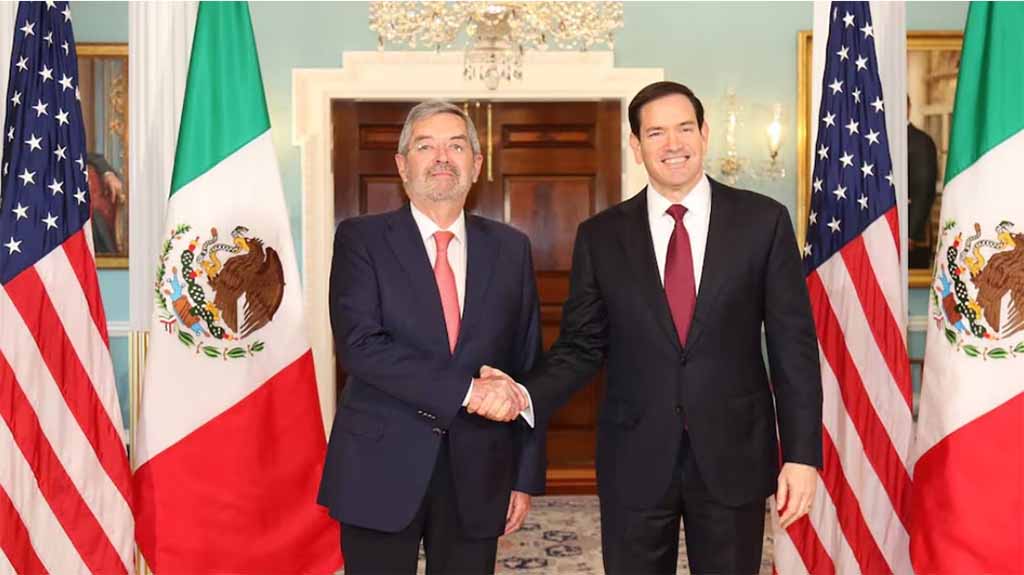
    In a strategic diplomatic move, Mexican Foreign Minister Juan Ramon de la Fuente has engaged in high-level discussions with U.S. Secretary of State Marco Rubio, following direct instructions from President Claudia Sheinbaum. The dialogue, confirmed through official communications from Mexico’s Secretariat of Foreign Affairs via social media platform X, represents a concerted effort to navigate escalating tensions regarding cross-border security cooperation.

    The conversation specifically addressed the Border Security and Law Enforcement Cooperation Program, with Mexican officials emphasizing that all collaboration must operate under strict adherence to fundamental principles including unconditional respect for national sovereignty, territorial integrity, and a framework of shared responsibility. The Mexican government further underscored the importance of mutual trust and collaborative engagement without subordination as non-negotiable components of any bilateral agreement.

    This diplomatic outreach comes as a direct response to recent statements from former U.S. President Donald Trump suggesting potential ground operations against Mexican drug cartels. President Sheinbaum has affirmed Mexico’s commitment to strengthening communication channels with United States officials while maintaining the nation’s sovereign rights. When questioned about Trump’s comments, Sheinbaum indicated openness to potential dialogue with the Republican figure to enhance coordination within established diplomatic frameworks.

    The political context surrounding these developments includes recent aggressive actions by Washington against Venezuela, where President Nicolás Maduro and First Lady Cilia Flores were reportedly apprehended and transported to U.S. territory to face narcoterrorism allegations. This incident has heightened sensitivities throughout Latin America regarding cross-border military and law enforcement operations, making Mexico’s firm stance on sovereignty particularly significant in current geopolitical dynamics.

  • European agreement with Mercosur in the spotlight

    European agreement with Mercosur in the spotlight

    In a landmark decision concluding over a quarter-century of negotiations, the European Union has formally approved a comprehensive trade agreement with the Southern Common Market (Mercosur). The Council of the European Union secured the necessary majority from its 27 member states, overcoming vocal opposition from several nations including France, Poland, and Ireland.

    The breakthrough follows intensive negotiations that incorporated specific clauses to address European agricultural concerns, a primary sticking point throughout the lengthy discussions. European Commission President Ursula von der Leyen is now set to travel to Paraguay to formally sign the accord with Mercosur leadership.

    This agreement establishes the framework for what will become the world’s most extensive free trade zone upon full implementation. However, the process requires one additional ratification step: following the signing ceremony, the pact must return to Europe for approval by the European Parliament, with a vote anticipated in the coming weeks.

  • Billboard Thefts Raise Safety Concerns Across Antigua and Barbuda

    Billboard Thefts Raise Safety Concerns Across Antigua and Barbuda

    A concerning pattern of structural vandalism targeting commercial billboards has emerged across Antigua and Barbuda, triggering alarms over public safety risks along major transportation routes. The most recent incident occurred along the strategically important Queen Elizabeth Highway, where critical supporting braces were forcibly removed from an Antigua.news advertising structure.

    Multiple billboard sites have subsequently been found with identical damage, indicating coordinated theft rather than isolated acts. These specialized metal components serve as fundamental stabilization mechanisms for large-scale outdoor advertising installations, engineered specifically to withstand severe weather conditions including tropical storms and high-velocity winds.

    Their deliberate removal creates substantial hazards for all highway users, with compromised structures potentially collapsing onto roadways, endangering motorists, pedestrians and adjacent properties. Billboard operators are confronting unplanned financial burdens as they implement emergency safety protocols including comprehensive structural assessments, immediate repairs and preventive dismantling of vulnerable installations.

    Industry sources suggest the stolen structural elements are likely being diverted to unauthorized construction projects, representing a secondary illegal market. The situation has escalated to warrant official governmental attention, with law enforcement expected to intensify monitoring of advertising infrastructure. Citizens are being urged to report any suspicious activities near billboard locations to prevent potential tragedies.

  • The AU Committee of Permanent Representatives will meet in Ethiopia

    The AU Committee of Permanent Representatives will meet in Ethiopia

    The African Union has commenced a crucial series of preparatory meetings in Addis Ababa, marking the beginning of intensive diplomatic engagements leading to the 39th Ordinary Session of the Assembly of Heads of State and Government. The Committee of Permanent Representatives, comprising ambassadors from all member states accredited to the AU, alongside senior officials from the Commission and various continental bodies, convened on January 30 to deliberate on an extensive agenda of pan-African significance.

    Central to their discussions are comprehensive evaluations of the implementation progress regarding last year’s thematic focus on reparatory justice for Africans and people of African descent. The assembly will also examine strategic roadmaps for achieving sustainable water security and safe sanitation infrastructure across the continent by 2026, addressing critical development challenges.

    The diplomatic agenda further encompasses multifaceted issues including continental humanitarian response mechanisms, the advancement of free movement protocols for African citizens, and operational reviews of specialized technical committees. Particular attention will be given to the activities of the China Subcommittees, reflecting the AU’s strategic international partnerships, along with performance assessments of the AU Commission and its specialized agencies.

    This preliminary meeting establishes the foundational framework for the subsequent Executive Council’s 48th Ordinary Session scheduled for February 11-12, where African foreign ministers and designated officials will convene to refine policy recommendations and oversee implementation mechanisms. These ministerial deliberations will directly inform the final agenda and decision-making processes for the heads of state summit on February 14-15, where continental policies receive ultimate ratification and strategic direction for the coming year.

  • U.S. ICE Detains Caribbean Nationals in Major Operation Targeting Violent Criminal Migrants

    U.S. ICE Detains Caribbean Nationals in Major Operation Targeting Violent Criminal Migrants

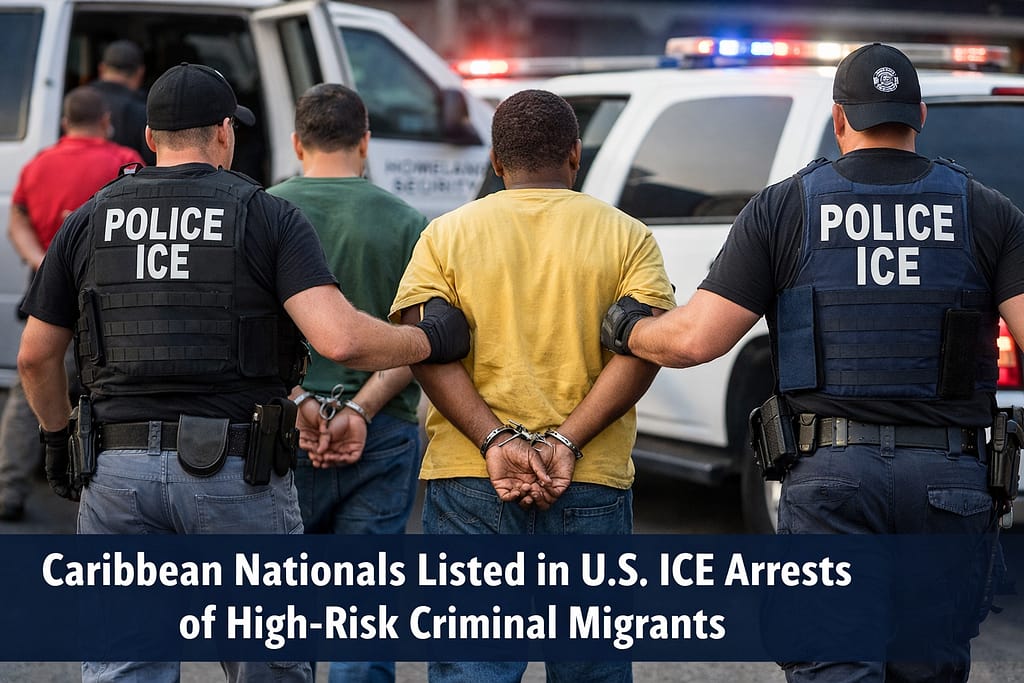
    The United States Department of Homeland Security has announced a significant enforcement operation resulting in the detention of numerous criminal migrants described by officials as the ‘worst of the worst.’ The operation, conducted by Immigration and Customs Enforcement (ICE) agents, specifically targeted individuals with convictions for severe offenses including sexual assault of minors, human trafficking, and violent assaults.

    According to DHS Assistant Secretary Tricia McLaughlin, the operation successfully removed ‘pedophiles, violent thugs, and human traffickers’ from American communities. The detained individuals included nationals from multiple Caribbean nations, with Jamaican citizens featuring prominently among those apprehended.

    Specifically identified were Jamaican nationals Duane Alando Spence, convicted of aggravated battery causing great bodily harm in Miami, and Marvin McGregor, found guilty of third-degree murder, firearms possession, and recklessly endangering another person in Philadelphia County, Pennsylvania.

    The enforcement action extended beyond Jamaican nationals to include other foreign citizens. Brett Archer, a Barbadian national, was arrested following his conviction for assault in Brooklyn, New York. The operation also captured Randolfo Agusto Diaz-Cabrera and Desiderio Marte Vargas, both citizens of the Dominican Republic, convicted of second-degree sexual conduct against a child and attempted murder with unlawful weapon possession, respectively. Cuban nationals Duniesky Eugenio Delgado-Gazo and Yusney Figueroa Arguelles were also detained for convictions including aggravated assault and robbery with a firearm.

    McLaughlin emphasized that under the direction of President Donald Trump and Homeland Security Secretary Kristi Noem, ICE is prioritizing the identification and removal of criminal illegal aliens who pose significant threats to public safety. The agency reports that approximately 70% of its current arrests involve undocumented immigrants with existing charges or convictions in the United States.

    Looking toward future enforcement efforts, McLaughlin announced ambitious expansion plans, stating: ‘In 2026, with a 120 percent increase in manpower, ICE is unleashed to arrest even more criminal illegal aliens and get them out of our country.’

  • Lawyer questions legality of NIS pension starting years after retirement

    Lawyer questions legality of NIS pension starting years after retirement

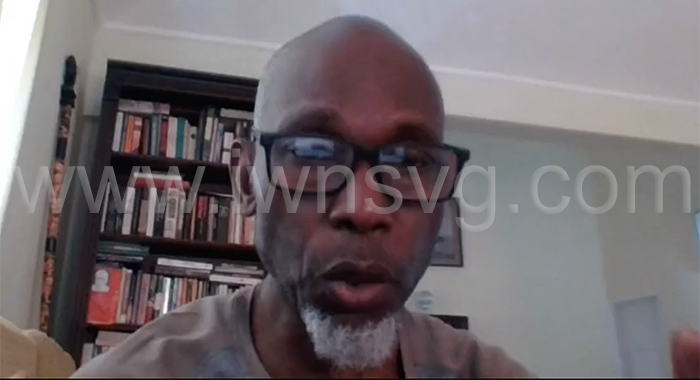
    A significant constitutional debate has emerged in St. Vincent and the Grenadines regarding the National Insurance Services (NIS) pension system, with prominent lawyer Jomo Thomas challenging the legality of mandatory waiting periods for retirees. The controversy centers on reforms implemented in June 2024 that have extended pension waiting periods to up to three years, with projections reaching five years by 2027 when the pensionable age increases to 65.

    Thomas, a respected social commentator and activist, confronted NIS Executive Director Stewart Haynes during a media appearance commemorating the agency’s 39th anniversary. “I always wondered about the constitutionality of this NIS plan, where people retire at 60 and you pay them five or six years later. That has to be legally questionable,” Thomas asserted, highlighting what he perceives as a violation of constitutional property rights protected under Section 6 of the nation’s constitution.

    The NIS reforms include a gradual contribution rate increase from 10% to 15% through 2026. Retirees seeking early access to their pensions face severe financial penalties, forfeiting 6% for each year before reaching official retirement age. Haynes defended the system, explaining that pensionable age differs from retirement age and emphasizing that the NIS operates as a statutory entity guided by specific legislation that evolves according to demographic and economic realities.

    Haynes, an actuary, framed the NIS as an intergenerational compact similar to a ‘sue-sue hand’—a traditional collective savings arrangement. “Every month that I contribute, that money is used to pay my mother. When my daughter enters the workforce and I reach retirement, her contribution will pay me,” Haynes illustrated, stressing the importance of intergenerational equity and system sustainability.

    Thomas countered with comparative analysis of the U.S. Social Security system, where delayed collection results in increased benefits rather than penalties. “In St. Vincent, the converse is true. I’m leaving my money there, and I’m not getting anything more on it, but if I try to get it earlier, I’m penalised. That can’t be right,” the lawyer argued, suggesting the current system might invite legal challenge.

    The exchange highlights growing tensions between social security sustainability requirements and fundamental citizen rights, setting the stage for potential constitutional litigation that could reshape the nation’s retirement security landscape.

  • Trump administration revokes more than 100,000 visas in first year back

    Trump administration revokes more than 100,000 visas in first year back

    In an unprecedented enforcement action, the U.S. State Department invalidated over 100,000 foreign visas throughout 2025—a figure that more than doubles the 40,000 revocations recorded during the final year of the Biden administration and establishes a new historical record. This aggressive policy shift implements President Donald Trump’s day-one executive order mandating rigorous foreign national vetting, signaling a substantial hardening of U.S. immigration enforcement.

    The majority of revoked visas belonged to business and tourist travelers who had overstayed their authorized periods. However, the crackdown extended significantly beyond typical visa violations, affecting approximately 8,000 international students and 2,500 specialized workers. According to State Department officials, the vast majority of these individuals had encountered law enforcement, resulting in criminal charges that triggered their loss of legal status.

    Detailed breakdowns reveal that among specialized workers, half of the revocations stemmed from drunken driving arrests, while 30% involved assault, battery, or confinement charges. The remaining 20% were linked to offenses including theft, child abuse, substance-related crimes, fraud, and embezzlement. Particularly alarming were the nearly 500 students who lost visas due to drug possession and distribution violations, alongside hundreds of workers removed over child abuse concerns.

    This enforcement surge forms part of a broader administration initiative announced in August 2025 to review all 55 million currently valid U.S. visas. Under Secretary Marco Rubio’s leadership, the State Department has implemented markedly stricter visa standards, including the November 2025 reinstatement of the “public charge” rule. This provision allows denial of visas to applicants considered likely to depend on public benefits, with evaluations based on health factors (placing older and overweight applicants under heightened scrutiny), English proficiency, financial stability, and potential long-term care needs.

    State Department principal deputy spokesperson Tommy Piggott emphasized the administration’s commitment to maintaining this aggressive posture through a newly established “continuous vetting center,” stating: “The Trump administration will continue to put America first and protect our nation from foreign nationals who pose a risk to public safety or national security.”

  • Late Sunday Night Motorcycle RTA Claims Police Officer’s Life

    Late Sunday Night Motorcycle RTA Claims Police Officer’s Life

    The Belize law enforcement community is in mourning following the tragic death of Police Constable Edwardo Cus in a fatal motorcycle collision Sunday evening. The incident occurred approximately at 8:00 p.m. along the Philip Goldson Highway in Belize City, according to official reports.

    Preliminary investigations indicate that Constable Cus was operating his motorcycle when the accident transpired, resulting in him being violently ejected from the vehicle. The impact caused catastrophic injuries that proved immediately life-threatening. Disturbing video evidence from the accident scene depicts the officer lying motionless on the roadway awaiting emergency assistance.

    First responders arrived promptly at the location and administered critical medical intervention before transporting the gravely injured officer to the Karl Heusner Memorial Hospital. Despite exhaustive resuscitation efforts by medical personnel, Constable Cus was subsequently pronounced deceased.

    The Belize Police Department has initiated a comprehensive investigation into the precise circumstances surrounding the collision. Traffic reconstruction specialists are currently examining all potential contributing factors, including road conditions, vehicle mechanics, and environmental elements that may have played a role in the tragic outcome.

    This incident marks another sobering reminder of the inherent dangers faced by law enforcement personnel both on and off duty. The department has announced plans to honor Constable Cus’s service and provide counseling resources for affected colleagues during this period of profound loss.

  • Iran ‘prepared for war’ but signals openness to US talks as protests intensify

    Iran ‘prepared for war’ but signals openness to US talks as protests intensify

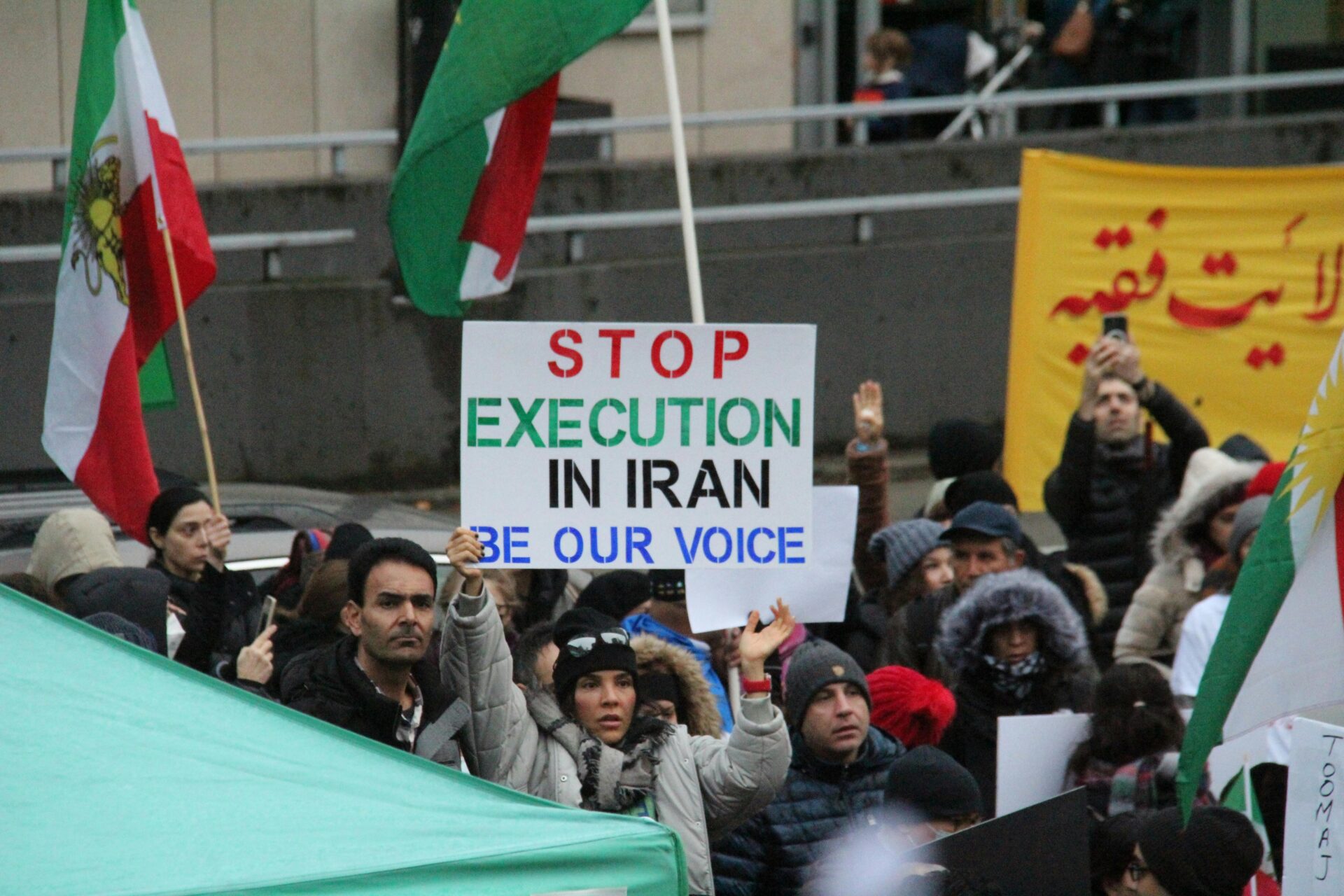
    Iran stands at a critical juncture as nationwide protests enter their third week, with human rights organizations reporting a death toll exceeding 500. The regime has adopted a paradoxical stance—issuing war readiness declarations while simultaneously extending diplomatic overtures to the United States. This complex dynamic unfolds against President Donald Trump’s explicit warning that American interests would trigger retaliatory strikes.

    According to US-based monitoring group HRANA, the civil unrest has resulted in 490 protester fatalities and 48 security personnel deaths, with arrests surpassing 10,600 individuals. Iranian authorities have intensified their response through a nationwide communications blackout exceeding 72 hours, effectively isolating the country from global digital networks.

    The protests, representing the most significant challenge to Tehran’s authority since 2022, have ignited international solidarity demonstrations. These gatherings have occasionally turned confrontational—Los Angeles witnessed a vehicular assault on anti-regime protesters, while London saw the Iranian embassy’s flag desecration, prompting Tehran to summon Britain’s ambassador.

    State media broadcasted pro-government rallies featuring President Masoud Pezeshkian and Foreign Minister Abbas Araghchi, who urged citizens to demonstrate resilience against what officials termed ‘foreign-instigated riots.’ Simultaneously, security forces have escalated efforts to disrupt Starlink satellite internet services, with IranWire reporting equipment confiscations and terminal jamming operations.

    Amid the turmoil, diplomatic channels show subtle activity. Iranian diplomats have reestablished contact with US envoy Steve Witkoff through communication pathways originally created during nuclear negotiations. Though President Trump claims Iranian leaders seek direct talks, the foreign ministry only acknowledges that ‘certain points and ideas have been presented by the other side.’

    The European Parliament has taken a firm stance, announcing a comprehensive ban on Iranian diplomats from its premises. President Roberta Metsola declared the EU legislature would not ‘legitimize a regime sustained through torture, repression and murder.’

    As Israel heightens alert levels following US intervention threats, Washington prepares to evaluate response options including military strikes, cyber operations, sanctions expansion, and digital support for protesters. This multilayered crisis—combining domestic rebellion, international diplomacy, and potential armed conflict—poses the most severe test to Iran’s political stability in recent history.