作者: admin

  • Education: Ministerial decision on the generalization of new 3rd cycle programs

    Education: Ministerial decision on the generalization of new 3rd cycle programs

    In a landmark decision that will reshape Haiti’s educational landscape, the Ministry of National Education and Vocational Training (MENFP) has mandated the nationwide implementation of a completely revamped curriculum for the third cycle of fundamental education. Minister Augustin Antoine formally enacted Ministerial Decision No. D-2(1)384 on January 9, 2026, setting in motion a comprehensive educational transformation scheduled for full implementation by the 2027-2028 academic year.

    The reform introduces four entirely new subjects that will become immediately effective across all educational institutions starting from the 2024-2025 school year: Citizenship Education (EC), Aesthetic and Artistic Education (EEA), Physical and Sports Education (EPS), and Education for Technology and Productive Activities (ETAP).

    A carefully structured three-year phased implementation will follow, beginning with 7th-grade classes (7th AF) in 2027-2028 adopting new programs for seven additional disciplines. These student cohorts will then progress through 8th grade (8th AF) in 2028-2029 and 9th grade (9th AF) in 2029-2030 with corresponding updated curricula, ensuring complete nationwide coverage of the reformed educational framework.

    The constitutional foundation for this educational overhaul rests upon Haiti’s guarantee of education rights through multiple constitutional articles. The reform aligns with the September 27, 1994 law that reorganized Haiti’s education system and established basic education standards.

    Implementation responsibilities have been clearly delineated across the educational bureaucracy. The Directorate of Fundamental Education (DEF) will coordinate pedagogical monitoring and provide technical support, while the Directorate of Training and Development (DFP) will organize comprehensive continuing education programs for teachers, administrators, and educational supervisors. Departmental Education Directorates (DDE) will ensure local compliance and dissemination of the new standards.

    Notably, the ministry has also mandated that textbook publishers and educational material designers undertake a complete revision of their works under MENFP’s technical supervision to ensure alignment with the new competency-based approach (APC) and curricular innovations. This decision expressly repeals all previous provisions that conflict with the new educational framework.


  • Social : 2010 Earthquake : Rain of Messages

    Social : 2010 Earthquake : Rain of Messages

    Sixteen years after the catastrophic earthquake that devastated Haiti on January 12, 2010, the nation united in solemn remembrance of one of the most tragic events in its history. Senior government officials, international partners, and institutions across the country paid heartfelt tribute to the thousands of lives lost while emphasizing resilience and continued reconstruction efforts.

    Prime Minister Alix Didier Fils-Aimé led the national commemoration, stating: “The nation bows before the memory of the lives lost and shares the grief of the bereaved families. Mourning remains, but so does hope. Together, let’s commit to building a strong Haiti, founded on peace, stability, and solidarity.”

    Members of the Presidential Transitional Council echoed this sentiment. Councillor Leslie Voltaire highlighted the “exemplary strength and dignity of the Haitian people” during the disaster, while Council President Fritz Alphonse Jean called for reflection on “building a new Haiti.”

    The Haitian National Police honored dozens of officers who perished during rescue operations. Acting Commander-in-Chief André Jonas Vladimir Paraison commended those who “perished while providing assistance to those in need” and called for continued efforts toward “a better Haiti, in peace and security.”

    Port-au-Prince City Hall described how the earthquake “remains etched in the heart of Port-au-Prince and in the memory of all the Haitian people,” noting that “in our grief, we learned to stand tall.”

    The international community demonstrated sustained solidarity with Haiti. The French Embassy expressed “sincere thoughts of solidarity to the families of the victims,” while the Canadian Embassy commended “the remarkable resilience of the Haitian people.” The European Union reaffirmed its “profound and unwavering solidarity,” and the United Nations Integrated Office in Haiti paid tribute to both Haitian victims and UN colleagues lost in the disaster.

    The State University of Haiti (UEH) called the anniversary “an opportunity to meditate and reflect together on the best paths to take to build a nation,” emphasizing the need to work “with the forces of nature and the specific circumstances of our society.”

    From distant diplomatic posts, including the Haitian Embassy in Vietnam, officials joined in commemorating the tragedy that “forever marked national history” while recognizing the “resilience, national and international solidarity, and ongoing commitment to reconstruction.”

  • Music education to benefit from BIM Got Talent finale

    Music education to benefit from BIM Got Talent finale

    In a significant move to bolster arts education, the organizers of the BIM Got Talent Youth Sing-Off finale have designated all proceeds from this year’s event to directly fund music programs in Barbados’ secondary schools. The finale, scheduled for Tuesday, January 20, will feature ten young performers competing for top honors while serving as both a talent showcase and strategic intervention for arts education development.

    Creative Director Randy ‘Mr Quantum’ Eastmond emphasized the initiative’s broader purpose during a weekend press conference at De Bar, Worthing, Christ Church. ‘This press conference represents more than an event announcement; it’s a declaration of intent focused on youth development, cultural preservation, and national investment through music and the arts,’ Eastmond stated. ‘The Sing-Off exists for one urgent purpose: to directly support school music programs across Barbados.’

    Eastmond highlighted systemic challenges in arts education, noting that music is frequently marginalized within the school curriculum. ‘In many institutions, music education remains under-resourced, often treated as an extracurricular luxury rather than a developmental necessity,’ he explained. Citing established research, Eastmond emphasized that ‘music education strengthens cognitive ability, improves academic performance, builds discipline, enhances emotional intelligence, and fosters teamwork—outcomes that are essential for developing nations like Barbados.’

    Special guest Senator Roshanna Trim endorsed the initiative’s role in youth engagement and national development. ‘We must find innovative ways to engage young people through the arts, which we know can transform lives and create meaningful impact,’ Senator Trim asserted. ‘Through such activities, we build resilience and develop confident youth.’

    The senator issued a stark warning regarding underinvestment in youth development: ‘If we neglect intentional investment in our young people, we accept whatever consequences follow. For a small nation like Barbados, where our people constitute our only natural resource, we cannot afford to leave development to chance.’

    Trim additionally called for increased private sector involvement, urging ‘corporate Barbados to not only create their own initiatives but to support youth-led programs, ensuring young people feel their contributions are valued.’

    BIM Got Talent founder Kevin ‘Sluggy Dan’ Watson described the competition as a platform to showcase Barbados’ diverse talent pool, particularly among youth lacking major performance opportunities. The event has gained prominence for highlighting singers, performers, and creatives across the island while increasingly aligning with social causes that reinvest in national development priorities, including education and creative industries.

  • Columbus Lighthouse Museum reopens after renovations

    Columbus Lighthouse Museum reopens after renovations

    Santo Domingo’s iconic Columbus Lighthouse Museum has resumed operations following an extensive one-month renovation project. The cultural institution, formally known as Faro a Colón, now welcomes visitors with significant enhancements to its safety infrastructure, functional amenities, and overall guest experience.

    The restoration initiative, representing an investment of approximately RD$35 million, was personally secured by President Luis Abinader and implemented through the Ministry of Housing and Buildings (MIVED). This substantial financial commitment underscores the government’s dedication to preserving one of the Dominican Republic’s most historically significant landmarks while modernizing its facilities for contemporary tourism demands.

    Local authorities have emphasized that the improvements successfully balance modernization with preservation, ensuring the monument’s cultural integrity remains intact while elevating visitor comfort. Governor Eliezer Nolasco has publicly advocated for both residents and international tourists to revisit the museum, recognizing its renewed status as a cornerstone of national heritage and tourism in Santo Domingo Este.

    Institutional collaboration played a crucial role in the project’s execution, with Governor Nolasco specifically acknowledging Mayor Dío Astacio for his cooperative efforts in maintenance and administrative support. The successful reopening marks a significant achievement in cultural preservation and tourism development for the Dominican Republic.

  • Antigua Tests Simple Net System That Keeps Bugs Out and Food Chemical-Free

    Antigua Tests Simple Net System That Keeps Bugs Out and Food Chemical-Free

    A groundbreaking agricultural initiative in Antigua and Barbuda is demonstrating remarkable success in pesticide-free vegetable cultivation through advanced insect-proof net technology. This innovative approach, developed under a bilateral cooperation program with China, represents a significant leap toward sustainable farming practices in the Caribbean nation.

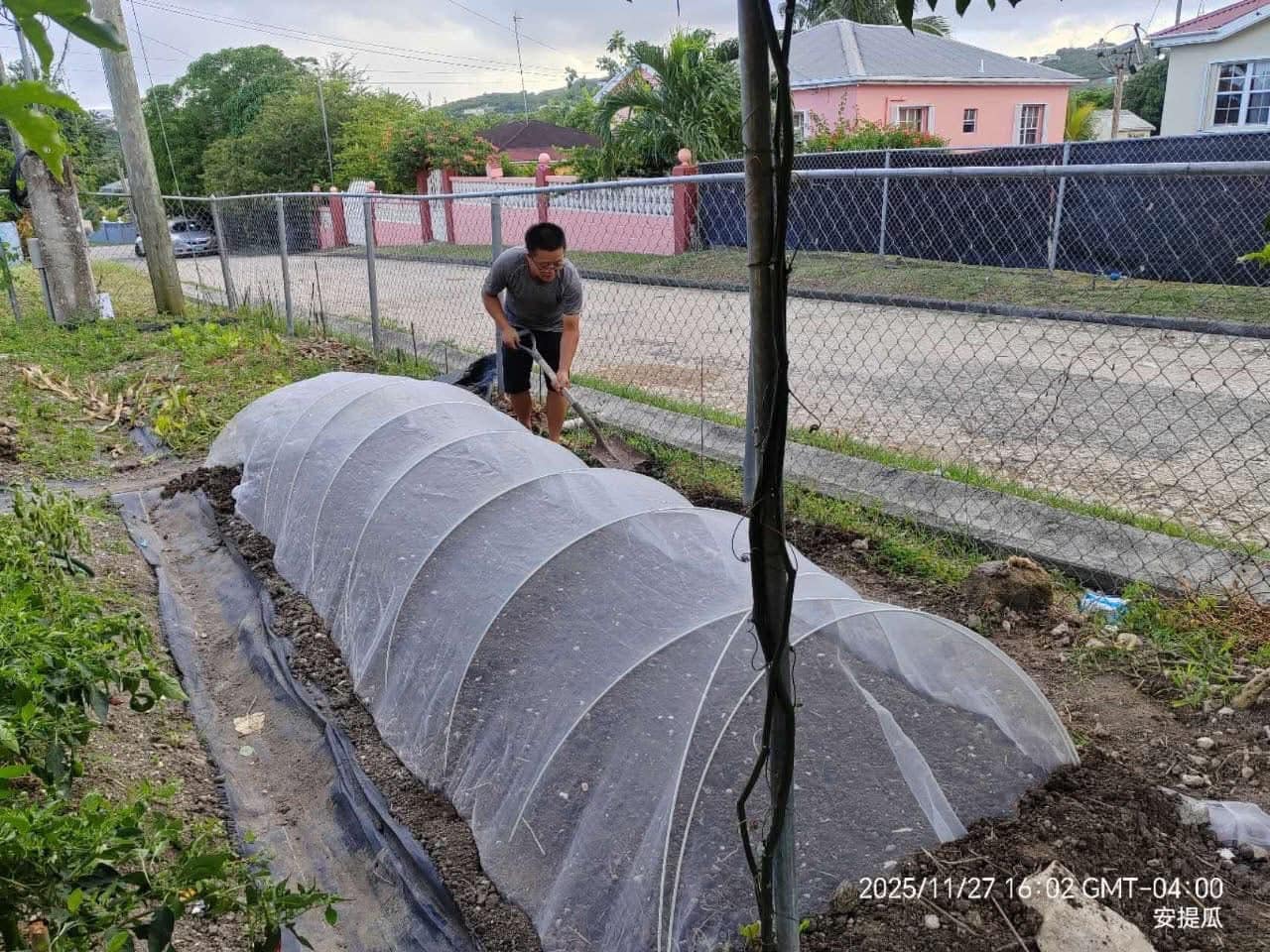
    The technology, formally designated as Light and Simplified Green Prevention and Control Technology for Plant Pests, employs finely woven nets that create a physical barrier against destructive insects while permitting essential sunlight, air, and rainwater to reach crops. This method effectively prevents infestation by common pests including aphids, thrips, flea beetles, and diamondback moths without chemical intervention.

    Dr. Lu Jiaju, Associate Researcher at the Institute of Subtropical Crops, Guizhou Academy of Agricultural Sciences, who serves as lead technical instructor for the project, emphasized the preventive nature of the technology. “This methodology focuses on creating an impenetrable barrier rather than combating pests after infestation occurs,” Dr. Lu explained. “By preventing insect access, we eliminate both crop damage and disease transmission pathways.”

    The comprehensive field trial, conducted in collaboration with Antigua and Barbuda’s Crop Research & Development Division, focused on Chinese cabbage—a leafy vegetable particularly vulnerable to tropical pests. Researchers implemented meticulous preparation protocols including field sanitation and solarization techniques to eliminate existing pest populations before establishing arched greenhouse structures completely enclosed with the specialized netting.

    The results proved unequivocal: the January 2026 harvest revealed stark contrasts between net-protected and control plots. Cabbage grown under insect-proof nets exhibited perfect health, uniformity, and zero pest damage without pesticide application, while unprotected crops suffered near-total destruction.

    Beyond pest prevention, the technology enhances vegetable quality by eliminating plant stress responses that typically produce bitter compounds. This results in superior taste, texture, and visual appeal that meets growing consumer demand for clean, chemical-free produce.

    While initially demonstrated with cabbage, the technology shows promising applications for diverse crops including tomatoes, cucumbers, eggplants, watermelons, broccoli, napa cabbage, and cowpeas—all staples of local agriculture. The Ministry of Agriculture plans expanded trials and demonstrations, including at the Bethesda agricultural base, to encourage broader adoption.

    The subsequent phase of the agricultural assistance project will include comprehensive farmer training programs and hands-on demonstrations. Although initial infrastructure costs exceed traditional open-field farming, experts project rapid cost recovery through reduced pesticide expenses and premium market prices for higher-quality produce.

    “This represents a transformative investment in our agricultural future,” Dr. Lu concluded. “Through continued collaboration with the Ministry of Agriculture, we can empower local farmers to produce healthier vegetables while significantly enhancing national food security.”

  • Politic : 2010 Earthquake : Official Ceremony

    Politic : 2010 Earthquake : Official Ceremony

    Haiti’s highest governmental authorities gathered at the National Palace on Champ de Mars for a poignant memorial ceremony marking the 16th anniversary of the catastrophic January 12, 2010 earthquake. The devastating 7.3 magnitude tremor, which lasted merely 35 seconds, resulted in 222,570 fatalities, 300,572 injuries, and left 1.6 million citizens homeless according to official statistics.

    Laurent Saint Cyr, President pro tempore and Coordinator of the Presidential Transitional Council (CPT), led the commemorative events alongside Prime Minister Alix Didier Fils-Aimé. The ceremony assembled key national figures including government ministers, Vladimir Paraison (Acting Director General of the Haitian National Police), Lieutenant General Derby Guerrier (Commander-in-Chief of the Armed Forces), military high command officials, and senior public administration leaders.

    The solemn gathering symbolized the nation’s renewed dedication to strengthening unity, advancing sustainable reconstruction efforts, and enhancing Haiti’s resilience against future challenges. In a gesture of national respect and remembrance, President Saint Cyr laid a ceremonial wreath honoring the earthquake victims.

    Addressing the nation, Saint Cyr emphasized the transformative power of collective memory: “On this Day of Remembrance, let’s commit ourselves together never to forget, to better prepare ourselves, to unite around the common good, and to build a safer, more united, and more resilient country. May the memory of the victims illuminate our choices and inspire our collective action.” The transitional leader powerfully declared Haiti’s capacity for renewal, stating the nation “can, must, and will rise again” through responsible collective action.

    Prime Minister Fils-Aimé echoed these sentiments, acknowledging the enduring grief while emphasizing hopeful reconstruction: “The Nation bows before the memory of the lives lost and shares the grief of the bereaved families. Mourning remains, but so does hope. Together, let us commit to building a strong Haiti founded on peace, stability, and solidarity.”

    The ceremony represented a significant demonstration of governmental solidarity with victims’ families and the broader Haitian population, reinforcing institutional commitments to national recovery and future preparedness.

  • Duartian Institute alerts to threats against nationality and sovereignty

    Duartian Institute alerts to threats against nationality and sovereignty

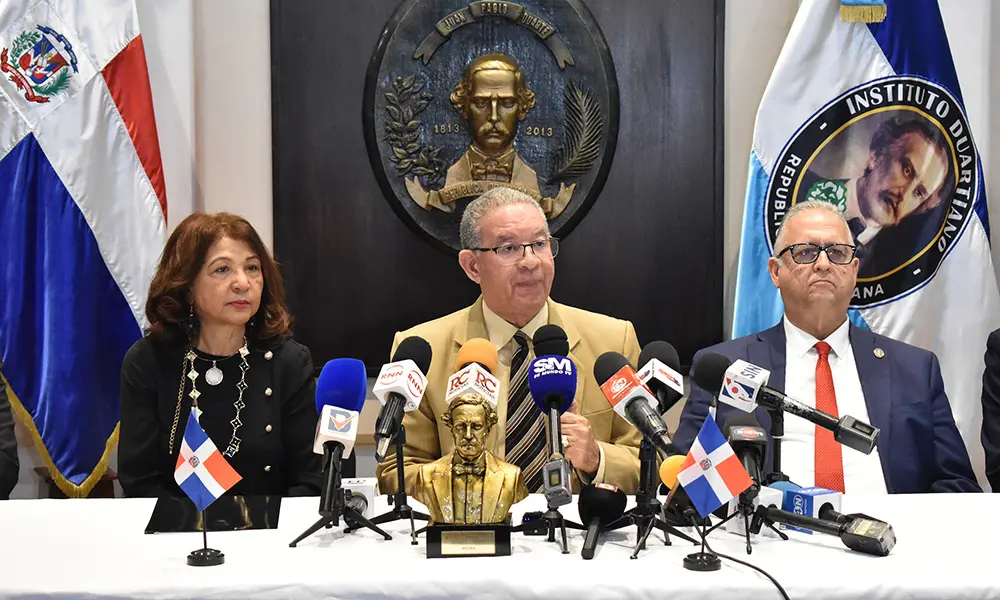
    Santo Domingo, Dominican Republic – The Duartian Institute, a prominent national institution, has issued a stark warning regarding alleged attempts by influential sectors to undermine Constitutional Court ruling 168-13. Dr. Wilson Gómez Ramírez, President of the Institute, declared on Monday that powerful forces are seeking to reverse the landmark decision which mandated a comprehensive cleansing of the civil registry and established stringent regulations for nationality criteria.

    Dr. Gómez Ramírez emphasized that the ruling provides an unequivocal definition of the status of foreigners in transit, a matter he asserts falls squarely within the sovereign authority of the Dominican State. He delivered these statements during a board meeting at the Duarte Museum and House in the Colonial City, coinciding with the presentation of events commemorating the 213th anniversary of national hero Juan Pablo Duarte y Díez’s birth.

    The institution simultaneously condemned initiatives aimed at subjecting the Dominican Republic to the jurisdiction of the Inter-American Court of Human Rights, characterizing such moves as a direct assault on national sovereignty and a threat to Dominican identity. To substantiate this stance, the Institute President drew upon the constitutional philosophy and historical writings of Duarte himself, highlighting the founding father’s unwavering defense of popular sovereignty and national honor.

    Dr. Gómez Ramírez cautioned that any endeavor to nullify the court’s decision would fundamentally endanger Dominican nationality and territorial integrity. He issued a compelling call to action, urging patriotic, social, political, and professional organizations to maintain heightened vigilance and foster unity in protecting the national interest.

    In related developments, the Duartian Institute unveiled an extensive program of activities to honor Duarte’s legacy, commencing January 18 with the ‘Cavalcade for the Homeland’—an equestrian parade departing from the Altar of the Homeland through the Colonial City’s main thoroughfares. The official anniversary ceremonies on January 26 will begin with a flag-raising ceremony at the Duarte-Díez family residence on Isabel la Católica Street, accompanied by a performance of the National Anthem by the Capital Fire Department band. Additional commemorative events are scheduled both domestically and internationally.

  • FLASH : The House of Representatives extends the HOPE/HELP laws for Haiti

    FLASH : The House of Representatives extends the HOPE/HELP laws for Haiti

    In a significant bipartisan move, the U.S. House of Representatives has passed legislation extending critical trade preferences for Haiti through December 31, 2028. The passage of Bill H.R. 6504 ensures the continuation of the Haitian Hemispheric Opportunity Through Partnership for Encouragement (HOPE) and the Haiti Economic Lift Program (HELP) Act, marking a crucial development in U.S.-Caribbean relations.

    Democratic Congresswoman Stacey E. Plaskett, a primary advocate for the legislation, hailed the decision as a strategic victory for both Haiti and United States regional engagement. “The bipartisan support for reauthorizing HOPE/HELP demonstrates that when it comes to supporting our neighbors and advancing our shared interests, Democrats and Republicans can work together,” Plaskett stated in an official release.

    The trade preference program enjoys substantial congressional backing due to its dual benefits: strengthening Haiti’s economic foundation while advancing U.S. strategic interests. The program supports Haitian apparel manufacturing that utilizes American cotton and contributes to shifting supply chains from China to the Western Hemisphere.

    Plaskett acknowledged key figures instrumental in the legislation’s passage, including Ranking Member Neal, Chairman Smith, Dr. Murphy, and Haiti’s Ambassador to the United States, Lionel Delatour. She also recognized the efforts of civil society organizations and American manufacturers who advocated for the program’s renewal.

    The extension promises greater economic stability for Haiti by fostering bilateral trade relations, providing investor certainty, and creating employment opportunities. The legislation now moves to the U.S. Senate for consideration before potentially reaching the President’s desk for final approval.

  • Shooting at Chinese store in Verón–Punta Cana leaves three injured

    Shooting at Chinese store in Verón–Punta Cana leaves three injured

    A violent workplace altercation erupted into gunfire Monday afternoon at a Chinese-owned retail establishment in Verón–Punta Cana, leaving three individuals wounded and resulting in one arrest. The incident occurred approximately at 5:10 p.m. local time at the ‘Long’ store situated on Barceló Avenue adjacent to the Olé supermarket.

    According to criminal investigators from DICRIM, the confrontation originated from a heated verbal exchange between two employees: 24-year-old Haitian national Natacha Benjamin and her 46-year-old Dominican colleague Carmela Bello Raúl. Witnesses reported the argument intensified to near-physical violence, prompting security guard Rafael Hernández Hernández to intercede and separate the disputing parties.

    During the intervention, authorities report that Benjamin allegedly seized the guard’s service weapon—a Taurus .38 caliber revolver—and discharged four rounds within the confined retail space. The gunfire resulted in multiple casualties, including Mayloveda Pierre, a Haitian national who sustained a critical neck wound with an exit injury, and Dorcelin Climat, another Haitian employee who suffered a gunshot wound to the left leg. Both Bello Raúl and an unidentified customer present during the incident also received injuries.

    Preliminary investigations reveal that two male employees attempted to subdue Benjamin after the initial shot but were subsequently wounded during the struggle. Law enforcement personnel apprehended the alleged aggressor at the scene, where she remains in custody pending formal judicial proceedings.

    National Police forensic teams continue evidence collection and investigation into the precise circumstances surrounding the escalation. Medical authorities have not yet released official condition updates for the three hospitalized Haitian nationals as the investigation continues to develop.

  • Information from the Revolutionary Government on the posthumous tribute to Cuban combatants who fell in the line of duty in the Bolivarian Republic of Venezuela

    Information from the Revolutionary Government on the posthumous tribute to Cuban combatants who fell in the line of duty in the Bolivarian Republic of Venezuela

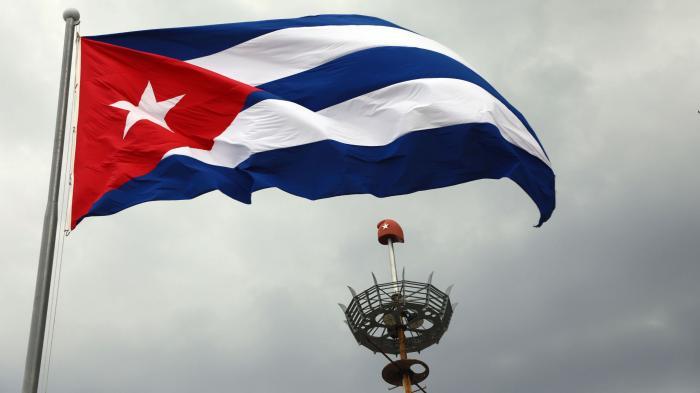
    HAVANA – Cuba commenced solemn ceremonies on Thursday to honor 32 military personnel reportedly killed during what authorities describe as a “criminal attack” by the United States against Venezuela. The remains arrived at José Martí International Airport where an official military reception was held.

    The procession traveled along Rancho Boyeros Avenue to the Ministry of the Revolutionary Armed Forces headquarters, with citizens lining the route to pay respects to the fallen combatants. Starting at 10:00 a.m., the public was permitted access to view the remains at the ministry building.

    Additional commemorative events are scheduled throughout the country. On Friday morning, Havana residents will gather at the José Martí Anti-Imperialist Tribune to initiate the “March of the Fighting People,” symbolizing national solidarity. Simultaneous tribute ceremonies will occur in all provincial capitals at 9:00 a.m., followed by burials in local pantheons for fallen defenders at 4:00 p.m.

    The Cuban government has declared 2026 as the “Year of the Centennial of Commander-in-Chief Fidel Castro Ruz,” adding historical significance to the ceremonies. Official statements honored the soldiers as heroes who fell defending Venezuela’s Bolivarian Republic, though the United States government has not officially commented on the alleged incident.

    The coordinated national observances represent one of Cuba’s most significant military commemorations in recent years, highlighting ongoing geopolitical tensions in the region.