作者: admin

  • Report it!

    Report it!

    Amidst deeply concerning statistics showing persistent high levels of violence against children across Jamaica, the nation’s Child Protection and Family Services Agency (CPFSA) is reiterating a critical legal obligation: every member of the public is required by law to report suspected child abuse, neglect, or harm to state authorities.

    The reminder came from CPFSA legal officer Kimberly Blackwood-Martin during a Wednesday Zoom convening focused on evaluating the country’s existing child protection framework. In her remarks, Blackwood-Martin cited the Child Care and Protection Act, which explicitly states that anyone with reasonable suspicion that a child has been, is being, or will face abandonment, neglect, physical or sexual maltreatment, or requires alternative care and protection must submit a formal report to the National Children’s Registry (NCR). She emphasized that this mandate is not a discretionary choice, but a binding legal requirement for all Jamaican citizens.

    Blackwood-Martin lamented a marked shift from cultural traditions of collective care for children, noting that the historic “it takes a village” mindset that once encouraged community intervention to protect at-risk youth has eroded in modern times. She pointed to widespread inaction even when community members witness clear signs of harm, from children begging publicly to unexplained, frequent injuries on children in their own families.

    Data shared during the meeting underscores the scale of the crisis. Between 2024 and 2025, the NCR received more than 14,183 reports involving children, covering allegations of physical abuse, sexual abuse, emotional and verbal mistreatment, and neglect. Complementary data from Jamaica’s Multiple Indicator Cluster Survey shows that as of 202[corrected per original typo], nearly 76 percent of children between the ages of one and 14 have experienced either psychological aggression or physical punishment at the hands of caregivers. More than 57 percent of all children face physical punishment, with four percent enduring severe abuse including repeated beatings to the head or face. Most strikingly, the survey found that more than three out of every four Jamaican children will experience at least one form of violence before they reach adulthood.

    Even these alarming figures are likely an undercount, Blackwood-Martin warned. Many abuse cases remain unreported, leaving countless children to endure harm in silence. She called out widespread public apathy: too often, when people encounter children begging on the street or spot suspicious signs of abuse within family networks, they choose to look away rather than intervene. A common response to a child begging is to give a small cash donation instead of questioning why the child is unsupervised and in public distress, and failing to alert authorities to investigate the situation.

    Blackwood-Martin also criticized the pervasive cultural normalization of excessive corporal punishment, a widespread practice that continues to put children at unnecessary risk of severe harm. She argued that the combined efforts of policymakers, child protection advocates, and existing legislation cannot solve the crisis on their own—communities and individual citizens must step up to fulfill their legal and ethical roles. She specifically referenced Section 8, Part 2 of the Child Care and Protection Act, which outlines mandatory reporting requirements specifically for children found to be destitute or begging.

    In closing, Blackwood-Martin urged the public to use the NCR’s 211 hotline any time they have concerns about a vulnerable child’s safety. Rejecting efforts to downplay the severity of the crisis, she stressed that current rates of child violence in Jamaica are unacceptably and alarmingly high, and that policy debates, cabinet discussions and committee meetings are no longer sufficient to drive meaningful change. Collective action from every member of Jamaican society is required to turn the tide, she said.

  • Hughes Says Opposition Senators Intend to Bring “Highest Level of Debate” to Senate

    Hughes Says Opposition Senators Intend to Bring “Highest Level of Debate” to Senate

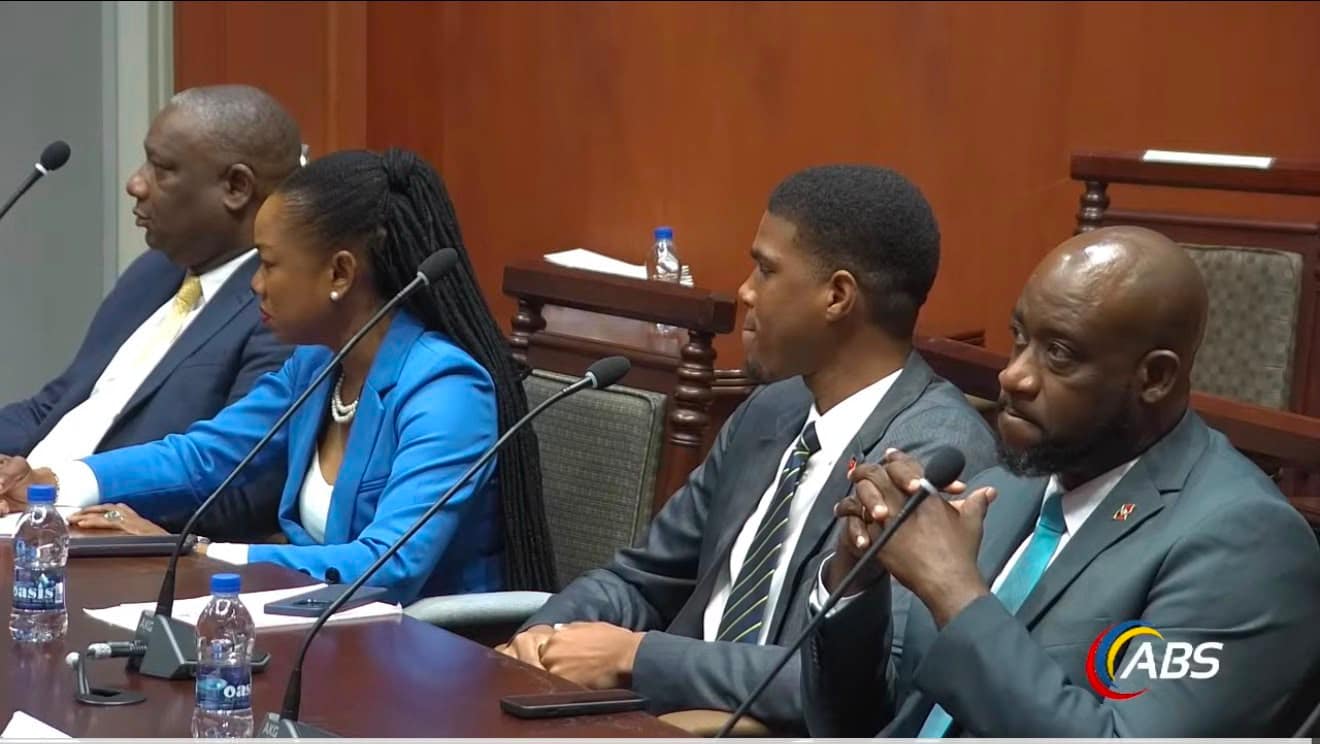
    Fresh off the swearing-in of newly appointed senators following the April 30 general election, Antigua and Barbuda’s Senate Minority Leader Chester Hughes has laid out a clear, principle-driven roadmap for the opposition bloc in the Upper House, emphasizing rigorous policy-centered debate over partisan conflict.

    Speaking to the full chamber in his first address after the inauguration ceremony Wednesday, Hughes positioned the opposition as a constructive watchdog for national interests, rather than an ideological foil set on blocking government action for political gain. He stressed that every piece of legislation brought before the Senate would receive thorough, research-backed review from opposition senators, with criticism rooted in national pride rather than partisan gain.

    “We will criticize constructively. We will criticize with a sense of purpose and national pride and not for political reasons,” Hughes told assembled lawmakers. “We will not debate bills and politics. But we will debate bills and policies and Antigua and Barbuda along with principles.”

    In a break from common opposition tactics that prioritize partisan positioning, Hughes clarified that opposition senators will not reject government proposals out of hand. If legislation requires revision and referral back to the Lower House, the decision will be framed as a substantive challenge to problematic provisions, not a blanket rejection of the government’s initiative, he said.

    To back this commitment to rigorous oversight, the Minority Leader revealed he has already issued formal guidance to all opposition senators requiring comprehensive pre-debate research on every bill. This preparation, he explained, will allow the bloc to put forward positions that align with what is right and principled for the future of Antigua and Barbuda, rather than reactive political talking points.

    Hughes also used the address to elevate youth engagement as a core priority for the new Senate term, issuing a direct challenge to first-time and younger senators to center the concerns of Antigua and Barbuda’s younger population. He urged these lawmakers to not only advocate for youth interests in legislative deliberations, but also to bridge the gap between the Senate and younger generations by breaking down how pending legislation directly impacts their daily lives and long-term livelihoods.

    Looking past the recent election campaign, Hughes closed his remarks by calling for cross-party civility, noting that political rivalries do not need to translate to personal or professional animosity. He emphasized that all elected lawmakers share a common goal of advancing national development, regardless of partisan affiliation.

    “The politics is over. The work begins to continue the building of the nation of Antigua and Barbuda,” Hughes said.

  • Senate President Challenges Young Senators to Help Shape Antigua and Barbuda’s Future

    Senate President Challenges Young Senators to Help Shape Antigua and Barbuda’s Future

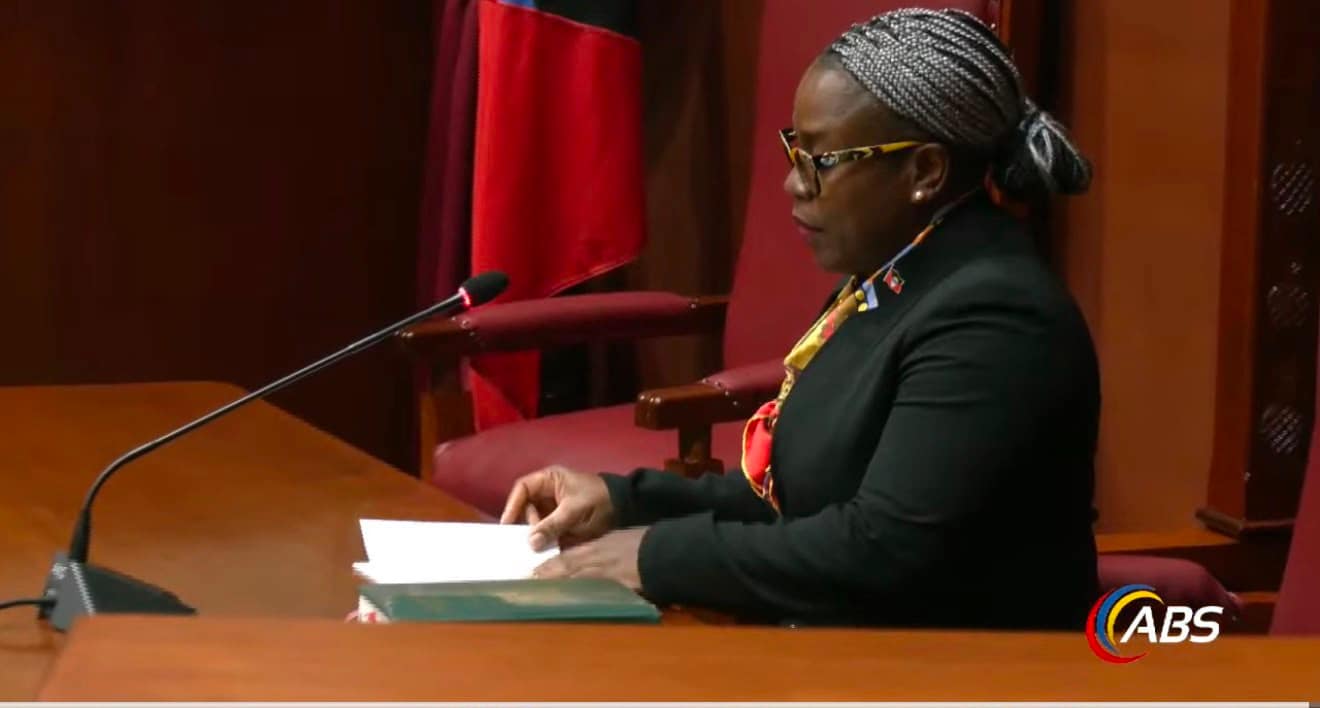
    Following the recent general election in Antigua and Barbuda, the nation’s newly formed Senate has held its historic first formal sitting, where Senate President Alincia Williams-Grant delivered a clear, compelling charge to all appointed senators: approach their public roles with intentional discipline, thorough preparation, and unwavering dedication to serving the national interest.

    The address came immediately after the formal swearing-in ceremony for the new cohort of upper house legislators, where Williams-Grant emphasized that every senator carries a constitutionally mandated responsibility that demands the utmost gravity. She reminded members that the public holds high expectations for their work in the chamber, and that constituents across Antigua and Barbuda will be closely tracking every action, statement, and policy contribution they make. “The people are watching you,” she stressed, underscoring the accountability that comes with legislative office.

    To help senators meet these public expectations, Williams-Grant called on all members to deepen their familiarity with the Senate’s standing orders, mastering the formal rules that structure debate, procedure, and interactions within the chamber. “When you come into this house, that is what’s guiding us,” she explained, highlighting even basic procedural distinctions that are critical to effective legislative work, such as the difference between a point of order and a point of elucidation.

    Beyond procedural knowledge, the Senate President pushed members to prioritize ongoing training and professional growth, pushing back against the common misconception that an appointment to public office alone is sufficient preparation to serve effectively. “Training is important. So don’t close your mind that, ‘Hey, I’ve arrived, I’m a senator,’” she said. “There’s opportunity for growth and development” that all legislators should actively pursue throughout their tenures.

    A central, uplifting theme of Williams-Grant’s opening address was the growing representation of young people in the nation’s parliamentary process. She highlighted the appointments of two youthful new senators, Shaquan O’Neal and Jonathan Wenner, both of whom cut their political teeth participating in the Parliament’s official Youth Parliament programmes.

    Williams-Grant shared that seeing the two young legislators take their seats left her “overwhelmed” with pride, noting that their presence is a direct product of the legislative body’s years of youth outreach work. “The youth are the future of tomorrow. They are present now, they have a voice, they have a contribution to make,” she argued, pushing back against narratives that relegate young people to a secondary role in national governance.

    She framed O’Neal and Wenner’s appointments as tangible proof that the Parliament’s investments in youth engagement are delivering meaningful results. Closing her address, Williams-Grant called for cross-partisan unity, urging all senators — regardless of their political affiliation — to collaborate on behalf of all people of Antigua and Barbuda. “What we need is a collective effort … to bring to focus all of the issues that affect people of Antigua and Barbuda,” she concluded.

  • Williams-Grant Says Women Still Underrepresented in Both Houses of Parliament

    Williams-Grant Says Women Still Underrepresented in Both Houses of Parliament

    Against the backdrop of the ceremonial opening of Antigua and Barbuda’s newly elected Senate, Senate President Alincia Williams-Grant has sounded a clarion call for expanded female engagement in national politics, arguing that current levels of women’s representation in both chambers of the country’s parliament remain far from sufficient even after incremental gains in the Upper House.

    The April 30 general election, which formed the current legislative body, brought a modest but notable increase in female representation in the Senate, bringing the total number of women holding seats to seven out of a total 17. This equals a 41 percent share of positions in the Upper House — a milestone Williams-Grant acknowledges, but one that still leaves the nation short of meaningful gender parity in political leadership.

    Addressing her fellow senators directly during the opening ceremony, Williams-Grant highlighted the stark gender gap that persists in the lower House of Representatives, where just two women occupy seats among the chamber’s 17 members. Doing the basic math, that adds up to less than 12 percent female representation in the lower house, a figure that underscores how much unfinished work remains to build a legislative body that truly reflects the demographic makeup of the nation it serves.

    Williams-Grant used the opening session to urge women across every ideological and partisan divide to keep pushing for greater access to leadership roles and increased presence in national governance. She encouraged women to frame their advocacy as both a national priority and a commitment to gender equity, regardless of whether they claim the label of feminist, pushing for tangible improvement to the state of representative politics in Antigua and Barbuda.

    Beyond pushing for more candidacies and seats, the Senate President challenged sitting female senators to step into active mentorship roles, engaging with parliamentary community outreach and leadership programs designed to nurture the next generation of young women leaders. She warned against complacency in the wake of the small gains made in the recent election, stressing that progress has been too slow to warrant resting on current achievements.

    “So let’s not rest on our laurels, women of Antigua and Barbuda. We have some work to do,” she added.

    Williams-Grant also took time to recognize and celebrate the women who stood as candidates in the April 30 general election, noting that simply stepping forward to run for public office represents a major, groundbreaking accomplishment that paves the way for future progress, even for those candidates who did not win their races.

  • Indian quarry company denies workers’ allegations, probe continues- Labour Minister

    Indian quarry company denies workers’ allegations, probe continues- Labour Minister

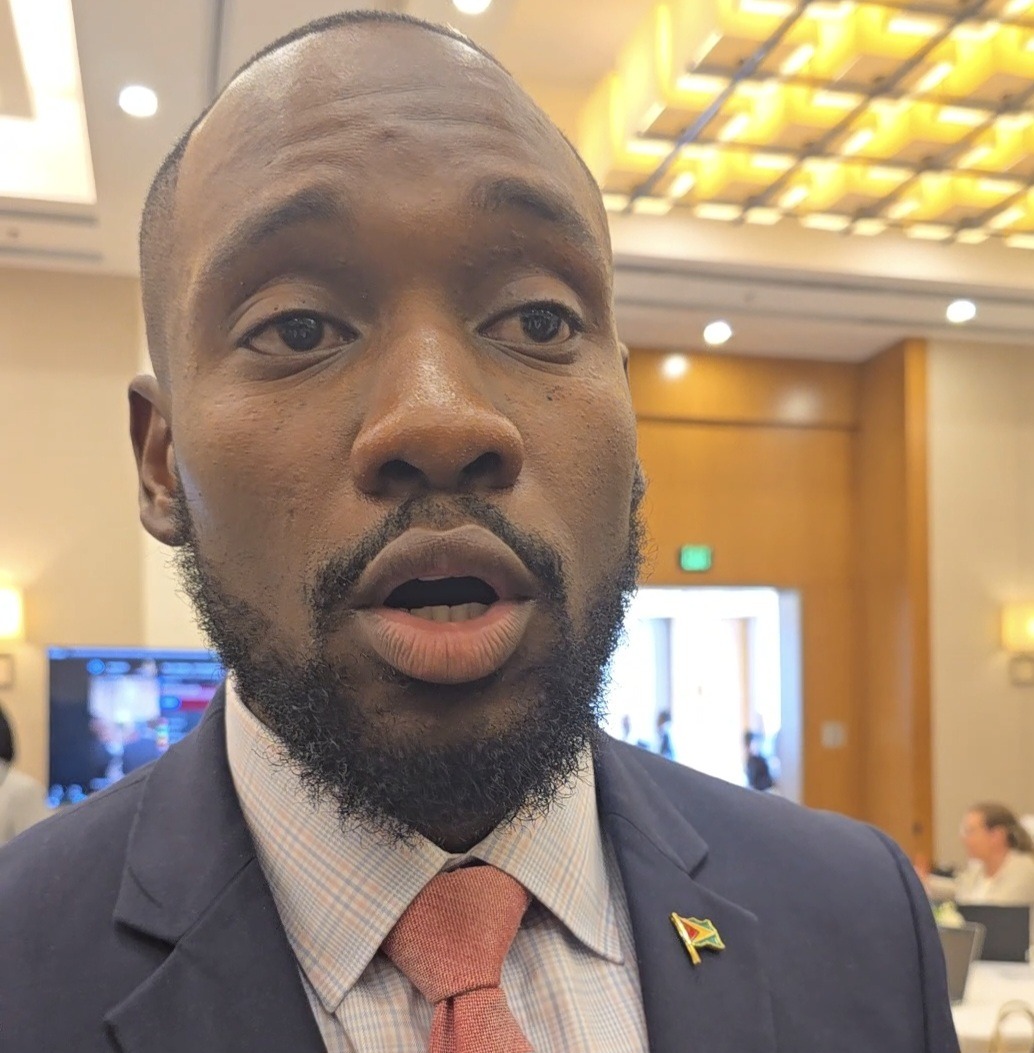
    On Wednesday, May 20, 2026, Guyana’s Minister of Labour Keoma Griffith confirmed that an inter-agency investigation is underway into serious allegations of worker mistreatment at a Batavia quarry operated by Indian firm EKAA HRIM Earth Resources Management, located in Region Seven Cuyuni-Mazaruni. While Griffith has outlined the scope of the probe, he has declined to share non-public details of the ongoing inquiry, citing the need for a fair, balanced review of claims from both workers and the company.

    Griffith, a trained lawyer, noted that the company has formally denied all allegations leveled against it by the 38 affected Indian national workers. “It now calls on us to investigate both sides,” he told reporters, adding that additional information will be released publicly once it is verified and the inquiry progresses. The cross-ministerial investigation team is currently examining multiple key concerns, including irregularities in worker employment contracts, substandard living conditions, severe workplace health and safety hazards, and the reported unauthorized seizure of workers’ personal belongings and cultural artefacts.

    In a major early development, the 38 workers have had their Indian passports returned following direct intervention from Griffith and engagement with India’s diplomatic mission in Guyana. The labour minister issued a firm 24-hour ultimatum for the documents to be returned earlier this week, which EKAA HRIM Earth Resources Management complied with. “I met the representatives of the company and I demanded in no uncertain terms that their passports be returned to them by 1 PM on that day. Within a short turnaround time, the passports were returned to them,” Griffith confirmed. However, he declined to name which party held the passports, as the company itself has denied retaining the documents, and the investigation remains open.

    Griffith also pushed back against calls to immediately label the alleged passport retention as human trafficking, saying that premature labeling would be irresponsible. “I’m not going to make an allegation of human trafficking without [evidence]. I cannot do that. That will be irresponsible of me,” he said. That accusation has already been leveled by Guyana’s Opposition Leader Azruddin Mohamed, who has played a central role in bringing the workers’ allegations to public attention. Mohamed facilitated the workers’ travel from the remote quarry to the capital Georgetown, accompanying them to meetings with both the Indian High Commission and the Ministry of Labour to file their formal grievances.

    On the separate issue of unpaid wages, Griffith said company representatives have provided an explanation for delayed outstanding salary payments, and he is currently waiting for additional documentation to verify their account. The investigation comes in the wake of two severe adverse events among the workforce: one worker has died while employed at the quarry, and a second worker who reportedly lost four fingers in a work accident has already returned to India. A follow-up meeting between ministry officials and company representatives was scheduled for 1 PM Wednesday to continue discussions related to the investigation.

  • BioSci Series returns to give students early look into world of genetics

    BioSci Series returns to give students early look into world of genetics

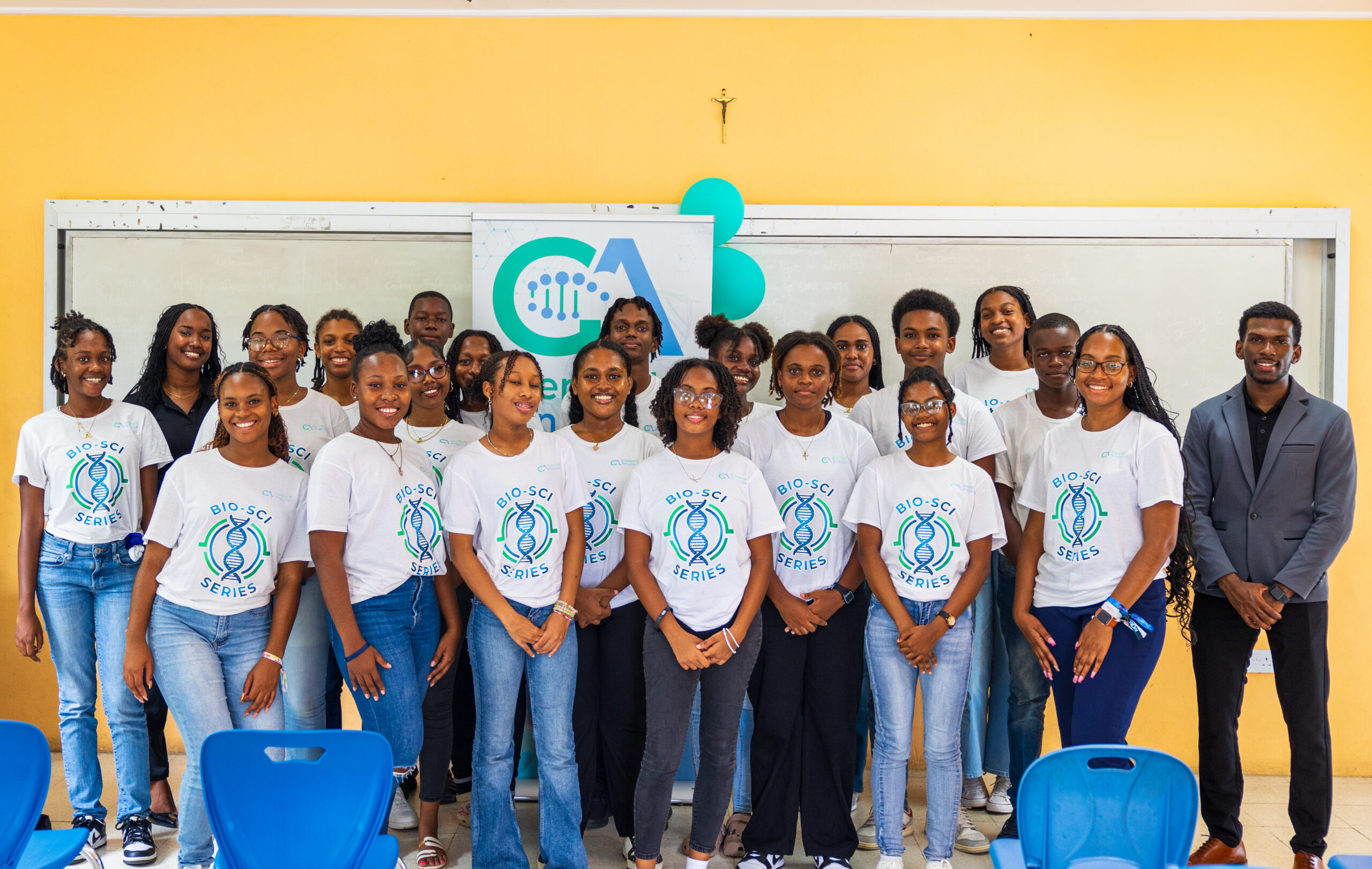
    A transformative hands-on science education initiative is preparing to welcome its third cohort of young learners in Saint Lucia this coming July, when the popular BioSci Series returns to expand access to cutting-edge biological science training for secondary school students across the northern region of the island. Designed specifically to address a longstanding gap in Caribbean science education — the lack of early practical exposure to advanced molecular and genomic fields typically reserved for university-level study — the 2026 programme offers fully free participation for selected students, with a new expansion to southern Saint Lucia planned later in the year.

    Now hosted by CariGenetics Saint Lucia following GenTech Analytica’s recent integration into the regional CariGenetics network, the BioSci Series maintains its core focus on student-centered, active learning. The initiative’s mission is to reframe public perception of modern science, demonstrating that young learners are not just passive consumers of scientific knowledge, but capable contributors to the field. In a statement announcing the 2026 programme, Gemmia Jn Pierre, a representative of CariGenetics Saint Lucia, noted that for most secondary students across the island, hands-on experience with advanced lab science is inaccessible until late in their academic careers. “The BioSci Series exists to change that narrative,” Jn Pierre explained. “We give students early access to the tools, techniques, and career pathways that define modern biology, helping them see that they belong in science, even beyond traditional, well-worn career tracks.”

    Running for two weeks from July 13 to July 28 at Saint Joseph’s Convent Secondary School, the 2026 programme packs a robust schedule of immersive, real-world lab activities that bring theoretical biological concepts to life. Participants will take part in hands-on exercises ranging from simulated CRISPR gene editing experiments and studies of genetic inheritance patterns, to hands-on diagnostic scenarios focused on identifying haemophilia-linked genetic markers, and independent investigations into the growing public health challenge of antimicrobial resistance. Unlike traditional classroom learning that prioritizes textbook theory, the BioSci Series frames learning around open-ended, real-world scientific questions: students explore how genetic traits pass between generations, how genomic data informs modern clinical diagnosis, and how emerging biotechnologies are reshaping the future of global medicine and life science research.

    The programme’s impact on past participants speaks to its success in nurturing early scientific passion. Ariel Edward, a former attendee who has gone on to pursue medical studies, shared that the two-week experience created a lasting shift in her academic and career trajectory. “What started as casual curiosity in the classroom turned into a firmly rooted passion by the end of the workshop,” Edward explained. “The experience inspired me so much that I now plan to pair my medical degree with a PhD in genetics, so I can carry out research that bridges clinical practice and the cutting-edge science that will define the next era of medicine.”

    Since its launch, the BioSci Series has relied on widespread support from local communities, educators, parents, and corporate sponsors to remain free for participating students. Key backers including the Bank of Saint Lucia, LUCELEC, Massy Stores, and Lab Services & Consultations Ltd have enabled the programme to grow, removing financial barriers that would otherwise exclude many young learners from the opportunity. Beyond providing local opportunities in Saint Lucia, the initiative forms part of a broader regional effort to strengthen genomic literacy, improve pre-university science education, and build long-term research capacity across the Caribbean, with the ultimate goal of empowering young people to not just learn about science, but actively contribute to its advancement.

    Registration for the 2026 July cohort is open now, but organizers emphasize that available spaces are limited. Interested students, parents, and teaching staff are encouraged to submit their applications early to secure a spot. Full details on eligibility requirements and registration procedures will be published through CariGenetics Saint Lucia’s official communication channels.

  • IICA and FEPALE strengthen regional Cooperation to advance sustainable dairy development

    IICA and FEPALE strengthen regional Cooperation to advance sustainable dairy development

    Top agricultural and dairy industry bodies have announced deepened collaboration to drive a more competitive, environmentally resilient dairy sector across Latin America and the Caribbean, following a high-level technical gathering hosted at the Inter-American Institute for Cooperation on Agriculture (IICA) headquarters in San José, Costa Rica.

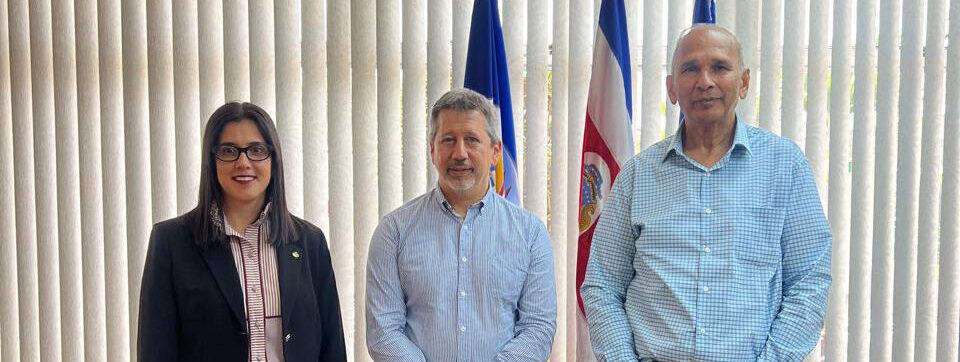
    The meeting brought together IICA Director General Muhammad Ibrahim and Ariel Londinsky, Secretary General of the Pan-American Dairy Federation (FEPALE), to assess the progress of existing joint projects and map out new avenues for regional alignment in the dairy space. A core focus of the talks was advancing the Regional Sustainable Development Agenda for the Dairy Sector in Latin America and the Caribbean, a cross-institutional initiative already backed by FEPALE, IICA, CAF – Development Bank of Latin America and the Caribbean, and the global Dairy Sustainability Framework (DSF).

    This collaborative program targets stronger regional coordination across key priorities for the dairy industry: boosting productive sustainability, building climate resilience, strengthening institutional capacity, and expanding technical knowledge sharing. It also leverages the standardized DSF methodology to align efforts and systematically track progress across participating nations and stakeholders.

    Beyond the regional sustainability agenda, participants discussed the critical role IICA could play in supporting the rollout of the landmark Mercosur-European Union Association Agreement, specifically focusing on core dairy-related provisions. These include managing export and import tariff rate quotas, aligning sanitary and phytosanitary standards, expanding equitable market access, and harmonizing regulations governing protected denominations of origin.

    Upgrading the quality and accessibility of reliable industry data was also flagged as a urgent collective priority. The two organizations committed to expanding joint work between FEPALE’s specialized Dairy Sector Observatory and IICA’s Observatory of Public Policies for Agrifood Systems (OPSAa). The partnership will strengthen systematic data collection processes and generate more actionable, strategic data to inform evidence-based policymaking, ongoing sector monitoring, and critical business decision-making across the region.

    Officials also explored opportunities to align ongoing initiatives with the Southern Agricultural Council and IICA’s network of national country offices, with the goal of advancing a cohesive regional strategy centered on three pillars: accelerating technological innovation, driving inclusive territorial development, and building more sustainable end-to-end dairy value chains.

    Looking ahead to the next phase of partnership, the two institutions have scheduled a High-Level IICA–FEPALE–CAF Technical Discussion Forum to be held in the final quarter of this year. The gathering will bring together key stakeholders to unpack emerging opportunities and persistent challenges facing the sustainable transformation of the regional dairy industry.

    Longer-term planning also confirmed continued collaboration ahead of the 7th Pan-American Meeting of Young Dairy Farmers, set to be hosted in Chile in 2027. The event prioritizes nurturing youth leadership in the sector, facilitating generational knowledge transfer, and spurring greater innovation in small and large-scale dairy production systems across the Americas.

    In a closing highlight, meeting participants identified an opportunity to amplify regional voices on global sustainability platforms, discussing plans to engage a broad cohort of regional dairy stakeholders in the upcoming UN Climate Change Conference of the Parties (COP) set to take place in Türkiye. Participants framed the global summit as a critical platform to demonstrate Latin America and the Caribbean’s collective commitment to integrating sustainability, ambitious climate action, and food security across the dairy sector.

    The high-level meeting concluded with both institutions formally reaffirming their shared commitment to expanding targeted technical cooperation, and advancing the long-term goals of boosting competitiveness, embedding sustainable practices, and deepening global integration for the dairy industry across the Americas.

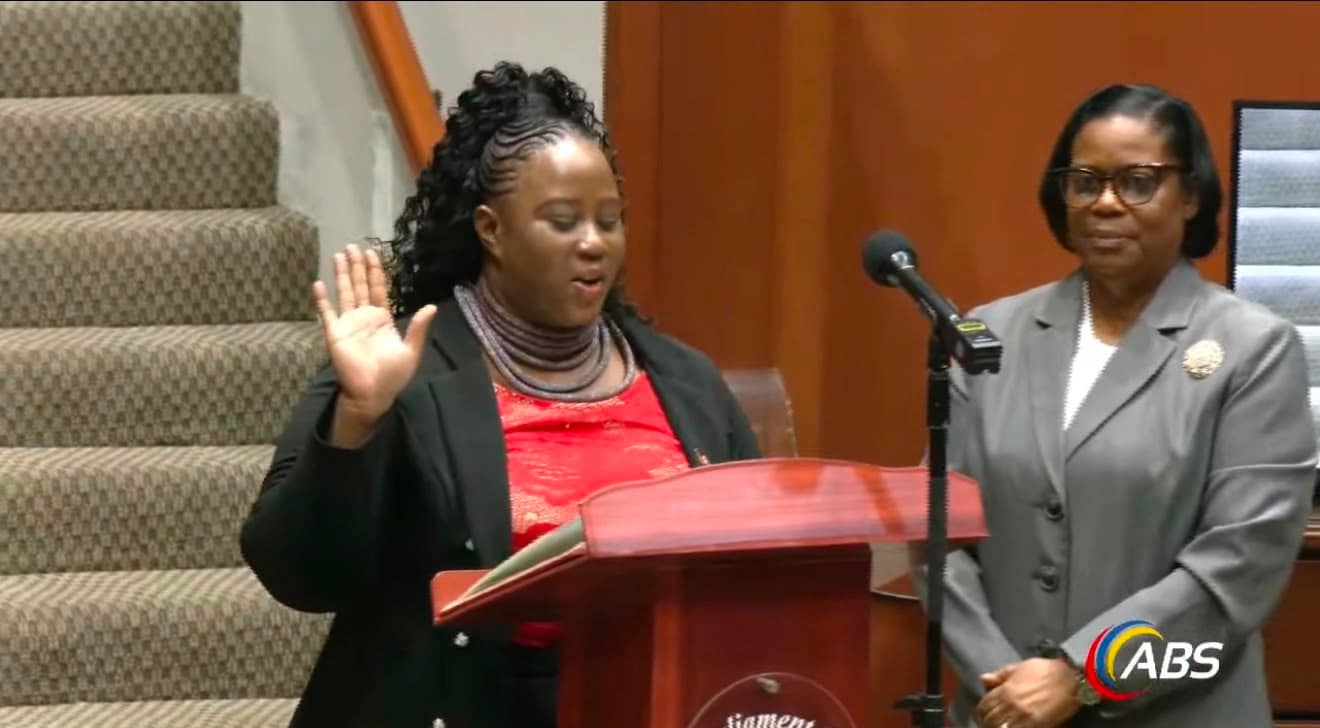
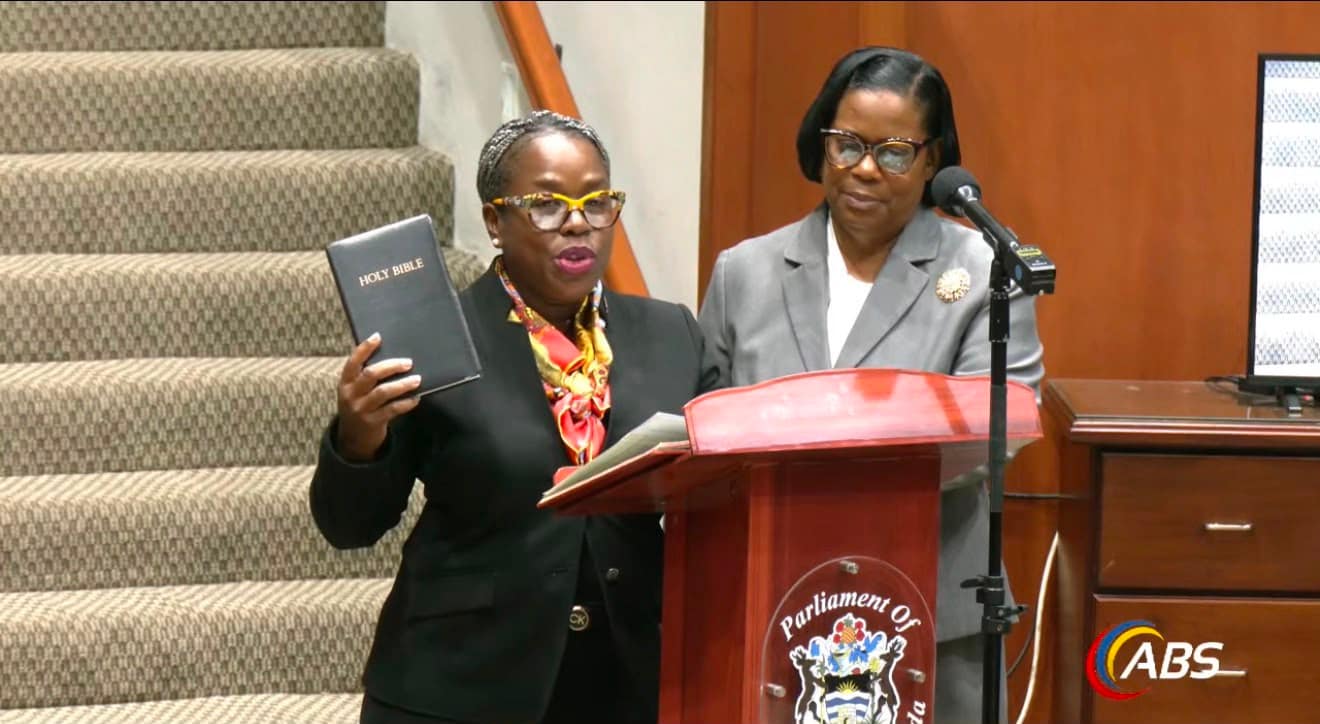
  • IN PICTURES: Members of the Senate take their oath of Allegiance

    IN PICTURES: Members of the Senate take their oath of Allegiance

    A new legislative chapter has begun for the upper chamber of a national parliament, as all sitting members of the Senate gathered to complete one of democracy’s most foundational ceremonial steps: formally taking their oath of allegiance.

    The ritual, which marks the official start of a new Senate term, brings together both newly elected representatives and returning incumbents to publicly reaffirm their commitment to the nation’s constitution, laws, and collective public interest. Photographic documentation from the event captures the solemn, structured atmosphere of the occasion, showing lawmakers standing in their assigned chamber seats, raising their hands or placing hands on official documents as they recite the required oath.

    For many new members, the moment represents the culmination of months of campaigning and grassroots organizing, turning election night victory into official legislative responsibility. Returning senators, meanwhile, use the oath-taking as an opportunity to restate their dedication to the constituents who reelected them to another term of office.

    The ceremony paves the way for the Senate to begin its official legislative work in the coming days, including the election of chamber leadership, the establishment of standing committees, and the introduction of the first round of policy proposals that will shape the nation’s governance over the coming term. This traditional civic event underscores the peaceful transfer and continuation of legislative authority that is a cornerstone of democratic governance.

  • Dominica expands rapid HIV and Syphilis testing through national healthcare training initiative

    Dominica expands rapid HIV and Syphilis testing through national healthcare training initiative

    The Commonwealth of Dominica is moving forward with a strategic upgrade to its sexual healthcare infrastructure, after the island nation’s Ministry of Health, Wellness and Social Services launched a targeted national training program designed to scale up access to rapid diagnostic testing for HIV and syphilis across all regions of the country.

    Public health officials leading the initiative explained that the training program brings together frontline healthcare workers from a diverse range of care settings, including rural community clinics, urban primary health centers, hospital outpatient departments, and mobile outreach units that serve remote and marginalized populations. Participants are building hands-on skills in administering rapid point-of-care tests, interpreting accurate results, delivering confidential pre- and post-test counseling, and linking patients who receive positive diagnoses directly to immediate treatment and ongoing care pathways.

    Prior to the launch of this initiative, access to rapid HIV and syphilis testing was largely concentrated in main urban hospitals on the island, leaving many residents in rural and coastal communities facing long wait times and travel barriers to get tested. Health authorities note that undiagnosed and untreated HIV and syphilis remain significant public health concerns across the Caribbean region, with delayed testing contributing to preventable long-term health complications and ongoing transmission.

    By expanding the availability of rapid testing services, which deliver confirmed results in as little as 20 minutes rather than requiring samples to be sent to off-site laboratories for processing, Dominican health officials aim to increase testing uptake among at-risk groups, reduce gaps in care, and move closer to meeting regional and global public health targets for eliminating mother-to-child transmission of both infections and controlling sexually transmitted infection rates nationwide.

    The training program forms part of Dominica’s broader national sexual health strategic plan, which has received technical and financial support from regional public health bodies focused on addressing HIV and sexually transmitted infections across the Caribbean. Officials expect the newly trained workforce to begin rolling out expanded rapid testing services at community-level sites within the next three months, with ongoing monitoring and evaluation to assess the impact of the initiative on testing coverage and patient outcomes.

  • Alincia Williams-Grant elected President of the Senate, Shoul Vice President

    Alincia Williams-Grant elected President of the Senate, Shoul Vice President

    A new leadership era has begun in the national Senate, following the formal election of Alincia Williams-Grant to the chamber’s highest leadership post and Shoul to the position of deputy leader. The voting process, held during the opening plenary session of the new legislative term, saw Williams-Grant earn broad cross-chamber support to take on the constitutionally mandated role of presiding officer, responsible for managing parliamentary proceedings, upholding procedural rules, and representing the Senate in official diplomatic and domestic engagements.

    Political observers note that Williams-Grant brings years of legislative experience and a track record of cross-partisan collaboration to the role, having previously served on multiple key Senate committees focused on judicial reform and national infrastructure. Her election marks a significant milestone for legislative leadership in the nation, as she steps into the role at a time when the body is set to take up high-stakes policy debates ranging from economic recovery measures to climate change regulation.

    Shoul, who was elected alongside Williams-Grant as vice president, will step in to preside over sessions in the president’s absence and support the implementation of new procedural reforms aimed at streamlining the legislative process and improving transparency for constituents. Following the official vote tally, Williams-Grant delivered her inaugural address to the chamber, outlining a policy agenda focused on strengthening democratic norms, advancing bipartisan cooperation, and prioritizing the needs of working-class communities across the country. She emphasized that the Senate must work as a unified body to address the pressing challenges facing the nation, from rising living costs to systemic inequality in access to public services.

    Cross-party leaders offered congratulatory remarks following the election, signaling a tentative willingness to collaborate on key legislative priorities over the coming term. Many political analysts expect the new leadership team to bring a more collaborative tone to Senate proceedings, after a previous term marked by increased partisan gridlock on major policy initiatives.