作者: admin

  • Eastern Caribbean Supreme Court Opens 2026 Law Year, Signals New AI Rules and Reforms

    Eastern Caribbean Supreme Court Opens 2026 Law Year, Signals New AI Rules and Reforms

    The Eastern Caribbean Supreme Court (ECSC) has launched its 2026 judicial term with a comprehensive modernization agenda targeting artificial intelligence governance, digital service expansion, and criminal justice acceleration across its nine-member jurisdiction.

    During the ceremonial opening of the High Court, Acting Chief Justice Margaret Price Findlay outlined groundbreaking initiatives that position the regional judiciary at the forefront of legal technology adaptation. The court is developing a formal regulatory framework to govern AI utilization by judicial officers and legal practitioners, responding to increased technological integration in court proceedings and record management.

    Substantial enhancements are underway for the court’s AI transcription system, initially implemented in 2024, to boost record accuracy and dramatically reduce judgment delivery timelines. Justice Findlay emphasized that while embracing technological efficiency gains, the judiciary remains committed to safeguarding judicial independence and procedural fairness, asserting that technology must augment rather than replace human judicial decision-making and ethical responsibilities.

    The court leadership urged universal adoption of the Electronic Litigation Portal, revealing that despite full integration of all case types, inconsistent usage has hampered system effectiveness. Technical assistance programs are being intensified to address operational challenges encountered by court personnel and users.

    Substantial criminal justice reforms show promising advancement, with judge-alone trials now operational in Antigua and Barbuda, Saint Vincent and the Grenadines, and Saint Lucia. This transformative approach aims to eliminate delays associated with jury selection and alleviate chronic case backlogs.

    The ECSC has completed comprehensive revisions to criminal procedure rules, is finalizing updated sentencing guidelines, and has circulated a draft criminal mediation framework for public consultation as part of a broader shift toward alternative dispute resolution mechanisms.
    In a historic development, Justice Findlay announced the acquisition of a permanent, purpose-built headquarters for the ECSC in Saint Lucia, concluding a two-decade pursuit for a dedicated institutional home that symbolizes the court’s enduring regional presence.

  • The Dominican Republic’s next export power play: Intellectual Property

    The Dominican Republic’s next export power play: Intellectual Property

    A transformative economic evolution is underway within the Dominican Republic’s institutional framework, positioning the nation for unprecedented competitiveness in the global knowledge economy. While neighboring Latin American countries continue pursuing marginal gains in traditional exports, the DR has been systematically constructing a sophisticated infrastructure for large-scale intellectual property exports.

    At the forefront of this strategic shift are two pivotal institutions: the National Office of Industrial Property (ONAPI) and the Ministry of Industry, Commerce, and MSMEs (MICM). Contrary to conventional perception as merely a trademark and patent registry, ONAPI has evolved into a fully digitized, ISO-standard intellectual property governance system featuring rare institutional consistency within the region. Its E-SERPI platform, CATI networks, and transparent registration data represent fundamental economic infrastructure rather than bureaucratic achievements.

    Complementing this foundation, MICM functions as the demand-side engine through its strategic initiatives in productivity enhancement, digital transformation, MSME modernization, circular economy development, and industrial innovation. The ministry has established critical pathways for converting registered intellectual property into commercially viable assets through IoT adoption programs, export onboarding systems, quality certification routes, and enterprise transformation frameworks.

    This institutional development aligns with global economic transformations documented by UNCTAD, which reports $3.8 trillion in digital service exports, and WIPO data showing 8-12% annual growth in IP licensing across emerging markets. The contemporary economic landscape increasingly rewards nations exporting ideas, designs, software, scientific innovation, and creative intellectual property rather than traditional commodities.

    A comprehensive whitepaper titled ‘Exportable Intellectual Property: Establishing a New Dominican Economic Pillar’ outlines an integrated national pipeline connecting ONAPI’s IP production capabilities with MICM’s industrial policy and export readiness programs, ProDominicana’s market activation functions, and Central Bank export performance tracking. This architectural framework provides a practical roadmap for transforming invention, software development, design, research, and creative output into revenue-generating national assets.

    The timing coincides with significant recognition for the Dominican startup ecosystem, as strategy firm Successment received ADOEXPO’s award for contributions to export innovation—signaling the country’s emerging presence in global knowledge economy discussions. With institutional foundations established, talent available, and market conditions favorable, the Dominican Republic stands at a decisive crossroads: continue competing through traditional factors like price and logistics, or embrace creativity, invention, and intellectual capability as the currency of modern economic leadership.

  • Antigua and Barbuda’s Energy Minister Elected IRENA Vice President for Latin America and Caribbean

    Antigua and Barbuda’s Energy Minister Elected IRENA Vice President for Latin America and Caribbean

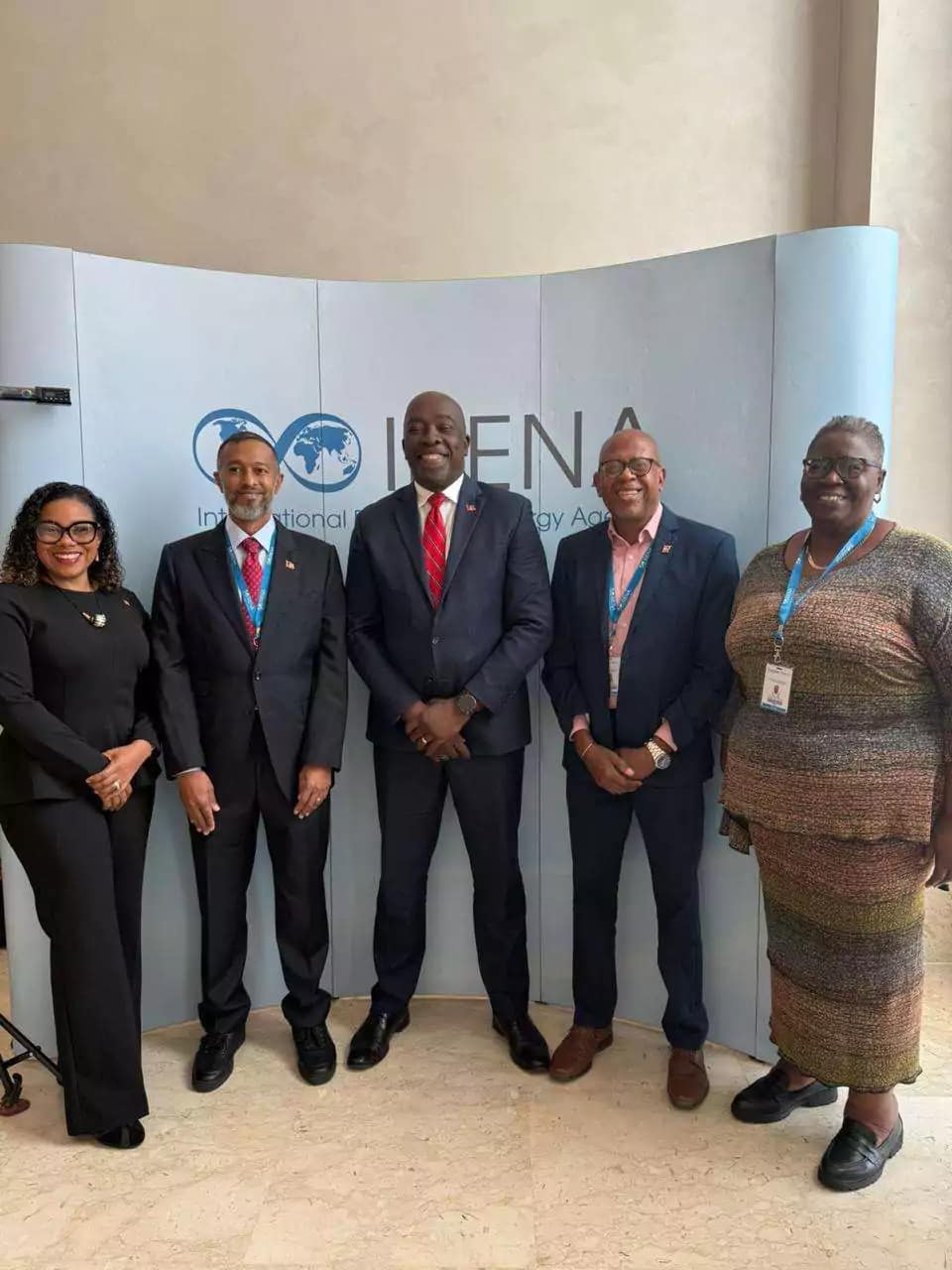
    In a significant development for Caribbean representation in global energy governance, Antigua and Barbuda’s Energy Minister Melford Nicholas has attained the prestigious position of Vice President for Latin America and the Caribbean at the International Renewable Energy Agency (IRENA). This election occurred during IRENA’s 16th Assembly convened in Abu Dhabi, positioning the small island nation in a senior decision-making capacity within the influential international organization.

    Minister Nicholas utilized the platform to articulate the acute energy challenges confronting Small Island Developing States (SIDS). In his national address, he revealed that Antigua and Barbuda remains disproportionately reliant on imported fossil fuels, with fuel expenses constituting approximately 67% of all utility revenues. This economic vulnerability underscores the urgent necessity for transition to sustainable alternatives.

    During high-level discussions with IRENA Director-General Francesco La Camera, Nicholas championed accelerated deployment of renewable energy solutions across SIDS nations. The dialogue centered on strategic investment frameworks, international partnerships, and developing climate-resilient energy infrastructure capable of withstanding environmental disruptions.

    Nicholas emphasized the critical need for enhanced access to concessional financing mechanisms and customized risk-mitigation instruments specifically designed for small island economies. He highlighted ongoing international support, including a hybrid solar project in Barbuda funded by the United Arab Emirates, alongside contributions from the United Kingdom, New Zealand, and the CARICOM Development Fund.

    The minister’s leadership was further demonstrated as he presided over a ministerial-level session, solidifying Antigua and Barbuda’s influential role in shaping global renewable energy policy and reinforcing the nation’s commitment to sustainable energy transition.

  • Defense seeks to overturn 18-month detention of ex-Senasa director

    Defense seeks to overturn 18-month detention of ex-Senasa director

    SANTO DOMINGO – The legal defense team for Santiago Hazim, former director of the National Health Insurance (Senasa), has formally challenged the 18-month pretrial detention order issued against him, asserting fundamental violations of his constitutional rights.

    Attorney Miguel Valerio confirmed Tuesday that an appeal was submitted to the Criminal Chamber of the Court of Appeals of the National District. The defense contends that Judge Rigoberto Sena’s ruling improperly relied on subjective moral and ethical assessments rather than established legal principles. Valerio characterized the decision as lacking appropriate legal justification, noting the inclusion of extraneous biblical and literary references that bear no connection to the legal purpose of coercive measures.

    The appeal argues that judicial references to alleged greed and moral disloyalty constitute improper grounds for detention that remain disconnected from the evidentiary requirements of the case. Additionally, the defense maintains that the detention order violates Hazim’s right to adequate medical care by preventing continuation of treatment for a serious health condition.

    Valerio emphasized that preventive detention should serve specific procedural purposes—primarily preventing flight risk or evidence tampering—which he asserts were not substantiated in the ruling. The defense claims the court disregarded these legal standards, thereby compromising Hazim’s dignity and presumption of innocence.

    The case involves allegations by the Public Prosecutor’s Office that Hazim and six co-defendants participated in the embezzlement of over RD$15 billion from Senasa. While Hazim and six others received pretrial detention, three additional defendants received alternative measures including electronic monitoring, travel restrictions, and mandatory court reporting. Their legal representatives have indicated their clients’ continued cooperation with ongoing investigations.

  • Law year opens with a call for fairness, equality, and clarity in Justice System

    Law year opens with a call for fairness, equality, and clarity in Justice System

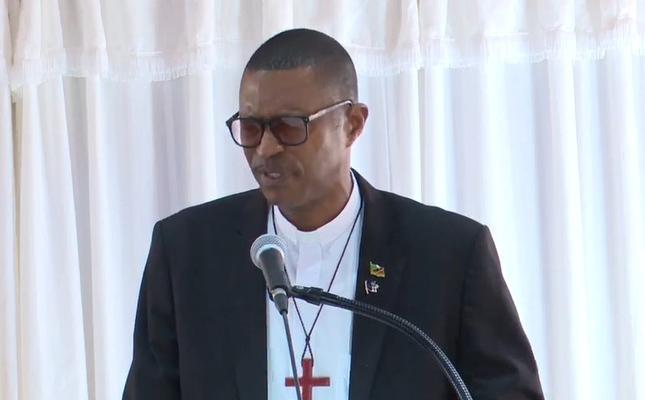
    BASSETERRE, St. Kitts – The 2026 Legal Year commenced with a powerful appeal for judicial integrity as Pastor Derek Brown delivered a stirring address during Monday’s ceremonial church service, emphasizing three fundamental pillars: fairness, equality, and clarity within the justice system.

    Speaking before legal professionals and congregants, Brown articulated the critical necessity of administering justice without prejudice or external influence. He anchored his message in this year’s judicial theme: “The Eastern Caribbean Supreme Court: Justice that Endures, Anchored in Independence, Strengthened through Trust,” interpreting it as a direct commitment to equitable treatment for all citizens.

    “A judicial framework must instill universal confidence that justice will be served impartially,” Brown stated. “An institution anchored in independence operates without compromise or interference—it is fundamentally unbiased. When strengthened through public trust, it becomes a transparent system worthy of societal reliance.”

    The pastor further highlighted the urgent need for clarity in legal proceedings, particularly within what he characterized as an increasingly confusing global landscape dominated by distorted information. He expressed deep concern over the proliferation of ‘alternative facts,’ noting that repeated falsehoods often gain unwarranted legitimacy.

    “In our rapidly evolving world, truth itself faces unprecedented challenges,” Brown observed. “What was once universally right cannot suddenly become wrong. The justice system must serve as an enduring bulwark against such distortions—independent, influential, and truly worthy of public trust.”

    Additionally, Brown cautioned against tolerating minor offenses, warning that overlooked violations can escalate into severe societal problems. Using illustrative examples during his sermon, he advocated for comprehensive accountability across all levels of law enforcement and civic society.

  • houtexport dossier 7: Directeur LVV Ramkisoensing ontheven; RvM keurt besluit goed

    houtexport dossier 7: Directeur LVV Ramkisoensing ontheven; RvM keurt besluit goed

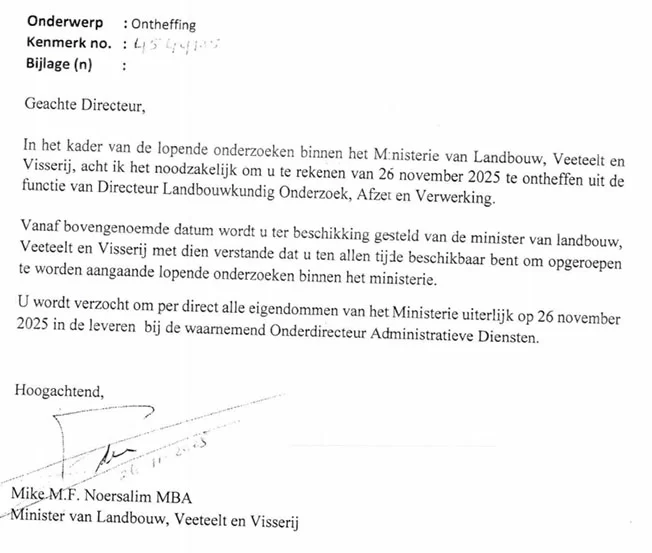
    The Surinamese Council of Ministers has officially relieved Anand Ramkisoensing of his duties as Director of Agricultural Research, Marketing and Processing (LOAV) at the Ministry of Agriculture, Livestock and Fisheries. The decision, formalized through an official resolution, takes immediate effect from the date of issuance.

    According to government documents, Ramkisoensing has been placed on temporary assignment to the Agriculture Minister while retaining his full salary and benefits in accordance with civil service regulations. The dismissal follows comprehensive evaluations revealing significant failures in achieving key policy objectives and operational targets under his leadership.

    Official statements cite persistent deficiencies in management approach, interdepartmental collaboration, and goal attainment within the LOAV directorate. Additionally, investigators raised concerns about documents signed by Ramkisoensing that potentially enabled fraudulent activities, though no specific allegations have been formally proven.

    The director’s extended medical leave period reportedly contributed to operational disruptions within the research division. Government authorities determined that leadership change was necessary to ensure continuity of critical agricultural research programs and ongoing investigations.

    In a parallel development, Ramkisoensing has been appointed as First-Class Advisor to the Agriculture Minister through consultation with the Ministry of Home Affairs. This position maintains his existing employment status while removing him from operational responsibilities. He remains obligated to cooperate with ministerial investigations and return all government property.

    The November 26, 2025 notification letter formally informed Ramkisoensing of these administrative changes and his ongoing responsibilities to assist with internal investigations.

  • Indotel and Index launch digital literacy campaign for Dominican diaspora in New York

    Indotel and Index launch digital literacy campaign for Dominican diaspora in New York

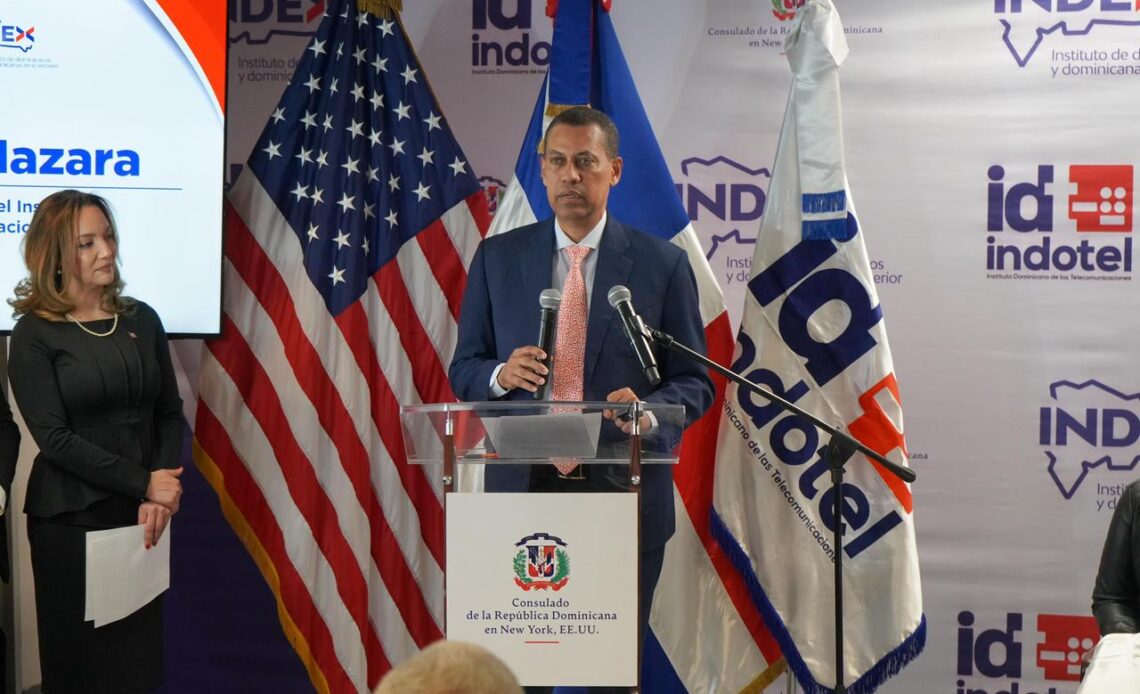
    NEW YORK – In a significant move to empower its overseas citizens, Dominican authorities have initiated a comprehensive digital literacy and financial education program targeting the diaspora community. The joint campaign, unveiled by the Dominican Institute of Telecommunications (Indotel) and the Institute of Dominicans Abroad (Index) during a special event at the Dominican Consulate General in New York, focuses on promoting secure digital practices and responsible remittance transfers through digital platforms.

    The initiative represents a strategic effort by the Dominican government to enhance digital inclusion and financial protection for its citizens living abroad. Through reliable information dissemination, practical training sessions, and specialized tools, the program aims to improve decision-making capabilities in digital environments for diaspora members.

    Guido Gómez Mazara, President of Indotel’s executive board, emphasized the critical importance of digital literacy in today’s technologically complex world. “Digital literacy has become fundamental for citizens to safely navigate increasingly sophisticated technological systems,” Gómez Mazara stated, adding that the initiative will deliver clear and accessible training modules specifically designed for Dominicans residing overseas.

    Jesús “Chú” Vásquez Martínez, Dominican Consul General in New York, characterized the campaign as a vital form of institutional support for the diaspora community. He highlighted how digital education initiatives strengthen the connective tissue between the Dominican State and its citizens abroad, fostering stronger ties and more engaged communities.

    The launch event featured the presentation of initial campaign materials, including specially produced audiovisual capsules and informational content. These resources are designed to guide Dominicans through secure digital practices and the proper use of formal remittance channels, ensuring both financial safety and digital security for users.

  • Suriname versterkt toerisme- en diasporabeleid via overleg in Den Haag

    Suriname versterkt toerisme- en diasporabeleid via overleg in Den Haag

    In a strategic move to enhance Suriname’s international positioning and reinforce tourism and diaspora policies, Transport, Communications, and Tourism Minister Raymond Landveld conducted an official working visit to the Surinamese Embassy in the Netherlands this week. Accompanied by presidential advisors, the delegation engaged in high-level coordination talks with Ambassador Ricardo Panka.

    The diplomatic mission focused on aligning ministerial priorities, presidential cabinet objectives, and diplomatic representation efforts, with particular emphasis on tourism development, aviation connectivity, investment promotion, and diaspora relations. Ambassador Panka emphasized tourism’s role as a strategic pillar within Suriname’s national economic development framework, stating that policy formulation and international representation must operate in close synchronization.

    A central agenda item involved preparations for Heritage Month scheduled for August, during which the delegation detailed the vision and objectives centered on cultural heritage, shared history, and future-oriented coexistence. Presidential Tourism Advisor Rachel Pinas highlighted the Dutch embassy’s critical function in the international rollout of Heritage Month, noting its essential role in enhancing visibility, strengthening diaspora bonds, and establishing international cultural partnerships.

    All participants characterized the working visit as constructive and substantively enriching. The parties agreed to intensify collaboration between the ministry, presidential cabinet, and embassy, with concrete follow-up actions planned across tourism development, aviation connectivity, and cultural diplomacy initiatives.

  • Punta Cana Air Cargo Hub expands with new Uniworld Air Cargo service

    Punta Cana Air Cargo Hub expands with new Uniworld Air Cargo service

    PUNTA CANA – A strategic partnership between DP World Dominican Republic and the Punta Cana Free Trade Zone (PCFTZ) has achieved a significant milestone with the integration of a new Uniworld Air Cargo aircraft into their multimodal logistics platform. This development substantially enhances the Dominican Republic’s air freight capabilities and solidifies Punta Cana’s position as an emerging logistics hub for the Americas.

    The collaboration, formalized through a 2022 strategic alliance, leverages DP World’s extensive global logistics network with the premier connectivity of Punta Cana International Airport (PUJ). This synergy was designed to establish a dominant freight gateway in the Caribbean region.

    Operationalizing this expansion, the newly introduced aircraft will execute a consistent bi-weekly service every Tuesday and Saturday. This route is strategically designed to facilitate transit cargo, channeling an estimated 120 tons monthly from origins in South America, Central America, and the Caribbean to key European markets. The service will specialize in transporting temperature-sensitive perishables including flowers and fresh fruit, alongside pharmaceuticals, parcel shipments, and general dry cargo. Primary export nations include Colombia, Ecuador, and Peru, with core European destinations set for Madrid, Frankfurt, and London. Future network expansion to Canadian markets is under active consideration.

    Supporting these sophisticated operations, the Punta Cana Air Cargo Hub is equipped with state-of-the-art infrastructure. This includes an extensive 4,000-square-meter cold chain storage facility, specialized transit processing protocols, direct tarmac access for efficiency, and advanced security and handling systems.

    This latest achievement builds upon the successful introduction of the first cargo aircraft in early 2024, which served as a critical proof-of-concept, validating the terminal’s operational readiness and infrastructural robustness for handling complex logistics demands.

  • Column: De misdaad die een vonnis heet

    Column: De misdaad die een vonnis heet

    A disturbing legal drama unfolds in Suriname as the state stands accused of institutionalizing document fraud within its timber export certification system. What began as routine administrative procedures has escalated into a criminal conspiracy with judicial complicity, revealing systemic corruption that threatens the foundation of the country’s rule of law.

    The case centers on phytosanitary certificates—internationally recognized documents intended to verify the authenticity of exported timber. Surinamese courts have compelled state officials to knowingly issue false certifications, deliberately mislabeling expensive wood species as cheaper Mora timber to facilitate illegal exports to India. During court proceedings, it was explicitly acknowledged that accurate labeling would prevent these exports, yet judges proceeded to mandate the fraudulent documentation regardless.

    State Attorney Diepak Jairam delivered the unequivocal verdict: “The court has condemned Suriname to commit a criminal act that legally constitutes an offense.” This represents not mere policy disagreement but conscious falsification of official records with judicial oversight.

    Parallel to these civil proceedings, the Ministry of Agriculture, Livestock and Fisheries (LVV) attempted to file criminal complaints against former officials who signed the fraudulent certificates. These complaints were systematically rejected as “too politically sensitive,” while authorities accepted only one complaint against a timber company—not among the six exporters the state had originally brought to court.

    The institutional failure extends across multiple branches of government. Prosecutors refuse to investigate potential document forgery within state institutions, demonstrating what observers characterize as “selective blindness”—a condition fatal to any constitutional democracy.

    Legal experts note that fundamental principles of proper governance cease where crimes begin. When criminal acts occur, there should be no balancing of interests, no rationality test—only immediate cessation. Yet Suriname’s institutions appear to have normalized the concept that long-standing errors acquire continuation rights, that economic damage outweighs criminal justice, and that courts may compel actions they themselves recognize as unlawful.

    This case has transcended its origins as a timber dispute to become a thriller about pressure, fear, and institutional failure—a story where judges, prosecutors, and officials remain trapped in a construct nobody dares to stop. The fundamental question now facing Suriname’s democracy: who will finally declare that this ends here?