作者: admin

  • Hospitality legend Peter Fraser retires

    Hospitality legend Peter Fraser retires

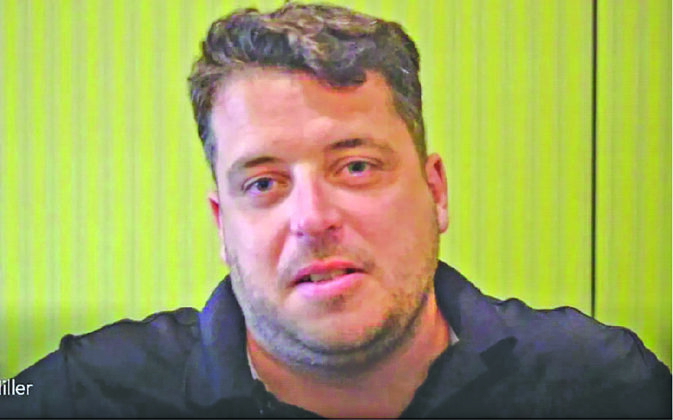
    The Caribbean hospitality industry is celebrating the extraordinary decades-long career of Peter Anthony Fraser, CD, a pioneering leader who leaves behind a transformative legacy spanning multiple island nations and an enduring people-first philosophy that has reshaped regional tourism. Over more than 40 years in the sector, Fraser has steered luxury resort properties through some of the most turbulent crises modern tourism has faced—from the seismic industry shift following the 9/11 attacks and repeated global economic recessions to destructive Atlantic hurricanes and the unprecedented shutdown of international travel during the COVID-19 pandemic—all while remaining unwavering in his core belief that prioritizing people, both team members and guests, is the only foundation for long-term success.

    Born and raised in Jamaica, Fraser’s professional career took him across the Caribbean, building his reputation for operational excellence and strategic vision at every stop. His first major leadership role came as director of operations at Jamaica Grande Resort, a post he held from 1988 to 2001, before relocating to Barbados to oversee operations across multiple luxury properties in the Gems of Barbados collection. In 2003, he received a personal invitation from the late iconic hospitality founder Gordon “Butch” Stewart to join the Sandals Resorts family, marking the start of a 23-year tenure that would cement his status as a regional industry legend.

    From 2003 to 2013, Fraser served as general manager of Sandals Royal Plantation, Sandals’ only boutique, all-butler resort in Jamaica. During his decade at the property, he built a defining culture of personalized exclusivity and relentless pursuit of excellence; the service standards, guest experience framework, and core philosophy he established there remain a benchmark for excellence across the entire Sandals organization today.

    The final chapter of Fraser’s career would bring his greatest impact to the island of Grenada, where he served as general manager of Sandals Grenada Resort & Spa for 13 years, leading the project from its groundbreaking launch to its status as one of the Caribbean’s most successful luxury resorts. When the resort opened in 2013 as Sandals’ first property on the island, Fraser recognized that the popular luxury all-inclusive model would redefine Grenada’s tourism identity, introducing a new operational standard that rippled across the local supply chain and broader hospitality sector.

    “Back when we opened, no other resort in Grenada relied on local supplies to the extent we did,” Fraser explained in a reflection on the resort’s launch. “We needed nightly entertainment year-round, fresh local watermelon for the breakfast buffet every single day, and we stayed open through the summer low season, which was not common here. It was a completely new way of operating for local suppliers, our own team, and the entire Grenadian tourism industry.”

    At the time of launch, Grenada faced significant barriers to tourism growth, with limited airlift capacity and just a handful of international flights arriving weekly. Working in close partnership with the Grenada Tourism Authority and the Ministry of Tourism, Sandals under Fraser’s leadership proved that sustained demand existed for direct international access to the island, ultimately convincing major carriers to add new routes. This transformation, widely dubbed the “Sandals Effect,” unlocked long-term tourism growth that benefited the entire Grenadian economy, not just the resort itself.

    Looking back on his career, Fraser called Sandals Grenada the perfect capstone to his professional journey. “Building this resort from the ground up and watching it grow into what it is today has been the most rewarding experience of my career,” he said. “It’s exactly how any hospitality professional dreams of ending their career: feeling proud, fulfilled, and accomplished.” He extended gratitude to the team that helped launch the resort in 2013, noting that their tireless work turned a vision into reality, and encouraged new generations of industry leaders to continue pushing for growth and innovation.

    Beyond his resort leadership, Fraser has been a committed contributor to regional tourism infrastructure and community development. Since 2015, he has served as chairman of the Tourism Enhancement Fund of the Grenada Hotel and Tourism Association (GHTA). Under his leadership, the fund has delivered a range of high-impact public projects, including funding the establishment of Grenada’s first hyperbaric chamber at St Augustine Medical Centre, supporting hospitality workforce training and certification programs, providing free cancer and general health screenings for local communities, and advancing critical public infrastructure initiatives across the island. He also served on Grenada’s Airlift Committee from 2018 to 2020, continuing to advocate for expanded connectivity for the island.

    Fraser’s decades of contributions have been recognized with some of the highest honors in Caribbean tourism and national life. A Justice of the Peace since 1986, he was awarded the Order of Distinction in the rank of Commander (CD) in 2025 during Jamaica’s 63rd Independence Day celebrations, one of the country’s highest national honors, given in recognition of his outstanding service to the tourism and hospitality sector. Most recently, in June 2026, he received the Lifetime Achievement Award from the Jamaica Hotel and Tourism Association, cementing his legacy as one of the region’s most impactful leaders.

    Fraser says his leadership philosophy is rooted in deep Caribbean pride and a focus on human connection, rather than luxury amenities. He recalled how, time and again during hurricane preparations across his career, his team members would volunteer to stay on property to protect guests and the resort, a testament to the inherent care and commitment of Caribbean hospitality workers. “Guests won’t remember the designer light fixtures or the floor tiles, they might even forget what they ate for dinner,” he explained. “But they will always remember your smile, and how you made them feel during their vacation. The late Gordon ‘Butch’ Stewart said it best: give guests more than they expect. That moment of unexpected kindness, that warm feeling, that lasting memory is what keeps a business thriving for decades.”

    Fraser concluded his reflection by saying, “I leave Grenada with a heart full of gratitude, pride, and countless memories I will cherish forever. Thank you all for being part of this remarkable chapter of my life.”

    Taking over leadership of Sandals Grenada as Fraser retires is Rohan Louis, who has served as hotel manager at the resort for the past year, working closely alongside Fraser to prepare for his new role.

    This feature was contributed by industry insiders to NOW Grenada, which does not take responsibility for contributor statements or opinions.

  • Derde helft WK 2026: Spanje, Portugal en Zwitserland in actie; Wie overleeft de knock-outfase?

    Derde helft WK 2026: Spanje, Portugal en Zwitserland in actie; Wie overleeft de knock-outfase?

    As the 2026 FIFA World Cup hosted across North America enters its knockout stage, Thursday July 2 brings a stacked slate of Round of 32 fixtures featuring three high-profile matches across three host cities, alongside a wave of off-field drama, stunning comebacks and unforgettable fan moments that have already defined this tournament.

    Three blockbuster matches are on the day’s schedule, kicking off with Spain against Austria at Los Angeles Stadium at 16:00 local time. Spain enters the clash as heavy favorites to book a spot in the Round of 16, holding an undefeated streak across their last five head-to-head meetings with Austria, including a string of convincing recent wins. But the early knockout round has already served up no shortage of shocking upsets, serving as a clear warning that no result can be taken for granted.

    Next, Portugal will face Croatia at Toronto Stadium in Ontario, Canada at 20:00 local time. Portugal has historically dominated this matchup, losing just once across 10 total meetings, and remains undefeated in six competitive encounters – with five wins and one draw. Like Spain, they enter the match as the clear favorite to advance to the next round.

    The day’s final fixture kicks off just after midnight on Friday at Vancouver’s BC Place in British Columbia, Canada, where Switzerland will take on Algeria. This will mark the first competitive meeting between the two nations, though they have faced off twice in friendly matches, with Switzerland claiming 2-1 and 2-0 wins in 1983 and 1986 respectively.

    Heading into Thursday’s fixtures, 10 nations have already secured their place in the Round of 16: host nation Canada (1-0 winners over South Africa), Brazil (2-1 victors against Japan), Paraguay (who knocked out Germany on penalties after a 1-1 draw), Morocco (also advancing via penalties against the Netherlands following a 1-1 draw), Norway (2-1 winners over Ivory Coast), France (3-0 against Sweden), Mexico (2-0 against Ecuador), England (2-1 against DR Congo) and the United States (2-0 over Bosnia and Herzegovina). All 10 of their beaten opponents have already been eliminated from the tournament.

    One of the most dramatic matches of the early knockout round came in England’s clash with DR Congo, where captain Harry Kane stole the show with a late match-winning brace to secure his side’s place in the next round. Thomas Tuchel’s England side, who are chasing their first major international title in 60 years, looked set for a stunning early exit after DR Congo’s Brian Cipenga opened the scoring early in the match. But Kane turned the game on its head with two late goals, sealing a 2-1 comeback win that sent fans around the world into celebration, with his heroic performance going viral across social media immediately after the final whistle. After the match, both England players and fans joined together to sing the iconic British Britpop track *Wonderwall* by Oasis to mark their dramatic escape – one of many memorable musical fan moments that have emerged as a defining feature of this World Cup. From the rhythmic rowing-style chants of Norway’s supporters to American fans belting out *Country Roads, Take Me Home*, fan singing has become just as big a part of the tournament’s identity as the action on the pitch.

    Beyond the on-pitch action, a number of off-field stories have captured global attention this week. After being eliminated from the tournament, the Iranian national team received a warm, enthusiastic reception from hundreds of fans upon their return to Tehran, with locals praising the team’s effort in the face of difficult circumstances. “Their performance was truly excellent,” said Tehran local Zahra Hosseini. “They played really well on a stage that has never wished us well. That’s why I came here to tell each of them they were fantastic.”

    In Toronto, all eyes are on Portuguese superstar Cristiano Ronaldo, who sparked fan frenzy when he arrived in the city ahead of Thursday’s clash with Croatia, with thousands of fans turning out to catch a glimpse of the captain. With the tournament drawing into its later stages, this match could be one of Ronaldo’s last ever World Cup appearances. On Wednesday, hundreds of fans lined highways, packed downtown streets, climbed viewpoint landmarks and leaned out of high-rise windows all to see the Portuguese icon as the team’s convoy traveled through the city. This is Ronaldo’s first visit to Toronto since 2009, when he played a pre-season friendly with Real Madrid against Toronto FC at the same stadium that will host Thursday’s knockout match. A local public holiday amplified the excitement, drawing even larger crowds eager to see the football icon ahead of what could be a historic match. The huge demand to see Ronaldo in action has sent resale ticket prices for the Portugal-Croatia match skyrocketing, with average prices on secondary platforms now exceeding $3,000 USD.

    Tragedy struck in Mexico City this week after Mexico secured their spot in the Round of 16 with a 2-0 win over Ecuador. Four people died during victory celebrations at the city’s iconic Angel of Independence monument, where thousands of fans had gathered to mark the win. Three victims were found unconscious at the site, while a fourth died later in hospital from a medical emergency. Local authorities say emergency services responded quickly but were unable to save the victims, and investigations into the causes of death are ongoing.

    Another major controversy has emerged from Wednesday’s Round of 32 clash between Senegal and Belgium. Senegal held a 2-0 lead going into the 85th minute, but Belgium scored two late goals to force extra time, before a Youri Tielemans penalty – awarded after a VAR review – sealed a 3-2 comeback win for Belgium that sent them through to the Round of 16, where they will face the United States on Monday July 6. After the match, Senegal head coach Pape Thiaw described football as a “cruel game” following his side’s late collapse, saying that the team strongly disputed the penalty decision. “There was no foul, there should have been no penalty,” he said, noting that the call changed the entire outcome of the match. Senegal defender Krepin Diatta added that the side “lost focus” in the final minutes, admitting that the team had failed to achieve their goal despite a strong overall performance.

  • Antigua and Barbuda Celebrates Grace Junior Chef Challenge Win at Island Eats Toronto Food and Travel Festival

    Antigua and Barbuda Celebrates Grace Junior Chef Challenge Win at Island Eats Toronto Food and Travel Festival

    The vibrant flavors of the Caribbean took center stage at Toronto’s highly anticipated Island Eats Toronto Food and Travel Festival, where a young culinary talent from Antigua and Barbuda claimed the top honor at the annual Grace Junior Chef Challenge. The festival, which draws food lovers, travel enthusiasts, and industry professionals from across North America each year, celebrates the rich cultural diversity of island cuisines while showcasing emerging young chefs who are reimagining traditional culinary practices for a new generation.

    The competition, hosted by Grace Foods, a leading distributor of Caribbean food products across North America, tasked young participants with crafting an original dish that honors their cultural heritage while incorporating innovative cooking techniques. The winning competitor from Antigua and Barbuda wowed the panel of expert judges—comprising Michelin-starred chefs, food journalists, and Caribbean culinary ambassadors—with a creative take on traditional pepperpot, pairing the slow-cooked staple with locally sourced Canadian seasonal produce and a modern citrus reduction that balanced bold, spicy flavors with bright, fresh notes.

    Representatives of the Antigua and Barbuda tourism authority were on hand to celebrate the win, noting that the victory not only highlights the nation’s young culinary talent but also serves as a powerful promotion for the country’s burgeoning food tourism sector. The Island Eats festival, which spans three days in downtown Toronto, features more than 100 vendors from Caribbean, Pacific, and Atlantic island nations, offering attendees the chance to sample authentic dishes, attend travel seminars, and watch live cooking demonstrations from world-renowned chefs.

    Organizers of the event emphasized that the junior chef challenge is a core component of the festival’s mission, designed to nurture young culinary creatives and preserve traditional island foodways by passing them down to emerging generations. Following the win, the young champion was invited to return to the 2025 festival as a guest demonstrator and received a scholarship to attend a prestigious culinary arts program in Canada, opening new doors for their future career in the food industry.

  • Government Advances Plan to Transform Darkwood Beach into Public Park

    Government Advances Plan to Transform Darkwood Beach into Public Park

    At a post-Cabinet press briefing held on Thursday, Director General of Communications Maurice Merchant publicly introduced a new government-led initiative to reimagine and redevelop Darkwood Beach, a landmark coastal site counted among the nation’s most valued natural assets. The project forms a key component of the administration’s wider national development agenda, with Cabinet receiving a formal progress update during its recent deliberations.

    The core mission of the redevelopment is two-fold: to safeguard the beach’s unique natural ecosystem and scenic character, while upgrading public infrastructure to deliver better recreational experiences for both local residents and international visitors. Under the plan, Darkwood Beach will be transformed into a dedicated public park that balances conservation with improved accessibility and amenities. Merchant confirmed that Cabinet discussed the Darkwood Beach proposal alongside separate redevelopment plans for the nearby Perry Bay-Keeling Point region, but stressed that each initiative will advance through independent regulatory and planning workflows to avoid delays or misalignment.

    As planning moves forward, concept designs for the Darkwood Beach project will be submitted to the full Cabinet for review and approval at key milestones. A central priority for the government is ensuring all development work adheres to strict environmentally responsible standards. To embed this commitment, Cabinet has issued a formal directive requiring a comprehensive Environmental Impact Assessment (EIA) to be completed before any construction work can begin. According to Merchant, this assessment will shape every stage of the planning process, ensuring that environmental protection is fully integrated into the project’s final blueprints. The environmental review will also guide design adjustments to preserve the beach’s unique natural features throughout all phases of construction and redevelopment.

    At the time of the briefing, no specific timeline for construction start or completion was released, nor were detailed specifications of the planned new recreational amenities made public. Merchant framed the initiative as a reflection of the government’s balanced approach to national development: prioritizing the preservation of critical public green and coastal spaces, while investing in infrastructure that boosts quality of life for citizens and supports the nation’s tourism sector.

  • Dominica pledges US$500,000 to Venezuela following devastating earthquakes

    Dominica pledges US$500,000 to Venezuela following devastating earthquakes

    In the wake of catastrophic back-to-back earthquakes that left northeastern Venezuela reeling from widespread destruction and heavy human loss, the Commonwealth of Dominica has stepped forward with urgent humanitarian support. Prime Minister Roosevelt Skerrit announced Thursday during an official press briefing that his government has greenlit an initial $500,000 financial donation to aid Venezuela’s disaster recovery efforts.

    Skerrit emphasized that this contribution embodies the core values of cross-border solidarity and collaborative action when communities face existential crisis. “Venezuela has always been a valued friend, a neighbor,” he noted, extending the deep sympathy and collective solidarity of the Dominican people to both the Venezuelan government and the public grappling with the aftermath of the disaster.

    The powerful seismic events hit northeastern Venezuela within hours of one another on June 24, 2026. The quakes reduced thousands of residential structures and public infrastructure to ruins, disrupted critical basic services, and forced panic-stricken local residents to evacuate into open streets for safety. As of the latest updates, global media outlets have confirmed that the death toll has surpassed 2,200, with more than 11,000 people sustaining injuries, and tens of thousands still remain unaccounted for amid the rubble.

    Venezuelan authorities continue to work to map the full scale of destruction, even as persistent aftershocks hamper relief operations across affected regions. Emergency response teams have remained on the ground around the clock conducting search-and-rescue missions and preliminary damage evaluations, while the national government has mobilized all available resources to deliver aid to impacted communities. Skerrit acknowledged the immense scale of the challenge ahead, stressing that recovery will be an enormous uphill task for Venezuela’s government and its people.

    Bilateral ties between Dominica and Venezuela have remained strong and cooperative for decades. Skerrit’s government has repeatedly extended political support to Caracas through past electoral processes, and has even offered to act as a neutral mediator to facilitate dialogue between Venezuela and the United States. For its part, Venezuela has been a key partner in Dominica’s national development, providing consistent assistance through regional integration frameworks including the PetroCaribe oil initiative and the Bolivarian Alliance for the Peoples of Our America (ALBA).

  • SVG pledges US$100,000 to CARICOM response to Venezuela quakes

    SVG pledges US$100,000 to CARICOM response to Venezuela quakes

    In the wake of two powerful back-to-back earthquakes that struck Venezuela last week, St. Vincent and the Grenadines (SVG) Prime Minister Godwin Friday has reaffirmed the Caribbean nation’s unwavering solidarity with Venezuela, committing US$100,000 to regional relief efforts coordinated by the Caribbean Community (CARICOM).

    Delivering an official address to SVG’s Parliament on Thursday, Friday framed the June 24 quakes as among the deadliest natural disasters Venezuela has faced in modern history, with the full scope of human tragedy and infrastructural damage continuing to emerge days after the event. As of one week post-disaster, official counts place the death toll near 2,300, with more than 11,000 people injured and over 4,500 requiring ongoing hospital care. The United Nations has warned that the final death toll could climb above 10,000 as search-and-recovery operations progress and the odds of locating additional survivors drop sharply.

    “That is a horrific disaster, and a toll that is hard to comprehend,” Friday told members of parliament, noting that statistics alone cannot capture the full weight of the crisis. “Numbers never tell the full story in a disaster… many survivors will carry the trauma of this event with them, perhaps for the rest of their lives.” Beyond human loss, the quakes left widespread destruction across housing, public utilities, and critical infrastructure, including widespread damage in the capital city of Caracas and other hard-hit regions.

    To stay apprised of on-the-ground conditions, SVG has maintained consistent communication through its diplomatic presence in Venezuela. SVG’s ambassador to Caracas, Gareth Bynoe, has remained in the country to coordinate outreach, providing regular situation updates to SVG’s Foreign Affairs Minister Dwight Fitzgerald Bramble as access allows. Bramble, in turn, has directly contacted Venezuelan diplomatic counterparts to convey official condolences, restate SVG’s solidarity, and confirm the nation stands ready to provide additional support where possible.

    Friday stressed that even with significant domestic resource limitations and SVG’s own recent experience with disaster recovery following Hurricane Beryl in July 2024, the small Caribbean nation is committed to stepping up alongside regional partners. CARICOM has organized a unified regional relief response, led by Guyana and supported by the CARICOM Secretariat, and SVG has contributed its pledged $100,000 to this coordinated effort. Friday confirmed that SVG will continue to provide additional assistance both through the regional mechanism and via direct bilateral support moving forward.

    The prime minister grounded SVG’s response in the decades-long close relationship between the two nations. Diplomatic and development cooperation between Kingstown and Caracas dates back to the early 1970s, before SVG gained formal independence in 1979, with full diplomatic relations officially established in 1981. “St. Vincent and the Grenadines and Venezuela have long shared an enduring friendship,” Friday said, pointing to generations of cross-border collaboration and partnership. “Given this history, and our shared humanity, Vincentians are called to be our brothers’ and sisters’ keepers at this moment of crisis.”

    Extending sympathy beyond Venezuelan borders, Friday expressed condolences to all people affected by the disaster, including nationals of other countries who lost family members or loved ones in the quakes. “We mourn with the bereaved families and further extend our sympathy and support to the injured, displaced, and all those whose lives have been profoundly affected,” he said. He also commended the rapid response from the broader international community, and praised fellow Caribbean states for contributing to relief efforts even amid their own ongoing economic and social challenges.

    Closing his address, Friday expressed full confidence in Venezuela’s ability to recover and rebuild from the disaster. “We are confident that they will work through this difficult time and rebuild lives, homes, businesses, and communities,” he said. “May God continue to be with them.”

  • Antigua and Barbuda Police to Intensify Crackdown on Illegal Ski Masks

    Antigua and Barbuda Police to Intensify Crackdown on Illegal Ski Masks

    The twin-island Caribbean nation of Antigua and Barbuda is rolling out an aggressive new law enforcement initiative targeting the rising trend of young people wearing ski masks in public spaces, a practice that has been prohibited under existing national legislation for years. The new crackdown was formally unveiled by Director General of Communications Maurice Merchant during a post-Cabinet press briefing held on Thursday, where he outlined that both the national Cabinet and Police Administration have grown increasingly alarmed by the steady uptick in unauthorised ski mask use across the country’s streets.

    The discussion over the emerging trend made its way to Wednesday’s weekly Cabinet meeting after ministers personally observed the growing popularity of ski masks as a fashion item among the nation’s youth. “As you travel through communities and walk along public thoroughfares in Antigua and Barbuda, it is impossible to miss the growing number of people wearing ski masks for no clear reason,” Merchant told reporters. “For many of our young people, this appears to simply be a new, controversial fashion statement.”

    Under Antigua and Barbuda’s existing laws, ski masks are classified as illegal apparel for public wear, with only narrow exceptions granted for workers who require the protective face covering to carry out their job duties. Construction workers, for example, are permitted to wear ski masks during active work shifts, but this exemption does not extend to wearing the garment in public spaces outside of working hours. “We want to make this clear to parents and the general public: ski masks are banned from public wear across Antigua and Barbuda,” Merchant emphasized.

    To enforce the long-standing ban, law enforcement officers have received formal orders to launch what Merchant described as a “rigorous campaign” aimed at eliminating unauthorised ski mask use from the nation’s public spaces. Under the new initiative, officers will confiscate any ski masks that are being worn in violation of the law. “If an individual is found wearing a prohibited ski mask in public, officers will take the item directly from their possession,” Merchant explained. He added that anyone who resists this enforcement action will face additional action from police, as local law grants officers authority to take all necessary steps to ensure compliance with the ban.

    Alongside the discussion of the ski mask ban, Cabinet members also addressed a recent uptick in street jewellery snatching incidents across the country. Prime Minister Gaston Browne pushed for harsher legal consequences for offenders, arguing that current penalties amount to little more than a “slap on the wrist” that fails to deter criminal activity. No new formal policy changes or legislative amendments were announced during this week’s briefing, however. The new ski mask enforcement campaign is set to get underway immediately, as authorities work to crack down on face coverings that they argue can enable criminal activity and address mounting public safety concerns across the nation.

  • Antigua and Barbuda Records Lowest Urban Population in CARICOM

    Antigua and Barbuda Records Lowest Urban Population in CARICOM

    A recent analysis published by the Caribbean Community (CARICOM) Statistics Agency CARISTATS has uncovered striking variation in urban population shares across the bloc’s 14 member states, challenging common assumptions that economic development correlates directly with higher urbanization rates.

    According to 2025 population estimates drawn from the United Nations World Urbanization Prospects dataset, managed by the UN Population Division and accessed via the World Bank, urban population shares across member states span from a low of 24.3% in Antigua and Barbuda to a high of 81.3% in The Bahamas. This puts Antigua and Barbuda at the bottom of the regional ranking for urban population share.

    Counter to widespread expectations, the data confirms that a country’s level of economic development does not align with its degree of urbanization. Several small, high-income CARICOM economies actually rank among the most rural in the bloc. Beyond Antigua and Barbuda, Saint Lucia reports just 29.1% of its population living in urban areas, while Saint Kitts and Nevis registers 31.9% urban population. These nations join the lower-income South American member state Guyana, which counts only 26.5% of its residents as urban, at the lower end of the regional ranking.

    On the opposite end of the spectrum, The Bahamas leads the region in urban concentration, followed closely by Dominica at 74% and Suriname at 65.8%. In most of these highly urban member states, the vast majority of the population is clustered around a single capital city or along developed coastal belts.

    CARISTATS researchers note that much of this wide variation stems not from actual differences in population density, but from divergent national definitions of what qualifies as an “urban” area. Each CARICOM member state sets its own criteria for classifying urban settlements, basing the designation on factors such as minimum settlement population size, administrative status as a town or city, or the dominant type of economic activity in the area. This means that even tightly packed residential development on a small compact Caribbean island can still be officially classified as rural under a country’s own national guidelines.

    Overall, the report concludes that for a majority of CARICOM’s population, most residents still reside in areas classified as rural by their national governments, a reality that diverges from the region’s popularly held image as predominantly urbanized.

  • Derde helft WK 2026 : De vloek van de vijfde wedstrijd

    Derde helft WK 2026 : De vloek van de vijfde wedstrijd

    For most national football teams, a opening knockout stage victory at a FIFA World Cup is just one more step closer to lifting the global trophy. For Mexico’s beloved national side, known affectionately as El Tri, this win carries far greater weight. For nearly 40 years, every World Cup campaign the country has competed in has been overshadowed by the same lingering question: Can this generation finally break the infamous Curse of the Fifth Match?

    The curse traces its origins back to the 1986 World Cup, a tournament that Mexico hosted on home soil. In front of thousands of cheering local fans, El Tri fought its way to the quarterfinals, where they were ultimately eliminated by West Germany in a tense penalty shootout. No one watching that match could have predicted that 1986 would mark the last time Mexico reached the final eight teams at a men’s World Cup for almost four decades.

    What followed was a striking, decades-long streak of near-misses. From 1994 through to the 2018 tournament, Mexico qualified for the knockout stage seven consecutive times. Each cycle, hope flared among fans that this would finally be the year the curse fell. Every single time, El Tri’s run ended in the Round of 16. A long list of opponents have stepped into the role of the curse’s messenger: Bulgaria, Germany, the United States, Argentina, the Netherlands, and Brazil have all ended Mexico’s tournament dreams at this stage.

    This repeated pattern led Mexican sports media to coin the term “La Maldición del Quinto Partido,” or the Curse of the Fifth Match. Under the traditional World Cup format, reaching the quarterfinals meant a team had played exactly five matches in the tournament. That fifth match barrier has proven impossible for Mexico to overcome for generations.

    The 2026 World Cup, co-hosted by Mexico, the United States and Canada, brings a major format change: the tournament now features 48 teams and an expanded Round of 32 as the first knockout stage. That means the knockout phase kicks off one round earlier than it did under the old structure. As a result, Mexico’s recent 2-0 victory over Ecuador to advance out of the opening knockout round does not mean the curse is broken yet. The team has only cleared its first hurdle on the path to ending the dry spell. Only if El Tri wins their next match and secures a spot in the quarterfinals can they close the chapter on a near 40-year old narrative that has haunted Mexican football.

    Even with the curse still unbroken, the dream of ending it burns brighter in Mexico than ever before. The country is once again hosting the World Cup, the team is playing in front of home crowds, and a seasoned squad has what it takes to finally make history. For millions of Mexican fans, this run is about far more than just a spot in the quarterfinals. It is about throwing off a psychological weight that generations of players, coaches, and supporters have carried for decades.

    In the end, El Tri’s biggest opponent may not be the next team waiting for them on the pitch. It is the weight of history that rises every time the quarterfinals come into view, ready to loom over the side as they chase the breakthrough that has eluded them for generations.

  • OPINION: The Pitch Is the Map

    OPINION: The Pitch Is the Map

    Long before the opening kickoff of the 2026 FIFA World Cup, the broadcast cameras already begin their quiet work of cartography. As lenses pan across team lineups, they lay bare a truth that political rhetoric and fortified border walls have long tried to hide: the modern concept of nationhood can no longer be defined by racial purity, and global power no longer revolves around a single dominant pole. On the green grass of this tournament, hosted across North America, the most unflinching map of the 21st century is drawn with every pass, every tackle and every goal.