作者: admin

  • Dominica’s DPP to legal colleagues: Take a stand for the law amidst ‘senseless’ violence

    Dominica’s DPP to legal colleagues: Take a stand for the law amidst ‘senseless’ violence

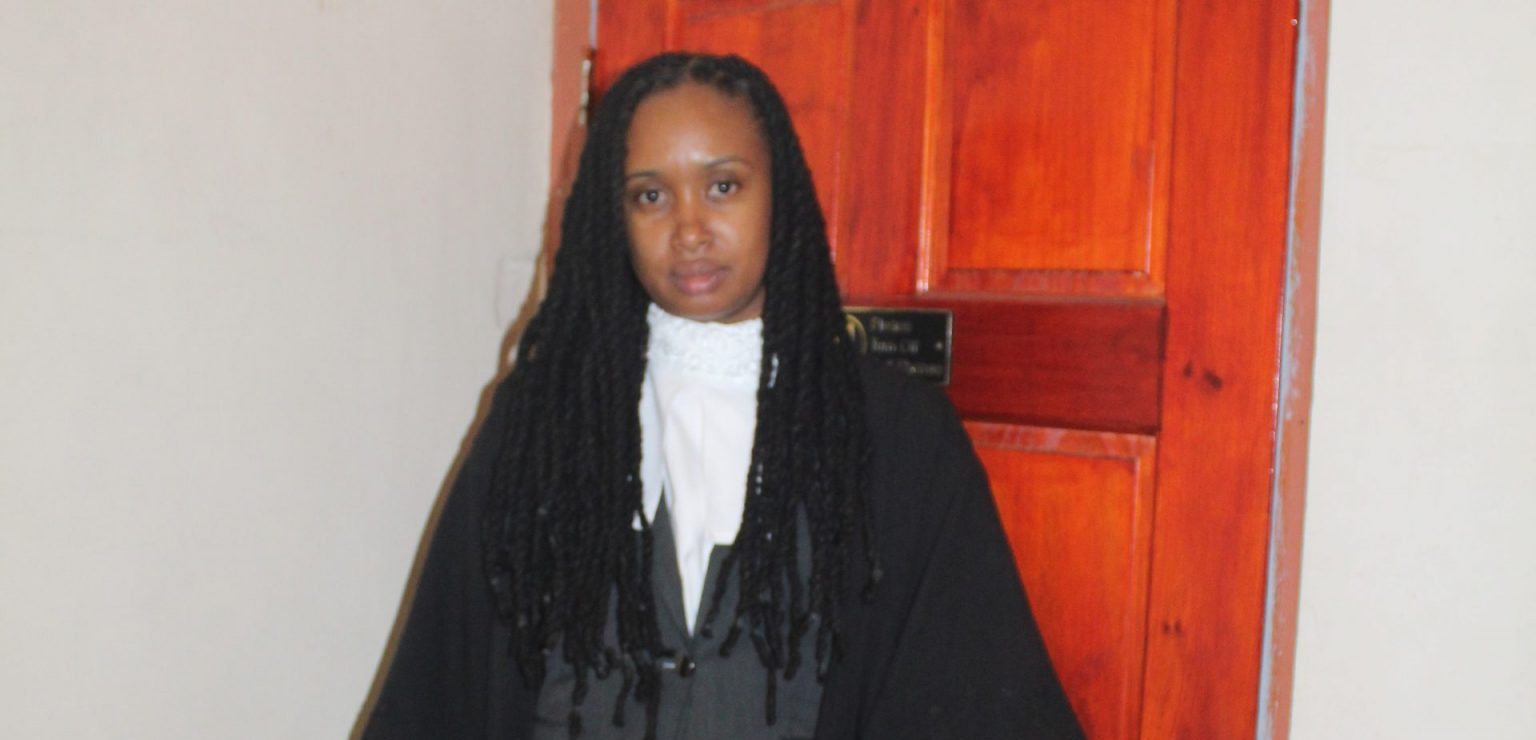
    In a powerful address marking the opening of the new legal year, Director of Public Prosecutions Sherma Dalrymple has issued a urgent mandate to legal professionals across small island states, demanding concrete action against escalating gun violence. Speaking at the State House Conference Centre, Dalrymple challenged judges, attorneys, court administrators, and prosecutors to actively champion respect for the law through decisive measures.

    The prosecution chief emphasized that legal associations must break their silence and actively educate the public about legal consequences before crimes occur. “We cannot wait until cases reach courtrooms—by then lives are already lost, families grieve, and individual liberties hang in balance,” Dalrymple asserted, criticizing passive discussions at bar association meetings while societal violence worsens.

    Dalrymple highlighted the particular vulnerability of small island communities where gun violence “runs as a disease,” casting shadows over cultural celebrations, carnivals, and holiday gatherings. She noted with concern how media reports regularly shock communities with phrases like ‘double murders’ and ‘young men in critical condition after sustaining gunshot wounds.’

    While acknowledging existing robust legislative frameworks within Organization of Eastern Caribbean States (OECS) members—including firearms acts, anti-gang laws, and sentencing guidelines designed to deter violence—Dalrymple insisted legal professionals must shoulder responsibility rather than blaming society alone. “We must consider whether we, as justice system administrators, are truly making the law respectable while advocating against this plague,” she concluded, calling for updated protocols, guidelines, and laws through regional cooperation.

  • Study finds drug use disorders are a major and growing public health problem

    Study finds drug use disorders are a major and growing public health problem

    The Americas confront an escalating public health emergency as drug use disorders surge to become one of the region’s top ten mortality risk factors, according to groundbreaking research published in the Pan American Journal of Public Health. The comprehensive analysis reveals a crisis disproportionately devastating young male populations while increasingly affecting women across the hemisphere.

    Recent epidemiological data from the Global Burden of Disease Study 2021 indicates approximately 17.7 million individuals throughout the Americas currently live with substance use disorders. These conditions claimed nearly 78,000 lives in 2021 alone—a mortality rate astonishingly four times higher than worldwide averages. The research identifies opioid addiction as the primary driver, accounting for over 75% of all drug-related fatalities.

    The investigation uncovered alarming acceleration in disability-adjusted life years (DALYs) linked to substance misuse, which have nearly tripled since 2000. This represents an average annual increase of approximately 5%, with young adults—particularly males—bearing the heaviest burden. Meanwhile, rising mortality among women signals expanding demographic impacts requiring urgent attention.

    Regional patterns reveal stark contrasts in substance prevalence. North America experiences severe crises involving synthetic opioids like fentanyl alongside amphetamines, while Caribbean, Central American, and South American nations grapple primarily with cannabis and cocaine disorders. The COVID-19 pandemic exacerbated these trends through heightened stress, service disruptions, and social isolation that intensified existing vulnerabilities.

    PAHO Director Dr. Jarbas Barbosa emphasized the preventable nature of this crisis: “These disorders represent both preventable and treatable conditions, yet they increasingly devastate families and communities throughout our Region. Countries must rapidly expand evidence-based prevention, treatment, and harm reduction services—particularly for youth and high-risk populations.”

    The study estimates drug use contributed to 145,515 total deaths in 2021 through overdose, liver cancer, cirrhosis, and suicide. This places substance misuse alongside hypertension, obesity, dietary risks, and tobacco among the region’s most significant health threats.

    PAHO officials urge immediate implementation of integrated strategies including: enhanced youth prevention programs, expanded access to medication-assisted treatment, integration of substance services into primary healthcare, improved surveillance for emerging synthetic drugs, and gender-responsive approaches addressing rising female mortality.

    Dr. Renato Oliveira E Souza, head of PAHO’s Mental Health and Substance Use Unit, advocated for systemic reform: “We must position mental health and substance care at the core of our health systems. Community-based, people-centered services supported by robust public health leadership and epidemiologically-informed national strategies can reverse these trends and preserve thousands of lives across the Americas.”

  • Venezuelan Oil Flows to China Set to Drop Amid U.S. Blockades

    Venezuelan Oil Flows to China Set to Drop Amid U.S. Blockades

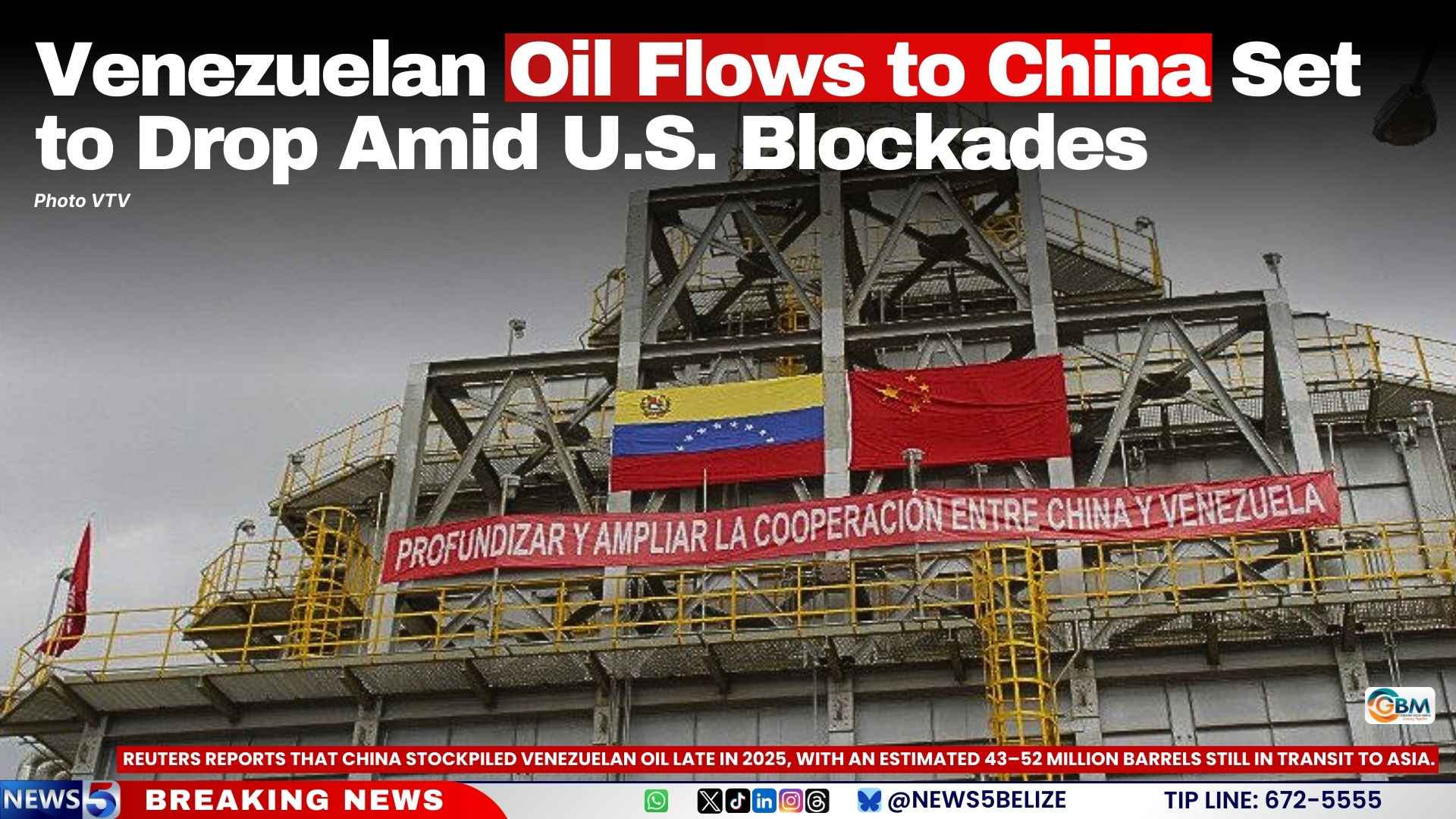
    China’s crude oil imports from Venezuela are projected to experience a significant contraction next month following the implementation of U.S. naval blockades that have severely disrupted maritime shipments. This development comes in the wake of a controversial military operation conducted by American forces earlier this January that resulted in the capture of Venezuelan President Nicolás Maduro.

    The United States government has subsequently asserted administrative control over Venezuela’s petroleum industry, which holds considerable influence within OPEC circles. In a decisive move, Washington has impounded five vessels transporting Venezuelan crude and issued stern warnings to international shipping companies against engaging with Caracas’s oil exports.

    Maritime tracking data indicates that the majority of tankers that departed Venezuelan ports during early January have reversed course, though three vessels remain on trajectory toward Asian destinations. These ships are currently transporting approximately 5 million barrels of fuel oil and heavy crude—a volume that represents a dramatic reduction compared to China’s average import levels of 642,000 barrels per day throughout the previous year, according to internal documents from Venezuela’s state-owned PDVSA oil company.

    Industry analysts note that China had strategically accumulated substantial Venezuelan oil reserves toward the end of 2025, with an estimated 43 to 52 million barrels still in transit to Asian ports prior to the implementation of sanctions. With supply chains now disrupted, commodities traders indicate that Chinese refiners will likely seek alternative crude sources in the coming months, potentially increasing imports from Canada and Iran.

    Concurrently, U.S. President Donald Trump has publicly encouraged American energy corporations to invest in revitalizing Venezuela’s oil infrastructure, though industry response has thus far been characterized by cautious deliberation rather than enthusiastic commitment.

  • Removal of all illegal moorings within the State of Grenada

    Removal of all illegal moorings within the State of Grenada

    The Government of Grenada has announced decisive enforcement action to remove all unauthorized mooring systems from the nation’s coastal waters, with concentrated efforts targeting Prickly Bay and Woburn/Clarke’s Court Bay. This initiative forms part of a broader strategy to enhance regulatory oversight within the yachting sector and safeguard fragile marine ecosystems.

    Authorities have clarified the legal protocol for mooring installation: prospective operators must secure formal approval through one of two designated channels. The Fisheries Division holds jurisdiction over installations within Marine Protected Areas, while the Grenada Ports Authority governs moorings situated in harbors under its administrative control.

    Despite prior warnings issued in August 2021 and again in September 2025, officials report persistent non-compliance with established regulations. In response, the government has designated MoorSouth Ltd/HarbourSecure Solutions Ltd as the officially licensed entity authorized to manage, install, and operate government-sanctioned mooring systems. Junior Cuffie has been appointed as the primary operator responsible for development and maintenance within Marine Protected Areas, with new system installations scheduled to commence imminently in the specified bays.

    The Ministry of The Blue Economy and Marine Affairs has established a compliance deadline of January 31 for all unauthorized moorings to be either removed or regularized through arrangement with the licensed operator. Enforcement teams will conduct ongoing surveillance of affected areas, with penalties awaiting those who fail to adhere to the directive as prescribed under Grenadian law.

  • Father and His Two Sons Need Your Help

    Father and His Two Sons Need Your Help

    A Belmopan family faces a long road to recovery following a catastrophic traffic collision this Tuesday that left a father and his two sons with severe injuries. Adolfo ‘Bull’ Guzman, alongside his children Adolfo Jr. and Jayden, is currently hospitalized after their navy blue SUV was completely crushed in the incident. While official details regarding the cause of the crash remain undisclosed by authorities, graphic images of the wreckage circulating online underscore the severity of the impact. In response to the mounting medical costs, the family has initiated a public appeal for financial contributions and urgent blood donations to support the ongoing treatment. The Guzman family has deep roots in the local community, with Adolfo Sr. having dedicated over a quarter-century of service to Builder’s Hardware Ltd. The company has publicly expressed its solidarity, issuing a social media statement that called upon the wider community to ‘keep Adolfo ‘Bull’ Guzman and his two sons… in your thoughts and prayers.’ Relatives have coordinated donation efforts, directing those able to assist with blood donations to contact Nelson Guzman or Elvia Marina Recinos.

  • St. John’s Catholic students tour AIDAperla, explore cruise and maritime careers

    St. John’s Catholic students tour AIDAperla, explore cruise and maritime careers

    In an immersive educational initiative, students from St. John’s Catholic School were granted exclusive access to explore the inner workings of the cruise ship AIDAperla during a meticulously guided tour. The event, orchestrated by Antigua Cruise Port, served as a dynamic platform for youth engagement with the island’s vital maritime sector.

    This excursion transcends a simple field trip, forming a critical component of the port’s sustained youth outreach programme. The primary objective is to illuminate the cruise industry’s profound and multifaceted role as an economic engine for Antigua and Barbuda. By stepping aboard a fully operational vessel, students moved beyond theoretical learning to gain tangible, first-hand insight into potential career pathways in hospitality, marine engineering, tourism management, and logistics.

    Antigua Cruise Port authorities have confirmed this event is not an isolated occurrence. The program is designed for expansion, with an open invitation extended to educational institutions across the nation to express their interest in participating in forthcoming scheduled tours. This long-term strategy aims to cultivate a knowledgeable, homegrown workforce poised to engage with and support the evolving cruise sector, thereby strengthening the nation’s economic resilience and fostering sustainable development within the local tourism ecosystem.

  • Teachers’ union president says he is disappointed by stalled contract talks

    Teachers’ union president says he is disappointed by stalled contract talks

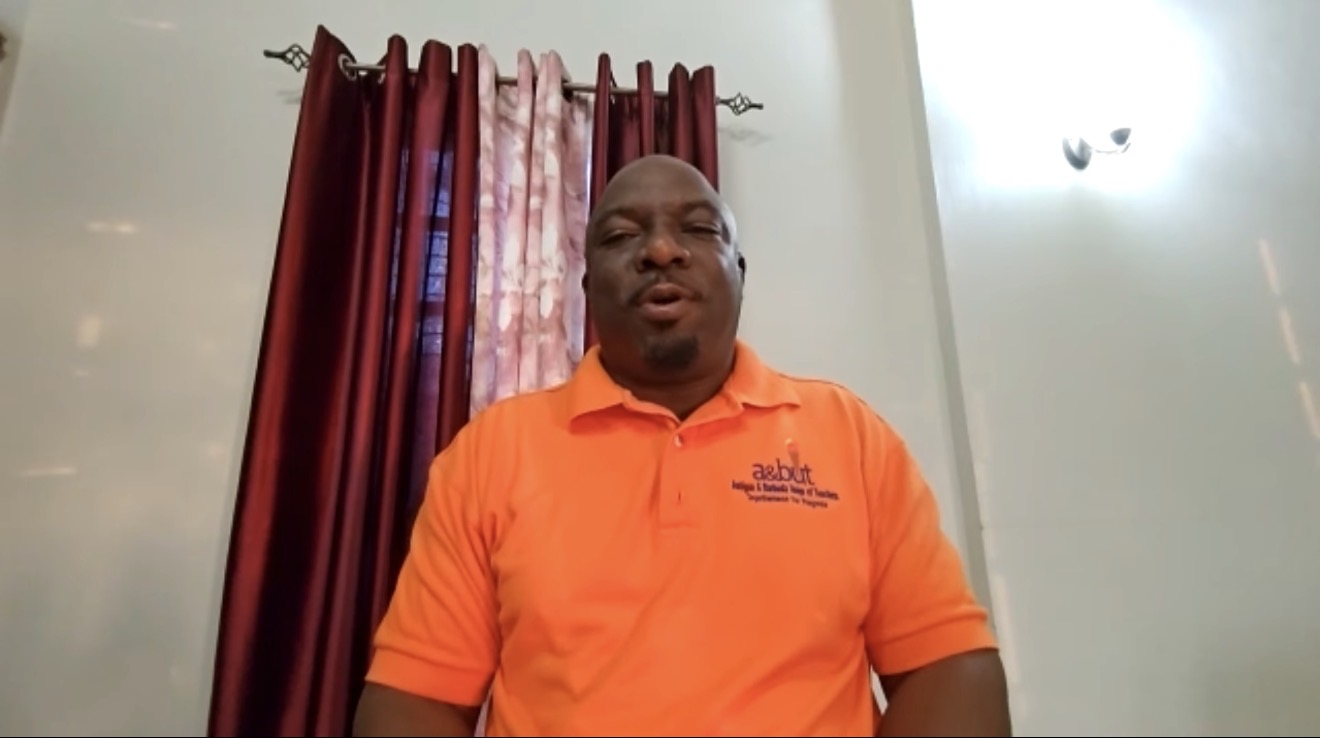
    The Antigua and Barbuda Union of Teachers (A&BUT) has voiced significant discontent regarding the prolonged delay in initiating crucial contract discussions with government authorities. Union President Casroy Charles revealed his profound disappointment during a recent broadcast interview, highlighting that formal proposals for a new collective bargaining agreement were submitted over seven months ago in June 2025, yet substantive negotiations have failed to commence as of January 2026.

    Charles emphasized the recurring nature of these delays within the bargaining process, noting that the previous agreement covering the 2018-2024 period was finalized merely months before its expiration in 2024. This pattern of last-minute negotiations has created persistent challenges for educators, with Charles stating that ‘negotiating a protracted period has always been problematic’ and regrettably ‘become the norm’ for contracts covering periods that have already passed.

    Supporting these concerns, General Secretary Sharon Clifford Kelsick confirmed the union has repeatedly communicated with government officials through written correspondence seeking to initiate discussions for the 2025-2026 agreement. Kelsick emphasized that best practices dictate negotiations should commence well before contract expiration, ideally early in the preceding year, rather than during the final year of the existing agreement.

    Both union leaders warned that continued delays risk perpetuating a cycle of retroactive settlements and prolonged uncertainty for teachers. Despite maintaining communication with the Chief Establishment Officer, the union expresses growing concern over the lack of progress. Charles affirmed the union’s commitment to pursuing timely negotiations, stating ‘We will stick at it’ while expressing hope that future bargaining processes would demonstrate improved efficiency and foresight.

  • Teachers’ union flags security gaps, unpaid allowances, delayed back pay

    Teachers’ union flags security gaps, unpaid allowances, delayed back pay

    Educators in Antigua and Barbuda are confronting persistent systemic failures as unresolved contractual disputes continue to undermine the nation’s educational infrastructure. The Antigua and Barbuda Union of Teachers (ABUT) has escalated its demands for governmental action, highlighting critical deficiencies in campus security, delayed salary adjustments, and uncompensated travel expenses for multi-campus instructors.

    Security vulnerabilities remain a paramount concern, with General Secretary Sharon Clifford Kelsick revealing that numerous schools operate without mandated protection despite contractual obligations. ‘We are not satisfied with the security issue at all,’ Kelsick stated during a recent media engagement, noting instances where educators arrive at facilities with either absent or insufficient security personnel. While some individual institutions have addressed concerns temporarily, the union emphasizes that comprehensive national-level resolution remains elusive under current collective bargaining agreements.

    Financial grievances compound the crisis, as retroactive salary payments continue to be distributed unevenly across the teaching workforce. Although partial disbursements occurred in December, many educators await full settlement despite governmental assurances of a January 31st deadline. Kelsick characterized the fragmented payment system as fundamentally unsatisfactory, stressing that ‘nobody really enjoys back pay when it comes in bits and pieces.’

    ABUT President Casroy Charles provided alarming financial context, estimating that resolving outstanding arrears would require approximately 4.5 months’ salary allocations. He further questioned whether departed or retired educators would receive owed compensation, highlighting administrative gaps in maintaining contact and banking information for former staff.

    The travel compensation crisis represents another dimension of the dispute, with Charles noting that teachers transporting themselves between multiple campuses using personal vehicles receive no reimbursement despite contractual provisions. The Ministry of Education has acknowledged this inequity yet has failed to implement practical solutions, leaving educators bearing unauthorized financial burdens.

    With negotiations for a new collective bargaining agreement currently suspended, union leadership vows to intensify advocacy until all outstanding matters receive satisfactory resolution.

  • LETTER TO THE EDITOR: My experience with the US visa interview process as a Dominican

    LETTER TO THE EDITOR: My experience with the US visa interview process as a Dominican

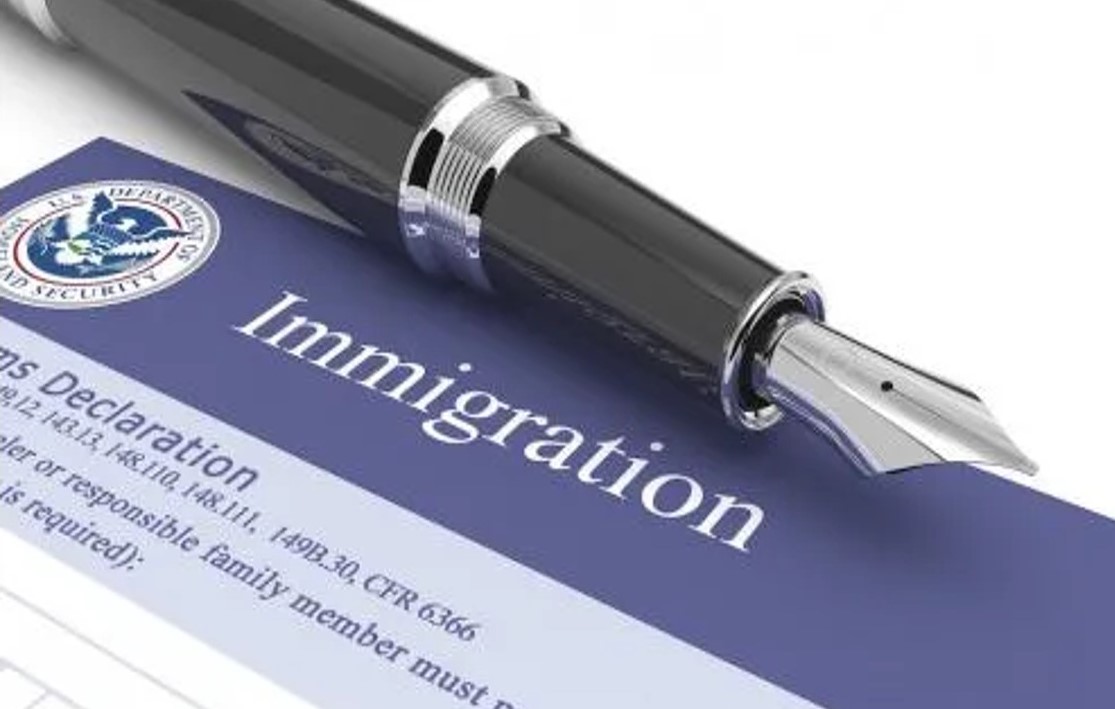
    A recent firsthand account from a visa applicant reveals the practical implementation of the Trump administration’s stringent visa policies targeting Caribbean nations with Citizenship-by-Investment (CBI) programs. The applicant, a Dominican citizen with previous travel compliance to the United States, documented their experience during a January 2026 appointment at the U.S. Embassy in Barbados.

    Despite meticulous preparation including research on interview techniques and gathering supporting documentation such as job letters and bank statements, the encounter proved unexpectedly brief and ultimately unsuccessful. The approximately three-minute interview consisted of standard questions regarding travel history and compliance with previous visa terms, all of which the applicant answered satisfactorily based on their record of multiple previous visits to the U.S. without overstaying.

    Communication challenges marred the process, with the visa officer speaking quietly behind protective glass and through an unreliable intercom system. Critical wording—specifically the word “not” in the visa denial explanation—was unintelligible during the verbal exchange, creating confusion until written documentation clarified the outcome.

    The applicant received two yellow slips explaining the denial under current regulations, though the officer requested none of the prepared supporting materials that typically validate visa applications. The interaction concluded abruptly when the officer walked away without making eye contact, leaving the applicant with a sense that the denial was predetermined rather than based on individual merit.

    Notably, the embassy displayed unusually low activity, with no queue present—a significant departure from previous experiences at the facility. Conversations with successful applicants from non-restricted countries like Grenada suggested targeted differential treatment toward citizens from listed nations including Dominica and St. Lucia.

    The account suggests implementation of unspoken directives to visa officers to systematically deny applications from certain countries despite more nuanced public communications. The new bond requirement scheduled to take effect January 21, 2026, for Dominican citizens adds another layer of restriction to the visa process.

    This experience serves as both documentation and warning to citizens of affected countries regarding the current visa environment, suggesting that applications from these nations face effectively insurmountable barriers regardless of individual qualifications or preparation.

  • Residents in western Jamaica to receive skills training in construction through BRIDGE initiative

    Residents in western Jamaica to receive skills training in construction through BRIDGE initiative

    KINGSTON, Jamaica—A transformative workforce development program is launching across four Jamaican parishes to address both unemployment and hurricane recovery needs. The Building Resilience and Inspiring Development through Guided Experience (BRIDGE) initiative will provide comprehensive construction training to 200 unemployed individuals from St. Elizabeth, Westmoreland, St. James, and Hanover.

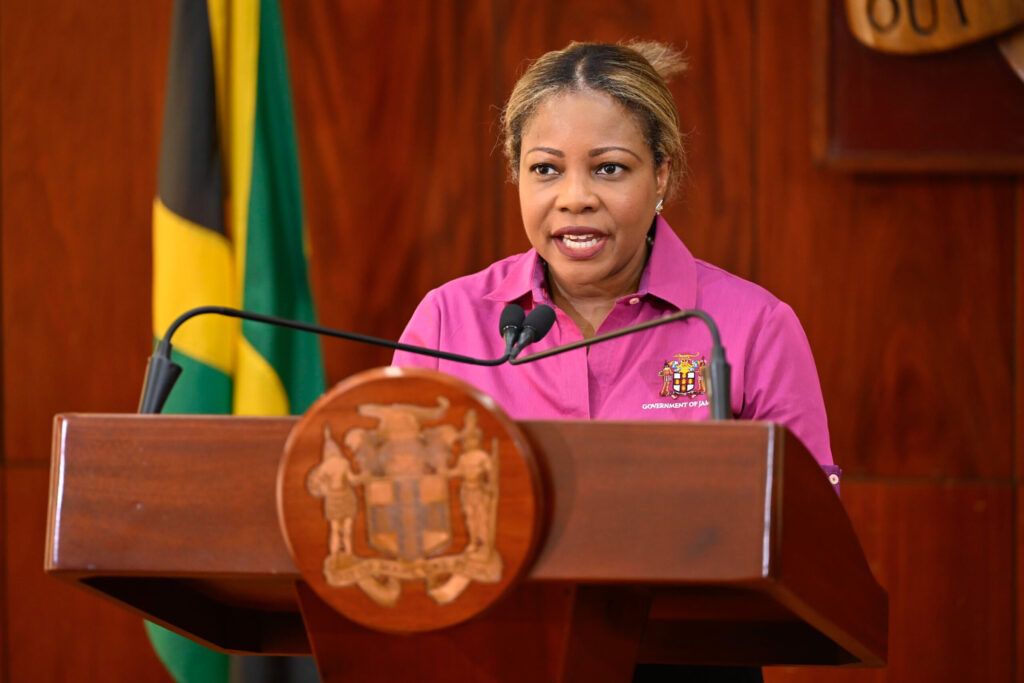
    Education, Skills, Youth and Information Minister Senator Dana Morris Dixon unveiled the program during a ceremonial event held in partnership with the Jamaica Society for the Blind. The initiative represents a strategic response to the devastation caused by Hurricane Melissa, targeting communities that suffered severe impacts.

    Participants will gain practical expertise through immersive on-site training at active reconstruction projects. The curriculum encompasses essential construction disciplines including roof repair techniques, steel reinforcement installation, and masonry work. Instruction will be delivered by HEART/NSTA Trust-certified trainers supplemented by international technical experts through global partnerships.

    Beyond skill development, the program provides financial support through monthly stipends of J$65,000 to enable participation. Minister Dixon specifically emphasized inclusive programming, urging administrators to actively integrate persons with disabilities into the training cohort. “We need to ensure disabled community members can participate meaningfully in such developmental programs,” she stated, highlighting the initiative’s commitment to equitable access.

    The BRIDGE program represents a dual-purpose intervention addressing both workforce development and disaster recovery objectives while promoting social inclusion in Jamaica’s rebuilding efforts.