
The 2025 national budget marks a historic milestone by addressing period poverty, a critical issue that has long been overlooked. This groundbreaking inclusion is the culmination of relentless global and local feminist activism, which has successfully framed menstruation as a matter of public health, human rights, and gender equity. Finance Minister Davendranath Tancoo emphasized that period poverty severely impacts the health and educational opportunities of individuals who cannot afford menstrual hygiene products, thereby denying them equitable access to empowerment and confidence in daily activities such as attending school or participating in sports. Recognizing this, St Lucia has taken a pioneering step by allocating US$250,000 to support students struggling with the cost of feminine hygiene products. In his October 13 presentation, Minister Tancoo proposed the establishment of a Women’s Health Fund with an initial capital of $5 million, aimed at sustaining initiatives through tax-incentivized individual and corporate contributions. This fund will launch a pilot program to distribute free menstrual kits in educational institutions and provide comprehensive menstrual health education, targeting various groups including men and boys to foster inclusivity and dismantle stigma. The removal of VAT on pads and tampons in 2001 was a significant step, acknowledging these products as basic necessities for approximately half the population. However, period poverty extends beyond the cost of menstrual products; it encompasses the need for menstrual health education, safe and accessible sanitation facilities, and the elimination of stigma. The issue is particularly acute in disaster-affected areas, where the spectrum of sexual and reproductive health and rights must be integrated into disaster management. Addressing period poverty also requires robust health and family life education in schools, enabling adolescents to ask questions about their bodies, reproduction, and anxieties. Organizations like Feminitt have been at the forefront of this movement, advocating for legislative changes, increased research, and gender-responsive solutions that acknowledge the LGBTQIA+ community and people with disabilities. Crown Her TT, founded by medical and legal professionals, has amplified these efforts through a national campaign. The 2025 budget represents a significant victory for people who menstruate, girls, and women, and underscores the importance of mentoring and supporting youth-led peer activism.
作者: admin
-

AI can helptackle crime
Artificial intelligence (AI) holds transformative potential in the realm of crime prevention, offering tools for predictive policing and more efficient identification of illicit activities. However, the financial burden of developing and implementing such advanced technology, particularly in smaller economies like Trinidad and Tobago (TT), raises significant concerns. Issues of affordability, transparency, and the risk of misuse or overreach must be carefully weighed against the potential benefits.
The COVID-19 pandemic has been exploited by various sectors, including food, freight, and utilities, as a pretext for unjustified price hikes. These practices, often shrouded in opacity, manipulate public perception and exacerbate economic hardship by eroding purchasing power. This tactic mirrors the dismissive stance of former US President Donald Trump, who famously labeled climate change as a ‘con job,’ highlighting a broader pattern of leveraging crises for economic gain.
Environmental policies present a stark dichotomy. While some global leaders advocate for green energy initiatives, major economies such as China, Iran, Russia, and Iraq continue to rely heavily on coal and fossil fuels, perpetuating the climate crisis. This inconsistency underscores the intricate interplay between economic interests and environmental sustainability, revealing the complexities of global energy politics.
In conclusion, whether addressing AI in crime prevention, economic manipulation, or climate policy, the necessity for transparency, responsible leadership, and strategic planning is paramount. Misinformation and diversionary tactics only hinder genuine progress, benefiting a select few while imposing significant burdens on the majority. The call for clarity and actionable solutions has never been more urgent.
-
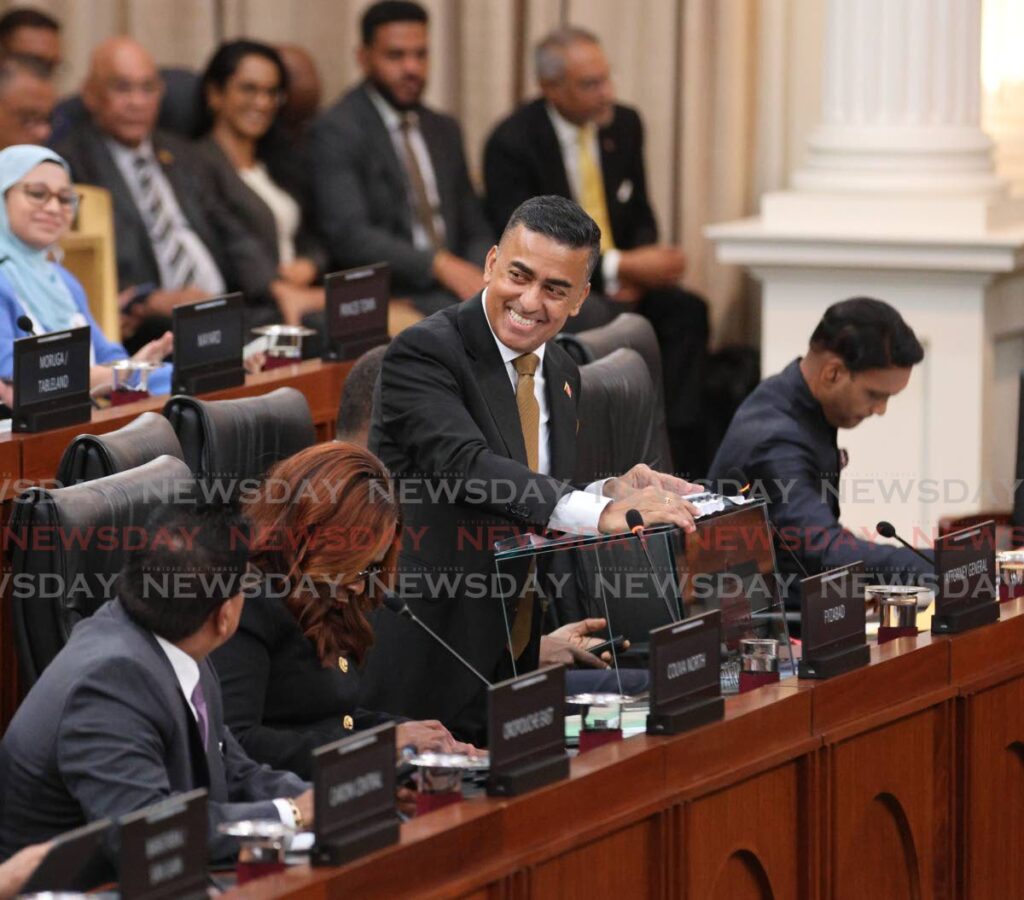
Budget a blueprint of hope, accountability and inclusion
The 2025-2026 national budget, titled “T&T First: Building Economic Fairness through Accountable Fiscal Policies,” presented by Finance Minister Davendranath Tancoo and the United National Congress (UNC) government, has garnered widespread acclaim for its bold and people-centric approach. The budget strikes a balance between fiscal discipline and compassionate governance, focusing on restoring public confidence, rebuilding institutions, and safeguarding citizens through strategic social investments. Within just 150 days, the government has taken decisive steps, including justice for former Caroni workers, the revival of the Couva Children’s Hospital, and reducing the price of super gas, alongside modernising key agencies like the Inland Revenue Division and Customs and Excise Division. These initiatives underscore a commitment to transparent governance and sound economic management. The budget also emphasises diversification in agriculture, manufacturing, tourism, and renewable energy, paving the way for a more resilient economy. Additionally, measures to protect the elderly, youth, and vulnerable populations, coupled with modernising healthcare, infrastructure, and digital services, reflect a holistic vision for national development. However, the writer proposes regularising Venezuelan migrants as a strategic move to transform a humanitarian challenge into an economic opportunity. Granting legal work status would expand the tax base, increase national insurance contributions, and formalise informal jobs, benefiting both local and migrant workers. This approach could stimulate consumer spending, support small businesses, and inject new skills into critical industries like agriculture, construction, and hospitality. Drawing inspiration from countries like Colombia and Costa Rica, which have successfully integrated migrant workers into their formal economies, Trinidad and Tobago has the opportunity to strengthen its economy while upholding its tradition of compassion and regional solidarity. The budget is not merely a financial plan but a blueprint for hope, accountability, inclusion, and transformation.
-

Procope continues marathon swim, thanks supporters during break
John Procope, a determined long-distance swimmer, is currently undertaking an extraordinary challenge: swimming 100 kilometers around the island of Tobago. This ambitious endeavor began on October 13 at Pigeon Point and is expected to conclude on the morning of October 15. Procope’s journey is divided into two distinct phases: the first half in the relatively calm Caribbean Sea and the second half in the more turbulent Atlantic Ocean, which poses significant physical and mental challenges. On October 14, Procope took a brief pause at Blue Waters Inn in Speyside to express his gratitude to his supporters. Treading water, he thanked his family, friends, and crew for their unwavering encouragement and assistance. His support team includes two fellow swimmers, Jacob Cox and William Carr, who accompany him for portions of the swim, as well as a support vessel and a kayaker providing essential supplies. This is not Procope’s first attempt at such a daunting feat. In October 2024, he successfully swam from Tobago to Trinidad in approximately 25 hours, showcasing his remarkable endurance and commitment to pushing the boundaries of human capability.
-

Women Warriors open Concacaf W Qualifiers vs Barbados on Nov. 30
The Trinidad and Tobago (TT) senior women’s football team is set to begin their 2025/26 Concacaf Women’s Qualifiers campaign with an away match against Barbados on November 30. The schedule was officially confirmed by Concacaf on October 14, marking the start of a challenging journey for the Women Warriors. TT has been placed in Group F alongside Barbados, El Salvador, and Honduras. Following their opener, the team will face Honduras on March 4, 2026, and then host El Salvador in a crucial home fixture. The squad is under the leadership of newly appointed head coach Angus Eve, who previously coached the senior men’s team, with Densill Theobald, a successful TT Premier Football League coach, serving as his assistant. With six weeks remaining before their first match, the team is intensifying training and preparation to ensure a strong start. The Concacaf Women’s Qualifiers, spanning from November 2025 to April 2026, will determine the six group winners who will join the USA and Canada in the 2026 Concacaf W Championship. This championship is a pivotal qualifier for both the 2027 FIFA Women’s World Cup in Brazil and the 2028 LA Summer Olympics, marking a significant milestone in Concacaf’s revamped women’s national team calendar.
-

US strike kills 6 more, off Venezuelan coast
In a significant escalation of efforts to combat narcotrafficking, U.S. President Donald Trump announced a military strike in international waters off the coast of Venezuela on October 14, resulting in the deaths of six individuals. The operation, carried out under Trump’s authority as commander-in-chief, targeted a vessel linked to a Designated Terrorist Organization (DTO) involved in drug trafficking. U.S. Secretary of War Pete Hegseth confirmed the strike, which occurred within the U.S. Southern Command (USSOUTHCOM) operational area. Trump described the deceased as ‘narcoterrorists’ and emphasized that no U.S. personnel were harmed. This marks the fifth such strike in the past month, bringing the total death toll to 27. Venezuelan President Nicolás Maduro condemned the U.S. military presence, accusing Washington of attempting to orchestrate regime change. Maduro has vowed to protect Venezuela’s sovereignty, launching nationwide military exercises like ‘Independence 200’ to bolster defense against external threats. Venezuelan officials, including Delta Amacuro State Governor Loa Tamaronis, have reaffirmed their commitment to national independence, rejecting foreign intervention. The U.S. has long accused Maduro of facilitating narcoterrorism, a claim he denies, further straining bilateral relations.
-

Israel Kills Nine Palestinians Despite Gaza Ceasefire
In a significant violation of the recently brokered ceasefire, Israeli forces have reportedly killed at least nine Palestinians in Gaza, as reported by Aljazeera. The truce, mediated by the United States with the involvement of Qatar, Egypt, and Türkiye, was intended to bring an end to two years of intense conflict in the region. However, the fragile peace was shattered as the victims, attempting to return to their homes in northern Gaza City and southern Khan Younis, were met with deadly force. CNN News confirmed the tragic incident, highlighting the ongoing volatility in the area. Humanitarian conditions in Gaza remain critical, with aid organizations sounding the alarm over the dire situation. UNICEF’s Joe English described Gaza as a “skeleton of a city,” emphasizing the extensive devastation. He further noted the profound impact of the conflict on Palestinian children, stating, “Children in Gaza have spent the last two years deprived of their childhood.” Despite Israel’s allowance of 600 aid trucks daily, English expressed skepticism about the sufficiency of current efforts, citing challenges such as insecurity, damaged infrastructure, and the urgent needs of a desperate population. The breach of the ceasefire underscores the persistent tensions and the long road ahead for achieving lasting peace in the region.
-
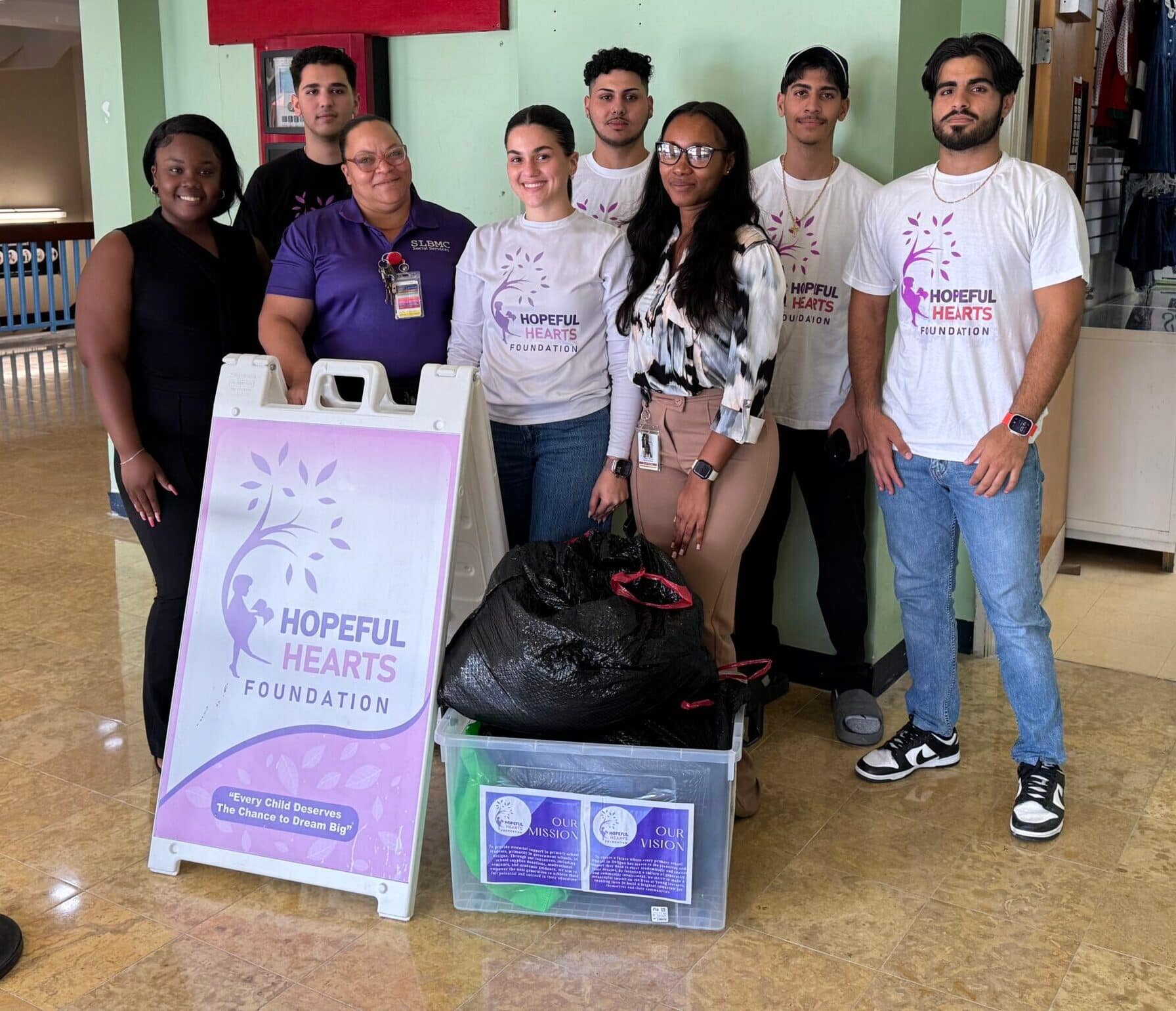
Hopeful Hearts Foundation Expands Its Impact Across Schools and Communities
The Hopeful Hearts Foundation (HHF), established by Kristine Louisa, is making significant strides in uplifting communities across Antigua and Barbuda. Through its educational, humanitarian, and youth advocacy initiatives, HHF continues to inspire and empower individuals, particularly children and families in need.
-

Limburg: We hebben geen andere keus dan de NDP te versterken
At a gathering held in tribute to the late Desi Bouterse on Monday evening, Clifton Limburg, former communications director of the Bouterse administration, called for unity within the National Democratic Party (NDP). Limburg emphasized the need to strengthen the party and preserve the legacy of its deceased leader, who played a pivotal role in shaping the NDP. He described the NDP as ‘the only party in Suriname where all people can feel at home.’
Limburg urged party members to honor Bouterse’s contributions to Suriname’s development since 1980, acknowledging both the highs and lows of his leadership. ‘We have known triumphs and challenges, but no one is perfect,’ he said. ‘We must remember him as a simple, focused, and forgiving individual.’ He expressed confidence that Bouterse’s significance would eventually be fully recognized, despite attempts by some to downplay his impact. ‘Time always provides the answers. I believe those who criticize him now will speak differently in the future,’ Limburg stated.
Highlighting the importance of unity, Limburg warned against internal divisions and external efforts to undermine the party’s cohesion. ‘Arm yourselves against intrigues and ensure we continue to support one another. We must keep all noses pointed in the same direction,’ he said, echoing Bouterse’s vision for the party. Limburg concluded by calling for the strengthening of the NDP’s structures and collective efforts to secure its leadership role in Suriname’s future, particularly in anticipation of the oil and gas sector’s growth by 2030.
-

Youth in agriculture are key to future of health in Dominica, says Sen.Oscar George
Senator Oscar George, Minister of State in the Ministry of Culture, Youth, Sports, and Community Development, has called on young Dominicans to actively engage in agriculture to secure the nation’s food sustainability and health. Speaking at the Market Day with a Difference event in Mahaut, George emphasized the critical role of youth in preserving the agricultural legacy and ensuring food security. He urged a shift in mindset, moving away from viewing farming as a mere hobby to recognizing it as a vital profession. George highlighted the government’s commitment to supporting farmers and vendors, particularly in the Mahaut region, as essential contributors to the nation’s well-being. He stressed the importance of consuming locally produced, nutrient-rich foods over processed alternatives, linking dietary choices to public health outcomes. George concluded by advocating for a return to traditional, homegrown produce as the foundation for building a healthier, more resilient nation.