
Hezekiah Parker Jr. has been sentenced to pay a $10,000 fine after pleading guilty to cannabis possession. The verdict was delivered on Monday, with Parker given a one-year deadline to settle the fine. Failure to comply will result in a one-year prison term. The case originated from a police operation on June 1, where officers executed a search warrant at Parker’s residence. During the search, authorities reportedly uncovered 127 grams of cannabis, valued at $1,270, alongside a sum of cash that was seized. Parker was subsequently arrested and charged. He had been on bail since his arrest and entered a guilty plea last month before Magistrate Ngaio Emanuel. This case highlights the ongoing legal repercussions of cannabis possession in the region, despite shifting attitudes toward the substance globally.
作者: admin
-

No longer anyone’s backyard
For decades, the Caribbean has been burdened by the metaphor of being ‘somebody’s backyard,’ a phrase often used by policymakers, diplomats, and even regional leaders. This imagery has perpetuated a narrative of passivity and subordination, where the sovereignty of small nations is overshadowed by the interests of global powers. However, as the geopolitical landscape shifts with the United States, China, and Europe vying for influence, the Caribbean is increasingly asserting its independence and strategic value. Recent developments, such as the US request to install military radar in Grenada, Guyana’s oil-driven economic boom, and China’s infrastructure investments, highlight the region’s growing geostrategic importance. Yet, the implications of this renewed attention are deeply felt in the daily lives of Caribbean citizens, from democratic struggles to economic challenges. The region’s leaders and grassroots movements are redefining the terms of engagement with external powers, negotiating with newfound confidence. The legacy of Maurice Bishop, Grenada’s former Prime Minister, who famously declared, ‘we are in nobody’s backyard,’ serves as a poignant reminder of the ongoing struggle for sovereignty and regional unity. The Caribbean’s history of resistance to imperial dominance, from the Monroe Doctrine to Cold War interventions, underscores its resilience and determination to chart its own course. Today, the region is navigating a complex web of global interests, from China’s Belt and Road Initiative to European colonial reparations debates, while addressing internal vulnerabilities such as public finances and political polarization. The Caribbean’s strength lies in its ability to build flexible coalitions, balancing relationships with competing powers while prioritizing the interests of its people, environment, and culture. As the 21st-century ‘Great Game’ unfolds over cyberinfrastructure, climate adaptation, and energy, the Caribbean’s strategic importance will only grow. The challenge is to remain vigilant against the transactional temptations of big-power deals while building robust institutions and policies that safeguard the region’s autonomy. The Caribbean is not and has never truly been anyone’s backyard. Its societies are mosaics of resilience, creativity, and irrepressible agency, determined to define their own destinies.
-
Government congratulates Dr Nicholas Brathwaite on chancellor appointment
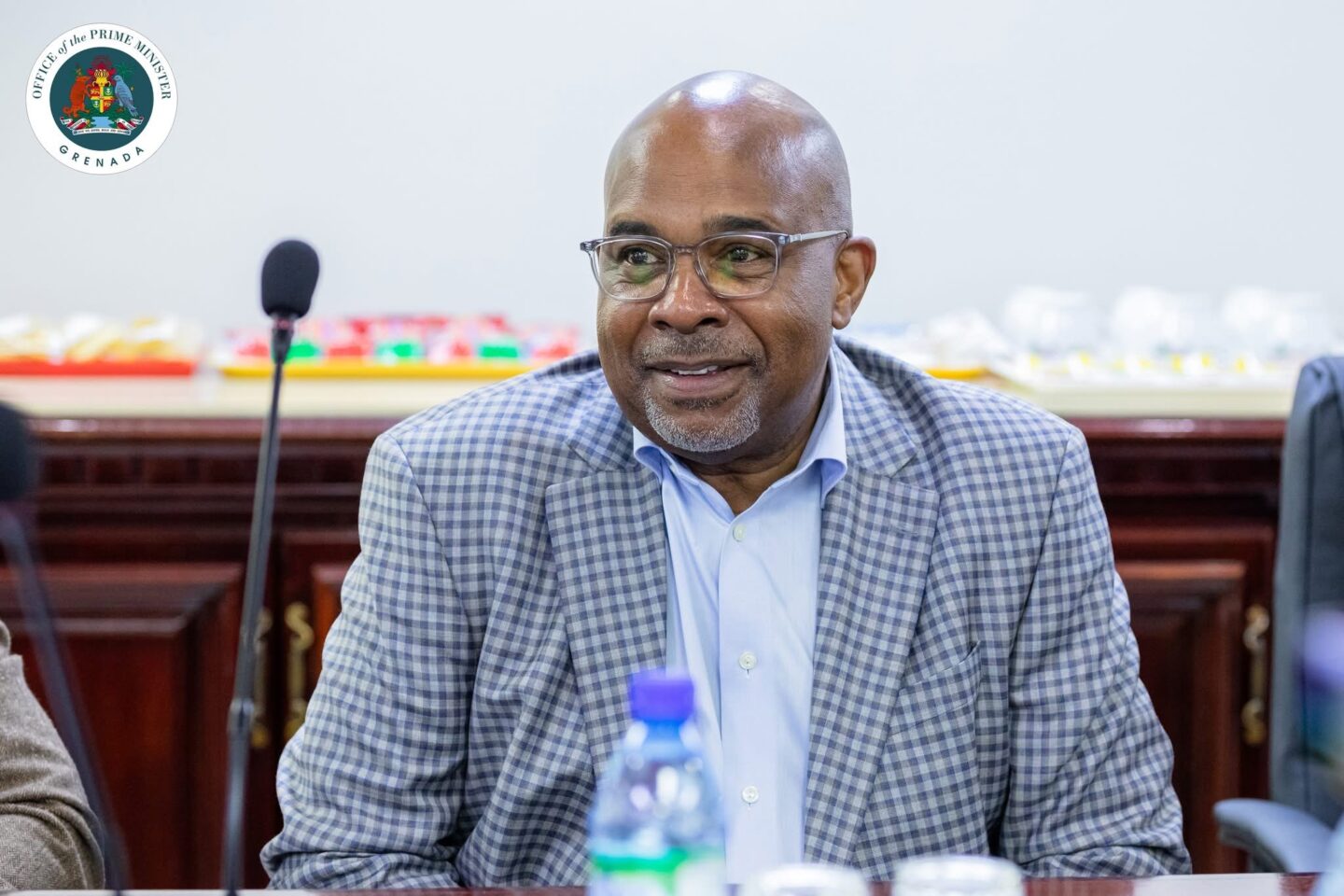
The Government of Grenada has expressed its warmest congratulations to Dr. Nicholas Brathwaite on his upcoming role as Chancellor of McMaster University, set to commence on January 1, 2026. Dr. Brathwaite, a native of Carriacou, is a celebrated alumnus of McMaster, where he graduated with a degree in Applied Chemistry in 1982. He further advanced his education with a Master’s in Polymer Science from the University of Waterloo. His illustrious career includes groundbreaking work at Intel, where he secured his first patent, co-founding nChip, and serving as Chief Technology Officer at Flextronics, where he was instrumental in the development of early smartphones. Beyond his professional accolades, Dr. Brathwaite is a dedicated philanthropist. He co-founded the PETNA Foundation, which has significantly impacted youth, education, and community development across the Caribbean and North America. Additionally, through the Nicholas and Janice Brathwaite Award, he has enabled numerous Caribbean students to pursue undergraduate studies at McMaster University. Prime Minister Hon. Dickon Mitchell, speaking on behalf of the Government and people of Grenada, remarked, “Dr. Brathwaite’s appointment is a moment of immense pride for Grenada. His journey from Carriacou to leading one of Canada’s premier universities underscores the transformative power of education, vision, and perseverance. His achievements serve as an inspiration to our youth and Grenadians worldwide.” The Government of Grenada eagerly anticipates Dr. Brathwaite’s continued contributions to education and innovation, both globally and within the Caribbean region.
-

Brian Stuart-Young Ends Eleven-Year Tenure as Antigua’s Non-Resident Ambassador to China
Brian Stuart-Young, the Non-resident Ambassador of Antigua and Barbuda to China, has announced his resignation after an impactful 11-year tenure. Prime Minister Gaston Browne revealed the news during a farewell reception for outgoing Chinese Ambassador Zhang Yanling at Weatherill’s Restaurant on Monday night. Stuart-Young, who first visited China in 1983 as part of then-Prime Minister V.C. Bird’s inaugural delegation, described his role as a “privilege to serve the people of Antigua and Barbuda as an adopted son.” Appointed by Browne in 2014, Stuart-Young played a pivotal role in strengthening bilateral ties between the two nations. His contributions include the modernization of the seaport, the Booby Alley Housing Project, and the establishment of Antigua and Barbuda’s embassy in Beijing in 2024. Although based outside China, Stuart-Young maintained daily communication with embassy staff, ensuring continued support for students and military personnel in the region. Reflecting on his service, he expressed gratitude for the opportunity to “give back” to the nation he now calls home. A successor is expected to be announced shortly.
-

Argentina deepens agricultural cooperation with Caribbean at CWA 2025
Argentina has reaffirmed its dedication to fostering agricultural collaboration and enhancing regional food security during its participation in the Caribbean Week of Agriculture (CWA) 2025, held in St Kitts and Nevis. As a special guest of the Caribbean Community (Caricom) Council for Trade and Economic Development (COTED), the Argentine delegation expressed its eagerness to forge stronger partnerships with Caribbean nations. The delegation highlighted potential areas of cooperation, including modernizing the dairy industry, improving plant health systems, optimizing soil and water management, and integrating digital technologies into agriculture.
-

Laville laments vagrancy problem at Mahaut market, highlights underlying issues
Cassani Laville, the Parliamentary Representative for the Mahaut Constituency, has voiced significant concerns regarding the persistent issue of vagrancy at the Mahaut market. Speaking at the “Market Day with a Difference” event held over the weekend, Laville highlighted the challenges posed by vagrants in the area. He emphasized that the presence of vagrants, often linked to drug abuse and hunger, creates a social dilemma that undermines the dignity of the community. Laville recounted personal experiences, including seeing a former football teammate scavenging for food, which he described as deeply distressing. He called for a collective effort to address the issue, urging community members to take responsibility rather than assigning blame. Laville stressed that solving this problem requires a unified approach, with everyone contributing in their own way to improve the situation.
-
Citizenship by investment schemes come under opposition scrutiny
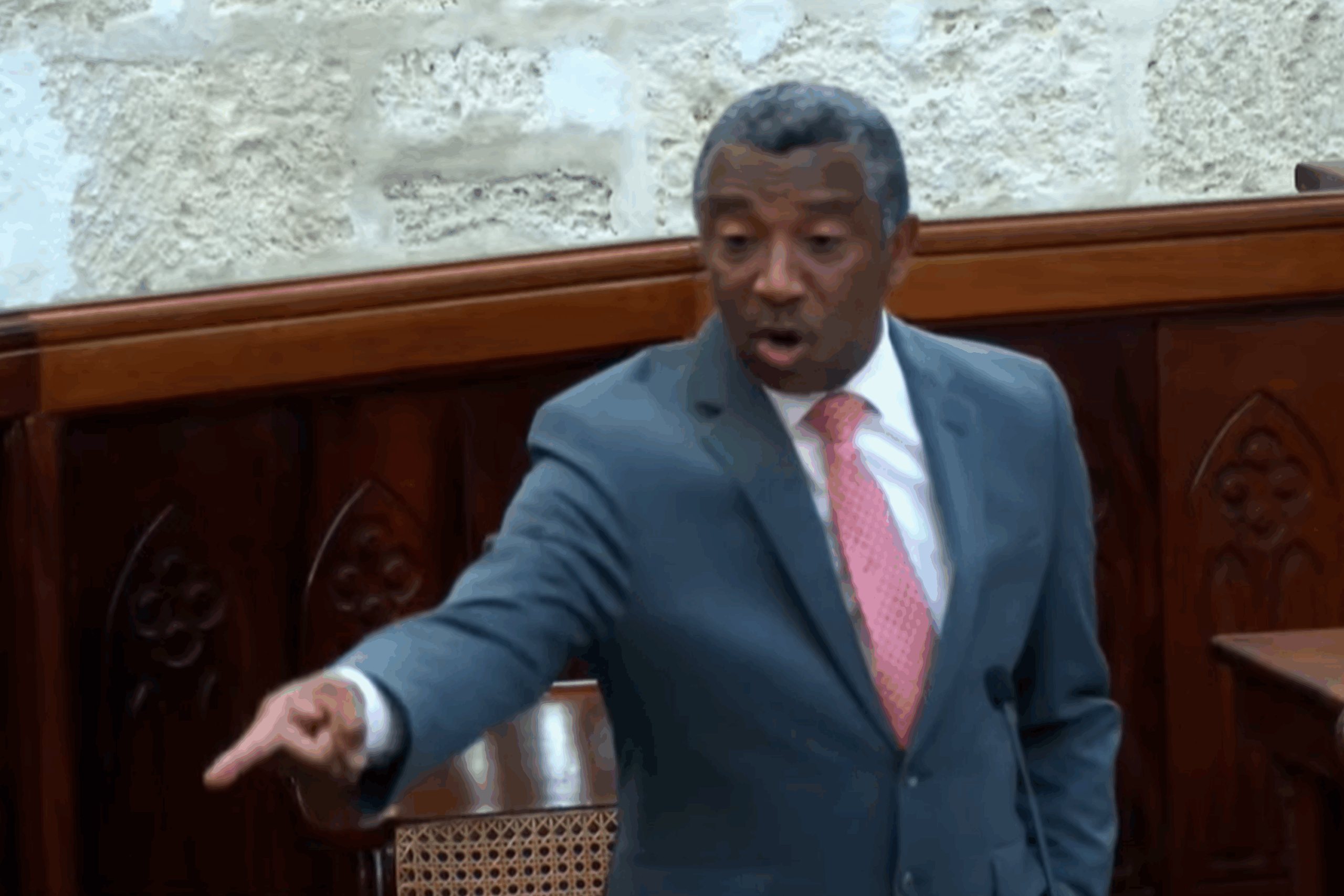
Opposition Leader Ralph Thorne has raised significant concerns over Barbados potentially becoming a gateway for individuals acquiring CARICOM passports through Citizenship by Investment (CBI) programs. Speaking on Monday, Thorne urged immediate scrutiny of the Free Movement of Nationals Bill and related citizenship laws, which aim to facilitate regional integration with St Vincent and the Grenadines, Dominica, and Belize. He warned that the legislation could allow individuals from outside the region to enter and remain in Barbados indefinitely once they obtain citizenship from another CARICOM member state. Thorne highlighted the risks of such a scheme, emphasizing that it could undermine the integrity and value of Barbadian citizenship. He questioned the government’s haste in pushing the Free Movement Bill separately from other related legislation, which is currently under public consultation. Thorne cautioned that this arrangement might open a ‘back door’ for individuals with no cultural or historical ties to the region, potentially leading to the devaluation of Barbados’ national identity and pride. He called for a thorough examination of the motives behind the legislation, suggesting that it could be driven by financial interests rather than regional unity.
-

Mottley rejects opposition claims as House backs free movement plan
Prime Minister Mia Mottley has staunchly defended her government’s regional free movement initiative, emphasizing its critical role in ensuring Barbados’ long-term stability and fostering Caribbean unity. Speaking during a rare Monday session in the House of Assembly, Mottley dismissed opposition claims that the policy is a covert strategy to influence future elections, labeling such accusations as “embarrassing and lazy.”
Mottley clarified that the Caribbean Community (Free Movement of Nationals) Bill is not about electoral gains but about addressing Barbados’ demographic challenges, including a declining population and a widening skills gap. She highlighted alarming statistics, noting a near 50% drop in births over the past two decades and an ageing population that threatens economic growth and social security systems.
The Prime Minister underscored the importance of migration and managed labor mobility as solutions to these challenges. She assured Barbadians that the policy would not compromise access to healthcare, jobs, or national security. Regional nationals, she explained, would only have access to emergency and primary healthcare and would not burden public resources. Mottley also emphasized that incoming workers would contribute to national insurance and taxes, with CARICOM social security arrangements ensuring benefits follow workers wherever they go.
Addressing concerns about worker exploitation, Mottley highlighted increased inspection capacities within the Labor Ministry and collaboration with contractors and unions to enforce fair labor practices. She also reassured the public that robust national security checks remain in place, with individuals screened through regional and international systems before entering Barbados.
Mottley expressed disappointment that the initiative, which she described as a “seminal moment” in Caribbean integration, had become mired in partisan controversy. She urged unity, reminding lawmakers of Barbados’ historical commitment to regional cooperation, from CARIFTA to the CARICOM Single Market and Economy.
On workforce needs, Mottley pointed to critical shortages in sectors like healthcare, engineering, and renewable energy. She cited the Queen Elizabeth Hospital as an example, where hundreds of positions remain unfilled due to a lack of qualified personnel. Mottley reiterated that the policy is not about replacing Barbadians but filling essential gaps to ensure the country’s systems function effectively.
Concluding her address, Mottley appealed for calm and collective resolve, urging the public not to succumb to fear or xenophobia. She pledged that her administration would safeguard Barbadians’ quality of life while ensuring the nation remains stable, secure, and prosperous for future generations.
-

Aviation Expert Warns of Safety Risks from Airport-Side Events at Sticky Wicket
Aviation specialist Eugene Silcott has issued a renewed warning about the safety hazards posed by large-scale events held at the Sticky Wicket, a popular venue located dangerously close to a major airport. Silcott emphasized that such gatherings could jeopardize both airport operations and public safety, despite criticism from those who view the events as harmless entertainment. His concerns are rooted in aviation safety rather than opposition to social activities. Silcott outlined several critical risks, including potential delays for emergency vehicles due to traffic congestion caused by event attendees. He explained that in the event of a fire at the airport terminal, fire trucks might struggle to reach the site, and using the ramp could be hazardous due to underground fuel lines. Additionally, medical responders could face delays, potentially endangering lives. Silcott also highlighted the issue of noise pollution, noting that loud music from the events could interfere with air traffic controllers’ communications with pilots, particularly those who are non-native English speakers. This could lead to misunderstandings and even mid-air collisions, despite the presence of Traffic Collision Avoidance Systems (TCAS). Furthermore, congestion could prevent air traffic controllers from reaching the control tower on time, potentially forcing the airport to close temporarily. Silcott urged event organizers to implement shuttle systems to transport patrons, reducing traffic and ensuring the safety of airport operations. He concluded by stressing the importance of addressing these issues to maintain the airport’s safety and efficiency.
-

UPDATED VIDEO: Police Recover Stolen Vehicle Following High-Speed Chase in St. John’s
In a dramatic turn of events, the Royal Police Force of Antigua and Barbuda successfully recovered a stolen vehicle and apprehended a suspect following a high-speed chase through the streets of St. John’s on Monday, October 13, 2025. The incident began at approximately 4:40 p.m. when officers from the Criminal Investigations Department (CID), the Gang and Guns Suppression Unit (G.A.G.S.U.), and the Traffic Department spotted a white Honda Fit, which had been reported stolen on October 12, during a routine patrol near the Ministry of Works. Upon attempting to intercept the vehicle, the driver accelerated dangerously, leading to a high-speed pursuit. During the chase, the suspect vehicle collided with several parked cars before crashing into a culvert at the intersection of St. John’s Street and Wapping Lane. Two male occupants fled the scene on foot, but an extensive search by the police led to the arrest of a 19-year-old Villa resident on suspicion of robbery. The suspect was taken into custody at the St. John’s Police Station for questioning, while the vehicle was transported to Police Headquarters for further investigation. Authorities have urged anyone with information about the incident to contact the Criminal Investigations Department at 462-3913 or the anonymous Crimestoppers hotline at 800-Tips (8477). Investigations into the matter are ongoing.