
KINGSTON, Jamaica – Dancehall artist David ‘Mavado’ Brooks has been granted a reprieve as a warrant for his arrest, issued in 2018, was officially dropped on Wednesday morning. The musician, who recently returned to Jamaica after nearly a decade abroad, met with law enforcement officials alongside his attorney to address allegations of assault causing actual bodily harm. The case, which had been pending since 2018, was resolved following discussions with the St Andrew North police. Superintendent Randy Sweeney confirmed the closure, stating, ‘Based on the information at hand and the circumstances, that matter has been closed.’ The warrant had been issued on June 9, 2018, following a complaint by Anthony Goulbourne, who had been arrested and charged for allegedly shooting at Mavado. Sweeney clarified that the warrant was not a court-issued document but rather one signed by a Justice of the Peace (JP) based on police information. He emphasized, ‘That warrant of information is no longer in effect.’ Mavado’s return to Jamaica marks a significant moment for the artist, who has been a prominent figure in the dancehall scene.
作者: admin
-
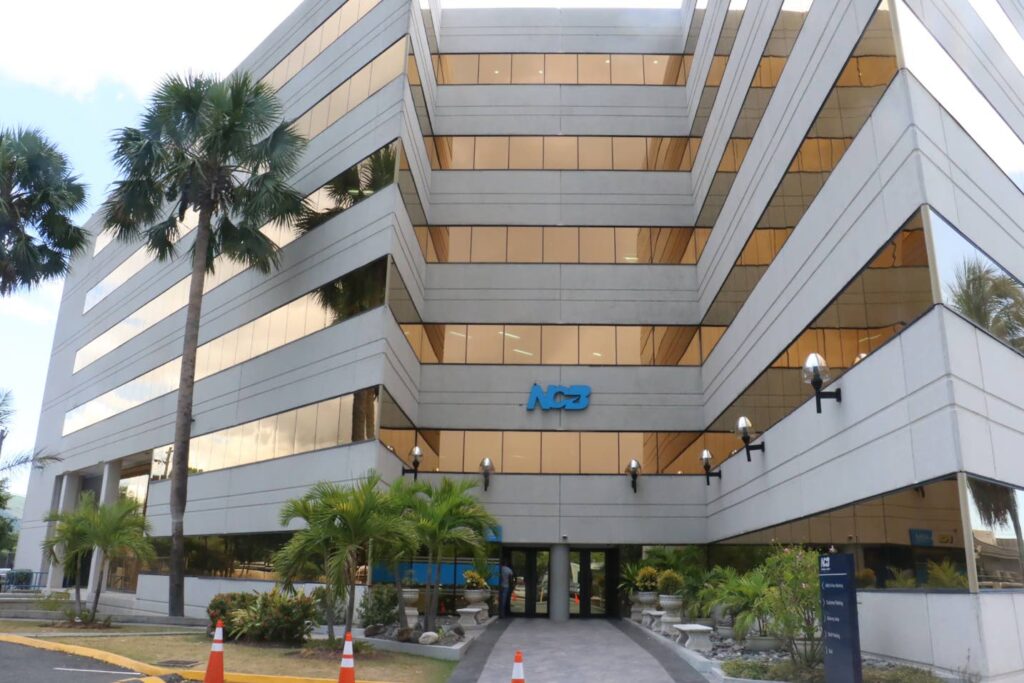
NCB says services restored after system challenges
KINGSTON, Jamaica — The National Commercial Bank (NCB) has successfully restored its services across all platforms following significant system disruptions earlier on Wednesday. The bank confirmed the resolution after being contacted by Observer Online, addressing widespread complaints from customers who faced difficulties accessing their accounts via the NCB mobile app and website.
-
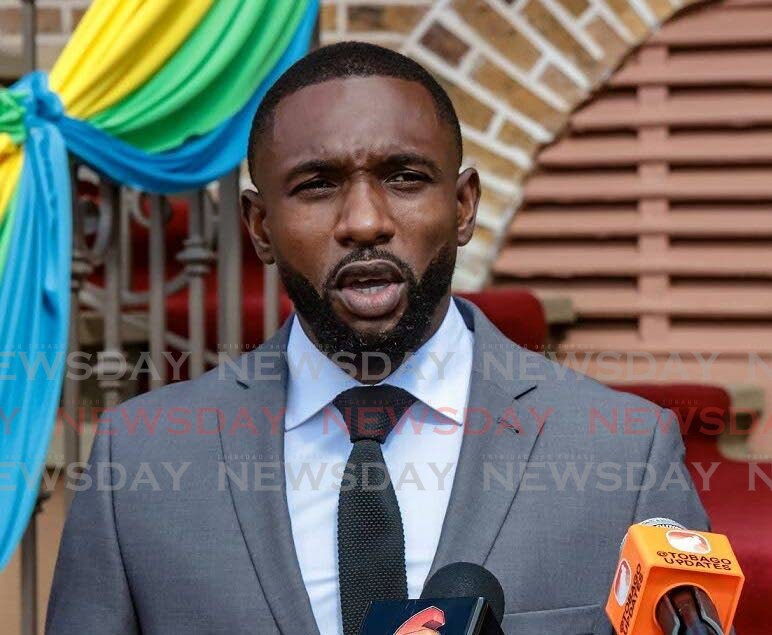
Morris hits ‘deceitful’ budget: Tobago’s development allocation reduced
Tobago’s Minority Leader Kelvon Morris has sharply criticized the island’s $2.96 billion fiscal package for the 2025/2026 fiscal year, labeling it as ‘seasoned with deceit, deception, and in some respect, dishonesty.’ Speaking at a media conference on October 15 at the Magdalena Grand Beach and Golf Resort in Lowlands, Morris emphasized that ‘the devil is in the details,’ pointing out a significant reduction in development funds for Tobago.
-
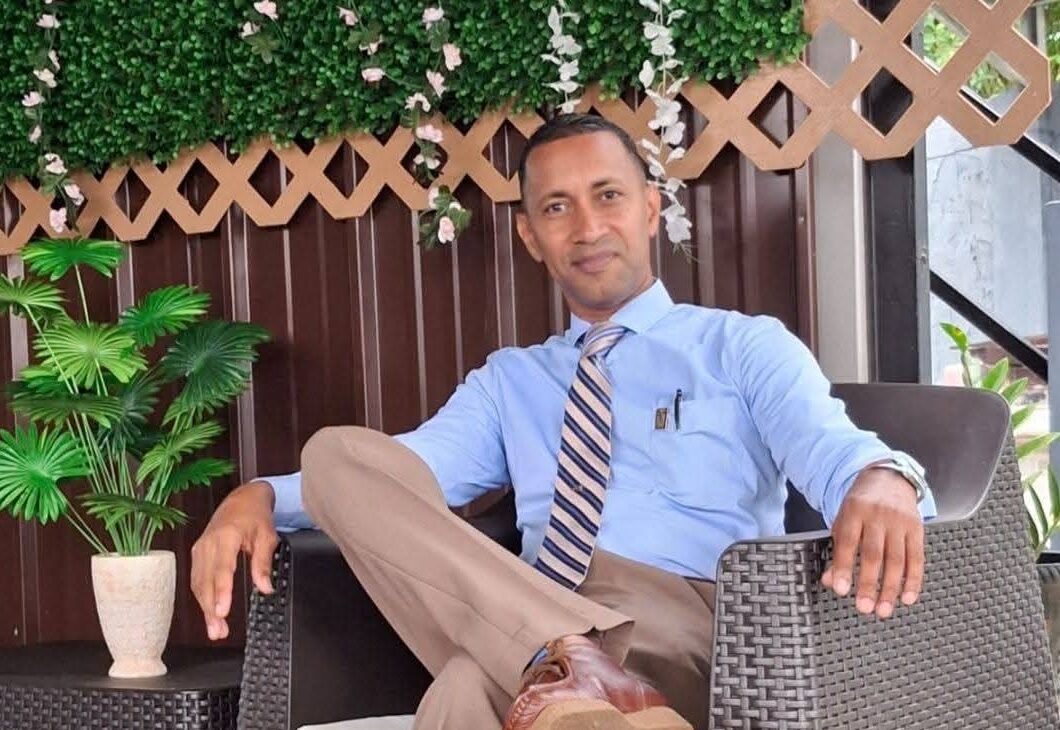
Ashe wins TTUTA presidency by landslide
In a decisive electoral triumph, Crystal Ashe has been elected as the new president of the Trinidad and Tobago Unified Teachers’ Association (TTUTA). The election, held on October 14, saw Ashe secure a commanding victory, amassing 3,546 votes—more than triple the tally of outgoing president Martin Lum Kin, who received 1,019 votes. Ashe’s total also surpassed the combined votes of all other presidential candidates, solidifying her position as the clear choice among educators.
-
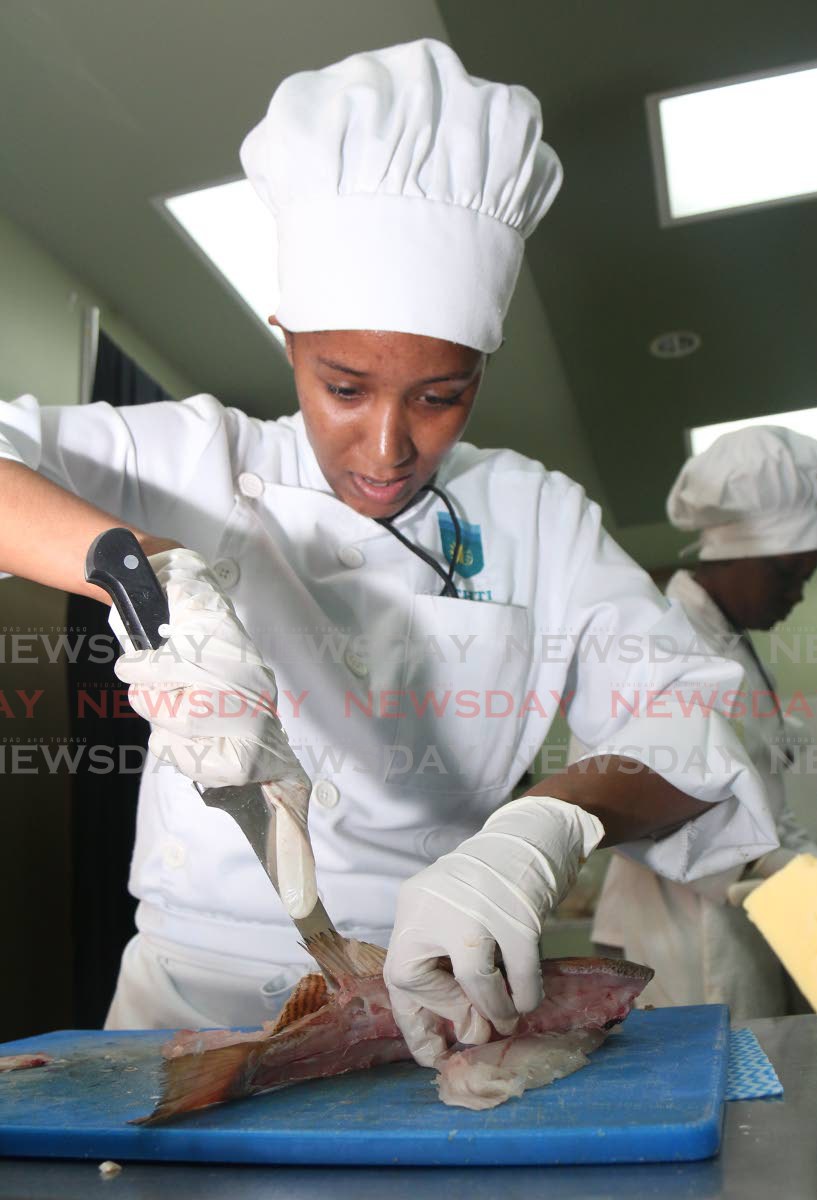
Tancoo: Hotel school to be reopened
In a significant move to revive the hospitality and tourism sector, Finance Minister Davendranath Tancoo has announced the government’s plan to reopen the TT Hospitality and Tourism Institute (TTHTI) in Chaguaramas. The institute, which was established to train professionals in the hospitality industry, including chefs and support staff, ceased operations in 2020 due to COVID-19 restrictions and the non-payment of subventions by the previous administration. The TTHTI had been operational for approximately two decades before its closure. Minister Tancoo also hinted at similar developments in Tobago, indicating a broader effort to bolster the sector. Further details regarding the reopening are expected to be provided by the Trade, Investment, and Tourism Minister, Satyakama Maharaj. This initiative is seen as a crucial step in addressing the skills gap and supporting the recovery of the hospitality and tourism industry post-pandemic.
-
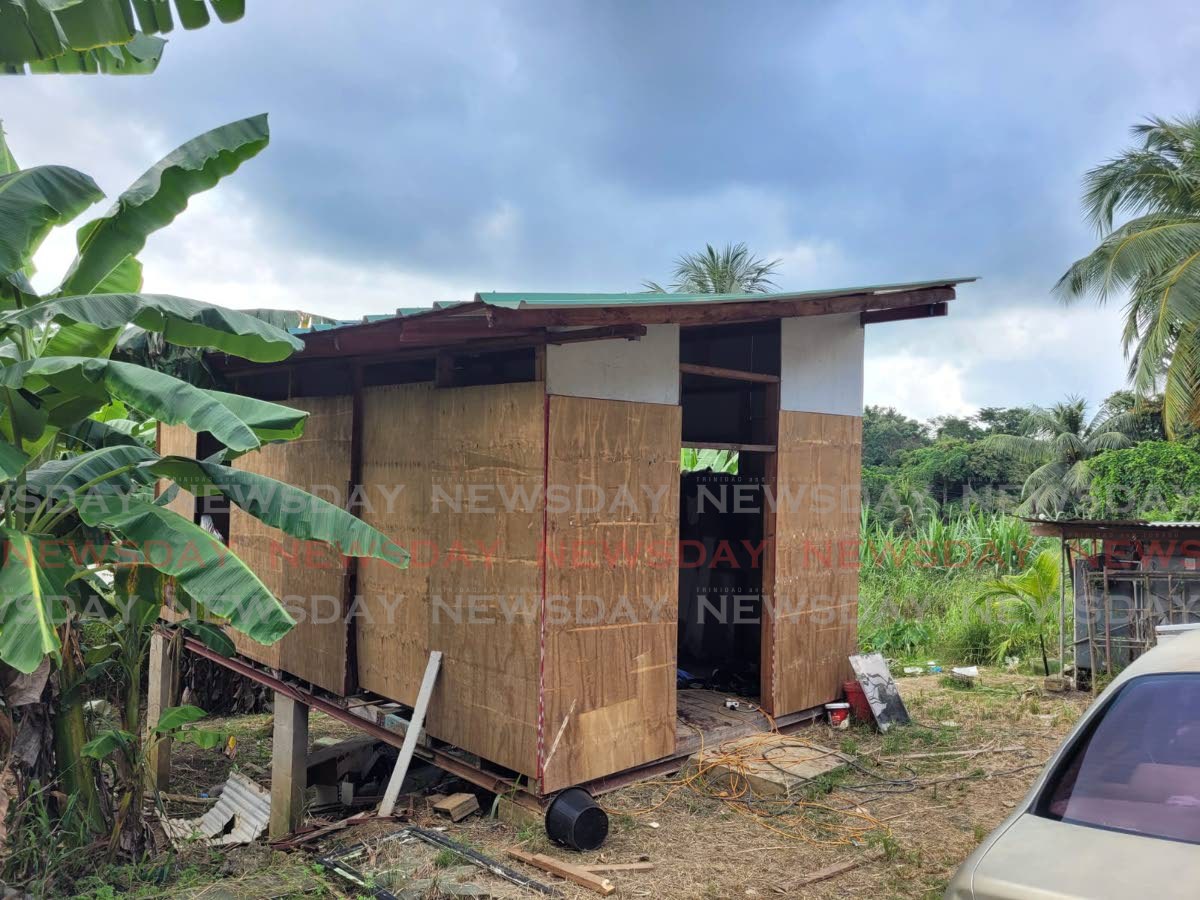
One dead, three injured in Brasso shooting
A violent shooting incident in Brasso, Central Trinidad, has left one person dead and three others injured, including two teenagers. The tragic event occurred in the early hours of October 15 in a wooden structure on Caparo Valley Basso Road. The victims were identified as 20-year-old construction worker Ricky Joseph, who was confirmed dead, and his brother Colley Joseph, 23, along with their friends Darias Shadrack, 16, and Jerell Ganesh, 15. Initially, Shadrack was reported dead, but police later indicated he might still be alive and receiving treatment at the hospital. The injured were first taken to the Chaguanas Health Centre before being transferred to the Eric Williams Medical Sciences Complex in Mt Hope. Villagers reported hearing gunshots and discovering Ricky’s body with multiple bullet wounds. Police from the Central Division and the Homicide Bureau of Investigations, Region Three, are investigating the incident and gathering evidence.
-
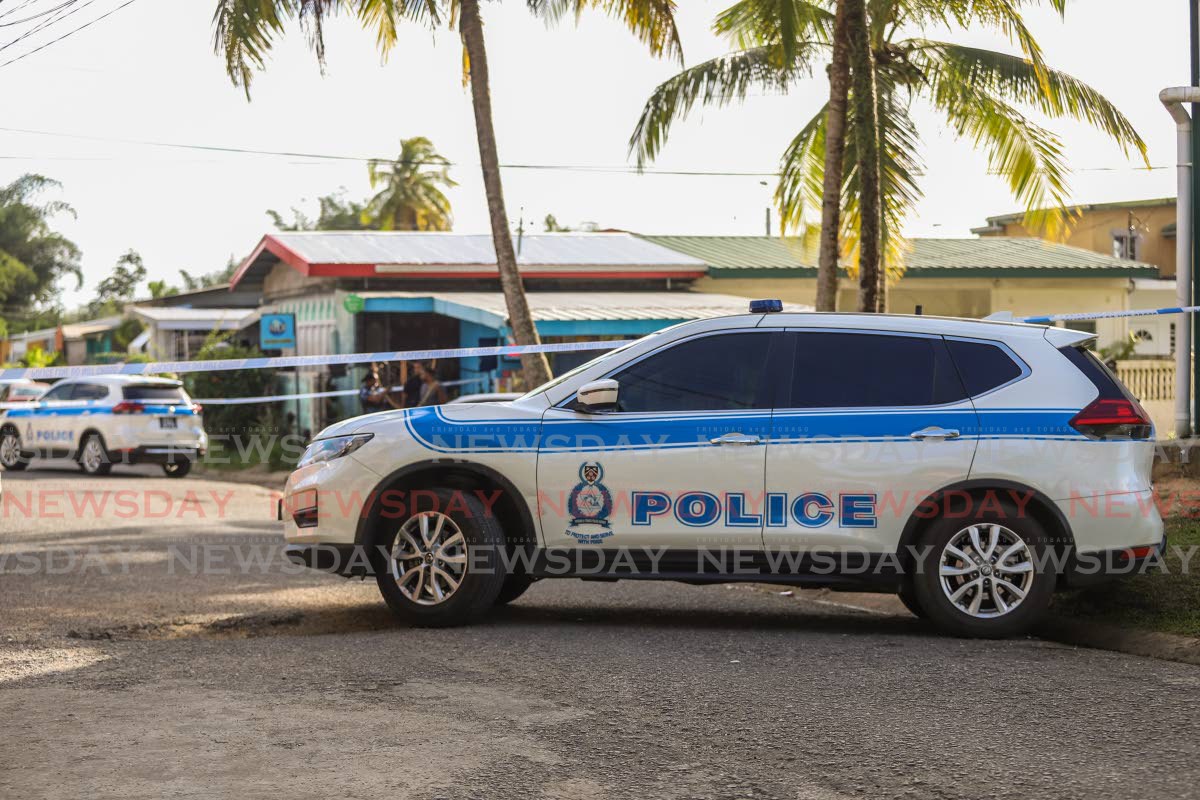
Gunmen shoot boy, 9, and father in Maloney
A violent home invasion in Maloney Gardens has left a nine-year-old boy and his father hospitalized with gunshot wounds. The incident occurred in the early hours of October 15, when the father, awakened by loud banging on his front door around 4 am, initially mistook the noise for a police visit. As he prepared to open the door, two masked assailants forcefully entered the apartment. Sensing danger, the father rushed into his son’s room, but the gunmen pursued him and opened fire, striking both victims in the legs. Emergency services promptly transported the injured pair to a nearby hospital, where they are currently in stable condition. Authorities are investigating the motive behind the attack and are urging anyone with information to come forward.
-
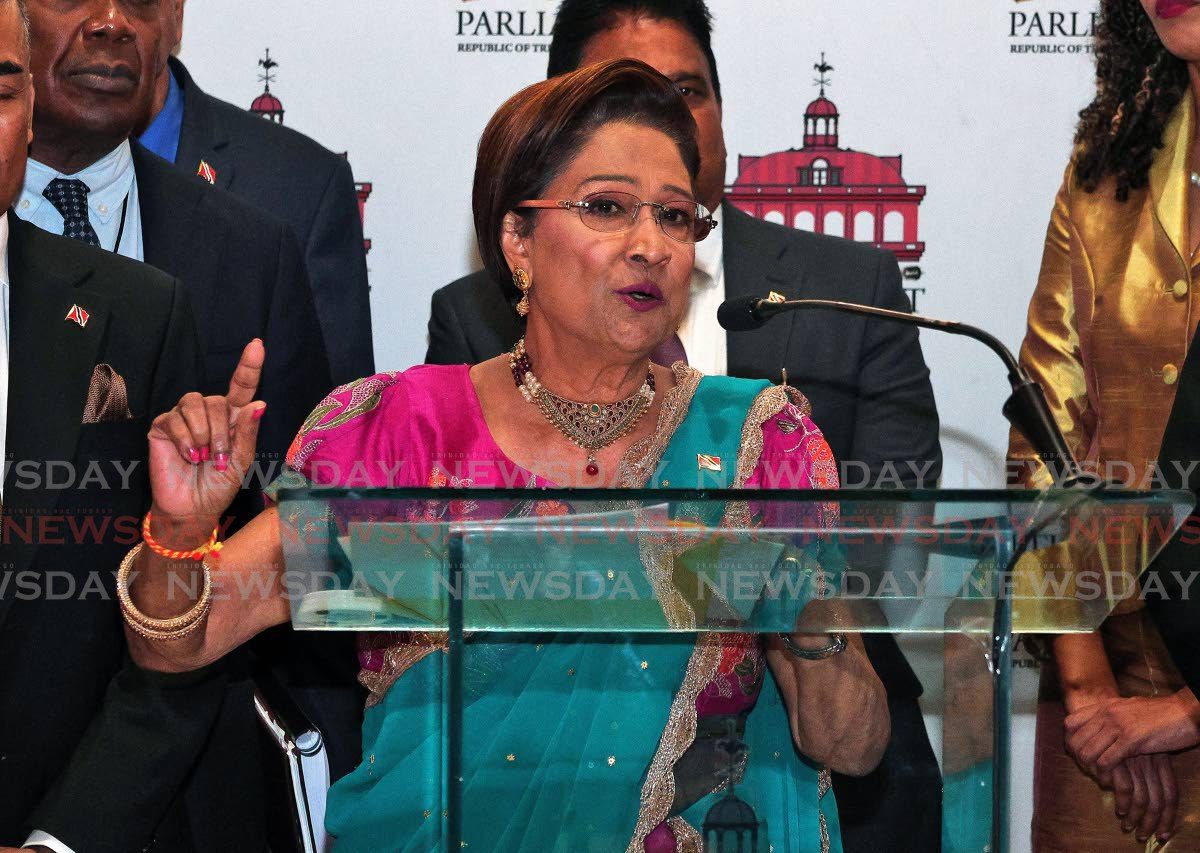
Kamla’s budget
The recently unveiled budget by the Kamla Persad-Bissessar administration has been hailed as a deeply political maneuver, strategically timed months after the April 28 general election. Presented by Finance Minister Davendranath Tancoo on October 13, the budget was more than an economic roadmap; it was a victory lap for the United National Congress (UNC) and a testament to Prime Minister Persad-Bissessar’s enduring influence. Tancoo’s repeated acknowledgment of her as the driving force behind the budget underscored her centrality in shaping its measures, which aim to fulfill campaign promises and strengthen the social contract with citizens. Key initiatives, such as the public servant pay increase, not only fulfill pledges but also strategically weaken the opposition People’s National Movement (PNM) by placing them on the defensive. The budget also highlights a shift in governance style, with Persad-Bissessar taking a more hands-on approach compared to her first term, where figures like Winston Dookeran and Larry Howai were more prominent. A notable feature is the establishment of a financial oversight committee chaired by the Prime Minister, signaling her heightened control over fiscal matters. Beyond domestic concerns, the budget carries geopolitical undertones, with references to global leaders like Donald Trump and Narendra Modi, reflecting Persad-Bissessar’s broader vision for Trinidad and Tobago’s place on the world stage. Her recent speech at the Siparia Divali celebrations, where she vowed to ‘go to war’ for citizens, further emphasized the interconnectedness of fiscal policy and international relations. This budget is not just about economic management; it is a calculated move to cement Persad-Bissessar’s legacy and position the country for a future shaped by both domestic and global priorities.
-

A win against period poverty
The 2025 Budget marks a historic milestone by addressing period poverty, a critical issue framed by global and local feminist activism as a matter of public health, human rights, and gender equity. Finance Minister Davendranath Tancoo highlighted the detrimental impact of period poverty on health and education, particularly for those unable to afford menstrual hygiene products. St Lucia has already taken proactive steps by allocating US$250,000 to support students in need. In response, the finance minister proposed a Women’s Health Fund with an initial $5 million, aimed at launching a pilot program to distribute free menstrual kits in educational institutions and provide menstrual health education to various groups, including men and boys, to foster inclusivity and dismantle stigma. The fund also seeks to address the broader spectrum of menstrual health needs, such as access to clean water, sanitation facilities, and privacy. This initiative builds on previous efforts, such as the removal of VAT on menstrual products in 2001, which recognized these items as basic necessities. The budget also emphasizes the importance of comprehensive sexuality education in schools to empower adolescents with knowledge about their bodies and reproductive health. Organizations like Feminitt and Crown Her TT have been instrumental in advocating for menstrual equity, recommending measures such as a ‘period card’ and increased research on menstrual inequity. The 2025 Budget represents a significant win for people who menstruate, particularly girls and women, and underscores the importance of youth-led activism in shaping state policies.
-
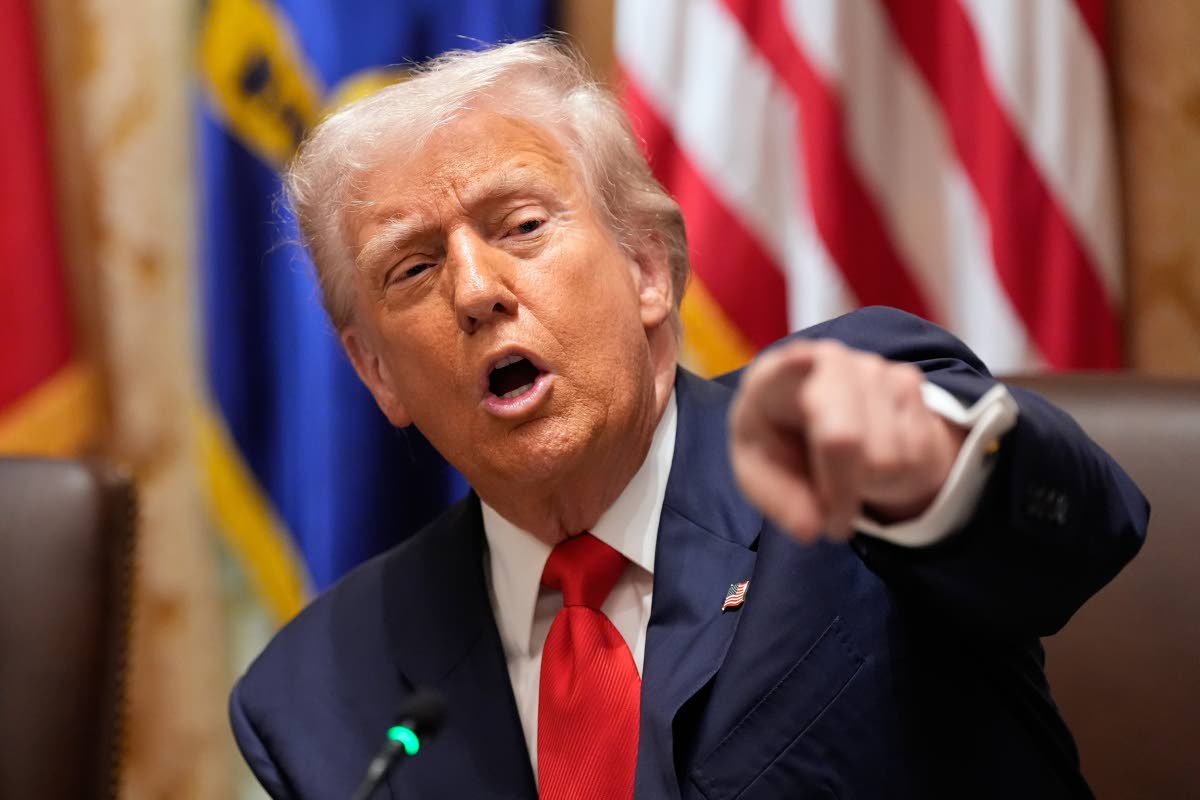
AI can help tackle crime
Artificial intelligence (AI) holds immense promise in transforming crime prevention, offering tools like predictive policing and enhanced detection of illicit activities. Yet, the high costs associated with developing and implementing such technologies, particularly in smaller economies like Trinidad and Tobago (TT), raise critical concerns about affordability, transparency, and the potential for misuse or overreach. The debate centers on whether the benefits of AI can truly outweigh these risks.
Meanwhile, the COVID-19 pandemic has been exploited by various sectors, including food, freight, and utilities, as a pretext for unjustified price hikes. These opaque practices, designed to manipulate public perception, mirror tactics reminiscent of former US President Donald Trump’s dismissal of climate change as a ‘con job.’ Such economic manipulation erodes purchasing power and exacerbates financial strain on individuals and families.
On the environmental front, a glaring inconsistency persists. While some global leaders champion green energy initiatives, major economies like China, Iran, Russia, and Iraq continue to rely heavily on coal and fossil fuels, perpetuating the climate crisis. This dichotomy highlights the intricate interplay between economic interests and environmental sustainability in global energy politics.
Ultimately, whether addressing AI, economic exploitation, or climate policy, the need for transparency, responsible leadership, and strategic planning is paramount. Misinformation and distractions only hinder progress, benefiting a select few while burdening the majority. The call for clarity and genuine action has never been more urgent.
Gordon Laughlin, via e-mail