作者: admin

  • Political analyst: Get youths excited to vote

    Political analyst: Get youths excited to vote

    Political analyst Dr. Bishnu Ragoonath has expressed profound concern regarding growing youth disengagement from electoral processes, citing concerning patterns observed during the January 12 Tobago House of Assembly (THA) elections. The sweeping victory of the Tobago People’s Party (TPP), which captured all 15 contested seats, has been overshadowed by troubling participation trends among younger demographics.

    While overall voter turnout reached approximately 50 percent—comparable to the 51 percent recorded in January 2021 and subsequent 57 percent in December 2021—Dr. Ragoonath identified a disturbing deficiency in youth engagement. “I am deeply concerned about the apparent apathy and lethargy among young voters throughout both Trinidad and Tobago,” he stated during a January 13 interview.

    The political scientist highlighted that Trinidad’s recent general election saw only 54 percent voter participation, indicating a broader pattern of electoral disengagement. “These numbers reveal significant societal developments where citizens increasingly lack enthusiasm for exercising their democratic rights,” Ragoonath analyzed.

    Addressing the Tobago electoral process specifically, the political researcher noted the paradoxical observation of morning queues at polling stations that failed to translate into sustained participation throughout the day. “Initial reports indicated substantial lines forming early in the morning, with active voting before 10 am. However, historical patterns suggest that early-morning voters typically belong to older demographics rather than youth populations.”

    Dr. Ragoonath concluded that this participation disparity between generations signals urgent need for intervention: “These patterns demonstrate we must implement strategies to energize our youth, making them genuinely excited to participate in the democratic process through voting.”

  • Fire Tender pays tribute to Kitchener with Pan-Tune Father

    Fire Tender pays tribute to Kitchener with Pan-Tune Father

    Emerging calypso artist Fire Tender, known professionally as singer-songwriter Gillian Moore, is paying homage to the legendary Lord Kitchener through her latest Carnival composition titled ‘Pan Tune Father.’ Now in her third year within the kaiso arena and performing at the historic Kalypso Revue—founded by Kitchener himself—Moore brings academic rigor to her artistic pursuit as a graduate of the University of Trinidad and Tobago’s master of carnival arts program.

    Moore’s scholarly research focused specifically on the woman-themed works of Aldwyn ‘Lord Kitchener’ Roberts (1922-2000), analyzing approximately 175 calypsoes from his seven-decade career. ‘Kitchener remains an endless source of inspiration,’ Moore reflects. ‘His monumental repertoire represents the very foundation of our musical tradition. This composition serves as tribute to the cultural gifts he bestowed upon our nation.’

    The new calypso aims to revitalize appreciation for Kitchener’s pioneering pan compositions, characterized by their magical melodies, irresistible rhythms, and vibrant performance energy. Moore specifically intends to introduce younger generations to the Grand Master’s enduring legacy through contemporary interpretation.

    ‘Pan Tune Father’ emerged through collaborative excellence, initially arranged by acclaimed keyboardist and composer Philip Hill before his passing in November 2025—to whom the work is now dedicated. Producer Makesi Jawara Joseph subsequently shaped the track’s authentic Kitchener-esque sensibility, blending nostalgic elements with Fire Tender’s modern performance style. ‘Joseph possesses brilliant musical instincts supported by formal training and extensive experience,’ Moore affirms.

    The recording features an ensemble of accomplished musicians: bassist Joanna Hussain establishes danceable grooves, guitarist John Hussain contributes melodic drive, and saxophonist Tony Paul—who previously collaborated with calypso icons Clive Zanda and Ray Holman—adds soulful harmonic textures. ‘Working with Tony elevated the recording to unprecedented heights,’ Moore acknowledges.

    Early audience response has been overwhelmingly positive, with listeners reportedly connecting deeply with the embodied Kitchener energy. For Fire Tender, this release represents a strategic step in her mission to maintain calypso’s cultural relevance by emulating its finest exemplars. ‘Who could be finer than Kitch?’ Moore concludes, affirming the enduring influence of the pan tune father himself.

  • Inflation down in December says CSO

    Inflation down in December says CSO

    The Central Statistical Office (CSO) of Trinidad and Tobago has reported a slight easing of inflationary pressures, with the annual inflation rate for December 2025 measured at 0.4 percent. This figure reflects the percentage change in the all-items index compared to December 2024, marking a subtle decline from the 0.5 percent rate recorded for the November 2025/November 2024 period.

    Notably, the current inflation level matches the 0.4 percent rate observed in the comparative December 2024/December 2023 period, indicating relative price stability in the dual-island nation. The composite all-items index, derived from December’s comprehensive price data, held steady at 125.2, unchanged from November’s reading.

    Within this stable overall framework, the food and non-alcoholic beverages sector experienced a modest 0.1 percent uptick, with the index climbing to 152.9 from November’s 152.8. This incremental rise was primarily driven by increased costs for several essential food items including fresh whole chicken, parboiled rice, tomatoes, fresh carite (a local fish), plantains, eggs, onions, green sweet peppers, and various chilled or frozen poultry and pork products.

    The CSO analysis revealed that these upward price movements were effectively balanced by concurrent decreases in other food categories. Notable declines were observed in the prices of cucumber chive, celery, hot peppers, table margarine, pumpkin, grapes, oranges, frozen whole chicken, and soya bean oil, creating an overall equilibrium in the food basket that contributed to the stabilized inflation rate.

  • Evangelical Churches: More gambling will destroy Trinidad and Tobago

    Evangelical Churches: More gambling will destroy Trinidad and Tobago

    The Trinidad and Tobago Council of Evangelical Churches (TTCEC) has issued a forceful denunciation of the government’s recent authorization of Play Whe lottery operations on Sundays, characterizing the move as a dangerous escalation of gambling accessibility that threatens the nation’s moral foundation.

    In a January 15th statement, the coalition of Christian churches presented a comprehensive moral and social argument against gambling expansion, identifying four primary areas of concern. The council asserted that gambling’s addictive nature becomes increasingly problematic as society grows more permissive toward such activities.

    Central to their argument was the connection between national morality and national stability. The TTCEC invoked biblical principles, stating, ‘Righteousness exalts a nation. For Trinidad and Tobago to withstand pressure, we must maintain a moral foundation. Development in the physical realm cannot occur without parallel development in the moral realm.’ The group emphasized the existence of objective moral standards established by the Creator rather than subjective human preferences.

    The council further identified what it termed the ‘get-rich-quick syndrome’ as a social plague exacerbated by gambling accessibility. They described gambling as fundamentally destructive, noting that compulsive gambling frequently leads to hopelessness, despair, broken relationships, clinical depression, and even suicidal tendencies among affected individuals.

    Regarding legalization, the TTCEC criticized gambling as being predicated on ‘the love of money and lust for more,’ which they identified as biblically recognized roots of evil. They questioned whether increased gambling opportunities might consequently stimulate the development of various social evils.

    The religious coalition also lamented the inadequate public education about gambling’s dangers, comparing its addictive potential to alcoholism and narcotics abuse. They detailed consequences including jeopardized relationships, abandoned education or careers, and dependency on borrowed funds to sustain the habit. The statement further noted that gambling debts often drive individuals toward illegal activities, deception of family members, and eventual legal troubles.

    While acknowledging that their statement couldn’t exhaustively catalog all gambling-related dangers, the TTCEC concluded with a solemn warning: ‘An individual or nation cannot rise above the level of their information. People are destroyed for lack of knowledge.’

  • Government seeks to raise US$1 billion

    Government seeks to raise US$1 billion

    The Government of Trinidad and Tobago has formally announced its intention to raise US$1 billion through an international bond issuance, according to Legal Notice 9 of 2026 published on January 13th. The financial maneuver, authorized by Finance Minister Davendranath Tancoo who signed the document on January 12th, represents a significant move in the country’s sovereign debt strategy.

    The issuance will involve notes offered exclusively to qualified institutional buyers across global markets, including both international and United States-based investors. To facilitate this substantial transaction, the government has engaged two of Wall Street’s most prominent financial institutions: JP Morgan Securities LLC and Bank of America Securities Inc. These firms have been appointed as joint lead managers and arrangers, responsible for structuring and marketing the debt offering.

    The transaction is being executed under Section Six of Trinidad and Tobago’s External Loans Act, which grants the Finance Minister authority to provide specific tax exemptions. Notably, the order exempts all payments related to principal, interest, and associated debt charges from both taxation and exchange control restrictions. This provision enhances the attractiveness of the notes to international investors by ensuring streamlined cross-border payments and maximizing returns.

    This strategic financial initiative demonstrates Trinidad and Tobago’s proactive approach to accessing global capital markets while implementing measures to optimize the terms of its sovereign borrowing. The involvement of major international financial institutions underscores the credibility of the offering in the global financial community.

  • Amir “Drumzey” Ramjattan – the master of many drums

    Amir “Drumzey” Ramjattan – the master of many drums

    At just 25 years old, Amir ‘Drumzey’ Ramjattan has emerged as a transformative figure in Caribbean music, mastering an extraordinary array of percussion instruments that bridge traditional culture with contemporary sound. The Las Lomas native has become the most sought-after percussionist across Carnival and chutney soca scenes, demonstrating unparalleled versatility on instruments ranging from the dholak and tabla to congas and digital rhythm machines.

    Ramjattan’s musical journey began within his multigenerational household, where music permeated daily life from spiritual morning bhajans to evening chutney soca sessions. His immersion in percussion started organically while accompanying his mother, 2025 Chutney Soca Monarch Queen Reshma Ramlal, to performances. However, it was his grandfather’s gift of tabla drums on his ninth birthday that ignited his profound connection to rhythmic artistry, leading to formal training at The Mahatma Gandhi Institute for Cultural Co-operation.

    The young musician’s career breakthrough came in 2014 when he began recording live percussion tracks at prestigious studios like Pungalunks Factory and Maha Productions. His innovative approach transcended seasonal popularity, enabling artists to qualify for international competitions and claim monarch titles. Ramjattan’s artistic vision reached its pinnacle in 2025 when he managed and directed his mother’s victorious Chutney Soca Monarch campaign—a deeply personal achievement that represented years of shared dedication.

    Despite facing challenges including skepticism from veteran musicians and financial constraints, Ramjattan maintains an exhaustive performance schedule as core drummer with KI and the Band 3veni, while collaborating with major acts like Ravi B and Karma. His international presence has expanded significantly through Caribana performances and his inaugural Holland tour, where he played for audiences exceeding 25,000 people.

    Beyond the stage, Ramjattan maintains a sacred connection to music through performances at Hindu festivals, demonstrating his unique ability to navigate both spiritual and celebratory spaces. Looking forward, he aims to inspire younger generations through artistic direction, songwriting, and fostering unity within the industry—determined to create a legacy that eliminates doubts for aspiring musicians pursuing their cultural calling.

  • Antigua to recruit nurses from Ghana, insists it has not ended programme with Cuba

    Antigua to recruit nurses from Ghana, insists it has not ended programme with Cuba

    The Government of Antigua and Barbuda has finalized an agreement to recruit 120 nursing professionals from Ghana, scheduled to arrive in January 2026, while simultaneously maintaining its longstanding healthcare partnership with Cuba despite mounting pressure from the United States to terminate the arrangement.

    Health Minister Sir Molwyn Joseph confirmed the Ghanaian nurses will be strategically deployed across the Sir Lester Bird Medical Centre, community health clinics, and educational institutions to strengthen both hospital and community-based healthcare services. This initiative represents a significant expansion of the nation’s healthcare workforce aimed at improving service delivery and alleviating pressure on existing medical staff.

    Communications Director Maurice Merchant clarified that the new recruitment does not signify termination of the Cuban health program, describing the Cuba-Antigua medical collaboration as ‘currently going through a period of transition.’ He emphasized the government’s appreciation for Cuba’s historical contributions to the national healthcare system while dismissing speculation about the program’s discontinuation as politically motivated attempts to ‘muddy the waters’ between Cuba and the United States.

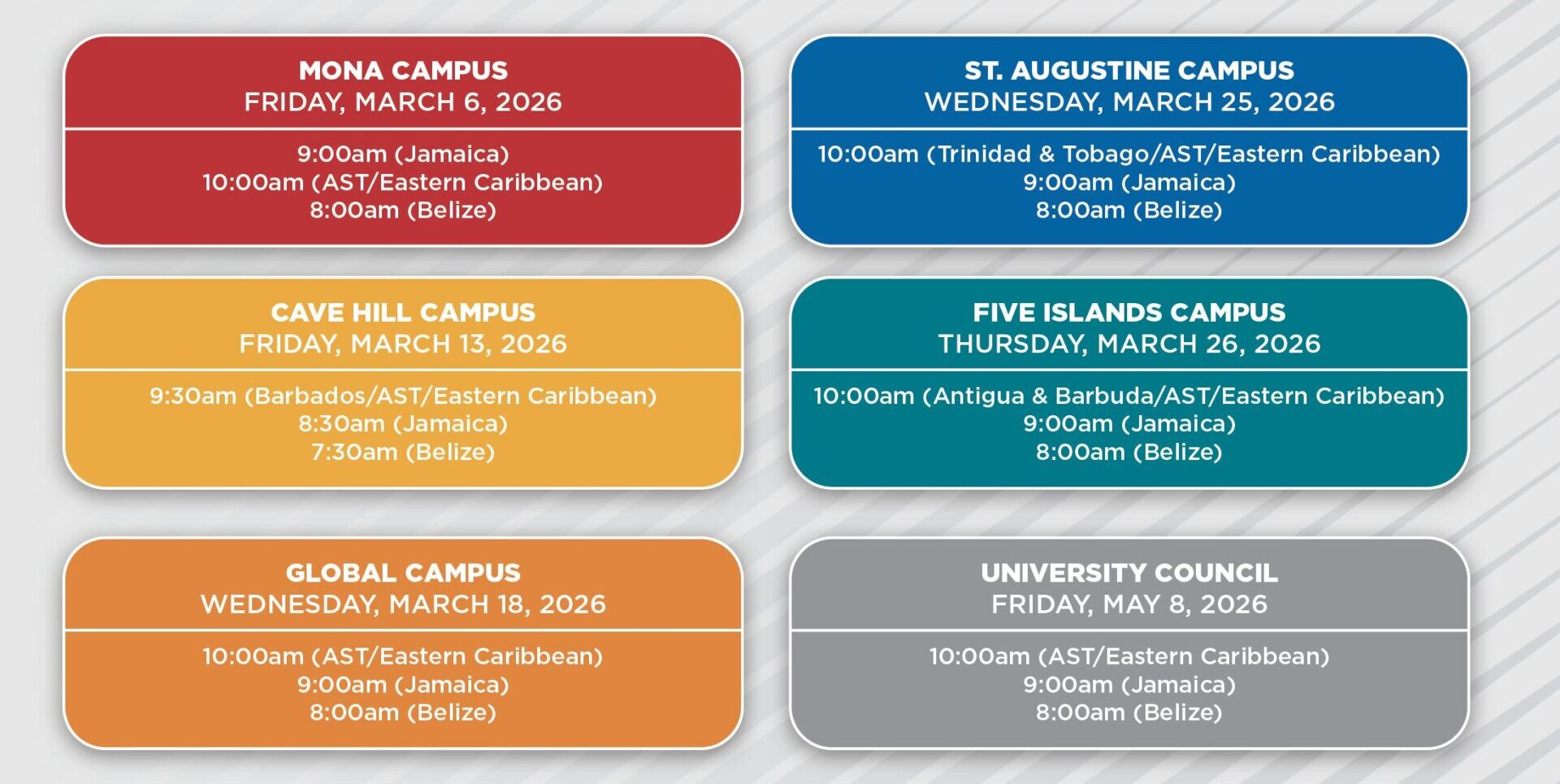
    The government’s dual approach includes both international recruitment and domestic capacity building, with 15 local nurses recently receiving scholarships to pursue master’s degrees at the University of the West Indies Five Islands Campus. Merchant acknowledged the challenge of retaining highly-trained Antiguan nurses who frequently accept better-compensated positions in North American and European healthcare systems.

    This development occurs against the backdrop of intensified US diplomatic pressure characterizing Cuba’s medical missions as ‘exploitative labour practices.’ The US Embassy in Barbados issued a statement condemning what it described as a ‘modern-day forced labour scheme’ where the Cuban government allegedly retains 80-95% of medical professionals’ salaries while charging recipient nations premium rates. The US government has urged Caribbean nations to terminate these arrangements, asserting they represent financial burdens on local taxpayers and ethical violations of medical workers’ rights.

    The Antiguan government maintains its sovereign right to determine its healthcare partnerships while working toward long-term self-sufficiency in medical staffing, balancing immediate healthcare needs with diplomatic considerations in the complex geopolitics of Caribbean medical cooperation.

  • St Vincent gov’t to boost surveillance and monitoring of La Soufriere volcano

    St Vincent gov’t to boost surveillance and monitoring of La Soufriere volcano

    The government of St. Vincent and the Grenadines is implementing a major enhancement of its volcanic surveillance capabilities for La Soufrière, the island’s most active volcano. This comprehensive strategy involves the creation of new technical positions, the installation of eight additional monitoring stations across the mountain, and significant technological upgrades to existing infrastructure. The initiative follows the volcano’s devastating explosive eruption in April 2021, an event that commenced with increased activity in December 2020. That eruption blanketed the island in ash, necessitated the evacuation of more than 20,000 residents, and caused extensive disruption over a four-month period of heightened activity, which culminated in its last major explosive event around April 22, 2021.

    The cornerstone of this effort is the recently renovated and retrofitted Volcano Observatory, a project financed by a concessional loan from the World Bank totaling EC$4.6 million (approximately US$1.7 million). During the facility’s handover ceremony, Disaster Management Minister St. Clair Leacock outlined the government’s commitment. Key roles, including a geoscientist and a seismic technician, are slated to be filled this year. The revitalized observatory is designed to facilitate advanced volcanic research, support community-based early warning systems, and host international academic studies. Furthermore, the National Emergency Management Organisation (NEMO) has been allocated an additional EC$1 million grant specifically for the procurement of seismic stations and state-of-the-art monitoring equipment.

    Minister Leacock highlighted the technical sophistication of the new systems and issued a public appeal against vandalism or theft of the critical equipment. He emphasized that the devices are essential for national safety, stating, ‘My Government will continue to ensure that the La Soufriere Monitoring Unit of NEMO continues to receive the support to ensure that La Soufriere volcano is constantly monitored.’ He also acknowledged and praised the foundational work in disaster preparedness and monitoring established by the previous administration, framing the new upgrades as a continuation of that vital legacy.

  • China, Canada reach ‘landmark’ deal on tariffs, visas

    China, Canada reach ‘landmark’ deal on tariffs, visas

    BEIJING — In a historic diplomatic breakthrough, Canadian Prime Minister Mark Carney and Chinese President Xi Jinping announced a comprehensive bilateral agreement on Friday, marking the first top-level meeting between the nations in eight years. The accord signals a definitive thaw in relations following years of retaliatory measures and trade disputes.

    The leaders unveiled what Prime Minister Carney characterized as a ‘landmark deal’ establishing a ‘new strategic partnership’ between Canada and China. This framework encompasses significant trade concessions and tourism facilitation measures designed to rebuild economic bridges between the two countries.

    Central to the agreement is China’s commitment to dramatically reduce tariffs on Canadian canola products, slashing rates from the current 84% to approximately 15% by March 1. This reversal is particularly significant as China was previously Canada’s largest market for canola seed before recent trade frictions.

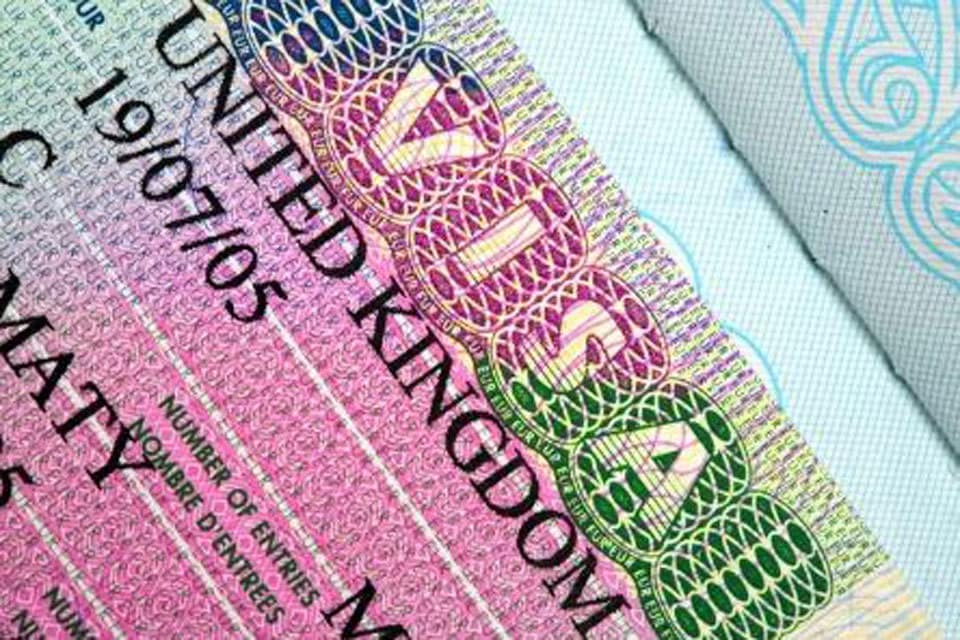
    In a major tourism development, China will implement visa-free entry for Canadian visitors, while Canada will import 49,000 Chinese electric vehicles under preferential tariff rates of 6.1%. Prime Minister Carney noted this brings EV tariffs ‘back to levels that existed prior to recent trade frictions.’

    President Xi, welcoming his counterpart in the Great Hall of the People, emphasized that bilateral relations had reached a critical turning point during their October meeting on the sidelines of the APEC summit. ‘Our meeting last year opened a new chapter in turning China-Canada relations toward improvement,’ Xi stated, adding that stable bilateral development ‘serves the common interests of our two countries.’

    The diplomatic reconciliation follows a particularly strained period beginning in 2018, when Canada arrested Huawei executive Meng Wanzhou on a U.S. warrant, prompting China’s retaliatory detention of two Canadian citizens on espionage charges. Subsequent years saw both nations impose reciprocal tariffs on exports, with additional allegations of Chinese election interference in Canada.

    Prime Minister Carney’s outreach forms part of a broader strategy to diversify Canada’s economic partnerships amid turbulent relations with the United States. Former President Donald Trump’s aggressive tariff policies on Canadian steel, aluminum, vehicles, and lumber have compelled Ottawa to seek alternative markets. While the U.S. remains Canada’s dominant trading partner—purchasing approximately 75% of Canadian exports in 2024—China currently accounts for less than 4% of Canadian exports, though Ottawa emphasizes it remains Canada’s second-largest market.

    During his Beijing visit, which included meetings with Premier Li Qiang and scheduled discussions with business leaders, Carney continues to advance his stated goal of doubling Canada’s non-U.S. exports by 2035.

  • In defence of the increased fines

    In defence of the increased fines

    Trinidad and Tobago’s persistent crime problem represents a complex societal challenge that transcends economic conditions, according to expert analysis. Despite economic fluctuations from oil boom periods to times of hardship, criminal activity has remained consistently high, suggesting deeper systemic issues beyond mere poverty.

    The core issue identified is societal tolerance for minor infractions that gradually escalates into acceptance of more serious crimes. This phenomenon aligns with the established criminological “broken windows” theory, which posits that unchecked minor disorder signals absence of authority and encourages more severe criminal behavior.

    New York City’s successful crime reduction strategy in the 1990s serves as a compelling case study. Through rigorous enforcement of minor violations including fare evasion, vandalism, and public disorder, the city achieved a remarkable 70% reduction in homicides between 1990 and 2000. This demonstrated that consistent standards enforcement within the general population directly contributes to public safety.

    In contrast, Trinidad and Tobago exhibits concerning patterns of daily lawlessness: dangerous overtaking maneuvers, driving on road shoulders, excessive speeding, littering from vehicles, disregard for noise regulations, and treating traffic signals as optional. These behaviors collectively indicate a culture where enforcement remains sporadic and consequences uncertain.

    The analysis emphasizes that ignoring minor offenses creates a reactive rather than proactive law enforcement approach to major crimes. When citizens repeatedly witness unpunished violations, confidence in the rule of law diminishes, while criminals interpret the tolerance as permission for more serious offenses.

    Police statistics consistently reveal that many serious offenders have histories of multiple minor infractions, suggesting that early intervention opportunities could prevent escalation. Zero tolerance enforcement doesn’t imply brutality but rather consistent application of existing laws to create fairness and order.

    The path forward requires demonstrating through daily actions—not just speeches—that disorder will no longer be tolerated without consequence. Rebuilding trust necessitates stopping reckless drivers, fining illegal dumping, and enforcing traffic laws consistently rather than only responding to tragedies.

    Trinidad and Tobago possesses adequate legislation but lacks consistent implementation. Changing the crime narrative requires acknowledging that violence doesn’t exist in isolation but grows from cultivated neglect. The fundamental solution lies in clearly and consistently demonstrating that all disorder, regardless of scale, will face consequences.