作者: admin

  • Haiti unveils new transitional government

    Haiti unveils new transitional government

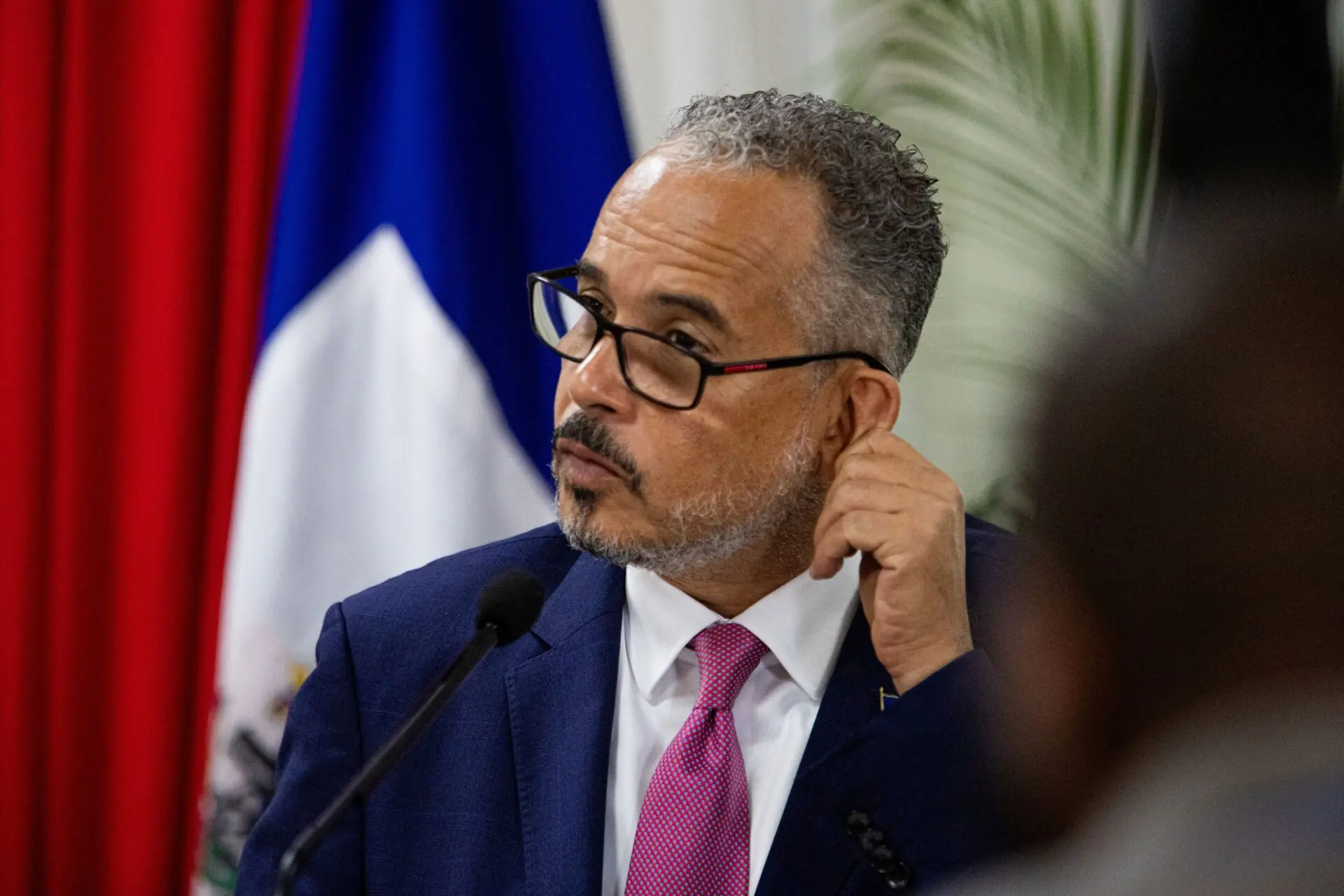
    Haitian Prime Minister Alix Didier Fils-Aimé has established a new transitional administration charged with addressing the nation’s severe security challenges, economic revitalization, and conducting general elections scheduled for August 30. This governmental restructuring emerges amid Haiti’s prolonged political and institutional crisis, occurring approximately one month after Fils-Aimé assumed singular executive authority following the February 7 expiration of the Transitional Presidential Council’s mandate.

    During a nationally televised address, the Prime Minister outlined three fundamental priorities for his administration: security reinforcement, socioeconomic recovery, and the organization of credible democratic elections. Haiti has experienced an electoral vacuum since the 2015-2016 cycle that brought Jovenel Moïse to power in 2017. Moïse’s assassination in 2021 precipitated the nation’s current extended period of instability.

    The reconfigured cabinet composition features eleven newly appointed ministers alongside six retained from the previous government. Notable appointments include Serge Gabriel Collin as Minister of Economy, Sandra Paulémon leading Planning, and Raina Forbin assuming Foreign Affairs responsibilities. Former National Police Director Mario Andrésol now commands the Defense portfolio, while Marcelin Aubourg oversees Agricultural development.

    Continuing ministers comprise Paul Antoine Bien-Aimé (Interior), Patrick Pelissier (Justice), Bertrand Sinal (Health), Pédrica Saint Jean (Women’s Affairs), James Monazard (Commerce), and Kathia Verdier (Haitians Residing Abroad). The administration further appointed Sharina Lochard as Secretary of State for Territorial Collectivities and Jean Willio Patrick Chrispin as Communication Secretary.

    Fils-Aimé demanded rigorous governance standards from his team, emphasizing that “the time for pretty speeches is over” and advocating for implementation of sound management protocols. He highlighted the necessity of developing concrete economic measures through coordinated efforts with private sector stakeholders, financial partners, and agricultural producers. The Prime Minister acknowledged outgoing officials for their service during crisis conditions and expressed conviction that the new government would guide Haiti toward stability and democratic restoration.
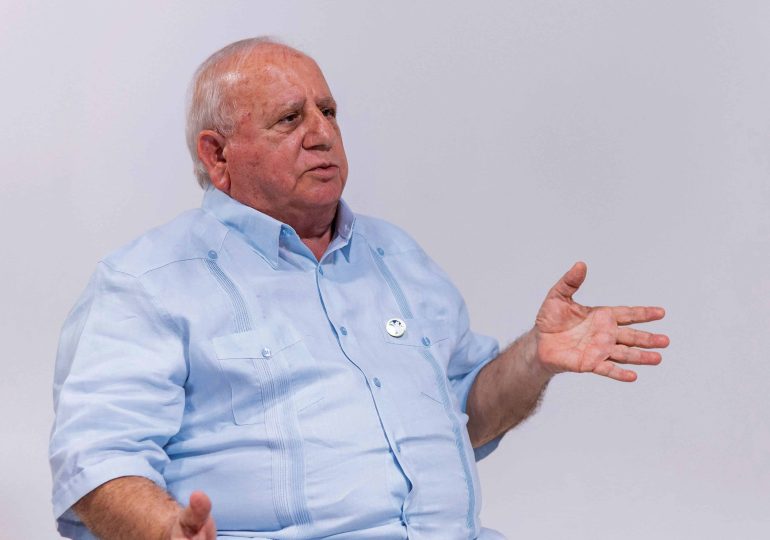

  • Health Ministry inspects Dr. Fadul’s clinic in Santiago

    Health Ministry inspects Dr. Fadul’s clinic in Santiago

    Health officials in the Dominican Republic have initiated a comprehensive technical review of the ‘Transforming Autism’ clinic in Santiago province following recent media attention. The Ministry of Public Health, acting through its Directorate of Authorization of Health Services and Establishments, conducted an unannounced supervisory visit to the facility operated by Dr. José Ernesto Fadul.

    While no formal patient complaints have been registered against the establishment, the health ministry activated its standard oversight protocol in response to emerging media coverage. A multidisciplinary team of inspectors performed an exhaustive evaluation of multiple operational aspects including physical infrastructure, medical equipment, staff qualifications, documentation practices, treatment procedures, and overall hygiene and safety conditions.

    The comprehensive assessment, currently under technical review, will culminate in an official report prepared in strict accordance with national health regulations. Ministry representatives emphasized their commitment to procedural transparency, noting that finalized findings will be publicly disclosed upon completion of the analytical process.

    Health authorities simultaneously reminded healthcare providers about the mandatory national protocol for treating children and adolescents with autism spectrum disorder. This established framework, developed under the General Health Law and supplementary regulations, requires uniform compliance across all healthcare facilities operating within the Dominican Republic.

  • Cabinet reshuffle : Two key ministries now headed by women

    Cabinet reshuffle : Two key ministries now headed by women

    In a significant governmental restructuring on March 4th, 2026, Haiti’s Prime Minister Fils-Aimé inaugurated a new era of leadership by appointing women to two pivotal ministerial positions. Sandra Paulemon assumed office as Minister of Planning and External Cooperation (MPCE), while Raina Forbin took the helm as Minister of Foreign Affairs, marking a progressive shift in the nation’s political landscape.

    The Prime Minister commenced the ceremony by acknowledging the contributions of outgoing officials. He expressed profound gratitude to Ketleen Florestal, the former Planning Minister, recognizing her rigorous and responsible execution of duties during her tenure. Similarly, the nation’s appreciation was extended to Jean Victor Harvel Jean-Baptiste, the departing Foreign Minister.

    Emphasizing the critical nature of the MPCE, the Prime Minister delineated its role as the strategic nucleus for Haiti’s socioeconomic development. This ministry is tasked with formulating the nation’s long-term vision, structuring planning frameworks, establishing the Strategic Plan for Haiti’s Development, coordinating public investment programs, and managing external cooperation. The appointment of Paulemon signifies the government’s dedication to consolidating and enhancing these foundational efforts.

    Concurrently, the installation of Raina Forbin as Foreign Minister brings a diplomat whose professionalism, loyalty, and extensive experience are deemed vital for navigating Haiti through complex international relations. Her profound understanding of contemporary strategic issues and unwavering dedication to national interests were highlighted as key assets.

    The government’s reaffirmed foreign policy doctrine prioritizes respect for international law, mutually beneficial cooperation, and the pursuit of peace, stability, and sustainable development. Forbin’s mandate will focus on strengthening Haiti’s presence in international bodies, consolidating strategic partnerships, and promoting an active diplomacy centered on sovereignty defense, investment attraction, and protection of citizens abroad.

    This cabinet reshuffle underscores a committed approach to ensuring that international partnerships and mobilized resources effectively serve national priorities and tangibly improve population living conditions.

  • BBC World Questions arrives in Guyana

    BBC World Questions arrives in Guyana

    Georgetown, Guyana prepares to host a pivotal democratic forum as BBC World Questions arrives in the nation’s capital on March 10, 2026. The event will feature prominent figures grappling with fundamental questions about Guyana’s transformative economic moment and its geopolitical positioning.

    The hour-long debate, chaired by seasoned BBC correspondent Jonny Dymond, will convene at Pegasus Suites and Residences with a diverse panel including Finance Minister Ashni Singh, opposition parliamentarian Tabitha Sarabo-Halley from the WIN party, business activist Ayodele Dalgety-Dean, and Private Sector Commission Secretary Clinton Urling.

    Central to discussions will be Guyana’s unprecedented economic transformation driven by massive offshore hydrocarbon reserves that have positioned the South American nation as the world’s fastest-growing economy. The dialogue will critically examine how these substantial oil revenues should be allocated amid pressing environmental considerations and ensuring equitable distribution across society.

    The geopolitical dimension gains particular relevance following the departure of former Venezuelan President Nicolas Maduro, raising crucial questions about regional security dynamics and Caribbean integration efforts. This forum represents a significant opportunity for civic engagement as audience members will direct the conversation through their spontaneous questions.

    Gwenan Roberts, Commissioning Editor for BBC World Service English, emphasized the program’s timing: “We are thrilled to be coming to Guyana’s capital Georgetown during this period of unprecedented economic growth. We look forward to hearing about the issues that matter most to people locally.”

    The recorded event will premiere on World Service English on March 14, subsequently available across digital platforms including BBC Sounds and major podcast services, offering global access to this crucial dialogue about Guyana’s developing narrative.

  • DLP vows sweeping reset after 30–0 loss, Thorne exit

    DLP vows sweeping reset after 30–0 loss, Thorne exit

    Following three consecutive electoral whitewashes and the abrupt resignation of its president, Barbados’s Democratic Labour Party (DLP) has initiated a comprehensive organizational overhaul. The party, which failed to secure a single seat in the last general election, is undertaking a radical transformation of its 71-year-old structure and policy platforms.

    Former cabinet minister and DLP spokesman Stephen Lashley confirmed the Executive Council convened Tuesday evening to address the crisis triggered by former MP Ralph Thorne’s immediate resignation. The party’s highest decision-making body, the General Council, will receive a full report on Thursday where Thorne’s resignation letter will be formally tabled.

    Lashley announced the launch of “a candid and frank review” examining the party’s electoral performance, constitutional framework, and policy positions. “We wish to assure Barbadians that in this review exercise, the party will seek out, and listen to their views and ideas,” he stated, emphasizing the process would be “people-driven” and incorporate public feedback as the party embarks on “the vital process of rebuilding and refocusing.”

    The DLP’s rebuilding phase includes continued support for Senator Ryan Walters, its sole parliamentary representative in the Senate. The critical vacancies of president and political leader created by Thorne’s departure will be addressed by the General Council, though the party acknowledged Thorne’s contributions and noted his membership remains intact.

    Political analysts responded with cautious optimism. Political scientist Peter Wickham welcomed the renewal commitment but urged constitutional reform, stating: “The key change I would like to see is a review of the DLP’s constitution to delink the presidency from political leadership,” noting the party currently lacks representation in the Lower House.

    University of the West Indies political scientist Dr. George Brathwaite described the statement as “sound on the surface” but expressed skepticism, noting the absence of “the urgent need to attract new membership and to offer an olive branch to those who left.” He emphasized that “mass-based parties need committed members and, I daresay, youthful” leadership, indicating he would “wait and see” if public views are genuinely incorporated into the reform process.

  • Impact én zelf geld verdienen met eigen visie en kennis over (gezondheids)zorg

    Impact én zelf geld verdienen met eigen visie en kennis over (gezondheids)zorg

    A groundbreaking report commissioned by the Dutch Ministry of Health, Welfare and Sport has formally documented the persistent physical, mental, and socio-economic consequences of slavery across generations. Titled “Health and Slavery: Final Report on Health Effects of Slavery” (November 2025), the research acknowledges what descendants of enslaved peoples have long understood: the transatlantic slave trade continues to impact health outcomes centuries later.

    The University of Amsterdam’s contribution highlights a critical paradox – while the recommendation for further research appears predictable, it simultaneously exposes systemic neglect. Indigenous communities and African descendants have maintained their own health remedies for generations, yet these solutions remain unrecognized within Western-dominated medical frameworks. The report notes that traditional healing knowledge has been systematically dismissed due to the predominance of Western perspectives in healthcare evaluation.

    Despite this historical oversight, the document represents significant progress in agenda-setting for culturally appropriate healthcare solutions. It advocates for meaningful recognition – both economic and financial – of existing indigenous knowledge systems. The research underscores concerns about academic studies using community funds to extract traditional knowledge, only to see resulting innovations commercialized without benefiting source communities.

    This pattern reflects imbalanced power dynamics favoring well-funded industries over traditional knowledge holders. The report proposes concrete pathways for Suriname, Caribbean nations, and African countries to leverage their extensive ethnomedical knowledge. By developing proprietary health industries and alternative medical networks, these regions could generate pharmaceutical revenue streams potentially exceeding extractive industries like mining.

    The implementation strategy emphasizes modern technological integration, suggesting artificial intelligence could systematically structure traditional knowledge databases. This approach would add value to scientific institutions while preserving intellectual property rights. International cooperation emerges as essential for developing capital-intensive industries and supply chains.

    Crucially, the report identifies patents as key value generators for Global South nations, as stored knowledge can be progressively monetized within economic systems. This represents a paradigm shift from knowledge extraction to knowledge sovereignty, offering sustainable economic development while addressing historical health disparities.

  • COMMENTARY: Harnessing the ocean’s wealth – How Brenton Mason turns the sea into sustainable livelihoods

    COMMENTARY: Harnessing the ocean’s wealth – How Brenton Mason turns the sea into sustainable livelihoods

    Along the pristine northwestern coastline of Dominica, the tranquil fishing village of Toucari is pioneering a revolutionary approach to marine resource management that harmonizes economic prosperity with ecological stewardship. Here, the azure Caribbean waters provide more than picturesque vistas—they offer a blueprint for sustainable community development.

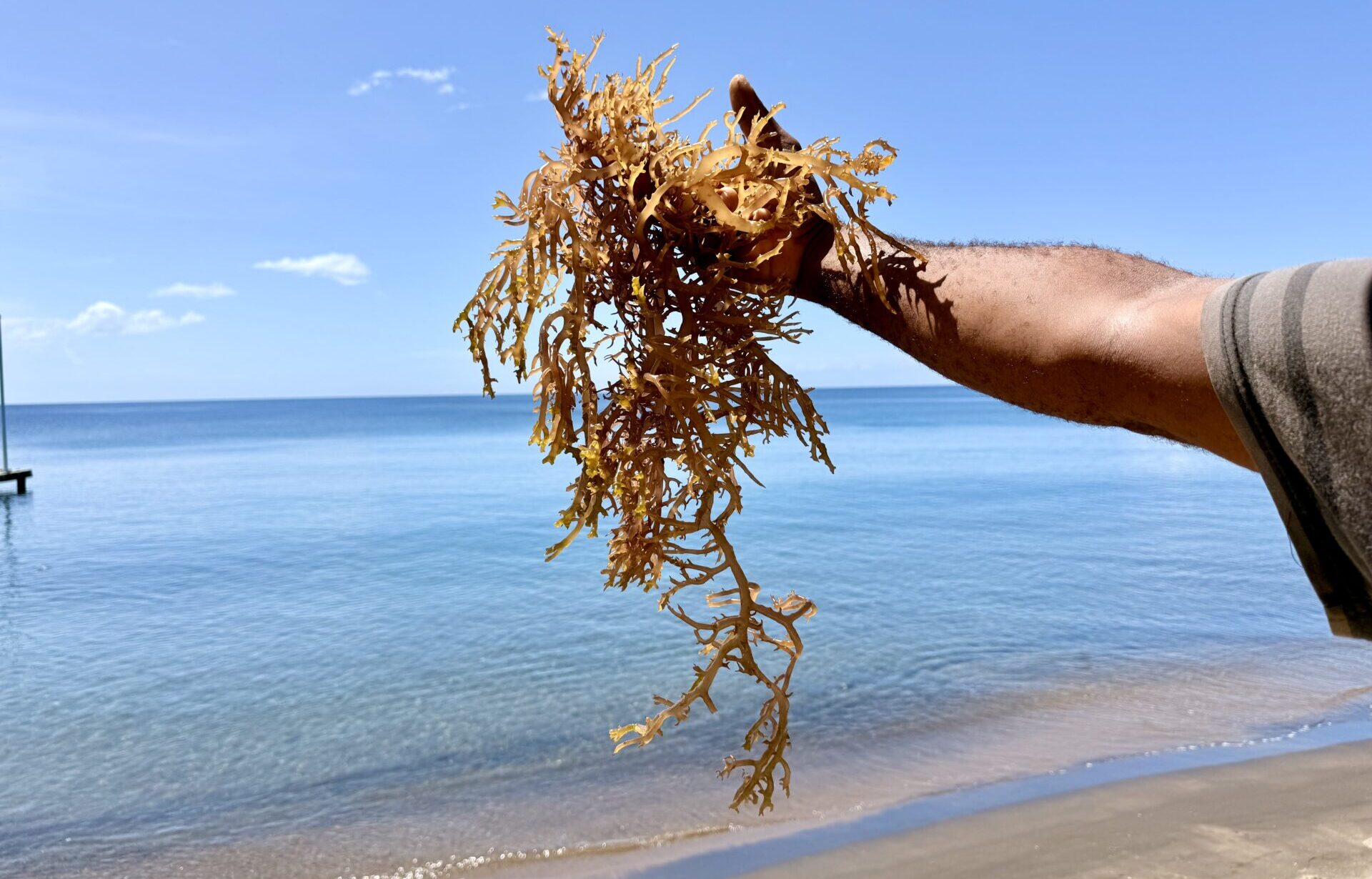
    Brenton Mason, an innovative sea moss cultivator, exemplifies this new generation of Dominican entrepreneurs who are redefining humanity’s relationship with the ocean. His journey into marine agriculture began through familial inspiration. “My cousin introduced me to sea moss farming,” Brenton reflects. “Since it involved working in seawater—where I’ve always felt most at home—I embraced it passionately and transformed it into my vocation.”

    The cultivation process combines traditional knowledge with modern ecological awareness. Farmers meticulously attach sea moss fragments to submerged ropes anchored along the ocean floor, nurturing them through careful monitoring until harvest readiness. Brenton poetically describes this process as “comparable to raising an infant,” emphasizing the dedication and patience required.

    This marine cultivation extends far beyond conventional applications. “The potential is truly inspiring—it transcends mere juice production,” Brenton explains with evident enthusiasm. The harvested seaweed undergoes meticulous processing including cleaning, natural bleaching, and drying before being transformed into diverse value-added products including nutritional gels, wellness powders, and therapeutic preparations.

    Through the collectively-managed Toucari Marine Culture Group, Brenton and five fellow members are developing a multifaceted marine economy that includes sustainable fishing, marine nursery maintenance, and exploratory aquaculture—all predicated on maintaining oceanic health. Their initiative receives technical support from Dominica’s Fisheries Division, which conducted comprehensive water quality analysis to identify ideal cultivation sites. “They performed detailed pH testing and identified perfect locations,” Brenton notes, adding that these sites simultaneously serve as educational attractions for visitors.

    This integrated approach generates stable incomes while safeguarding marine biodiversity and strengthening local economic resilience. Brenton demonstrates particular commitment to engaging younger generations, recognizing that “youth represent tomorrow’s future.” His mentorship philosophy focuses on transferring specialized knowledge, building professional confidence, and creating opportunities that tether young Dominicans to their coastal heritage.

    The initiative’s broader impacts include enhanced family stability, improved nutrition security, and demonstrable proof that environmental conservation can coexist with economic prosperity. International organizations including the International Organization for Migration recognize such community-led initiatives as models for building resilient, self-reliant communities through localized knowledge systems and shared responsibility frameworks.

    For Brenton, sea moss farming transcends commercial enterprise—it embodies a profound connection to marine rhythms and intergenerational responsibility. His vision encompasses a future where Dominicans prosper through wise oceanic stewardship, ensuring both ecological preservation and economic security for generations ahead.

    His fundamental philosophy remains elegantly simple: “Anyone can practice sea moss cultivation. The essential qualification is a genuine love for the sea.”

  • 21-year-old dies after late-night shooting in Anse La Raye

    21-year-old dies after late-night shooting in Anse La Raye

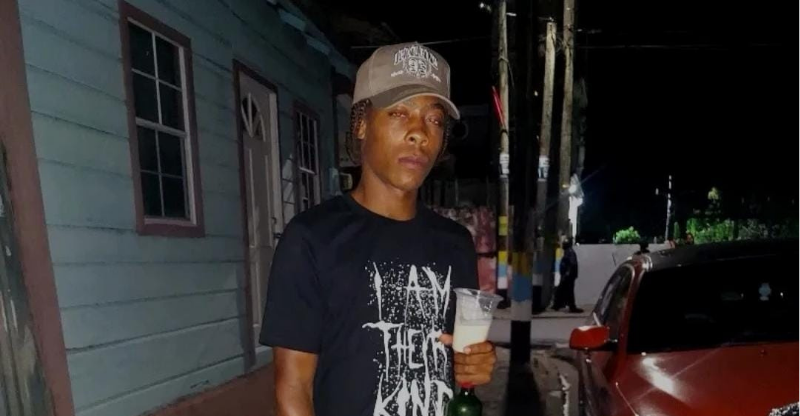
    The tranquil community of Anse La Raye, Saint Lucia, has been plunged into mourning following a lethal shooting incident that claimed the life of 21-year-old Shardell Deterville. The tragic event unfolded on the evening of Tuesday, March 3, 2026, at approximately 11:05 p.m. local time.

    According to official reports from the Royal Saint Lucia Police Force, emergency responders discovered Deterville, a resident of Mole Street, suffering from multiple gunshot wounds. He was immediately transported to the Owen King EU Hospital for urgent medical intervention. Despite efforts to save his life, Deterville succumbed to his injuries shortly after midnight at 12:37 a.m. on Wednesday, March 4.

    Law enforcement authorities have confirmed that one individual is currently in custody and cooperating with the ongoing investigation. While preliminary details remain limited, the police have assured the public that all aspects of the case are being thoroughly examined.

    The aftermath of the shooting has triggered significant social unrest, with numerous videos capturing the incident’s aftermath circulating widely across digital platforms. These recordings have ignited passionate responses from citizens who are vehemently condemning the perpetrators and demanding swift justice for the victim.

    Community members have voiced growing apprehension about the persistent violence affecting their neighborhoods, particularly emphasizing the tragic loss of young lives that continues to impact the region. The incident has sparked broader conversations about public safety measures and crime prevention strategies needed to protect vulnerable populations.

    Investigators have maintained that additional information regarding the precise circumstances leading to the shooting will be disclosed as the inquiry progresses, urging patience from the public while they pursue all available leads.

  • Vendors outside schools drawn into healthy food policy drive

    Vendors outside schools drawn into healthy food policy drive

    Barbados education authorities are implementing a comprehensive training program to bring off-campus snack and beverage vendors into compliance with national school nutrition standards, marking a significant expansion of childhood obesity prevention efforts. Rather than employing punitive measures, the Ministry of Educational Transformation has adopted a guidance-oriented approach to help vendors transition toward healthier product offerings while maintaining their livelihoods.

    Education Officer Nicole Elliott, overseeing the Barbados School Nutrition Policy, revealed that compliance checks within school environments initiated last September have yielded an 85% success rate for beverages but only 45% for snacks. This disparity prompted officials to extend their outreach to vendors operating outside school premises where students frequently purchase items after being dropped off by parents.

    “Our engagement isn’t about reprimanding vendors but providing practical guidance on healthier alternatives,” Elliott stated during the Childhood Obesity Prevention Youth Health Summit. “We recognize these entrepreneurs depend on this trade for their income, and our objective involves facilitating their transition toward compliant products.”

    The ministry confronts substantial challenges in implementing the 2023 School Nutrition Policy, which aims to regulate sugary drinks and snacks sold near educational institutions. Minister Chad Blackman emphasized the urgency of addressing childhood obesity and non-communicable diseases through improved nutritional access, noting that government responsibility extends beyond school fences.

    A significant hurdle identified involves vendors’ difficulty sourcing approved products. Education officials now actively connect vendors with distributors and wholesalers supplying compliant items. Some companies have developed promotional packages specifically for school vendors, offering reduced prices that maintain profit margins while making healthier options more accessible.

    Despite training sessions attended by approximately 35 vendors and providing equipment vouchers for food handling improvements, compliance remains uneven. Elliott attributes the snack compliance gap to the overwhelming market variety—initially 1,700 snack variations identified in Barbados, now refined to 450-500 approved products through phased nutritional standardization.

    The ministry continues its outreach as compliance checks progress, offering registration opportunities for vendors seeking guidance through direct contact with Education Officer Nicole Elliott via phone or email at nelliott@mes.gov.bb.

  • Ministry of Health confirms first Chikungunya case since 2021

    Ministry of Health confirms first Chikungunya case since 2021

    Health authorities in Saint Lucia have reported the nation’s first laboratory-confirmed case of Chikungunya virus since 2021, marking a significant public health development. The Ministry of Health disclosed that the infected individual received medical treatment at a local healthcare facility for four days before achieving full recovery and being discharged. No subsequent cases have been detected following this incident.

    This occurrence aligns with broader regional trends, as several Caribbean territories including Cuba and Suriname have experienced recent outbreaks of the mosquito-borne illness. The Pan American Health Organization (PAHO) issued an epidemiological alert for the Americas in February due to rising Chikungunya infections across the region.

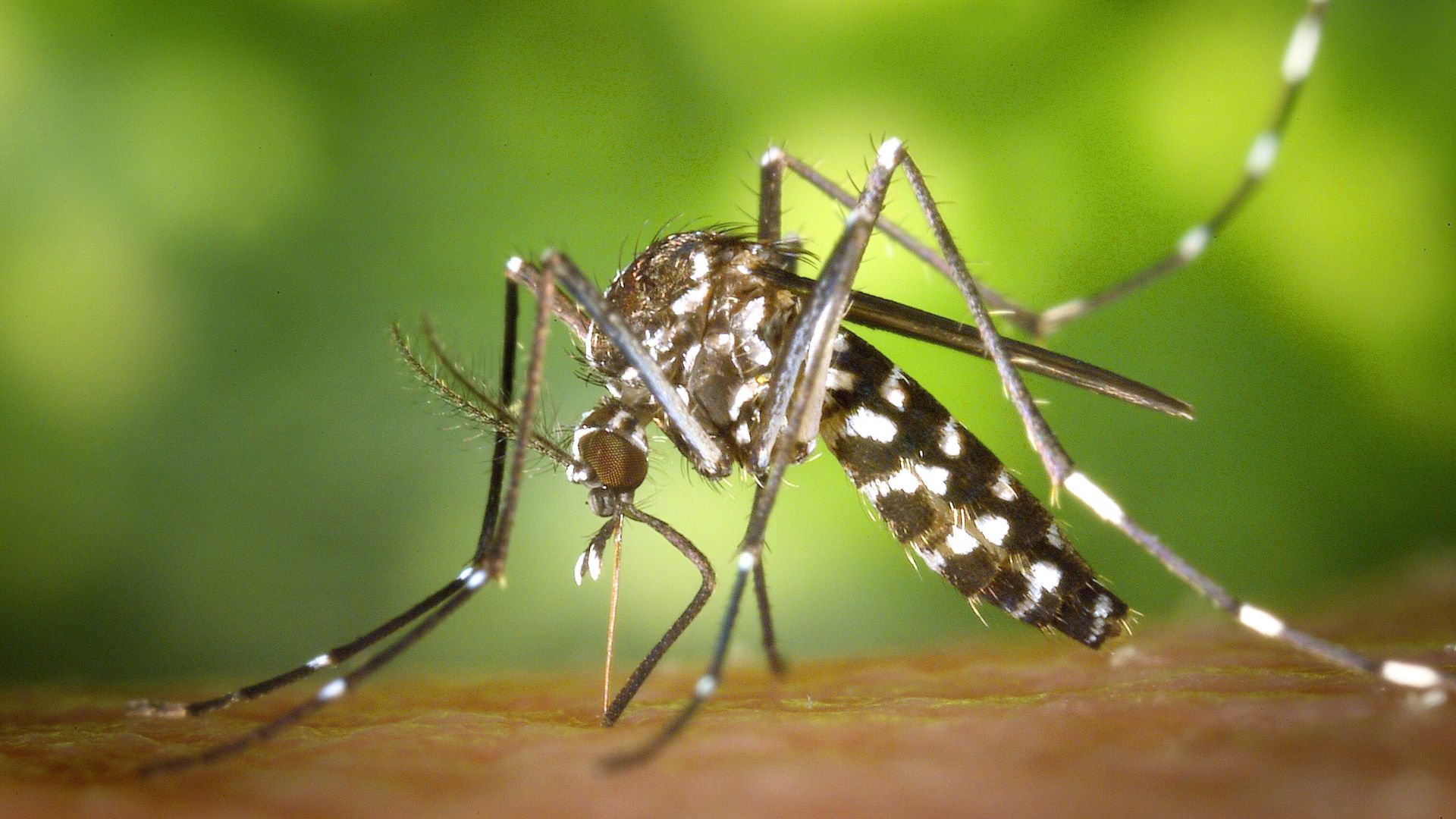
    The Health Ministry emphasized that Saint Lucia remains vulnerable to additional cases due to inter-territorial travel and the persistent presence of Aedes mosquitoes, the primary vectors for virus transmission. In response, health officials have intensified surveillance systems to promptly identify and manage potential cases while implementing comprehensive vector control operations to reduce mosquito populations in affected areas.

    Chikungunya virus manifests through symptoms including high fever, debilitating joint pain, muscle aches, headaches, and skin rashes. Health authorities advise individuals experiencing these symptoms to seek immediate medical attention at their nearest Community Wellness Centre.

    As prevention remains crucial, the Ministry recommends eliminating standing water sources around residences, conducting regular inspections of water-collecting containers, adhering to scheduled garbage collection protocols, and practicing safe water storage methods—particularly in areas with intermittent water supply. Additional protective measures include using mosquito nets, applying insect repellent to skin and clothing, and wearing long-sleeved garments during peak mosquito activity periods.