作者: admin

  • PUMA and Rotary Invest in Education Through Scholarships

    PUMA and Rotary Invest in Education Through Scholarships

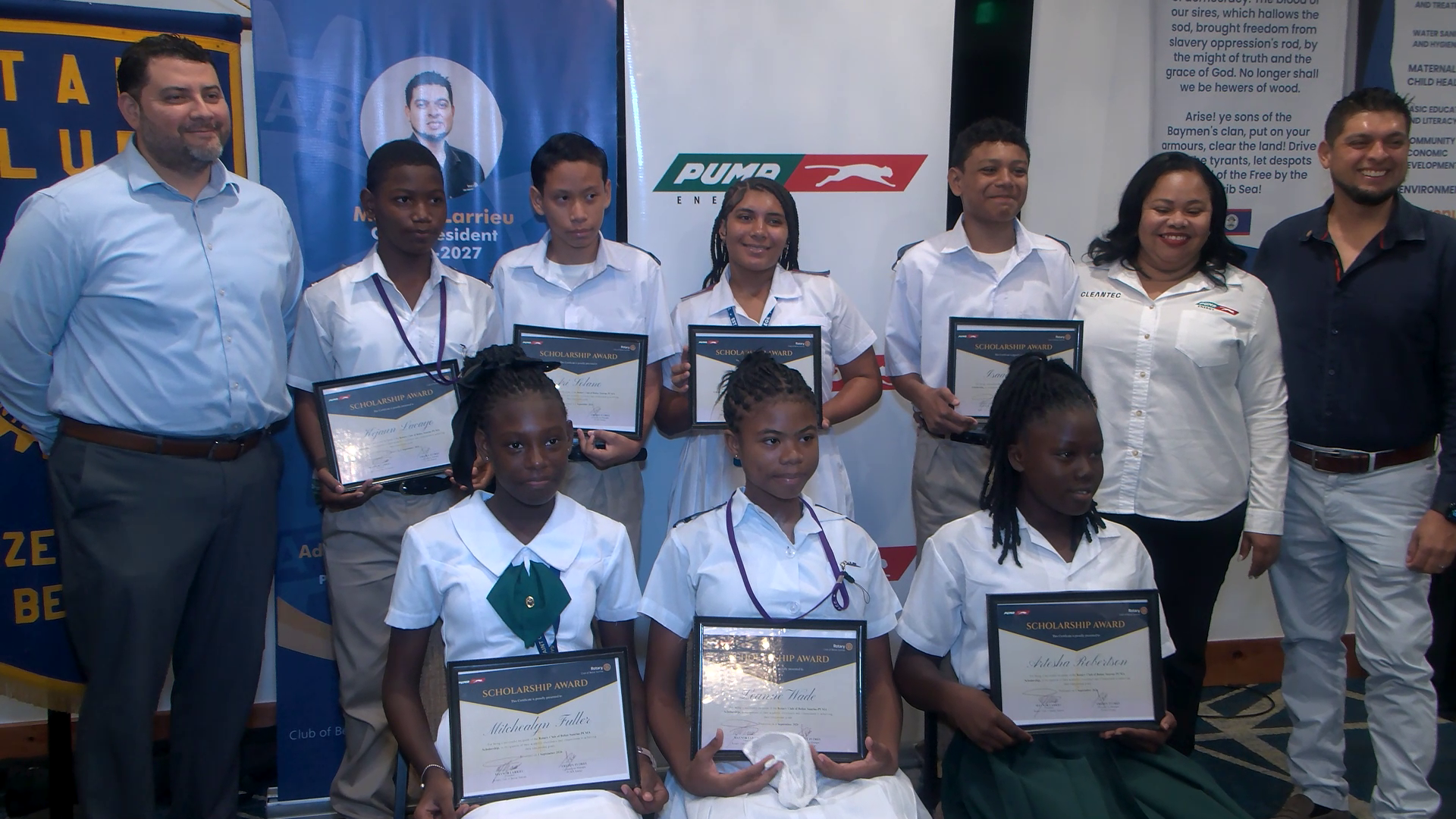
    As the 2026 academic year kicks off across Belize, eight ambitious local students are stepping into the classroom with far less financial burden and far greater confidence in their future, thanks to an expanded educational initiative from two prominent community organizations.

    The collaboration between the Rotary Club of Belize Sunrise and PUMA Belize, which first launched its scholarship program seven years ago, has steadily grown from a small community project into a comprehensive support system that addresses more than just tuition costs. This year’s cohort of eight new recipients was celebrated at a special breakfast gathering held at Biltmore, where students, program organizers, and supporters gathered to mark the next chapter of the initiative.

    Maynor Larrieu, president of Rotary Club of Belize Sunrise, explained that the program has evolved far beyond simple financial grants since its founding. Every year, the organization reviews the progress of existing scholars, shares outcomes and challenges with PUMA Belize, and adapts its support to meet changing needs. Unlike many standard scholarships that only cover upfront education costs, this initiative includes personalized tutoring tailored to each student’s academic gaps, regular check-ins to track well-being, and targeted support for mental health challenges that many low-income students face.

    “The goal isn’t just to help students pay their school fees,” Larrieu emphasized. “We’re setting these young people up for long-term success, and we’re working to cultivate the next generation of community leaders. We want them to stay engaged with their education and grow into people who can give back to Belize down the line.”

    For the students themselves, the impact of this support extends far beyond the classroom, easing financial strain on their families and clearing barriers that could have forced them to abandon their academic dreams.

    Ari Solano, one of this year’s new scholarship recipients, shared that the grant removes a huge weight from his family’s shoulders, helping cover household and education costs that have long stretched their budget. “This makes it possible for us to build a slightly better life,” Solano said. “It pushes me to work even harder toward the things I want to achieve in my life.”

    Another recipient, Mitchealyn Fuller, who dreams of earning a medical degree and working as a doctor in Belize, says the scholarship brings her long-held goal within closer reach. “This helps me build the foundation I need for my future,” Fuller explained. “For my mom, it takes so much pressure off—we have so many bills to cover, and adding school costs on top of that was overwhelming. This support makes everything possible.”

    Organizers note that the program’s steady growth over the past seven years reflects a shared commitment to investing in Belize’s youth. With each new cohort, the partnership continues to expand its reach, opening doors for more students to access the education and support they need to thrive.

  • The future is written in the classroom

    The future is written in the classroom

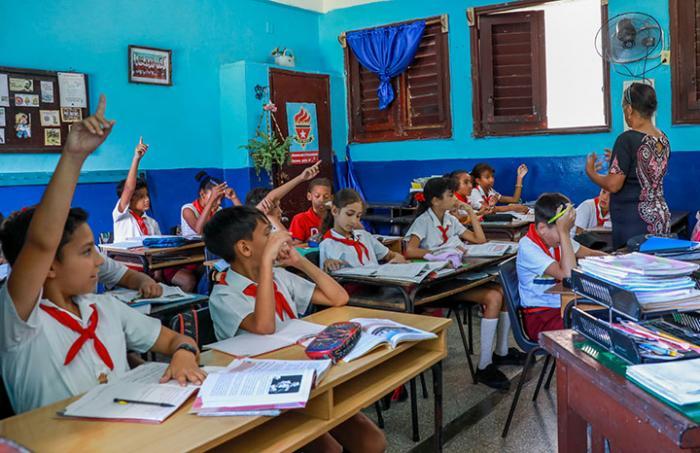
    As August draws to a close every year, Cuban households undergo a familiar, transformative shift. This is no sudden renovation or cross-town move — it is an annual ritual, as steady as the turning of the calendar itself: the quiet revolution that precedes the start of a new school year. When September rolls around, Cuban families prepare for one of their most meaningful annual milestones, and even amid widespread economic and logistical challenges, the celebration of learning is returning to classroom halls across the country.

    In the weeks leading up to the first day of school, families across the island busy themselves with preparation. Uniforms are pressed, new notebooks and covers are sourced, and writing supplies are gathered for the months ahead. Cuba’s public education system, which shares the resource shortages impacting other sectors of the national economy, still works to guarantee every student access to the core materials they need to learn.

    These pre-term days are also dedicated to rebuilding the routine that a full school year demands. Children get adjusted to earlier bedtimes, learn to pack their own backpacks, and organize their supplies ahead of the first bell. What is often framed as an individual milestone for students is in fact a collective family effort: grandmothers iron uniforms before dawn, fathers schedule back-to-school haircuts, mothers plan nutrient-dense afternoon snacks for when classes let out. This collective work serves as a quiet reminder: education is never an individual achievement, but a shared community and family project.

    Across generations of children in Cuban households, excitement and anticipation for the new term run high. The oldest child, entering fifth grade, knows their coursework will grow more challenging this year and is already preparing to commit extra effort to their studies. The middle child, the middle of three siblings, returns to the island’s beloved community daycare, where learning unfolds through play with classmates; next year, she will move on to preschool, and already knows she will need a new uniform tailored for the next step. Even the youngest, just a few months old, picks up on the shifting energy in the home, adjusting her behavior to match the quiet excitement of the days ahead.

    This annual back-to-school moment carries a singular magic. Streets once quiet over summer break fill again with children in uniform, and the annual festival of knowledge resumes. For Cubans, the first week of September is one of the most vividly memorable moments of the year, a wellspring of hope that reinforces a core national belief: even amid hardship, the future of the country is written within classroom walls.

    It is no coincidence that the legacy of Fidel Castro remains a central, living presence in this annual ritual, especially as the nation marks his centenary. Fidel always understood that no revolution could survive without a robust, accessible education system. He famously articulated, with clear conviction, that the soul of a nation is forged one desk at a time.

    For Cuba, a country grappling with long-standing economic sanctions that have created widespread resource shortages, opening schools for a new term is itself an act of resistance. Fuel shortages complicate transportation for both students and teachers, and many families struggle to cover basic costs from new shoes to backpacks to daily snacks. Even so, the nation has refused to abandon the educational growth of its children and young people. Starting the new school year is a public declaration that every sacrifice is worth making to secure the next generation’s future. It is also a tribute to Cuban teachers, who show up every morning to welcome students despite facing the same daily hardships as all residents.

    In the quiet simplicity of a well-worn, neatly pressed uniform, in the familiar heft of a backpack stuffed with textbooks, there is a profound reflection of the kind of society Cubans are working to build. This back-to-school ritual is no small, mundane gesture: it is a reaffirmation of the national certainty that no matter what obstacles arise, some principles are non-negotiable. The education of every Cuban child sits at the top of that list.

    Once again, September finds Cuban families with backpacks packed and routines reset, drawing on generations of collective wisdom to navigate ongoing adversity. For modern Cuba, opening the school year is far more than an administrative academic act: it is an act of faith in the future of the nation.

    For a few hours every weekday now, Cuban homes fall quiet. But this is no empty silence. It is a quiet filled with hope — the kind of hope that only comes when families know their children are exactly where they need to be: in a classroom, building the future one lesson at a time.

  • Leach-Linton, 101, ‘last of Powers Gap’

    Leach-Linton, 101, ‘last of Powers Gap’

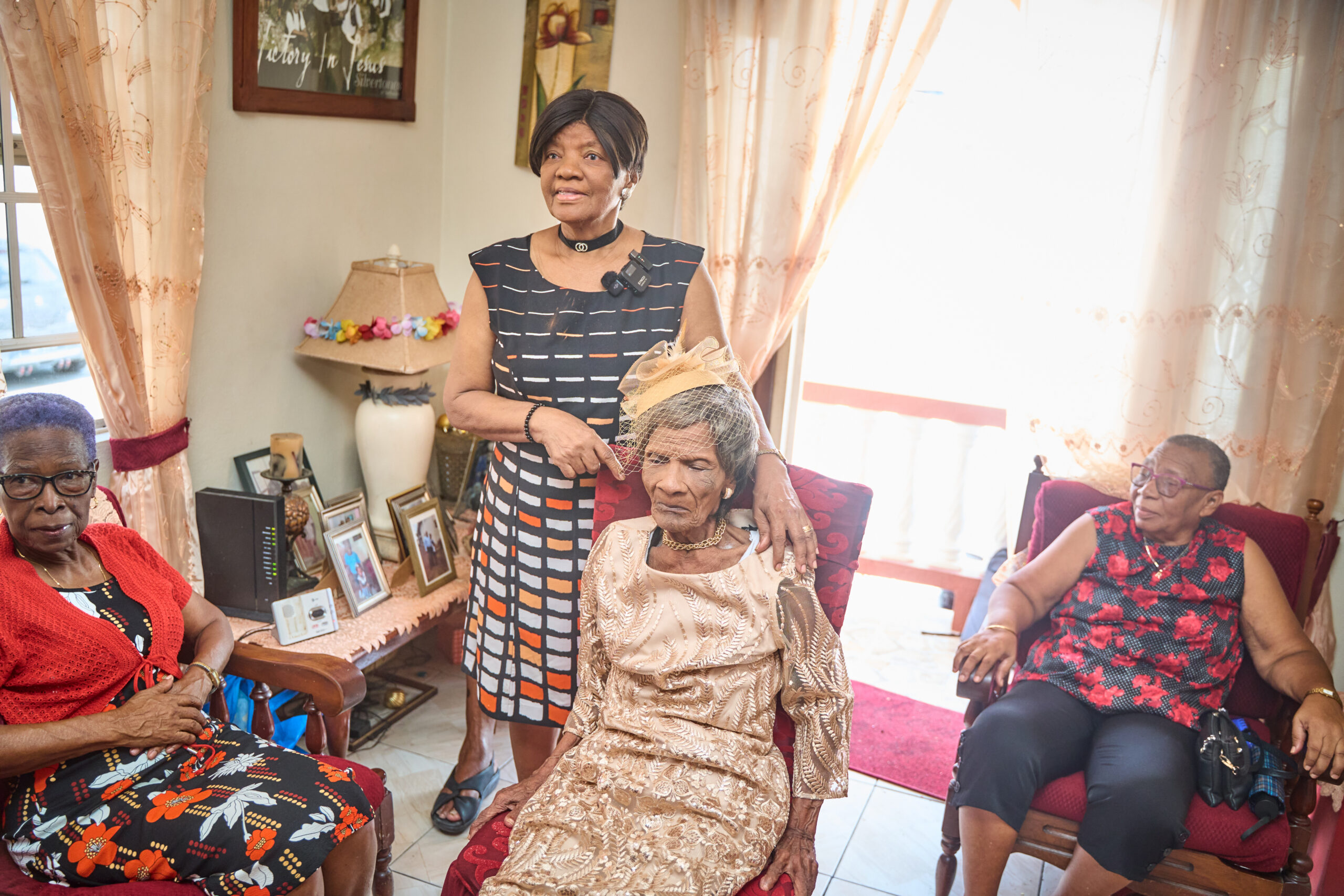
    Against the quiet backdrop of the small, tight-knit Pickwick Gap community, a remarkable local milestone unfolded on Tuesday: Emsey Nevadney Leach-Linton, the sole surviving descendant of the original settlement where she was born and raised, marked her 101st birthday, surrounded by generations of her family, the soft sound of traditional hymns, heartfelt praise, and warm peals of laughter. The joyful gathering was led by Sis Theresa Crichlowe, who opened the celebration with a dedicated prayer for the centenarian, captured in photos by local photographer Shamar Blunt.

    For Denise Leacock, Leach-Linton’s youngest surviving child, the occasion carried a special weight of gratitude. As the primary caregiver for her mother alongside her husband, Leacock shared that she never could have imagined her mother would reach such an extraordinary age, even after welcoming nine children into the world. Two of Leach-Linton’s children have already passed away, leaving seven surviving offspring to honor their matriarch.

    Leach-Linton’s life is inextricably tied to the land of Pickwick Gap, originally named Powers Gap before it was renamed decades ago. Having never left the community she grew up in, she is now the last remaining member of the original founding families that once called the small settlement home.

    Reflecting on the secrets behind her mother’s long and fulfilling life, Leacock pointed to two foundational pillars: her unwavering Christian faith and her lifelong devotion to her family. Growing up, Leach-Linton prioritized raising her children in the church, making sure every child attended Sunday school, midweek prayer services, and congregational gatherings, alongside creating lasting memories through community picnics, park trips, and local exhibitions. “She is a good mother, she looked out for her children, and she made sure they were well turned out,” Leacock told reporters.

    Leach-Linton’s long life was far from an easy one. Orphaned at just 17 when her own mother passed away at age 50, she was forced to take on grueling manual labor from a young age to survive. In the era of her youth, that work meant taking physically demanding jobs serving white landowners, a life of constant movement that kept her on her feet from dawn to dusk. She often traveled between work sites across Spooners Hill, carrying meals for labor crews at multiple locations every day. “it was real hard work… if they give out now, that ain’t nothing,” Leacock said, summarizing her mother’s enduring work ethic.

    Today, at 101, Leach-Linton spends most of her days resting, and her family has prioritized keeping her comfortable and cared for in her final years. Leacock notes that her mother’s long life defies all family precedent: her father passed away at just 58, and her mother at 50, making her 101 years all the more extraordinary. “It’s by the goodness of God,” Leacock said.

    The centenarian’s legacy now spans four generations, boasting a large extended family of nine children, 14 grandchildren, and 12 great-grandchildren, many of whom gathered at Tuesday’s celebration to share in the historic occasion alongside close friends.

  • Friday is now ‘Barbados Day’ for Independence celebrations

    Friday is now ‘Barbados Day’ for Independence celebrations

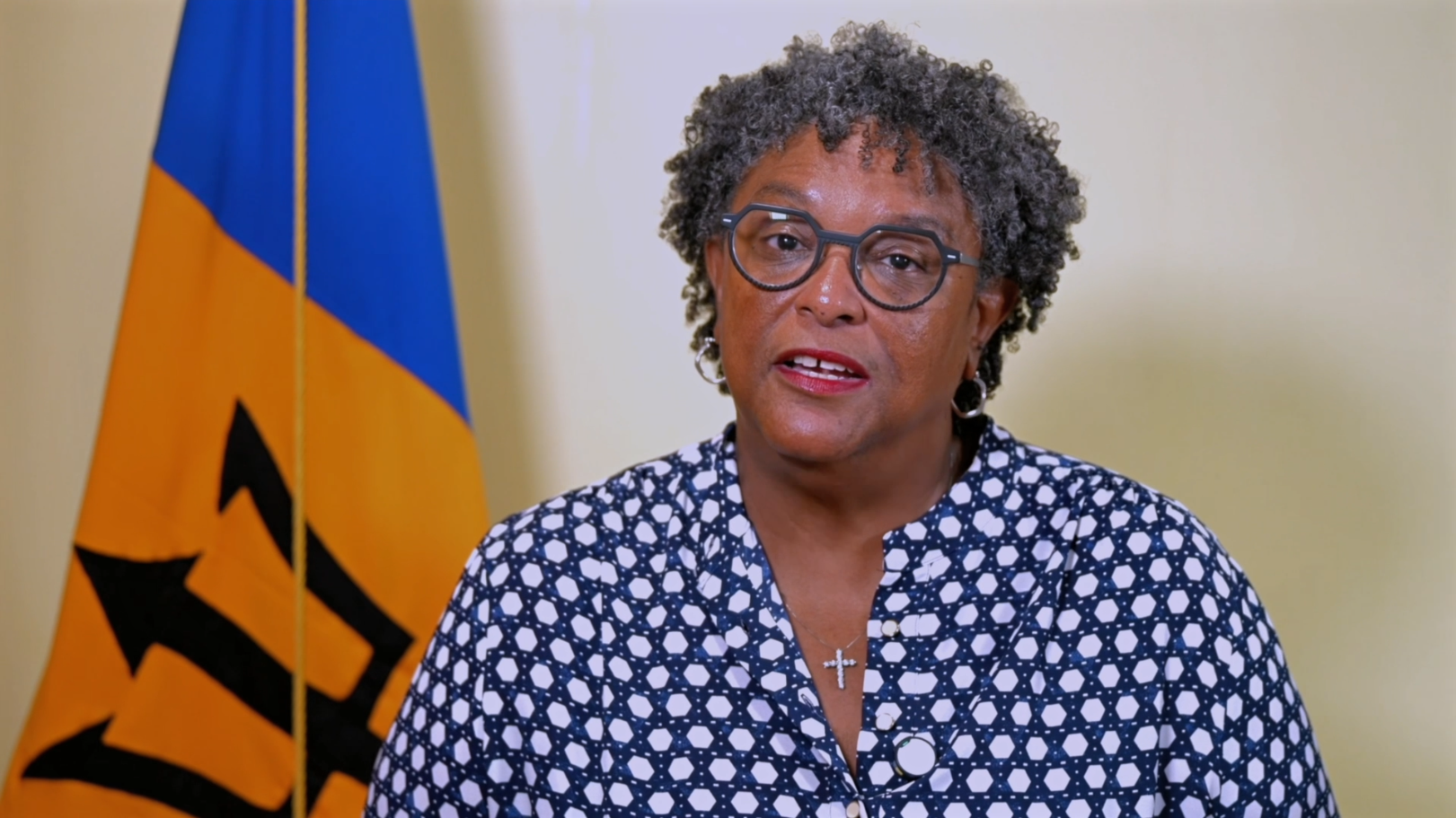
    Barbados is gearing up for a historic three-month celebration of two major national milestones: 60 years of sovereign independence and five years as a republican state, with Prime Minister Mia Mottley at the helm of the launch.\n\nIn an official video address delivered Tuesday that marked the official kickoff of the anniversary activities, Mottley announced a new inclusive tradition for the 90-day countdown: every Friday will officially be designated as Barbados Day through the final main celebration date of November 30.\n\nThe prime minister urged all Barbadians across the island and abroad to embrace this weekly celebration by showcasing their national pride. She called on residents to wear the country’s iconic national colors — deep blue, gleaming gold, and solid black — fly the national flag at homes, businesses, and public spaces, and share their celebrations across social media platforms to connect with loved ones and build collective excitement ahead of the November 30 anniversary.\n\nDubbed the “60 and 5” milestone, this moment carries deep national significance for the Caribbean nation. Mottley emphasized that the extended celebration period is designed to give all Barbadians time to reflect on the country’s decades-long journey since independence, honor the struggles and obstacles the nation has overcome to reach this point, and look forward with confidence to future growth and opportunity.\n\nA range of community-focused events are planned across the 90-day period, alongside the return of beloved traditional Independence activities. Ahead of the main November 30 event, Mottley announced that the official “60 and 5” anniversary logo will be unveiled in the coming weeks, with clear guidance provided for local businesses, nonprofits, and community groups that wish to apply to use the logo for their own events.\n\nKey new events include a national clean-up and beautification initiative called “Leh We Paint Barbados”, a national oratory competition named “My Voice My Barbados” that is open to primary, secondary, and tertiary students across the country. There will also be a public lecture series exploring the nation’s history, a national concert, a formal President’s Gala evening, the grand opening of the new Richard Stoute Amphitheatre, and the long-awaited inauguration of the Newton Slave Memorial, a project that honors the island’s historical connection to the transatlantic slave trade.\n\nLongstanding traditional Independence activities will also make a comeback this year after recent disruptions. These fan-favorite events include the National Independence Festival of Creative Arts (NIFCA), the annual Bridgetown city lighting ceremony, the Spirit of the Nation showcase, the popular Food and Rum Festival, the formal National Parade, and the interfaith Ecumenical Service.\n\nThe entire 90-day celebration will culminate on a high note with the Prime Minister’s Cup, a popular annual football competition that has grown into a beloved Barbadian tradition in recent years.\n\nMottley added that the national organizing committee behind the celebrations will publish a full event calendar in the near future, and will provide support to local communities and groups that want to organize their own local events to add to the national celebration. Closing her address, the prime minister urged all Barbadians to use the coming three months to reflect on the nation’s progress, give thanks for the gains achieved, and celebrate all that makes Barbados unique.

  • Landscaper remanded after no surety available

    Landscaper remanded after no surety available

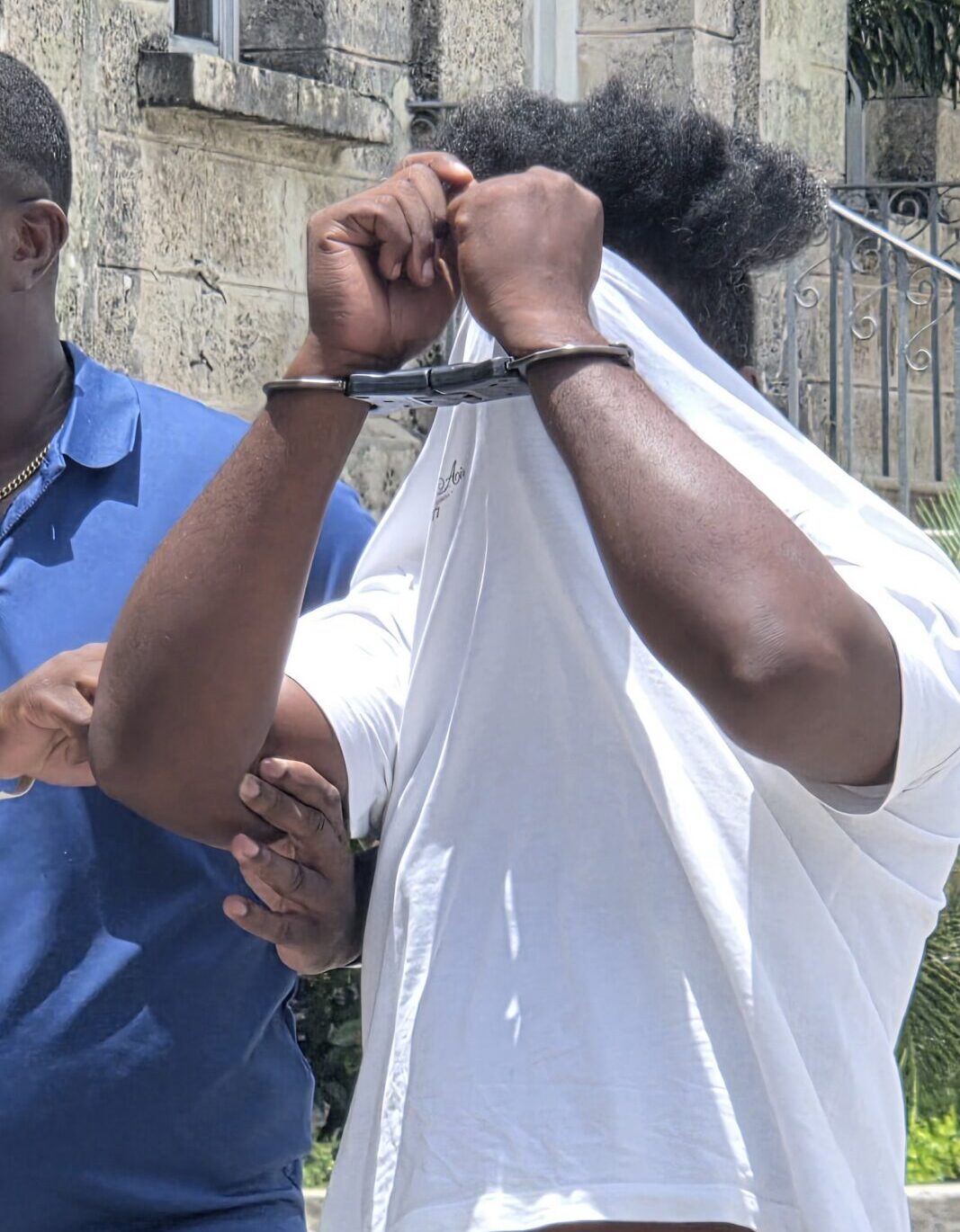
    A 37-year-old landscaper from Waterford has been placed in Dodds Prison, after he informed a local magistrate he had no one able to act as a surety for his bail release.

    Rasheed Obrien Winter, who resides at Longford Place, St Michael, faces two serious criminal allegations: trespassing on a woman’s residential property with the explicit intention to carry out a rape, and carrying scissors – classified as an offensive weapon – during the alleged incident. The event is reported to have taken place on August 30.

    As the charges against Winter are indictable offences that fall under the jurisdiction of the higher court, no formal plea has been entered in the lower court proceedings to date. Notably, prosecutors did not raise any objection to the court granting Winter bail, but the defendant told District ‘A’ Magistrates’ Court No. 2 that he had no accessible party willing to sign his bail bond to secure his temporary release.

    Presiding magistrate Manila Renee had no option under the law but to order Winter be remanded into custody ahead of his next hearing. Before being taken into custody, Winter requested that his case be moved forward quickly to the High Court, where the indictable charges will be heard. The next update in the case is scheduled for September 29.

  • Marion Jones: ‘Belize Has the Talent, But Needs a Pathway’

    Marion Jones: ‘Belize Has the Talent, But Needs a Pathway’

    Twenty years after leaving Belize, decorated former track and field athlete Marion Jones has made her landmark return to her home country to headline the first-ever National Sports Summit, held this Wednesday and Thursday at the Belize City Civic Centre, where she is set to deliver the event’s opening keynote address. Ahead of the summit, Jones opened up in an interview with *Open Your Eyes*, revealing that even while living abroad, she has closely followed developments in Belize’s sports ecosystem – and that she intended this return to be more than a ceremonial visit.

    Jones also addressed the long-standing controversy that defined her professional athletic career: her admission of using performance-enhancing drugs ahead of the 2000 Sydney Olympics, a scandal that resulted in her being stripped of all five Olympic medals she earned at the Games. Acknowledging her past poor choices, Jones expressed regret for the disappointment her actions brought to her family and the Belizean community that once celebrated her historic achievements. Now, she says she is committed to leveraging that hard-won experience to give back to her home country and clear a path for emerging young Belizean athletes.

    “Talent is right here in Belize – what we are missing is a structured, long-term pathway to turn that potential into world-class success,” Jones said during her interview. “Right now, there is no cohesive national strategy that covers consistent funding, standardized coaching certification, or the resources coaches need to build elite competitors from the ground up.” She called for key national bodies including the National Sports Council, Belizean Olympic Association, and Commonwealth Games Association to collaborate on building a cross-administration strategy that outlasts changes in government leadership.

    Jones pointed to neighboring smaller Caribbean nations including Jamaica, The Bahamas, and Barbados as proof that small countries can consistently produce elite, world-ranked athletes, arguing that structured grassroots development is the key to their success. She emphasized that athletic development must start in early childhood, with mandatory physical literacy and fundamental movement skills integrated into school curricula across Belize. Too often, she noted, local programs only begin nurturing athletes when they reach their early teens – a timeline she calls far too late to build a foundation for elite success.

    Beyond early childhood education, Jones stressed that coach development is another critical pillar of reform: the country needs to expand access to official certification programs and provide working coaches with the specialized tools required to develop elite talent. She also noted that sustainable change cannot rely on government funding alone, calling on Belize’s private sector and large overseas diaspora community to contribute to the effort – not just through financial donations and improved training facilities, but also through mentorship, connections to international university athletic programs, and opportunities for young Belizean athletes to train abroad.

    Jones was clear that transformative change will take time, urging stakeholders to prioritize building a sustainable foundation for long-term success rather than chasing the immediate goal of producing an Olympic gold medalist. Most importantly, she said, she wants the National Sports Summit to mark the start of lasting change to Belize’s sports system, not just a one-off conversation that fades from public attention. “I don’t want this to be just a brief news story that everyone forgets a week after I leave,” she said. “This has to be the start of something that grows for our young people.”

  • Moves to make circle hooks mandatory for longline fishing fleet

    Moves to make circle hooks mandatory for longline fishing fleet

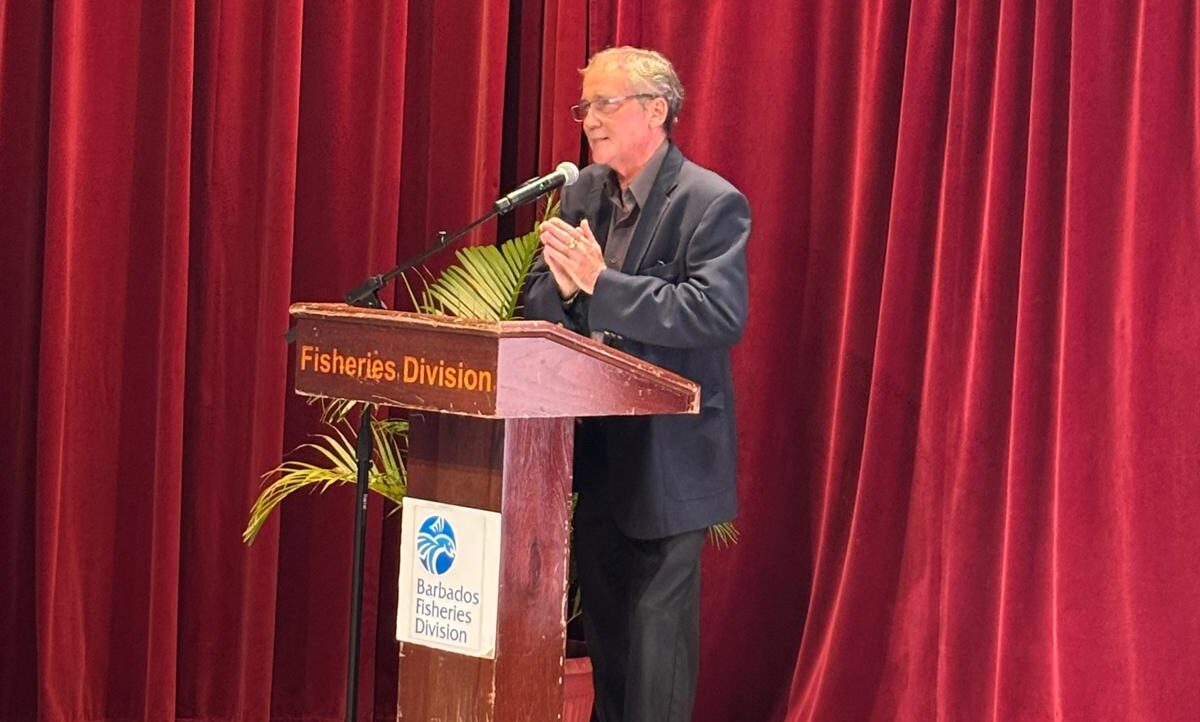
    Barbados is set to become a regional leader in sustainable fisheries management with a groundbreaking new regulation that will require all horizontal longline vessels operating in its territorial waters to swap traditional J-hooks for specially designed circle hooks. The policy, rooted in years of locally conducted scientific trials, marks a step beyond basic international compliance, aiming to both boost target fish catches and drastically improve survival rates for vulnerable non-target species released back into the ocean. The regulation was formally announced alongside the launch of a national public outreach campaign, “Transformative Change: Fish Smart, Hook Right”, hosted by the Barbados Fisheries Division on Friday, which seeks to prepare local fisherfolk, seafood vendors, and the general public for the industry-wide transition.

    Unlike J-hooks, circle hooks feature a distinct circular shape, with their point bent perpendicularly back toward the shank. This simple design alteration drives a major improvement in conservation outcomes: multiple studies, including the local trials completed by Barbados’ fisheries team, confirm that circle hooks are far more likely to hook fish in the mouth rather than the gut or internal organs. This difference dramatically cuts down on injury and mortality for non-target species, including endangered sea turtles, sharks, and other protected marine life that are commonly caught accidentally as bycatch and released by longline vessels.

    The transition to circle hooks is not a new global requirement: as a contracting party to the International Commission for the Conservation of Atlantic Tunas (ICCAT), Barbados has been obligated since 2022 to adopt measures such as circle hook or finfish bait use to reduce sea turtle bycatch. But acting Chief Fisheries Officer Dr. Christopher Parker emphasized that the country’s approach sets a new precedent for the Caribbean region, going far beyond the basic commitments required by ICCAT. No other member state of the Caribbean Community (CARICOM) or the Caribbean Regional Fisheries Mechanism has combined locally generated, evidence-based trial data, a structured financial support scheme for fisherfolk, and formal binding domestic legislation to implement the change all at once. If successful, Dr. Parker noted, Barbados will establish a replicable model for other small island developing states across the region to follow, outpacing even the relatively basic requirements already implemented in the United States.

    The policy itself defies the common framing of conservation as a trade-off with fishing productivity, Dr. Parker explained. Instead, it delivers on three core goals: better catch rates for target species, higher survival for released non-target species, and a more sustainable future for Barbados’ fishing industry as a whole. The regulatory change followed years of collaborative research between the Fisheries Division and the REBYC-III CLME+ project, a regional initiative focused on reducing bycatch in Caribbean fisheries. Nia Browne, project coordinator for the REBYC-III CLME+ team in Barbados, shared that the team ran two separate field trials on local longline vessels to test two common circle hook models: C16 and C18.

    Both circle hook variants outperformed traditional J-hooks on key metrics, but the C16 configuration stood out for its impact on target species catches. When controlling for fishing time and location, trials found that C16 circle hooks delivered a statistically significant increase in catches of yellowfin tuna, Barbados’ primary target tuna species for longline fishing. Beyond higher yields, the trials confirmed the conservation benefits of the design: 90% of hooked ETP (endangered, threatened, and protected) species were hooked in the corner of the mouth, compared to just 30% for J-hooks, making safe release far more likely and drastically boosting post-release survival rates.

    To address widespread concerns among local fisherfolk about the higher upfront cost of circle hooks, the Fisheries Division has rolled out a targeted support scheme. A box of circle hooks currently retails for roughly US$200, compared to US$120 for an equivalent box of J-hooks, a price difference that creates a barrier for many small-scale fishing operations. To offset this, the division has partnered with REBYC-III CLME+ to launch a gear-exchange program that allows fisherfolk to trade in their old J-hooks for discounted circle hooks. The team has also negotiated discounted bulk rates with local fishing gear suppliers to bring down costs further for participants.

    “I am asking you to be part of this change not because the government demands it, but because the evidence of the gear trials shows it is good for your catch, good for the ocean, and good for the next generation of Barbadians,” Dr. Parker told attendees at the campaign launch.

    The launch event also included contributions from legal and conservation stakeholders: Makayla Williams, legal consultant for the Fisheries Division, walked attendees through the binding legislative framework under the Sustainable Fisheries Development and Management Act that formalizes the mandate, while Nikola Simpson of regional conservation group Sustainable Caribbean outlined the broader implications of the policy for regional ocean health. The event closed with cultural tributes and campaign materials: a custom campaign jingle performed by singer Reniece Bonnett, an educational skit outlining the hook transition, and a saxophone tribute by Darren Watson to the late former Chief Fisheries Officer Dr. Shelly-Ann Cox, who championed sustainable fisheries reform in Barbados before her passing.

  • Falcons soar to 2026 DABA Premier Division Championship

    Falcons soar to 2026 DABA Premier Division Championship

    After five hard-fought games in the 2026 Dominica Amateur Basketball Association (DABA) Premier Division National Championship series, the Falcons Basketball team has emerged as the undisputed top team, clinching the coveted national title with a hard-earned 77-68 victory over the 767 SC Dominators in the decisive Game 5. This final win brings a dramatic, tightly contested series to a thrilling close, capping off a standout full-season campaign for the rising squad. When the pressure peaked in the do-or-die championship match, the Falcons demonstrated unshakable poise and competitive grit. As the game tightened, the squad delivered key scoring runs to pull away from their determined opponents, locking in the victory and securing their place as this year’s champions. This championship marks a major milestone for the Falcons franchise, carving out a new memorable entry in the team’s ongoing basketball history. Officials from the DABA have formally extended their congratulations to every person behind the Falcons’ successful run, from the on-court players and coaching staff to team management and the loyal fanbase that supported the squad through every match of the 2026 season. The association also publicly commended the Falcons for their steady consistency and unwavering determination throughout the entire tournament, qualities that paved their path to lifting the national crown. As the team celebrates their victory, the 2026 championship solidifies their status as the top amateur side in Dominica for this year.

  • Carriers cautious over CAL route gap

    Carriers cautious over CAL route gap

    State-owned Trinidadian carrier Caribbean Airlines is set to terminate its direct passenger and cargo service between Tobago and Barbados this Wednesday, a network adjustment that has left a critical gap in regional air connectivity. But in exclusive comments to Barbados TODAY, the two major regional airlines best positioned to absorb the abandoned route have confirmed they have no immediate plans to step in.

    The route cancellation forms part of Caribbean Airlines’ broader strategy to optimize its regional network and align flight schedules with shifting customer demand. The carrier emphasized that travelers will still retain access to connections across Trinidad, Tobago and Barbados via its existing operating structure. Its long-running direct Piarco (Trinidad) to Barbados service, which traces its origins back to the launch of regular commercial passenger flights in Barbados in 1938, will remain unchanged, with two daily flights (BW216 and BW448) continuing to operate. Only the Trinidad-Tobago-Barbados triangular route, operated under flight numbers BW212 and BW213, will be scrapped.

    Caribbean Airlines has noted that “multiple travel options” will remain available for passengers transiting between the three destinations. Travelers holding pre-booked tickets on the canceled services will be re-accommodated on same-day alternative Caribbean Airlines flights, and the carrier says it will reach out directly to all affected customers to share details of revised itineraries. It has urged passengers to verify that contact information linked to their bookings is up to date to ensure they receive timely notifications of any changes to their travel plans. The airline stressed that the schedule adjustment is designed to preserve reliable, convenient regional connectivity while matching capacity to current passenger demand, and has advised passengers traveling after Wednesday to confirm their booking status ahead of departure. It added that customers with affected reservations do not need to make alternate arrangements independently at this stage, as the airline will coordinate rebooking directly.

    While the carrier has left an opening for other regional airlines to capture the new demand gap, industry players have signaled that any move to add the route will be slow and contingent on rigorous market assessment. Lyndon Gardiner, chairman and founder of interCaribbean Airways, told Barbados TODAY in an interview from his base in the Turks and Caicos Islands that his company is constantly evaluating opportunities to expand regional connectivity, but has no immediate plans to launch a Tobago-Barbados service.

    “It is fair to say we look around and see if we can provide better connectivity for our passengers. So, I wouldn’t say that we are looking at this specifically or we are not looking at it specifically. I would be more general to say we always have our scope up to see what else we can do to add value to the network we have already built,” Gardiner explained. He added that launching any new route requires extensive planning, and the announcement of Caribbean Airlines’ exit came too recently for a rapid response: “No, there are no immediate plans. That news was only recently shared. So, for us, it takes time to obviously plan and then launch it. So, it’s not something we can do on the fly.”

    For LIAT (2020) Airline Limited, the restructured successor to the former regional carrier once co-owned by the Barbados government, the decision to avoid immediate entry stems from a desire to avoid cutthroat overcapacity on already crowded routes. LIAT currently is assessing its existing Antigua-Barbados service, and has ruled out rushing to fill the Tobago-Barbados gap to avoid going head-to-head with interCaribbean, which already operates a major hub in Barbados.

    “It [plans to fill the gap] is not a consideration that we are actively thinking of; surely because we know that interCaribbean obviously has a hub in Barbados and is poised to fill the gap,” LIAT Chief Executive Officer Hafsah Abdulsalam told Barbados TODAY from the airline’s Antigua headquarters. “We will be operating from Antigua into Barbados. So, what we are looking to do, is to assess and determine if indeed we are able to fill that gap; because there is no point being a head-to-head on a route that is already covered in terms of capacity, because it would just be who is leading on either side, and it’s a race to the bottom.”

    Abdulsalam noted that interCaribbean already operates 10 to 11 weekly flights between Antigua and Barbados, and LIAT, which is still in the process of re-establishing its route network after restructuring, has no interest in adding oversupply to an already saturated route. “You could appreciate, interCaribbean would execute…a carrier that is based in that home hub, where its aircraft are over-nighting; it is easier to dispatch a flight out of your hub to all of your destinations, as opposed to another carrier coming in, and there have to be enough traffic coming into that destination,” she said. Abdulsalam added that LIAT does not expect to make a decision on adding the Tobago-Barbados route for at least two more months: “For the month of September, it is not in our plans. That I can say. But what will come up in the next month or two, based on how we assess the market and the capacity requirements of the route, then we can make a determination if we will deploy additional capacity to provide coverage that may be suitable or enough for the demand.”

    Smaller regional carrier SVG Air, which operates daily 19-seater Twin Otter services connecting its St Vincent base to destinations including the Grenadines, Barbados, Antigua and Barbuda, Montserrat and Carriacou, says it currently lacks the aircraft capacity to take on the additional demand, though founder Paul Gravel says the airline is open to assisting if approached. “We don’t have the equipment; we don’t have the spare equipment at the moment. Nobody has reached out to us, but we are willing to help; but we don’t want to step on anybody’s toes,” Gravel told Barbados TODAY.

    Reaction from Barbados’ business community has so far been muted, with importers reporting no immediate major concerns over the lost cargo capacity. The Barbados Chamber of Commerce and Industry (BCCI) has been surveying its membership to gather feedback on the service cut, and so far has received no reports of material negative impacts. “No, [no adverse impact]. I met with council last week, and there were no reports in the negative regarding the impacts, given that change in the schedule,” BCCI President Paul Inniss told Barbados TODAY. “To date, we don’t have any information to suggest that it would materially impact chamber members.”
  • Dominica successfully hosts six-week CXC examination programme

    Dominica successfully hosts six-week CXC examination programme

    Over a six-week testing window concluding earlier this year, Dominica successfully hosted the June 2026 sitting of the Caribbean Examinations Council (CXC) qualifications, with exam sessions running at 17 dedicated centres distributed across the island. Details of the large-scale assessment exercise were outlined by Magalie Celestine, the CXC Local Registrar for Dominica, during an official results presentation held on Monday at the Dominica Public Service Union Building.

    Celestine shared that 66 percent of all examination staff deployed for the 2026 sitting served as invigilators, tasked with monitoring test sessions and upholding the CXC’s strict assessment integrity rules. One of the most notable shifts in this year’s administration was the expansion of electronic testing: 12 of the 17 local centres were able to fully deliver Paper One assessments via digital platforms. However, infrastructure gaps slowed full digital transition at the remaining five sites. Limited available devices and unreliable, inconsistent internet connectivity meant those locations could only offer electronic testing for a subset of subjects. To mitigate risks of service disruptions from power outages or digital failures, every centre maintained printed physical copies of all exam papers as a fail-safe backup, ensuring no candidate was unable to complete their assessment due to technical issues.

    Despite robust invigilation protocols, two separate examination integrity breaches were recorded during the 2026 sitting. According to Celestine, one candidate sitting the Caribbean Secondary Education Certificate (CSEC) was caught attempting to use a prohibited cell phone during their exam. A second candidate, registered for the Caribbean Advanced Proficiency Examination (CAPE), was found in possession of a defaced timetable that contained hidden handwritten notes for unauthorized use. In line with CXC’s zero-tolerance policy for examination misconduct, both candidates have had their entire 2026 sitting results cancelled.

    The 2026 examination cycle also showcased the flexible cross-regional cooperation that underpins the CXC’s service model, Celestine noted. Thanks to coordination through the CXC’s interconnected regional network, Dominican candidates who were unable to return to the island for the sitting were able to complete their CSEC and CAPE assessments at test centres in four neighboring Caribbean territories: Anguilla, Barbados, the British Virgin Islands, and St. Kitts and Nevis. In turn, Dominica accommodated external candidates from Montserrat who registered through the Academic School of Learning, allowing them to complete their exams at local Dominican centres.

    Special accommodations were also extended to elite athletes whose training and competition schedules required cross-border travel. One competitive athlete from Dominica’s Goodwill Secondary School, who had scheduled commitments in Saint Lucia, was permitted to complete their CXC exams at a test centre in that territory. Conversely, an athlete based in Barbados was accommodated at Dominica’s Portsmouth Secondary School to sit their assessments during the June sitting.

    Looking ahead to future CXC cycles, Celestine emphasized that the ongoing expansion of electronic testing is transformative for the regional examination body. The shift to digital delivery is steadily increasing the CXC’s ability to serve candidates who reside outside their home countries, or who have had to relocate temporarily for work, education, athletic or other legitimate reasons, making the qualification more accessible to mobile populations across the Caribbean.